 Gang Zheng
What You’ll Find Here
I’ll never forget the first time I brought a group to Aba. One traveler from Texas looked at the reflection in Five Flower Lake and whispered, “Is this real?” That’s the kind of place Aba is. Stretching across the northwestern corner of Sichuan, this region is home to some of China’s most iconic landscapes – from the fairy-tale turquoise pools of Jiuzhaigou to the sprawling grasslands where Tibetan nomads still pitch their tents. Over a decade of guiding here, I’ve learned exactly which spots are worth your time, which ones are overhyped, and how to avoid the crowds that sometimes swamp the famous sights. Let’s dive in.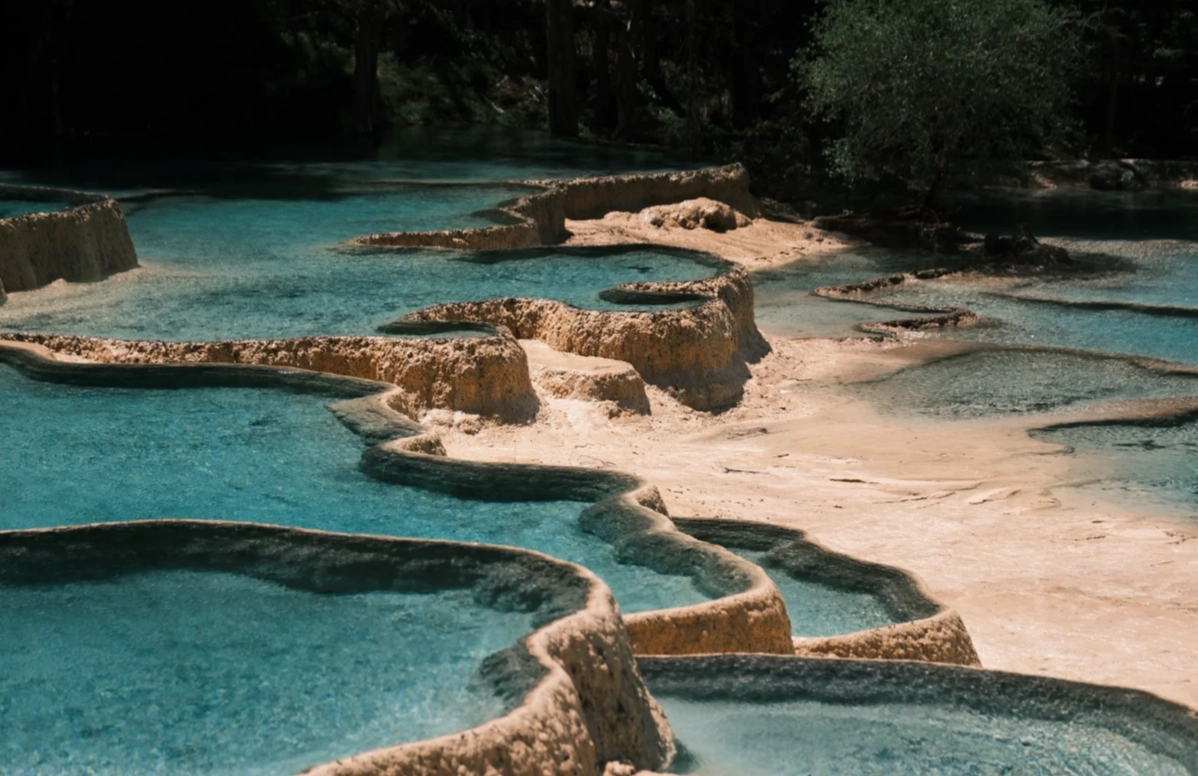
Why Visit Aba?
Most travelers come to Aba for one reason: nature that looks photoshopped. But there’s more – the Tibetan and Qiang cultures add a completely different flavor. You’ll see prayer flags flapping over mountain passes, taste yak butter tea, and maybe even catch a horse racing festival on the grasslands. The air is thin (altitude ranges from 2,000 to 4,000 meters), so be prepared for some breathlessness – both from the scenery and the elevation.
Top Natural Wonders
Jiuzhaigou Valley
Address: Jiuzhaigou County, Aba Prefecture (about 330 km north of Chengdu).
Opening hours: Peak season (Apr–Nov) 07:30–17:00; off-season (Dec–Mar) 08:30–16:30. Last entry is usually 1 hour before closing.
Tickets: Peak season 169 RMB (adult), 85 RMB (child 6–18); off-season 80 RMB (adult), 40 RMB (child). Important: You must pre-book online through the official WeChat mini-program “Jiuzhaigou” or on Trip.com. No on-site ticket sales.
Transport: From Chengdu, take a bus from Chadianzi Bus Station (8 hrs, around 150 RMB). Alternatively, fly from Chengdu Shuangliu to Jiuzhai Huanglong Airport (1 hr flight, then a 1.5 hr bus to the park).
I always tell my groups: “The first lake you see is Shuzheng – but don’t stop too long. The best is further in.” Take the park shuttle to the end of the Rize Valley (Primitive Forest stop), then walk downhill. Your phone will run out of battery, and you won’t care. Highlights: Five Flower Lake (shallow, multicolored), Panda Lake (deep blue), and the Nuorilang Waterfall (most impressive in summer).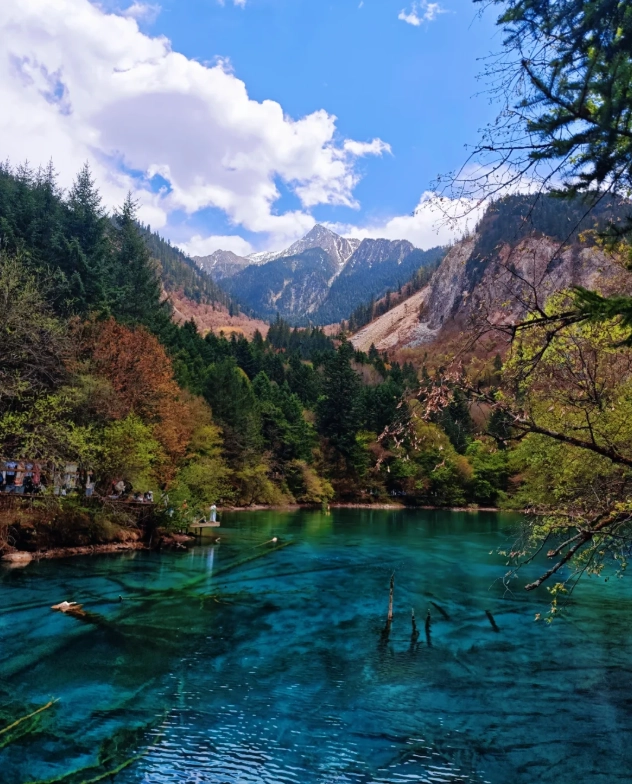
Huanglong National Park
Address: Songpan County, about 100 km from Jiuzhaigou.
Opening hours: Peak season 08:00–18:00; off-season 09:00–17:30.
Tickets: 170 RMB (adult) peak season, 60 RMB off-season. Add 80 RMB for the cable car (highly recommended – saves a steep 3-hour hike).
Transport: From Jiuzhaigou, buses run daily (2 hrs, 50 RMB). Or combine with a private car (around 300 RMB).
Huanglong means “Yellow Dragon,” and the main attraction is a series of calcified pools cascading down the mountain like golden scales. The boardwalk takes you from the cable car top down to the main pool area. Watch out for altitude sickness – the highest point is 3,500 meters. I’ve seen countless visitors struggling; take it slow and carry oxygen cans (sold at the entrance, 20 RMB).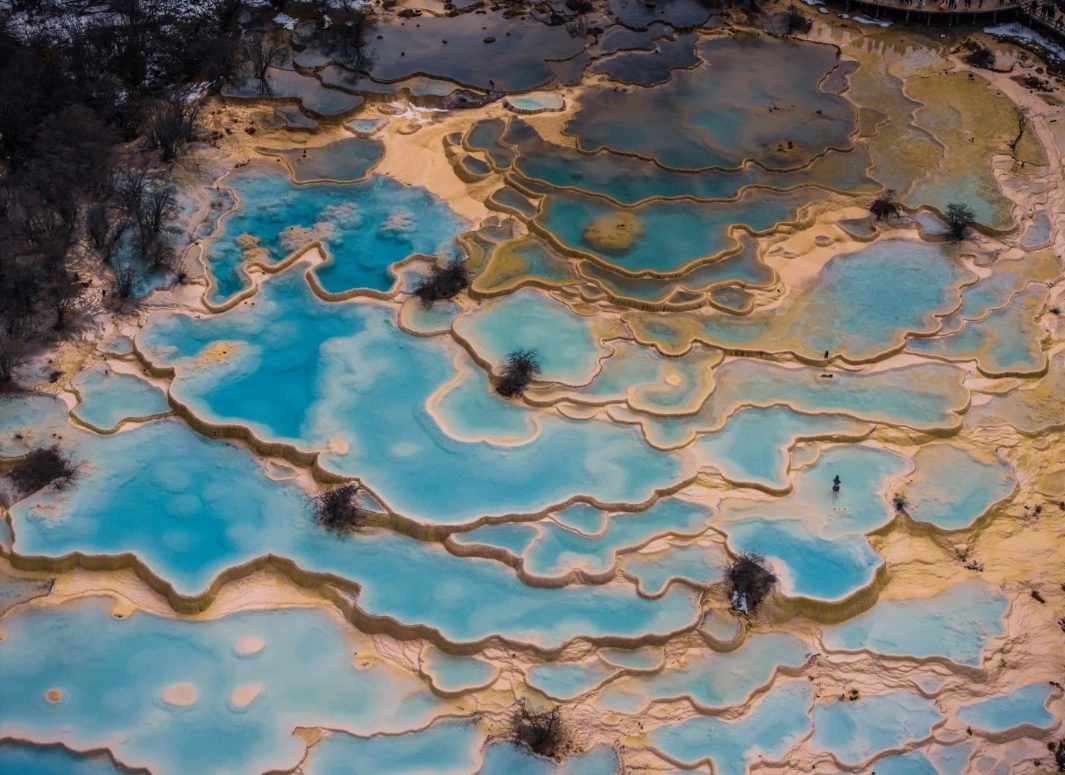
Mount Siguniang (Four Sisters Mountain)
Address: Xiaojin County, southern Aba.
Opening hours: Park gates 08:00–17:00.
Tickets: 80 RMB for the Changping Valley (first valley), 70 RMB for Shuangqiao Valley (most scenic).
Transport: From Chengdu, take a bus to Xiaojin (6 hrs, 120 RMB). Or join a multi-day tour from Chengdu.
This is my personal favorite for hiking. The four peaks are sacred in Tibetan culture, and the valleys offer wildflower meadows, crystal-clear streams, and yak herds. If you only have one day, pick Shuangqiao Valley – it’s the most accessible with a shuttle bus. For serious trekkers, Changping Valley gives you a 5-hour trail that ends at a glacial lake. Don’t try to climb the peaks without a guide – they’re technical and require permits.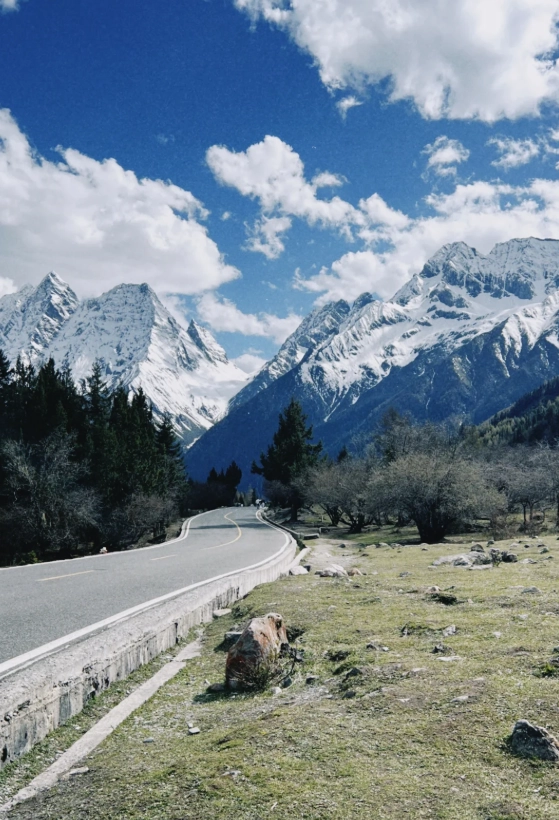
Ruoergai Grassland
Address: Ruoergai County, northeastern Aba, bordering Gansu.
Best time: June to August when the grass is green and flowers bloom.
Cost: Free to drive through. Some nomad camps charge 20–50 RMB to enter and take photos.
Getting there: From Jiuzhaigou, take a bus to Ruoergai town (3 hrs, 60 RMB). Then rent a car or join a local tour.
You haven’t truly seen Aba until you’ve stood on the endless Ruoergai grassland. This is where the Yellow River bends in a graceful curve (the “First Bend of the Yellow River”). Watch the sunset from a hilltop – it’s pure magic. Stay overnight in a Tibetan tent guesthouse (basic but memorable: 150 RMB per person, includes dinner). Bring warm clothes – even summer nights drop to 5°C.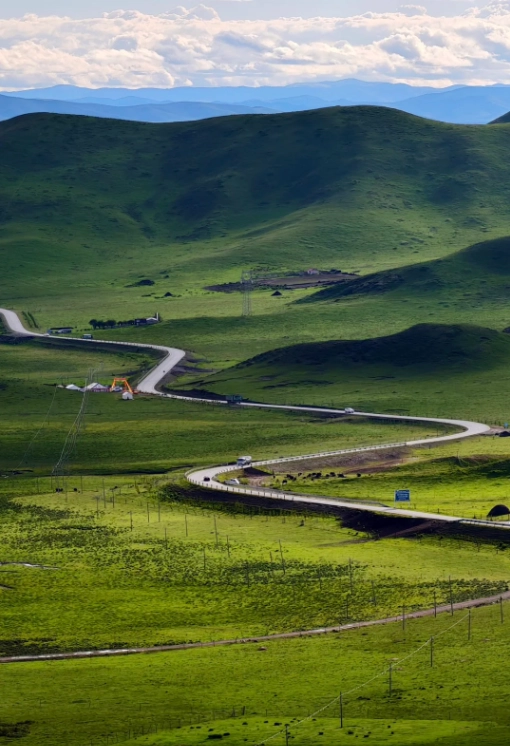
Cultural Highlights
Tibetan Villages and Monasteries
Scattered across Aba are traditional villages like Zhonglu in Danba (north of the prefecture) and Tagong (in neighboring Garze, often included in Aba tours). The highlight is the architecture: white-washed houses with red window frames, and towering dzongs (fortresses). Many villages now host homestays – I recommend Ganglong Homestay in Tagong (150 RMB/night, great home-cooked tsampa). Don’t miss the morning prayer ceremony at Larung Gar Buddhist Academy near Sertar (though strictly speaking it’s in Garze, it’s often combined with Aba itineraries).
Songpan Ancient Town
Address: Songpan County, on the way from Chengdu to Jiuzhaigou.
Cost: Free to enter the old town.
Local tip: Try the mutton soup at Mingyue Restaurant (15 RMB per bowl). The town is famous for its ancient city wall and the “Pine Pan” (pine and pan) market – though it’s mostly tourist shops now. Still, a pleasant half-day stop.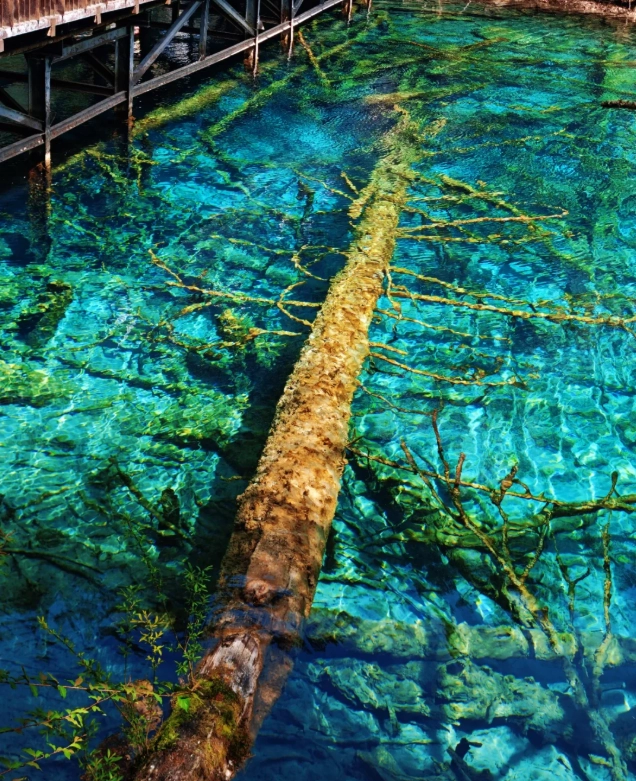
Practical Tips
Best time to visit: April–June and September–October. July–August is peak monsoon – expect landslides and road closures. Winter is beautiful but freezing (below -10°C in Jiuzhaigou). The autumn colors in October are unmatched.
Packing list: Warm layers (even in summer), sunscreen (UV is intense), lip balm, altitude sickness pills (Diamox if you’re prone), cash (card acceptance is limited). Many places only accept WeChat Pay or Alipay – if you’re a foreigner, bring enough RMB.
Transport in Aba: Buses connect major towns, but for flexibility, hire a private car (about 500–800 RMB per day). I always recommend Xiao Zhang, a driver I’ve used for years – he speaks no English but is reliable (WeChat: example – but you can find similar drivers at your hotel). Note: Roads are winding and can be dangerous in rain; avoid night driving.
Altitude awareness: Most attractions are above 3,000m. Don’t fly into Jiuzhaigou airport directly from sea level – spend a night in Chengdu (500m) to adjust. On the first day, avoid alcohol and heavy meals.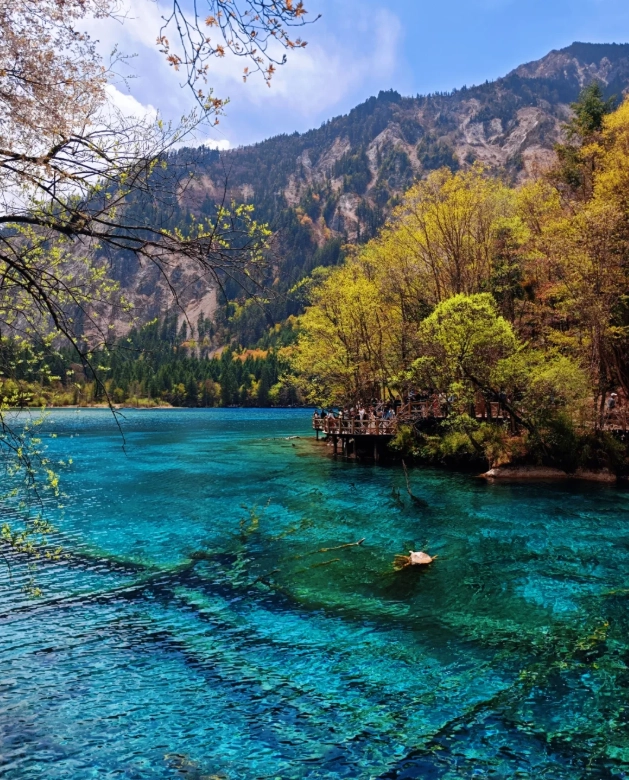
Frequently Asked Questions
This article has been fact-checked. All ticket prices and opening hours are as of the latest update; please verify before traveling.





No comments yet.