 Ting Chen
- How Many Days in Guizhou Do You Actually Need?
- Guizhou Itineraries by Days: 4, 5, or 7
- Day-by-Day Plan for 5 Days in Guizhou
- How to Get Around Guizhou Without Losing Your Mind?
- Where to Stay in Guizhou: Best Bases
- What to Eat in Guizhou (And Where)
- Money, Payment & Booking Tips for Guizhou
- FAQs: How Many Days Is Right for You?
I nearly lost a couple on the first day of their Guizhou trip. Why? They booked a 3-day whirlwind based on a popular influencer post. By day two, they couldn't feel their feet. Here's the thing — asking 'how many days to spend in Guizhou' is really asking 'how much of this wild, mountainous province can I experience without regretting it later?' I've led trips here for over eight years, and the answer isn't one-size-fits-all. But if you want my straight answer: 5 days is the sweet spot. For some travelers, 4 works. For rare overachievers, 7 days unlock everything.
Scroll down for my honest day-by-day plan, transport shortcuts, and money-saving tricks most foreign travelers miss.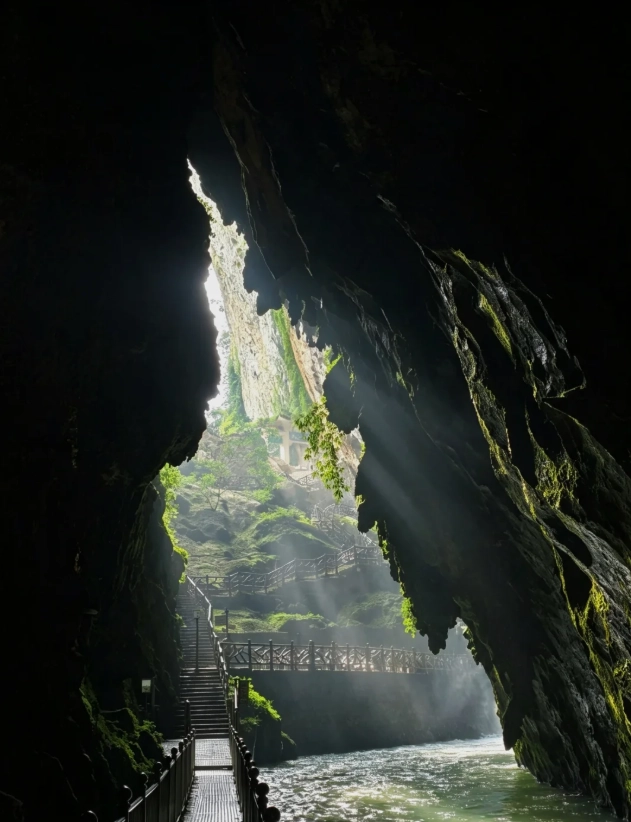
How Many Days in Guizhou Do You Actually Need?
Guizhou is not like Shanghai or Beijing where you can tick off landmarks in two days. It's spread out, with mountains separating every gem. The biggest mistake I see is visitors trying to do too much in too little time.
Here's my breakdown based on your travel style:
| Days | Best For | What You Can Cover |
|---|---|---|
| 3 days | Only if you're passing through | Just Huangguoshu + Qingyan Ancient Town, rushed |
| 4 days | Fit travelers who don't mind a fast pace | Huangguoshu + Xijiang Miao Village or Libo (pick one) |
| 5 days | Most tourists – balanced and relaxed | Huangguoshu + Xijiang + Libo, with breathing room |
| 7 days | Hikers, photographers, slow travelers | Add Fanjingshan, Zhaoxing Dong Village, or offbeat villages |
For 90% of foreign tourists, 5 days gives you that 'wow' without the exhaustion. But let's look at your options.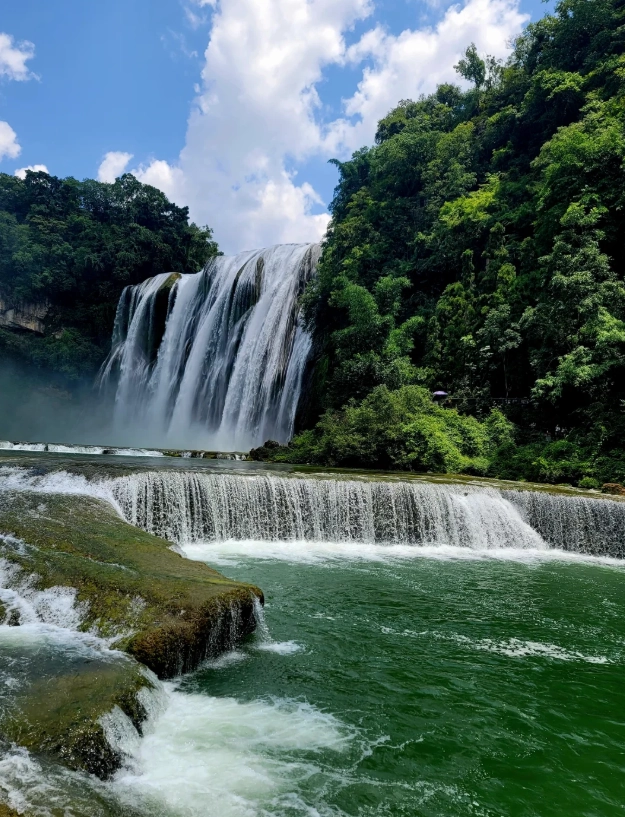
Guizhou Itineraries by Days: 4, 5, or 7
I'm going to give you three concrete templates. No fluff – just what works.
The 4-Day Express
Day 1: Arrive in Guiyang, head straight to Huangguoshu (stay in Anshun or near the waterfall). This is tight but doable. Day 2: Spend the morning at Huangguoshu, afternoon bus to Kaili, stay in Xijiang. Day 3: Xijiang Miao Village half-day, afternoon bus to Libo (about 3 hours), sleep in Libo. Day 4: Explore Xiaoqikong (Seven Small Arches) in the morning, then train back to Guiyang for departure. You'll cover three icons, but you'll eat most meals on a bus.
Who should pick 4 days: Experienced backpackers who hate 'wasting' daylight.
The 5-Day Sweet Spot (My Personal Recommendation)
Day 1: Fly into Guiyang, vibe check the city's night market. Day 2: Morning drive to Huangguoshu, spend the full day there, sleep in Anshun. Day 3: Morning bus to Xijiang Miao Village, arrive by noon, explore the village and stay overnight for the lights. Day 4: Morning at Xijiang, then transfer to Libo (3 hours), afternoon relax at the lakeside. Day 5: Full morning at Xiaoqikong, then bullet train back to Guiyang.
Why this beats 4 days: You get two full days at the two most magical locations (Xijiang at night and Xiaoqikong in clean morning light) instead of a cookie-cutter photo stop.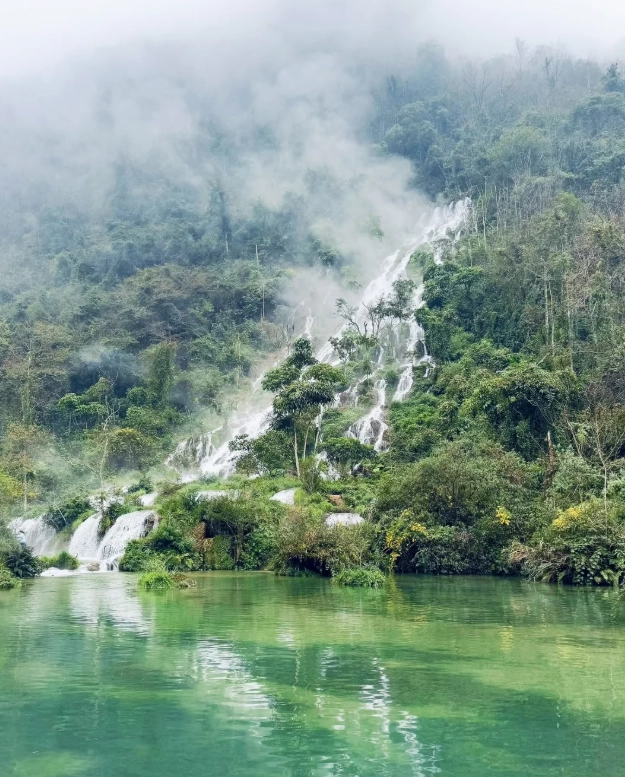
The 7-Day Deep Dive
Days 1-2: Guiyang city + Qingyan Ancient Town – skip this if you're short on time. Days 3-4: Huangguoshu and surrounding waterfall villages. Day 5: Xijiang Miao Village. Day 6: Libo Xiaoqikong. Day 7: Drive to Fanjingshan (Mount Fanjing) if you're fit – it's a 8,000-step day, but wow. Then return to Guiyang or catch a flight from Tongren.
Who should pick 7 days: Nature lovers who don't mind early alarms and can handle uneven stone stairs.
Day-by-Day Plan for 5 Days in Guizhou
Let me walk you through the 5-day itinerary like I'm with you in person. I'll tell you the exact time I'd leave, which entrance to use, and the secret spots most tour groups miss.
Day 1: Guiyang – Eat, Sleep, Adjust
Land at Guiyang Longdongbao International Airport. Take a taxi to downtown (about 30 minutes, ~50-70 CNY). Check into a hotel near Huaguoyuan or Jiaxiu Tower – you want easy access to food and metro.
For your first night, go to Er Qi Lu night market (二七路). It's touristy but a great intro to Guizhou flavors. Try chang wang fen (changfen noodles with pig intestines) – yes, it sounds weird, but it's delicious. My rule: always order the 'house special' at any stall.
Pro tip: Download Alipay and link your international card before you arrive. I've seen too many people get stuck at a food stall because they only have cash.
Day 2: Huangguoshu Waterfall – Yes, It's Worth the Hype
Take an early train from Guiyang North to Anshun West (about 30 minutes, ~45 CNY). At the station, grab a taxi to the scenic area (20 minutes, about 30 CNY).
Arrive by 9:00 AM. Here's the catch: the main entrance gets crowded after 10:30. I always tell my clients to take the sightseeing bus straight to the farthest stop – the Waterfall Cave – and walk backwards. That way, you see the main fall when you're fresh and avoid the worst jams.
Entrance ticket is around 160 CNY, sightseeing bus is 50 CNY. You can buy via Trip.com or the official WeChat mini-program – both accept passports. Don't lose the ticket; they scan it again inside.
Pack light. You'll walk down 1,000 steps to the water spray. Bring a rain poncho – the mist soaks you even on sunny days. I always bring two extra ziplock bags for my phone and camera.
Spend 4-5 hours here. Between 1-2 PM, the tour groups flood in, so plan to leave by 1:00 PM and grab lunch in Anshun city center.
Insider Advice: Skip the boring 'local village' add-on that shuttle drivers push. It's 50 extra yuan and a plastic showroom.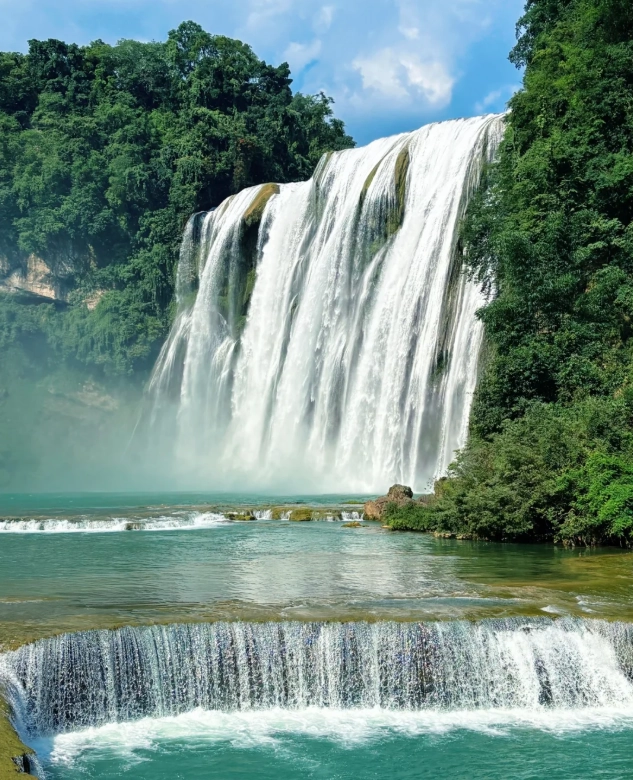
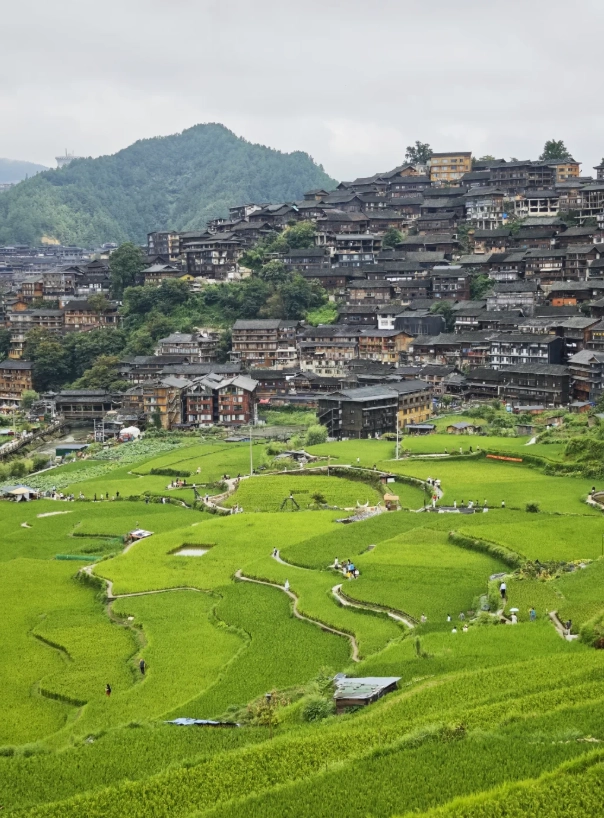
Day 3: Xijiang Miao Village – The Postcard Night
Morning: take a bus from Anshun back to Guiyang North, then jump on a high-speed train to Kaili South (about 1 hour 20 min, ~80 CNY). From Kaili South, take the airport shuttle or a local bus to Xijiang (around 1 hour). Taxi is easier – negotiate around 150 CNY.
You'll arrive around 2 PM. Leave your bags at the hotel inside the village – trust me, don't stay outside the village; you want to see the sunset from the viewing deck without fighting for a ride home.
Xijiang entrance is 90 CNY, and don't forget the shuttle from the ticket gate to the village center (20 CNY). You can buy with passport at the official ticket center.
Take the scenic lift to the viewing platform for the iconic panoramic view. I recommend going at 5:00 PM when the golden light hits the tiled roofs – it's photogenic but not too crowded. Then wander down through the alleys.
Dinner: find a restaurant along the river with a balcony, order sour fish soup. Better yet, tell the owner you want a 'local table' – often you'll sit low on stilted benches and get a smaller portion but a bigger feel.
The village is famous for the night lantern show. At 8 PM, every household turns on the lights – it's magical. But do yourself a favor: avoid the main square and find a stairway off to the side for a private viewpoint.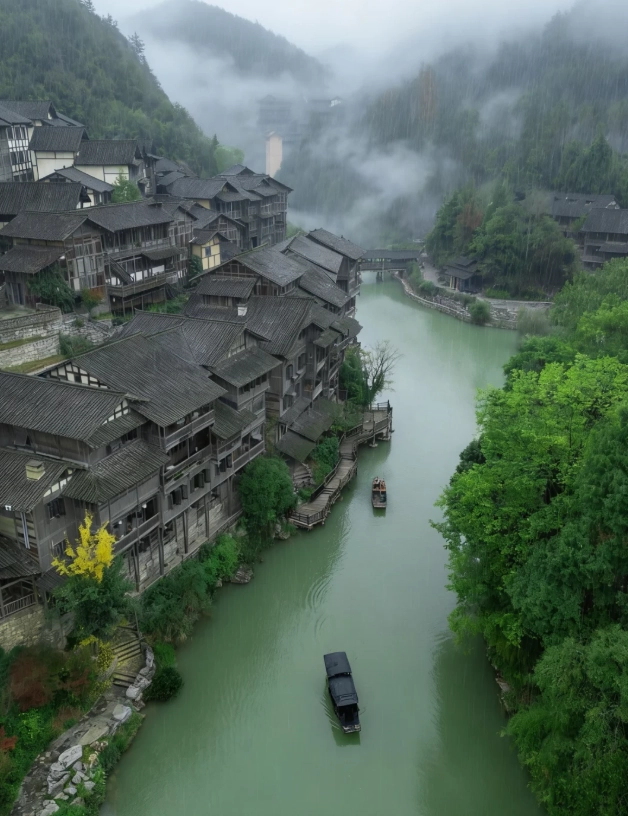
Day 4: Travel to Libo – A Hidden Karst Retreat
Morning: take a public bus from Xijiang East Gate to Kaili (30 minutes), then a high-speed train from Kaili South to Sandu County (about 1 hour 40 min). From Sandu, a local bus runs to Libo (1 hour). Altogether, plan for 5-6 hours of travel.
Once you reach Libo, check in near the Xiaoqikong scenic area gate – there are plenty of guesthouses. Afternoon is the perfect time to explore the Libo Great Cave or just unwind. The smaller 'Dongmen' area has a beautiful eco-park that most tourists skip.
For dinner, order Yangyu (potato) pancakes and local grilled river fish. I always ask for less chili; Guizhou cuisine is spicy even by Asian standards.
Day 5: Morning at Xiaoqikong, Then Fly Home
Get up at 7:30 AM and enter Xiaoqikong (Seven Small Arches) by 8:30. The first two hours are pure magic – no tour buses, just you and the emerald pools. The ticket is around 120 CNY plus a 40 CNY sightseeing bus.
Walk the middle loop (about 2 hours) to see the iconic arch bridge and the 68-step layered waterfalls. Then take the bus to the exit.
After lunch, take a taxi to Sandu South station (1 hour) and catch the high-speed train back to Guiyang. Or, if your flight is from Guangzhou, there's a direct high-speed line from Sandu to Guiyang North. To save time, book a flexible ticket in advance – I once saw a family miss their connection because they waited to buy at the station.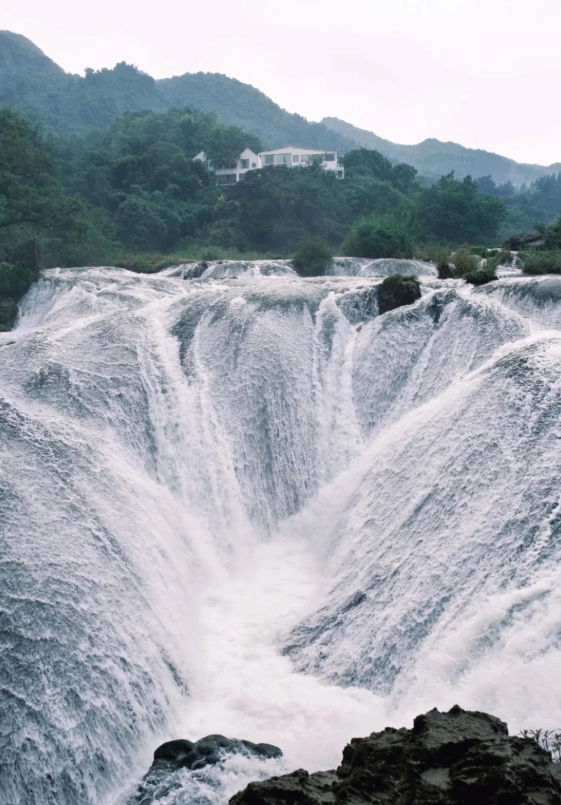
How to Get Around Guizhou Without Losing Your Mind?
The distances are no joke. But China's high-speed rail has made everything easier. Here's your best strategy:
- Base yourself in Guiyang for the first and last night.
- Trains beat buses between cities, but you still need local taxis for the final mile.
- Download AMap (AutoNavi), not Google Maps – Google Maps shows wrong transit times in Guizhou. AMap has an English version, but even the Chinese one is manageable if you know your route.
- Pack a VPN before you arrive if you need Google, WhatsApp, or Instagram. The hotel Wi-Fi might work, but it's not guaranteed.
Here's a comparison of your transport options:
| Route | Train Cost | Train Time | Taxi Cost | Best Option |
|---|---|---|---|---|
| Guiyang → Anshun (Huangguoshu) | 45 CNY (2nd class) | 30 min | 250 CNY (1 hr) | Train + taxi |
| Anshun → Kaili (Xijiang) | 80 CNY | 1h 20m | N/A | Train via Guiyang |
| Kaili → Xijiang village | 20 CNY bus | 45 min | 150 CNY | Bus to gate, then village shuttle |
| Kaili → Sandu (Libo) | 55 CNY | 1h 40m | 400 CNY | Train to Sandu + local bus |
For tickets, book via Trip.com (English) or the official China Railway (12306) site. Typing names in Chinese is easier with the translation app open. Note: QR code is your ticket – keep your passport handy for random checks.
Before you start booking trains, double-check your passport validity and visa rules. The National Immigration Administration publishes the latest entry policies that affect your trip.
Where to Stay in Guizhou: Best Bases
Honestly, you'll sleep in four different places. Let me break it down:
Guiyang (2 nights)
- Best area: Near Zhongshan West Road or Huaguoyuan Flower World.
- Budget: Clean capsule hotels from 150 CNY/night.
- Mid-range: 300-500 CNY – places like Atour Hotel have decent English service.
- Experience: I always stay in a courtyard hotel inside Qingyan Ancient Town if I have extra days – it feels like stepping back in time.
Anshun (1 night)
- Pick a place near the train station – you'll leave early.
- Many family-run hotels don't have elevators; ask for ground floor if you have heavy luggage. Wi-Fi might be weak – download offline maps.
Xijiang (1 night)
- Stay inside the village – it gets quiet after 10 PM. Prices range from 300 to 800 CNY. For views, book hillside rooms but expect a climb. A helpful tip: staff from many guesthouses will meet you at the bus stop and carry your luggage up.
Libo (1 night)
- Guesthouses near the east gate of Xiaoqikong are simple but comfortable, 150-300 CNY. Ask for a room with blackout curtains – sunrise comes early.
All these places accept cash, but card machines are rare. Make sure Alipay or WeChat Pay is loaded.
What to Eat in Guizhou (And Where)
Guizhou food is all about sour and spicy. Here are the must-orders and the best spots I've found:
- Sour Fish Soup (Suantangyu): A sour tomato-based broth with river fish – tangy, slightly spicy, and addictive. In Xijiang, try any riverside restaurant; the family-run ones are better than the big ones.
- Huajiang Dog Meat – (skip if sensitive) but the 'Huajiang beef' alternative is a dry-rubbed beef dish that I always order.
- Changwang Noodles: Google the name '肠旺面' – a specialty of Guiyang with pig blood and intestines. It's sold in every breakfast stall. Go to a place with a long queue – that's the sign of freshness.
- Grilled fish with chili – in Libo, the night market has dozens of stalls. Choose one that uses charcoal, not electric grills.
I always tell my clients to say 'Wu la' (no spice) if they can't handle mild heat. Even 'spicy' in Guizhou is chili-drenched. Carry a small bottle of yogurt to cool your mouth.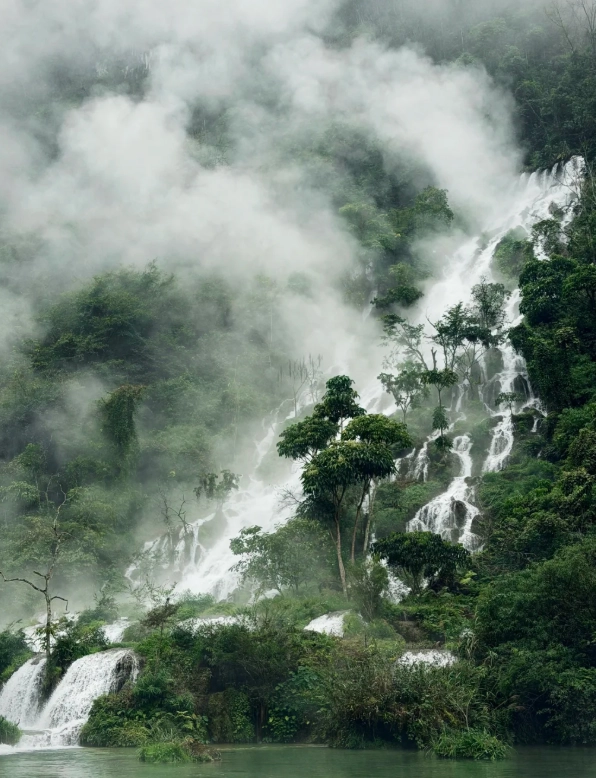
Money, Payment & Booking Tips for Guizhou
This is the part that freaks out foreigners, but it's actually easy once you know the drill.
- Cash is accepted everywhere for small purchases, but vendors may not have change for large notes. Bring small 10 and 20 CNY notes.
- International credit cards are useless at most attractions and shops. You'll save yourself by setting up Alipay with an international card before you leave. Trip.com can also handle some payments, but Alipay is the golden ticket.
- For attraction tickets: The official WeChat mini-program is Chinese-only, but the English Ticket Office at each park works well. Bring your passport for real-name registration.
- VPN: Buy a reliable VPN before landing. The Great Firewall blocks Google Maps, Gmail, and WhatsApp. I suggest testing it in the airport before heading out.
FAQs: How Many Days Is Right for You?
This content has been fact-checked to ensure informational precision.






No comments yet.