 Peng Gao
Honestly? The first time I drove a group from Xining to Qinghai Lake, one of my guests actually cried when she saw the lake. It's that stunning. But the same week, another guest threw up from altitude sickness because we went straight from the airport to the lake without acclimatizing. That's Qinghai — breathtaking but unforgiving if you don't plan smart. Let me help you plan smart.
When you search for "what to do in Qinghai", you'll see the same old list: Qinghai Lake, Chaka Salt Lake, Ta'er Si. But as someone who's been leading tours here for over a decade, I know there's a right way and a wrong way to experience each. This guide gives you the right way — from beating the crowds to timing your visit for the perfect photo.
Here's the secret: the best light for Qinghai Lake is at sunrise, not sunset — sunset is packed with tour buses. And don't even think about visiting Chaka Salt Lake after 10 AM; it turns into a sea of rented red boots. I'll show you exact timings and insider detours that most guides never mention.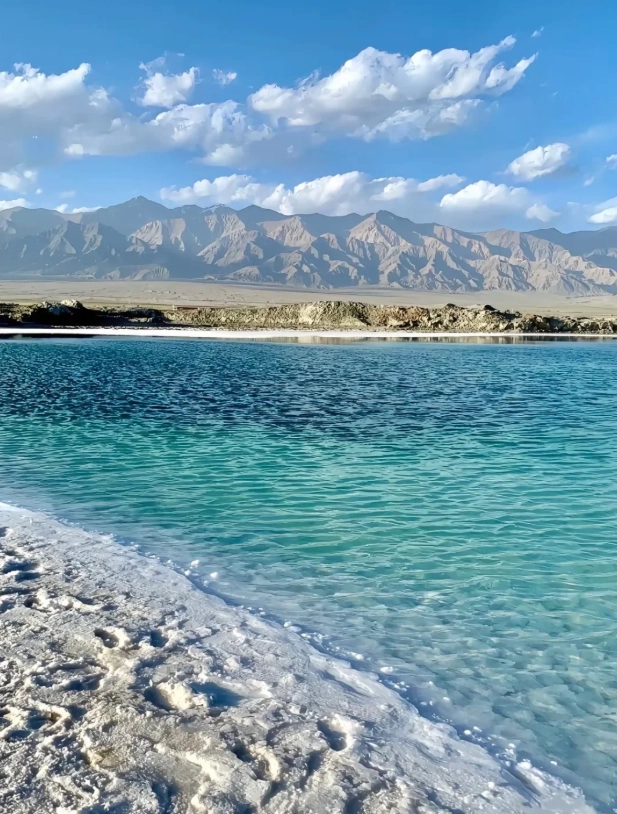
What to Do in Qinghai: Must-See Natural Highlights
Qinghai is huge — twice the size of the UK with fewer people than Greater London. The landscape is what you came for. If your time is tight, these three natural icons deliver the most bang for your buck.
Qinghai Lake: The Biggest Saltwater Lake in China
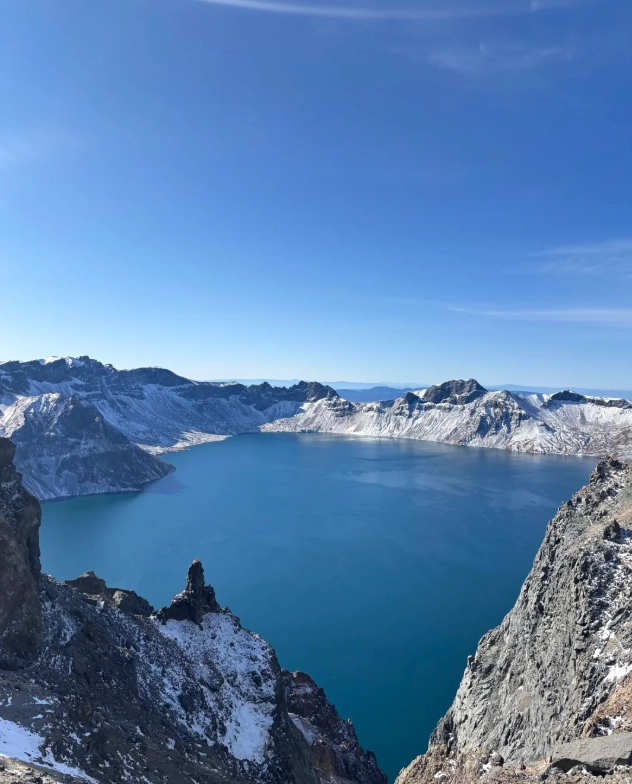
Qinghai Lake (青海湖) is the largest inland saltwater lake in China, and it looks more like an ocean than a lake. The traditional route is to visit Erlangjian (二郎剑) on the south shore, but I prefer the less-touristy north shore. There you'll find herds of yaks, scattered Tibetan tents, and the same turquoise water without the selfie-stick crowd.
Here's the catch: most tour groups arrive between 10 AM and 3 PM. To have the place nearly to yourself, start from Xining no later than 5 AM. You'll be at the lake for around 7:30 AM, just as the water catches the morning light. Then, walk along the shore toward the Dazhong Temple (大钟寺) — the colors shift to emerald green as the sun climbs.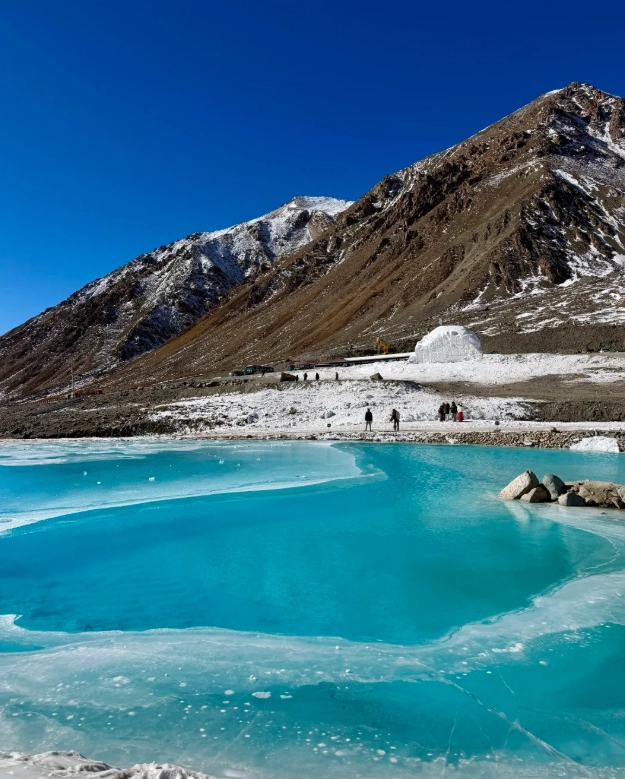
Entrance to the official scenic area costs about RMB 100, and there's an extra RMB 20 shuttle inside if you don't want to walk. But honestly, the shore is free if you walk in from the neighboring grassland. Locals may charge a small fee, like RMB 10, to park on their land. Just don't try to swim — it's highly saline and protected.
Ticket & Timing: Open roughly 8 AM – 6 PM in summer, but the ticket office may open earlier for sunrise. Always confirm with your hotel the night before. Foreigners must show a valid passport to buy a ticket — this is non-negotiable.
Getting There: From Xining, you have two reliable options: the public bus from Xining Coach Station leaves at 8 AM and takes about 2.5 hours (RMB 50), or hire a private driver for around RMB 400-500 round trip. For a day trip, I always recommend the private driver so you can set your own schedule and hit the early light.
Pro Tip: If you're visiting in July, the annual Cycling Race around the Lake (环青海湖自行车赛) closes some roads. Check with your hotel about closures or you may be stuck in traffic for hours.
Chaka Salt Lake: The Mirror of the Sky
Chaka Salt Lake (茶卡盐湖) has become Instagram's favorite spot in China. The salt crust acts like a mirror, reflecting the sky at dawn and dusk. But here's the hard truth: it's also one of the most crowded places I've ever guided. The average wait at the ticket gate in summer? About an hour. The shuttle train ride? Adds another 20 minutes. So you'll want to be at the gate by 7:30 AM, or think about visiting in the late afternoon (after 4 PM) when most day-trippers leave.
Ticket is about RMB 60, plus a shuttle bus that's not optional — you'll pay around RMB 20 more. Yes, it's a bit of a money-grab, but the drive from the parking lot to the main mirror area is 3 km. You can walk it, but walking on the sharp salt under the midday sun is brutal.
Best for: the "mirror effect" happens within two hours after sunrise or before sunset. Bring sunglasses and a hat — the white salt gives off a glare that can sunburn your eyes.
Getting There: From Xining, it's about a 4-hour drive. There is a tourist shuttle from Xining on weekends, but the most flexible way is to hire a car. Many travelers combine it with Qinghai Lake in a two-day loop, staying overnight in the town of Chaka.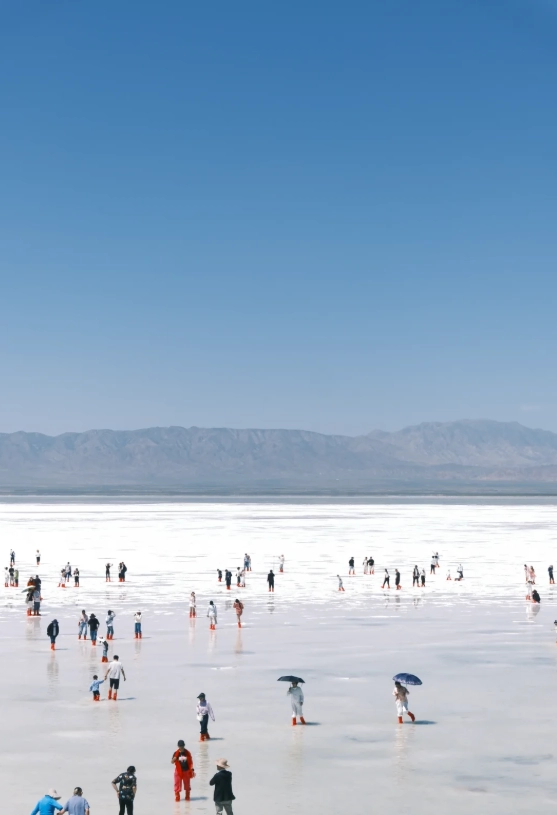
Insider Advice: You will see everyone hiring red rubber boots for RMB 20. Skip the boots and bring a pair of old sneakers — you don't need to wade deep for good photos. The shore near the second salt beach is closer to the mirror effect and usually has fewer crowds.
Qilian Mountains: A Scenic Drive Through the Alps of China
If you're comfortable driving or hiring a driver, the route from Xining to Qilian County (祁连县) is one of China's most beautiful drives. It's often called "Switzerland of the East" for its rolling green meadows and snowy peaks. What makes it unique is that you'll pass through multiple Tibetan and Hui villages, and at nearly 4,000 meters, the air thins and the valleys turn into endless grasslands.
The drive itself takes about 5 hours each way. Start early and plan to stay one night in Qilian. The town is small, with a few simple guesthouses; expect prices around RMB 200-300 per night. The highlight is the 牛心山 (Niu Xin Shan) your, and the nearby 卓尔山 (Zhuo'er Mountain) scenic area — the latter offers a 360-degree view of the plateau.
No public bus goes directly to the mountain viewpoints, so you'll need a private car or a local driver. Ask your hotel in Qilian to arrange one for a half-day tour (about RMB 300). The road conditions are generally good, but always drive with a local driver who knows the altitude and weather.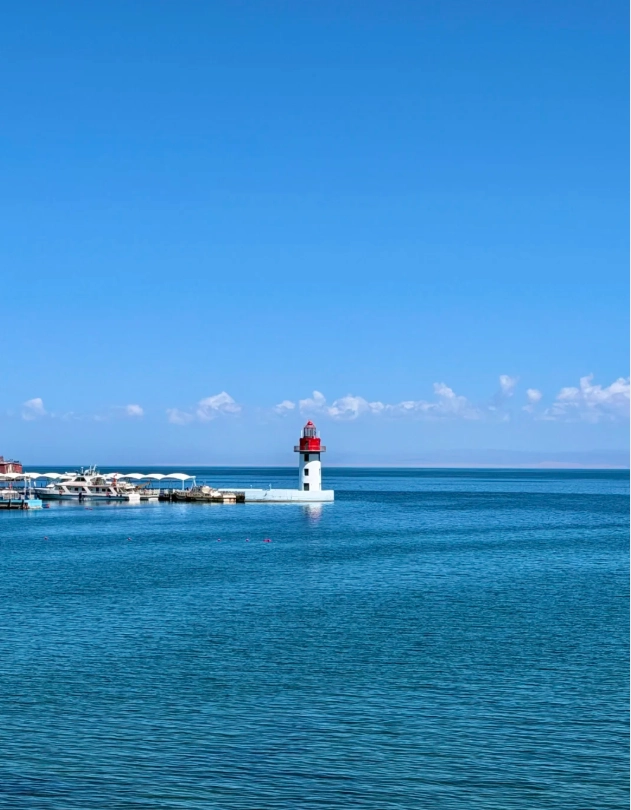
Pro Tip: Altitude sickness hits hardest here because you're sleeping at over 3,000 meters. Spend two nights in Xining (2,200m) first to acclimatize, and avoid alcohol the first day in Qilian.
Qinghai's Cultural Encounters: Tibetan Monasteries and Traditions
Qinghai sits on the roof of Tibet but is majority Han Chinese. The region's heartland is the Tibetan Plateau, and for most travelers, the real soul of a visit lies in connecting with the Tibetan Buddhist culture.
Kumbum Monastery (Ta'er Si) in Xining
Kumbum Monastery (塔尔寺) is one of the six great monasteries of the Gelug school of Tibetan Buddhism. Located about 25 km southwest of the city center, it's an essential half-day trip from Xining. The complex is a maze of white pagodas, golden roofs, and the famous butter sculptures created by monks.
The monastery's real gift is the atmosphere — you'll see pilgrims doing full-body prostrations on wooden boards that are literally polished smooth by their hands and bodies. It's a deeply moving sight that no photo can capture.
Ticket is RMB 70, and you must show your passport at the window. Open from 8 AM to 5 PM, but I usually recommend the late afternoon (around 3 PM) to catch the orange light on the golden roofs and avoid the mid-day tour groups.
Getting There: Take bus 909 from Xining's city center (30 min, RMB 4) or a taxi (RMB 50-60 one way). At the entrance, you'll find English-speaking guides. Their fee is about RMB 200 for 1.5 hours — worth it to understand the symbolism.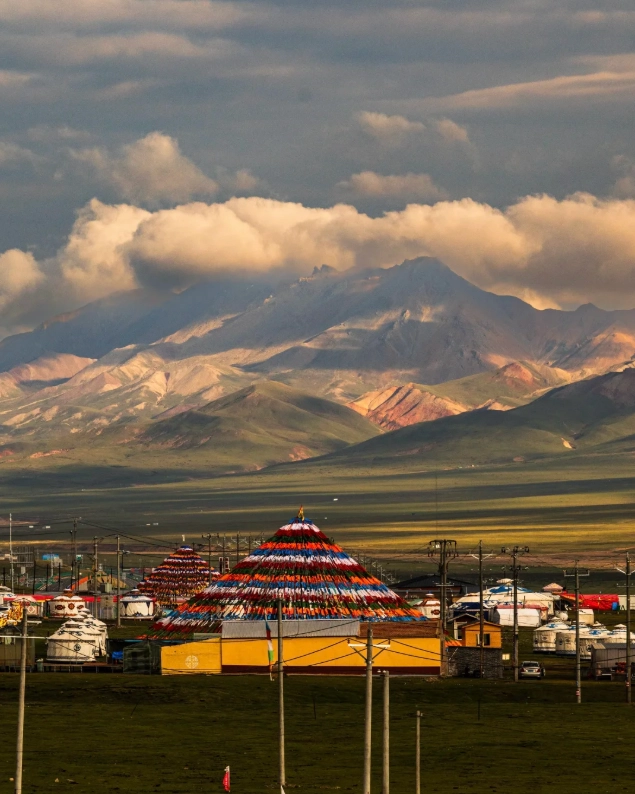
Insider Advice: You don't have to book a guided tour all at once. Many monks in the main temple speak basic English and can answer questions if you ask politely. But be respectful — don't touch statues or sit on the carpets meant for worshippers.
Rongwo Monastery and Regong Art in Tongren
About 3 hours south of Xining is the prefecture of Huangnan, home to the ancient Rongwo Monastery and the living tradition of Regong art. If you're into art, this is a must-see. Every year, local monks create intricate thangka paintings and embroidery — a skill passed down through generations. UNESCO has listed Regong art as an intangible cultural heritage (www.unesco.org), so you're witnessing pure history.
The journey is easy: catch a bus from Xining Coach Station to Tongren, around RMB 50. The monastery is a short taxi ride from the bus station. No huge entrance fee (around RMB 20), but you'll want to spend a couple hours wandering.
This is where I feel a little different from other guides: most big tours skip Tongren. I love bringing clients here for the chance to see real, everyday Tibetan life — the market, the kids laughing, the old women chanting. It's not polished for tourists, and that's its charm.
Pro Tip: If you're there for Regong art, head to the Tongren Thangka Factory, about 10 minutes from the monastery. They have a small museum where you can watch painters at work — no pressure, just pure talent.
How Do You Get Around in Qinghai? Transportation, Payments & Apps
Now, let's save you some headaches. The reality of traveling in Qinghai is that Chinese digital infrastructure runs everything. Here's how to prepare.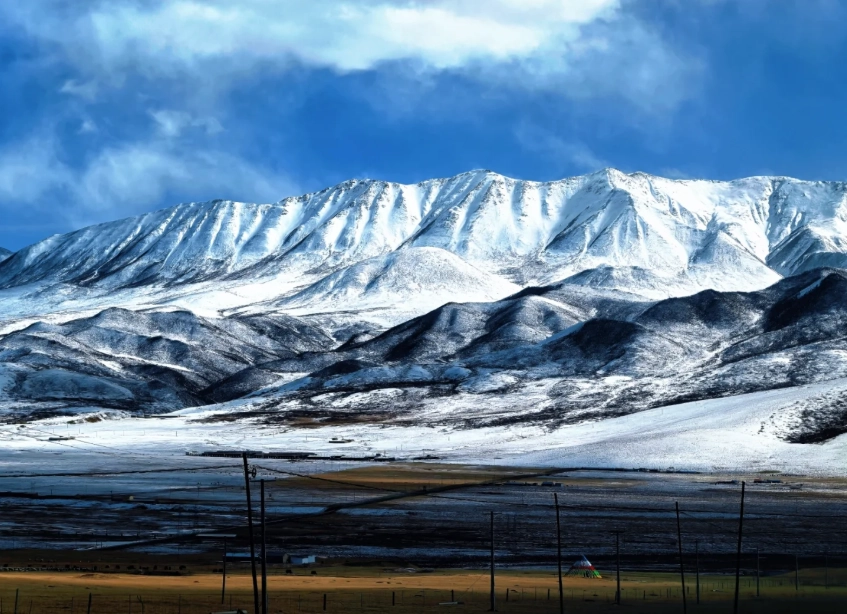
Transportation
The best way to explore Qinghai is by private car or small group tour; public transport outside the cities is sparse and requires patience. For solo travelers, the coach network from Xining connects to most county towns, but you'll lose precious time waiting for connections.
I always tell my clients to budget for a private driver. Not only does it let you set the pace, but it also gives you flexibility for altitude rest stops. Day-hire prices start at RMB 350-500 depending on the distance, and you can book through your hotel or a reputable agency. For a more structured approach, consider a small-group tour with a local company that handles all bookings.
| Option | Cost per Day | Time to Lake | Flexibility | Best For |
|---|---|---|---|---|
| Public Bus | RMB 50-100 | 2.5-3h | Low (fixed schedule) | Budget travelers |
| Private Car & Driver | RMB 350-500 | 2-2.5h | High | Families, couples |
| Small Group Tour | RMB 300-600 | 2-2.5h | Medium | Solo travelers |
One crucial reminder: Google Maps is unreliable in China. Download Apple Maps (it uses AutoNavi) or use the English interface of AMap (高德地图). To hail a Didi (China's Uber), you might need to switch to the Chinese version of the app, or you can ask your hotel front desk to call a cab.
For navigation in rural areas, learn to write down the Chinese characters for your destination. You can show them to taxi drivers or copy them into a translation app. I always keep a note with "青海湖" and "塔尔寺" in my phone.
Payments & Apps
The biggest shock for most foreign visitors is that cash is not king in Qinghai. Even in remote places, vendors expect payment via WeChat Pay or Alipay. You can still use cash, but you'll often get odd looks and maybe change in small coins you can't identify.
Before you leave home, set up Alipay and link your international credit card. The process takes about 10 minutes in the app. WeChat Pay is similar but more complex for non-Chinese users; I usually recommend Alipay as the most accepted payment option in China. You'll also need a VPN on your phone because Google, Instagram, and many websites are blocked. Download a reputable VPN before you arrive — it's often too late to do it here.
Another essential app is Trip.com for booking trains and attraction tickets. The platform has an English interface and accepts foreign cards. For train travel, you'll need your passport to collect tickets from the station machines. For high-speed rail tickets, you can also use the official China Railway website (www.12306.cn). For visa requirements, always check the National Immigration Administration website before planning your trip.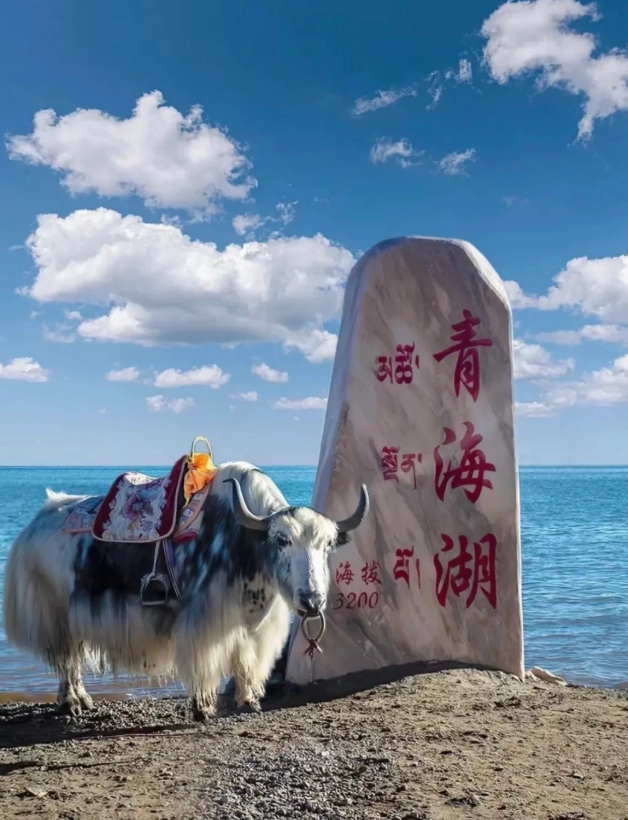
Where to Stay and What to Eat in Qinghai
Where to Stay: Xining as Your Base
For a first-time visit, Xining is the only practical base. It's at a manageable altitude (2,200m), has the best transport links, and a range of hotels. Base yourself here for at least two nights, so you can acclimatize and take day trips.
- Near Xining Railway Station: Best for early departures and if you're arriving by high-speed rail. You'll find international chains and local hotels. Plenty of cafes and convenience stores. Price: RMB 250-600 per night.
- Dongguan Mosque area: For foodies and culture vibe. The night market is just steps away, and it's a 15-minute walk to the mosque itself. You'll find a mix of budget and mid-range guesthouses. Price: RMB 150-400.
- Chengxi District (City West): The newer area with malls and clean streets. Good if you want modern facilities, but you'll need to take a cab to the historical attractions. Price: RMB 300-800.
Whatever you choose, check that the hotel has a functioning elevator and a 24-hour front desk. Many older budget places have steep stairs and no staff after midnight — not ideal for a traveler with jet lag.
If you want a specific name, I've had consistently good feedback from Xining Xili Hotel near the railway station. But I always double-check on Booking.com or Agoda for current reviews.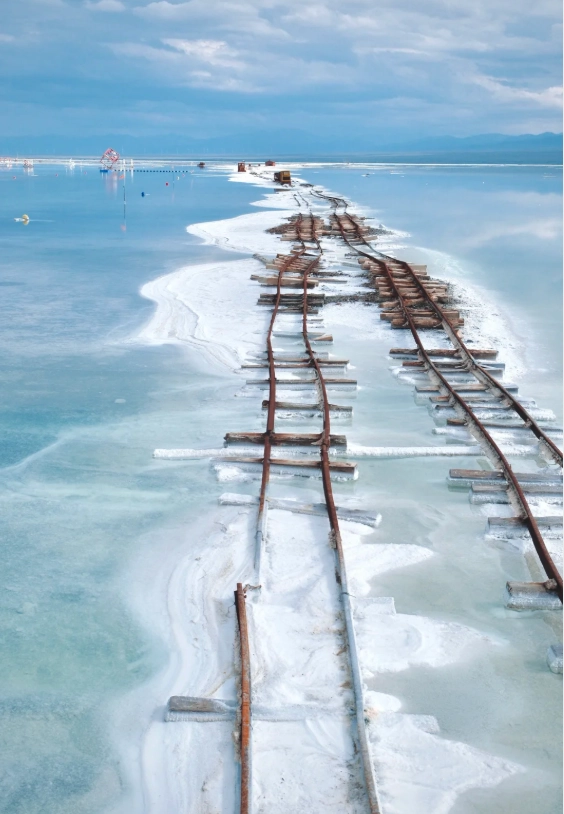
What to Eat: Local Delicacies You Must Try
Qinghai's food is a savory mix of Han, Hui, and Tibetan influences. The restaurants around Mo Jia Street (莫家街) in Xining's Chenggong District are the easiest way to sample it all.
- Qingqing Tea (青稞茶): This toasted barley tea has a nutty flavor — perfect for fighting altitude tiredness. It's usually free with your meal.
- Hand-pulled noodles (拉面): Everywhere. The beef variety is the most common.
- Yoghurt (酸奶): Thick, sour, and served in a small pot. It's a Qinghai specialty, especially the local version with a layer of yogurt skin.
- Qinghai-style lamb skewers: Grilled with cumin and chili. Some stalls will ask if you want spice — start mild.
For a proper meal, head to Xining Mutton Soup at the corner of Zhonghua Street, but be prepared for a queue. The broth is clear and hearty, and you can add pickled garlic. Cash is common here, but many casual places now accept WeChat Pay or Alipay.
If you have dietary restrictions, look for restaurants with English signs or ask your hotel to write a note in Chinese for you. Vegetarian options exist, but they're limited to temple canteens or a few juice shops. Halal food is easy to find because Hui residents make up a large part of the population.
Pay attention to the freshness of dairy — stick to bottled water for the first two days and avoid unbottled yogurt from street stalls if you have a sensitive stomach.
How to Plan Your Qinghai Itinerary
You have two natural rhythms: a short 3-day hit-the-highlights plan, or a more relaxed 5-day loop that adds depth. Both start from Xining.
Option 1: 3-Day Qinghai Essentials
- Day 1: Arrive in Xining morning. Visit Kumbum Monastery (2-3 hours). In the evening, walk around Dongguan Mosque and explore the night market on Mo Jia Street. Stay in Xining.
- Day 2: Early (5:30 AM) drive to Qinghai Lake. Spend 2-3 hours at the north shore. Back to Xining by 2 PM. Rest in the afternoon. In the evening, enjoy local lamb hotpot.
- Day 3: Day trip to Chaka Salt Lake (4-hour drive each way), leaving at 6 AM. Return by 8 PM. If you're leaving on a night train, you can skip this and enjoy the city instead.
I always warn clients: this is a tight schedule. You'll be on the road at least 8 hours each day. If you have a day or two extra, better to trim Chaka and add the Qilian drive.
Option 2: 5-Day Qinghai Deeper Dive
- Day 1: Xining city cultural day — Kumbum Monastery, Dongguan Mosque, local food.
- Day 2: Half-day to Qinghai Lake's north shore. Return in the afternoon. Stay in Xining.
- Day 3: Drive to Qilian County (5 hours). Stay overnight in Qilian.
- Day 4: Explore Qilian's Zhuo'er Mountain and grasslands. Afternoon drive to Tongren (4 hours). Stay in Tongren.
- Day 5: Morning at Rongwo Monastery and Regong art. Drive back to Xining (3 hours) for your departure.
This route gives you a better sense of the landscape and culture. The drawback is the drive time — but as your driver climbs passes, the views are worth every minute.
If altitude is a concern, you can adjust: On day 3, instead of sleeping in Qilian (3,200m), stay in Menyuan (2,500m) and drive up for day views.
Plan B for Rain or Heat: Qinghai can have torrential summer storms. If the lakes are socked in, switch to the Qinghai Provincial Museum in Xining (free entrance), which has excellent exhibits on Tibetan culture and geology.
What Is the Best Time to Visit Qinghai?
For most activities, May to October is your window. In May and June, the grasslands turn vivid green and wildflowers bloom. July and August bring the warmest weather, but also the largest crowds and higher hotel prices. September is my personal favorite — the sky is crystal clear, the crowds melt away, and the lakes still have that perfect mirror effect.
In winter (November to March), Qinghai is cold, windy, and many guesthouses close. Unless you're specifically after snow photography, I'd skip it.
A quick note on altitude: even in summer, nights can drop near freezing at 3,000m. Always pack a fleece and a windbreaker. The sun is deceptively strong — sunscreen is not optional.
Qinghai Travel FAQs
Rarely. You'll need to bring enough cash for small vendors and pay for hotels via online booking (which accepts cards). If you have Alipay linked, you'll be fine — it's the default method everywhere. Download the app and set it up before you land.
Yes, for Kumbum Monastery and some state-run sites, you're required to make a reservation with your passport. The easiest way is through Trip.com or ask your hotel to call the ticket office. Don't show up without checking — you risk being turned away during peak weeks.
May to October has the most comfortable weather, but July and August can be crowded. For the greenest meadows, go in June. For the famous lake reflections, aim for September when the crowds thin and the sky is clear. Winter is brutal — altitudes over 3,000m are snowed in.
Generally yes. Violent crime is extremely low. However, the biggest threats are altitude sickness and bad road conditions. Keep your VPN on for communication, share your itinerary with someone, and never drive at night on mountain roads. If you feel dizzy, descend immediately — don't try to sleep off the altitude.
The best prevention is to spend your first night at Xining's 2,200m altitude. Drink at least 3 liters of water daily and take Diamox if prescribed. Avoid climbing stairs quickly and skip alcohol for the first 48 hours. If symptoms persist, return to lower altitude—don't be a hero.
Verified and fact-checked by the editorial team.





No comments yet.