 Ting Chen
Quick Guide to Free Yunnan
- What Makes Free Things to Do in Yunnan So Valuable?
- The 5 Free Things to Do in Yunnan I Keep Going Back To
- How Do You Plan a Free Day in Yunnan Without Falling Into Tourist Traps?
- Do You Need a Ticket or Reservation for Free Yunnan Spots?
- Sample 4-Day Yunnan Itinerary With Zero Ticket Fees
- My Honest Take: Which Free Spots Disappointed Me
- Yunnan Free Travel FAQ
I still remember the first time I watched old men paint Chinese characters onto the stone paths of Green Lake Park. No ticket gate. No security checkpoint. Just the sound of wet bamboo brushes scraping against warm granite. That is when I realized Yunnan does not need a museum pass to blow your mind. I have been guiding travelers through this province for years, and I have built a stubborn list of free things to do in Yunnan that I still go back to even when I am not working.
Here is the catch: internet guides either repeat the same three expensive viewpoints or tell you to walk around a parking lot and call it culture. You deserve better. This guide is built from my own boots-on-the-ground testing, plus the little booking and payment hacks that save you from drowning in a WeChat rabbit hole.
What Makes Free Things to Do in Yunnan So Valuable?
Yunnan's magic hides in the ordinary moments. A morning walk around a lake, a grandma selling grilled potatoes at the village gate, the quiet hum of Naxi flutes coming from a courtyard. These moments cost zero yuan, yet they stay with you longer than any cable car ride.
I always tell my clients to stop treating travel like a checklist of paid attractions. When you skip the crowded ticket booths, you gain time and flexibility. You can follow a local down a back lane, take a nap in a rice field, or sit on a bridge and watch the clouds over Erhai. That is the real Yunnan.
But free does not mean automatic. You still need to know which streets are truly free, which old towns might ask for a conservation fee, and how to reach the hidden free spots without a taxi driver taking you on a three-hour sightseeing tour. Let me break that down.
The 5 Free Things to Do in Yunnan I Keep Going Back To
These are my tested favorites, not a random list from a blog. Each one is reachable with public transport or a short walk, and each has given me a genuinely memorable moment.
Top 1: Walk the Calligraphy Trails of Green Lake Park (Kunming)
Kunming's Green Lake Park is my absolute free-morning ritual. The park sits along Cuihu South Road in Wuhua District, right next to Yunnan University. Entry is completely free and the gates stay open from early morning until late evening. The east side of the lake near Yunnan University is where the water calligraphy artists gather. They hold giant bamboo brushes, dip them in water, and write poetry on the gray floor stones. The characters fade within minutes, which feels like a meditation on impermanence. I once stood there for 20 minutes without realizing it.
Come before 8am. That is when the morning light makes the lake look like a mirror, and the calligraphy artists are still fresh. By 10am the west gate becomes a tour group bottleneck. My trick: enter from the east gate next to Yunnan University and walk clockwise. You will pass the lotus ponds and a small bridge where old ladies practice fan dancing.
Pro Tip: If you need a restroom, skip the one near the west gate tourist center. It always has a line. Walk two minutes east into the Yunnan University side, and you will find a cleaner public toilet.
Top 2: Dali Ancient Town After the Tour Groups Leave
The core streets of Dali Ancient Town are free to enter. Nobody checks tickets at the main pedestrian lanes, even at the iconic Five Flower Gate. Do not pay the people outside who offer to take you through a back door for 10 yuan. There is no back door because there is no gate. The paid parts are only the gate towers and a few museums, so staying on the ground is completely free.
My favorite time to visit is after 5pm. The bus-park crowds from Kunming disappear, and the locals bring out small stalls selling yogurt, cold peach soup, and handmade tie-dye. Start at the south gate, walk north along Fuxing Road, then turn west into the quieter side streets near the old city wall. In the narrow lanes, you can still see white-washed Bai courtyards with painted doors and naked children playing with leaves.
If you are hungry, the night market near the north gate has grilled cheese twists for about 2 yuan. That market feels more like a local food street than a tourist trap.
Top 3: Shaxi Ancient Town — The Free Soul of the Tea Horse Road
Shaxi is the one place I refuse to skip on a budget Yunnan trip. This tiny settlement in Jianchuan County sits along the old Tea Horse Road, and it has a Friday market that feels unchanged for centuries. The old market square and the surrounding village lanes are free. You only pay if you want to enter the restored theater museum, which is completely optional.
To get to Shaxi from Dali, head to Dali Long-distance Passenger Station and catch a bus to Jianchuan county. The ride takes about 2.5 hours. From Jianchuan, take a shared minibus to Shaxi village for roughly 15 yuan and about 20 minutes. The minibus leaves when full, so do not plan for a set hour. Come with extra time and an open schedule.
Once you are there, walk to the old Yujin Bridge at sunset. The river, the pagoda, and the black-tiled roofs look like a ink painting. I have brought countless travelers here, and not one has regretted skipping a paid boat trip somewhere else for this free view. If you love this type of architecture, the UNESCO World Heritage Centre listing for Lijiang's old town gives context for the same architectural style, but Shaxi lets you experience it in silence.
Top 4: Baisha Village — Lijiang Without the Lijiang Fee
Baisha Village sits at the foot of Jade Dragon Snow Mountain, and the village lanes are free. This is the place I send people who want the charm of Lijiang old town without the headache of its conservation fee. Lijiang Ancient Town may technically charge a maintenance fee, but Baisha still opens its alleys to everyone for free. The Naxi murals inside the old temple cost money, but everything around it does not.
Take bus 6 from Lijiang new town to the Baisha village stop, or hire a taxi for about 30 yuan from the old town edge. Follow the main road past a few souvenir shops, then turn right at the big tree. You will find working Naxi women washing vegetables in stone pools and, on clear days, snow-covered peaks towering above the gray rooftops. The village also has several courtyard cafes where you can buy a coffee, but sitting outside is free.
Pro Tip: Do not mistake the Baisha Heritage Museum for the village entrance. The museum charges a small fee, but the hiking path to the right of it, known as the field path, gives you the same mountain view while leading into the village for free.
Top 5: The Erhai Lake West Bank From Cai Village
You do not need a boat ticket to love Erhai Lake. The west bank near Cai Village (a residential community around 15 minutes from Dali Ancient Town by bicycle) has a shoreline path with zero crowds. Begin at the Cai Village bus stop, rent a bike for 20 yuan from the shop next to the parking lot, and ride north toward the fields. After about 10 minutes, the concrete road turns into a dirt path that hugs the lake. This is where I stop and eat the roast corn a farmer sells from a tin pot.
The view here is completely free, and it is arguably better than the commercialized south bank. You see Cangshan Mountain on the left and the lake on the right, with fishermen pulling nets in the shallows. The best time is between 7am and 10am, when the water is flat enough to catch clouds.
Cai Village also has a small stone pier that used to be a working ferry point. Standing at the end of that pier at sunrise feels like you tricked the entire tourism industry.
How Do You Plan a Free Day in Yunnan Without Falling Into Tourist Traps?
Let me give you the honest logistics that most blogs skip. In Yunnan, your biggest enemies are not ticket prices. They are navigation apps, payment systems, and tourist touts who smell confusedness.
Navigation on your phone can become a nightmare if you rely on Google Maps. Google Maps still has gaps in China, and it often places you in the middle of a construction site. I use Apple Maps for walking within cities and a Chinese app called Amap Global for bus and taxi directions. Save the Chinese characters of your destination before you arrive, because typing pinyin into a taxi app may not work. Then simply show the characters in the native app of the driver.
Payment on the ground is still dominated by Alipay and WeChat Pay. Even the granny selling rice cakes at a village market will have a QR code sticker on a piece of cardboard. Cash is accepted almost everywhere, but you will struggle to get change. My rule is: carry 200 yuan in small bills for emergency, and use Alipay for everything else. If you only have an international credit card, do not expect to swipe it at a village café. The person at the desk will stare at the card like it is a museum ticket.
The quickest way to waste money is to hire a private car for a route the public bus does fine. For example, the bus 6 to Baisha from Lijiang costs about 2 yuan; a taxi might cost 30 yuan. Not a fortune, but multiplied over a week, those choices wipe out your budget. Always ask your guesthouse host to write down the bus number before you go.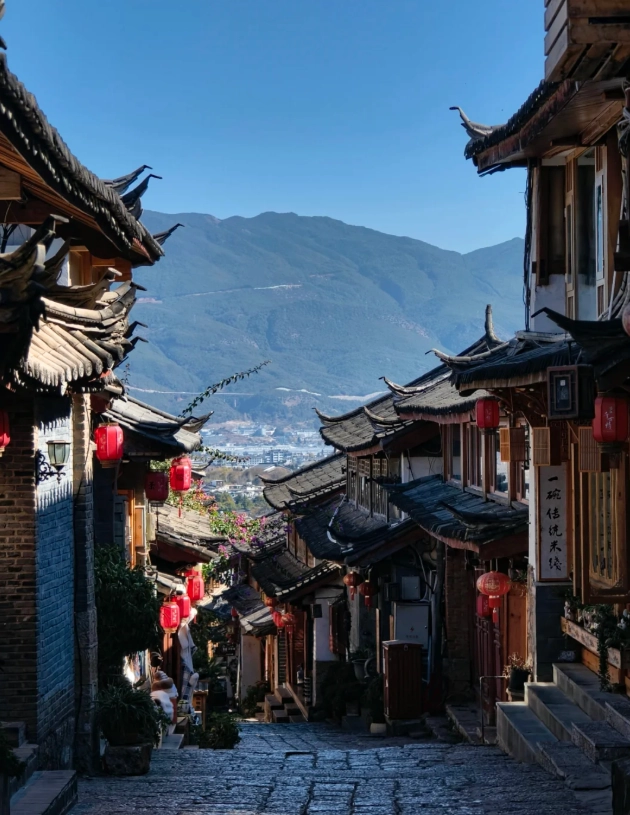
| City | Free Spot | Best Transport Option | My Pro Tip |
|---|---|---|---|
| Kunming | Green Lake Park | Metro Line 3 to Wuyi Road Station, then 10-minute walk | Enter from the east side next to Yunnan University |
| Dali | Dali Ancient Town streets | Bus 8 from Dali Railway Station to the south gate | Stroll after 5pm to skip group crowds |
| Jianchuan / Dali | Shaxi Ancient Town | Bus to Jianchuan, then minibus to Shaxi | Spend a night there for sunset and sunrise |
| Lijiang | Baisha Village | Bus 6 from Lijiang new town | Take the field path on the right of the mural hall |
| Dali | Erhai west bank at Cai Village | Local bus or 15-minute bicycle ride from old town | Ride north from the village pier before 10am |
Now, about the internet situation. You will need a working VPN before you arrive if you rely on Instagram, Google, or WhatsApp. This is not just about entertainment; it is the difference between being able to check your email and feeling lost. Also, download an offline translation pack. I like the Apple Translate app because it works without mobile data. But the highest-tech solution is still a polite message with the hotel front desk — most young receptionists speak a little English and can key your destination into the taxi app in seconds.
Do You Need a Ticket or Reservation for Free Yunnan Spots?
Here is the thing that confuses almost every foreign traveler: many famous Yunnan attractions need a reservation, and the reservation is tied to your passport number. The free spots I listed above are mostly open access, but some scenic free zones have restricted pedestrian corridors that require a scan of your passport on a phone mini-program. For example, parts of the Erhai Ecological Corridor check a code at entry. The public village-side road I recommended bypasses this, but if a security guard stops you, simply smile, show your passport, and say the hotel name you are staying at. Usually that validates you.
When you do need to book trains or official tickets, use the official China Railway platform 12306.cn. Download the English version of the app before you leave, because registering a foreign passport can take a day. Train tickets in Yunnan are easy to buy at self-service machines inside the station; the machines have an English menu and read passports. If the machine fails, there is a manual counter that usually has an English-speaking agent in the bigger stations such as Kunming, Dali, and Lijiang.
For paid sights that need an advance ticket, Trip.com and Klook work well and accept international cards. But for the free spots in this guide, no booking is needed.
For visa-related questions, always check the latest updates on the National Immigration Administration official site. I have heard too many travelers trust a random blog about visa-free policies and end up wasting a day at the border. Rules change, and the NIA page is the only source I trust.
The old town of Lijiang may ask for a conservation fee of 50 yuan, but you can simply avoid the area and use Baisha Village instead. If you do go to Lijiang, keep your passport in your daypack, because the staff at the old town entrance may ask for it when checking for the fee.
Sample 4-Day Yunnan Itinerary With Zero Ticket Fees
This itinerary assumes you are sensible, have two good pairs of shoes, and are not trying to photograph every rice field in 36 hours. It is the loop I recommend to friends visiting Yunnan for the first time on a budget.
Day 1: Kunming — Green Lake, Yunnan University, and Dianchi Sunset
Start at Green Lake Park at 7am for the calligraphy and birds. Then walk west into Yunnan University campus; the old architecture is free to wander. Have a simple lunch near the university gate for about 15 yuan. In the afternoon, take Metro Line 1 to Dianchi Station and walk to Haigeng Park. This park is free, and it offers a wide view of Dianchi Lake. Do not plan to swim; the water is not safe for swimming, but the walking paths are lovely. Time the sunset so you are on the west side of the park when the sky turns orange.
Day 2: Dali — Old Town Maze and Erhai West Bank
Take the high-speed train from Kunming to Dali in the morning. The ride lasts about 2 hours. Drop your bag at a guesthouse near the old town, then ride a bike straight to Cai Village. Spend the morning on the Erhai west bank. Come back for a late lunch, then walk the old town freely. Save your energy for the north gate night market after 6pm, where street food costs little and the locals are happy to see you.
Day 3: Shaxi — The Free Tea Horse Road
Leave Dali at 8am for the bus to Jianchuan county. This day is not about speed; it is about feeling Shaxi. When you arrive, walk the old market square, cross the Yujin Bridge, and then hike the small hill behind the village for a panoramic view of the rice paddies. It takes 15 minutes to reach the top and costs nothing. Spend the night in Shaxi so you can see the stars without light pollution. Many guesthouses there have shared dorms from about 60 yuan.
Day 4: Baisha — Lijiang's Free Village
Take the morning bus from Jianchuan back to the Dali-Lijiang Expressway hub, or add a direct bus if available. Or, if you stayed in Dali the night before, take the early train to Lijiang and immediately take bus 6 to Baisha. Once in Baisha, follow the dirt path behind the Naxi mural hall, climb the small hill, and look for the Jade Dragon Snow Mountain in the morning light. You can return to Lijiang new town in the afternoon, but you do not need to set foot inside the fee-charging old town.
Insider Advice: If it rains on your Shaxi day — and it does in summer — swap the rice-field hill for the courtyard of the old Ou Residence. The courtyard is free to enter and the covered galleries keep you dry while you listen to rain drum on the tile roofs.
My Honest Take: Which Free Spots Disappointed Me
I want you to avoid a mistake I made. I spent an entire afternoon trying to love the official Erhai Ecological Corridor near Xiaguan. I had read that the 10-kilometer section south of Dali was the best free lakeside walk. The path itself is paved and modern, but you have to show a QR code every kilometer, and the security staff often ask where your tour group is. It felt stressful and clinical, not calm. The west bank from Cai Village remains far more intimate, even if it is not on the official brochure.
I also need to say this about Lijiang Ancient Town. The city is beautiful, but the constant checkpoints and conservation fee dragged down my mood. Baisha gives you the same white-walled courtyards and carved wooden doors without the interrogation. If you are pushed for time, do not feel guilty about skipping Lijiang old town completely.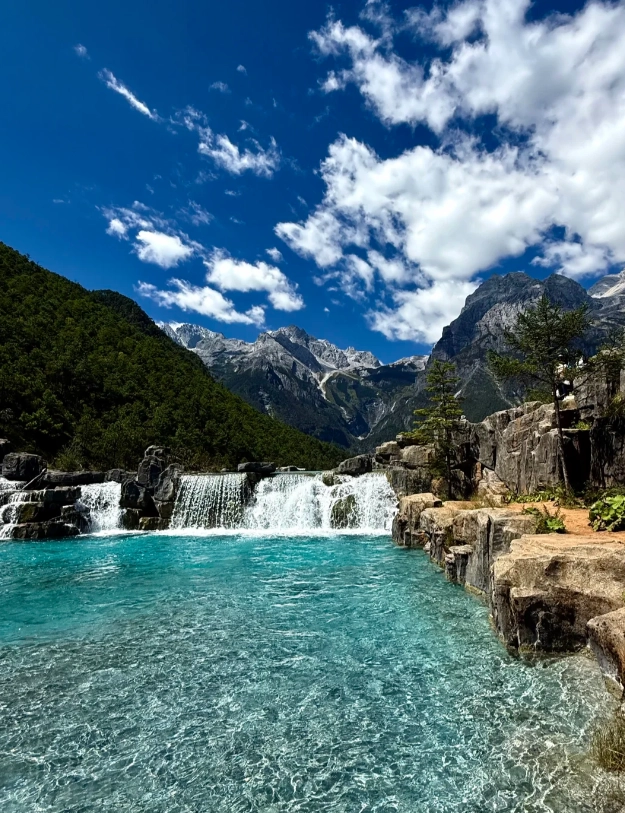







No comments yet.