 Bo Wu
Bo Wu
Quick Guide to Shanxi's Must-Sees
Standing at the edge of the Hukou Waterfall, the roar is deafening. I've dragged countless groups here, and they all forget one thing — a raincoat. You will get drenched, and honestly, that's half the fun.
But here's what nobody tells you: most Shanxi tour plans online are a mess. They ignore the real-name booking system, the odd distances between sights, and the chaos of paying with cash. If you've been Googling must see in Shanxi, you've seen star ratings — but not the grind of actually getting there.
Let me save you the pain: hit Yungang Grottoes at 3:30 PM, not at 8 AM. The light turns golden, the tour bus herds vanish, and you'll have the caves to yourself. This guide covers the seven essential sights, the exact transport hacks, and the ticket trapdoors you need to dodge.
What Are the 7 Must-See Sights in Shanxi?
Shanxi is a province of extremes — ancient city walls, cliff-hugging temples, and waterfalls that shake your bones. After years of guiding groups through this region, I've narrowed down the absolute must-sees. Here they are, in the order I'd visit them.
1. Yungang Grottoes — A Must-See in Shanxi
Yungang Grottoes is the single most impressive sight in Shanxi, and it's the one that leaves even veteran travelers speechless. Carved into the sandstone cliffs of Datong between the 5th and 6th centuries, this UNESCO World Heritage site packs over 50,000 Buddhist statues across 252 caves. The scale is epic — the biggest seated Buddha towers 17 meters high, with ears you could almost walk into. I've brought artists, historians, and plain old tourists here; the reaction is always the same: jaw drop.
The real secret? Come late. Tour groups roll in between 9 AM and 2 PM, clogging the wooden walkways. By 3:30 PM, the place empties out. The low winter sunlight slants into the caves, making the carved robes glow. That's when I tell my clients to pull out their cameras.
Ticket details: about 120 RMB for the grottoes alone, with a 100 RMB discount in the low season (November to March). You'll need your passport to book — either via the WeChat mini-program or on Trip.com. The official website also sells tickets but is mostly in Chinese. The site is open from 8:30 AM to 5:30 PM in summer, and 9 AM to 5 PM in winter; last entry is usually an hour before closing.
Getting there: from Datong city center, a 25-minute taxi or Didi ride should cost around 50–60 RMB. There's also public bus route 3 from Datong Railway Station, but it takes about an hour and can be crowded. If you're on a budget, it works; otherwise, just grab a cab.
My insider move: park your driver at the south gate and walk out the west gate — you'll avoid the reverse traffic and souvenir shacks. And whatever you do, don't skip the cave number 5 — its central Buddha is the most iconic. The water dripping from the cliffs is natural; don't worry, that's not rain. For more history, check the UNESCO World Heritage listing.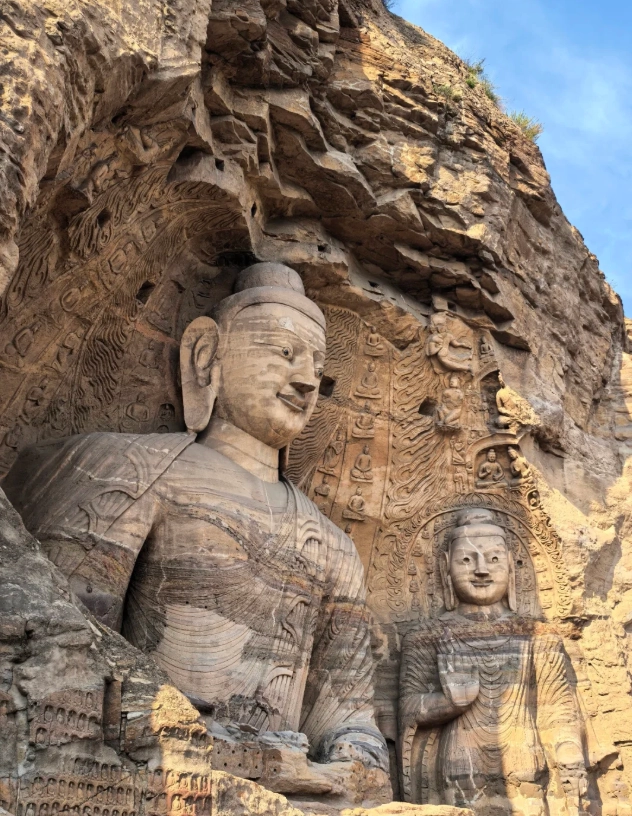
2. Pingyao Ancient City — The Best-Preserved Ancient Town in China
Pingyao Ancient City is a time capsule of Ming and Qing dynasty China, and it's almost unfair how photogenic it is. The 6.4-kilometer city wall encloses a perfectly grid-patterned maze of courtyard houses, temples, and the former headquarters of China's first banks. Walking the main street, Ming-Qing Street, feels like stepping into a period drama. My clients always spend the first hour just staring at the carved eaves and painted gates.
The full admission ticket (130 RMB) gets you into the towers, temples, and the China Finance Museum. You need your passport to book — reserve at least a day ahead on Trip.com or the local WeChat mini-program. The old town is open all day, but individual attractions generally close at 6 PM.
Getting to Pingyao: take the high-speed train from Taiyuan South to Pingyao Ancient City station (about 40 minutes). From the station, a taxi to the south gate costs around 30 RMB. Once inside, the city is walkable — but beware of electric carts that charge absurd prices for a few minutes' ride; walk or find a bicycle rental instead.
My tip: stay overnight inside the city walls. After the day-trippers leave, the lantern-lit alleys are eerily beautiful. I always tell people to wake up at 6 AM and climb the North Gate tower for sunrise — you'll have the whole skyline to yourself. UNESCO has also recognized this as a World Heritage site — see the Pingyao entry.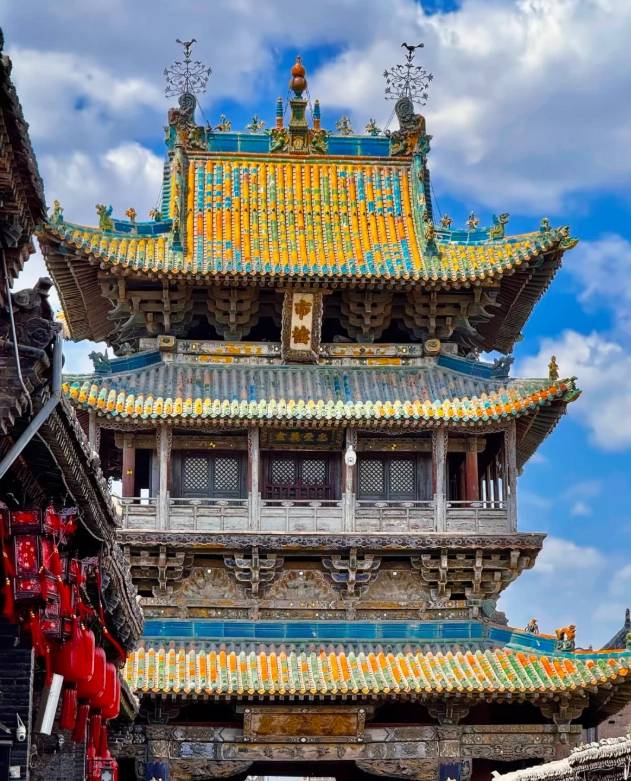
3. Hukou Waterfall — Where the Yellow River Turns Violent
Hukou Waterfall is the only large, debris-free waterfall on the Yellow River, and it thunders with a power that feels personal. Standing on the Shanxi side, you're face-to-face with the roaring Yellow River as it narrows to 30 meters and crashes down a 50-meter drop. The spray is relentless — that's why I now bring a pack of disposable raincoats for every guest. The sound is so loud you feel your chest vibrate; it's primal.
The site is divided into south shore (Shanxi) and north shore (Shaanxi). I recommend Shanxi's side because you're closer to the main plunge. Admission is around 100 RMB, plus a 20 RMB shuttle bus from the parking lot to the viewing platform. You must book with your passport, either on-site or ahead via Trip.com. Opening hours are 7 AM to 6:30 PM in peak season, shrinking in winter.
Getting there: most travelers base in Linfen. From Linfen West station, take a bus to Jixian (about 1.5 hours), then a taxi to the park entrance (30 minutes). It's a long day trip — I usually start at 7 AM. Best time to visit is between 9 and 11 AM, when the sunlight hits the spray and creates a perpetual rainbow. If you're unlucky with weather, note that the flow is most dramatic right after heavy rain upstream, but the water also becomes extremely muddy.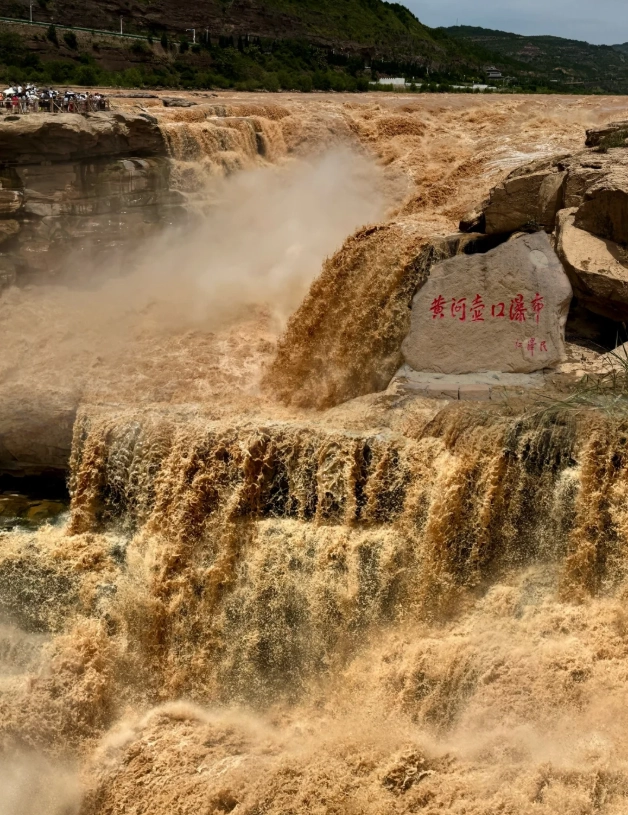
4. Mount Wutai — China's Spiritual Heartland
Mount Wutai is one of China's four sacred Buddhist mountains, and it holds a stunning collection of ancient temples and monasteries. Even if you're not religious, the misty peaks and pine-covered valleys will make you feel something. The five peaks — each representing a direction of wisdom — surround a central valley dotted with temples dating back to the Tang Dynasty. I always spend a full two days here, because trying to cram into one day is a marathon you won't enjoy.
The entrance ticket is around 145 RMB, which includes the shuttle bus from the visitor center to the main temple clusters. You'll need your passport to enter — book online via the official WeChat account or Trip.com. The mountain is open year-round, but the high passes close in heavy snow; check weather before going.
To get there, catch a direct bus from Taiyuan Coach Station to Wutai town (4 hours). Once inside the scenic area, you can hop the shuttle between stops. The highlight for me is the Temple of Great Enlightenment (Xiantong Temple), where monks' chanting at dawn is pure magic. Tip: the vegetarian meals at many monasteries are shockingly good — try the local mock meats made from gluten. More on the site's heritage can be found on the UNESCO Mount Wutai page.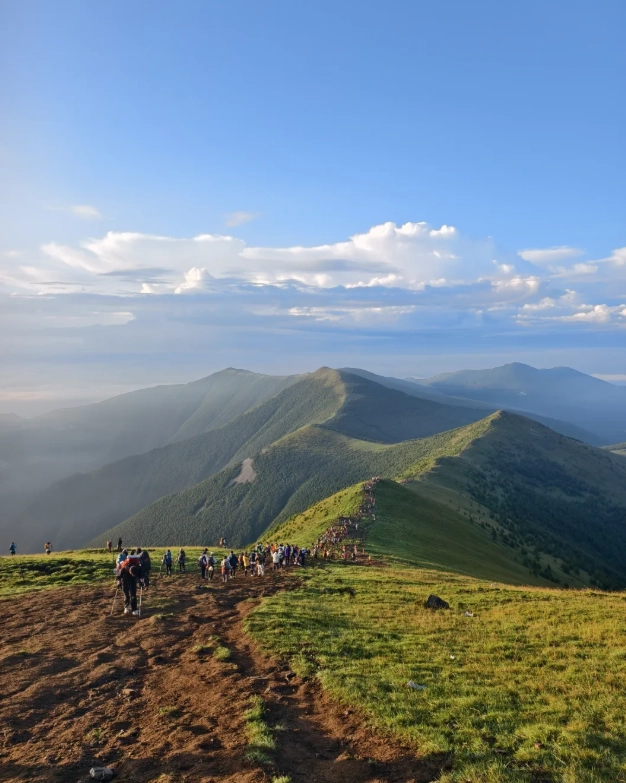
5. Hanging Temple — A Must-See in Shanxi for Engineering Buffs
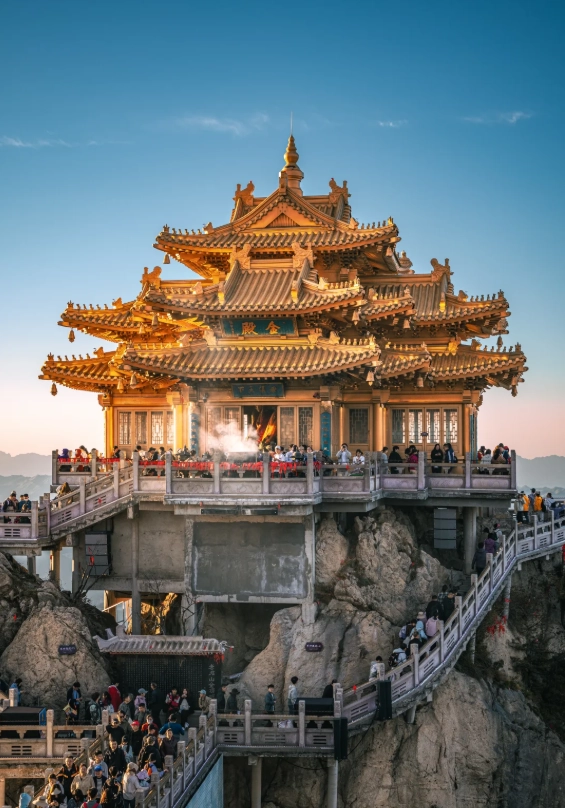
The Hanging Temple clings to a vertical cliff near Hengshan, and its supporting pillars look too fragile for what they hold. Built into the west cliff of Mount Hengshan, this wooden structure seems to defy gravity — it's held up by a system of beams inserted into the rock, plus a few thin-looking cedar columns that historians think are mostly decorative. The temple has been here for 1,500 years, surviving earthquakes and time. It's tiny, but walking through the narrow corridors with a sheer drop below is heart-pumping.
The price is about 115 RMB to enter, which includes access to the temple stairways. Book ahead — visitor numbers are strictly limited. You'll need your passport. I recommend arriving right at opening (usually 8 AM) to beat the bus tours that arrive from Datong around noon. If you get stuck in line, bring water; there's no shade on the approach ramp.
Getting there: from Datong, a chartered car takes about 1.5 hours. Most travelers combine this with the Yungang Grottoes on the same day, but I warn everyone: that is a very long day. If you have only one day, start at the Hanging Temple, then hit Yungang in the afternoon. Yes, you'll be tired — but those two sights are the pillars of a Shanxi visit.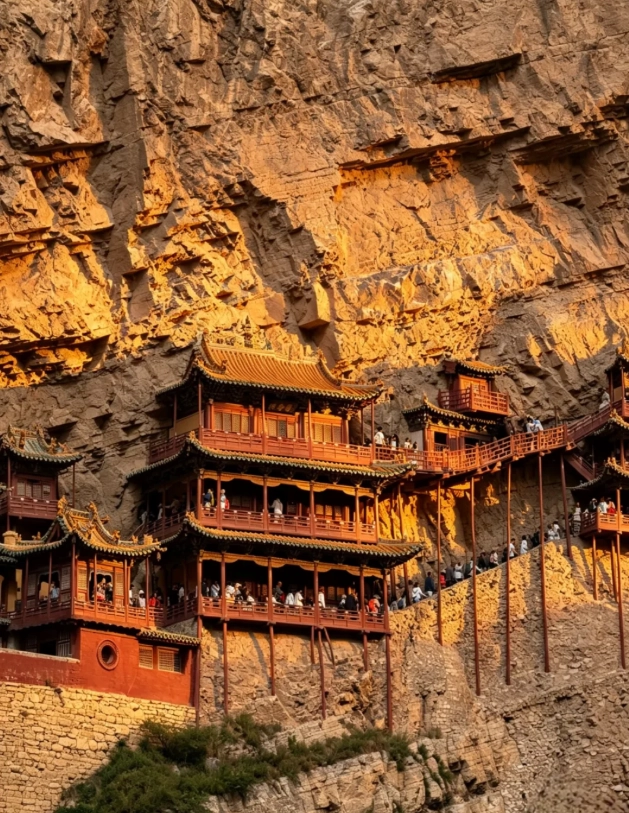
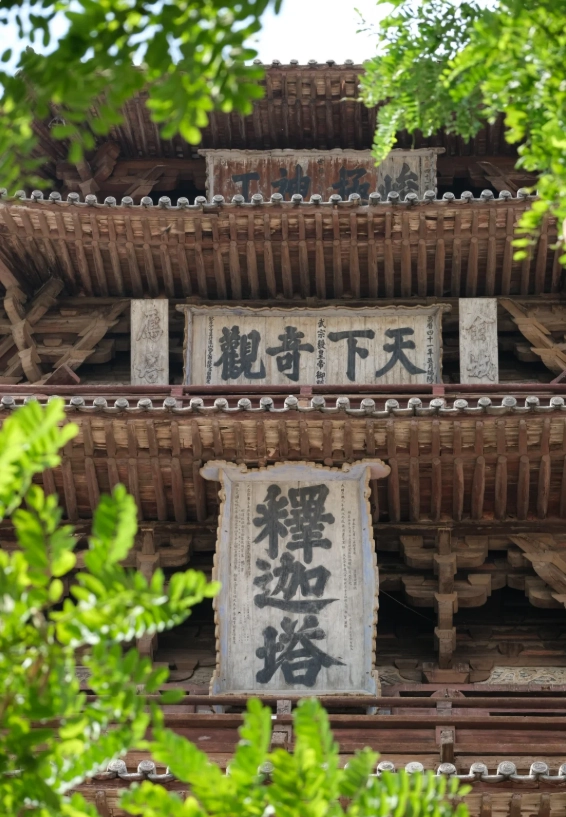
6. Yingxian Wooden Pagoda — The Tallest Ancient Wooden Structure on Earth
The Yingxian Wooden Pagoda is a masterpiece of ancient engineering, and it's even more breathtaking in person than in any photo. No nails, no metal fasteners — just interlocking wooden brackets holding a 67-meter tower together for nearly a thousand years. That's the Yingxian Wooden Pagoda. It's the world's oldest and tallest wooden pagoda, and it's leaning slightly now, so visitors are no longer allowed to climb above the first floor. Even from the first floor, you can see the massive inner columns and the subtle tilt that engineers monitor constantly.
Tickets cost around 60 RMB, with passport required for booking. The pagoda is part of the Fogong Temple complex, which is usually open from 8 AM to 5:30 PM. Getting there requires a bus from Datong's East Coach Station to Yingxian (about 1 hour). From the bus stop, it's a 10-minute walk to the temple.
My honest opinion: this site is definitely worth the detour if you're into architecture or history. The sheer complexity of the bracket system is mind-blowing — I always spend 20 minutes just staring at the exterior. But if you're on a tight schedule and don't care about architecture, you can skip it and focus on the other six.
7. Qiao Family Compound — A Window into Shanxi's Merchant Empire
Qiao Family Compound is a sprawling maze of courtyards that once belonged to one of the richest merchant families in Shanxi. The Qiao family made their fortune in trades and banking, and their compound sprawls across more than 8,000 square meters with 313 rooms. This is the place where Zhang Yimou filmed 'Raise the Red Lantern,' and walking through those red lanterns on a sunny day feels surreal.
Ticket: around 115 RMB, passport required. Book via Trip.com or on-site with your passport. The compound is open from 8:30 AM to 6 PM. From Pingyao, it's a 30-minute taxi ride (about 80 RMB). You can also take a tourist bus from Pingyao's main gate. I usually combine Qiao or Wang family compounds with a Pingyao visit, but suggest choosing just one to avoid compound fatigue.
Here's my quirky observation: look at the rooftops from the central courtyard. Each household had a small brick 'chimney' that wasn't for smoke but for channeling rainwater — a genius design that also symbolized blessing. My clients love hunting for those details.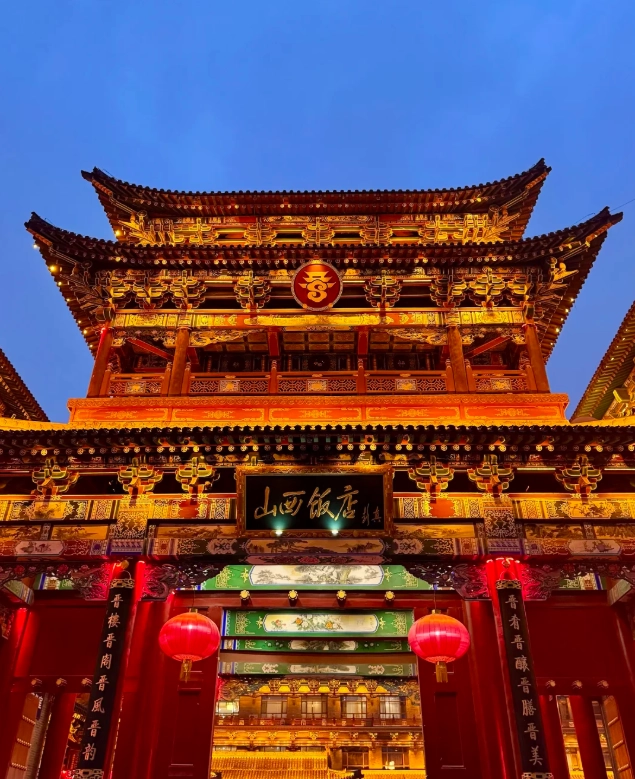
How to Get Tickets for Must-See Sights in Shanxi?
Booking might be the biggest headache for foreigners. Almost every major sight in Shanxi now requires a timed entry ticket with your passport number. The good news: you can book most of them on Trip.com or Klook, which are foreigner-friendly. The bad news: some smaller sites still rely on WeChat mini-programs that are only in Chinese. Here's how I handle it:
- Use Trip.com for the major four: Yungang Grottoes, Pingyao, Hukou, and the Hanging Temple. Their support team is English-speaking.
- For Mount Wutai, the official WeChat account works, but the English interface is hidden. Ask your hotel to book it for you — they do this daily.
- For Qiao Family Compound, you can often buy on arrival with your passport, but it’s safer to pre-book.
Always carry your physical passport; digital copies are rarely accepted. And set up Alipay or WeChat Pay before you go — cash is increasingly rejected at ticket booths. For visa and entry regulations, the National Immigration Administration is the official source.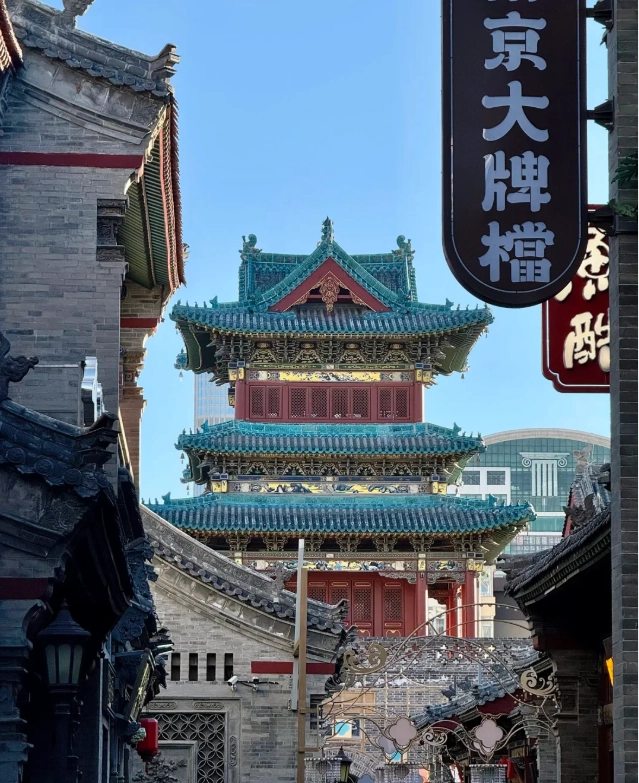
| Sight | Price (approx.) | Booking Requirement | Best Way to Book |
|---|---|---|---|
| Yungang Grottoes | 120 RMB | Passport | Trip.com or WeChat |
| Pingyao Ancient City | 130 RMB | Passport | Trip.com |
| Hukou Waterfall | 100 RMB + shuttle 20 RMB | Passport | Trip.com or on-site |
| Mount Wutai | 145 RMB | Passport | Hotel/WeChat |
| Hanging Temple | 115 RMB | Passport | Trip.com |
| Yingxian Pagoda | 60 RMB | Passport | On-site/Trip.com |
| Qiao Family Compound | 115 RMB | Passport | Trip.com |
How to Get Around Between Shanxi's Must-See Sights?
Shanxi is not a compact province. The must-see sights are scattered from north to south, and transport planning is key. High-speed rail connects the main cities: Datong, Taiyuan, and Pingyao. But some attractions like Hukou Waterfall are far from rail stations — you'll need a bus or a private driver.
Here's a quick transport cheat sheet:
- Datong (Yungang + Hanging Temple + Yingxian): use Datong as your base. Hire a local driver for the day (around 500 RMB for the trio) or rent a car.
- Pingyao & Qiao Family Compound: take the high-speed train from Taiyuan to Pingyao Ancient City station (40 min). From Pingyao, Qiao Family Compound is a 30-min taxi.
- Hukou Waterfall: take a train from Taiyuan or Pingyao to Linfen West, then a bus or taxi to Jixian. The whole trip takes about 6 hours round trip from Taiyuan.
- Mount Wutai: direct bus from Taiyuan Coach Station (4 hours).
Always use ride-hailing apps like Didi instead of street taxis; they show the price upfront. And don't trust Google Maps — it's inaccurate in China. Use Apple Maps or AMap (available in English as 'AMap Global'). For train tickets, book on the official China Railway website.
| Route | Best Option | Duration | Cost (approx.) |
|---|---|---|---|
| Taiyuan → Datong | High-speed train | 2 hours | 95 RMB |
| Datong → Yungang | Taxi/Didi | 30 min | 60 RMB |
| Datong → Hanging Temple | Taxi/Didi | 1.5 hours | 200 RMB |
| Datong → Yingxian | Public bus | 1.5 hours | 30 RMB |
| Taiyuan → Pingyao | High-speed train | 40 min | 29 RMB |
| Pingyao → Qiao Family | Taxi/Didi | 30 min | 80 RMB |
| Taiyuan → Wutai | Coach bus | 4 hours | 80 RMB |
| Linfen → Hukou | Bus + taxi | 2.5 hours | 60 RMB |
A 3-Day Must-See in Shanxi Itinerary That Actually Works
Here's a realistic 3-day plan that hits the big three: Datong's grottoes and hanging temple, Pingyao, and Hukou Waterfall. It's tight but doable if you start early.
Day 1: Datong — Yungang & Hanging Temple
- 8:00 AM: Leave Datong city center for the Hanging Temple (1.5 hours drive). Arrive at 9:30 AM to beat the crowds.
- 12:30 PM: Return to Datong and have lunch — try the local 'shredded pork with Beijing rice cakes' or the famous 'Datong beef' at a restaurant near the drum tower.
- 2:30 PM: Head to Yungang Grottoes (as planned, late afternoon).
- 6:00 PM: Return to Datong. Overnight in Datong.
Day 2: High-Speed to Pingyao
- 8:00 AM: Take the high-speed train from Datong to Taiyuan (2 hours), then transfer to Pingyao (40 min). Total travel: about 3.5 hours.
- 12:00 PM: Arrive in Pingyao, check into your hotel inside the city walls, and have lunch.
- 2:00 PM: Explore the main street, climb the city wall, and visit a few museums (China Finance Museum).
- 7:30 PM: Watch the lights come on over the ancient street. Stay overnight in Pingyao.
Day 3: Hukou Waterfall (with a twist)
- 6:30 AM: Leave Pingyao by pre-booked private car to Linfen West station (1.5 hours), then take a direct bus to Hukou (2 hours). You'll arrive around 10:30 AM.
- 1:00 PM: Lunch at a local restaurant near the park entrance. The smoked beef there is excellent.
- 2:30 PM: Head back to Linfen and catch an evening high-speed train to your next destination.
If it rains or the heat is brutal, swap Hukou for a visit to the Shanxi Museum in Taiyuan — saved many a trip.
Frequent Questions About Visiting Must-Sees in Shanxi
Verified and fact-checked by the editorial team.





No comments yet.