Chengdu Travel FAQ
Do I need a reservation to visit free museums in Sichuan?
For most major museums like Sichuan Provincial Museum, yes — a reservation is mandatory. Bring your passport and book at least a day ahead via the official WeChat mini-program or through an English-friendly site like Trip.com. Same-day spots often sell out, especially on weekends.
Are free attractions in Sichuan safe for solo travelers?
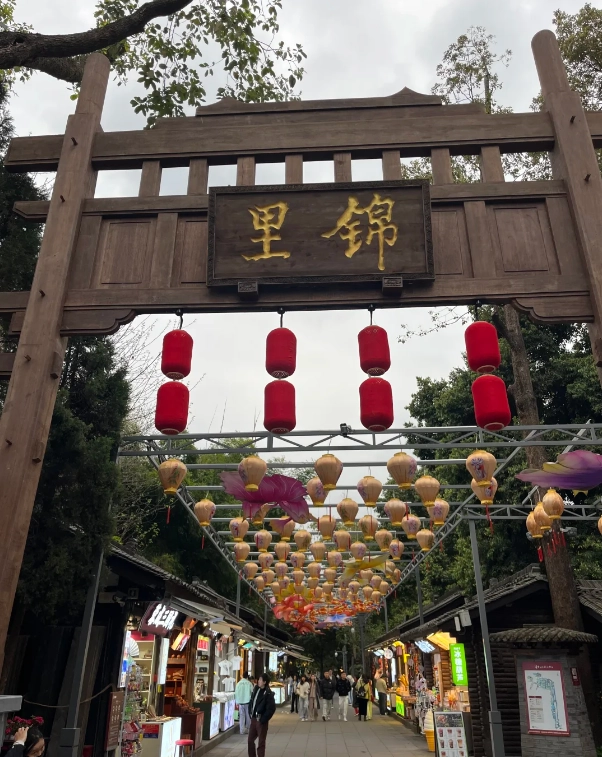
They are generally very safe, though pickpockets can operate in crowded places like Jinli. Keep your phone and wallet in front pockets and avoid dark alleys after midnight. Stick to well-lit areas and you’ll have no trouble. For added peace of mind, save the local police hotline (110) on your phone.
Can I use my international credit card at these free spots?
Many free parks and street stalls are cash-only for small purchases like tea or snacks. While Alipay and WeChat Pay are widely accepted, it’s smart to carry 100–200 RMB in cash as backup. For reservations, you’ll almost always need a Chinese phone number or an international card via a third-party platform like Trip.com.
What's the best city base for exploring free Sichuan?
Chengdu is your best bet — it has the highest concentration of free sights and excellent public transport. For a change of scene, take a day trip to Dujiangyan or Leshan using the high-speed rail network, which can be booked via 12306.cn. If you're planning to stay in China for an extended trip, check the visa policies on the National Immigration Administration website.
Can I pay with my Visa credit card at the base?
At the ticket counter and inside gift shops, they only accept Alipay, WeChat Pay, or Chinese bank cards. International Visa/Mastercard rarely works. But you’ve already pre-booked online with your card – so you don’t need to worry. For snacks and souvenirs, bring some cash (RMB) as backup, or set up Alipay with your international card before you arrive.
Is there a place to store luggage at Chengdu panda base?
Yes, there’s a luggage storage room near the South Gate (main entrance). It costs about 10–20 CNY per bag. Open from 7:30 a.m. to 6:00 p.m. Note that it’s small – if you arrive late, it might be full. I always advise leaving bags at your hotel.
What if it rains on the day of my visit?
Pandas actually enjoy cool weather. Light rain is fine – they stay active. Heavy rain may cause some outdoor enclosures to close, but the indoor areas (including the nursery) remain open. Bring an umbrella or a poncho. The base sells cheap plastic ponchos for 15 CNY.
How can I avoid the language barrier inside the base?
Most signs are in Chinese and English. The audio guide (available at the information desk) costs 30 CNY and supports English. Alternatively, download the app “Pocket Panda” (in English) – it has a map and some descriptions. But I honestly find just wandering with the map (available at the ticket booth) enough.
Can I hold or touch a panda?
No. Direct contact is prohibited for safety and animal welfare. However, you can pay to have your photo taken with a panda (through a glass barrier) at the “Panda Photo” spot near the nursery – around 200 CNY for a digital photo. It’s a popular souvenir, but the line can be long.
Is Chengdu safe for solo travelers on a short weekend trip?
Chengdu is very safe, even at night. As a guide, I've sent countless solo women out alone at 10pm without worry. The biggest risk is getting overcharged by a taxi or buy fake souvenirs in tourist streets. Keep your phone charged, use DiDi, and avoid overly aggressive money-changers near the airport.




Recent Reviews
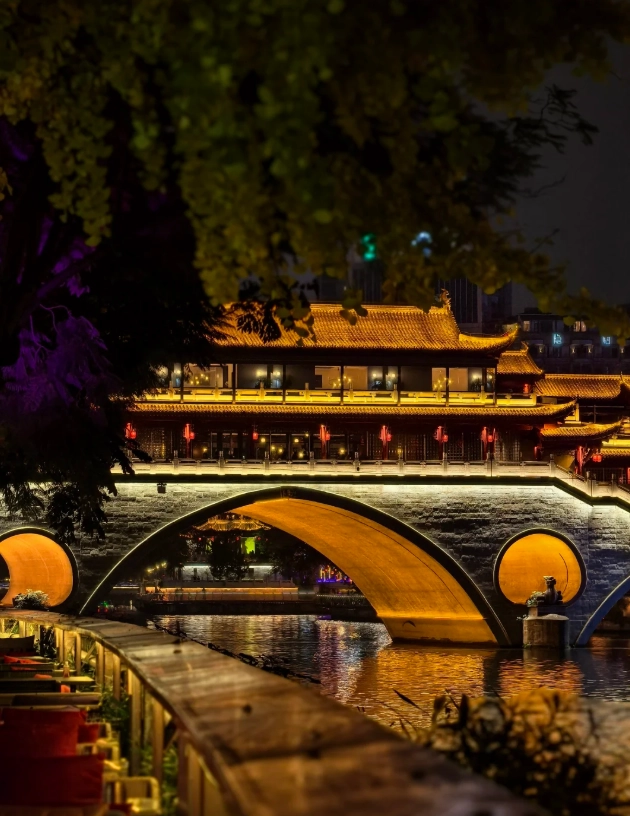
I came for the pandas but stayed for the vibe. Chengdu has this relaxed, friendly energy that’s rare in such a big city. I rented a bike and rode along the river, spent a lazy afternoon in a traditional teahouse, and took a cooking class that completely changed my view of Sichuan food. The locals were so warm and patient with my terrible Chinese. Everything about the trip felt wonderful — I can’t wait to go back.
As a total food lover, Chengdu is heaven on earth. I made a list of all the local classics and every single dish delivered — twice-cooked pork, boiled fish in chili oil, cold noodles, dumplings with that amazing red sauce. The wet markets are vibrant and chaotic, and the street stalls are ridiculously cheap. The city is also greener than I expected, with lovely parks to rest in between meals. Go hungry!
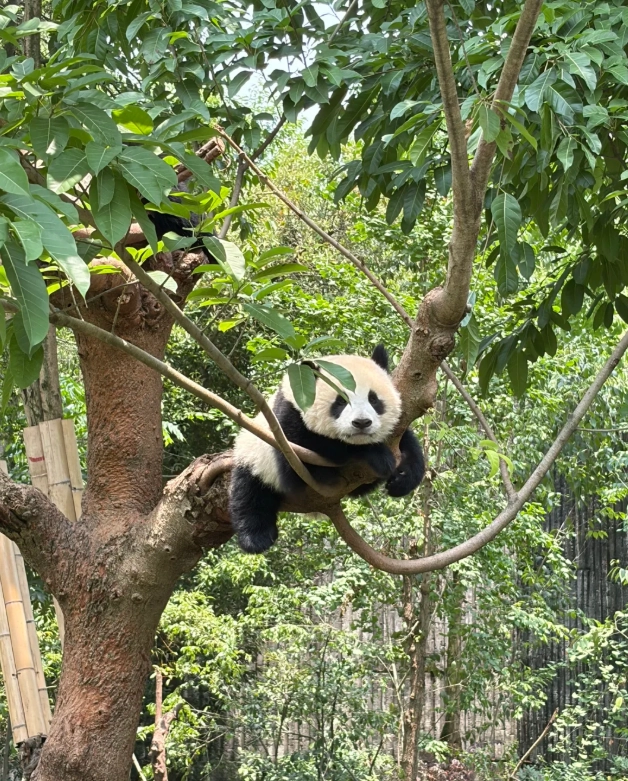
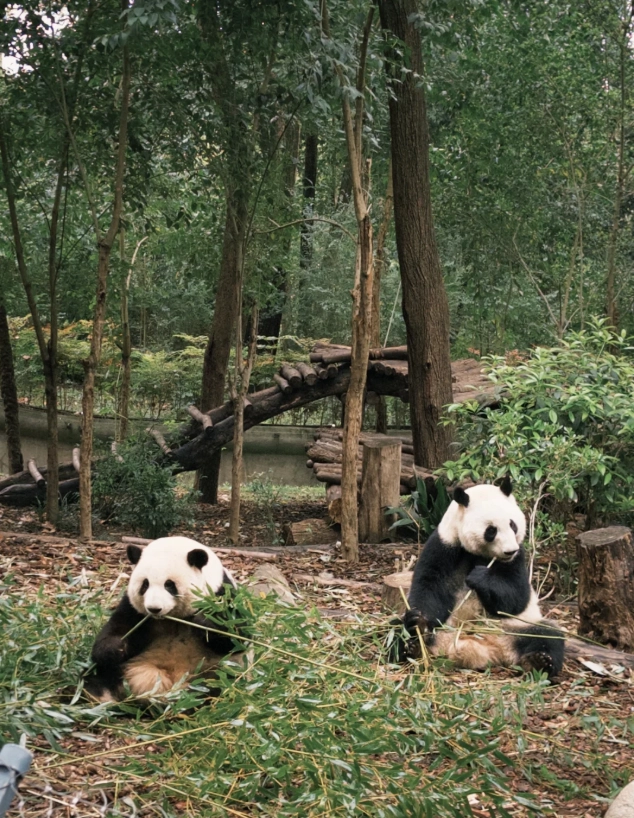
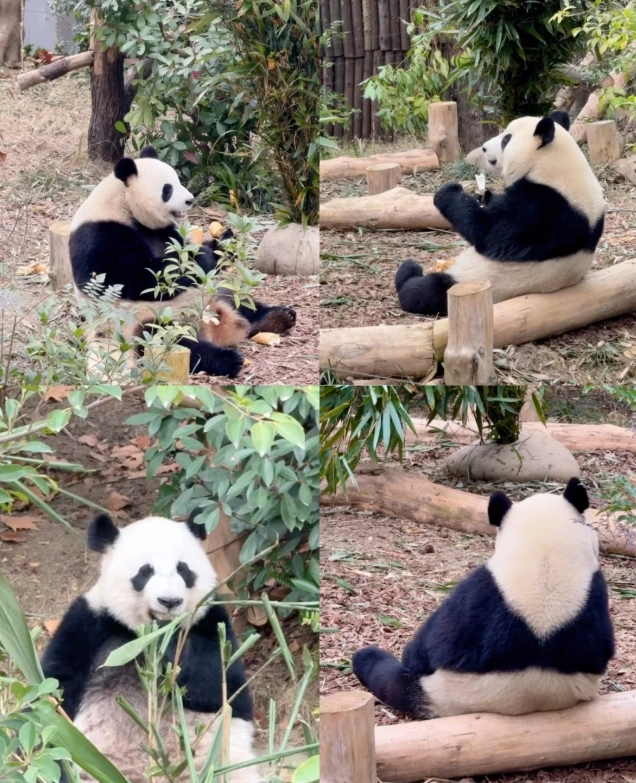
Chengdu completely stole my heart. The pace is so much slower and easier than Beijing or Shanghai. Walking through Jinli at night with the lanterns, music, and sizzling street food felt like stepping into another world. The giant pandas at the breeding base made me emotional — they are just so unbelievably cute. And the dan dan noodles? I still think about them every day. 100% recommend.
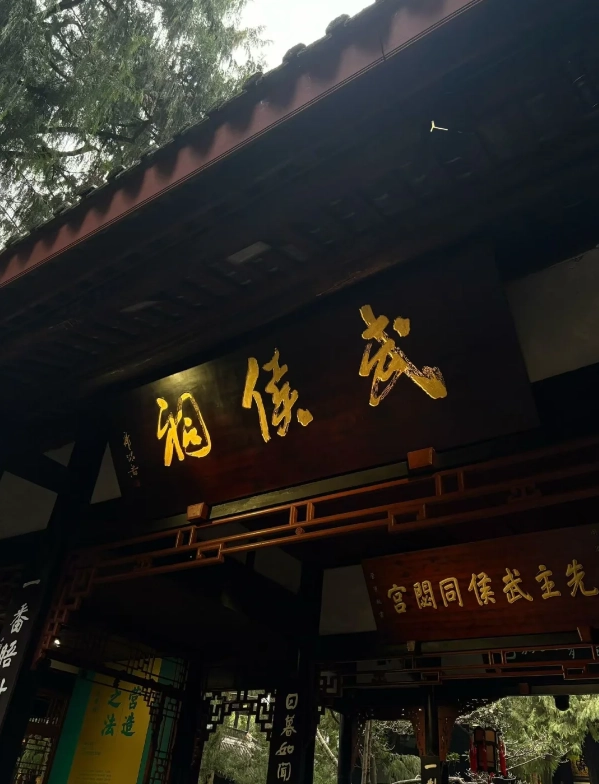
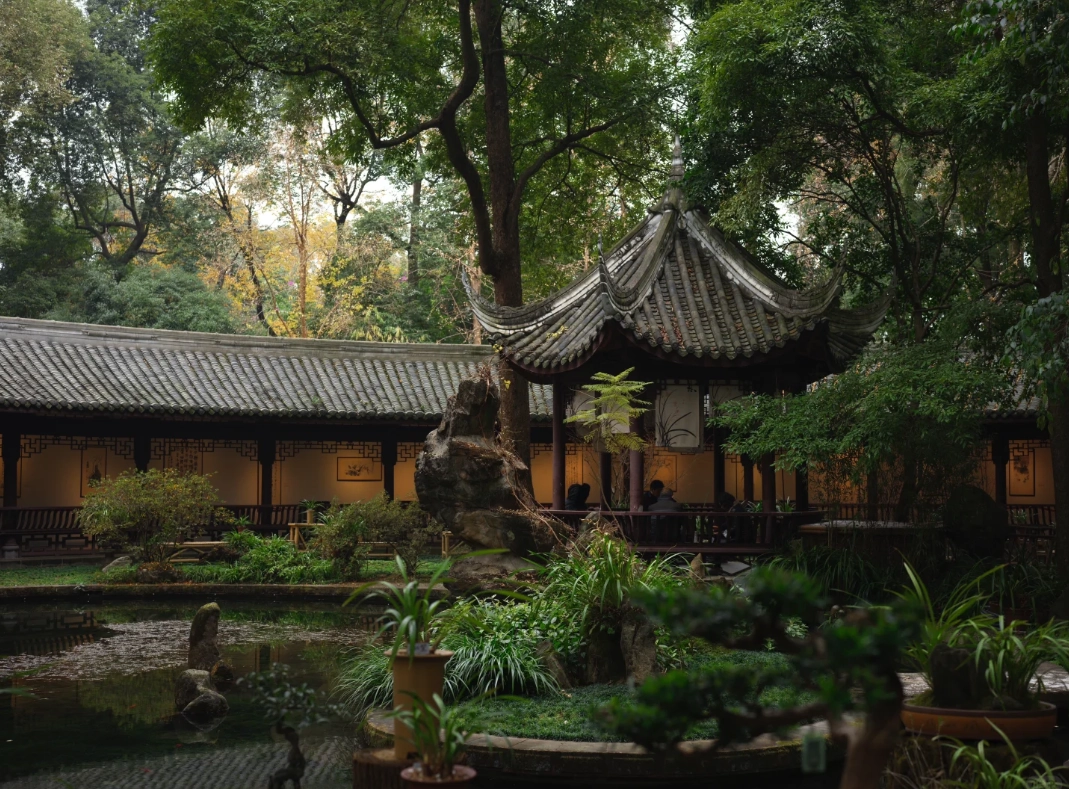
Chengdu is a solid stop if you’ve got a few days in China. I loved sitting in People’s Park teahouse, sipping jasmine tea and watching locals get their ears cleaned while old men played cards. Wuhou Shrine was interesting but really busy. The food is amazing if you can handle the spice — my mapo tofu was incredible. I’d give it a five if the metro hadn’t been so packed during rush hour.
Chengdu was okay, but not the magical place I was expecting. The panda base is wonderful, but the rest of the city felt really crowded and the haze made every photo look grey. Hotpot was tasty, but the staff at the restaurant seemed rushed and we struggled to get a taxi afterwards in the rain. Maybe I just hit it on a bad weekend.
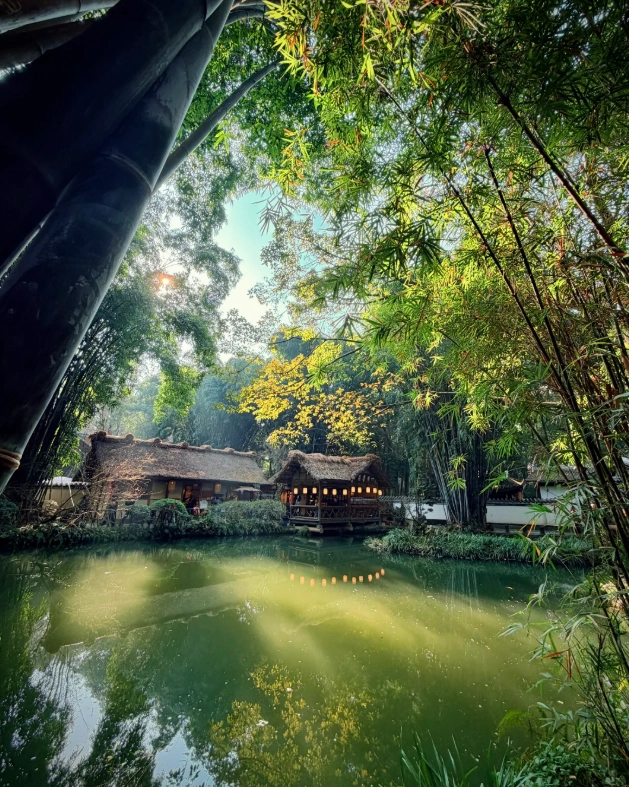
I ended up staying in Chengdu for a month instead of the planned week, and that says everything. The daily rhythm here is so lovely—morning tai chi in the park, fresh dumplings from the same little street stall every day, and lazy afternoons at a bamboo teahouse. The night markets get chaotic but in the best way, with sizzling skewers and fried tofu everywhere. It's a city you don't just visit; you live it. If you want an authentic, gritty, beautiful Chinese urban experience, Chengdu is it.
Leave a Review