 Lei Li
I once watched a tourist turn green after biting into what she thought was a cucumber salad — it was actually raw lamb fat. That moment is stuck in my mind because it perfectly sums up the surprise factor of Inner Mongolian cuisine. This isn't your average weeknight Chinese takeaway. It's a carnivorous adventure where mutton rules, dairy is salty, and ordering without Google Translate takes guts.
You've probably read a list of 'must-eat' dishes online, but most of it is copied from 10-year-old guidebooks. Let me fix that right away: the single most valuable tip I've learned after years of bringing tourists around Hohhot is this — skip the pricey 'Mongolian banquet' shows in tourist zones. Walk into a proper menggu bao (Mongolian yurt) restaurant where the menu has no photos, and follow the smell of charcoal. That's where you'll find what to eat in Inner Mongolia, not in a gimmick hall.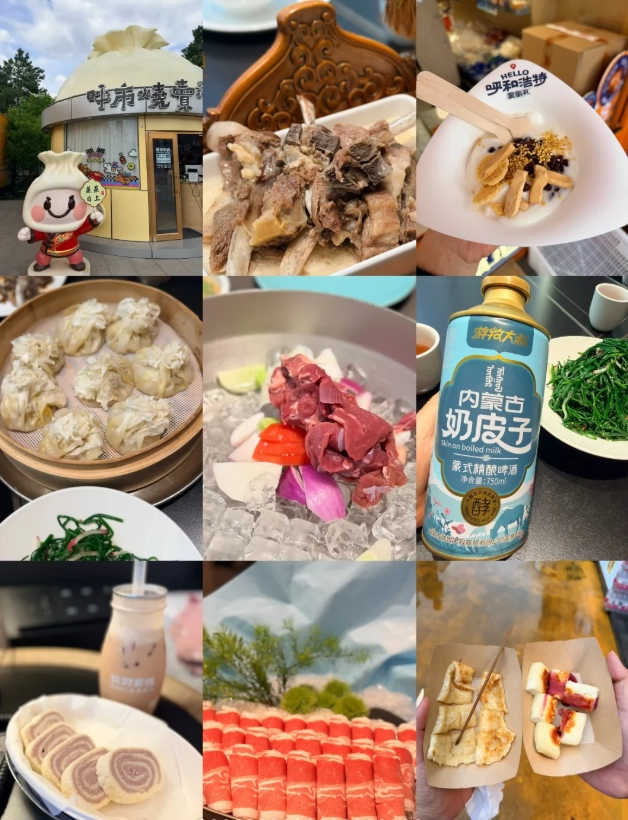
What to Eat in Inner Mongolia: The 10 Must-Try Dishes
Before I dive in, a quick reality check: you'll find these dishes across the whole region, but Hohhot is the ideal base because everything is concentrated. Note that I'm giving you names in both English and Chinese characters because you'll almost never see English menus outside of hotel lobby restaurants.
1. Shouba Rou (手把肉) — Hand-Held Mutton
If you only eat one thing, make it shouba rou. The name literally means 'meat eaten by hand.' It's a massive chunk of mutton boiled in water with just a pinch of salt, then served with a side of raw garlic and viciously spicy sauce. The flavor is so pure it shocks people. In my opinion, the best version I've had was in a humble yurt in Xilamuren grassland, where the cook let the meat rest for exactly 18 minutes. But order this in any local spot and you'll be fine.
Where to find: Walk near Dazhao Temple in Hohhot and look for a restaurant with muddy boots outside. Show the waiter 手把肉 and expect to pay around 70–90 RMB per kilogram. It's typically lunch food — go before 1pm.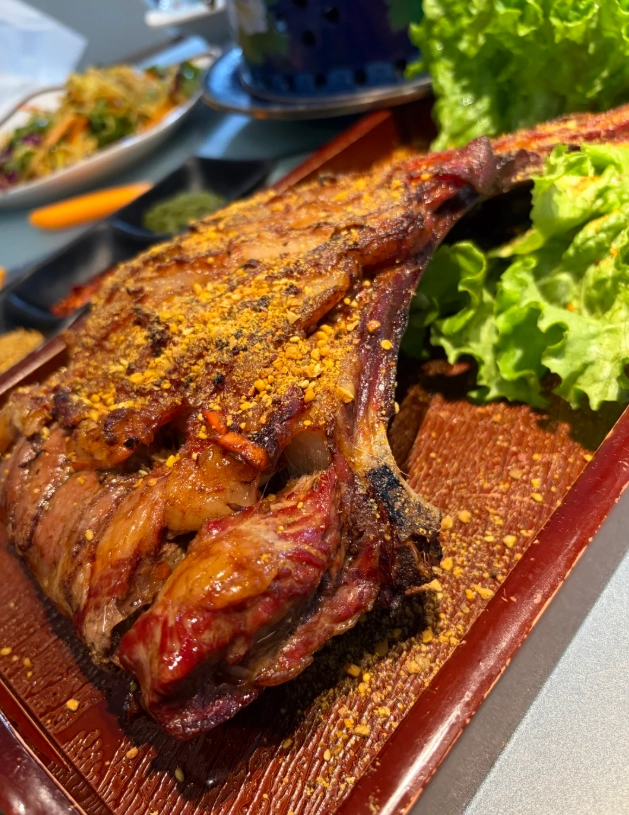
2. Mongolian Hot Pot (涮羊肉) — The Quiet Storm
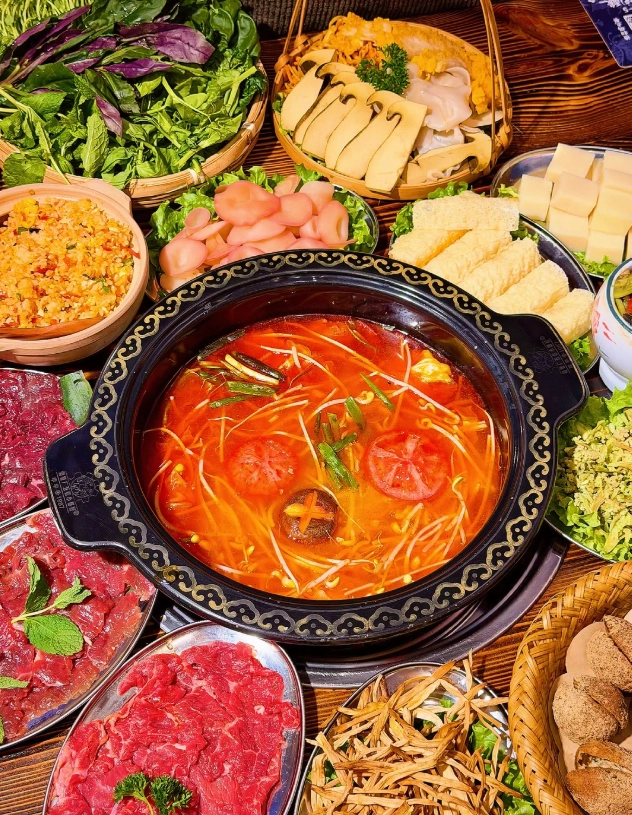
This isn't Sichuan hot pot. It's a simmering pot of clear water or light broth, designed to showcase the quality of the lamb, not mask it. You'll take a paper-thin slice of fatty mutton, swish it through the bubbling liquid for seconds, then dip it in sesame paste mixed with fermented bean curd. The temperature contrast — cold beer, boiling pot, creamy sauce — is addictive. My clients always order two plates of meat even when they swear they're full.
Where to find: Head to the alley behind Hohhot's Grand Mosque; there are three hot pot joints packed with locals. Expect about 25 RMB for a standard plate of lamb.
3. Kao Yang Rou (烤羊肉串) — Street-Level Fire
You'll smell these skewers from a block away. Cumin, chili powder, and the unmistakable aroma of lamb fat hitting charcoal. This is Inner Mongolia's answer to fast food. Please don't ask for 'lean only' — the fat is what makes these juicy. For the full experience, wrap a skewer in a thin flatbread and watch your diet start crying.
Where to find: On the night market strip near Xinhua Square, Hohhot. Skewers are about 5–8 RMB each. Look for the stall where the queue wraps around the corner; younger locals know it best.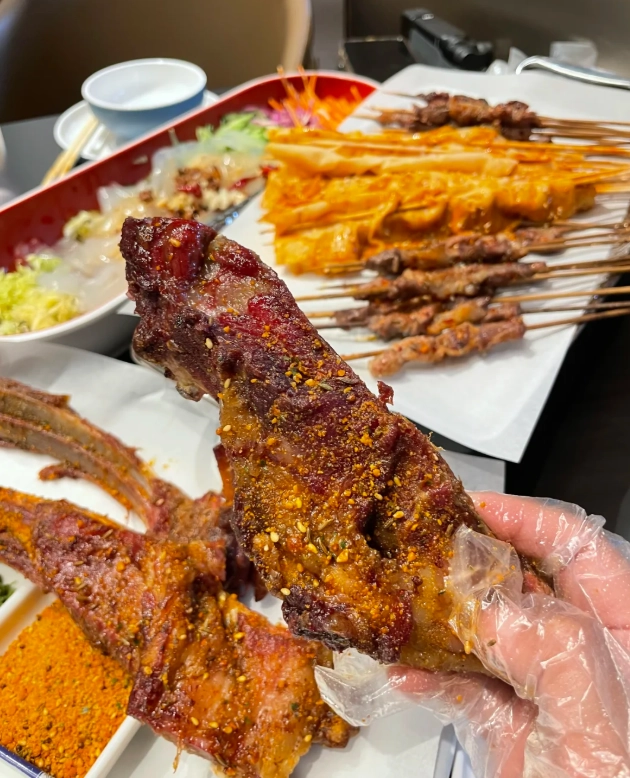
4. Nai La Zi (奶食拼盘) — The Dairy Constellation
Don't confuse this with cheese. The Mongolian dairy platter includes various types of dried milk curds, cream, butter, and yogurt. Some are sweet, some are intensely sour, and one type — aaruul — is rock hard and won't soften unless you pop it in salty tea. This platter isn't a dessert; it's a snack served with tea.
Where to find: Order a 奶食拼盘 at a traditional restaurant like those near Wuliangsi Temple. Price range: 40–60 RMB per platter depending on how many types they give you.
5. Suutei Tsai (奶茶) — Salty Milk Tea
The first sip will confuse you. The second sip will convert you. Suutei tsai is made by boiling brick tea with milk, adding a solid chunk of butter, and finishing with roasted millet or fried rice. It's salty, rich, and sometimes has a gamey edge that reminds you you're not in Hong Kong anymore. Locals drink it by the thermos — yes, a whole thermos — alongside every meal.
Where to try: It comes free with most meals in yurt restaurants. If you go to a fancy place, ask for 锅茶 or 'pot tea' and they'll cook it tableside.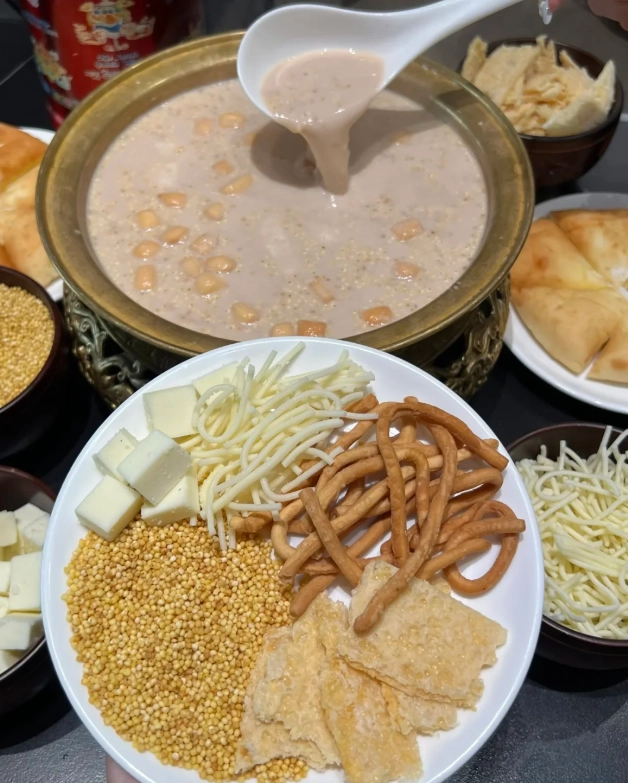
6. Buuz (包子) — The Mongolian Baozi
Think of it as a juicy, goliath dumpling. Buuz is a thick-skinned steamed bun stuffed with a hefty ball of chopped mutton, onions, and — you guessed it — more mutton juice. The locals will tell you to bite the top first and sip the broth before devouring the rest. I've seen grown men burn their tongues with these because they're too excited to wait.
Where to find: Look for any 蒙古包子店 (Mongolian bun shop) in Hohhot's East District. A plate of five costs around 15–20 RMB. Breakfast is the classic window.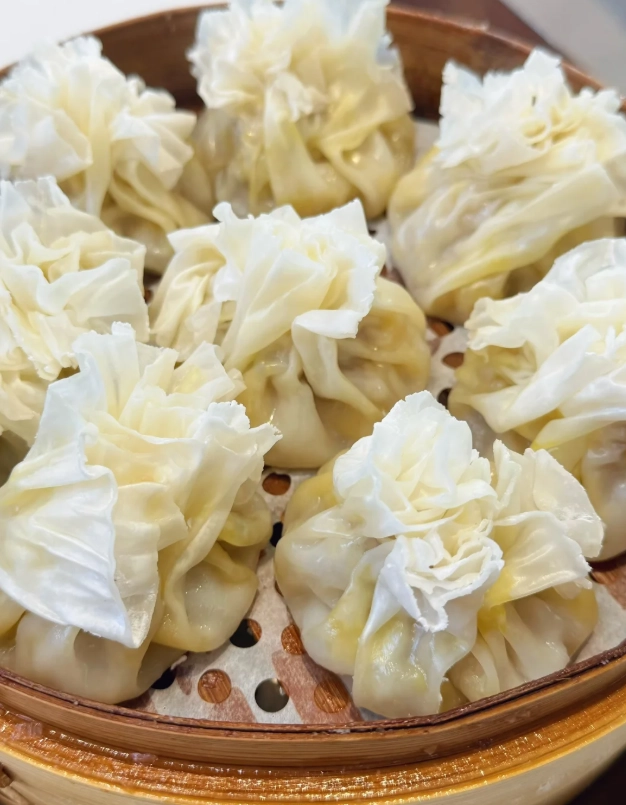
7. Khorkhog (石头烤羊肉) — Hot Stone Barbecue
This one's theatrical. Stones are heated red-hot, then layered with mutton, vegetables, and aromatic spices in a sealed metal pot. The pressure cooks the meat until it's impossibly tender. The tradition is to serve it whole and let the 'strongest' person break open the pot. It's a ceremonial dish — you'll usually need a group of four or more to justify ordering it.
Where to find: Many upscale Mongolian restaurants in Hohhot offer khorkhog with 24-hour advance notice. Expect to spend 200+ RMB per kilogram. Go with friends or be prepared for leftovers.
8. Oromo (蒙古馅饼) — Mongolian Pie
A crisp shell hiding an ocean of meat juice. Oromo looks like a thin pancake, but the filling is a spiced mix of minced mutton and beef. The trick is to eat it while it's blistering hot, otherwise the juices congeal. It's the snack that works with both tea and beer.
Where to try: Usually appears in afternoon tea spreads. Search for 蒙古馅饼 on Google Maps and you'll get a few hits in Hohhot; the ones from small hole-in-the-wall places are far superior to hotel versions.
9. Aaruul (奶豆腐) — Dried Milk Curds
This is not a beginner-friendly snack. Aaruul is a dried, fermented milk curd with a rubbery texture and a sour kick that can make your lips pucker. Locals pair it with strong tea to soften it. It'll take a few tries, but by the end of your trip you'll either love it or proudly hate it. Show the character 奶豆腐 and you'll see a white block that looks like tofu but isn't.
Where to find: Every local supermarket, as well as tourist gift shops near Dazhao Temple. Prices start at 15 RMB for a small pack.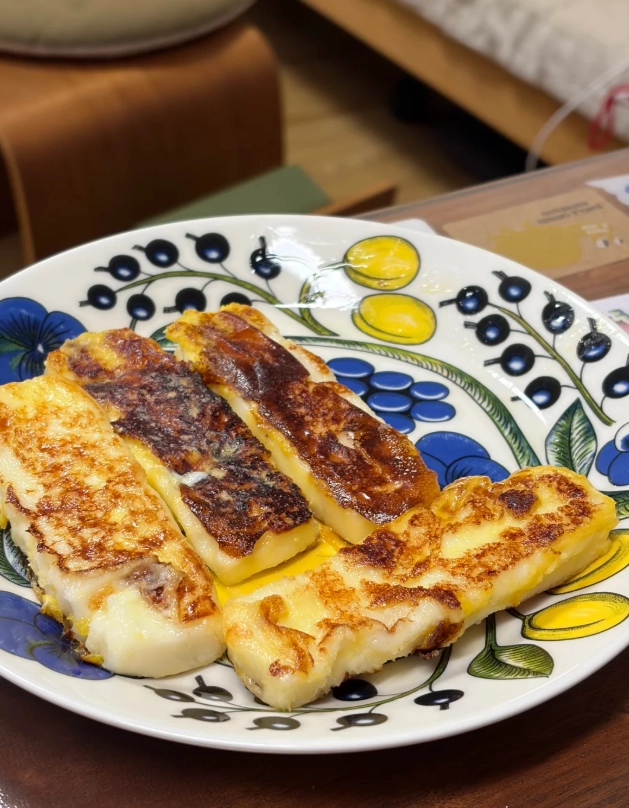
10. Bing (莜面) — Oat Noodles with a Side of Memory
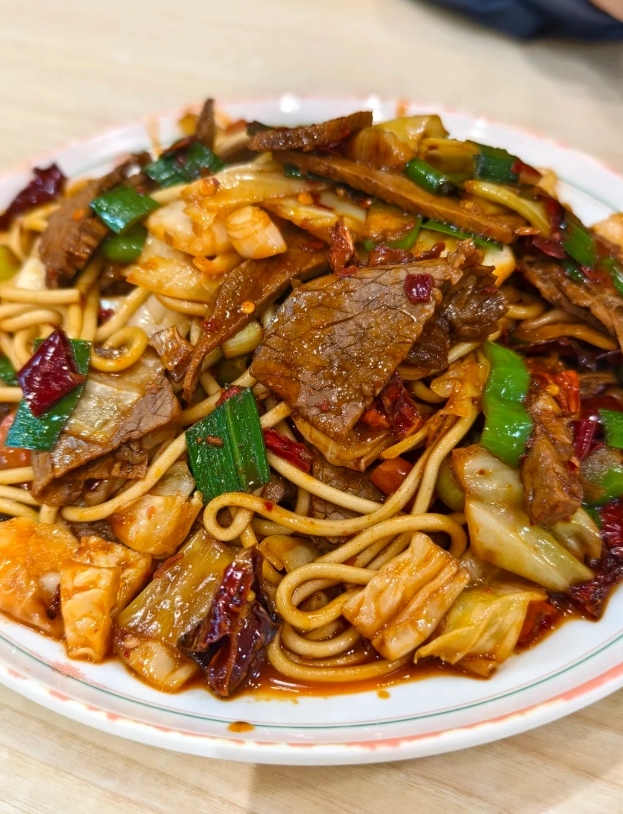
Don't skip the noodles. 莜面 are twisted oat noodles, often served cold with a garlic vinegar dip or hot with a mutton gravy. It's surprisingly light for a grain dish, and perfect when you've been muttoned out. The texture is a bit chewy, like whole-wheat pasta crossed with dumpling skin.
Where to find: Ask for 莜面 at any local noodle place. It's a lunch staple around 15–25 RMB per bowl.
Where to Find Them in Hohhot
Hohhot isn't huge, but the food maps are scattered. Your best strategy is to stay within the 1st Ring Road and use your hotel as a north star. Here's where the magic you're looking for happens:
- Dazhao Temple & Xiaozhao Area — a magnet for old-school restaurants. Many are tourist-adjacent, so wander one block east to escape the inflated prices.
- Xinhua Square Night Market — skewers and buns reign supreme from 6pm to midnight.
- The Canal Side near Qingcheng Park — surprisingly untouched and serves some of the best hot pot in town.
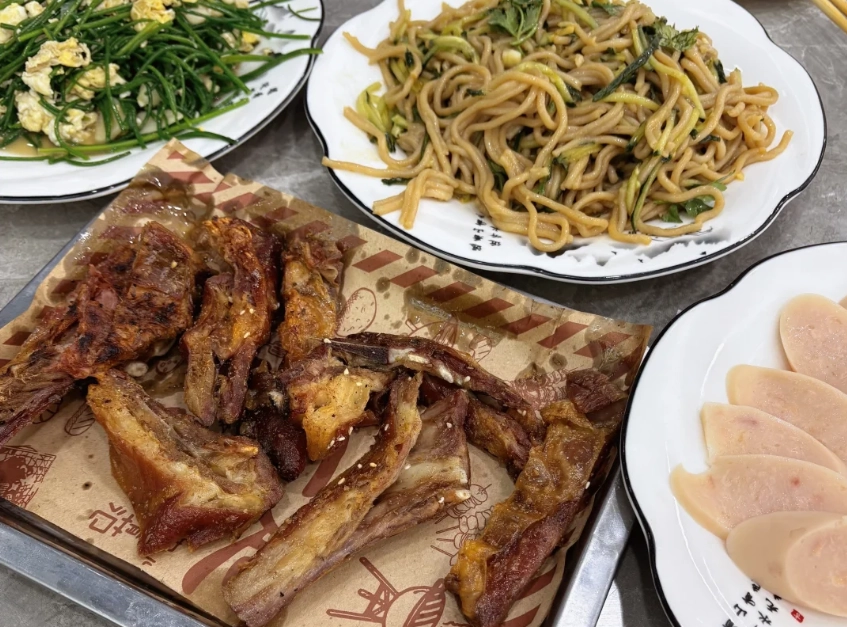
For a quick visual, here's a comparison table you might save:
| Dish | Spice Level | Price Range (RMB) | Best Time |
|---|---|---|---|
| Shouba Rou | Mild (savory) | 70-90/kg | Lunch |
| Hot Pot | Customizable | 25-50/plate | Dinner |
| Kao Yang Rou | Medium | 5-8/skewer | Evening |
| Nai La Zi | Mild sour | 40-60/platter | Anytime |
| Suutei Tsai | Not spicy | Free-30/pot | With meals |
| Buuz | Mild | 15-20/plate | Breakfast |
| Khorkhog | Mild | 200+/kg | Dinner (groups) |
| Oromo | Mild | 10-15 | Afternoon |
| Aaruul | Sour | 15+ | Snack |
| Oat Noodles | Mild | 15-25 | Lunch |
How to Eat Like a Local: Payment, Ordering & Avoiding Tourist Traps
Getting the food is one thing, but getting served without a headache requires a few insider moves. Let me walk you through the logistics that most tourists trip over.
Payment: Cash is King, but Rarely Used
You'll need Alipay or WeChat Pay for anything outside big hotels. Cash is still technically legal, but I've been in places where the shop owner stares at it like it's ancient Roman money. Bring all payment apps linked to your international card — this saved me countless times. Also, ask for 发票 (fapiao) receipt stubs if you're on a business trip, but don't expect that from street stalls.
Ordering: The No-Menu Survival Kit
Download the Chinese characters listed earlier. Show them on your phone screen. When in doubt, say "随便来点" — which means 'surprise me with a bit of everything.' This works 80% of the time and often gets you the chef's sampler. For the remaining 20%, make peace with whatever arrives.
Transportation to Hidden Gems
Google Maps doesn't work reliably here. I rely on Apple Maps or ask my hotel to input locations into Amap. For the address of a yurt restaurant outside the city, use the coordinates from Amap — they're surprisingly accurate. Also, always carry the Chinese name of your destination; taxi drivers are not mind readers.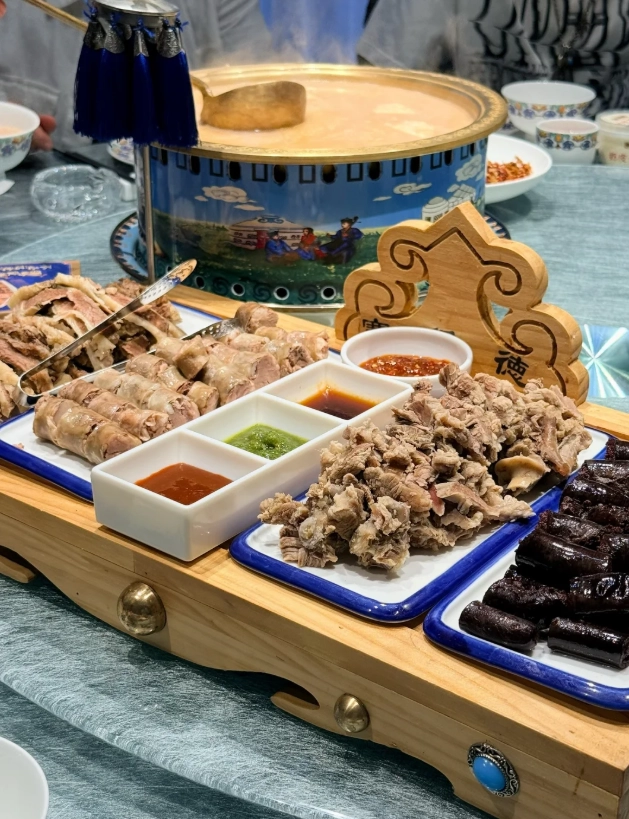
Pro Tip: If you plan to visit grassland restaurants outside Hohhot, book through a local agency or your hotel front desk. They'll arrange a mini-van driver who speaks basic English and knows exactly which yurt farm won't charge you four times the menu price.
One more thing: the toilet situation. Many older restaurants have squat toilets without paper. Pack tissues. It's not glamorous, but it's the real inner Mongolia.
FAQ: Your Inner Mongolia Food Questions Answered
Verified and fact-checked by the editorial team. This content has been fact-checked to ensure informational precision.





No comments yet.