 Tao Xu
Quick Foodie Navigation
Ever been stuck at a food stall in Guangzhou, pointing desperately at something sizzling while the vendor yells in rapid-fire Cantonese? I've been there — as a guide, I've watched countless tourists struggle with the exact same dilemma. Guangdong is China's food capital, but without a local's pocket guide, you'll miss the good stuff and overpay for the mediocre.
If you ask me “what to eat in Guangdong”, my answer always starts with one sentence: come hungry, leave humbled. Because this province doesn't just feed you; it schools you in what food can actually be. Now let me save you from the trial-and-error I've already done for you.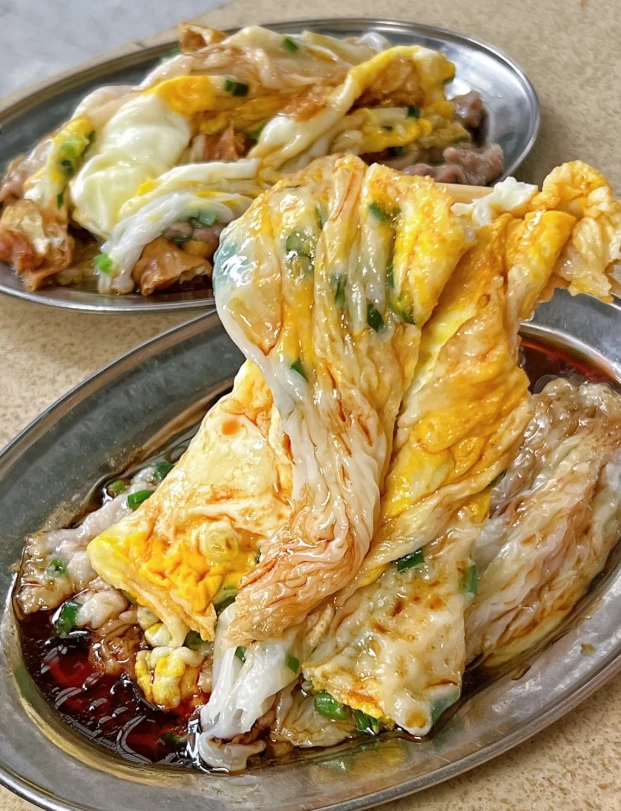
Why Guangdong Food is a Big Deal
Guangdong cuisine, also known as Cantonese cuisine, is one of the Eight Great Culinary Traditions of China. But it's not just about dim sum and roasted meats — it's a philosophy that centers on fresh ingredients and capturing the natural flavors, often with minimal seasoning. This is why Cantonese food feels so clean and satisfying compared to the more spicy or oily styles from other provinces.
Historically, Guangzhou was a major port on the Maritime Silk Road, and that trade brought a world of ingredients and techniques to the region. That exchange is why you'll find dishes like curry crab (a nod to Indian and Southeast Asian influences) sitting happily next to a classic steamed fish. The region's mild climate also means fresh produce is available almost year-round, so chefs can be picky about sourcing. I always tell my clients: don't come to Guangdong to eat the same food you can get at home — come here to redefine your flavor standards.
What to Eat in Guangdong: 17 Must-Eat Dishes
I've narrowed down the essential dishes I make sure every guest tries — from breakfast vendors to fine-dining tables. These aren't just tasty; they're the ones locals actually crave.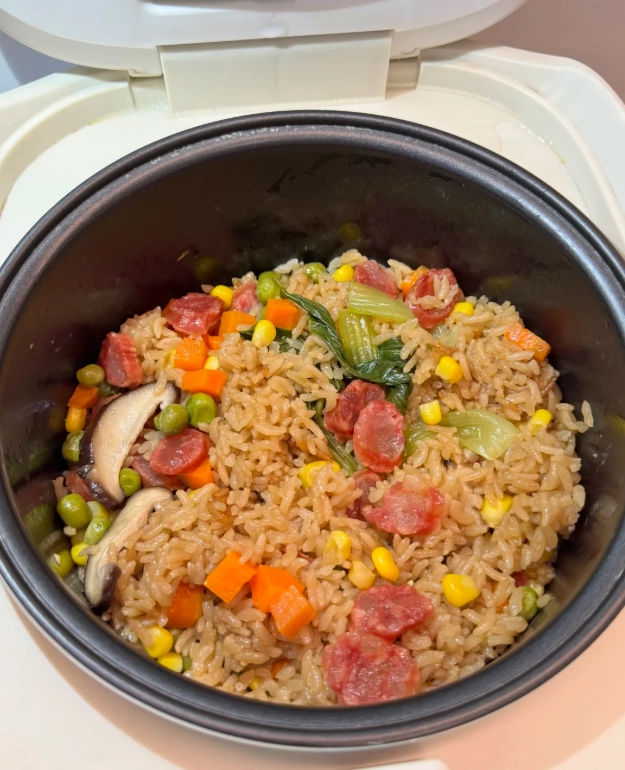
1. Dim Sum (點心)
Let's start with the most famous export. Dim sum is a whole category, but you can't leave without trying har gow (shrimp dumplings), siu mai (pork and mushroom dumplings), cheung fun (rice noodle rolls), and char siu bao (BBQ pork buns). The best dim sum is served in bustling teahouses where old men spend hours reading newspapers and sipping jasmine tea. I usually take first-timers to Dian Dou De — it's a chain, but for good reason: the fillings are juicy, the wrappers are delicate, and you can go at 9 AM on a Monday and see it packed with seniors. That's the local sign of quality.
2. Roast Goose (燒鵝)
Roast goose is the crown jewel of Cantonese barbecue. The skin must be crackly thin, the meat succulent, and the fat rendered just enough to keep things tender. The best spot in Guangzhou? I'm partial to a hole-in-the-wall near Xiguan called Chen Ji (actually, there are several Chen Ji — the one on Longjin East Road does a stellar version). A portion costs around 40-60 RMB, and they'll ask if you want the leg or the breast. Leg, always — it's juicier.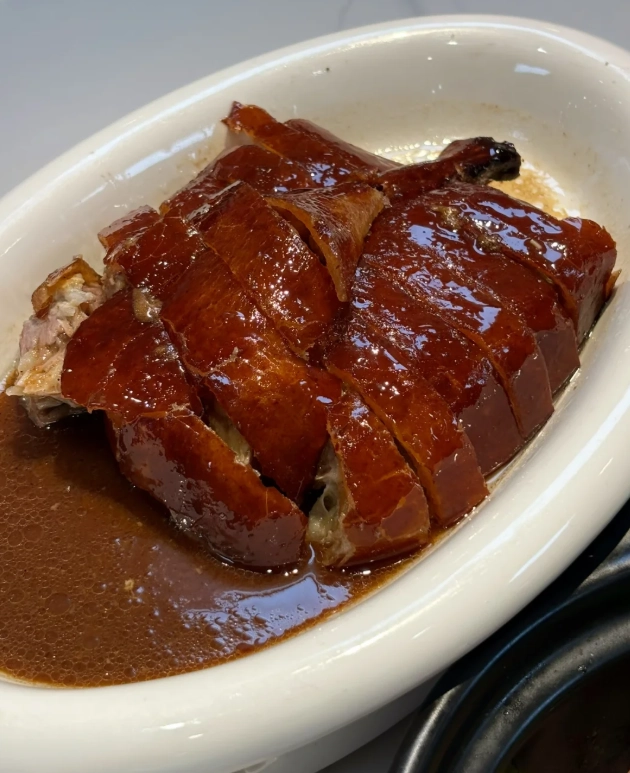
3. White Cut Chicken (白切雞)
This dish looks almost raw in the middle, and that's the trick. The chicken is poached in its own juices, then served cold with a dip of ginger-scallion sauce. It sounds simple, but catching that tenderness at home is maddeningly difficult. A restaurant I often use is Wen Ji (文昌饭店) on Wende South Road. Order the half chicken and ask for the sauce on the side. The meat slides off the bone and tastes like pure umami.
4. Char Siu (叉燒)
Sweet, slightly smoky, crimson-hued — char siu is the BBQ pork you can find everywhere. But the Hakka-style char siu at Sifang Xiguan on Xihua Road is a revelation: the honey glaze caramels into a lacquer-like finish. (It's famous for its braised pork too, but we'll come to that.)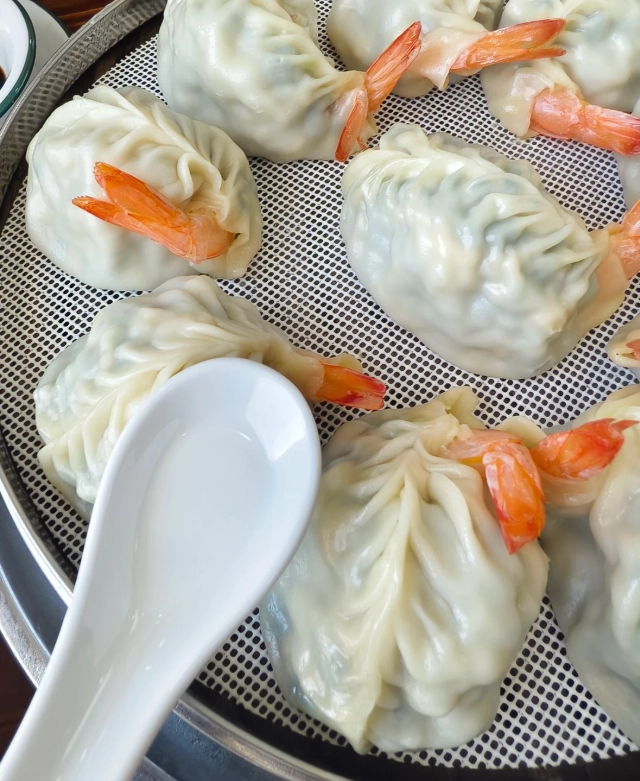
5. Wonton Noodles (雲吞麵)
I'll never forget the first time I watched a tourist try to eat this right. The noodles are thin, springy, and served in a broth that's been simmered with dried shrimp and pork bones. Add these delicate, whole-shrimp wontons, and you've got heaven in a small bowl. A classic spot is Bao Yuan Noodle Shop (寶源麵店) in Liwan District. The tiny broth cup is meant to be savored at the end. Pro tip: always add a splash of red vinegar — it cuts the richness.
6. Claypot Rice (煲仔飯)
The caramelized crust at the bottom of a claypot is pure gold. Typically served with Chinese sausages, pork belly, or chicken, this dish comes bubbling hot to your table. The best place to try it is in the old alleys of Dragon Head Village (龙导尾) — check out Long Ji for an authentic gooey rice experience. Prices hover around 30 RMB.
7. Congee (粥)
Northerners look at you funny when you order congee for breakfast, but in Guangdong, it's serious business. The rice is cooked until it dissolves into a silky porridge, and you add toppings like pork liver, fish fillets, or salted egg. Head to Wumian Sip (無眠食舍) if you want an Instagram-ready version, but for the real deal, look for a small stall that's been there for decades, always near a morning wet market. Ask for zhu gan cong (pork liver and congee) — it's a local favorite.
8. Beef Offal (牛雜)
Don't turn your nose up at this one — braised beef tripe, lungs, and intestines are a hawker classic. The spices penetrate deep, making each bite savorier than the last. My guilty pleasure is the Beef Offal Cart outside Shipai Bridge Metro Exit C. It's a stall, so cash is king (or use mobile pay if you have a linked card). For 15 RMB, you get a bowl loaded with flavor and a plastic stool to sit on. Warning: it's heavy spice — have a cool drink ready.
9. Steamed Rice Rolls (腸粉)
Breakfast in Guangzhou means the sound of steaming trays sliding in metal racks. You get a smooth, slippery sheet of rice batter that's been steamed, then topped with fillings like beef, shrimp, or an egg. The sauce is a sweet soy-based liquid. For the best cheung fun, I swear by Yinxing Cheung Fun (银记肠粉) — the line at Lianxin Road is long but moves fast. Two servings is the right answer.
10. Turnip Cake (蘿蔔糕)
Made with shredded radish and rice flour, steamed until tender, then pan-fried to crispy perfection. Dim sum houses serve it as a staple, but a street version is even better — typically sold from early morning griddles. The texture is a cross between a soft pudding and a crisp patty. Try it at Wu Han Ming Tian (唔该晒·明天) in Haizhu District — they do a fantastic pan-seared version.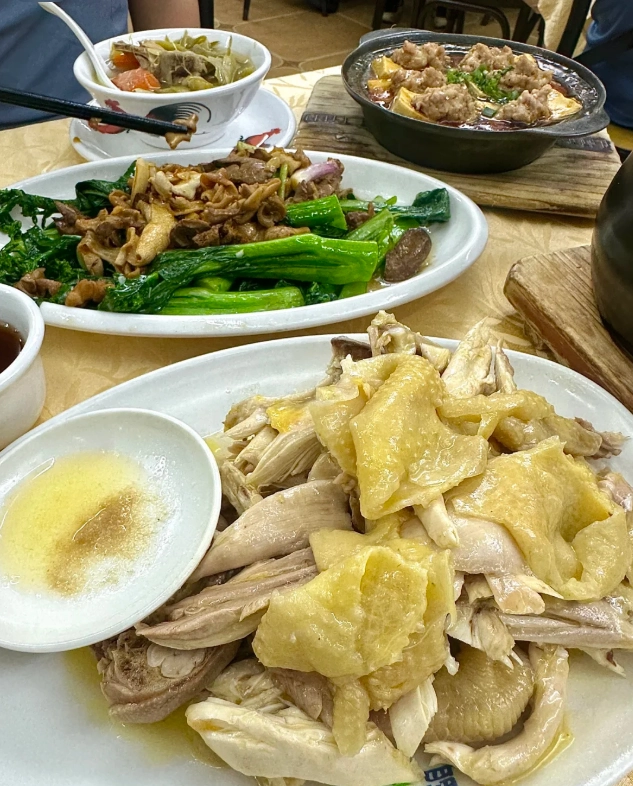
11. Egg Tarts (蛋撻)
Once considered a colonial leftover, the egg tart has been perfect by Cantonese hands. The flaky pastry shatters, and the custard wobbles like jelly. Portugal's versions are denser; Guangzhou's are lighter and more delicate. The best I've had were at Crossroads Coffee (十字路口咖啡) on Dongshankou — but honestly, you can't go wrong with any old-school bakery. A good tart should be slightly warm and not too sweet.
12. Milk Pudding (雙皮奶)
Made from buffalo milk, this is a double-skin milk paradox — it's like a silky, solidified panna cotta that pairs with red beans. The famous place is Yi Shun Shuang Pi Nai (義順牛奶) in Shanghai Street, but there are branches everywhere. Get it chilled, not hot, to taste the fresh milk's natural sweetness.
13. Braised Pork Rice (扣肉飯)
This isn't on every tourist's radar, but it's a rural Guangdong staple. Pork belly gets marinated with preserved vegetables and steamed for hours until the fat melts into the rice. I'll point you to Huang Shaolong (黄小龙凤城山庄) at the outskirts of Panyu — a bit far, but the drive is worth it. Ask for the “premium” cut, and the meat—oh, the meat—is like butter.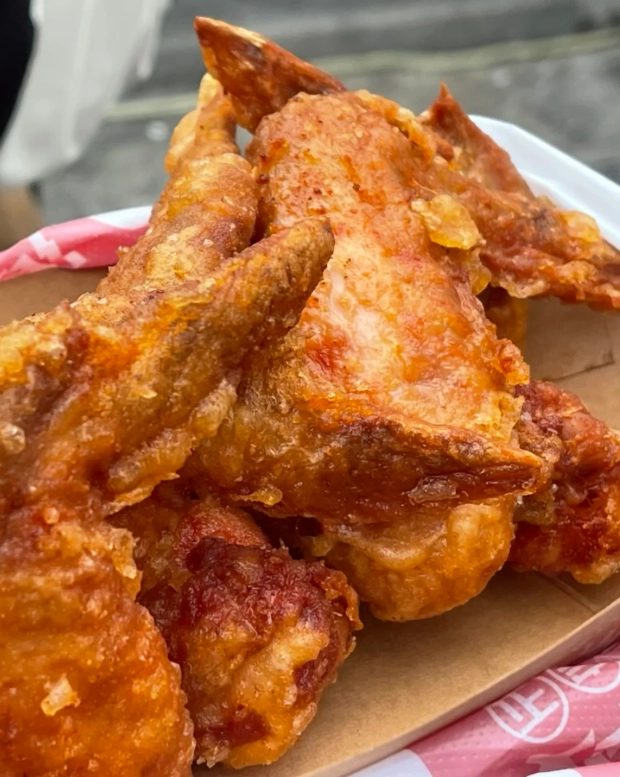
14. Shrimp Dumplings — Again, But Seriously
I know I listed this under dim sum, but the har gow at a proper Cantonese restaurant is a world apart from those stodgy versions you've had abroad. The skin must have at least 7 pleats, and the shrimp should snap when you bite. For the quintessential experience, sit at a Cantonese style teahouse and watch the staff push metal carts past your table. It's an event.
15. Curry Crab (咖喱蟹)
This dish screams colonial Hong Kong, but it's big in coastal Guangdong too. The crab is stir-fried into a spicy-sweet curry sauce that you sop up with deep-fried buns. Messy, expensive (around 150 RMB/kg), and utterly worth it. I always skip the tourist trap near the Pearl River and instead go to Shaoxiang Noodle (绍香园) near Haizhu Square — locals line up for their crab.
16. Sashimi-style Oysters
Shimmering fresh oysters are a delicacy in coastal cities like Zhanjiang, but in Guangzhou, you can get them at many seafood markets. At the Huangsha Seafood Market (黄沙水产市场), you pick your oysters and have nearby restaurants cook them for a small fee. Out-of-focus lighting might make them look sketchy, but trust the locals: they're safe and phenomenal.
17. Cantonese Herbal Tea (龜苓膏)
Technically it's a jelly, not a drink. Made from turtle shell and herbs, it's bitter but has a subtle sweetness. Locals eat it as a cooling snack during heatwaves. Try it at Huang Zhen Long (黄振龙) — a legendary chain in Guangzhou. It's an acquired taste, but you'll feel like a local for at least 10 minutes.
Here's a quick comparison table to help you prioritize:
| Dish | Flavor Profile | Where to Try | Avg. Price (RMB) |
|---|---|---|---|
| Dim Sum (Har Gow) | Delicate, juicy, savory | Dian Dou De (chain) | 30-50 |
| Roast Goose | Fragrant, crispy skin, rich | Chen Ji (Longjin East Rd) | 40-60 |
| White Cut Chicken | Mild, tender, aromatic | Wen Ji (Wende South Rd) | 50-80 |
| Char Siu | Sweet, smoky, sticky | Sifang Xiguan | 30-60 |
| Wonton Noodles | Springy noodles, shrimp-sweet | Bao Yuan Noodle Shop | 20-30 |
| Claypot Rice | Caramelized, hearty | Long Ji (Dragon Head Village) | 30-40 |
| Beef Offal | Spicy, meaty, deep | Street stall near Shipai Bridge | 15 |
| Egg Tart | Flaky, creamy, mild sweet | Crossroads Coffee | 8 |
Where to Eat: Street Stalls vs. Restaurants
Guangdong is a tale of two dining scenes. On one hand, you've got the polished banquet halls serving gold-rimmed plates; on the other, a vibrant street food universe where plastic stools are the standard and the food hits harder.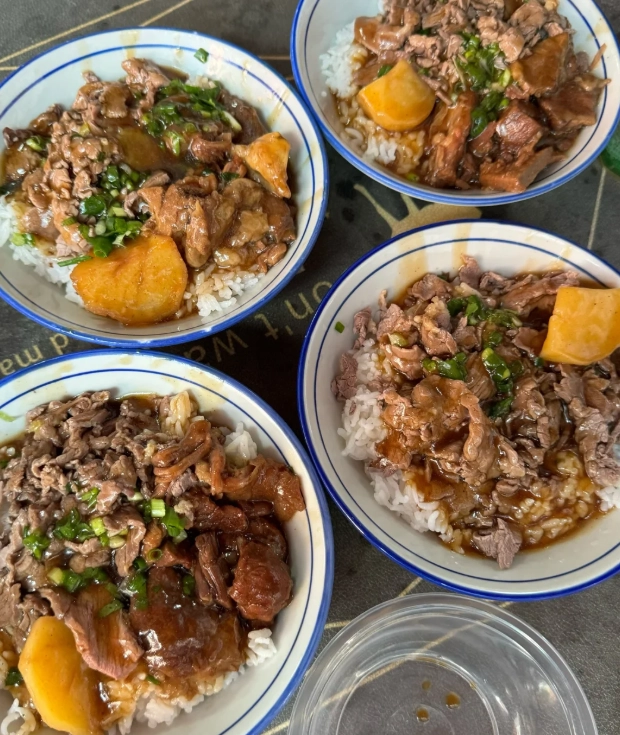
Street Stalls and Night Markets
If you want to eat like a local, hit the food alleys behind residential areas. Look for places where the queue is long and the signage looks like it was installed in the 1990s. My favorite area is Xiguan (西关) in Liwan District — it's the old Guangzhou charm, with shops that have been serving the same recipes for generations. The Longjin Road food street is a night market goldmine. But here's my insider tip: avoid the first few stalls that greet you — they're tourist-priced. Walk 100 meters deeper, and the same dish will cost 30% less.
Traditional Teahouses and Restaurants
For dim sum, go to a “tea house” (茶楼). The atmosphere is loud, busy, and perfect for people-watching. Restaurant etiquette tip: when they ask if you want tea, just say “puer” (普洱茶) or “tieguanyin” (鐵觀音) — they'll bring a pot. The first cup is for rinsing your dishes, not for drinking.
Also, don't be afraid to try the food courts in modern shopping malls — they're air-conditioned, clean, and many offer English menus. But the soul of Guangdong food lives in the chaotic but glorious open-air markets.
How to Order Like a Local: Payment, Menus, and Language
This is where most tourists stumble. Here's the lowdown:
Payment: Small stalls and even some restaurants might only accept mobile payments like WeChat Pay or Alipay. If you've linked your international card, you're golden. If not, always carry enough cash for street food — around 100 RMB per person per day is a safe buffer. For formal restaurants, they usually accept UnionPay and sometimes Visa/Mastercard at the counter, but international cards aren't guaranteed. When in doubt, ask “Shua ka ke yi ma?” (Can I swipe a card?)
Menu: Upscale places have English menus. If you're at a local joint, download a translation app like Baidu Translate — it can recognize a menu via your camera. If that fails, take a photo of the dish at a neighboring table — seriously, this works every time.
Language: Cantonese is common, but Mandarin works everywhere. Learn a few phrases: “mai dan” (bill), “wo bu chi la” (I don't eat spicy), “hao chi” (delicious). You'll be surprised how far a smile and “M goi” (thank you in Cantonese) gets you.
Navigation: Google Maps is practically useless in mainland China. Use Apple Maps or download AMap Global (it has an English version). I also always put the Chinese address into the map app and show it to the taxi driver — saves endless confusion.
How to Plan a One-Day Food Tour in Guangzhou
Let me walk you through a perfect food-day in Guangzhou that I've refined after countless tours. This is the exact loop I take my friends when they visit.
Morning (7:00 AM): Start at Yinxing Cheung Fun (Lianxin Road). Order two steamed rice rolls with egg and beef. The soy sauce is sweet, so you might not need extra.
Mid-morning (9:30 AM): Head west to Dian Dou De (Beijing Road branch) for second breakfast — dim sum. Go for har gow, siu mai, and a pot of jasmine tea. You'll be satisfied but not stuffed.
Lunch (12:30 PM): Jump on the metro (Line 1 to Huangsha) and walk to Huangsha Seafood Market. Pick your own crabs and oysters, then ask a nearby restaurant to steam them. Total cost: around 80 RMB per person. Don't skimp on the ginger-scallion sauce.
Afternoon (3:00 PM): Stroll through Shamian Island to digest. It's a quiet tree-lined area with colonial buildings — a nice break from the chaos.
Snack time (5:00 PM): Hop to Longjin Road for a bowl of roast goose and a side of cucumber salad. The goose here melts in your mouth.
Dinner (7:00 PM): End with a claypot rice at Long Ji in Dragon Head Village. The crust at the bottom is the prize — don't leave it behind.
Late night (9:00 PM): If you still have room, try a mango pomelo sago at a dessert shop. It's refreshing and light.
Pro Tip: Wear loose pants. I've seen grown men tap out after lunch.
FAQs: Eating in Guangdong without Stress
Verified and fact-checked by the editorial team.





No comments yet.