 Chen Liu
Quick Navigation
Hong Kong after dark is pure electric. The neon, the chatter, the smell of fish balls grilling on the sidewalk — it hits you instantly. But let's be real: most visitors end up wandering around aimlessly, paying too much for souvenirs they don't need. I've been guiding people through these streets for years, and I've narrowed down exactly what to do in Hong Kong at night without the fluff. Skip the generic tours; here are the 7 must-sees that actually deliver, with no-BS logistics.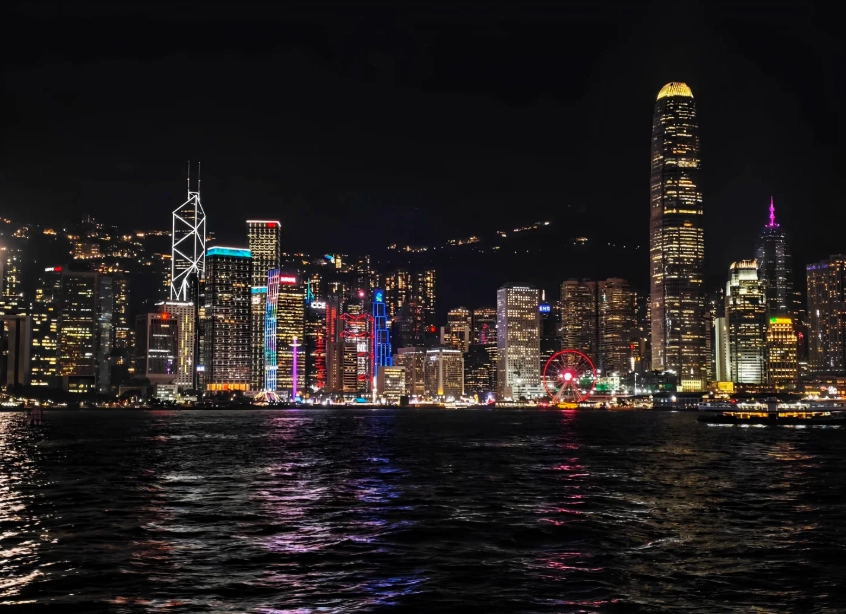
What Are the Top 7 Night Activities in Hong Kong?
Below is a quick comparison of the seven experiences I'll detail in this guide, so you can plan your evening at a glance.
| Activity | Best For | Estimated Cost (HKD) | Time Needed | Highlight |
|---|---|---|---|---|
| Victoria Peak at Night | Iconic skyline views | 120 (round-trip tram) | 2–3 hours | Panoramic nighttime panorama |
| Harbour Symphony & Tsim Sha Tsui | Free amazing show | 0 | 1 hour | 10-minute laser & light show |
| Temple Street Night Market | Souvenirs & street food | 50–200 | 2 hours | Classic night market buzz |
| Lan Kwai Fong | Nightlife & bar hopping | 200+ (drinks) | 3+ hours | Vibrant street party atmosphere |
| Mong Kok at Night | Neon signs & people-watching | 50–100 (food) | 1–2 hours | Most iconic neon lights |
| Sham Shui Po Food Trail | Local authentic eats | 100–200 | 2–3 hours | Claypot rice & street snacks |
| Late-Night Dim Sum | Culinary tradition | 150–250 for two | 1–2 hours | Trolley service after midnight |
Victoria Peak at Night: The Iconic View
Victoria Peak is the postcard view of Hong Kong, and at night it becomes a glittering carpet of lights. But here's what most guides don't tell you: the best time isn't sunset — it's around 45 minutes after sunset, when the sky turns indigo and the skyscrapers pop with neon.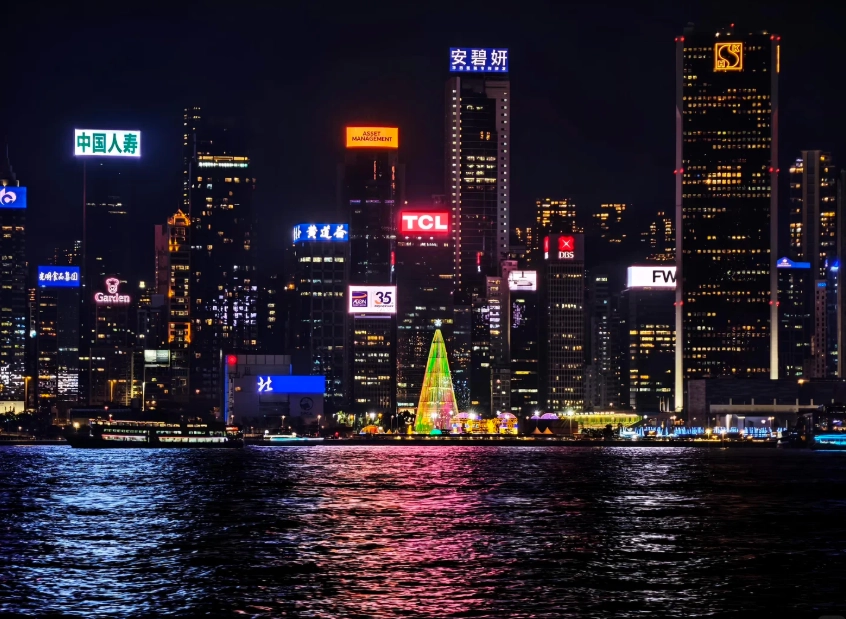
Getting there: Take the MTR to Central Station, exit J2, and walk up Garden Road. The Peak Tram station is a 10-minute walk. Alternatively, grab a taxi from Tsim Sha Tsui — it'll cost around HK$100 and take 20 minutes depending on traffic. I always tell my clients to skip the taxi and take the tram; the ride itself is an experience.
Tickets: A round-trip ticket costs about HK$120. You can save time by booking on Klook or the official website — the queue for walk-ins can exceed 45 minutes on weekends. Don't fall for the combo packages that include the Sky Terrace observatory unless you really want the 360° view; the free viewing platform at The Peak Galleria already gives you a stunning panorama.
Pro Tip: Go after 8 pm to dodge the tour groups. The last tram leaves at 11 pm, so you'll have the place almost to yourself. And bring a light jacket — the peak is always a few degrees cooler.
Harbour Symphony and Tsim Sha Tsui Waterfront: Free Miracle at Night
The Symphony of Lights is a 10-minute laser and light show that runs at 8pm every night — and it's completely free. The best viewing spot is the Tsim Sha Tsui promenade, right across from Central. Getting there: Take the MTR to Tsim Sha Tsui Station, exit E, and walk towards the star ferry. You'll find the promenade right there. Aim to arrive by 7:30pm to get a good railing spot, especially on weekends.
I've watched this show dozens of times, and I still get goosebumps. But here's an insider trick: instead of staying at the crowded waterfront, walk a few steps to the second floor of the Hong Kong Cultural Centre. You'll get the same view with half the crowd.
After the show, take the Star Ferry across the harbour to Central. A ride costs about HK$5 and runs until around 11:30pm. Trust me, the ferry itself is a classic Hong Kong experience — the night view from the water is unbeatable.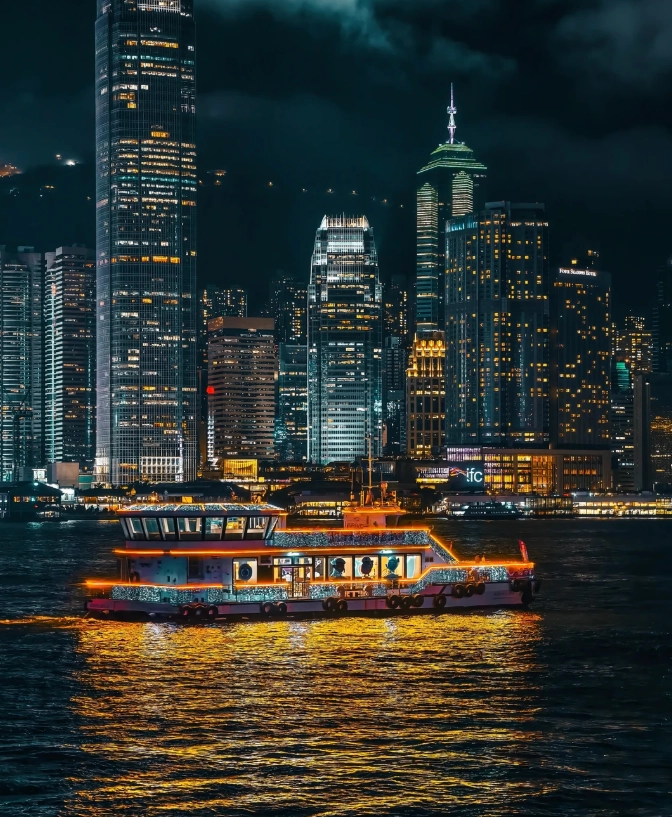
Pro Tip: If you're on a tight schedule, combine this with the Victoria Peak trip. Start with the Peak at 6pm, watch sunset, then catch the 8pm show from the Tsim Sha Tsui side.
Temple Street Night Market: The Sound and Smell of Old Hong Kong
Temple Street Night Market is the most famous night market in Hong Kong, and for good reason. Located in Yau Ma Tei, it's a maze of stalls selling cheap clothes, jade, electronics, and gadgets. But the real draw? The food stalls. You'll find steaming bowls of curry fish balls, stinky tofu, and claypot rice cooking over open flames. It's loud, it's chaotic, and it's glorious.
Getting there: Take the MTR to Yau Ma Tei Station, exit C, and you'll literally step into the market. The official hours are 6pm to midnight, but stalls start packing up around 11:30pm.
I always tell my friends to be careful with the fortune tellers — they'll spot you as a tourist and charge you triple. Politely decline if you're not interested. Also, don't buy electronics from the small booths; they're often counterfeit and have no warranty. For food, head to the row of dai pai dong stalls near the east side — I usually get the satay skewers from the guy who's been there for 20 years.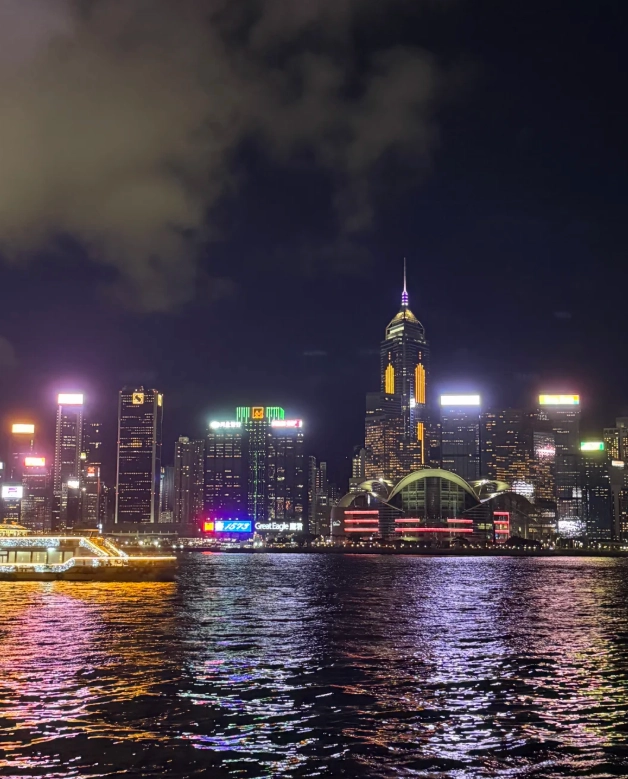
Pro Tip: Carry small bills. Most stalls don't accept credit cards, and while they'll take Alipay and WeChat Pay, cash is still king for the tiniest vendors.
Lan Kwai Fong: The Heart of Hong Kong Nightlife
Lan Kwai Fong (LKF) is a small L-shaped street in Central that transforms into the epicenter of nightlife after dark. It's packed with bars, clubs, and restaurants, and on weekends, the street itself becomes a giant outdoor party. If you're looking to drink and dance, this is your spot.
Getting there: Take the MTR to Central Station, exit D2, and walk up the hill. LKF is about a 5-minute walk.
Most bars here charge cover on holidays, so check ahead. Drinks are pricey — a beer goes for around HK$60-80. But the atmosphere is infectious. For a first-timer, I recommend starting at the rooftop bar Sevva for a skyline view (book in advance), then coming down to LKF for the street party vibe. If you're not into crowds, check out nearby Soho on Hollywood Road — more relaxed bars and less chaos.
Pro Tip: Avoid the drag queens who aggressively pull you into clubs — unless you want to be charged an outrageous entry fee. Also, stay in well-lit areas and keep your valuables safe.
Mong Kok at Night: Neon, Street Food, and People-Watching
Mong Kok is the district that never sleeps. At night, it turns into a sensory adventure: neon signs of every color, street vendors frying egg puffs, and crowds so thick you'll wonder if everyone in Hong Kong is out tonight.
The best area to start is the Sai Yeung Choi Street South, known for its neon signs. Then, wander into the Ladies' Market on Tung Choi Street, which is still buzzing at 10pm. It's a popular market for cheap souvenirs and knock-off brands, but I'm more excited about the street food along Fa Yuen Street — especially the fish balls and dumplings.
Getting there: Take the MTR to Mong Kok Station, exit E2. The neon signs that everyone photographs are along the main roads, usually lit until midnight. However, note that many signs are being slowly removed for safety reasons, so the iconic scene won't last forever.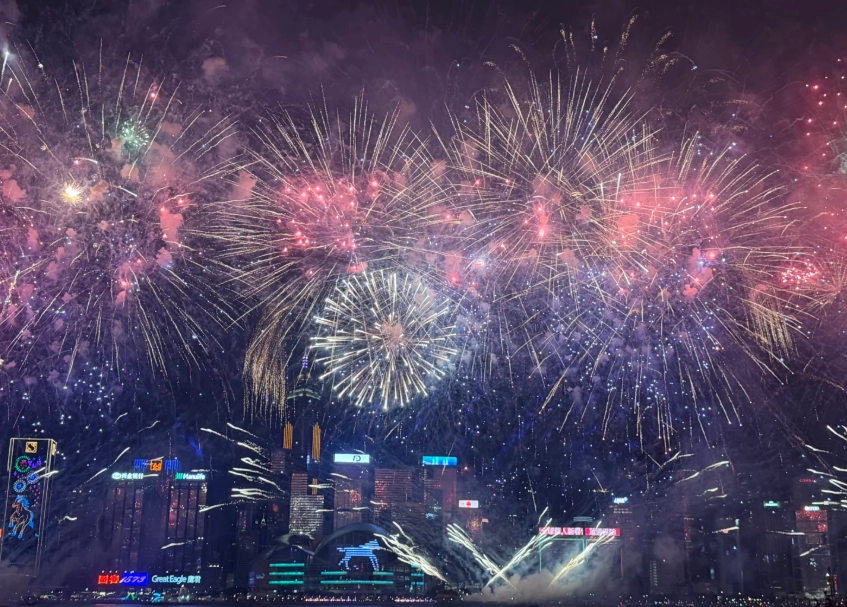
Pro Tip: For the best photo of crowded neon lights, go to the corner of Nathan Road and Dundas Street. Bring a camera with good low-light performance.
A Night Food Trail in Sham Shui Po: What Locals Eat
Sham Shui Po is my go-to recommendation for visitors who truly want to eat like a local at night. This gritty district is a food lover's paradise, with old-school dai pai dong and Michelin-recommended bites at unbeatable prices.
For a true local night-food crawl, head to Sham Shui Po, a working-class neighborhood that serves up some of the best eats in Hong Kong. The stretch along Pei Ho Street is packed with claypot rice joints and BBQ stalls. The famous claypot rice place is easy to spot by the snaking queue that forms right after sunset. Don't be shy — just join the line and order the preserved meat claypot rice (roughly HK$80). It's smoky, fragrant, and the crispy rice at the bottom is the prize.
After that, wander to Apliu Street, where you'll find dessert shops selling mango pancakes and soft tofu. A local drink like a glass of sugarcane juice will cool you down.
Getting there: MTR to Sham Shui Po Station, exit A2. The food stalls are around the streets between Kweilin Street and Pei Ho Street. They operate from evening until late night, but many close by 11pm, so start by 8pm.
Late-Night Dim Sum: Hong Kong’s Hidden Tradition
If you think dim sum is only for daytime brunch, you're missing out. Late-night dim sum is a beloved Hong Kong tradition — and it's the perfect way to end a long day of exploring. Many traditional tea houses remain open until 2am or even later, serving small plates of shrimp dumplings, char siu bao, and rice noodle rolls from trolleys wheeled around the dining room.
One of my favorite spots is the night branch of a decades-old tea house in Wan Chai. I won't name it because the queues are already long, but you'll know it by the crowd of locals spilling out at 11pm. The trick is to go after midnight, when the rush dies down and you can enjoy the food without the chaos.
Dim sum prices are very reasonable — a few dishes for two people will cost around HK$150-250. Please note that many night operations are in traditional Cantonese style, so don't expect upscale decor. You'll be sitting on old round tables with a greasy menu, and that's part of the charm.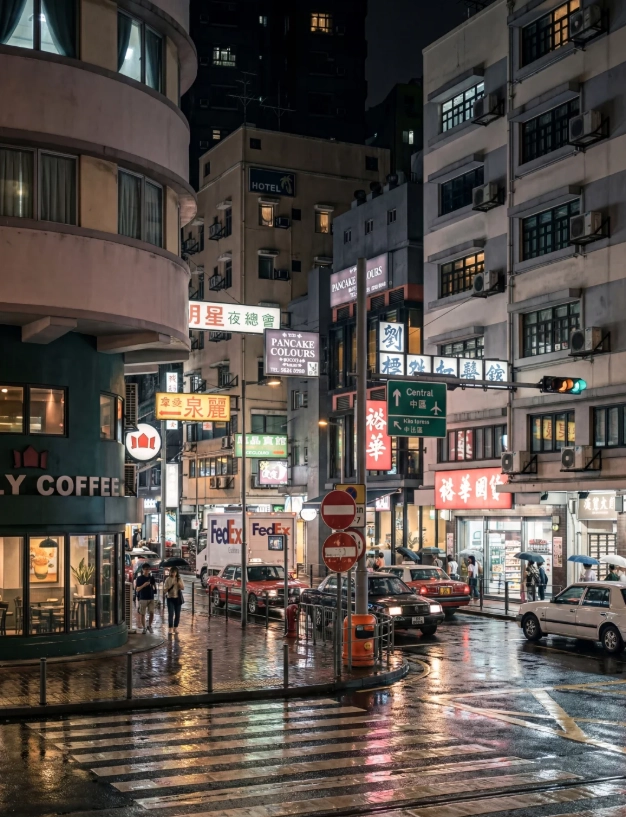
Pro Tip: Look for tea houses that offer the 'guerrilla style' — they bring the carts around and you pick what you like. Keep an eye on the stamp they mark on your order card; it's easy to accidentally run up the bill.
How to Plan a Hassle-Free Hong Kong Night
Navigating Hong Kong at night is actually pretty easy, thanks to the MTR running until around midnight and taxis being plentiful. However, there are a few things you need to know before you head out.
Getting Around at Night
The MTR is the fastest way to move around Hong Kong, and it operates until about 12:30am. If you miss the last train, taxis are available but can be pricey. Uber and local ride-hailing apps like DiDi work well, but surge pricing applies late at night. I always advise my clients to get an Octopus Card — it works on the MTR, buses, ferries, and even convenience stores. You can buy one at any MTR station or the airport.
Payment and Connectivity
Most places in Hong Kong accept credit cards, but smaller street stalls and dai pai dong are still cash-first. It's wise to carry HK$200-300 in small bills for the night markets. Your phone's data is crucial for maps and translation. If you're traveling from overseas, consider getting a local SIM or eSIM for reliable internet. Also, remember that Google Maps works fine in Hong Kong (unlike mainland China), but Apple Maps is equally good for public transit directions.
Safety and Local Etiquette
Hong Kong is generally safe at night, even for solo travelers. The main risks are pickpocketing in crowded markets and scams in tourist hotspots. Keep your wallet in a front pocket and be aware of your surroundings. When visiting temples or traditional venues, dress modestly and avoid pointing at idols with your finger.
For the latest travel updates and visa requirements, check the National Immigration Administration's website. And for event schedules and attraction details, the Hong Kong Tourism Board's website is a goldmine.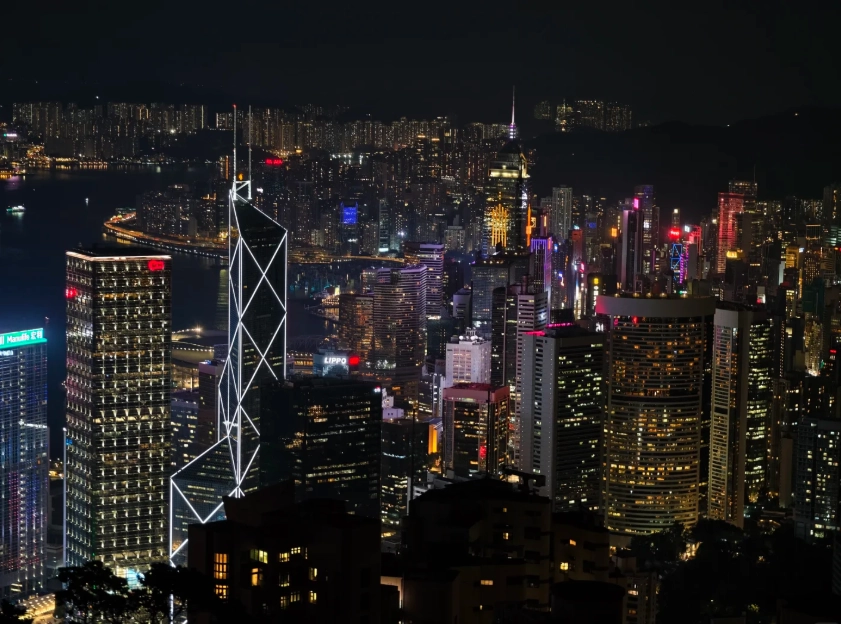
FAQs About What to Do in Hong Kong at Night
Is it safe to walk around Hong Kong at night after visiting the night market?
Hong Kong is one of the safest cities in Asia, and walking around at night is generally fine, even in touristy areas like Tsim Sha Tsui. The main risks are minor pickpocketing and occasional aggressive street vendors. Stick to well-lit streets, avoid empty alleyways, and you'll be fine. As always, trust your instincts.
Can I use credit cards at Hong Kong night markets?
Most night market stalls are cash-only. A few might accept Alipay or WeChat Pay, but don't count on it. I recommend carrying about HK$300 in small denominations (HK$10 and HK$50) for foods, trinkets, and tips. Your credit card will work at proper sit-down restaurants and malls.
Do I need a visa to visit Hong Kong for a short trip?
It depends on your nationality. Many Western countries (like the US, UK, Canada, Australia) enjoy visa-free entry for up to 90 days. For the most up-to-date information, check the National Immigration Administration's official website. Always bring your passport for hotel check-ins and train passes.
What is the best way to get from Victoria Peak to Tsim Sha Tsui at night?
The fastest is to take the Peak Tram back down to Central, then hop on the MTR from Central Station to Tsim Sha Tsui Station (about 15 minutes total). A taxi will cost around HK$50 and take 20 minutes, but traffic can be heavy on weekdays. If you want a scenic route, take the Star Ferry — it's only a few dollars and gives you a stunning view of the skyline.
How late do Hong Kong attractions stay open at night?
Most major attractions like Victoria Peak and the Peak Tram operate until around 11pm. Night markets run from about 6pm to midnight, and some street food stalls stay open until 2am or later. Bars in Lan Kwai Fong often stay open until 4am, but check opening hours individually as they can vary by day.
Verified and fact-checked by the editorial team.






No comments yet.