 Wei Zhang
You haven’t really experienced Tibet until you’ve gasped for air at 3,600 meters while a monk calmly smiles at you. I’ve been leading small groups here for over a decade, and every single traveler gets that same wide-eyed look at the Potala Palace. But let’s be honest — your phone map won’t save you here, and neither will your international credit card.
When you search for Tibet tourist attractions, you’ll find a sea of gorgeous photos but very few practical answers. The real challenges are booking permits, dodging altitude sickness, and figuring out which places actually deserve your limited vacation days. That’s exactly why I wrote this guide.
Here’s the deal: the best time to visit the Potala Palace is right after it opens at 9 AM, and you must book your ticket three days in advance using your passport. Otherwise, you’ll be staring at a closed door — or worse, an overpriced black-market ticket.
Now, let me walk you through the essentials without the usual tourist-trap fluff. Ready? Let’s jump in.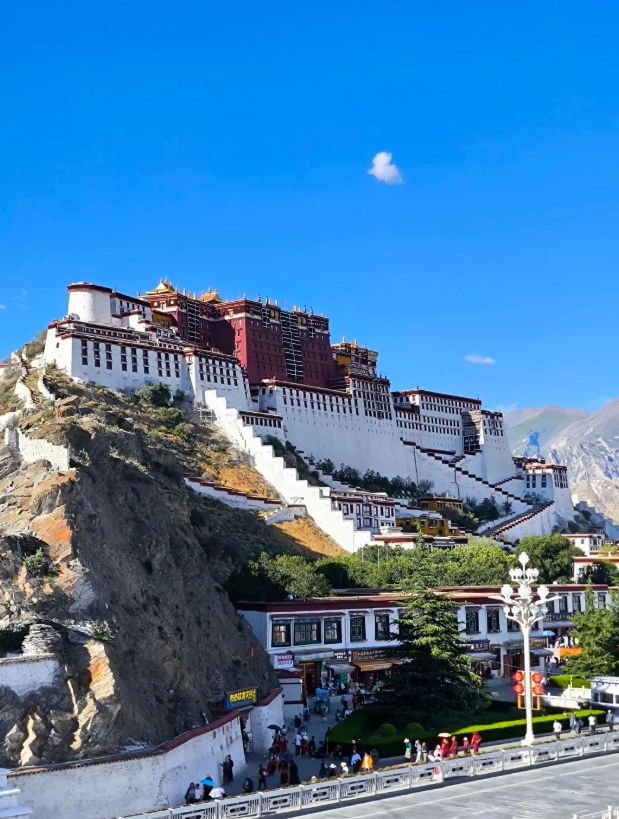
What Are the Must-See Tibet Tourist Attractions?
I’ve narrowed down the list to eight spots that every first-time visitor should prioritize. Some are cultural icons, others are raw natural wonders — but all are unforgettable. Below, I’ve included the details that guidebooks often forget: exact entry rules, passport requirements, and my personal “arrive at this time” advice.
| Attraction | Location | Ticket Price | Best Time to Visit |
|---|---|---|---|
| Potala Palace | Lhasa | ~CNY 200 (peak) | 9 AM sharp |
| Jokhang Temple | Lhasa | ~CNY 85 | Before 8 AM |
| Namtso Lake | 4.5h from Lhasa | ~CNY 120 | Morning |
| Yamdrok Lake | 1.5h from Lhasa | ~CNY 60 | Late morning |
| Everest Base Camp | Near border | ~CNY 180 | Sunrise |
| Tashilhunpo Monastery | Shigatse | ~CNY 80 | Noon |
| Sera Monastery | Lhasa | ~CNY 50 | 3 PM |
| Norbulingka | Lhasa | ~CNY 60 | Morning |
1. Potala Palace — The Iconic Heart of Lhasa
Potala Palace is the single most iconic Tibet tourist attraction, and it’s as breathtaking inside as it is in photos. This 1,300-room UNESCO World Heritage site sits on Red Hill, towering over Lhasa. You’ll need to climb 300 steps — take them slowly, the altitude is no joke.
Ticket & booking tips: Peak season — May through October — costs around CNY 200; low season is about CNY 100. Foreign visitors must book at least one day in advance — often through your hotel or a licensed tour operator. You’ll need your passport for the real-name registration. The palace closes around 4 PM, and last entry is usually 3 PM. I always tell clients to book the 9 AM slot because the crowds swell by 10:30 AM.
Location & transport: It’s a 30-minute uphill walk from the center of Lhasa, or take a taxi from Barkhor for about CNY 15. The official address is 1 Beijing Middle Road. For more on its historical importance, check the UNESCO World Heritage listing.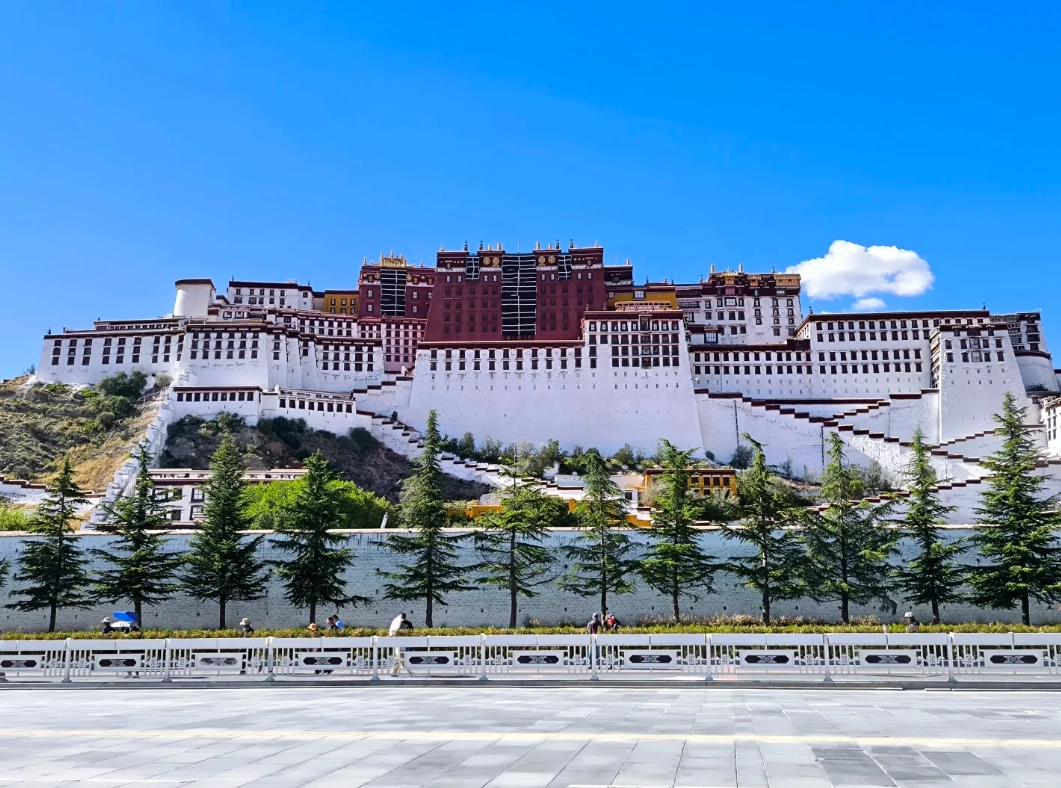
2. Jokhang Temple & Barkhor Street
Jokhang Temple is the spiritual soul of Tibet, and it’s a must-visit for anyone exploring Tibet tourist attractions beyond the obvious. This sacred temple draws pilgrims who prostrate themselves on the sun-baked stones. The surrounding Barkhor Street is a living pilgrimage circuit — and a fantastic place to watch life unfold.
What you need to know: Entrance is about CNY 85. The temple opens at 8 AM and closes at 6 PM. Foreigners need to show their passport at the ticket office — it’s separate from the local entrance, look for the counter marked “Foreigners”. I recommend going at 7:45 AM to catch the morning prayers and dodge the tour groups that arrive at 10 AM.
Afterward, wander Barkhor Kora clockwise — it’s the route the pilgrims take. You’ll find shops selling prayer flags and Tibetan incense. For food, try Sweet Tea House on Barkhor for a revitalizing cup of butter tea after the hike.
3. Namtso Lake — A Turquoise Miracle
Namtso Lake is one of the most breathtaking natural Tibet tourist attractions, sitting at 4,718 meters above sea level. Its cobalt blue water against snow-capped mountains will stop you in your tracks. But this beauty demands respect — altitude sickness hits fast here.
Practical details: The lake is a 4–5 hour drive from Lhasa via the ever-improving Lhasa–Namtso route. You’ll need a Tibet Travel Permit for this one, which your tour operator can arrange. There’s a gate fee of about CNY 120, but the local bus from Lhasa to Namtso costs around CNY 200 round trip. Most visitors choose to stay overnight at a nearby guesthouse — book through your agency, as online listings are scarce.
My advice: go early, leave by 3 PM to avoid the fierce afternoon winds. And don’t skip the Tashi Peninsula — the views from the hill there are worth the 2 km walk.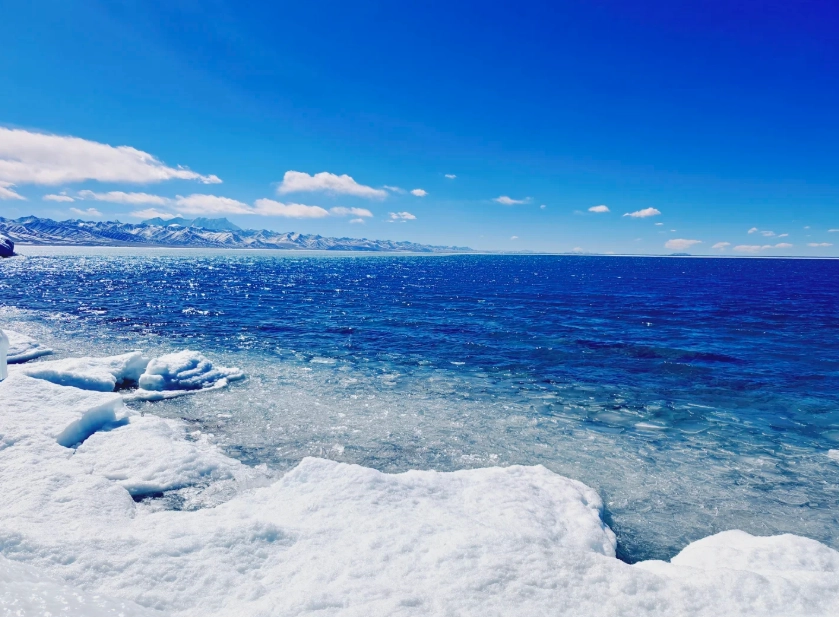
4. Yamdrok Lake — The Corals of the Sky
Yamdrok Lake is another must-see among Tibet tourist attractions, and it’s often combined with a trip to the Karola Glacier. This long, turquoise lake twists between mountains like a giant emerald necklace. Unlike Namtso, Yamdrok is only a 1.5-hour drive from Lhasa, making it perfect for a day trip.
What it costs: There’s a viewpoint gate fee of CNY 60 at the top of the pass. If you don’t want to pay, continue 100 meters down the road — the view from the free spot is nearly identical. A private car hire from Lhasa costs around CNY 700–800 for the day, or you can join a small-group tour for about CNY 300 per person.
Pro tip: the oxygen levels at Yamdrok — 4,400 m — are manageable, but walking uphill can still trigger headaches. Bring water and take it slow.
5. Everest Base Camp — EBC — For Hardcore Adventurers
Everest Base Camp — commonly called EBC — is the ultimate bucket-list Tibet tourist attraction for serious travelers. It’s a long, bumpy journey — we’re talking 8–10 hours from Lhasa via Shigatse, plus a permit check. But when you stand at 5,100 meters and gaze at the world’s highest peak, the fatigue melts away.
How to go: You can’t drive directly to the base camp. You’ll need to take a shuttle from Rongbuk Monastery — about CNY 120 round trip — or trek the last 8 km. Entry tickets are CNY 180 per person. Permits are mandatory — usually arranged by your tour operator since it requires a special “border zone” clearance. I recommend booking a 5-day round trip from Lhasa so you can acclimatize properly.
The best photo opportunities are at sunrise and sunset — the “Golden Everest” just after sunrise is unreal. But pack warm clothes; even in summer, temperatures drop below freezing at night.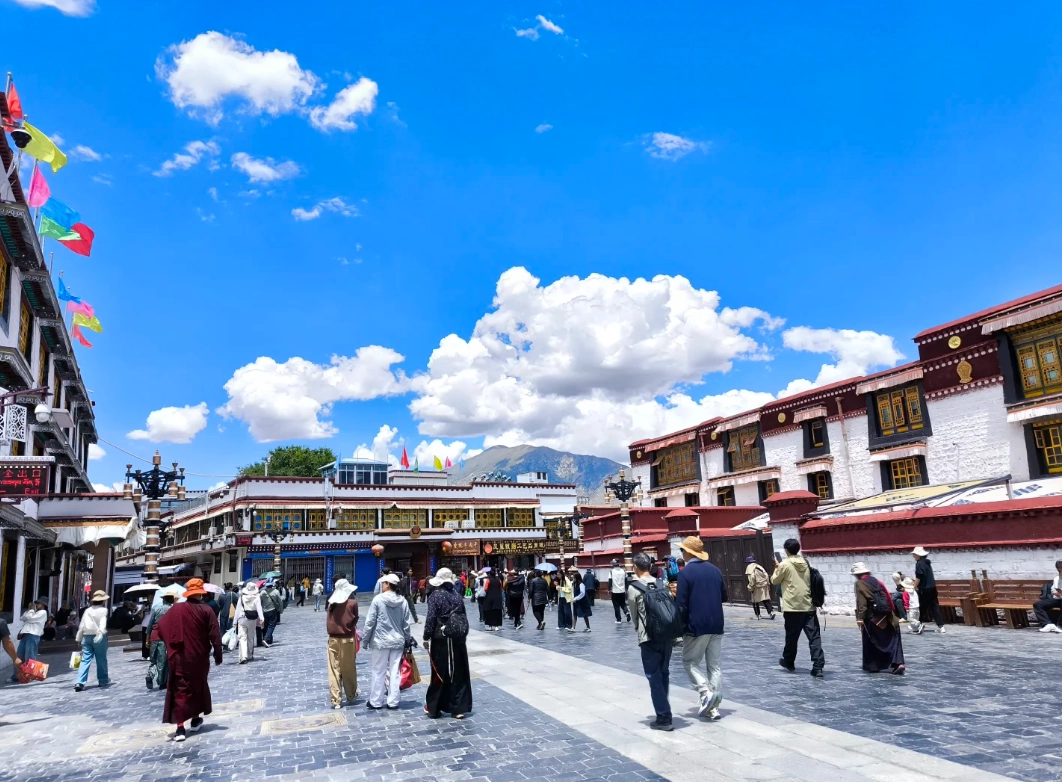
6. Tashilhunpo Monastery — The Grand Seat of the Panchen Lama
Tashilhunpo Monastery in Shigatse is a massive complex and easily one of the most impressive Tibet tourist attractions outside Lhasa. It’s the traditional seat of the Panchen Lama and houses a 26-meter statue of Maitreya Buddha. The winding white walls and red-robed monks make for stunning photos.
Fast facts: Tickets are CNY 80. The monastery opens at 9 AM and closes at 5:30 PM. It’s a 3–4 hour drive from Lhasa via the famous Friendship Highway. If you’re spending the night in Shigatse, catch the monks’ debating session at around 2 PM — it’s as entertaining as it is educational.
Don’t miss the rooftop of the Maitreya Chapel — the view over Shigatse city and the surrounding mountains is the best in town.
7. Sera Monastery — Where Monks “Battle” in Debate
Sera Monastery is one of the “three great” Gelugpa universities and offers a unique experience: you can watch monks debate Buddhist philosophy in the courtyard. It’s less crowded than Jokhang, but still a top Tibet tourist attraction for its lively atmosphere.
You should know: Admission is CNY 50. The monastery is only 5 km from Lhasa’s center, a 15-minute taxi ride. The famous debating sessions take place in the afternoon, usually from 3 PM to 5 PM. Arrive by 2:30 PM to get a good spot. The monks walk, clap, and shout — it’s noisy, passionate, and fascinating.
Walking up the hill behind the monastery gives you a lovely view over the valley. Watch out for the stray dogs though — they’re harmless but can be pushy if you’re eating.
8. Norbulingka — The Summer Palace of the Dalai Lamas
Norbulingka is often overlooked by foreign tourists, but it’s a beautiful Tibet tourist attraction and a UNESCO World Heritage site that deserves a few hours. This sprawling garden complex was the Dalai Lama’s summer residence, full of quiet paths, tiled courtyards, and majestic halls.
Nuts and bolts: Entry is CNY 60 — the ticket covers the main palace and the zoo. It’s just a 10-minute walk from the Potala Palace, so you can combine both in one morning. Open from 9 AM to 6 PM. Since it’s less crowded, it’s actually a great place to acclimatize while soaking in history.
Grab a bench in the main garden — locals often have picnics there. I always tell my clients to bring a light snack and enjoy the silence, which is a rare thing in Lhasa.
How to Plan Your Tibet Tourist Attractions Itinerary?
Planning a trip around all these Tibet tourist attractions can feel overwhelming — especially with the altitude and permit logistics. Here’s a realistic framework that I’ve refined after many trips.
Recommended Duration & Pace
Give yourself at least 7 days to do justice to the main Tibet tourist attractions. Arrive in Lhasa on day 1, not visit any major site after you get off the train or plane. Days 2–3: Lhasa attractions — Potala, Jokhang, Sera, Norbulingka. Day 4: acclimate with a day trip to Yamdrok Lake. Day 5: drive to Shigatse for Tashilhunpo. Day 6: head to Everest Base Camp if you’re keen. Day 7: relax in Lhasa before departure. This keeps your altitude gain under 500 meters per day, which is the golden rule.
Transport Options Between Sites
For most Tibet tourist attractions, you can’t rely on Google Maps or Uber. The main travel options are:
- Private car with driver: This is the most flexible and safest for a group of 2–4 people. A typical day hire in Lhasa costs CNY 600–800, including fuel and driver. Negotiate clearly and confirm the itinerary.
- Organized minibus tour: Available from Lhasa for day trips and multi-day circuits. For example, a Yamdrok Lake day tour costs roughly CNY 300 per person, and an EBC tour from Lhasa is about CNY 2,500 for 5 days — including accommodation and permits.
- Public buses: They connect major cities, but you’ll need to transfer and the timings are rigid. For instance, the Lhasa–Shigatse bus runs several times daily and takes 4–5 hours.
- Train: The Qinghai–Tibet Railway connects Xining to Lhasa. You can book tickets via the official China Railway website — the English interface works, but you’ll need to pick up paper tickets at the station.
Whichever you choose, always book through a licensed operator. Your hotel can help, or you can use reputable platforms with English support.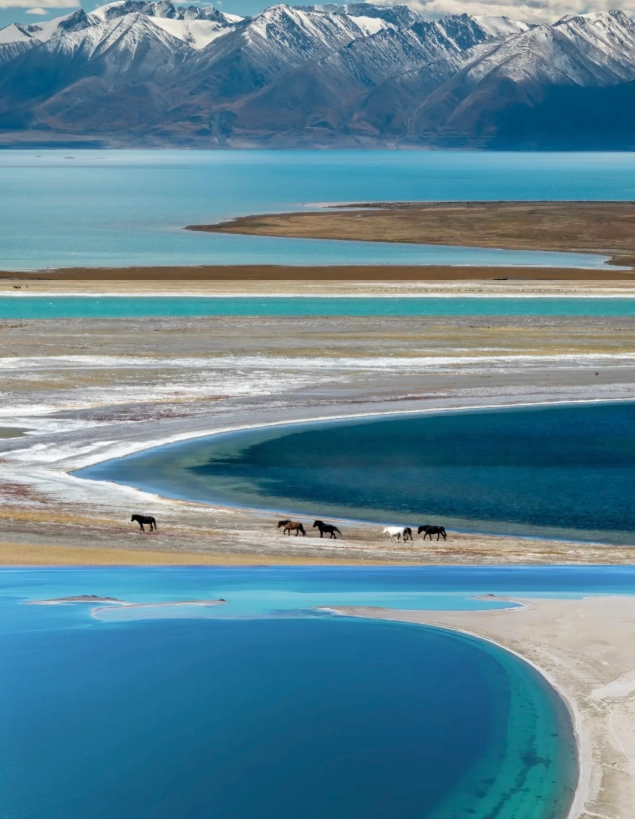
Altitude Sickness Preparation
Altitude sickness is the #1 enemy at Tibet tourist attractions — and it can ruin your trip if you ignore it. Here’s what works for my clients:
- Spend at least 2 nights in Lhasa — at 3,650 m — before heading to higher places like Namtso or EBC.
- Take it easy. No running, no heavy drinking — alcohol dehydrates you — and no hot showers for the first 48 hours.
- Drink tons of Tibetan butter tea — the locals swear by it, and I’ve seen it help. If you can’t stand the taste, just drink more water.
- Buy bottled oxygen at any pharmacy in Lhasa — about CNY 15–20. Don’t buy it from street vendors — they often dilute it.
- If you have a severe headache, nausea, or confusion, descend immediately. Symptoms can occur even at 3,500 meters.
Insider Advice: If you start feeling a headache at Namtso, don’t “tough it out”. Descend to Lhasa immediately. I’ve seen too many travelers end up in the hospital for the sake of a photo.
Tibet Tourist Attractions: Practical Booking & Money Tips
Now let me save you the headaches I’ve seen too many travelers face. These Tibet tourist attractions require some special preparation that you won’t find on most travel blogs.
Tickets & Permits
Almost all Tibet tourist attractions demand a valid passport plus a Tibet Travel Permit for foreigners. This permit is separate from your Chinese visa. According to the National Immigration Administration, you’ll need to enter China with a proper visa first. You can’t get the Tibet permit on your own — you must go through a licensed tour agency. They’ll also arrange military and border permits if you’re heading to Everest or other sensitive areas. The standard processing time is 2–3 working days after your arrival in Lhasa.
For entry to sites like Potala Palace, booking in advance is non-negotiable. If you’re not using a tour operator, you can try the official ticketing platform via WeChat — but it’s almost entirely in Chinese and often rejects foreign card payments. My tip: either ask your hotel to book for you — they usually have personal connections — or book a tour package that includes tickets. A good tour operator will also handle all the paperwork, saving you hours of frustration.
Payment & Connectivity
Credit cards are almost useless at Tibet tourist attractions and local businesses — bring enough cash as backup, but rely on Alipay or WeChat Pay for most purchases. You can set up Alipay with an international card easily — the Tourist Pass version works well. WeChat Pay is trickier for foreigners, but once set up, it’s accepted everywhere. Even the monastery ticket booths now scan QR codes.
Internet connectivity is another hurdle: Google, Instagram, and many websites are blocked. You’ll need a good VPN set up before you land. For maps, Apple Maps and AMap — 高德地图 — work better than Google Maps in Lhasa. Download offline maps for exact locations of Tibet tourist attractions — it can be a lifesaver when your driver takes a wrong turn.
Common Mistakes When Visiting Tibet Tourist Attractions
Over the years, I’ve seen travelers make the same painful errors. Let’s avoid them.
Mistake #1: Underestimating the altitude. I’ve had clients who thought a headache is “no big deal” and then spent a whole day throwing up at Namtso. Take Diamox — if your doctor approves — it makes a huge difference.
Mistake #2: Not booking permits in advance. You might be denied entry to even the Potala Palace without the permit. Always arrange it with a licensed agency before you fly to Lhasa.
Mistake #3: Relying on Google Maps. It’s often wrong or shows unavailable public transit. Use AMap with English pack — it’s far more accurate for navigating Lhasa’s streets.
Mistake #4: Touching religious objects or photos without permission. Tibetans are generally tolerant, but respect is key. Always ask before taking close-up shots of monks or locals.
Mistake #5: Skipping acclimatization days. “I’m fit, I’ll be fine” — those are famous last words. Even the fittest travelers get hit by altitude sickness if they rush too high too fast.
Frequently Asked Questions About Tibet Tourist Attractions
Remember that your passport and your brain are your two best travel companions in Tibet. Have all your documents ready, and don’t be fooled by the flashy photos. The real beauty of Tibet tourist attractions is in the quiet moments — a monk’s smile, a prayer flag flapping in the wind, the simple kindness of a local sharing tea with you.





No comments yet.