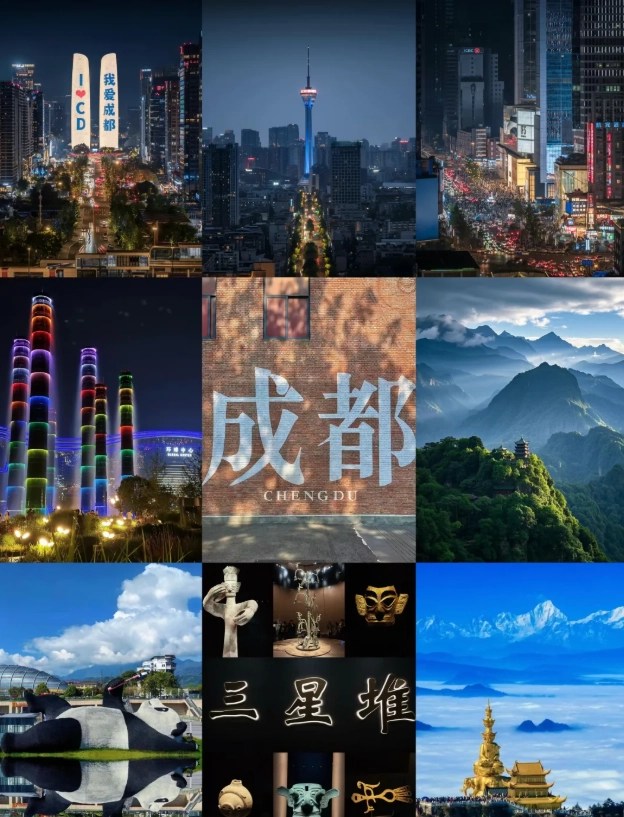
Sichuan Province in southwestern China is known as the 'Land of Abundance,' famous for its giant pandas, spicy cuisine, stunning natural landscapes, and a rich cultural heritage that includes five UNESCO World Heritage sites.
Sichuan Travel FAQ
I can't seem to book tickets for Jiuzhaigou with my credit card. What's the trick?
Don't bother with the official Chinese app unless you're fluent. Use Trip.com or Klook. They handle the passport booking and push a QR ticket to your phone. I've booked for at least 50 clients this way and it's been smooth every time.
Is it safe for a solo woman to travel around Sichuan's tourist spots?
Honestly, it is generally safe. The bigger issue is language and transport. Avoid hitchhiking, and stick to registered taxis or Didi (Chinese Uber). For evening trains, book the earliest service. And always keep a hotel card in Chinese so you can show the driver if you're lost.
How do I pay for street food if I only have cash?
You can't. Literally every street vendor, even in villages, uses a QR code. You have two options: get Alipay or WeChat Pay set up with your foreign card before you arrive, or download the Alipay 'Tourist Card' option that lets you preload cash. If all else fails, ask for a small restaurant to exchange cash — usually they'll help if you're a customer.
What's the best month to see Sichuan tourist attractions without crowds?
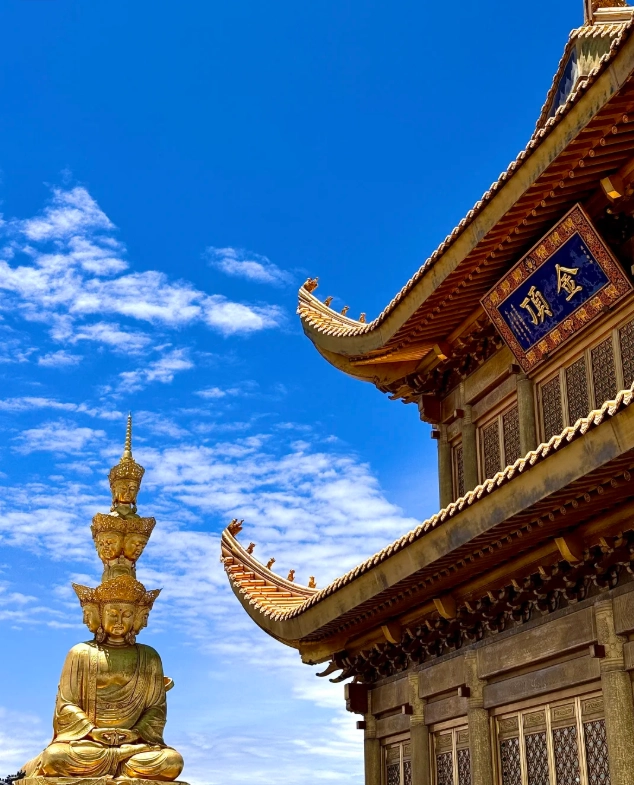
For Jiuzhaigou and Mount Emei, skip the Chinese national holidays in October and use late April or late September. For pandas, any weekday morning in March or November is a quiet time. Avoid summer weekends at the panda base; local families flood in.
Can I visit Leshan and Mount Emei in one day?
Technically yes, but you'll hate it. You'd need to start at 7am, fly through Leshan by 10, and then take a midday bus to Emei, which puts you hiking in the afternoon heat. I've done it with a client who refused to slow down. They ended up exhausted and missed the sunset at the summit. Spread it over two days.
Is it easy to get around Sichuan if I don’t speak Chinese?
Yes, but plan ahead. Major attractions have English signs, and you can get by with translation apps like Google Translate (with VPN) or Apple Translate (which works offline). For taxis, have your destination written in Chinese characters. For trains, use Trip.com to book in English. Just remember: cash is rarely used, so keep some for emergencies.
What’s the best way to avoid the crowds at top things to do in Sichuan?
Arrive early — before opening time. For panda base, book the first time slot; for Leshan, be at the south gate at 8:00 AM; for Jiuzhaigou, go on a weekday and skip the first shuttle stop. These small adjustments drastically reduce waiting. I’ve seen the same attractions empty at 8 AM and swamped at 10 AM.
Do I need a visa to visit Sichuan?
Most nationalities need to apply for an L visa (tourist visa) in advance. Check the latest requirements at the National Immigration Administration’s official website (www.nia.gov.cn). Visa-free transit policies change, so always confirm with the embassy. Once in Chengdu, you must register your accommodation within 24 hours — hotels do this automatically, but hostels might forget, so remind them.
Are there any safety concerns I should know about?
Sichuan is generally safe for travelers. Watch out for street pickpockets in crowded markets and never leave your bag unattended in tea houses. When hiking in Jiuzhaigou, stay on the marked trails — the forest is dense and easy to get lost. There’s also a medical center at the base, but it’s basic. Always bring your essentials like altitude sickness pills.
What payment methods work in Sichuan?
WeChat Pay and Alipay are accepted everywhere, even for a 2-yuan street snack. International credit cards are almost useless except at large hotels. To use mobile payments, link your foreign card to Alipay or WeChat Pay before arrival — the process can be done in a few minutes. Some merchants accept cash, but they might not give change for large bills, so carry smaller notes.






Recent Reviews
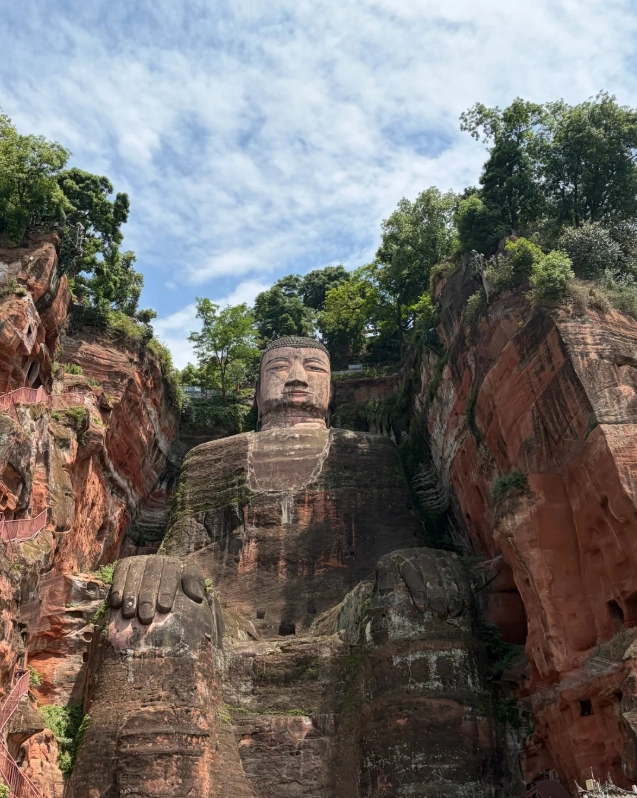
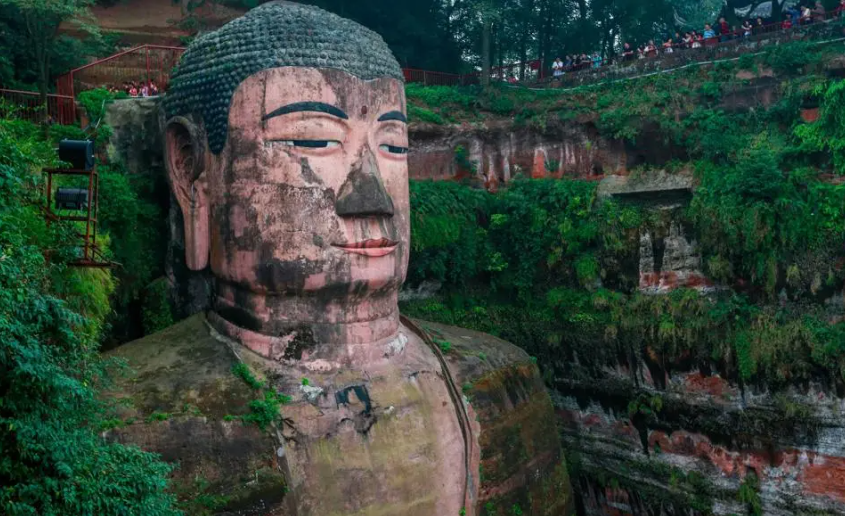
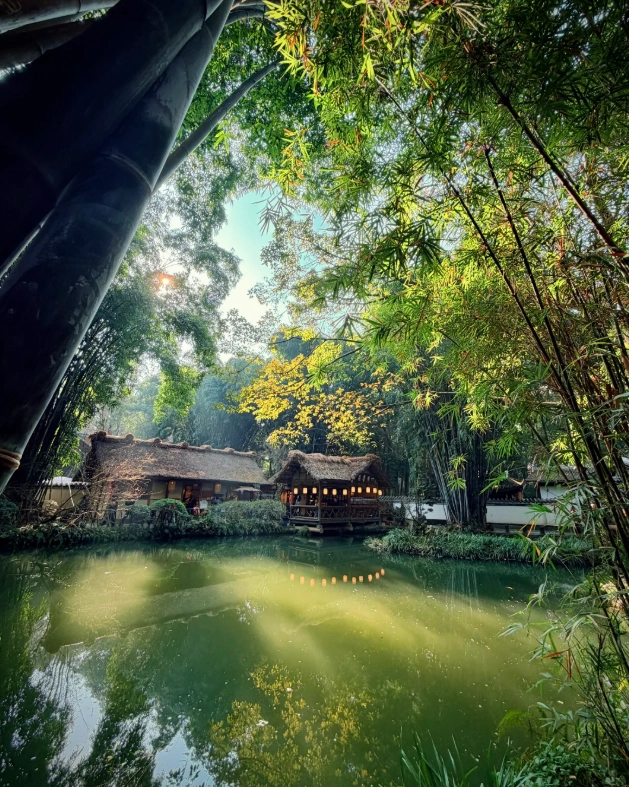
I have traveled around China quite a bit, but Sichuan is my absolute highlight. The giant pandas, the peaceful bamboo forest, and the jaw-dropping Buddha at Leshan were all incredible. Even the chaotic train station felt like part of the adventure. Trust me, don't skip the cold noodles from random street stalls. Best trip I've had in years.
One of the best ways to see Sichuan is by bicycle. I rode through the countryside outside Chengdu and stumbled into a family-run restaurant where they couldn't speak a word of English but served the freshest mapo tofu I have ever tasted. That same evening I caught a Sichuan opera show. This province is not just a place, it's an experience.
From the mountains around Daocheng Yading to the quiet teahouses in Chengdu, Sichuan left me speechless. I did an overnight trek and felt completely lost in the landscapes. Locals were warm and the food was exactly what I needed after cold days on the trail. I would go back in a heartbeat and explore more of the west.
Sichuan exceeded my expectations. The food in Chengdu is as spicy as promised but has so many layers, and I loved the numbing sensation from the peppercorns. The panda base was magical early in the morning. My only real complaint is that getting between cities took longer than expected, so plan your transport carefully. Still, a very strong 4.
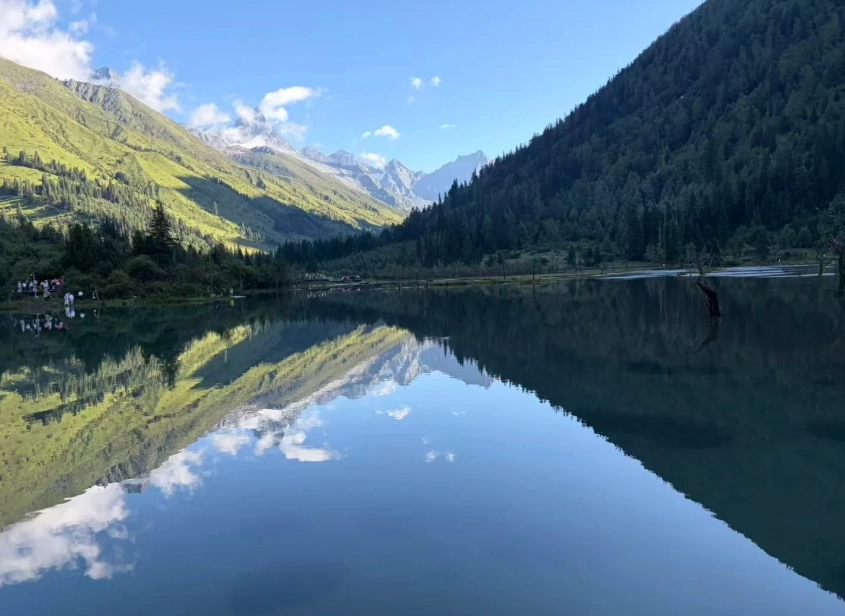
Beautiful region, but I left with mixed feelings. Jiuzhaigou was genuinely stunning, but the shuttle queues were brutal and the haze around Chengdu made the skyline hard to see. The hotpot was fun, but we waited over an hour for a table. Maybe I hit peak season, but it wasn't the relaxing trip I had hoped for.
Sichuan felt like a different planet to me. I ended up spending four evenings in the same teahouse in Chengdu, just drinking jasmine tea and watching old men play mahjong under the plane trees. The people were so warm—total strangers helped me order at a Muslim noodle shop in Mianyang. Every corner has a story. Highly recommend going slow here.
Leave a Review