Aba Prefecture Travel FAQ
Can I visit Jiuzhaigou as a solo traveler without speaking Chinese?
Yes, but it's tricky. The online booking system is in Chinese only — ask your hotel receptionist to help you book tickets. Inside the park, most signs have English. The shuttle buses announce stops in Mandarin and English. For food, use picture menus. I'd recommend hiring a local guide for at least the first day to get oriented.
How do I get from Chengdu to Jiuzhaigou without a tour bus?
Two options: fly (45 min from Chengdu to Jiuzhai Huanglong Airport, then 1.5h taxi to the park — costs around $80) or take a long-distance bus from Chengdu's Chadianzi Station (8-9 hours, about $20). The bus is bumpy but scenic. Avoid overnight buses — they skip the best views. I always choose the flight to save energy.
What if it rains during my multi-day tour?
Rainy days still reward you. The lakes look even more vibrant under overcast skies, and crowds thin out. Bring a waterproof jacket and shoe covers (sold for 10 RMB at the entrance). The boardwalks get slippery — slow down. My backup plan on heavy rain: head to the ticket office and exchange your multi-day ticket for a future date? No, that's not allowed. Instead, spend the morning at the Jiuzhaigou Museum (free) near the entrance, then try again in the afternoon when showers often stop.
Are credit cards accepted inside the park?
No. Almost everything requires Chinese mobile payment (Alipay/WeChat) or cash. Bring enough RMB for two days — inside the park, you'll need cash for snacks, and for the shuttle bus (though it's included in your ticket). Some ATMs in Zhangzha accept international cards, but they often run out of cash on weekends. I tell my clients to withdraw from Chengdu before coming.
Is the two-day ticket worth it for older travelers?
Absolutely, especially if mobility is a concern. The first day you can explore the easier, lower valley (Shuzheng) with gentle boardwalks. The second day tackle the higher elevation (Zechawa) with longer shuttle rides. The ticket allows re-entry — so you can take a mid-day rest at your hotel. Just remember to bring your passport for re-entry scanning.
How do I navigate the Jiuzhaigou National Park map without Chinese language skills?
Download the offline map from the official site before you come. It's in both Chinese and English. Also, the shuttle buses have English announcements for each stop. If you get lost, show any staff a photo of your destination — they'll point you to the right bus.
What's the biggest mistake tourists make with the park map?
They try to see everything in one day. Impossible. Pick one valley (Rize) for the morning, another (Zechawa) for the afternoon. Use the map to plan which stops you'll walk between — the bus skips the best short trails. I always tell my groups: ignore the map's recommended route; go against the shuttle flow.
Is the Jiuzhaigou National Park map available offline on my phone?
Yes, you can screenshot our map below or download a PDF from the official site. Inside the park, cell signal is spotty, but the physical map at each bus stop is also in English. Take a photo of that map at the entrance — it's more detailed.
Can I bring a drone to get my own aerial map?
No. Drones are strictly prohibited inside the park. Security will confiscate it. I've seen it happen. If you want aerial shots, book a helicopter tour outside the park (available in nearby towns, but expensive).
Can I use international credit cards inside the park?
Not a chance. Even the ticket booking mini-program doesn't accept Visa/Mastercard. Bring cash (RMB) for small purchases at the top (snacks, oxygen). The only card-friendly place is the entrance reception's ATM — but it often runs out of cash on weekends.
Recent Reviews
We rented a car in Maerkang and drove the grassland loop to Hongyuan. Endless rolling meadows all the way to the horizon, black tents of nomads, and thousands of yaks crossing the road — you just have to stop and wait, which is part of the charm. At dusk the sky turned peach and purple, and we pulled over to watch the sunset next to a stupa with an elderly Tibetan woman spinning a prayer wheel. She smiled and gave us a tsampa cookie. The whole area is raw, wild, and beautiful. A top experience for anyone who loves open landscapes.
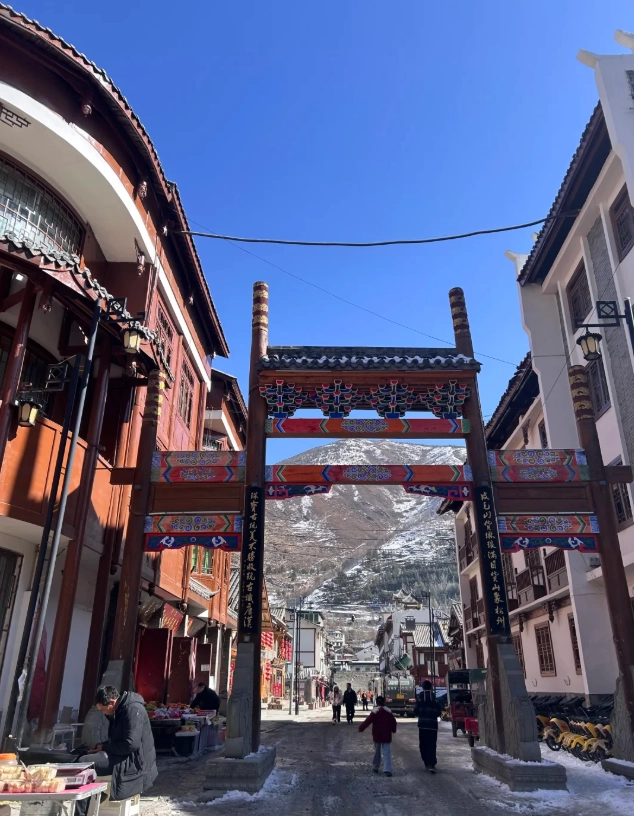
Stopped in Songpan and went to the old town, then hired a horse guide up to a local village. It was the most peaceful day — just the sound of horse bells and wind through the prayer flags. The guide, a pony-haired Tibetan man named Tenzin, told us stories about his family's yaks and showed us a hidden viewpoint overlooking the mountains. At the end he invited us for tea in his wooden house. This is the kind of genuinely local experience you don't book in advance. Aba Prefecture felt so welcoming. I’ll never forget it.
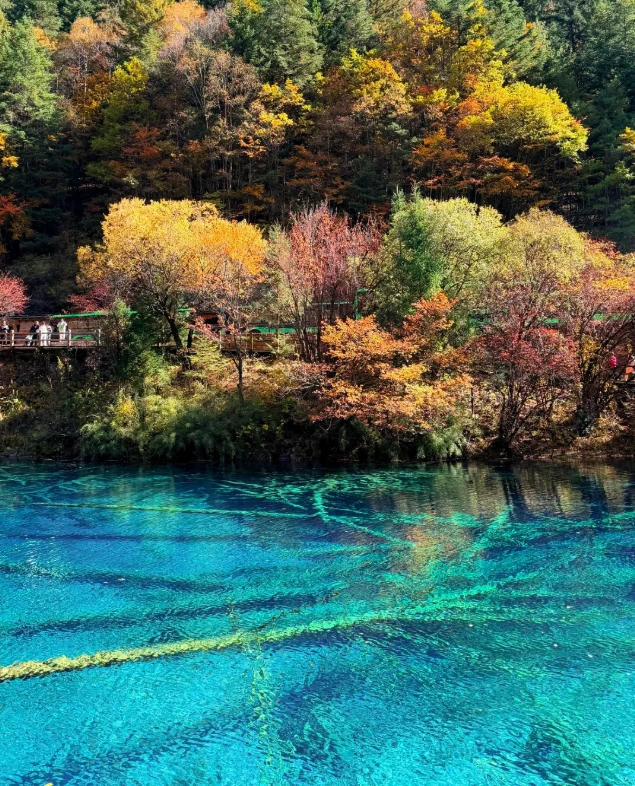
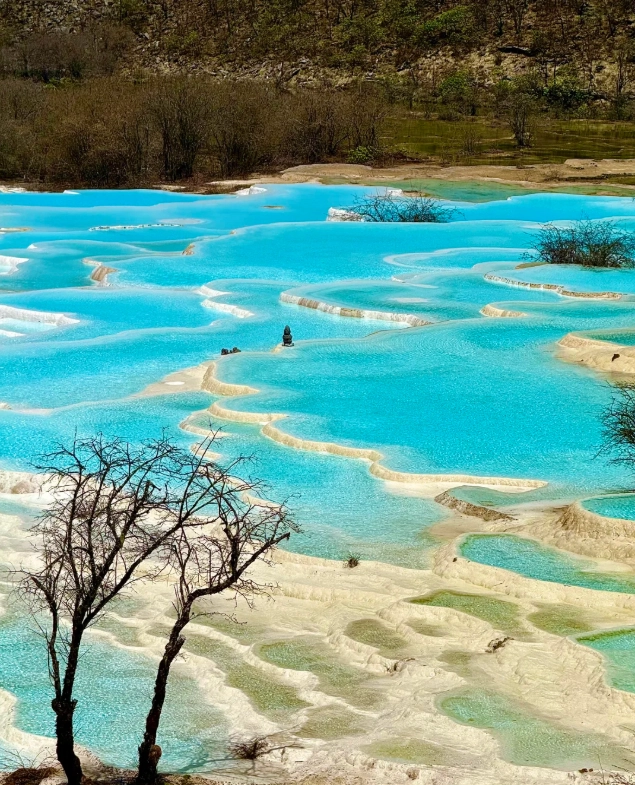
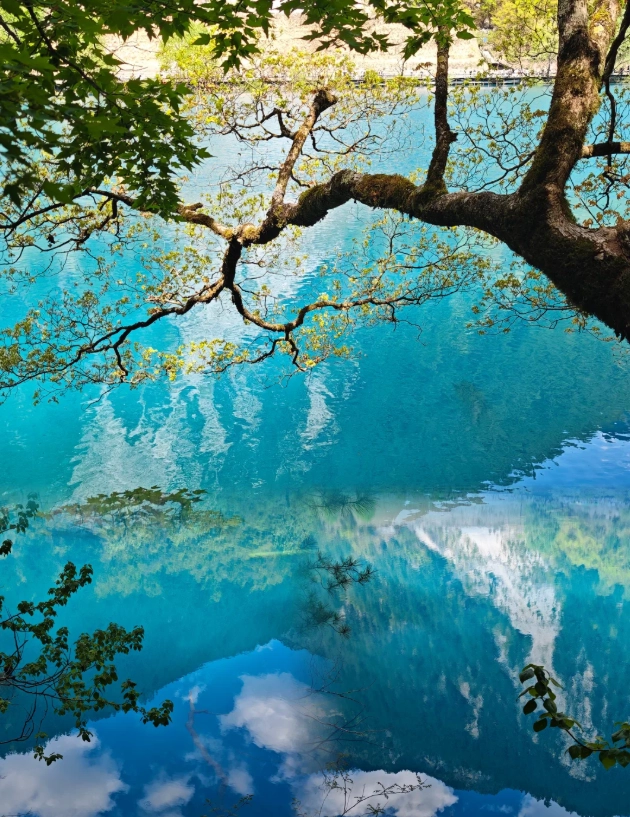
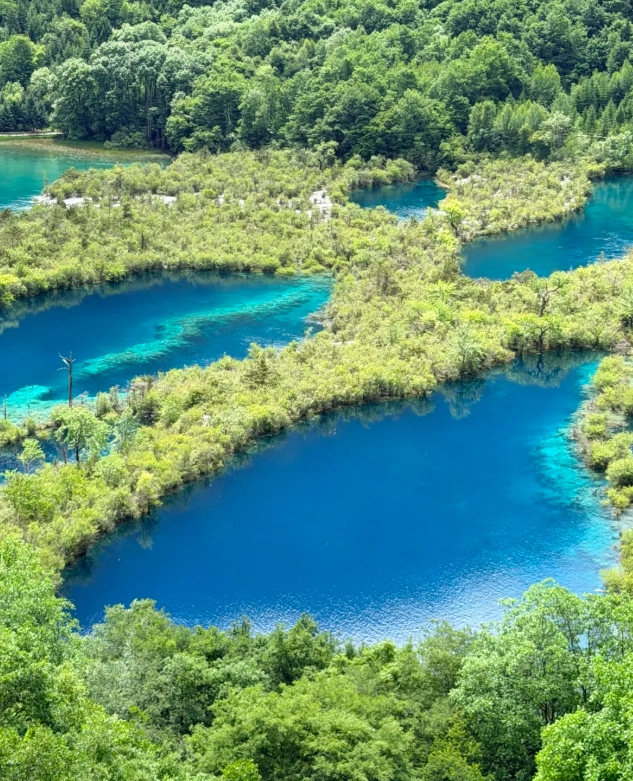
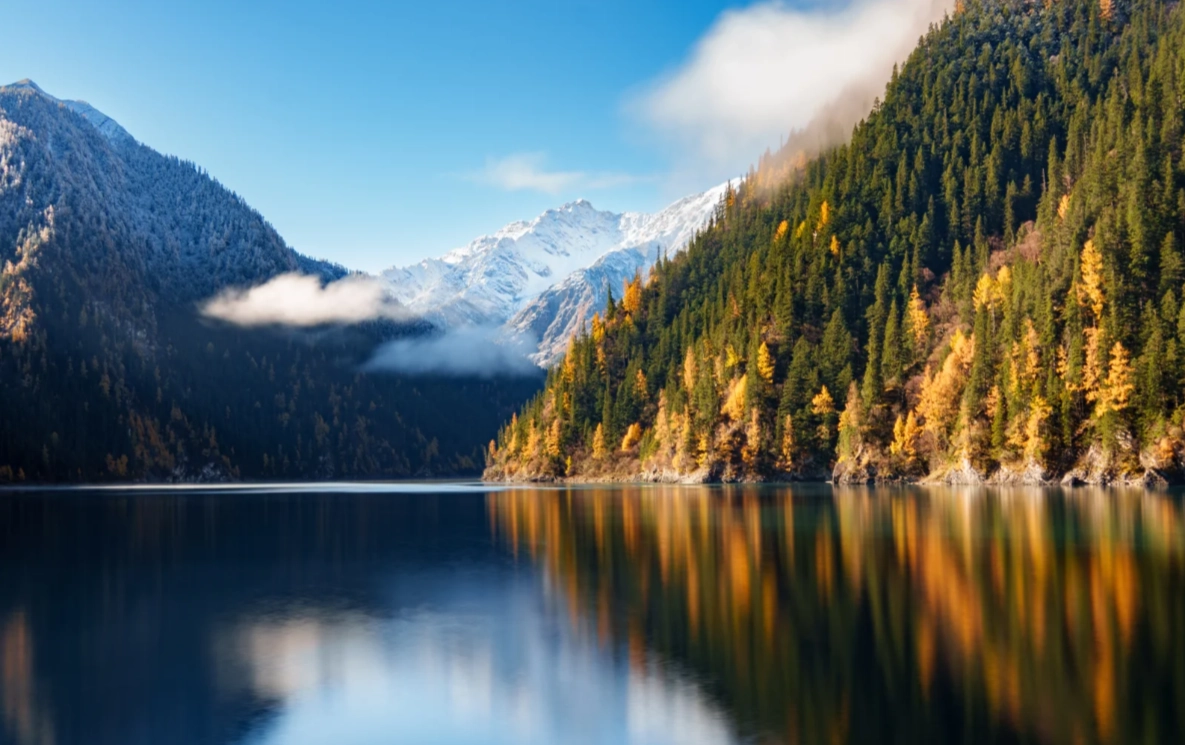
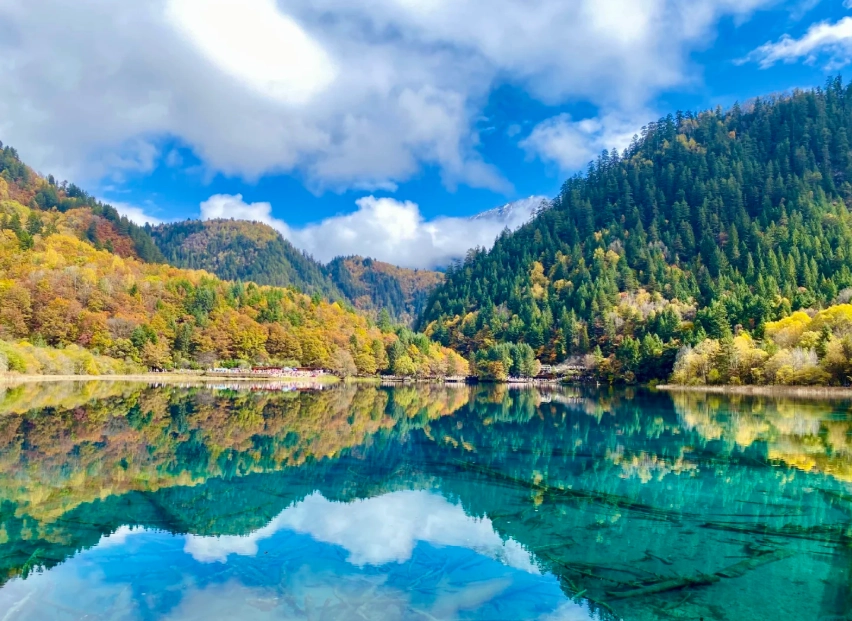
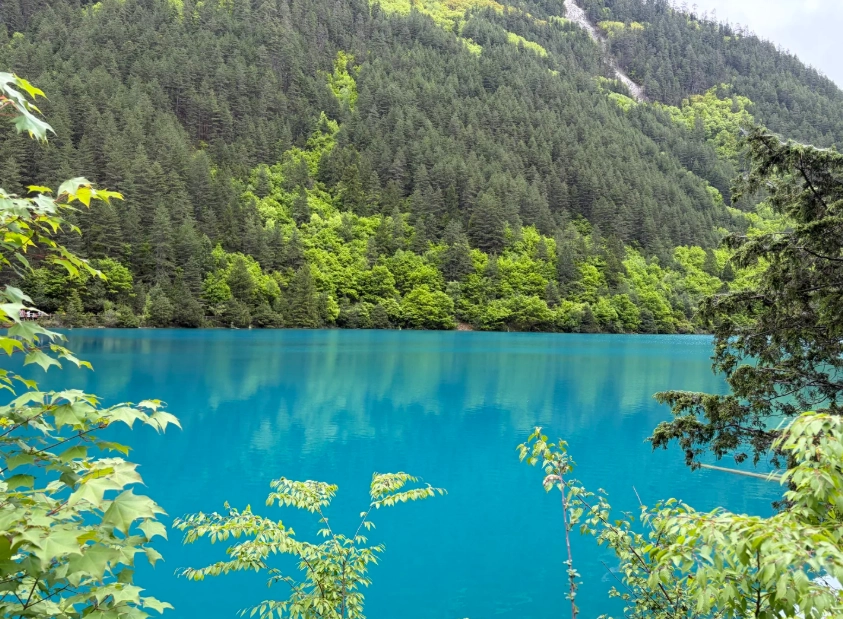
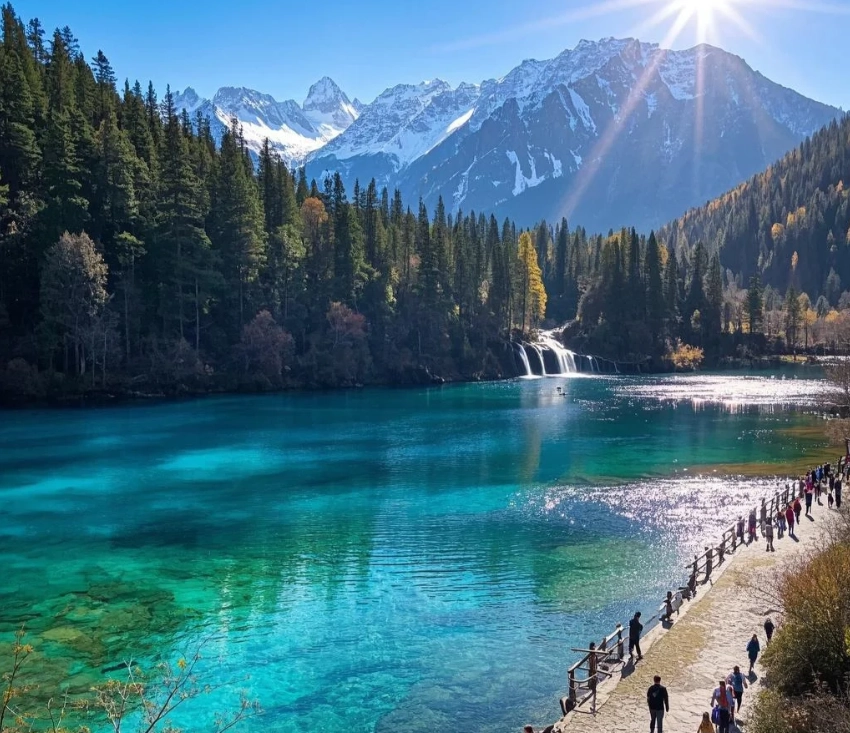
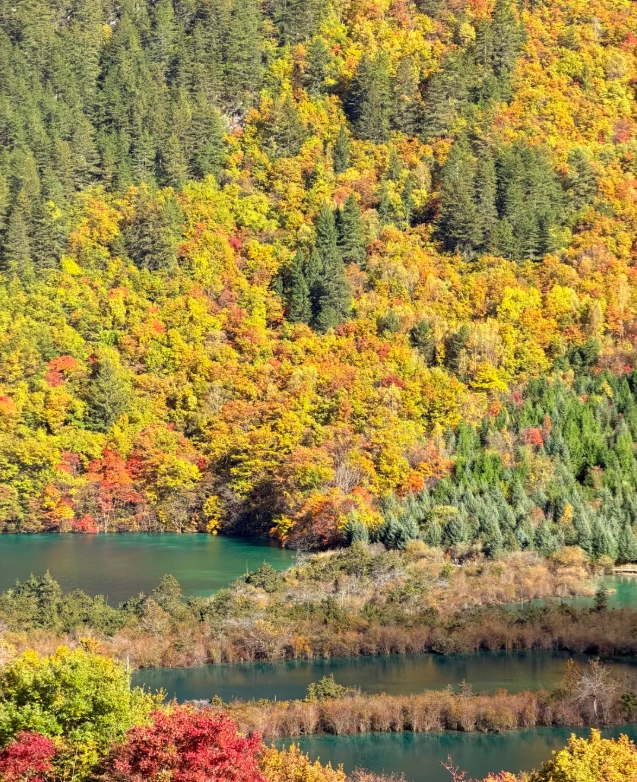
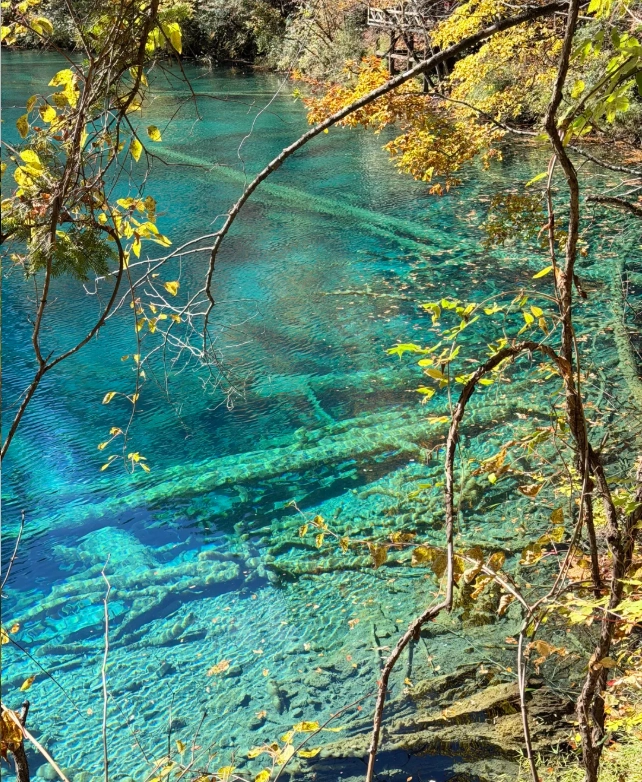
Jiuzhaigou alone is worth the whole trip, and since it's within Aba Prefecture, that counts for this review. The lake colors are unreal — turquoise, teal, bright blue — and the wooden boardwalks let you get right up to the water. We went on a crisp autumn morning; the maple leaves were red, and the air smelled like pine. It was crowded, but the place is so vast it didn't bother me. Best national park I've ever visited in China. Can't recommend enough!
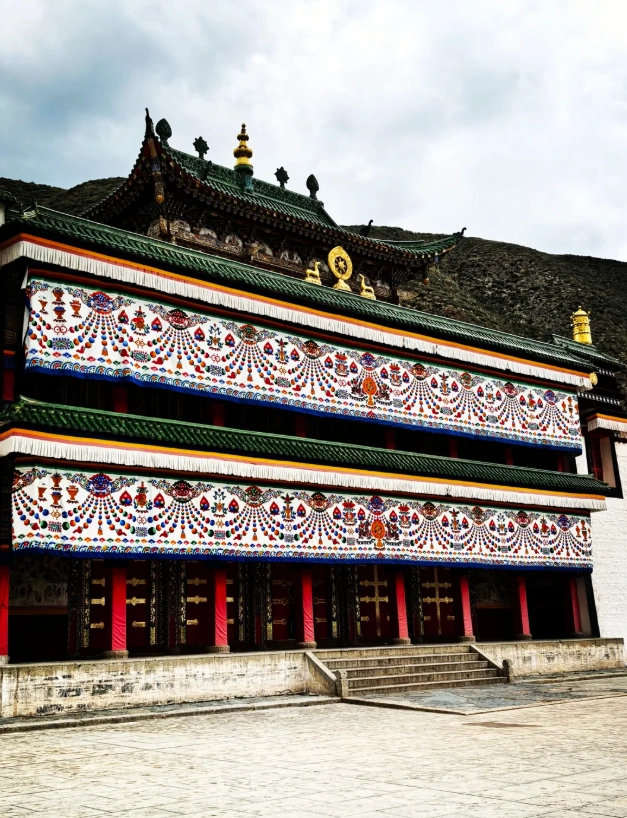
Loved the Tibetan food and the market vibes in Aba town. We tried some local momos and butter tea in a tiny family-run place near the mosque — the owner was incredibly kind and kept refilling our cups. The surrounding monasteries are stunning, but getting between them without a private driver is a pain, and we waited half an hour for a shared van. Also some of the sights were a bit run-down. Still, the atmosphere made up for it. Definitely worth a detour, just don't expect smooth logistics.
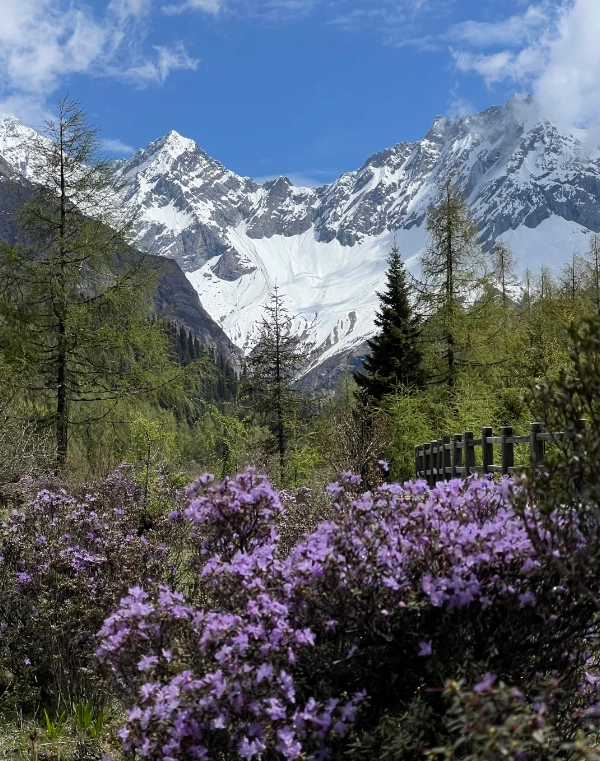
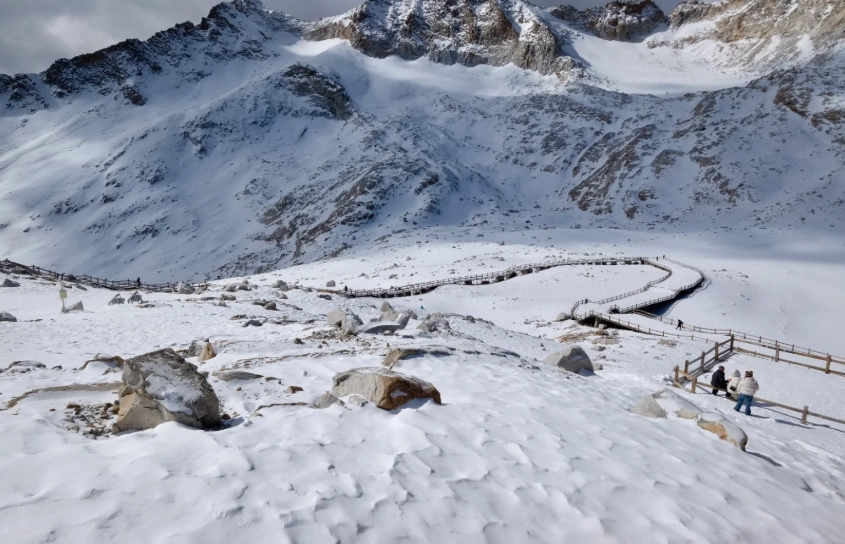
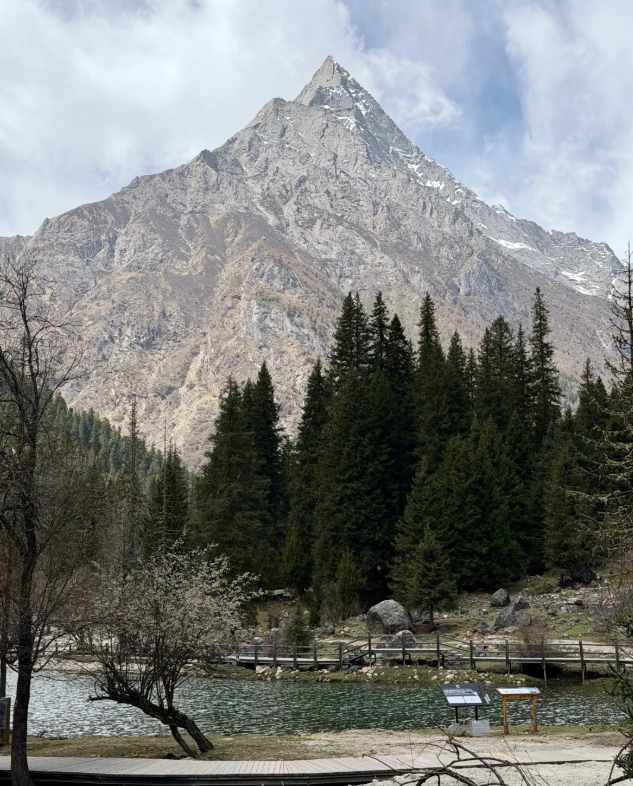
Honestly, we had a mixed time. The drive from Chengdu to Aba took way longer than expected due to roadworks, and by the time we reached our guesthouse in Barkam we were exhausted. The scenery along the way was beautiful though—lots of green valleys and snowy peaks. But the weather turned rainy and cold, and we couldn’t see much at one of the passes. Our room was basic but clean. I guess if you have more time and better weather, it’s a nice place. Not wowed, but not awful.
Honestly, I was a bit disappointed with my trip to Aba Prefecture. The scenery is beautiful no doubt, but the public transport is a nightmare – we waited over two hours for a bus that never came. Also, a lot of the scenic spots were overcrowded with tour groups, so it felt rushed. The local snacks were tasty but prices were marked up for tourists. Maybe better if you drive yourself.
Leave a Review