 Ming Yang
What's Inside This Guide
Let me paint a picture. You're in Lijiang, rain is pouring, your Alipay just declined, and the taxi driver keeps saying 'no cash'. Sound familiar? I've been guiding travelers here for over a decade, and this scene repeats more than you'd think.
Most must-see in Yunnan lists will tell you to hit the same six spots and 'have a great time'. They won't mention the ticket chaos at Yuanyang, the altitude headaches in Shangri-La, or the fact that your credit card is useless in most noodle shops.
Here's my unvarnished truth: the must-see in Yunnan that actually work are the ones you reach early, book smart, and plan around your own stamina. I'm about to walk you through the five places I take every first-time visitor — with the honest details that no brochure includes.
Let's get you trip-ready.
Why Most Must-See in Yunnan Lists Are Wrong
Let me be blunt. Most travel blogs copy the same five spots: Lijiang, Dali, Shangri-La, Xishuangbanna, and maybe Yuanyang. They're all worth seeing, sure. But the way they tell you to see them is often backwards or impossible.
For starters, they'll tell you to visit Lijiang's Old Town during the day. Big mistake. That's when tour groups descend with their matching caps and megaphones. I always tell my clients to go at 6 AM, when the cobblestones are wet with morning dew and the only sounds are shopkeepers opening wooden shutters. You'll get the place to yourself for a precious hour before the horde arrives.
Another classic blunder: booking a bus from Kunming to Shangri-La overnight. The road is windy and the altitude hits you like a brick. I've had clients who ended up in a hospital on day one. The smart move? Fly from Kunming to Shangri-La if you can afford it, or break the trip with a stopover in Lijiang to acclimatize.
And don't get me started on the 'free' cultural performances that turn into forced donations. Walk away.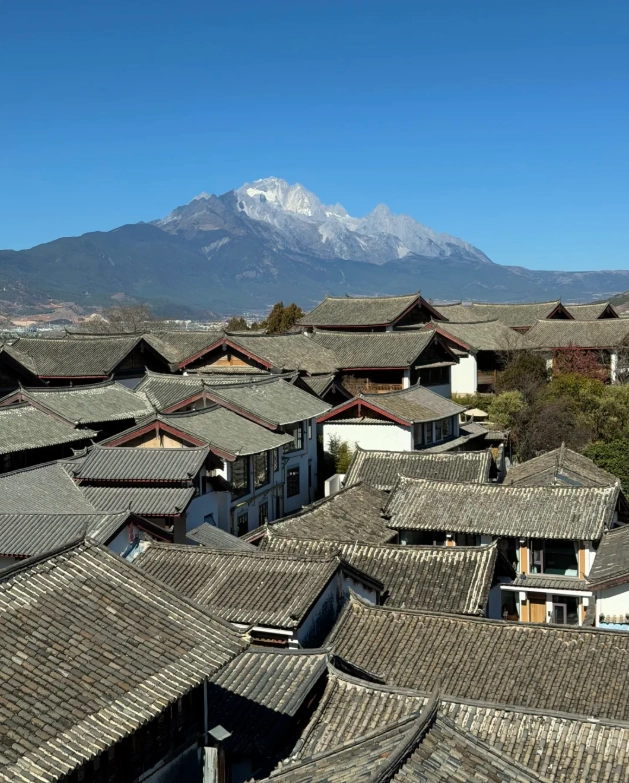
What Are the Real Must-See Places in Yunnan?
After years of leading small groups, these are the five spots I'd pick if I had only two weeks in Yunnan. Each one is worth the journey, but only if you know the secret of how and when to visit.
Dali: The Lakeside Escape You're Sleeping On
Most travelers skip Dali for Lijiang's fame. They're wrong. Dali's Erhai Lake is a photographer's dream, and the old town has a laid-back vibe that Lijiang lost decades ago.
To see it right: rent a bicycle and ride the lakeside path from Caicun to Shuanglang. It's about 15 km, takes 2-3 hours with breaks, and you'll pass rice paddies, ancient villages, and surprise temples. I always stop at the little noodle stall in Xizhou for a bowl of basu (pierogi-like dumplings).
Ticket details: The lake itself is free. The old town of Dali also has no gate fee. But if you want to enter the Three Pagodas, it's 121 RMB for adults, half price for kids under 1.2m. You can book via Trip.com with passport; the ticket office accepts cash and cards, but most vendors prefer WeChat.
How to get there: Fly to Dali Airport (which is actually a tiny runway surrounded by mountains) or take a high-speed train from Kunming (about 2 hours). From the old town, the airport is 30 minutes by taxi, about 80 RMB.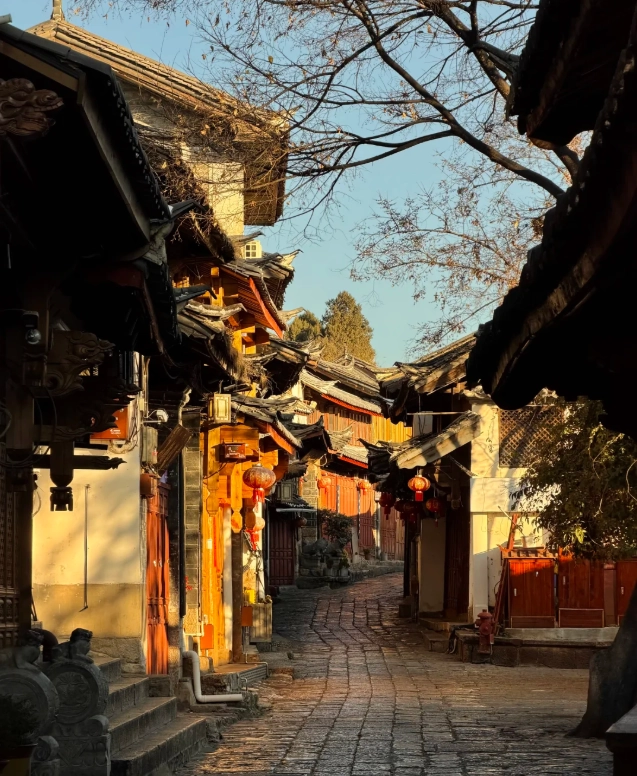
Lijiang: The Old Town That Gets Better at 6 AM
Yes, Lijiang is touristy. But it's still a UNESCO World Heritage Centre site, and the ancient water channels and Naxi culture are unique. The trick is to see it at dawn.
I've already mentioned the 6 AM plan. It works. Bring your camera, walk the stone paths to Black Dragon Pool, and the snow-capped Yulong Mountain will reflect on the water in silence. By 8 AM, the tour groups start arriving, so retreat to the quieter northern corners of the town.
Ticket info: The old town itself is free, but the 'eight scenic spots' combo ticket costs 80 RMB and is often not worth it. If you want to see the Mu Mansion, that's an extra 60 RMB but it gives you the best rooftop view.
How to get there: Take the high-speed train from Kunming (3 hours, frequent) or from Dali (2 hours). The old town is a 20-minute walk from Lijiang Station, but the streets are steep, so grab a taxi for 10 RMB.
Accessibility: Expect cobblestones everywhere, so skip the heels. There's no elevator in the old town.
Shangri-La: The Tibetan Plateau Worth the Long Bus Ride
Shangri-La (formerly Zhongdian) sits at 3,200 meters. The air is thin, the monasteries are golden, and the vibes are pure Tibet. It's the highlight of many trips, but altitude sickness is real.
My advice: Spend your first day just walking around the old town, which is a rebuilt Tibetan-style quarter with great cafes. Then visit Songzanlin Monastery (known as 'Little Potala'), a short bus ride away. Go in the morning when the monks are chanting.
Tickets: Monastery entrance is 115 RMB, includes a shuttle bus from the visitor center. You can book via WeChat, but the interface is in Chinese. I recommend asking your hotel to book for you, or just pay cash at the ticket office.
How to get there: There's a small airport with flights from Kunming (1 hour) and some major cities. Or take the scenic bus from Lijiang, which takes 4 hours along a winding road. I've done this more times than I can count — it's beautiful, but motion sickness pills are your friend.
Altitude warning: If you feel dizzy or nauseous, don't push through it. Walk slowly, and drink plenty of water. I always carry portable oxygen cans for my group; you can buy them at any pharmacy in town for 25 RMB.
Yuanyang Rice Terraces: A Natural Wonder That Punishes Late Arrivals
The rice terraces of Yuanyang are one of China's most stunning landscapes. But they're also one of the most inaccessible and finicky. If you arrive after 10 AM, the mist has burned off and the terraces just look like green steps. The magic happens at sunrise.
Set your alarm for 5 AM and head to the Duoyishu viewpoint. Bring a warm jacket, it can be freezing in the mountains. The terraces are free to view from the roadside, but the paid viewpoints cost 100 RMB for a pass that includes 4 locations. The pass is valid for several days.
Getting there: Yuanyang doesn't have a train station. Most people take a bus from Kunming (6 hours) to Yuanyang county, then a mini-bus to the terrace villages. I usually charter a car with my group, which costs about 800 RMB per day from Kunming.
This place is harder to reach than the others, but I've never had a client who regretted it. The sunrise reflecting on thousands of water-filled paddies is worth every pothole.
Xishuangbanna: The Tropical Edge of Yunnan
This is Yunnan's tropical zone, with rainforests, elephant reserve, and Dai minority villages. It feels more like Thailand than China. The highlight for me is the Wild Elephant Valley, where you can observe herds (if you're lucky) from a safe canopy walkway.
Tickets: Wild Elephant Valley entrance is 78 RMB, plus a cable car (50 RMB) if you want to go deeper. The Dai village of Manting offers a cultural show for 120 RMB.
How to get there: Fly to Xishuangbanna Gasa Airport (direct flights from many Chinese cities), or take the new high-speed railway from Kunming (3.5 hours). The old town of Jinghong is the base, with tuk-tuks and bikes for rent.
Best time: November to April for dry season. It's hot and humid in summer, so bring mosquito repellent. The nature is amazing, but keep your eye on the time — the last cable car leaves at 5 PM.
How to Plan Your Must-See in Yunnan Trip (Including Payments and Visa)
Before you book anything, get your paperwork and apps sorted. Here's the practical stuff that makes or breaks a trip.
Getting Your Visa Right
Most nationalities can get a 30-day tourist visa on arrival at major airports, but it's always safer to apply through the Chinese embassy beforehand. For up-to-date rules, check the National Immigration Administration website. Remember to bring your passport everywhere — you'll need it to enter attractions and to book tickets.
Handling Money and Apps
Cash is dying in China. I'd say 90% of my clients now use WeChat Pay or Alipay. Both are easy to set up with an international credit card, but you must link it before you travel. Don't rely on Google Maps — it's unreliable in China. Download AMap (高德地图) and use its English interface. Apple Maps works too, but AMap has better public transit data.
Transport Within Yunnan
You have three main options: high-speed trains (fast and cheap), flights (save time but pricier), and overnight buses (romantic in theory, awful in practice). I always recommend trains between Kunming, Dali, Lijiang, and Shangri-La. Book via the official Train China website or Trip.com. For buses, ask your hostel to help you buy tickets at local stations.
Must-See in Yunnan: What to Eat (and What to Skip)
Yunnan's food is a mix of Bai, Naxi, Tibetan, and Dai flavors. Here's what I'm obsessed with:
- Crossing the Bridge Noodles (过桥米线): Rice noodles in boiling broth with raw meat cooked at the table. Best at the old-school shops in Kunming. A classic bowl costs 25-40 RMB. Try the one at Jianxin Garden on Bainan Road.
- Erkuai (饵块): Chewy rice cakes, grilled and slathered with sauce. A quick snack for 5-10 RMB.
- Tibetan Yak Butter Tea: Salty, creamy, and an acquired taste. It's an energy bomb at high altitude.
- Dai-style Bamboo Rice: Sticky rice cooked in bamboo tubes over a fire. Sweet and smoky.
What to skip: The 'famous' Lijiang siji (four-course) restaurants in the old town squares — they're overpriced and serve water-down versions. Walk 10 minutes away from the main square for better food.
How Many Days Do You Need for the Must-See in Yunnan?
Let me give you three itineraries, from a sprint to a full exploration.
3-Day Dash: Dali and Lijiang Only
If you only have three days, fly into Kunming, then take the train to Dali. Spend day one in Dali, day two in Lijiang, day three return to Kunming for departure. It's rushed, but you'll get the highlights: one hot, one cultural. You'll skip Shangri-La and the terraces entirely.
7-Day Loop: Dali, Lijiang, and Shangri-La
This is the sweet spot. Start in Dali (2 days), then Lijiang (2 days), then a day trip to Shangri-La (1 day), and back to Kunming (1 day travel). Add one buffer day for weather or fatigue. You'll see the big three without burnout.
10-Day Explorer: Add Yuanyang and Xishuangbanna
With ten days, you can loop down to Yuanyang (2 days), then fly to Xishuangbanna (2 days), and back to Kunming. This covers every landscape Yunnan has to offer — snow, lakes, mountains, and rainforest.
| Itinerary | Days | Must-See Included | Best For | Est. Cost (USD) |
|---|---|---|---|---|
| 3-Day Dash | 3 | Dali, Lijiang | First-timers on a stopover | 300-400 |
| 7-Day Loop | 7 | Dali, Lijiang, Shangri-La | Couples and solo travelers | 600-800 |
| 10-Day Explorer | 10 | All five + more | Hardcore photographers | 900-1200 |
FAQ: Must See in Yunnan — Your Questions, Answered
This content has been fact-checked to ensure informational precision.






No comments yet.