 Chen Liu
Ten days in China. Sounds dreamy, until you’re in Shenzhen with no data plan, a dead phone battery, and a taxi driver who doesn’t speak English. I’ve brought dozens of transit travelers through this city, and the difference between a nightmare and a great trip is the preparation you do before landing. So, before we talk itineraries, let me save you three hours of frustration.
The Guangdong 240-hour visa is your ticket to a relaxed layover — but only if you know how to use it. Most first-timers treat it like a regular visa and freak out about paperwork. Here’s the truth: it’s simpler than you think, but it has quirks that’ll trip you up if you don’t plan.
The single biggest tip? Don’t book your return flight without an onward ticket to a third country. And get a VPN before you board the plane — not after.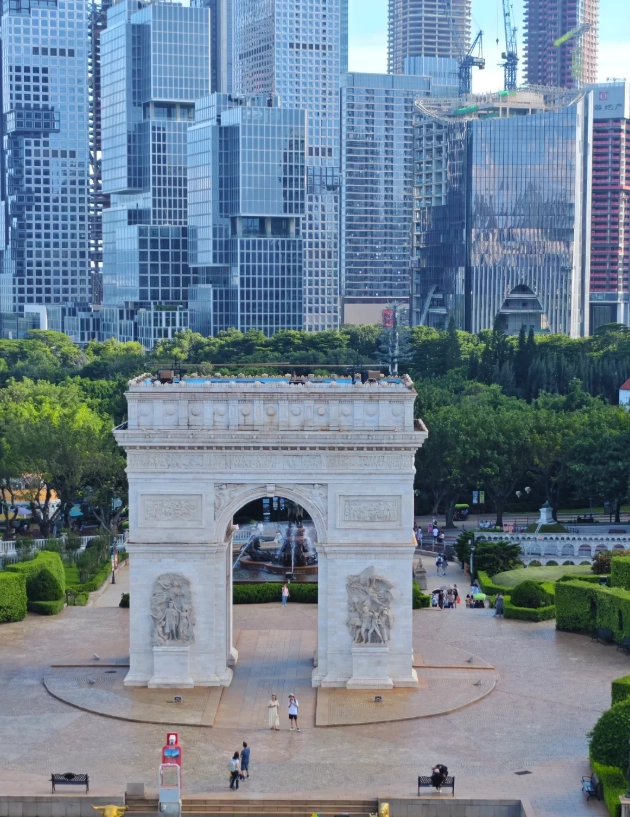
Quick Guide to Your 240 Hours
What Is the Guangdong 240-Hour Visa and How Does It Work in Shenzhen?
Eligibility and Application Process
The Guangdong 240-hour visa is a transit visa-free policy valid for citizens of 53 countries. If you’re from the US, UK, Canada, Australia, most of Europe, plus many others, you can stay in Guangdong Province for up to 240 hours (10 days) without a prior visa. The catch? You must be transiting to a third country — meaning you must have a confirmed onward flight or train ticket to a destination outside China. You also need a valid passport with at least six months’ validity.
The application process happens right at the border. When you arrive at Shenzhen Bao’an International Airport, head to the transit visa-free counter (look for the English signs). Immigration officers will check your passport, your onward ticket, and sometimes your hotel reservation. You’ll fill in a small form, get a stamp, and you’re in. No payment is required. However, I’ve seen travelers turned away because they didn’t have a printed ticket. Always have a paper copy — a screenshot isn’t always accepted.
Pro Tip: If your itinerary involves staying in multiple cities in Guangdong, write down the addresses of your hotels. Officers sometimes ask where you’ll be staying. It’s a 2-minute check, but it can save you a lot of awkwardness.
How to Calculate Your 10 Days
Your 10 days officially start at midnight after you clear immigration. This is a common misunderstanding — the 240 hours are counted from the next day, not from the moment you land. So if you touch down at 11:30 PM, you just gained an almost full extra day. Keep this in mind when booking flights; a late arrival can be a sneaky advantage.
You must leave Guangdong (and China) before the 240-hour window expires. The system tracks your exit, so don’t even think about overstaying. If there’s a flight delay, contact the nearest immigration office immediately and show proof of the disruption.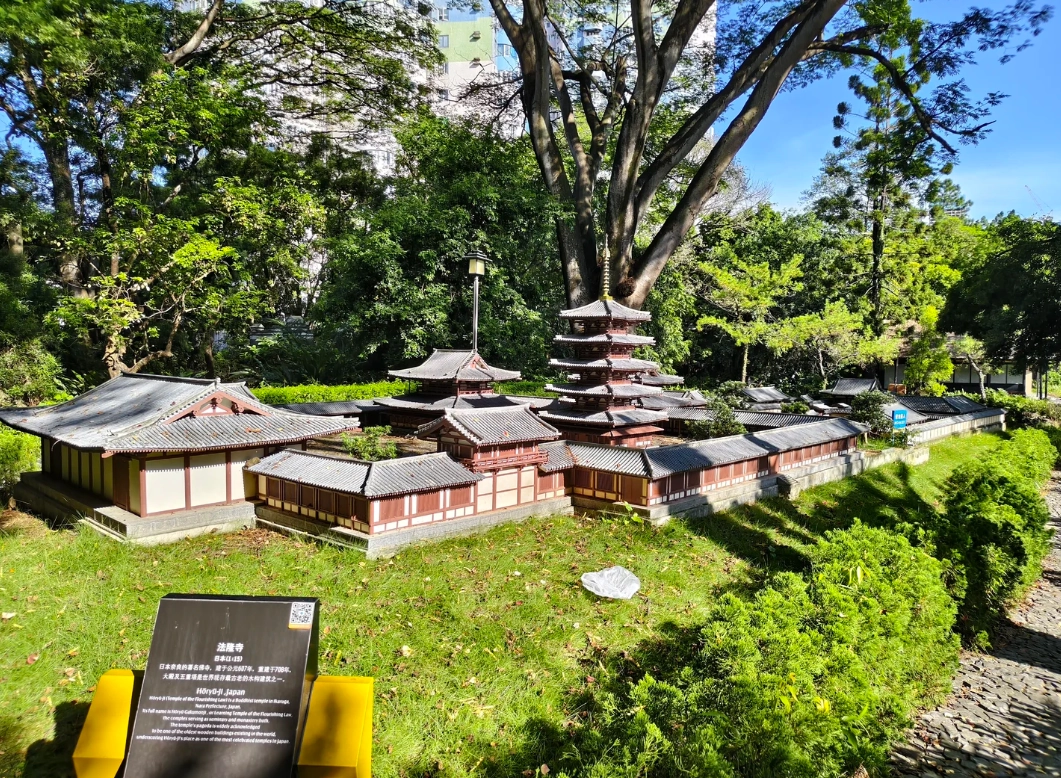
Common Pitfalls and How to Avoid Them
Even seasoned travelers mess up the 240-hour visa by showing up without a confirmed onward ticket. Here are the classic mistakes — and the quick fixes:
- No printed return ticket: Always print your upcoming flight to a third country. Immigration may asks to see it, and mobile screenshots can cause delays.
- Passport expiring soon: Some nationalities need 6 months’ validity, others just 3. Check your country’s requirement before you travel.
- Mixing airports: Entering via Shenzhen and leaving from Guangzhou is legally fine, but it can confuse officers. Stick to the same exit port if you can, to keep things simple.
- Missing hotel bookings: You need a confirmed stay for at least the first night. Book a refundable hotel if your plans are flexible.
How to Use Your 10 Days in Guangdong: A Realistic Itinerary
Below is a balanced 10-day plan that hits Shenzhen’s modern side, a chunk of nature, and a quick trip to Guangzhou. Adjust it based on your energy and interests.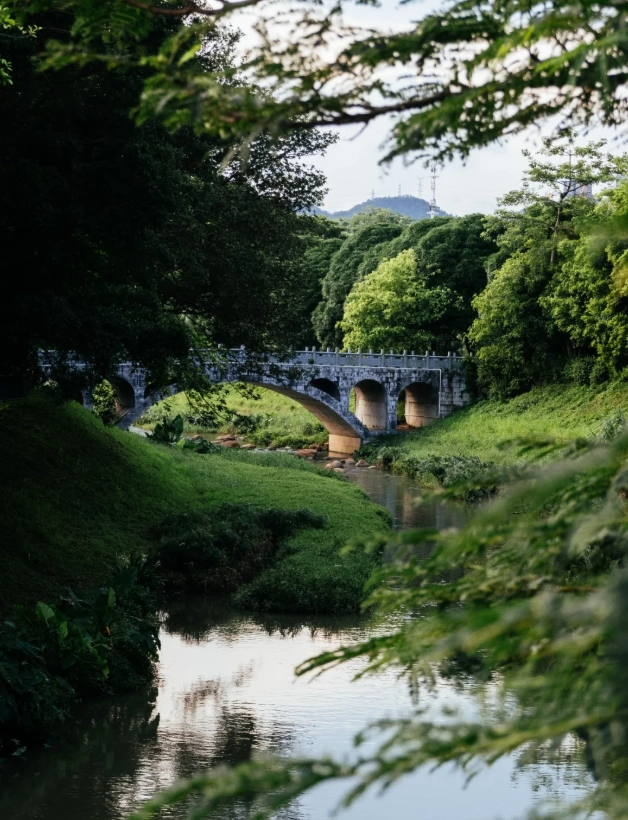
| Day | Morning | Afternoon | Evening | Transport Notes |
|---|---|---|---|---|
| 1 | Arrive at Shenzhen Bao’an Airport | Check into hotel, rest | Walk along Shenzhen Bay Park | Metro line 11 to city center, ~30 min |
| 2 | Ping An Finance Center | Civic Center and library | Dinner in COCO Park | Metro Line 2 to Gangxia North |
| 3 | Window of the World | Splendid China Folk Village | Light show in the area | Metro Line 1 to Window of the World station |
| 4 | Dapeng Fortress | Dapeng Beach | Seafood dinner in Dapeng | Bus or Didi, ~1.5 hours each way |
| 5 | High-speed rail to Guangzhou | Canton Tower | Pearl River night cruise | Metro to Futian station, bullet train 36 min |
| 6 | Chen Clan Academy | Shamian Island | Dim sum in old town | Walk or taxi in Guangzhou |
| 7 | Temple of Six Banyan Trees | Guangzhou Museum | Explore Beijing Road | Metro Line 1 to Gongyuanqian |
| 8 | Return to Shenzhen | OCT Loft | Live music at OCT | Bullet train back |
| 9 | Luohu Commercial City | Dafen Oil Painting Village | Last‑minute souvenir shopping | Metro to Luohu, then taxi |
| 10 | Pack and head to airport | Depart | — | Allow 2 hours for traffic |
Day 1-3: Master Shenzhen’s Modern Marvels
The first three days are all about getting comfortable with Shenzhen’s futuristic skyline. On day one, don’t plan too much. You’ll likely be jet-lagged, so use the time to acclimatize and take a gentle stroll at Shenzhen Bay Park. The sunset there is unbeatable, and you’ll spot locals flying kites and biking along the coast.
Day two, hit the Ping An Finance Center. The observatory at 116 floors offers panoramic views that beat many other skyscrapers in China. Go early at 9 AM to beat the tour groups. Afterwards, walk to the Civic Center and Shenzhen Library — the architecture is staggeringly modern. For lunch, head to COCO Park in the afternoon, grab a ramen at one of the side alleys; my go‑to is “Marutama Ramen,” which has an English menu.
Day three is for the theme parks. Window of the World and Splendid China are next to each other. Spend the morning at Window of the World (it’s a photo safari of world landmarks), then hop over to Splendid China for the afternoon to see miniature China. Do note: these parks get packed on weekends, so plan midweek if you can. Entry is around 200–220 RMB per park, but you can save by buying combo tickets on Trip.com.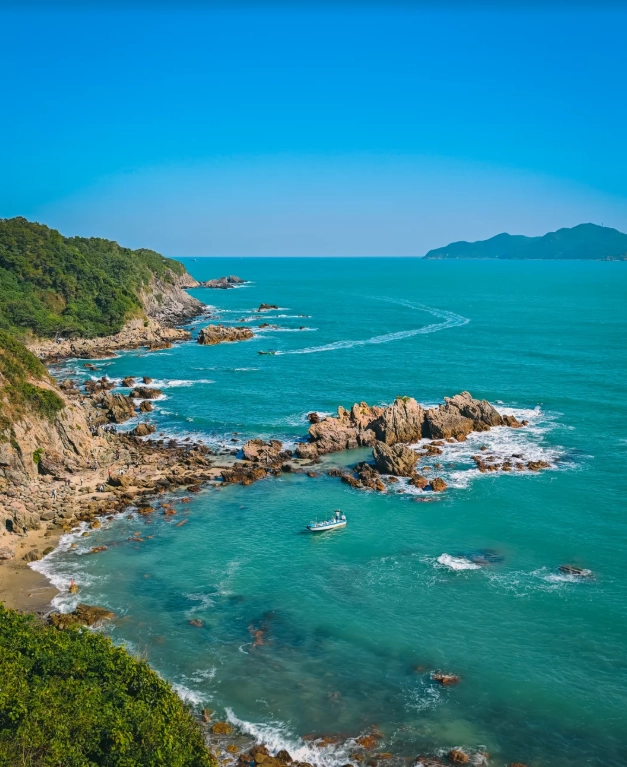
Day 4-5: Culture and Nature in Shenzhen
By day four, you’ll crave a break from steel and glass — I always send clients to Dapeng Fortress. It’s a preserved ancient walled town about 1.5 hours from central Shenzhen. The stone streets and ancestral halls transport you back centuries. Climb the watchtower for a view of the surrounding villages and the sea. In the afternoon, walk down to Dapeng Beach (just 15 minutes away) and feel the ocean breeze on your face. There’s no entry fee for the fortress, but the beach might charge a small entrance fee. Have dinner at a seafood restaurant near the beach — point at the fish tanks to order; it’s a fun way to break the language barrier.
Day five, catch the high-speed rail to Guangzhou. From Futian station, the bullet train takes just 36 minutes to Guangzhou East, and tickets cost around 80 RMB. Book via Trip.com or the official 12306 app (you can use your passport number). Once in Guangzhou, head straight to Canton Tower — the iconic curved landmark. Take the elevator to the observation deck (paid) or just capture it from the observation plaza below. End your day with a Pearl River night cruise — it’s the classic Guangzhou experience.
Day 6-8: Guangzhou Old City and Return
Guangzhou’s old town is a lovely contrast to Shenzhen’s newness. Start day six at the Chen Clan Academy — a stunning example of Lingnan architecture. The carvings on the rooftops are intricate, and the garden is perfect for quiet contemplation. Afterwards, walk to Shamian Island, a former French and British concession tree‑lined island that feels like a piece of Europe in Asia. Grab lunch at one of the open‑air cafes. In the afternoon, visit the Temple of Six Banyan Trees (Liurong Temple) and climb the Flower Pagoda for a bird’s‑eye view of the city. For dinner, join locals at a bustling dim sum restaurant like “Dian Dou De.”
Day seven, get a real feel for daily Guangzhou. Visit the Guangzhou Museum (at Yuexiu Park) to learn about the region’s history. In the evening, walk along Beijing Road — a pedestrian shopping street with ancient archaeological sites uncovered under glass floors. It’s shopping, snack heaven, and a glimpse of the city’s past all in one.
Day eight is your return to Shenzhen. Once back, explore OCT Loft — a creative arts district filled with galleries, quirky cafes, and street art. It’s a photographer’s paradise and a favorite among local hipsters. The cafes here are perfect for a slow afternoon.
Day 9-10: Last-Minute Shopping and Departure
Shopping in Shenzhen is an adventure — Luohu Commercial City is wild but negotiable. It’s a massive market where sellers have everything from electronic gadgets to cashmere coats. Remember: bargain hard (start at 30% of the asking price) and stick to cash or Alipay. Later, head to Dafen Oil Painting Village, where hundreds of artists churn out oil paintings and custom portraits. It’s a unique spot where you can commission your own artwork and even watch the artist paint it on the spot. For your last evening, don’t rush; savor a hotpot dinner in the city center.
On day ten, head to the airport with plenty of buffer. Shenzhen Bao’an Airport is huge, and security lines can be long. Give yourself at least 2 hours for domestic flights and 3 hours for international ones.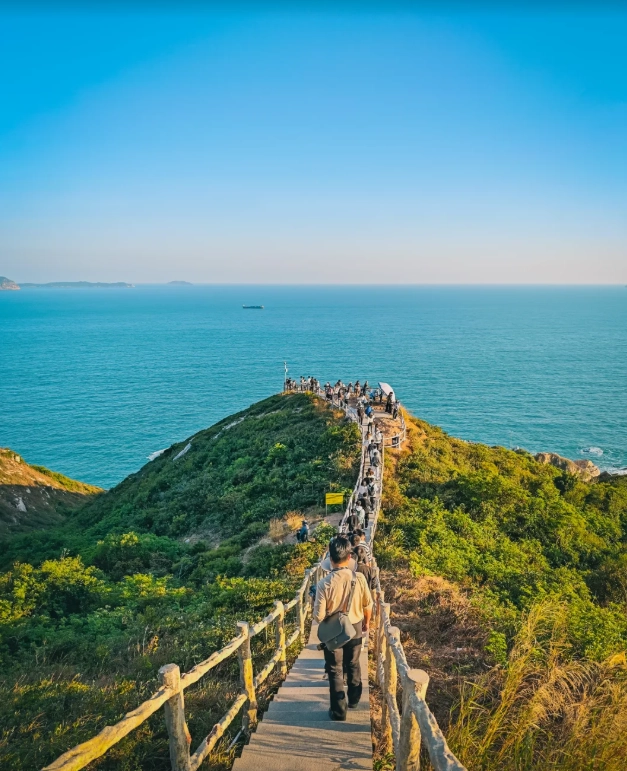
Shenzhen’s Must-See Spots for Transit Visitors
Top Attractions with Exact Prices and Hours
Here’s the quick reference table I give to all my friends before they board the plane. Prices are in RMB and subject to change — always double-check on the official sites or booking platforms.
| Attraction | Address (English) | Hours | Ticket (Adult) | Booking | Notes |
|---|---|---|---|---|---|
| Window of the World | 9037 Shennan Blvd, Nanshan District | 09:00–21:30 | ~¥220 | Walk‑in or Trip.com | Metro Line 1, Window of the World station |
| Splendid China Folk Village | 9003 Shennan Blvd, Nanshan District | 09:30–21:00 | ~¥200 | Walk‑in or Trip.com | Adjacent to Window of the World |
| Ping An Finance Center | 5033 Yitian Rd, Futian District | 10:00–20:00 | ~¥200 | Online recommended | Entrance on the ground floor |
| Dapeng Fortress | Pengcheng, Dapeng New District | 09:00–17:00 | Free | Not required | 1.5 hr from city center |
| OCT Loft | Nanshan District | Open all day | Free | Not required | Art district, cafes |
| Luohu Commercial City | 1 Renmin S Rd, Luohu District | 09:00–17:00 | Free entry | Not required | Bargain hard! |
Hidden Gems Most Tourists Miss
Most guidebooks skip these, but they’re worth your time. Dafen Oil Painting Village is a shock — you walk through a grid of tiny studios where artists churn out copies and originals. It’s also a great place to pick up a custom portrait of your family. Another hidden spot is the Shenzhen Art Museum in Luohu, which hosts rotating contemporary art exhibitions; the building itself is a work of art. And for a quiet escape, try Lianhua Hill Park — a local favorite for morning tai chi and panoramic city views from the hilltop.
My personal favorite: the rooftop of the Diwang Mansion. Officially you need to pay, but the observation deck is far less crowded than Ping An, and you get a retro vibe from the 90s. Just check if it’s still open — it’s been open for ages.
Going Beyond Shenzhen: Day Trips to Guangzhou and More
How to Get to Guangzhou Fast
The Shenzhen–Guangzhou high-speed rail takes just 36 minutes from Futian station. Trains run frequently from around 6 AM to 10 PM, with ticket prices around ¥80 in second class. I recommend booking on Trip.com or the 12306 app (with your passport). The key stations are Futian (Shenzhen) and Guangzhou East or Guangzhou South. Once you exit, grab a metro map of Guangzhou — it’s efficient and bilingual.
Zhuhai and Macau Option
If you have extra time, Zhuhai is a chill 2-hour ferry ride away from Shenzhen. The ferry departs from Shekou Pier and arrives near Jiuzhou Port in Zhuhai. You can spend the day exploring Zhuhai’s seaside promenade and the odd “Zhuhai Fishing Girl” statue. However, note that Macau is a separate special administrative region — you cannot cross into Macau using the Guangdong transit visa unless you hold a separate Macau visa or qualify for visa-free entry there. So plan accordingly. For a short visit, staying in Zhuhai is perfectly fine and less crowded.
Transportation: Getting Around Shenzhen and Guangdong
Metro System Basics
Shenzhen’s metro is clean, cheap, and covers every sight you’ll want. A single ride costs ¥2–10 (about $0.30–$1.50). You can buy single-ride tickets from machines that accept cash and these days mobile wallet QR codes. For convenience, I strongly recommend adding a public transport card to your phone’s wallet (Apple Pay or Alipay’s transit app). In the Alipay app, search for “Shenzhen Metro” and you’ll get a QR code to scan at the gates. The metro lines are color-coded and English signs are everywhere.
High-Speed Rail to Guangzhou
The bullet train is the easiest way to leap between the two cities. From Shenzhen’s Futian station to Guangzhou East takes 36 minutes. You don’t need to print a paper ticket; passport-based e-tickets are accepted via Trip.com or the 12306 app. Just remember to arrive 45 minutes early for security checks. If you prefer to sit back, trains run every 15 minutes during peak hours.
Taxi and Ride-Hailing Apps
Didi is the Chinese Uber — download it and set up an English interface. It’s available in the App Store (yes, there’s an English version). Once you set it up, you’ll see English menus and can type addresses in Chinese or share your location via GPS. Payment is automatic via Alipay or WeChat. For taxis, make sure you have the address written in Chinese to show the driver. A short ride across central Shenzhen typically costs ¥20–40, but rides to the outskirts (like Dapeng) can hit ¥150–200.
Payment and Connectivity: Surviving with Alipay and VPN
Setting Up Alipay and WeChat Pay
Alipay and WeChat Pay are the only reliable ways to pay almost anywhere in China. International credit cards sometimes work directly now — in my experience, Alipay lets you link Visa, Mastercard, or Amex. Download the app, register with your passport, and link your card before you arrive. Tap or scan your QR code at shops, restaurants, and even street stalls. Cash is accepted at many places but you’ll get odd looks if you try to pay ¥20 in cash at a mom-and-pop food stand. Always have a couple of ¥100 notes for emergencies, but don’t rely on it.
VPN and Downloading Maps
Google Maps, WhatsApp, and Instagram are blocked — you need to install a VPN before you land. Do this at home, because without a VPN you can’t access those apps, and setting up a VPN in China often requires a Chinese phone number for the payment. Once you have a reliable VPN (like ExpressVPN or NordVPN), install it and connect before you need to use Google Maps. For offline navigation, download AMap (高德地图) or use Apple Maps — both work well in English. I prefer AMap’s “Global” version, which gives decent English place names and walking directions.
Language Barriers and Translation Apps
Siri or Google Translate? Use Apple Translate or Baidu Translate for offline use. The built-in Apple Translate works surprisingly well and can translate text from a photo — handy for menus. Baidu Translate has a great OCR feature. Also, most hotel front desks have staff who speak some English, but don’t count on it. Write down the Chinese addresses of your hotels and key destinations before you leave.
Insider Tips for a Smooth 240-Hour Visa Experience
Best Time to Visit
October and November are the sweet spot — it’s warm but not sticky. The weather is perfect for exploring the city and the skies are usually clear. Avoid Chinese National Day (early October) and Labor Day (May 1st) as domestic tourism is crazy. Summer (June–August) is hot and humid with sudden thunderstorms — carry an umbrella everywhere.
Packing for the Weather
Pack layers and rain gear even in summer; Shenzhen’s downpours are sudden. If you’re coming in winter (December–February), it never gets very cold but can chill with humidity. Bring a light jacket. For the theme parks, comfortable shoes are essential, and you’ll want a power bank because your phone battery will drain faster than usual from constant map usage.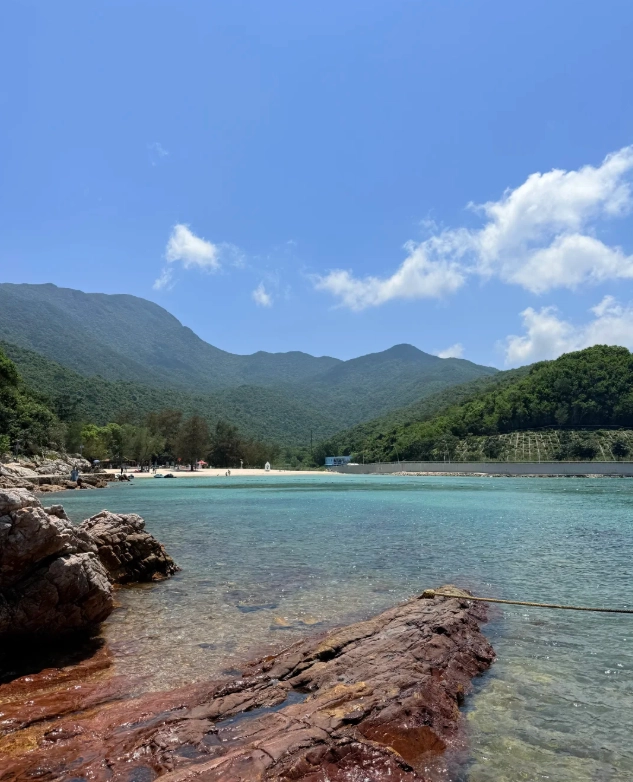
Safety and Scams
Shenzhen is generally safe, but keep your guard in tourist markets. Common scams include inflated taxi fares (use Didi) or being invited to a “tea ceremony” — a classic scam that leads to a massive bill. Politely decline. In markets like Luohu, some vendors might “switch” your change; count carefully. Also, beware of unofficial “guides” offering to take you to random shops — they get commissions from your purchases. Stick to your research.
FAQ: Your Guangdong 240-Hour Visa Questions
Verified and fact-checked by the editorial team.






No comments yet.