 Bo Wu
Quick Navigation: Your Sleeper Train Cheat Sheet
“You’ll freeze on the bottom bunk.” A client once sent me that text at 2 a.m. from a train somewhere near Zhengzhou. She was right—the AC vent blasted straight onto her pillow. That’s the kind of detail no booking site mentions. If you’re searching for a china overnight soft sleeper train experience that’s actually comfortable, this guide comes from years of riding these rails and fixing mid-journey problems for travelers who had no idea what they signed up for.
Here’s the truth: most foreigners overpay or book the wrong class because they trust old blog posts. I’ve seen people stuck with a hard seat for 14 hours because they didn’t know passports are mandatory for online booking. I’ve also watched a guy miss his train entirely because he tried to use Google Maps to find the station entrance—it led him to a cargo gate. So let me save you that pain. The ultimate takeaway? Soft sleeper is absolutely worth it for trips over 8 hours, but only if you book through the right channel and pack three specific items. Let’s dive into the real mechanics.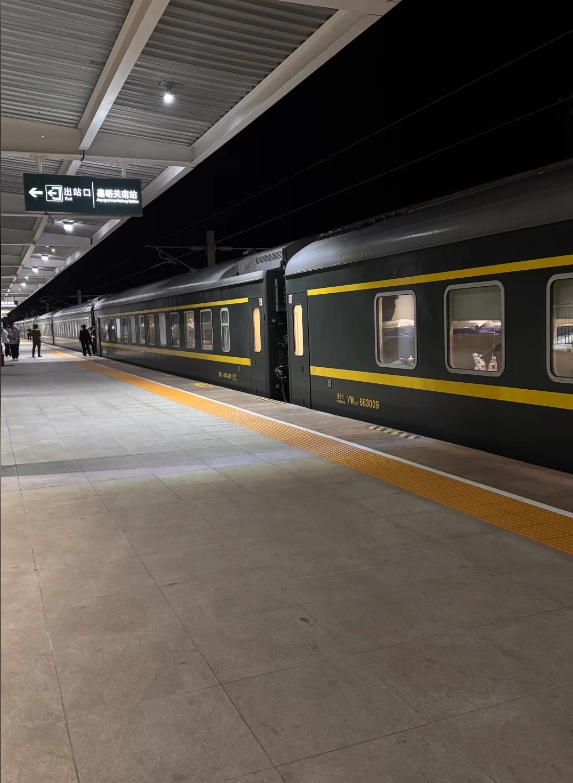
What Is a China Overnight Soft Sleeper Train, Really?
Soft sleeper means a closed cabin with four berths—two lower, two upper. You get a pillow, a duvet, and a door that actually shuts. That door is the dividing line between “I slept okay” and “I stared at the ceiling all night.”
But here’s the non-consensus bit: upper berths are not automatically worse. Yes, you have to climb a ladder. But lower berths sit right next to the aisle window, and people will sit on your bed during the day if they’re in the same carriage. I’ve had travelers complain bitterly about strangers plopping down on their lower bunk. If you value personal space, go for the upper. If you have heavy bags or knee issues, swallow the invasion and take the lower.
Now, the price. A soft sleeper typically costs 50–80% more than a hard sleeper. For a Beijing–Shanghai overnight run, expect somewhere in the range of 500–700 RMB depending on the train type. You can verify current fares on the official China Railway 12306 website—it’s the only source I trust for real-time numbers. Don’t guess from old blog posts.
Soft Sleeper vs. Hard Sleeper: The Real Difference
The cabin layout is the main thing. Hard sleeper has six berths per open bay—no door, just a curtain. Soft sleeper has four berths and a door. That door cuts noise almost in half. I’ve measured it by ear: hard sleeper at 11 p.m. sounds like a busy hostel common room; soft sleeper sounds like a library.
But there’s a catch nobody mentions: soft sleeper carriages are fewer per train. They sell out faster than you think, especially on popular routes like Guangzhou–Chengdu or Shanghai–Xi’an. If you’re traveling on a weekend or during a holiday, book the moment tickets open—usually 15 days in advance. Set an alarm.
How to Book Soft Sleeper Tickets Without Losing Your Mind
The official 12306 app is in English, but the payment step trips up many foreign cards. That’s the honest truth. International Visa and Mastercard sometimes fail without warning. I’ve watched frustrated travelers try three times in a row before giving up.
Here’s what I tell my clients: use Trip.com for the booking. You’ll pay a small service fee, but it accepts international cards and the interface is fully in English. You’ll need to upload a photo of your passport—this is non-negotiable. Chinese railways require real-name registration for every ticket. There are no exceptions. Don’t try to book with a driver’s license.
Pro Tip: Once your ticket is issued, you must collect a paper ticket at the station if you’re boarding at a station without e-gate passport scanners. Major hubs like Beijing South and Shanghai Hongqiao now let foreigners swipe their passport directly at the gate. But smaller stations? Still a paper ticket run. Arrive 45 minutes early and head straight to the ticket window with your passport in hand. Don’t wait until 10 minutes before departure—the lines are chaos.
What about the payment situation once you’re on the train? The dining car accepts cash—bring small bills. They rarely take international credit cards. Alipay and WeChat Pay work if you’ve set them up with an international card, but the train’s Wi-Fi is spotty enough that a QR code scan can fail at the worst moment. I always carry 100 RMB in cash for instant noodles and tea.
How Do I Choose the Right Berth for a Long Journey?
Book the lower berth if you have a morning arrival and need to get dressed quickly. The upper berth ladder is steep and in the dark, and I’ve seen more than one person bump their head on the ceiling light. The lower berth also gives you a dedicated space under the bed for your luggage—it fits a standard 28-inch suitcase if you slide it in flat.
The middle berth doesn’t exist in soft sleeper—that’s a hard sleeper thing. So your only real decision is top or bottom. If you’re over 6 feet tall, the upper berth will feel cramped. The ceiling is low. You’ve been warned.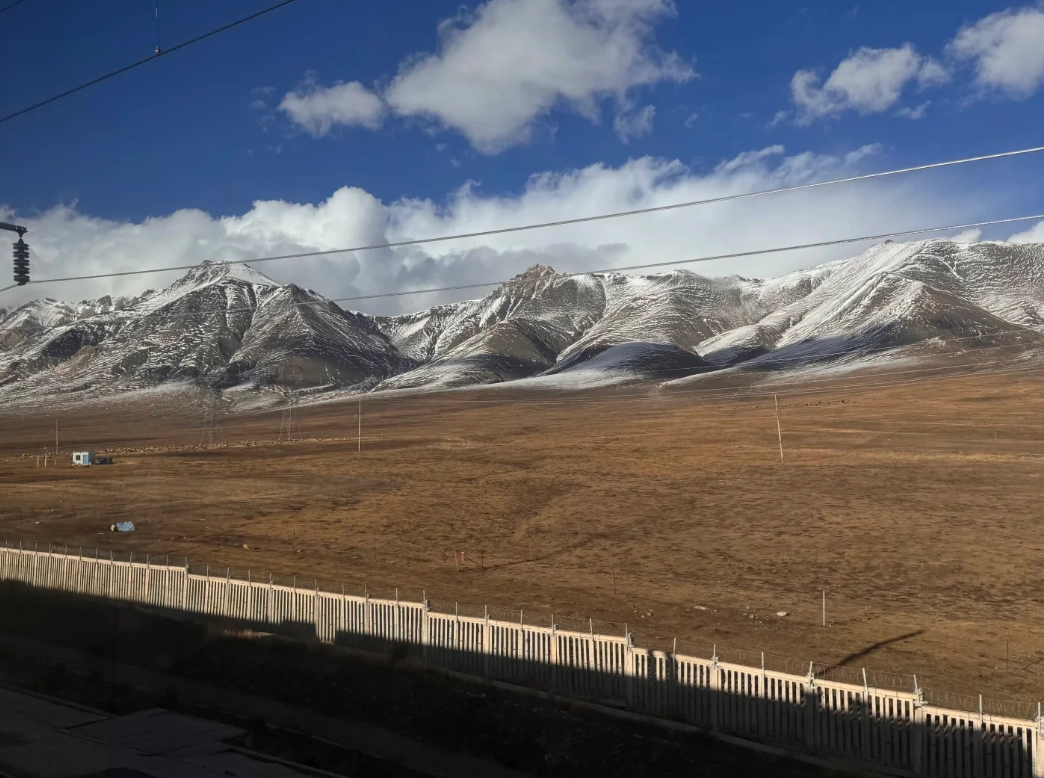
Cabin Realities: What the Photos Don’t Show You
The promotional photos show crisp white sheets and smiling passengers. Reality: the sheets are clean, but the cabin smells faintly of instant noodles and feet by midnight. That’s just train life. Bring a small bottle of eucalyptus oil or a scented hand cream—it sounds fussy, but it’s the single most effective trick I’ve found for sleeping well. Apply a dab under your nose.
Power outlets are shared—one per cabin, usually near the window. Bring a multi-plug adapter if you’re traveling with a partner. And the USB ports? They exist on newer trains, but they charge slowly. I always pack a power bank.
- Noise: The door blocks voices, but track clatter still comes through. Foam earplugs are worth their weight in gold.
- Temperature: AC is centrally controlled. The bottom bunk near the vent gets cold. Pack a light scarf or a thin long-sleeve shirt. You’ll thank me at 3 a.m.
- Luggage: There’s no overhead bin in the cabin. Bags go under the lower berth or on a rack near the door. Keep your passport and phone in a small pouch on your person—not in your suitcase.
- Toilets: Squat toilets at one end, western-style at the other. The western one often runs out of toilet paper by morning. Carry tissues. Always.
One more thing: the cabin door has a lock, but it’s flimsy. I’ve never had an issue, but I always loop my backpack strap around my wrist while sleeping. It’s a cheap peace of mind.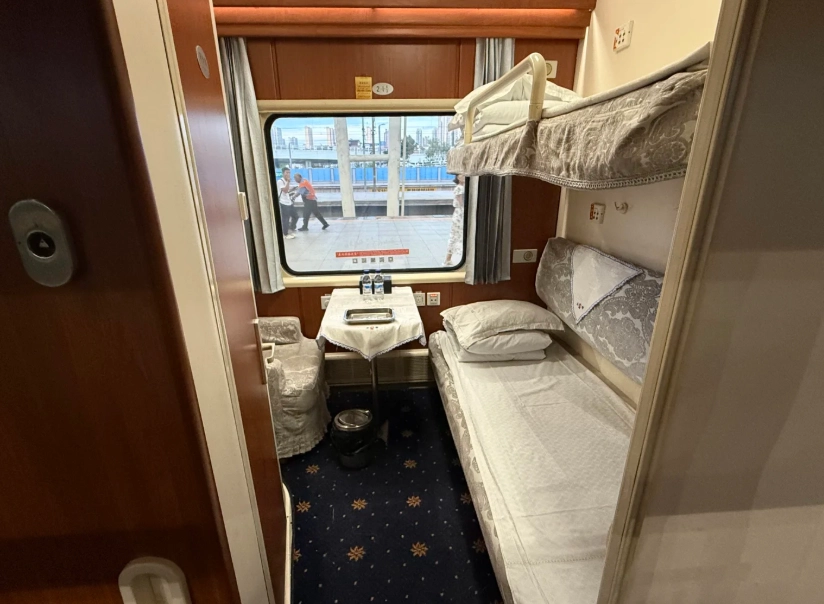
Carriage Etiquette and Surviving the Night
Don’t assume silence after 10 p.m. Chinese families often travel together, and kids get excited. The corridor can be lively until midnight. If you need absolute quiet, book a soft sleeper on a business-oriented route like Beijing–Shanghai—those carriages tend to empty out earlier.
When the train stops at a station in the middle of the night, the lights in the corridor flick on. It’s annoying as hell, but it’s a safety feature. Just pull your curtain tight. The cabin door window is small, but enough light leaks in to wake you. I’ve started carrying a small eye mask—it’s the difference between four hours and six hours of sleep.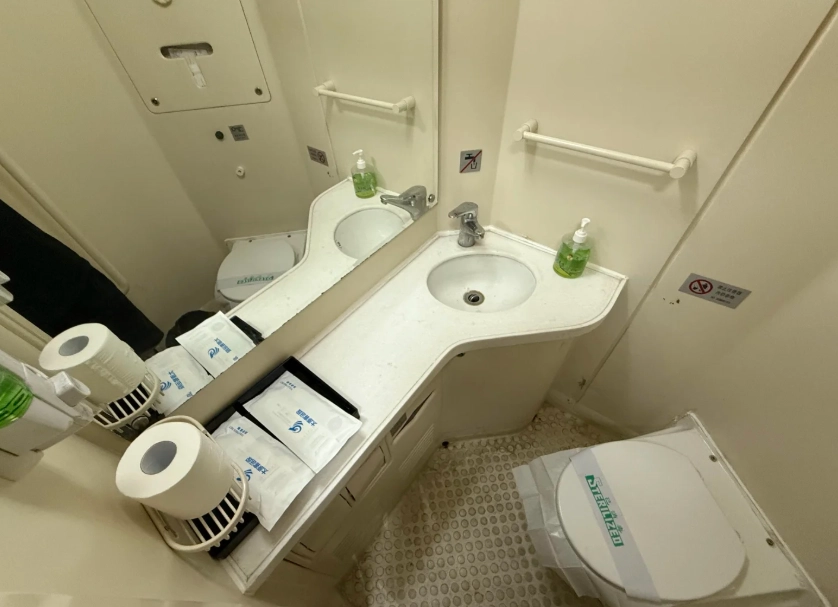
Insider Advice: The dining car opens around 6:30 a.m. for breakfast. The congee is bland but hot. The tea is actually decent. But the real move is to buy a tea egg and a steamed bun from the platform vendors at a major stop like Zhengzhou or Wuhan. They sell through the window—have 5 RMB in cash ready. It’s a ritual I never skip.
Which Routes Are Worth the Soft Sleeper?
Not all overnight trains are created equal. Some routes are scenic; others are just long. I’ve ranked a few based on what you actually get for your money.
| Route | Approx. Duration | Soft Sleeper Comfort | Best For |
|---|---|---|---|
| Beijing to Shanghai | 11–12 hours | High—newer trains, smoother track | Business travelers, light packers |
| Xi’an to Chengdu | 10–11 hours | Medium—older carriages, but scenic morning arrival | Photographers who want dawn mountain views |
| Guangzhou to Guilin | 10–11 hours | Medium—bumpy in sections | Budget travelers heading to karst country |
| Shanghai to Huangshan | 9–10 hours | High—short enough to feel easy | Hikers who want an early start |
My pick? Beijing to Shanghai if you want reliability. The track is modern, the cabins are cleaner, and the morning arrival at Shanghai Station puts you right on the metro line. Xi’an to Chengdu is more romantic—you wake up to mist over the Qinling Mountains—but the carriages are older. Expect a slightly rougher ride.
What about the famous Tibet trains? Soft sleeper on the Qinghai–Tibet line is a different beast. Oxygen is pumped into the cabin, and the scenery is otherworldly. But book at least a month ahead. Those berths vanish like concert tickets. And check visa requirements for Tibet—you’ll need a special permit. The National Immigration Administration has the latest policy details.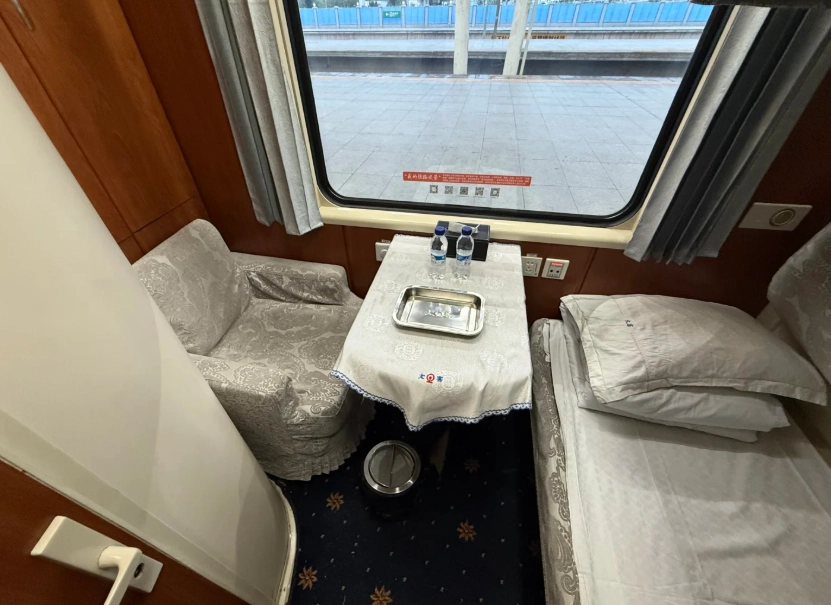
FAQ: Real Questions from the Platform
Verified and fact-checked by the editorial team.





No comments yet.