 Yan Zhou
Your Quick Pharmacy Cheat Sheet
Stomach's churning on the Bund. Head pounding in Beijing. Your first thought: where's the nearest pharmacy? In China, it's not as simple as walking into a CVS. The green cross sign is everywhere—but what happens inside is a different story. I've walked dozens of travel groups through the over-the-counter medicine maze in China pharmacies. Here's the unfiltered version.
Most foreigners assume they can just grab ibuprofen off a shelf and pay with a credit card. Wrong. You'll likely need to ask a pharmacist, navigate a language barrier, and use Alipay or WeChat Pay—no plastic accepted. The good news: common OTC meds are cheap, often under 30 RMB. The bad news: getting them without preparation can eat an hour of your trip. Let me save you that hour.
Here's the key: major pharmacy chains like Watson's (屈臣氏) or Guoda Pharmacy (国大药房) in big cities often have staff with basic English or a translation app ready. Smaller independent shops? Hit or miss. Always have your phone's translation app primed. And skip the airport pharmacies—they're overpriced and lack variety. Now let's dive into the details.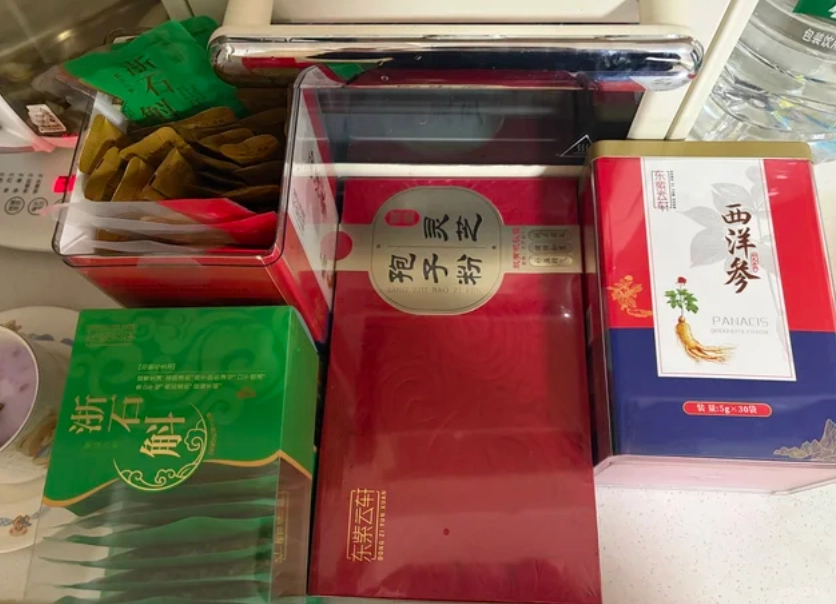
How to Find a Pharmacy That Speaks English
Not every green cross means a tourist-friendly experience. Here's my field-tested approach.
Look for chain stores near hospitals or expat areas
Pharmacies within 200 meters of a major hospital or in districts like Shanghai's Jing'an or Beijing's Sanlitun are your safest bet. They deal with international patients regularly. In Shanghai, the Guoda Pharmacy at 1788 Nanjing West Road (near Jing'an Temple) has a dedicated counter for foreign customers—I've seen staff pull out a printed English symptom checklist. In Beijing, try the Jinxiang Pharmacy at 8 Chaoyangmenwai Street, a ten-minute walk from the U.S. Embassy. They stock imported brands like Tylenol and keep a laminated card showing common medicines in English.
For other cities, use AMap Global (the English version of Gaode Maps). Search “pharmacy” and read the reviews—locals often mention if staff speaks English. Or just ask your hotel front desk to write down the name and address of a nearby pharmacy in Chinese characters. Hand that paper to a taxi driver. It's foolproof.
Pro Tip: Avoid pharmacies inside tourist markets or train stations. They charge 2–3 times the normal price and rarely have staff who can explain dosage. Walk two blocks away and you'll find a local pharmacy with the same medicine for half the cost.
What to say when you walk in
Show a photo of the medicine box or the active ingredient name on your phone. Saying “I need ibuprofen” often gets a blank stare. Instead, type “布洛芬” (bùluòfēn) into a translation app. For allergies, “氯雷他定” (lǜléitādìng) is Claritin. For diarrhea, “蒙脱石散” (méngtuōshí sǎn) is Smecta—a powder you mix with water. I always carry a screenshot of these Chinese names. It cuts the conversation down to ten seconds.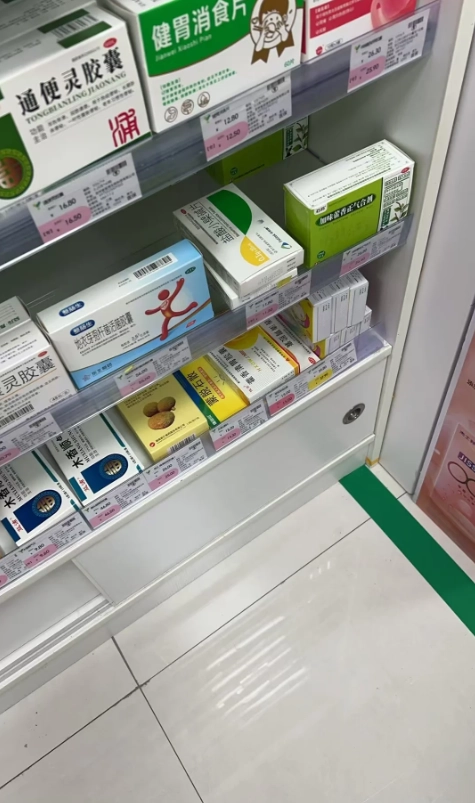
What OTC Meds Are Available (and What to Avoid)
China's OTC system is split into two categories: Class A (red label) and Class B (green label). Class B is safer for self-medication and sold in supermarkets and convenience stores. Class A requires a pharmacist's guidance. Here's a quick-reference table for common needs.
| Medicine Type | Common Chinese Brand | Approx. Price (RMB) | Notes |
|---|---|---|---|
| Pain reliever / fever | Fenbid (芬必得) | 20–30 | Ibuprofen, 300mg. Take with food. |
| Cold & flu | Ganmao Qingre Keli (感冒清热颗粒) | 15–25 | Herbal granules. Mix with hot water. |
| Diarrhea | Smecta (思密达) | 25–35 | Powder. Safe for adults and kids. |
| Allergies | Clarityne (开瑞坦) | 20–30 | Loratadine, 10mg. Non-drowsy. |
| Motion sickness | Dramamine (乘晕宁) | 10–15 | Take 30 minutes before travel. |
Skip the traditional Chinese medicine (TCM) section unless you know what you're doing. Yes, it's fascinating, but the packages list dozens of herbs and no English instructions. A friend once took a “cold remedy” that was 80% ephedra—he didn't sleep for two days. Stick to Western-style OTCs with clear dosage labels.
One more thing: antibiotics are prescription-only in China. Don't try to buy amoxicillin over the counter. The pharmacist will refuse, and rightly so. If you think you need antibiotics, visit a hospital's international clinic—they'll sort you out quickly, though expect a higher consultation fee.
How to Pay for Medicine Without a Chinese Bank Card
This is where most tourists get stuck. Chinese pharmacies rarely accept foreign credit cards. Cash works—but many shops struggle to give change for a 100 RMB note early in the morning. Your best bet: Alipay or WeChat Pay linked to your international Visa or Mastercard. Both apps now support foreign cards for most transactions. Set this up before you leave your hotel Wi-Fi. If you haven't, ask the pharmacist to scan your payment QR code—it works 90% of the time in cities like Shanghai and Shenzhen.
For smaller cities or older pharmacies, carry cash in small denominations. A 20 RMB note covers most OTC purchases. If you're really stuck, ask the pharmacist to write the total on a piece of paper and take a photo—then have a Chinese-speaking friend pay remotely via WeChat. I've done this twice for clients.
Remember: no Apple Pay, no Google Pay. And don't bother with traveler's checks—they're museum pieces here.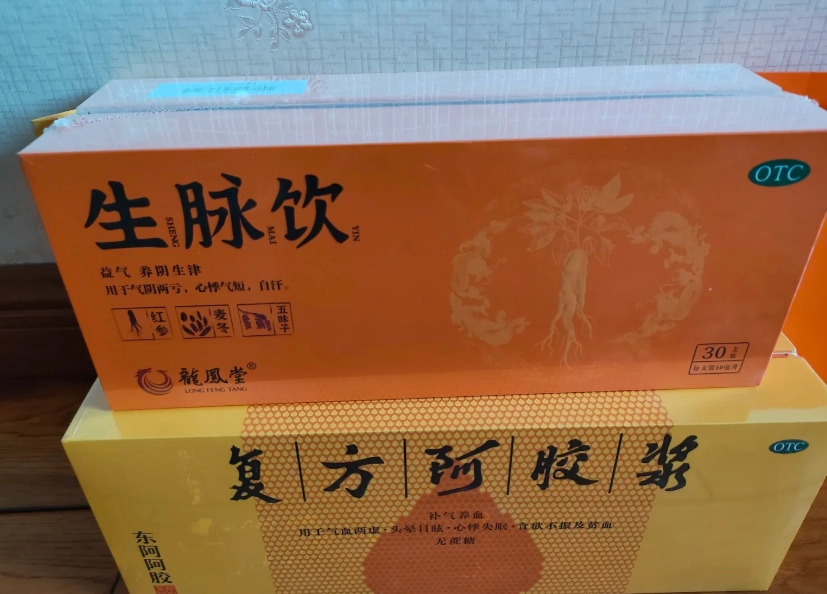
I have a headache and only have a 100 RMB note. Will the pharmacy accept it?
Likely yes, but arrive before 10 AM when cash drawers are fuller. If they hesitate, buy a bottle of water first to break the bill. That trick works almost every time.
Can I buy sleeping pills or strong painkillers like codeine over the counter?
No. Codeine and similar controlled substances require a prescription from a Chinese hospital. Even then, foreign prescriptions aren't accepted. For sleep aids, try melatonin—it's sold as a health supplement in pharmacies and supermarkets, no prescription needed.
Are Chinese OTC medicines safe? I've heard horror stories.
Stick to well-known brands from large chains and you'll be fine. The real risk is buying from street vendors or tiny shops with dusty boxes. Check the expiry date—many small pharmacies don't rotate stock. And avoid any product with a “health protection” blue hat logo if you want proven Western-style medicine; those are supplements, not drugs.
What if I need medicine after midnight?
Most pharmacies close by 10 PM. Look for 24-hour chains near major hospitals—search “24小时药店” on AMap. In Shanghai, the Huashi Pharmacy on Huaihai Road stays open all night. In Beijing, try the Jinxiang Pharmacy near Chaoyang Hospital. Call ahead—the night window might only serve prescriptions.
Verified and fact-checked by the editorial team.
No comments yet.