 Qiang Huang
What's Inside — My Quick-Pick Guide
“Mate, the clay’s still wet on the wheel.” That’s the first thing a studio owner said to me when I poked my head into a back-alley pottery workshop in Jingdezhen last spring. Two hours later I was elbow-deep in slip, and my “simple” teacup looked like a crumpled hat.
That’s Jingdezhen for you. It’s raw, messy, and completely addictive. If you’re searching for a Chinese pottery making workshop Jingdezhen, you’ve probably hit the same wall as countless travelers I guide: information is scattered across Chinese social apps and local galleries that barely answer emails.
Let me fast-forward to the useful bit. The best public workshop for a total beginner is the drop-in session at Taoxichuan (陶溪川), usually held in the afternoon, with English-speaking help. Book it directly through Trip.com or ask your hotel to phone the studio. Do not wait until the day of—weekend slots vanish. And here’s the kicker: Google Maps will send you to the wrong entrance. Use Apple Maps or Amap instead. Now, let’s break the process down.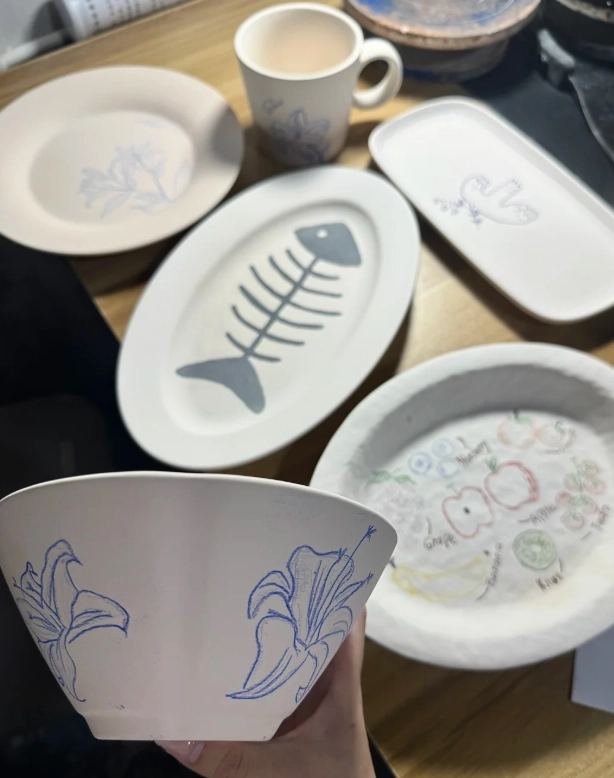
Which Jingdezhen Pottery Workshop Fits You?
There’s a huge difference between a two-hour throw-and-go session and a week-long ceramics residency. Most foreign visitors fall into three buckets. I’ve watched people book the wrong type and end up frustrated because they wanted a cute souvenir—not a lecture on glaze chemistry.
What are the main types of pottery workshops in Jingdezhen?
Jingdezhen has three broad tiers: quick group sessions, private half-day workshops, and multi-day intensive classes. The quick sessions last 1.5 to 2 hours and focus on wheel throwing or hand-building. You’ll produce one small piece that the studio fires and either ships or holds for pickup. Private half-day workshops give you one-on-one guidance and let you choose techniques like underglaze painting or wheel forming. Multi-day classes are for serious hobbyists—think 8 to 15 hours spread over several days.
I’ve seen families with kids thrive in the group sessions, while a solo traveler who wanted to make a matched tea set was happier paying for two private mornings. Do not underestimate how tiring the wheel can be. Two hours feels like a full-core workout.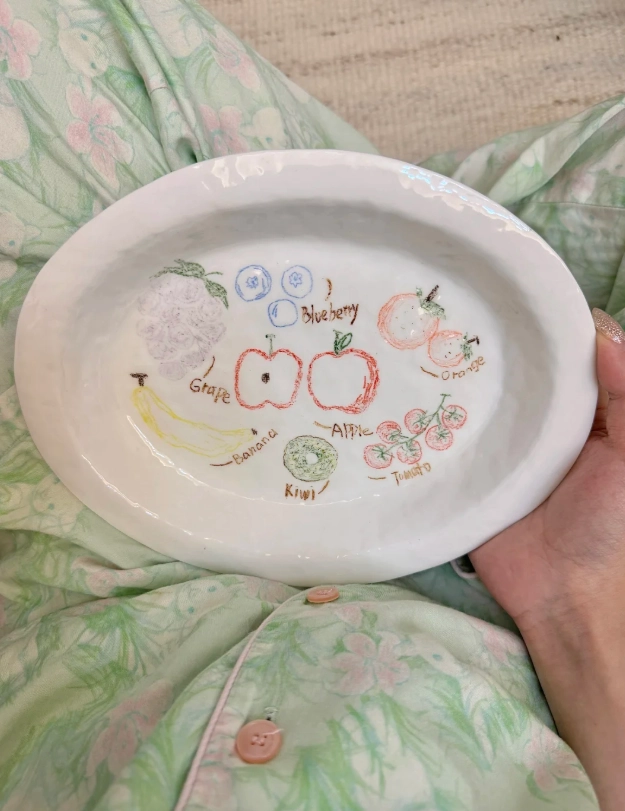
Here’s a rough comparison to help you choose:
| Workshop Type | Duration | Best For | Est. Price Range (per person) |
|---|---|---|---|
| Group taster session | 1.5–2 hrs | Beginners, families, quick souvenir | 200–400 RMB |
| Private half-day | 3–4 hrs | Hobbyists wanting focused guidance | 500–900 RMB |
| Multi-day intensive | 8–15 hrs across days | Ceramics students, serious makers | 1,500–3,500 RMB |
What is the difference between wheel-throwing and hand-building classes?
Wheel-throwing centers on the spinning potter’s wheel, while hand-building uses coils and slabs. Wheel work is harder than it looks—trust me, your first bowl will flop. But it’s the classic pottery experience most visitors want. Hand-building is more forgiving and better for younger kids or anyone with wrist issues. Some studios combine both, which I prefer because you get a feel for clay without the wheel’s steep learning curve.
One mistake I see repeatedly: travelers with long nails can’t throw on the wheel effectively. If that’s you, opt for hand-building painting instead.
How to Book a Chinese Pottery Making Workshop Without a China Phone Number
This is where most independent travelers get stuck. Many Jingdezhen studios list their workshops on Dianping or WeChat only—both require Chinese-language registration. The workaround? Use Trip.com’s “Jingdezhen pottery workshop” page. I’ve booked clients through it several times, and the confirmation comes in English with a passport-ready e-voucher.
Alternatively, send a short English message to the official Taoxichuan WeChat account and ask them to connect you with an English-speaking coordinator. Response time is usually 24–48 hours. If you’re staying at a hotel or hostel, front desk staff can often call on your behalf—this is perfectly normal and not a burden.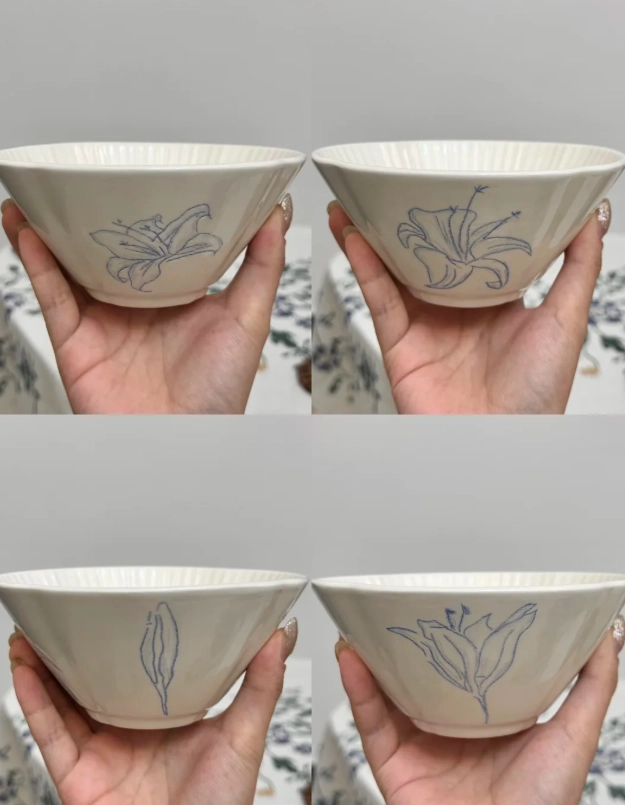
Pro Tip: Always ask whether firing and shipping are included in the quoted price. Many advertised prices cover only the session. Shaping is cheap; firing the piece can add 50–100 RMB, and international shipping is another story. I once saw a couple shocked by a 400 RMB shipping fee for two mugs. If you have luggage space, ask if you can pick up the fired piece the next day—most studios need 24 hours.
What Actually Happens in a Jingdezhen Ceramic Art Experience
A standard 90-minute wheel session starts with a demo, then you get your own wheel and about 30–40 minutes of hands-on throwing time. The instructor will rescue your piece if it collapses—that’s part of the service. At the end, you choose one piece to keep. Some studios let you paint a pre-fired blank instead, which is better if you’re short on time or want a guaranteed finished look.
Pay attention to the clay. Jingdezhen uses a local porcelain clay that is more elastic than typical red clay. It feels cool and slightly sandy, and it holds shape well—but over-wetting it turns into a slippery mess. My first instruction to every traveler: keep your hands damp, not dripping.
What about clothing? Wear something you don’t mind staining. Aprons are usually provided, but clay dust gets on your shoes and cuffs. Roll up your sleeves.
Best Jingdezhen Pottery Studios for English Speakers
Not every studio has English-speaking staff. Based on my visits, these three are reliable for international travelers. I’ve personally tested the first two; the third comes highly recommended by a local ceramicist I trust.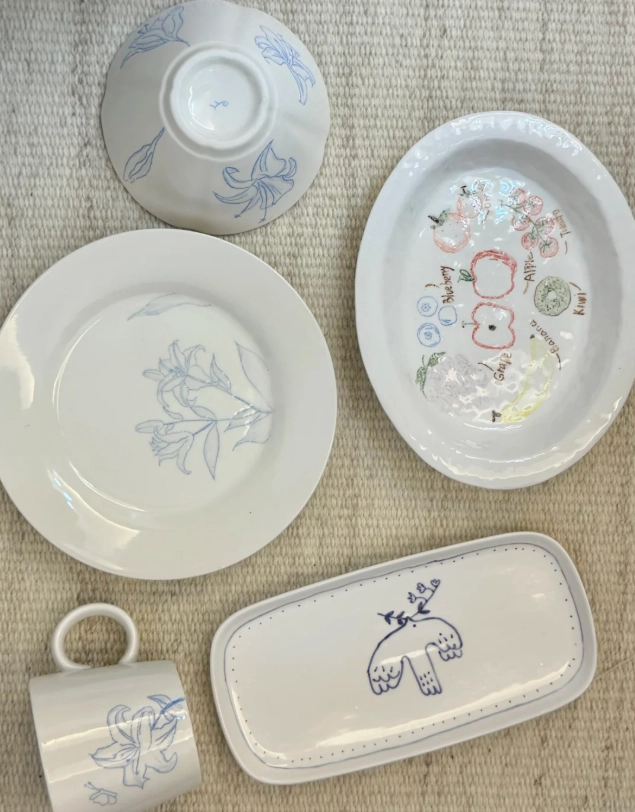
Where can I find English-friendly pottery workshops in Jingdezhen?
The Taoxichuan creative district and the Sculpture Factory area host the most English-friendly studios. Here’s a short, honest list:
- Taoxichuan Workshop Hub (陶溪川): Located inside the Taoxichuan Ceramic Art Avenue on Xinchang East Road. The public workshop area near the central plaza usually has English-speaking assistants on weekends. Address for taxi: 景德镇市珠山区新厂东路陶溪川文创街区. No advance booking required for drop-in sessions, but arrive before 2 PM to secure a wheel—after that, queues form.
- Sculpture Factory Studio (雕塑瓷厂): A cluster of independent studios near the Sculpture Factory on Xinchang East Road. Search for “老厂” area. One reliable studio is on the second floor of Building 8, but signposts are in Chinese. Ask your driver to drop you at the main gate, then look for the red brick chimney. Sessions run 200–350 RMB.
- Jingdezhen Ceramic Institute Area: A few graduate studios near the university offer private lessons, but booking is best arranged through your hotel because these are not advertised online.
Please note: I’m not listing specific phone numbers or exact room numbers because studios change quickly. Ask your accommodation to confirm the current operating hours before you go—Jingdezhen’s small studios are notorious for unannounced closures.
What to Do Near Your Workshop
Taoxichuan is a repurposed porcelain factory with cafes and galleries. After your class, walk five minutes to the main exhibition hall—the ceramic sculpture show is free and air-conditioned, a lifesaver in summer. If you need a coffee, there’s a small roastery on the west side of the plaza; I grab a flat white there every trip. It’s the only place nearby that consistently offers oat milk.
For lunch, skip the tourist-facing restaurants on the main avenue and walk ten minutes north to the narrow lanes. There’s a noodle shop with no English sign—the one with a blue plastic stool outside. A bowl of spicy beef noodles costs about 18 RMB. Point at the neighbor’s bowl if you don’t speak Chinese. This is a cash-only kind of place, so keep small bills handy.
FAQ — Pottery Workshop Jingdezhen
Do Jingdezhen pottery workshops accept international credit cards?
Most small studios do not. Your best bet is to pay through Trip.com or Klook, which accept foreign cards. If you’re paying on-site, have Alipay or WeChat Pay linked to an international card ready. Cash is also widely accepted, but bring exact change—studios rarely have change for a 500 RMB note.
How long does it take for a fired piece to be ready, and can I ship it internationally?
Firing takes at least 24 hours, sometimes 48 if the studio batches pieces. International shipping is possible but expensive—expect 200–500 RMB depending on size and destination. If you’re flying home soon, ask if they can pack it for checked luggage. The studio near Taoxichuan provides bubble wrap and a cardboard box for a small fee. Just be aware that airport security may inspect fragile items, so pack it in a way that’s easy to reopen.
Is Jingdezhen pottery clay safe for children or people with sensitive skin?
The clay itself is non-toxic and similar to natural river clay. However, prolonged contact can dry out skin. Studios usually offer hand cream and aprons. I wouldn’t recommend wheel-throwing for kids under six—they often lack the upper body strength and get frustrated. Hand-building with cookie-cutter shapes is a better fit for little ones.
Do I need to speak Chinese to enjoy a workshop?
No, but you will get more out of it if you can follow visual demonstrations. Many instructors rely on gestures and short English phrases. If you want a fully guided experience, book through an English-language platform or ask your hotel to write a note with your specific requests. Also, download a translation app like Baidu Translate or Apple Translate—useful if the instructor writes down color choices for glaze painting.
Can I bring my own tools or clay?
Bringing your own tools is usually fine, but imported clay is not necessary—Jingdezhen’s local porcelain body is part of the experience. Some studios may ask you to use their clay to ensure proper firing temperature. If you have a favorite shaping tool, pack it, but the studio’s basics are sufficient.

No comments yet.