How Many Days in Guangdong: Expert Itinerary for First-Timers
How many days in Guangdong do you really need? Discover the perfect itinerary for Guangzhou, Shenzhen, and beyond—plus insider tips to save time and money.
Read storyGuangdong Province, located in South China, is the largest provincial economy in China. It boasts a rich tapestry of travel resources, including millennia-old cultural heritage, vibrant modern metropolises, picturesque coastal islands, and a renowned culinary scene.
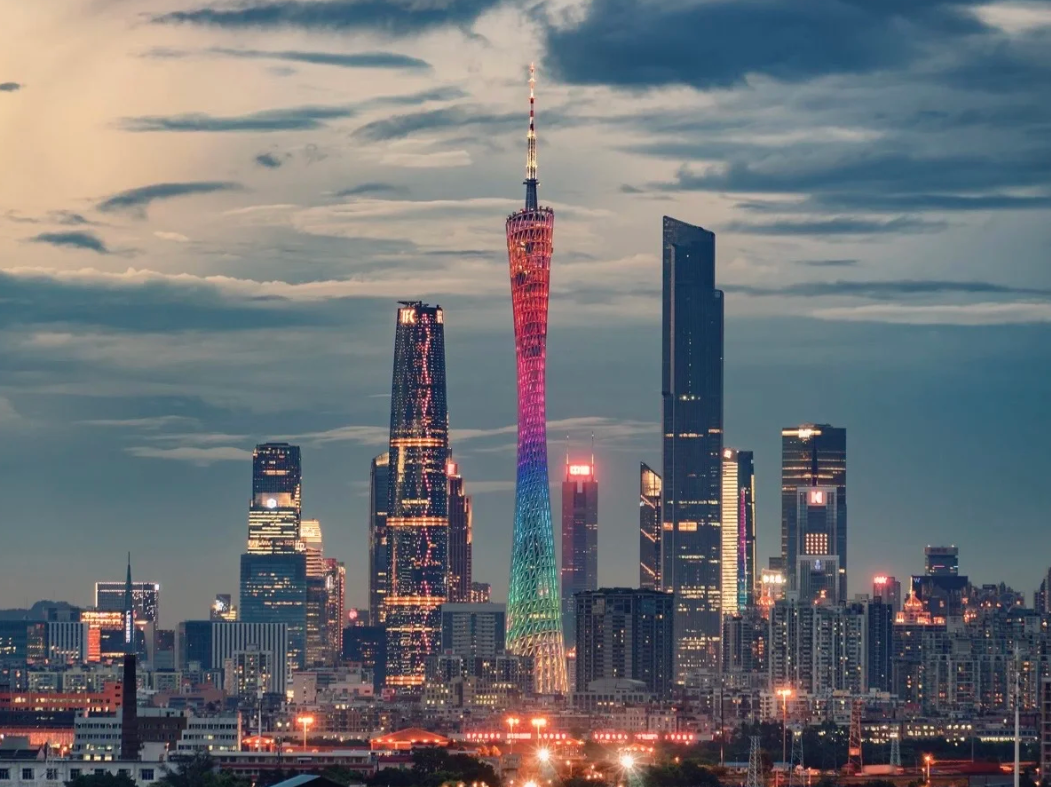
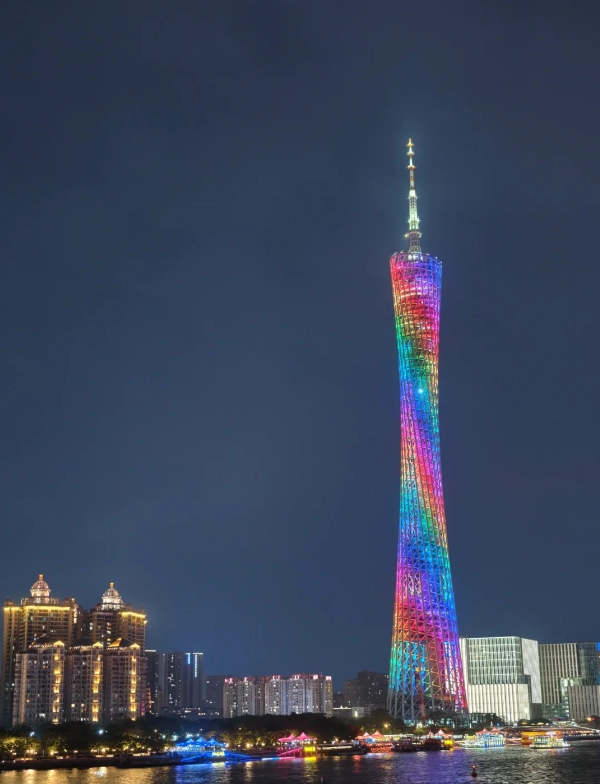 Modern Landmark
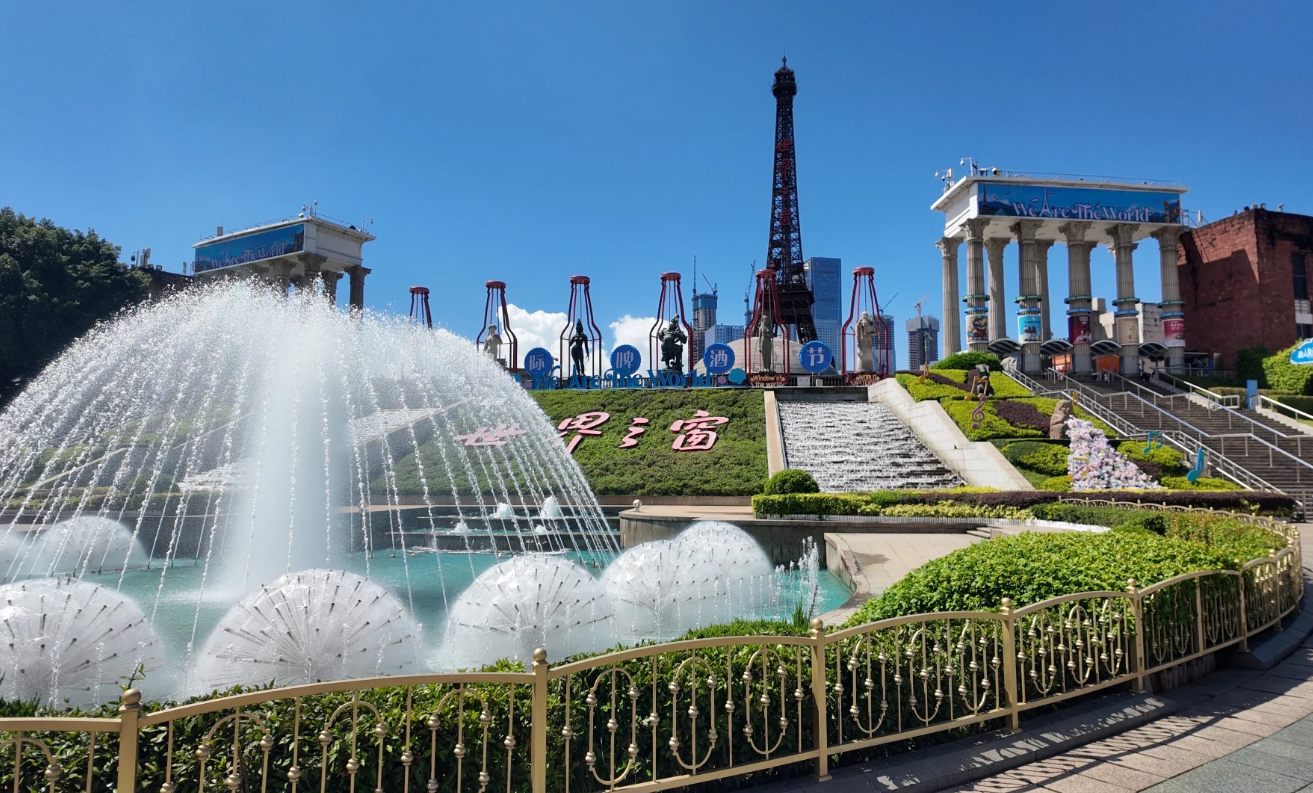
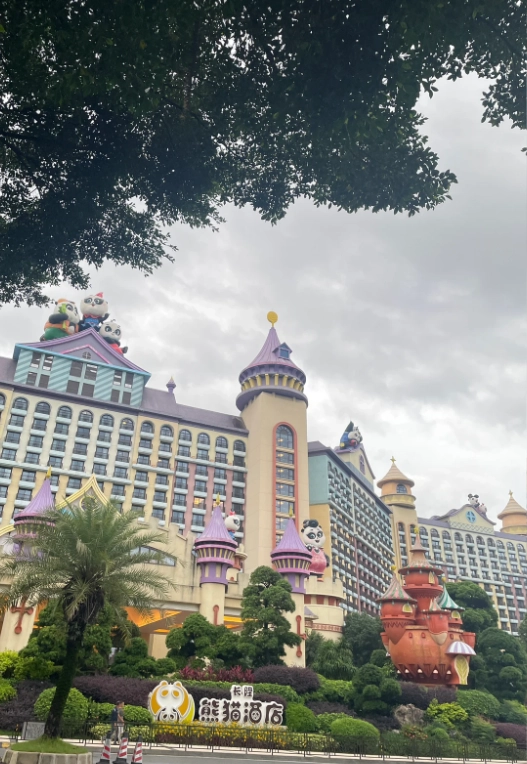 Theme Park & Resort
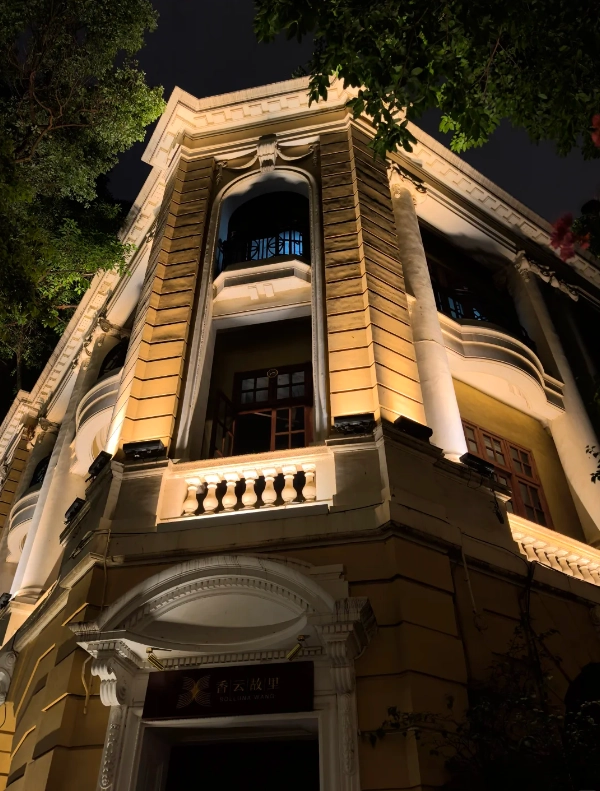 Historic European District
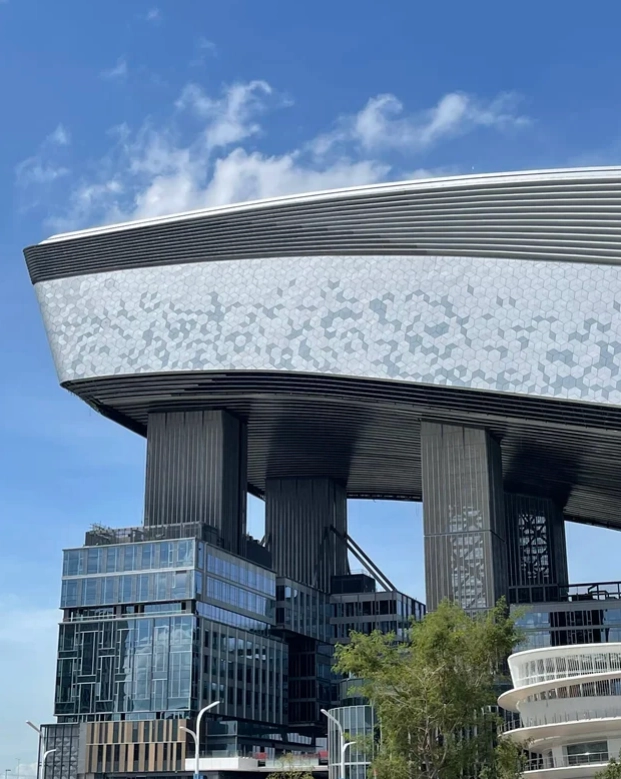 World's largest indoor ski resort
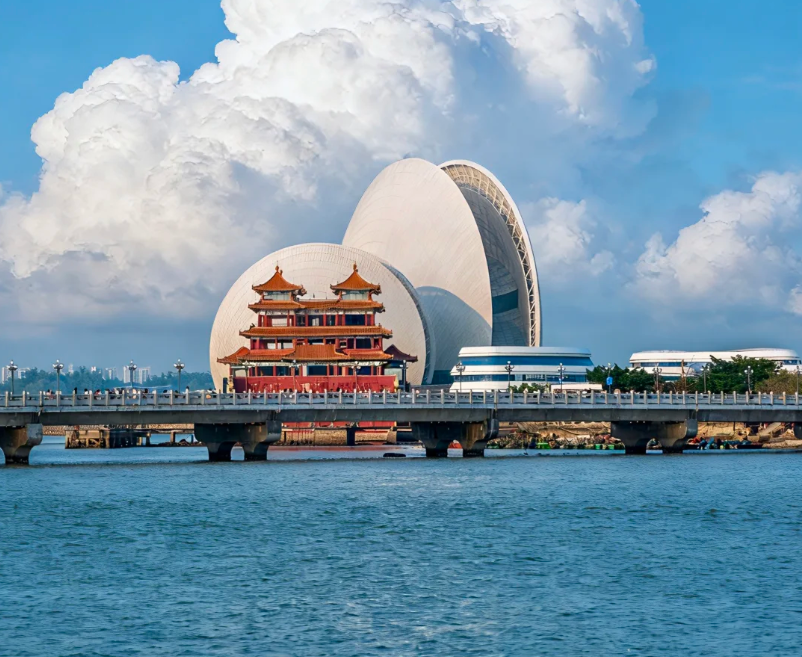
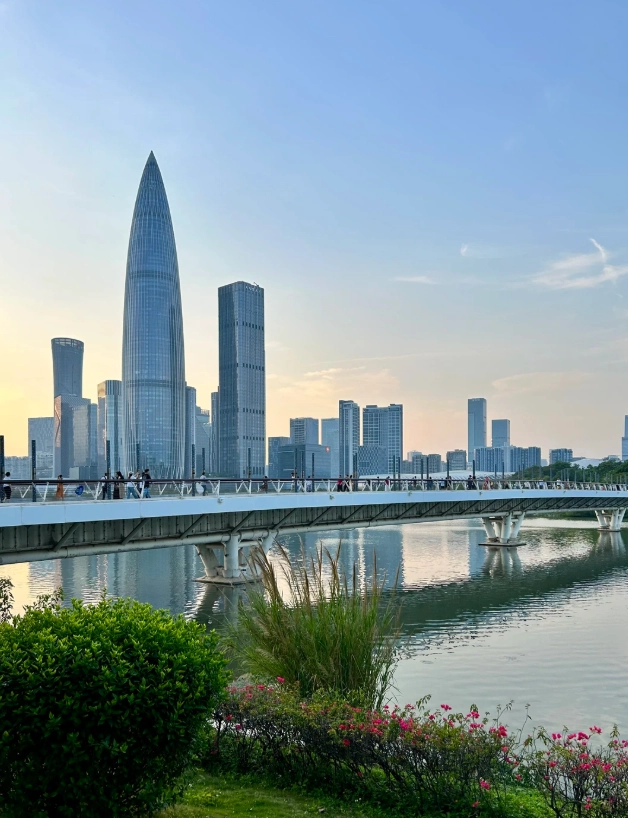 Coastal Urban Park
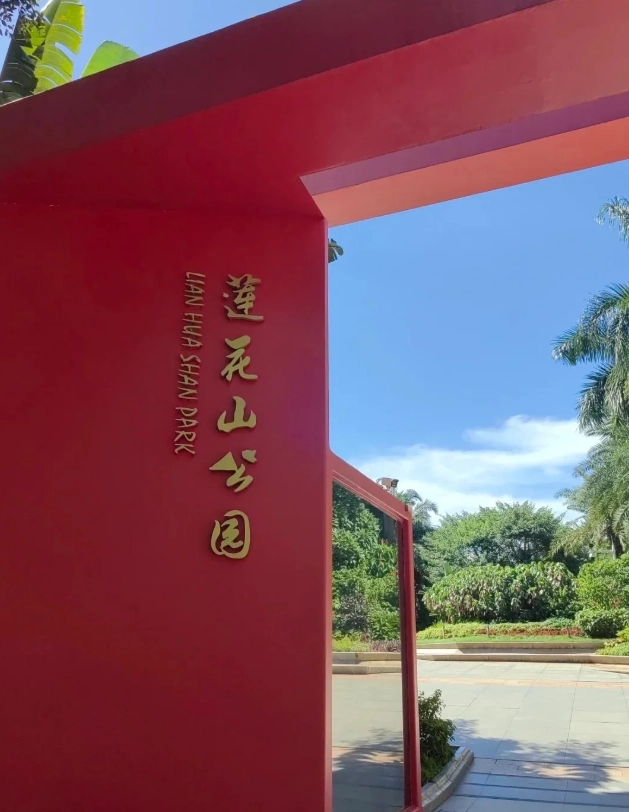 Urban Oasis & Landmark
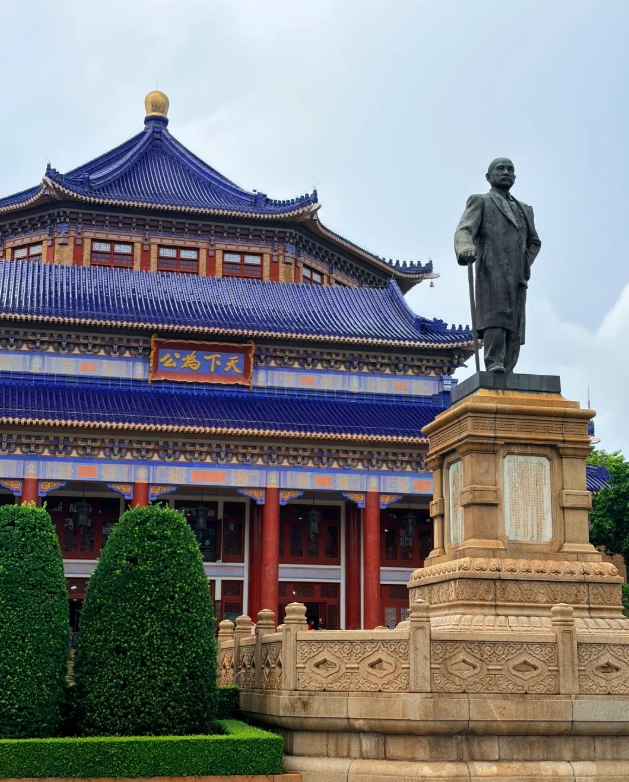
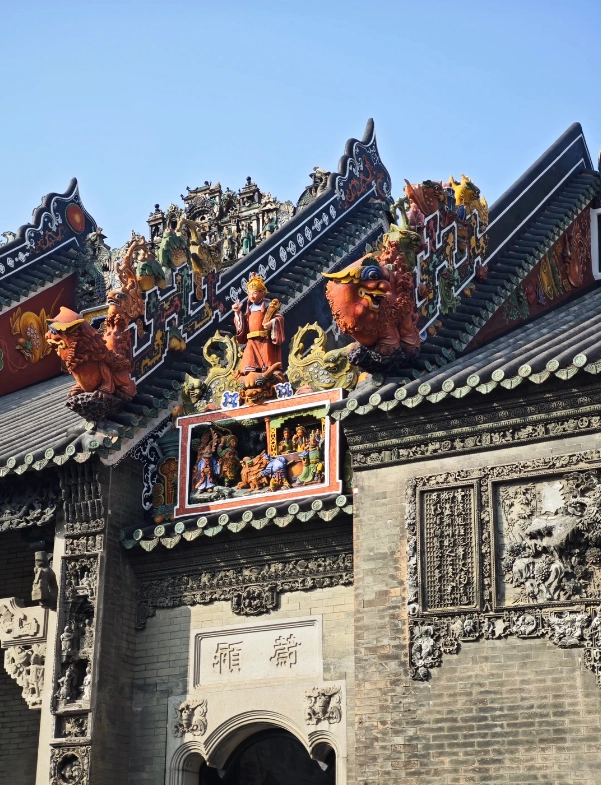 Lingnan Architectural Masterpiece
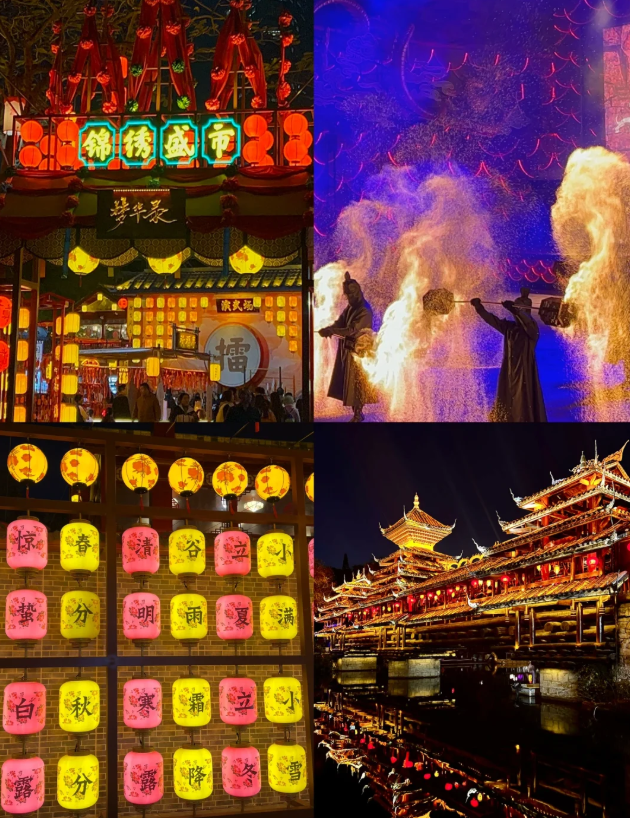 Cultural heritage park
How many days in Guangdong do you really need? Discover the perfect itinerary for Guangzhou, Shenzhen, and beyond—plus insider tips to save time and money.
Read story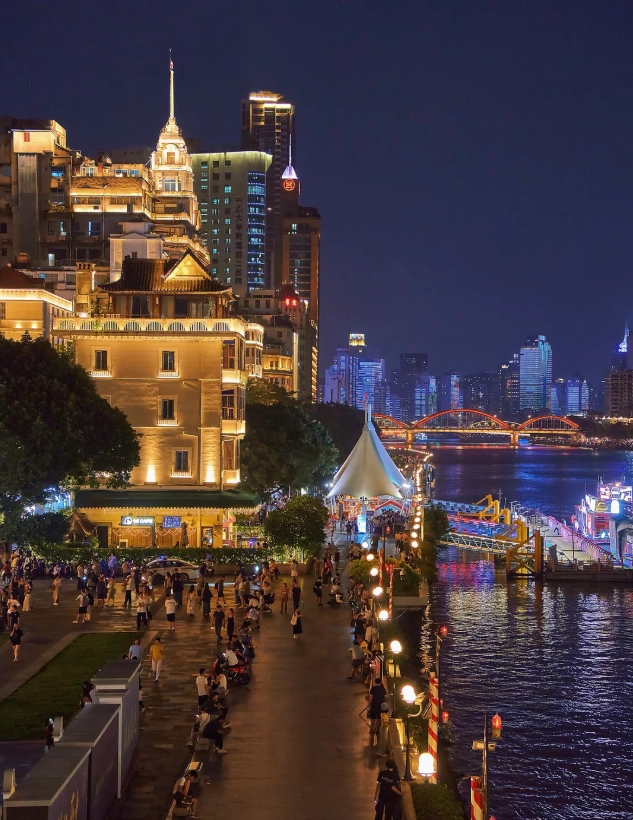
Looking for what to do in Guangdong at night? Explore the best night markets, Pearl River cruises, rooftop bars, and local food in Guangzhou and Shenzhen. Insider tips from a local guide.
Read story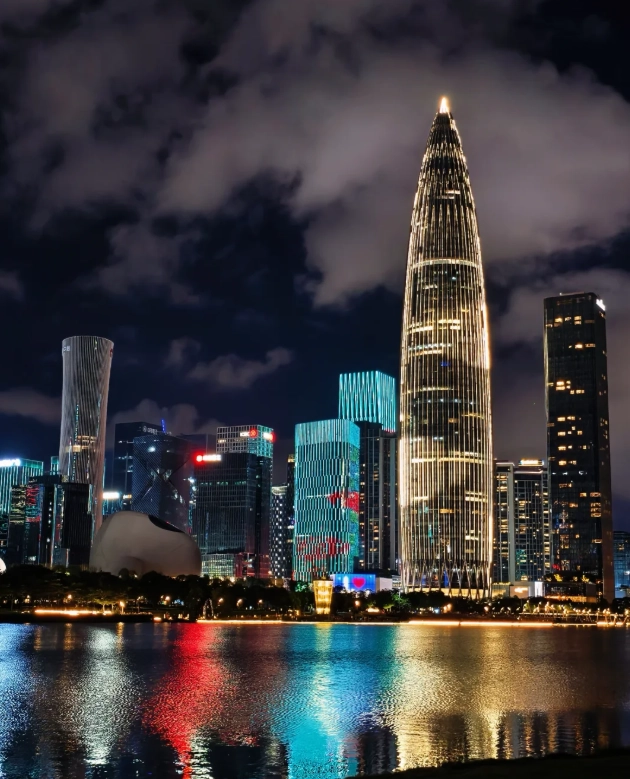
Planning a trip to Guangdong but feeling overwhelmed? I've guided travelers through Canton Tower, Kaiping Diaolou, and Chaoshan's food alleys for years. Get real ticket prices, transport hacks, and my personal favorite hidden spots—all verified and practical.
Read story
Planning a trip to Guangdong? From Canton Tower to ancient Kaiping Diaolou, our local guide shares the top things to do in Guangdong, with insider tips on tickets, transport, and avoiding crowds to make your journey smooth and memorable.
Read story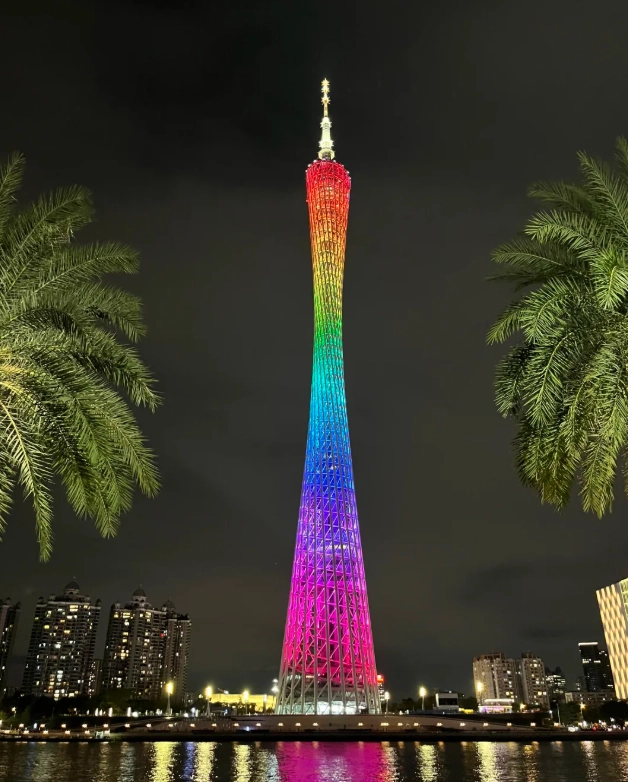
What to do in Guangdong? From dim sum mornings in Guangzhou to beach time on Hailing Island, this guide covers 11 unmissable experiences, insider tips, and travel logistics for a perfect trip.
Read story
Stuck at WeChat Pay identity verification? Here's how foreigners can breeze through the real-name check, link international cards, and avoid common errors that block your payments in China.
Read story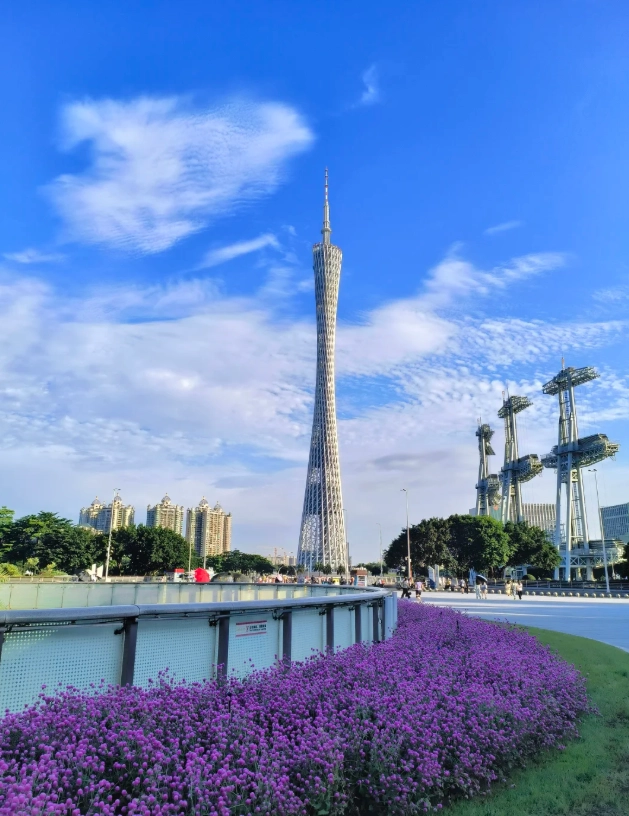
What are the real Guangzhou tourist attractions worth your time? From Canton Tower to hidden local gems, get ticket prices, opening hours, and insider tips for navigating payments and bookings as a foreign tourist.
Read story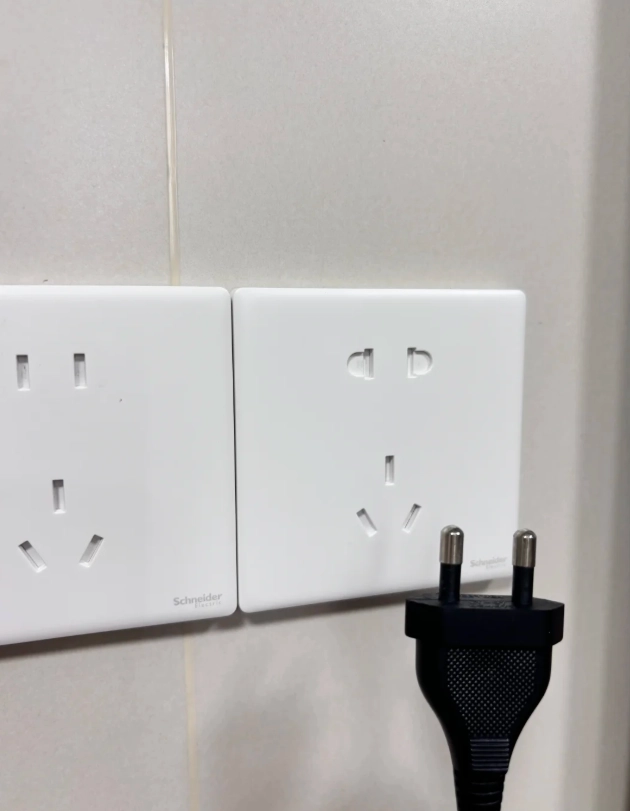
Arriving in China with a dead phone? Learn why you need a Type A/I plug adapter and how to avoid fuses blowing. Expert tips for US, UK, EU travelers.
Read story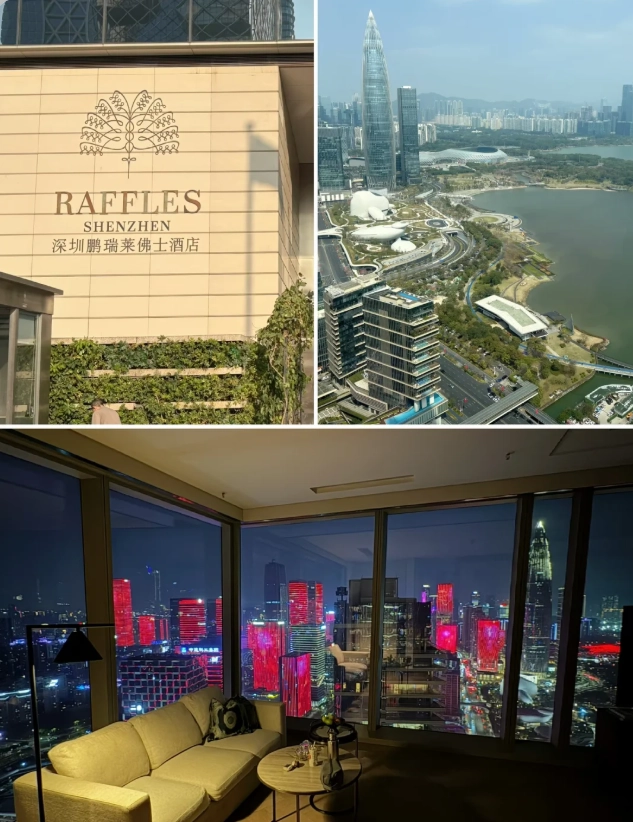
Planning a luxury stay in Shenzhen? Discover insider tips on booking five-star hotels, navigating payment methods, avoiding common scams, and choosing the best area for your trip. This guide from a local expert reveals how to get the most out of your experience in this futuristic city.
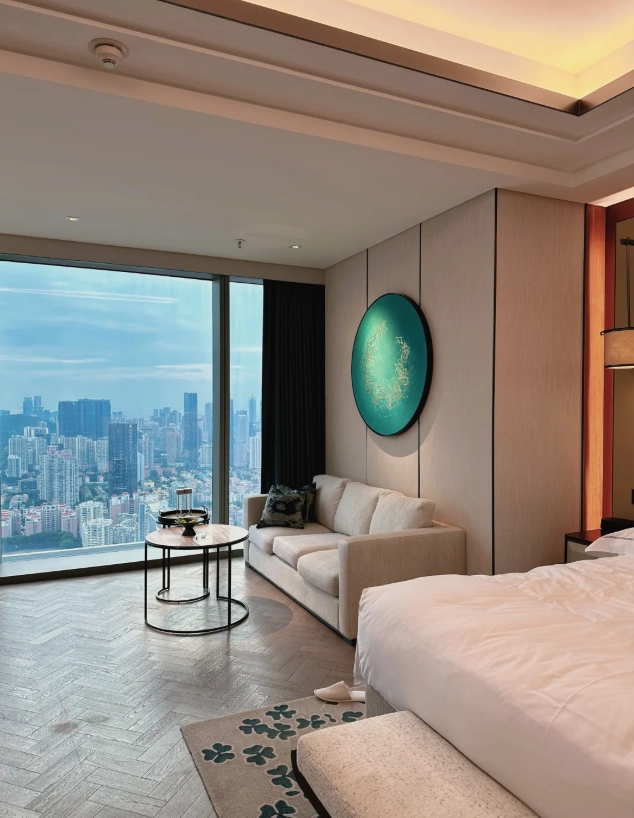
Looking for the best hotels in Shenzhen? From luxury skyscrapers to boutique gems, I'll help you find the perfect stay. Get insider tips on booking, neighborhoods, and avoiding tourist traps — all for a stress-free trip.

What is the best area to stay in Shenzhen for first-time visitors? This guide compares 5 top neighborhoods with hotel recommendations, transport tips, and insider advice to help you avoid rookie mistakes.
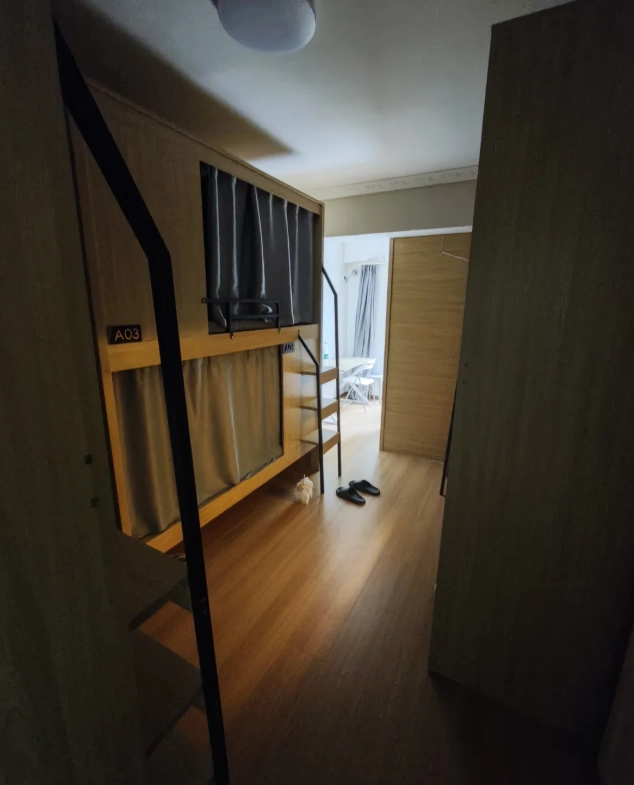
Planning a budget trip to Shenzhen and wondering where to stay? I've tested the top cheap hostels, from Loft to Aihua, with prices, booking tips, and hidden fees. Find your emergency plan for an affordable stay in China's tech hub.
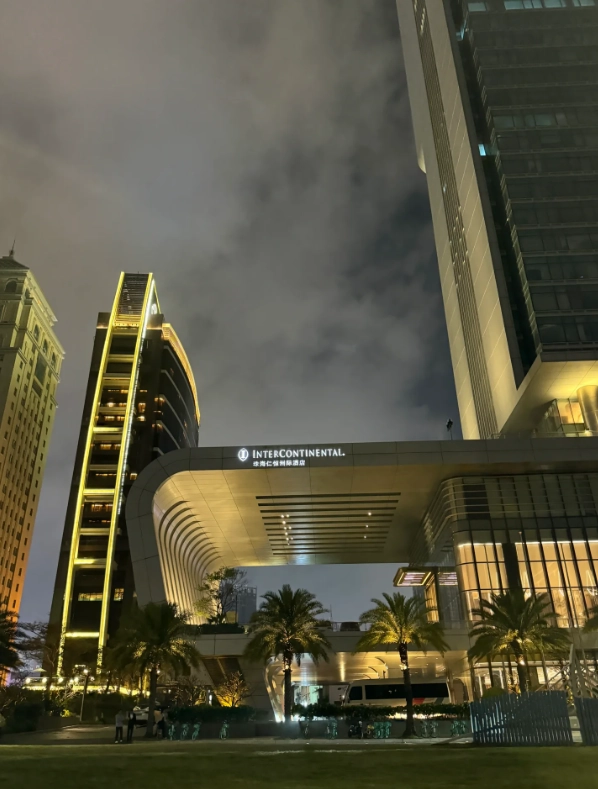
Wondering where to stay near the Hong Kong-Zhuhai-Macao Bridge? I've guided hundreds of travelers to the best areas and hotels on both sides of this engineering marvel. From budget hostels in Zhuhai to luxury stays in Hong Kong, get insider tips on accessibility, payment methods, and avoiding common pitfalls.
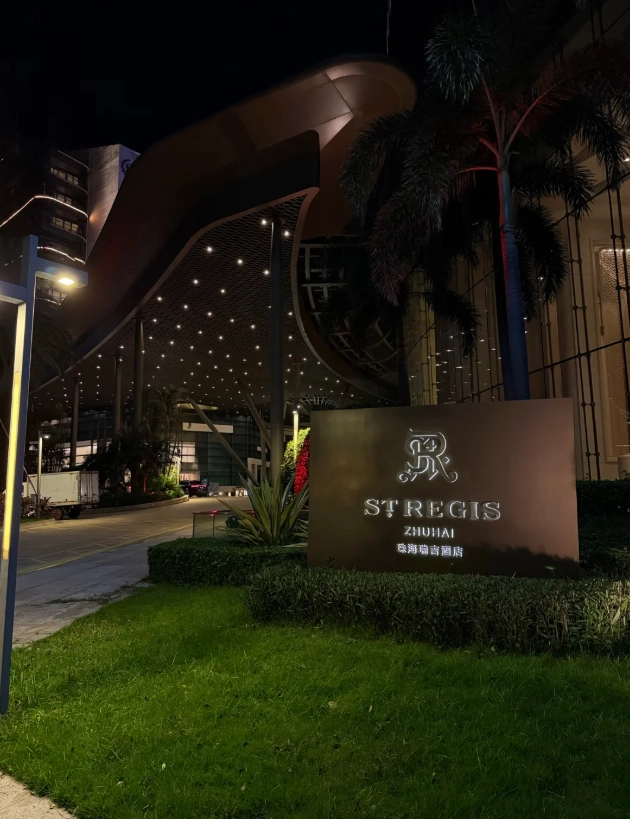
Wondering where to stay in Zhuhai? I'll break down the best areas—from Gongbei for border crossers to Hengqin for theme parks—with hotel picks, transport tips, and payment hacks to make your trip smooth.
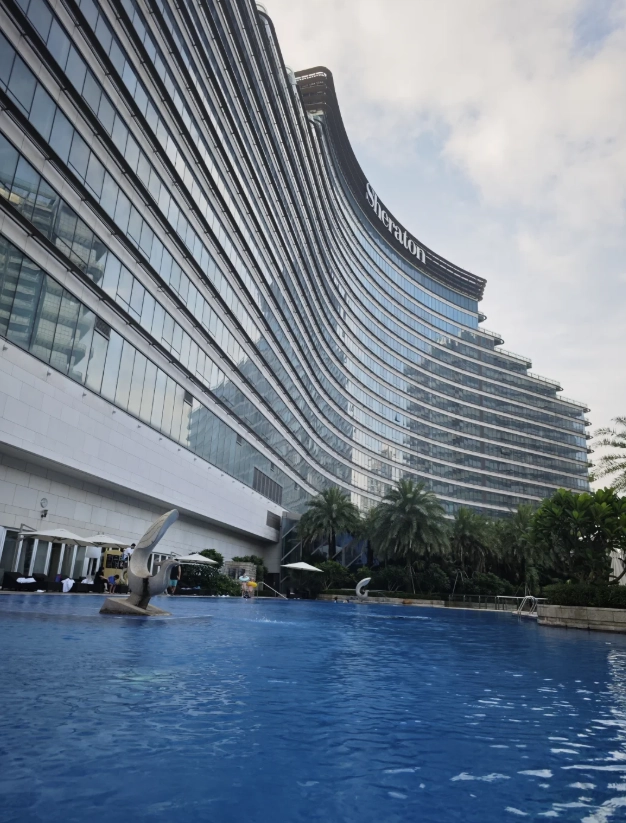
Searching for top Zhuhai luxury hotels? From beachfront resorts to city-center gems, get insider tips on price, location, booking hacks, and hidden fees. Perfect for foreign travelers.
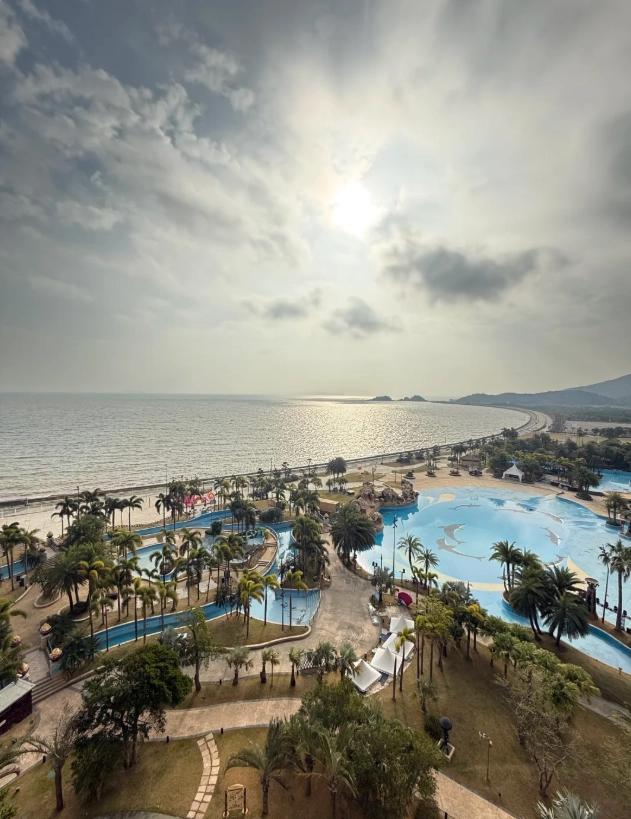
Planning a trip to Chimelong Ocean Kingdom and unsure where to stay? I've been guiding travelers there for years, and I'll break down the best hotels, areas, and hidden tips—including how to avoid the overpriced on-site hotels and find better value nearby. Plus, crucial advice on payments, navigation, and booking for foreign tourists.
Weather can change fast — pack a light layer and rain protection.
Holiday weeks sell out quickly; reserve trains/buses ahead of time.
Rural vendors may not take cards; mobile pay is common in cities.
Early mornings often have the best light and fewer crowds.
Agree on prices before tours and keep valuables secure in busy markets.
Recent Reviews
I went to Guangdong mainly to see the Kaiping Diaolou and it did not disappoint. The watchtowers and village houses standing among rice paddies felt like stepping into a different century. I rented a car from Zhuhai and drove along the coast—the scenery was calm, the seafood in Doumen was cheap and fresh. Also did a day trip to Dinghu Mountain, the waterfalls were lovely and not too crowded on a weekday. For anyone who likes history and quieter spots, this is a great side of Guangdong that’s easy to miss.
I wanted to love Guangzhou, but overall it was just okay for me. The Cantonese food is good—no complaints about the wonton noodles or roast goose. However, I found the city really crowded and the traffic made getting around slower than expected. A few heritage sites, like the Chen Clan Ancestral Hall, were beautiful but too packed. Also the skyline view was hazy on both days, so I didn’t get those nice photos. It’s a fine place, but I was a bit disappointed after hearing so many friends rave about it.
If you love real food, put Chaoshan on your list. I took a bus from Shenzhen to Shantou and then just ate my way through the old town with a local I met. Beef hotpot at a roadside place with hand-cut brisket and satay sauce was the best meal I had in China, period. Also really liked the old Qiaopi building remnants and how mellow the pace felt compared to the Pearl River Delta. Not much English spoken, but people were incredibly kind. A hidden gem in Guangdong, for sure.
Guangdong surprised me—I expected a purely businessy area, but Shenzhen had amazing tree-lined streets and the OCT Loft creative district was a fun afternoon. The metro was one of the easiest I’ve used, was just everywhere. Only drawback: the heat in August was suffocating, and some tourist spots had long lines. But the view from the Ping An Finance Centre at sunset made up for a lot. I’d still give it 4 stars—super convenient and a good mix of city life, but I liked Guangzhou’s old charm a bit more.
I spent two weeks in Guangdong mostly around Guangzhou and Foshan, and honestly it changed how I think about Chinese food. The morning dim sum at a tiny shop in Liwan District was unreal—steamed shrimp dumplings so fresh they practically glowed. Even the random congee stall at 6pm beat any I’ve had abroad. The older neighborhoods, arcade buildings, and canal walk in Shunde were beautiful. Yes, it’s chaotic, but the energy is addictive. I already want to go back just for the claypot rice.
This was my first time in Guangzhou and it ruined all other dim sum for me. Breakfast at an old teahouse was a whole ceremony: little pushcarts, steaming bamboo baskets, perfect shrimp dumplings. Then I went to Chaozhou for beef hotpot and traditional street snacks. If you love food, Guangdong is basically heaven. Come hungry and give yourself more days than you think you need.
Leave a Review