 Ling Wu
Quick Navigation — Your Morning Cheat Sheet
Two hours. That's how long I once queued at a famous Guangzhou tea house on a Sunday—and I was alone. The wait almost broke me. Now I know better. Here's the thing: a proper Guangzhou dim sum breakfast guide isn't about listing dishes. It's about cracking the local code. Most visitors walk into a noisy hall, panic at the Cantonese menu, and end up overpaying for lukewarm har gow. I've been guiding foreigners here for years, and the biggest pain point isn't the food—it's the ordering process and understanding the rhythm of yum cha. Foreign cards often fail. Google Maps mislabels tea house entrances. And yes, the famous spots have two-hour waits unless you know the off-peak window. The ultimate takeaway? Arrive before 8:30 AM or after 11 AM to avoid the crush—and always carry cash as backup. Let's dig in.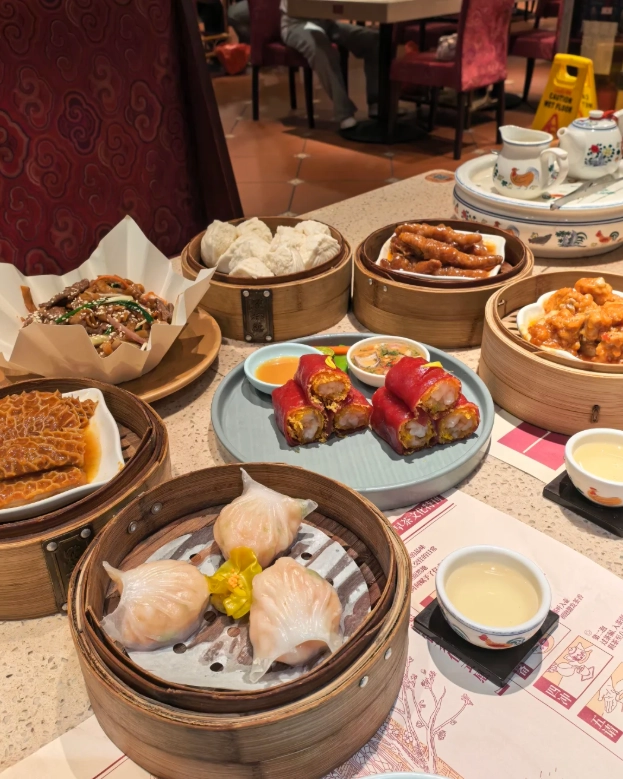
What Is a Guangzhou Dim Sum Breakfast, Really?
It's not just breakfast. It's a social ritual that stretches from 7 AM to late morning. Locals gather for tea, bite-sized snacks, and conversation. The term yum cha means “drink tea,” but the food—dumplings, buns, rolls—is the real star. For foreigners, the key is understanding that dim sum is ordered à la carte, not a buffet. You tick items on a paper menu, and servers bring them as they're ready. Don't expect a neat three-course flow. Dishes arrive in waves. I've seen tourists wait for a “main course” that never comes.
Here's my non-consensus advice: skip the famous chains like Dian Dou De if you value sanity. They're fine, but the experience feels like a factory. Instead, look for neighborhood tea houses with white tablecloths and families reading newspapers. That's where the real flavor lives.
How Do You Order Dim Sum Without Speaking Cantonese?
First, grab the paper menu and a pencil. Most places have English translations, but they're cryptic. “Crystal skin shrimp dumpling” is har gow. “Steamed pork ribs” are worth it. Point at pictures if unsure. I always write down numbers—it avoids mispronunciation. The waitstaff appreciate the effort.
Now, the tea. You'll be asked “What tea?” Say “bo lei” (Pu'er) or “heung pin” (jasmine). A pot costs a few yuan. Here's a pro move: when your teapot runs low, leave the lid tilted open. That signals a server to refill—no shouting needed. I learned this after awkwardly waving for ten minutes.
Pro tip: Use a translation app with camera mode. Apple Translate handles printed menus better than Google's. And never assume the menu is complete. Some items—like the legendary char siu bao—sell out by 9 AM. Ask “What's fresh?” with a smile and a gesture.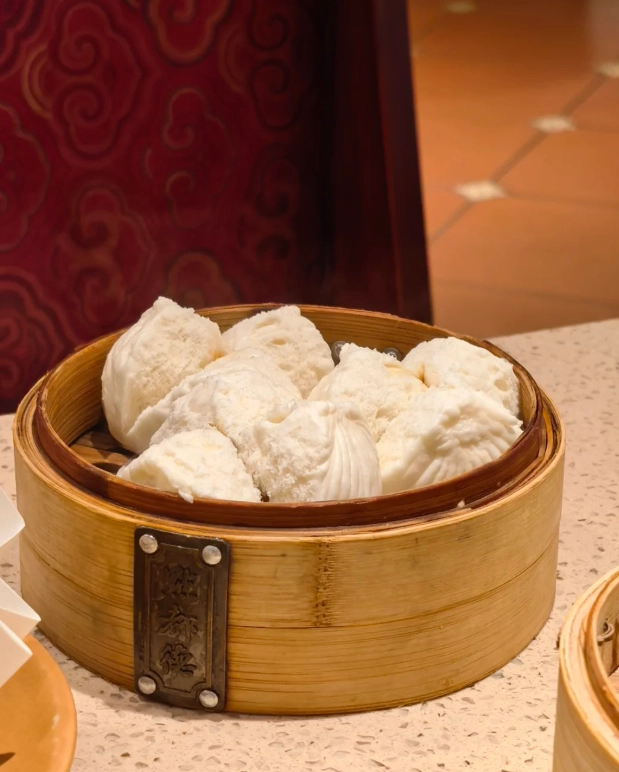
Top 3 Tea Houses I Tested (And One I'd Skip)
1. Diandude (Multiple Locations) – Reliable but Crowded
Skip if you hate queues. The food is consistent, English menus exist, and they accept Alipay. But at 9 AM on a weekend, you'll wait 45+ minutes. Address: 138 Tiyu East Road, Tianhe District. Go at 10:30 AM to dodge the rush. Their shrimp dumplings are plump—I order two baskets.
2. Guangzhou Restaurant (Wenchang Road) – Classic, Slightly Faded
A safe bet for first-timers. Old-world charm, full English menu, and they take international credit cards. But service can be glacial. I once waited 20 minutes for a refill. Address: 2 Wenchang South Road, Liwan District. Open 7 AM–10 PM. Their egg tarts are flaky—worth the patience.
3. Panxi Restaurant (Liwan Lake) – My Hidden Gem
This is where I take friends. Nestled inside a garden, it feels like a different city. The xia jiao (shrimp dumpling) and feng zhao (chicken feet) are spot on. Address: 151 Longjin West Road, Liwan District. No English sign—look for the red lanterns. Open 6:30 AM–2 PM. Cash only. I always order the water chestnut cake—crisp, sweet, perfect with tea. Beware the slippery wooden stairs after rain.
4. The One I'd Skip: Tao Tao Ju (Beijing Road)
Overhyped and overpriced. Yes, it's historic. But the dim sum feels mass-produced. Street-facing windows look onto a tourist-trap alley. Service is rushed. I paid 80 RMB for average siu mai. Skip it—head to Panxi instead.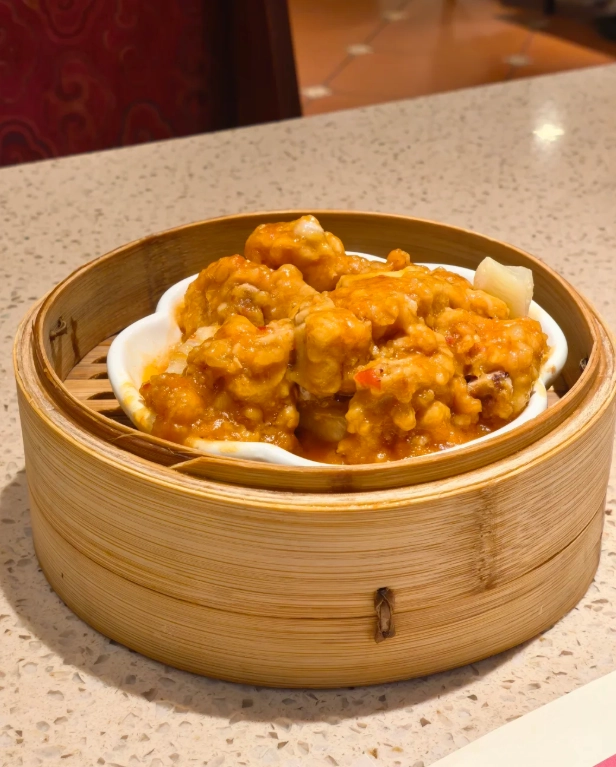
| Tea House | Address | Price Range (per person) | Best For | Payment |
|---|---|---|---|---|
| Diandude | Tianhe District | 50–80 RMB | First-timers, English menu | Alipay, WeChat, cash |
| Guangzhou Restaurant | Liwan District | 60–100 RMB | Classic atmosphere | Credit cards, Alipay |
| Panxi Restaurant | Liwan District | 40–70 RMB | Local vibe, garden setting | Cash only |
Timing, Payment, and Cart Etiquette
Arrive by 8:30 AM for a table. After 10 AM, the crowds swell. I learned this the hard way—once waited an hour at 9:45 AM. Late morning is quieter, but some items sell out. The sweet spot? 7:30–8:15 AM. You'll see locals practicing tai chi outside, then filing in for tea.
Payment is a trap. Most tea houses no longer accept cash. They want WeChat Pay or Alipay. Link your international card beforehand. If that fails, ask a staff member to help—sometimes they'll accept cash if you look desperate. But don't rely on it. I carry a backup physical card just in case.
Cart etiquette: when the dim sum cart passes, you can point or ask for a peek. Don't grab. The server will serve you. They'll stamp your order card—keep it on the table. And if you want more tea, tilt the lid. It's subtle but effective.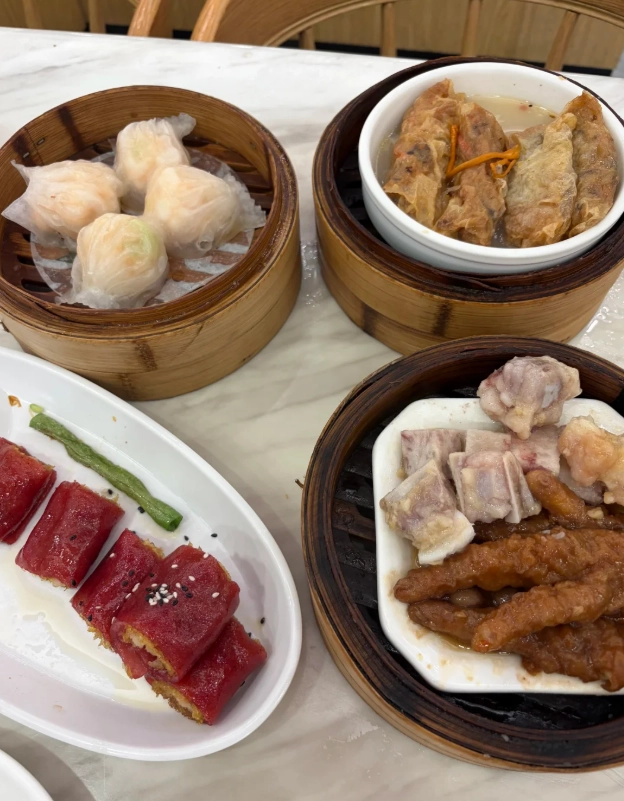
FAQ: Real Answers from the Floor
Verified and fact-checked by the editorial team. This content has been fact-checked to ensure informational precision.


No comments yet.