 Chen Liu
What's Inside This Lighting Guide
Ever dragged your suitcase down a pitch-black cobbled alley because the map app said "5 minutes"? I have. Fenghuang's night lighting isn't just a switch-flip at sunset—it's a staggered show that rewards those who know the schedule.
Most travelers book a hotel, arrive at 6 PM, and wonder why the view looks flat. That's because they missed the golden window. This is where a proper fenghuang ancient town night lighting guide saves you from disappointment. You see, the iconic riverside lights flick on in phases, and the best reflections happen when the sky still holds a bit of blue.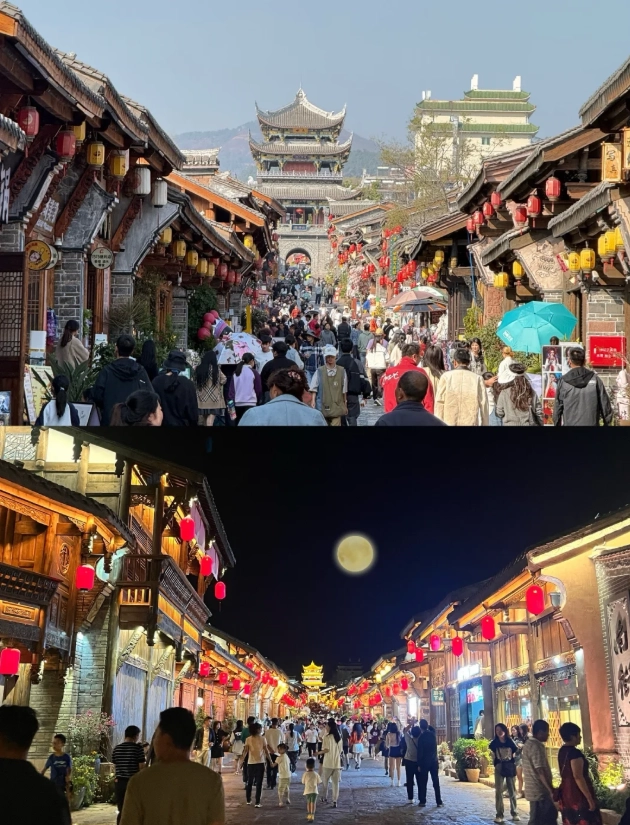
My conclusion after a decade of guiding here: skip the 7:30 PM rush on the main bridge. Instead, position yourself at the upper reaches of the Tuo River by 6:45 PM. The lights come on, the sky turns deep indigo, and you get the shot everyone else misses. Let me show you exactly how to do it.
When Do the Lights Turn On?
The official lighting schedule varies by season, but here's what I've observed over years. Spring and autumn (March-May, September-November): lights typically start at 6:30 PM and reach full brilliance by 7:00 PM. Summer (June-August): they kick in around 7:15 PM, with full effect at 7:45 PM. Winter (December-February): expect the first glow at 5:45 PM and complete illumination by 6:15 PM.
These times shift by 15-20 minutes depending on cloud cover and special events. I always tell my clients to check with their hotel front desk on the day of arrival—they receive updates from the scenic area management. There's no official English-language website for this, so a quick chat with your host is the most reliable method.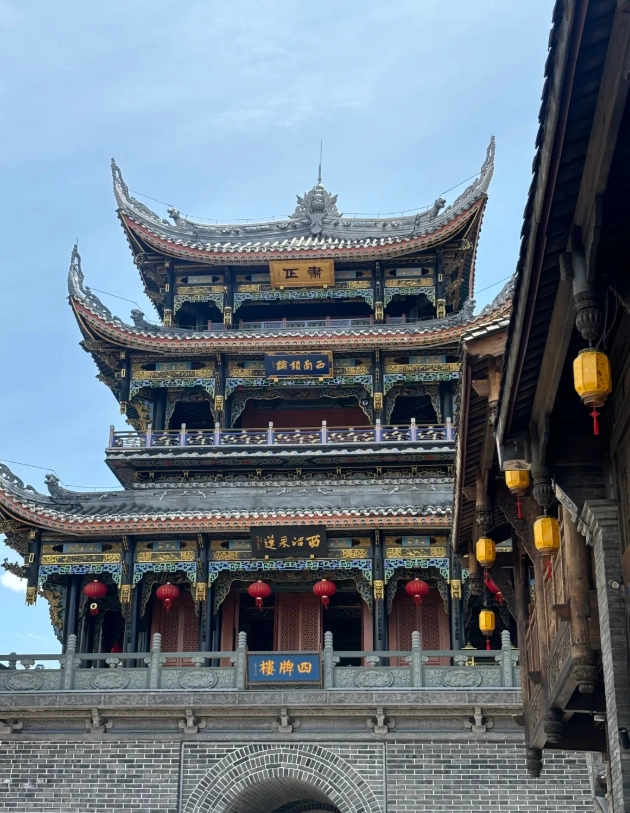
Pro Tip: The lights don't all come on at once. The iconic Hong Bridge lights up first, followed by the riverside stilt houses, and finally the distant pagodas. Use this 10-15 minute stagger to move between spots without missing anything.
Best Spots to See the Lighting
Not all viewpoints are equal. Here's my honest breakdown—including a spot I used to love but now avoid.
1. The Upper Tuo River Bend (My Top Pick)
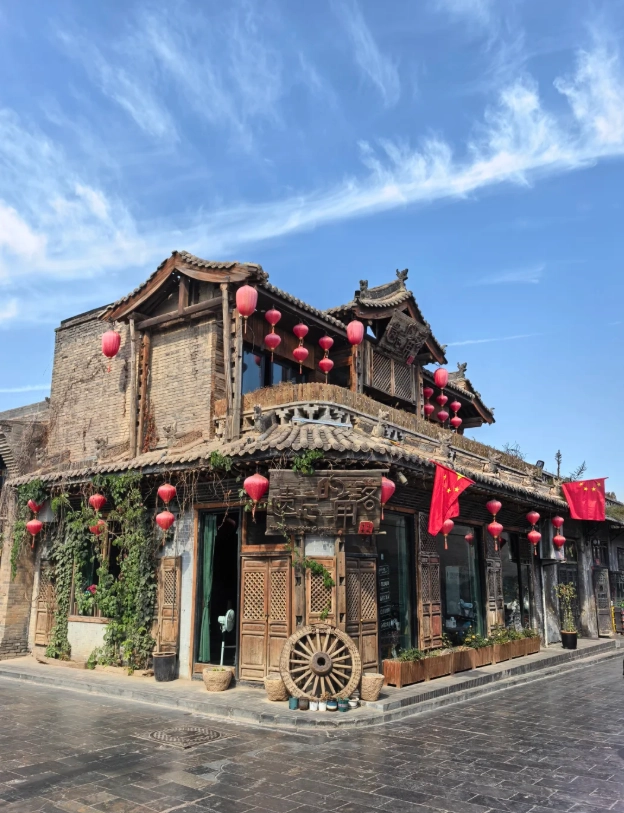
Walk past the main tourist bridge toward the upstream direction—specifically the section near the Wind Bridge (Feng Qiao). Most people crowd the central bridges, but here you get a clear, unobstructed view of the stilt houses lit up against the water. The reflection is stunning because the river widens here, giving you a mirror-like surface.
Address: Along Tuo River, north of the main scenic area. From the North Gate, walk east for about 8 minutes. You'll pass a small row of coffee shops; keep going until you see a wooden viewing platform. Arrive by 6:30 PM to claim a spot on the railing. Bring mosquito repellent in summer—the riverside mosquitoes are relentless.
2. Hong Bridge (Hong Qiao) – The Classic but Crowded
The view from the bridge itself is postcard-perfect, but the experience can be frustrating. From 7:00 PM onward, the bridge becomes a bottleneck. I've seen tour groups with megaphones push through, making photos nearly impossible. If you insist on this spot, go at 6:45 PM sharp and claim a corner spot on the upper level. The lower level is for pedestrians only—don't bother.
Ticket: Entering the bridge's upper tower requires a combined scenic area ticket (¥148 adult, free for children under 1.2m and seniors over 65). You can book via Trip.com or at the gate with your passport. The ticket is valid for multiple entries over 2 days, so keep it safe.
3. The Riverside Boardwalk near the East Gate
This is my secret for avoiding crowds—most tourists never walk this far east. The boardwalk runs along the river for about 500 meters, with light rain covers and benches. The lighting here is softer, more golden, and you can actually hear the water. Perfect for couples or anyone who wants a peaceful evening walk.
How to get there: From the East Gate (Dong Men), turn left and follow the stone steps down to the river. Walk upstream for 3 minutes. There's a small pavilion halfway—great for resting if your feet are tired.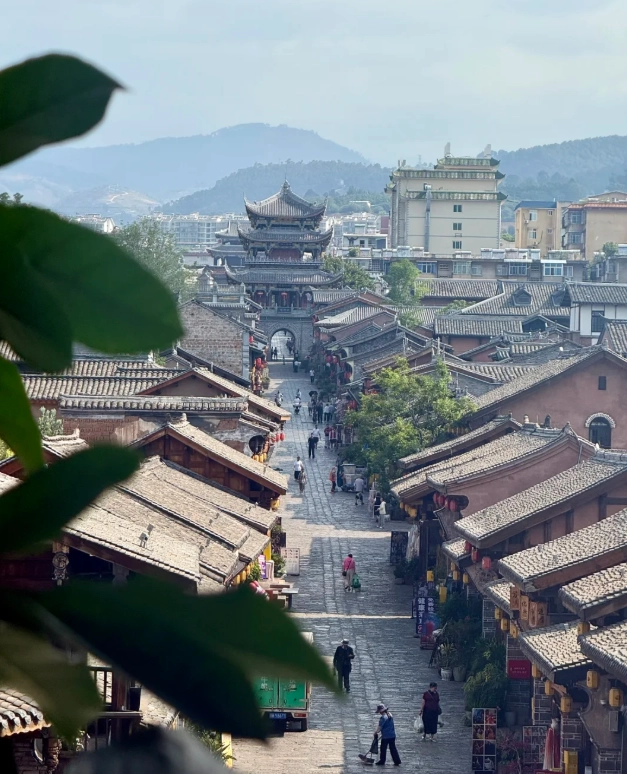
4. The Rooftop of a Riverside Cafe (Paid but Worth It)
Several cafes along the river offer rooftop seating with a direct view of the lit-up old town. One reliable option is the "Tuo River View Cafe" (address: 12 Huilong Ge, near the North Gate). They charge a minimum spend of ¥50 per person, which gets you a drink and a guaranteed seat. Their hot ginger tea is my go-to in winter. Open until 11 PM. English menu available—just ask.
This is a great backup plan if it rains, since the rooftops have retractable awnings. The staff speak basic English, and they accept Alipay and WeChat Pay. Cash is accepted but they prefer digital payment.
My Recommended Walking Route
Here's a timeline that works for most travelers, assuming you want to see the lights without exhausting yourself. Start at 6:15 PM from the North Gate.
- 6:15 PM – 6:35 PM: Walk from North Gate to the Upper Tuo River Bend. Takes 10-12 minutes on flat cobblestones. Stop at the small bridge for an initial photo—the lights haven't fully come on, but the sky is still bright enough to see details.
- 6:35 PM – 7:00 PM: Claim your spot at the viewing platform. Watch the staggered lighting sequence. This is your best window for wide-angle shots.
- 7:00 PM – 7:20 PM: Walk toward Hong Bridge. Takes about 8 minutes, but you'll pass through the busiest section. Keep your wallet in your front pocket—I've had clients get pickpocketed here during peak hours.
- 7:20 PM – 7:45 PM: Cross Hong Bridge to the east side. Don't go up the tower; instead, walk down to the riverside boardwalk on the other side. This is a 5-minute walk.
- 7:45 PM – 8:15 PM: Stroll the eastern boardwalk and end at a riverside cafe for a drink. Perfect if you need a bathroom break—public toilets are sparse and often lack toilet paper. Carry tissues.
Total walking distance: about 2.5 km. Mostly flat, but there are a few stone steps near the bridges. Not ideal for wheelchairs—the old town's historic layout has narrow, uneven paths. If mobility is a concern, stick to the upper bend and the cafe rooftops.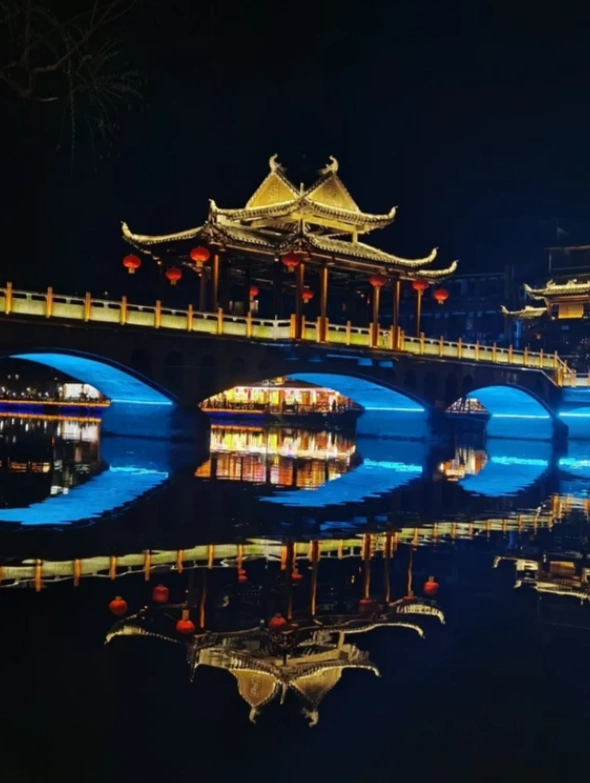
Practical Tips for the Night Lighting Experience
Payment here can be tricky. Most small vendors and cafes only accept Alipay or WeChat Pay, linked to a Chinese bank account or international card. Cash is accepted at larger establishments but not always at ticket counters. I've seen tourists stuck at the bridge ticket office with a Visa card—the machine only reads Chinese bank cards. Book through Trip.com in advance if you want to skip the headache.
Navigation: Google Maps is useless inside the scenic area. The alleys are too narrow and the map doesn't update. Use Apple Maps or download Amap (高德地图) with the English interface. Better yet, ask your hotel for a paper map—they usually have free ones at reception.
Language: Signage is bilingual, but staff at smaller cafes often don't speak English. Have your hotel write down your destination in Chinese to show to taxi drivers. Trust me, it saves a lot of confusion.
Local Answers to Your Night Lighting Questions
Verified and fact-checked by the editorial team. This content has been fact-checked to ensure informational precision.
No comments yet.