How Many Days in Guangdong: Expert Itinerary for First-Timers
How many days in Guangdong do you really need? Discover the perfect itinerary for Guangzhou, Shenzhen, and beyond—plus insider tips to save time and money.
A first-tier city in China and a technological innovation hub, adjacent to Hong Kong. Shenzhen is not only an international metropolis but also a city of ecological civilization, with a perfect blend of urban landscapes, coastal resources, and theme parks.
A UNESCO Creative Cities Network City of Design, home to numerous innovative design firms and cultural districts.
Boasts over 1,200 parks, known as the 'City of a Thousand Parks'.
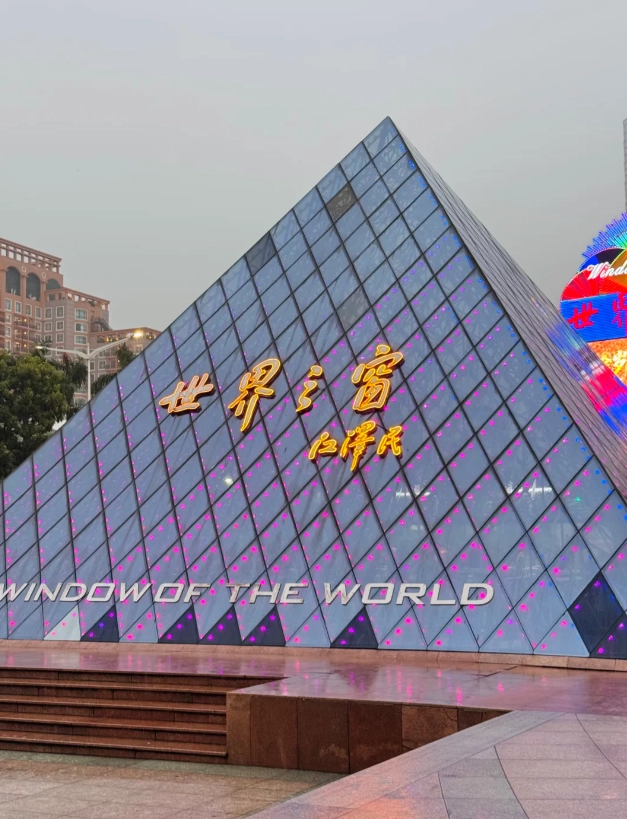 Iconic theme park
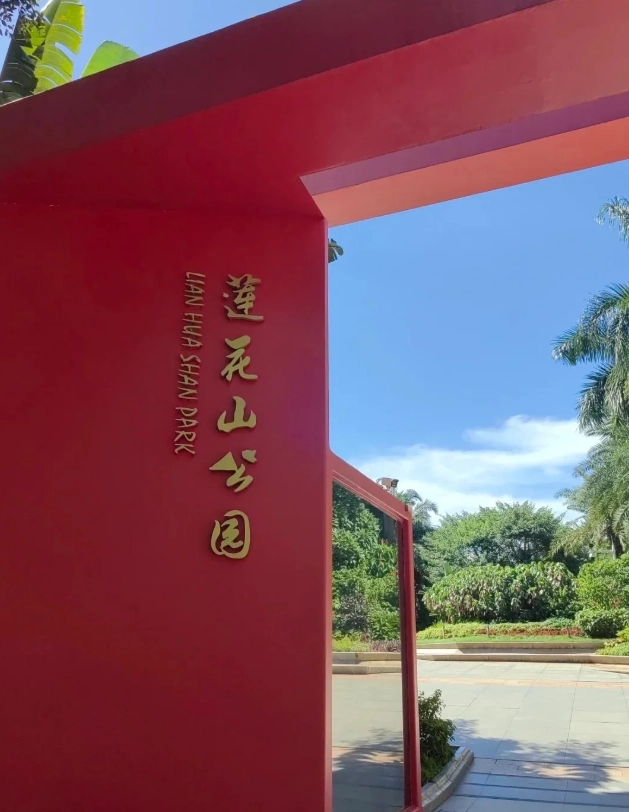 Urban Oasis & Landmark
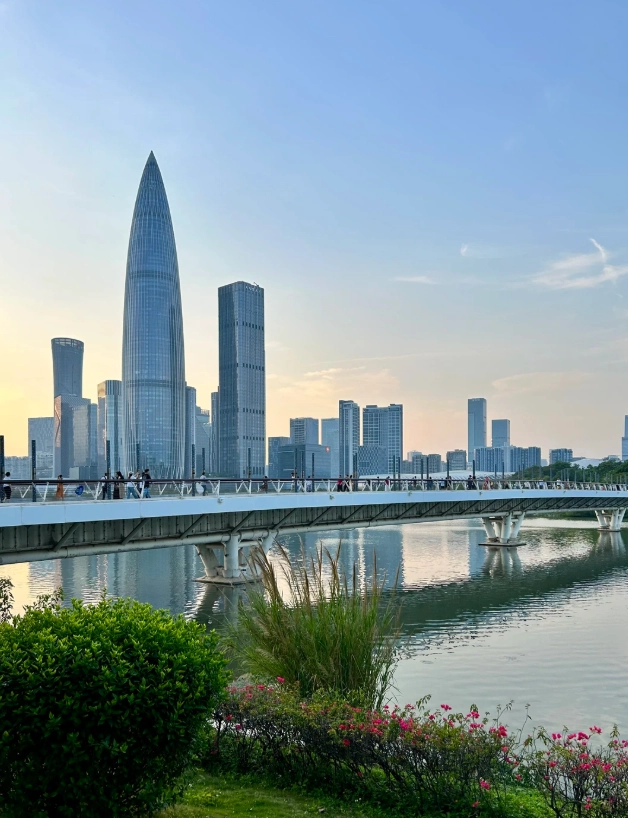 Coastal Urban Park
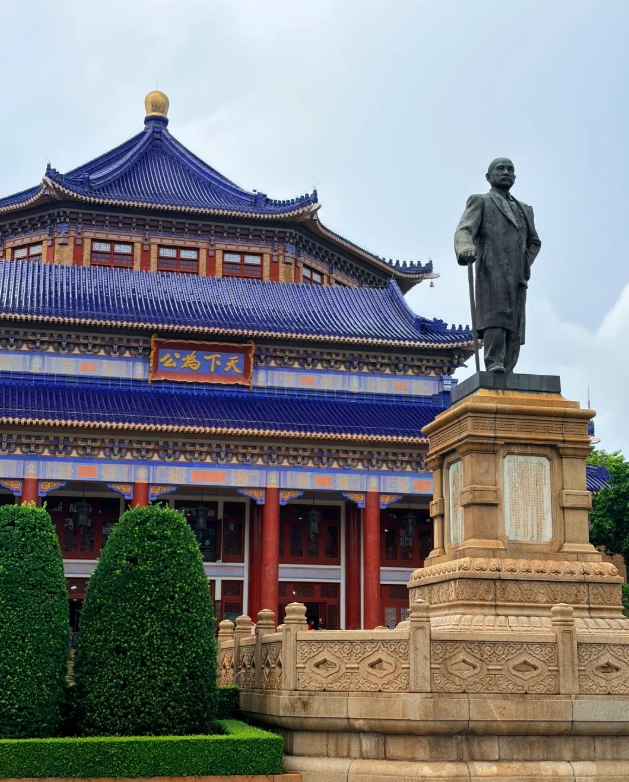
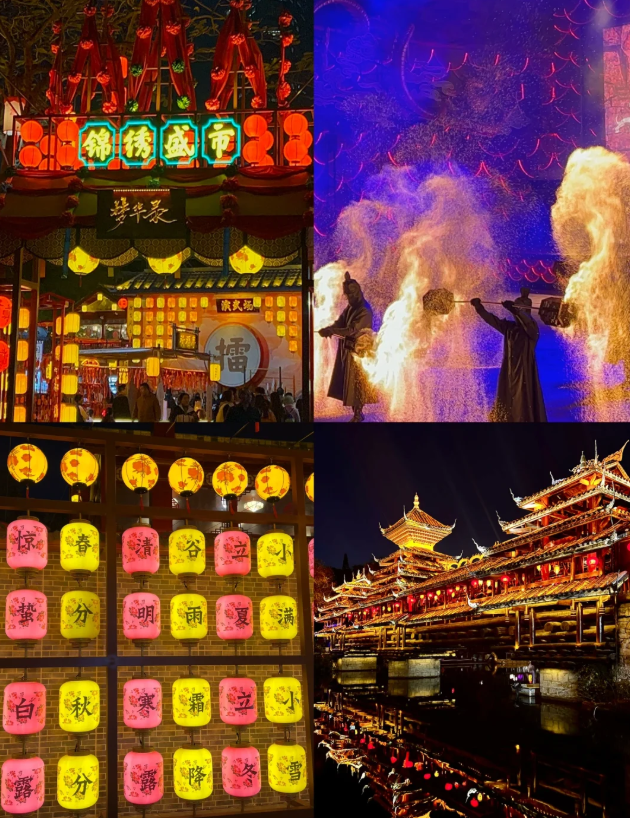 Cultural heritage park
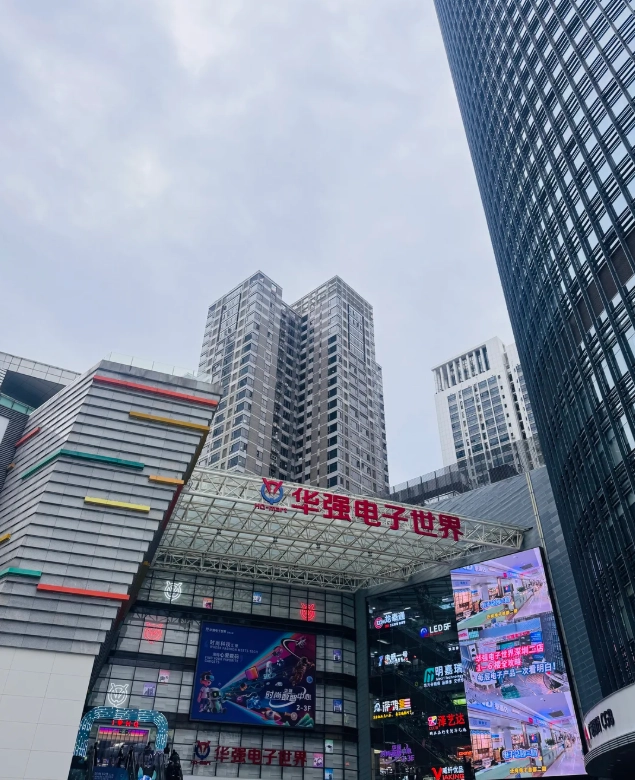 Tech hub & electronics market
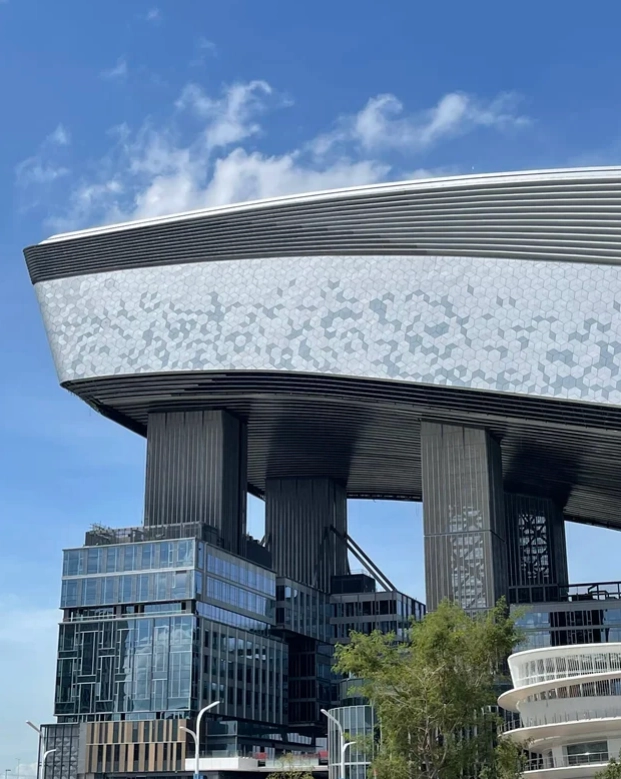 World's largest indoor ski resort
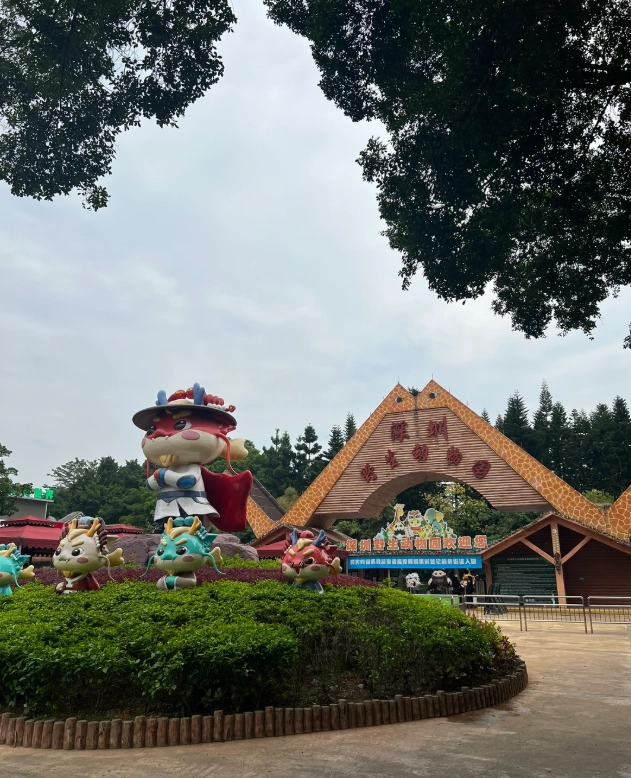 Wildlife & botanical park
How many days in Guangdong do you really need? Discover the perfect itinerary for Guangzhou, Shenzhen, and beyond—plus insider tips to save time and money.
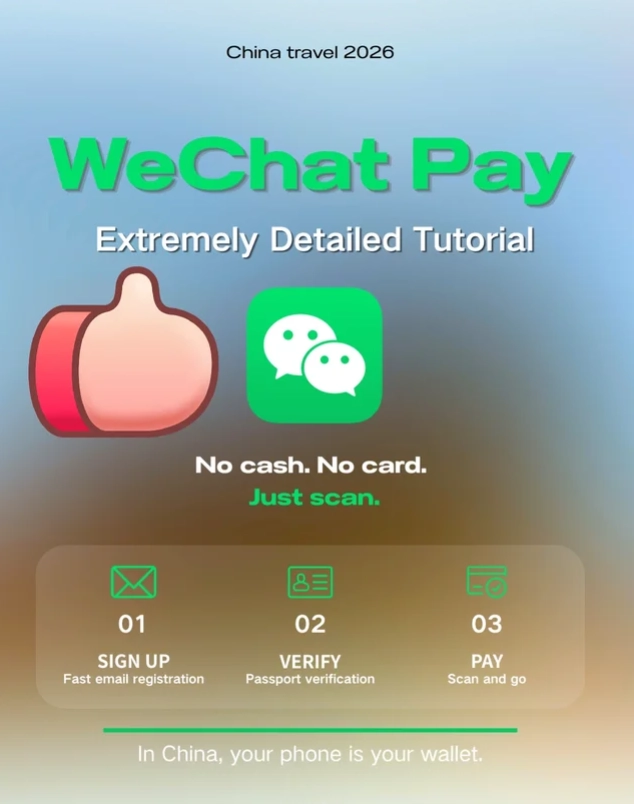
Stuck at WeChat Pay identity verification? Here's how foreigners can breeze through the real-name check, link international cards, and avoid common errors that block your payments in China.
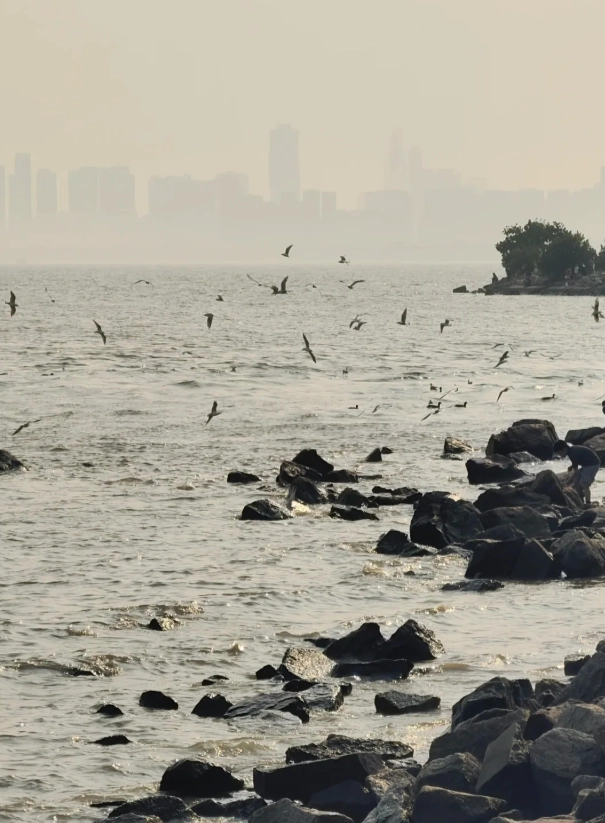
Wondering what to do during your Shenzhen layover? Discover how to leave the airport, explore iconic landmarks, taste authentic dim sum, and get back stress-free—even if you only have 8 hours. This guide covers visa rules, transport, payment tips, and more.
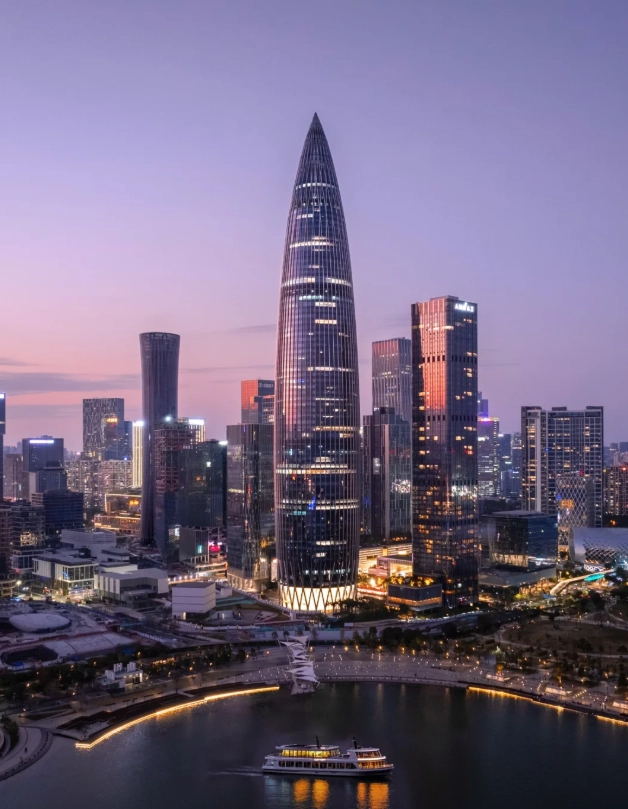
Are you planning a spring trip to Shenzhen? From humid weather to closed attractions, here's how to navigate it all. Learn which parks are actually worth it, how to book tickets with your passport, and the best ways to get around without breaking a sweat. These insider tips will save you time and frustration.
Wondering what to do during your Shenzhen layover? Discover how to leave the airport, explore iconic landmarks, taste authentic dim sum, and get back stress-free—even if you only have 8 hours. This guide covers visa rules, transport, payment tips, and more.
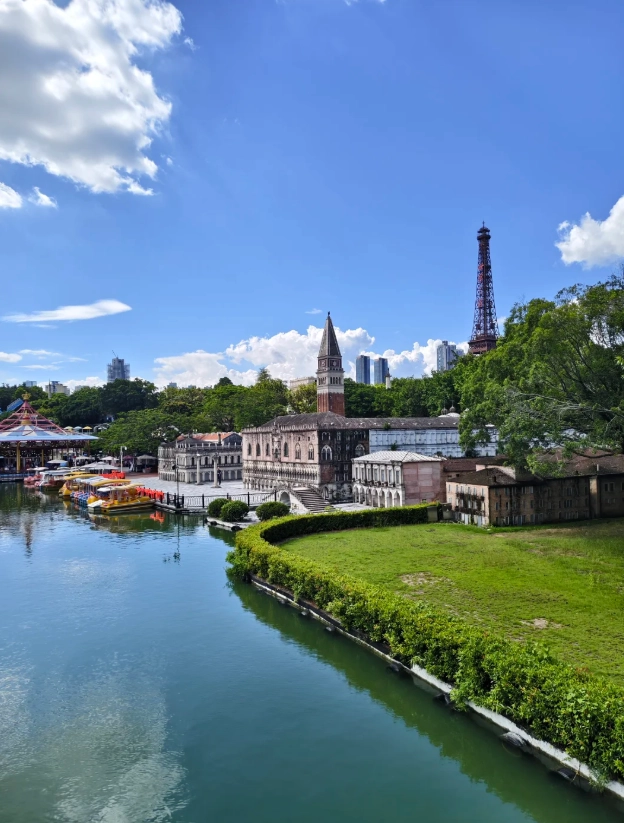
Planning only 2 days in Shenzhen and overwhelmed by conflicting advice? This insider guide reveals a realistic 48-hour route covering OCT Loft, Window of the World, metro tips, and where to eat — plus how to beat the crowds and payment traps.
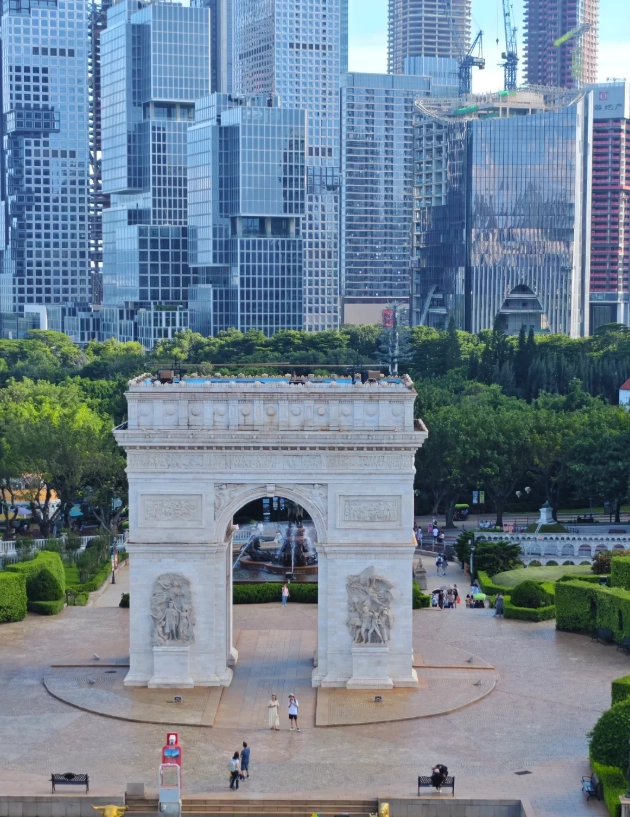
Got the Guangdong 240-hour visa and only 10 days? This guide gives you a realistic Shenzhen itinerary, insider payment and navigation tips, and ways to dodge tourist traps.
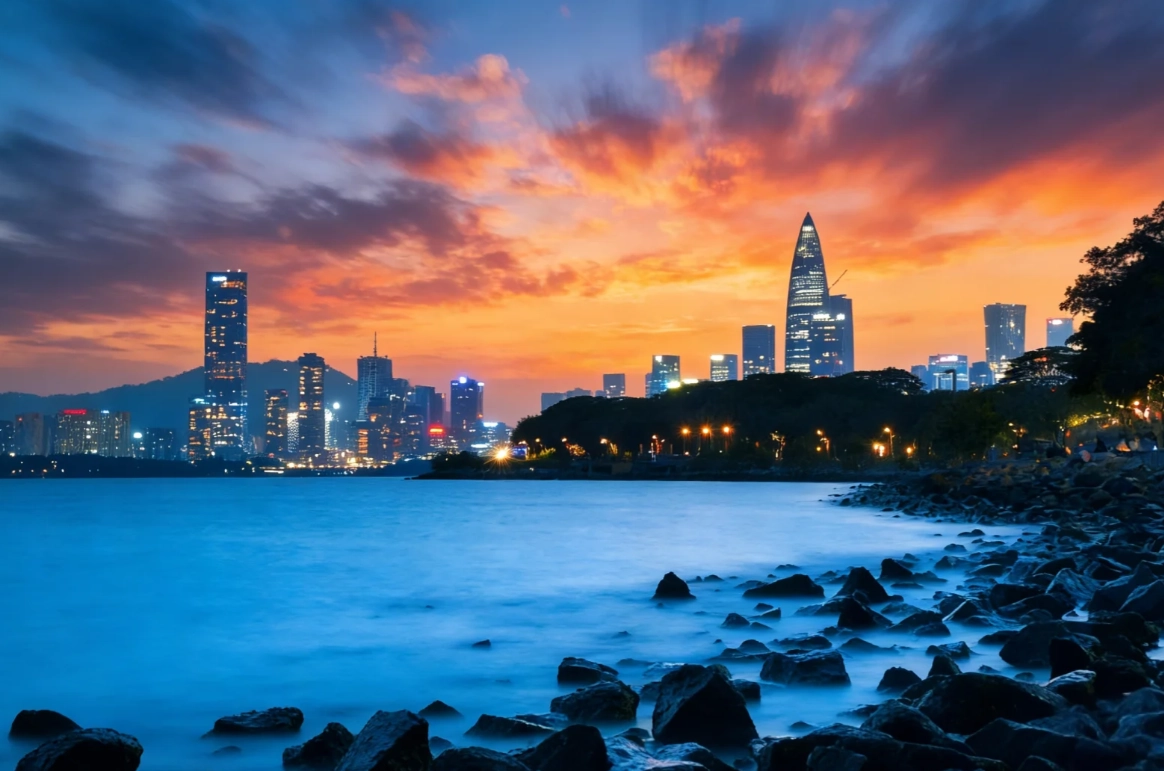
Planning a Shenzhen travel itinerary but overwhelmed by theme parks and shopping malls? Discover a balanced 3-day route that covers tech culture, historical gems, and coastal escapes — with practical tips on payments, navigation, and booking that most guides leave out.
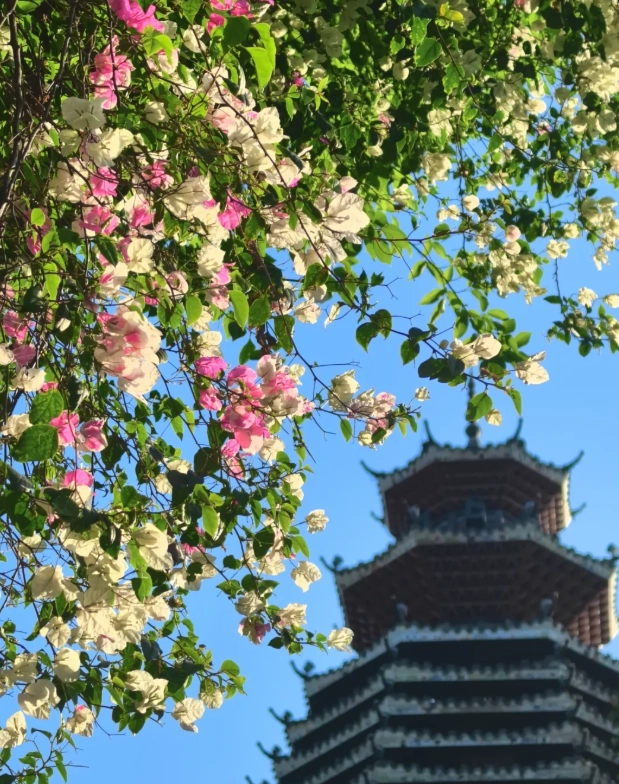
Are you overwhelmed by conflicting Shenzhen travel advice? This guide gives you insider tips on payments, metro navigation, booking tickets, and hidden local eateries. Save time and money with tested strategies from a local guide. Perfect for first-timers and returning visitors.
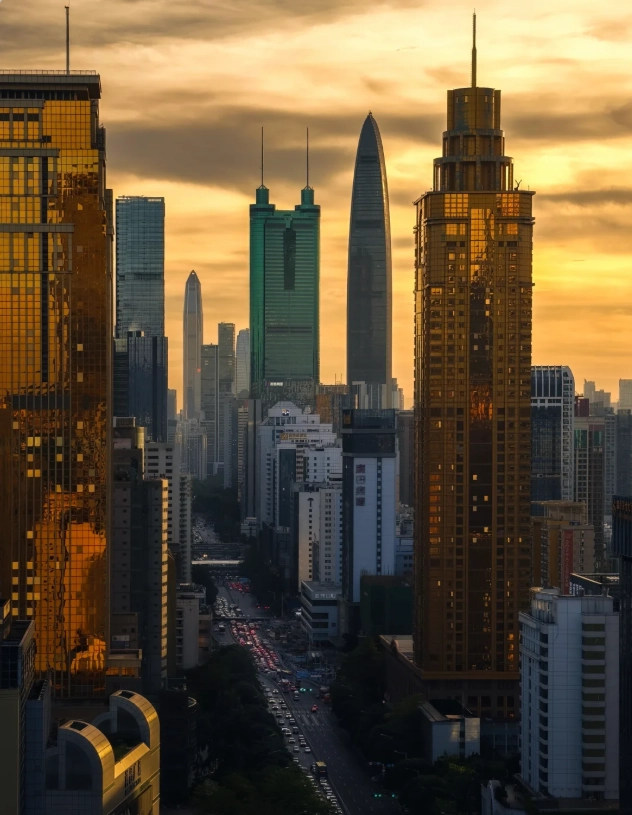
Planning a solo trip to Shenzhen? This practical guide reveals how to beat the payments maze, navigate like a local, and find solo-friendly neighborhoods and eats—straight from a guide who's been there.
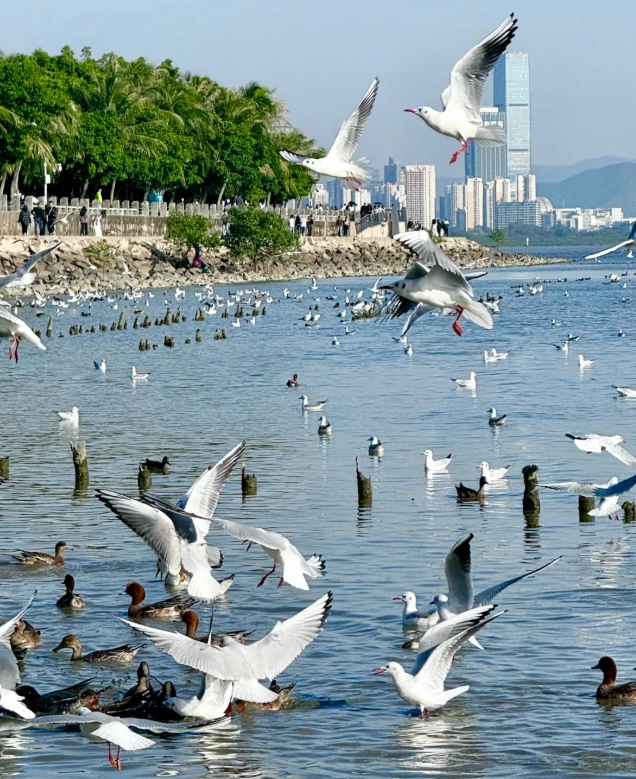
Planning a 4-day trip to Shenzhen? Discover a complete itinerary with insider tips on payments, navigation, and must-see attractions. Avoid common tourist traps and make the most of your time in this futuristic city.

Have a long layover at Shenzhen Airport? Wondering if you can leave the airport and explore the city? This guide covers the fastest transport, the best things to do, and practical tips for foreigners, so you can make the most of your transit time.
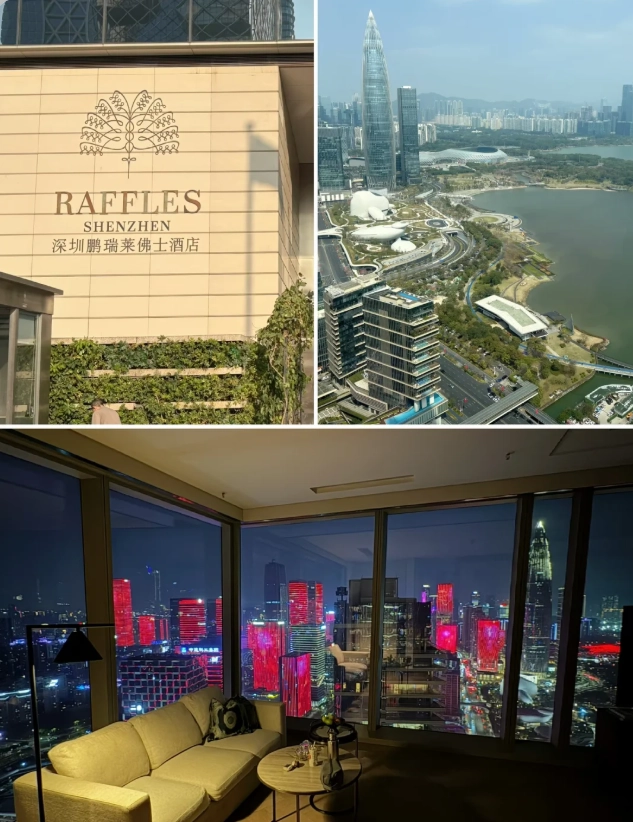
Planning a luxury stay in Shenzhen? Discover insider tips on booking five-star hotels, navigating payment methods, avoiding common scams, and choosing the best area for your trip. This guide from a local expert reveals how to get the most out of your experience in this futuristic city.
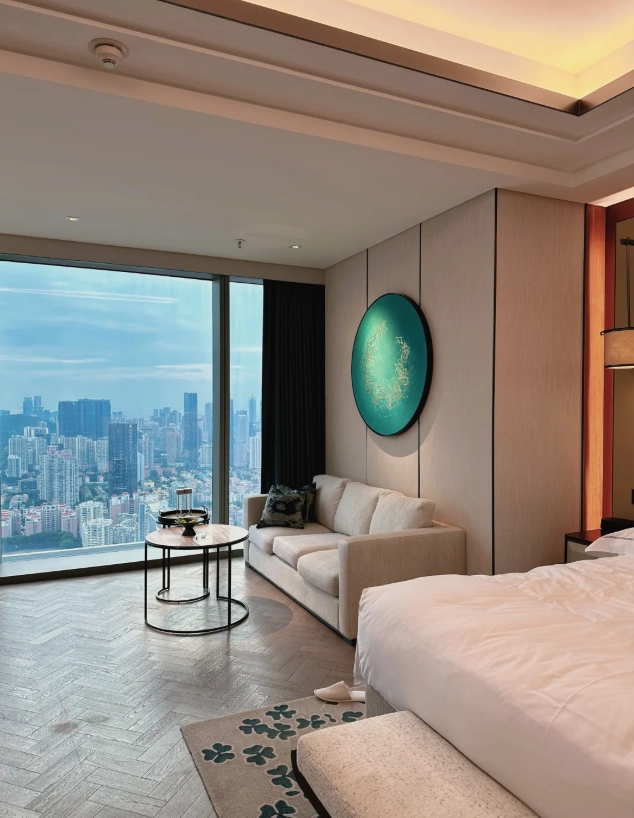
Looking for the best hotels in Shenzhen? From luxury skyscrapers to boutique gems, I'll help you find the perfect stay. Get insider tips on booking, neighborhoods, and avoiding tourist traps — all for a stress-free trip.
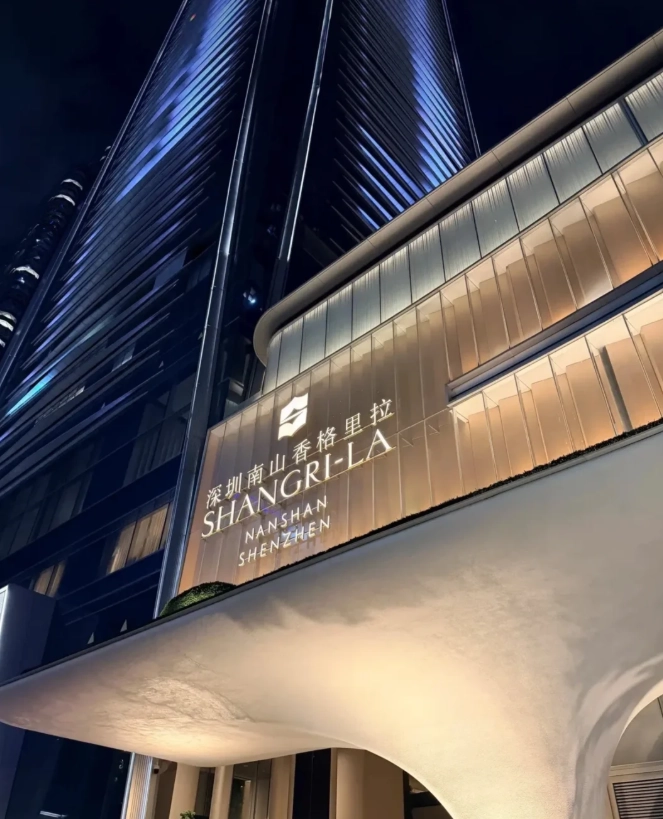
What is the best area to stay in Shenzhen for first-time visitors? This guide compares 5 top neighborhoods with hotel recommendations, transport tips, and insider advice to help you avoid rookie mistakes.
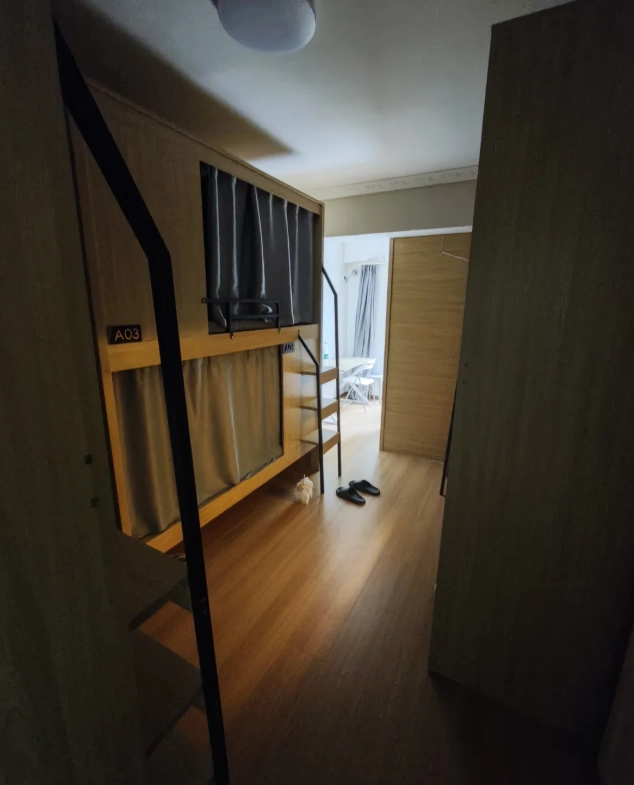
Planning a budget trip to Shenzhen and wondering where to stay? I've tested the top cheap hostels, from Loft to Aihua, with prices, booking tips, and hidden fees. Find your emergency plan for an affordable stay in China's tech hub.
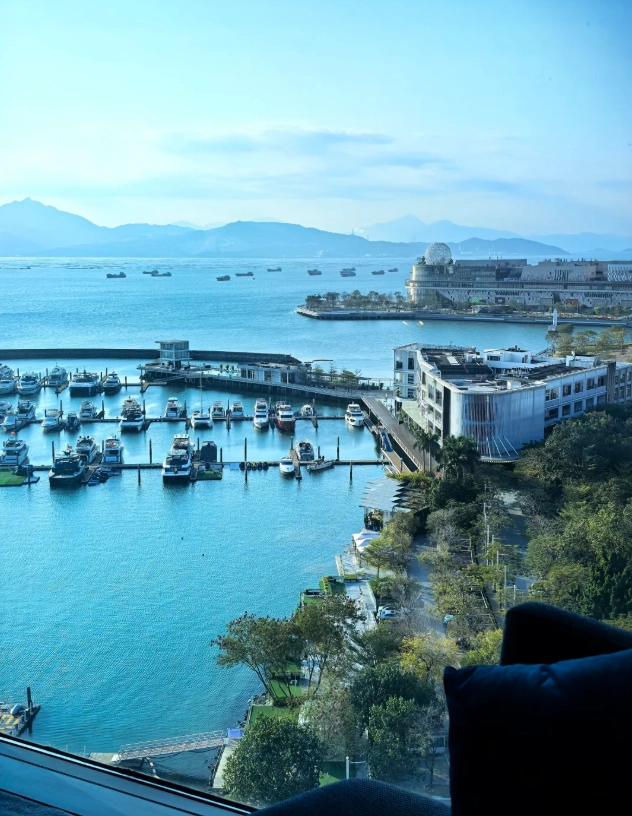
Planning a trip to Shenzhen Bay Park? This insider guide from a longtime tour guide compares the best areas to stay in Shekou, Houhai, and Nanshan, with specific hotel picks, transport tips, and a sample itinerary to maximize your visit.
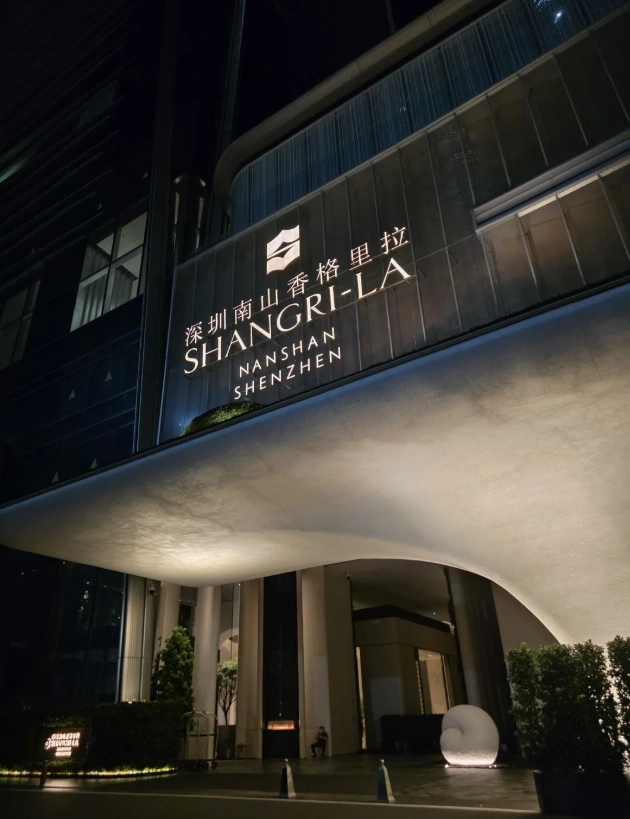
Overwhelmed by Shenzhen's size? This guide cuts through the noise. I'll show you exactly which district fits your travel style—whether you're here for tech, nightlife, or theme parks—with specific hotel picks, transit tips, and local insights you won't find elsewhere.
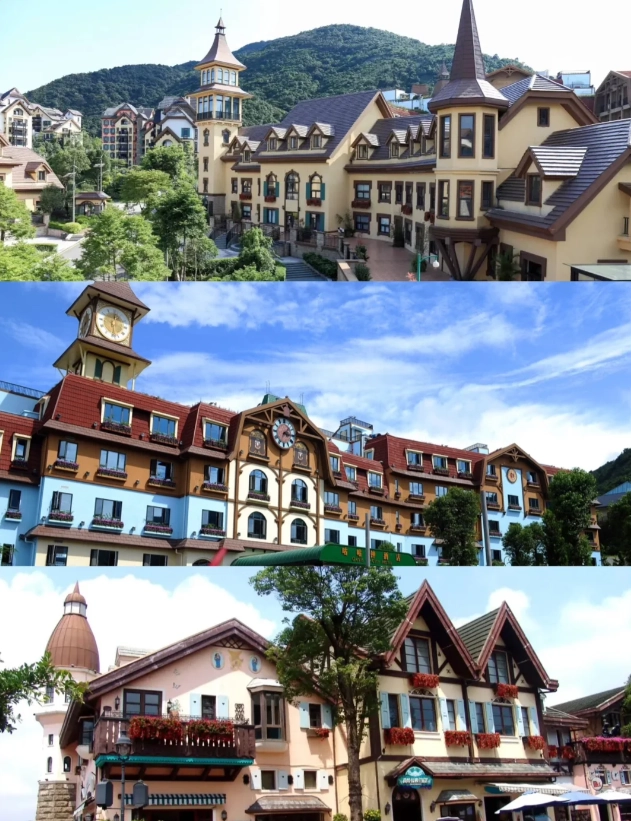
Planning a visit to Splendid China Folk Village and unsure where to book your hotel? This detailed guide from a local tour guide compares the best areas to stay, with specific hotel recommendations, exact walking distances, and tips to avoid tourist traps.
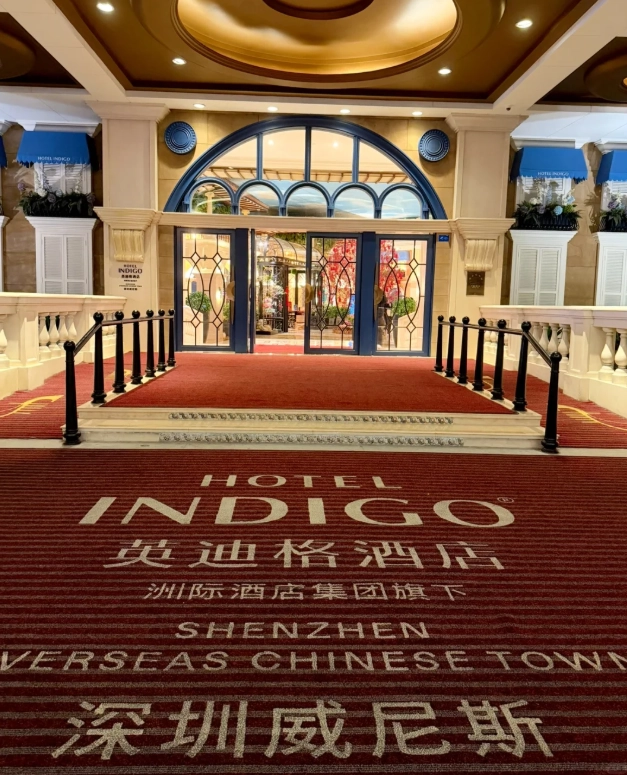
Planning a visit to Shenzhen Safari Park and wondering where to stay? As a tour guide in China for over a decade, I break down the best areas, hotels, and insider tips for families, couples, and budget travelers. Learn how to save on transport, book the right room, and avoid common tourist traps.

Recent Reviews
Shenzhen is a cyclist's dream—so many dedicated bike lanes, and it's almost completely flat along the coastal routes. I rode from Nanshan to Yantian one morning and the ocean views along the express trail were unreal. The city has this electric, optimistic energy: new towers going up, skateboarders on the boardwalk, families flying kites on the beach. Every convenience is just a QR code away; I didn't carry cash the entire trip. Even the public toilets are spotless and have paper! A buddy of mine said to skip it for Hong Kong, but I'm glad I ignored him. Shenzhen is its own beast and I'm fully on board.
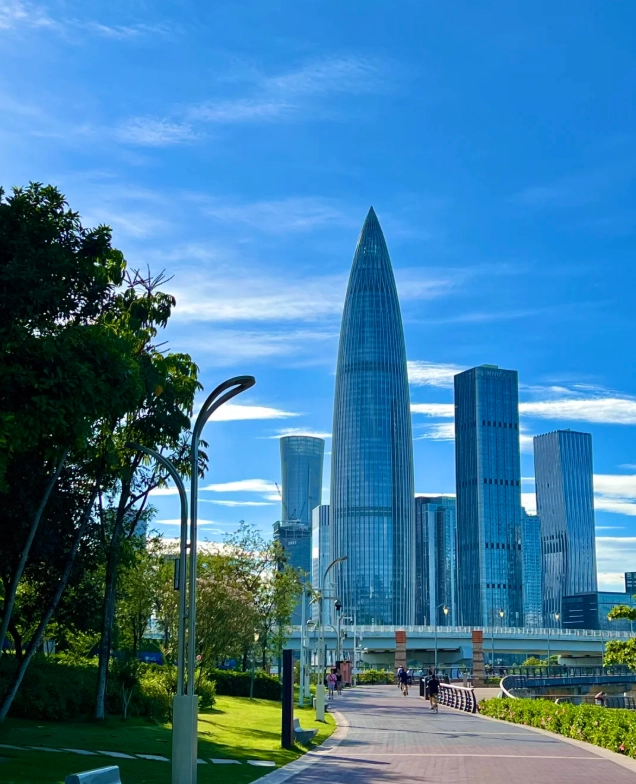
I moved here for work three months ago and my weekend visitor routine is now perfected. Start at the Walmart-like grocery place in Baishizhou for weird snacks, grab a fresh coconut water, then stroll along Shenzhen Bay Park. The views of the bay and the sheer greenery—palms, banyans, flowers all over—make it feel like a tropical futuristic city. People complain about the summer heat but the malls and subway are super cold. The food is mind-blowing: I had the best dim sum of my life in a tiny Chaozhou restaurant in Futian. This city is vibrant, convenient, and unpretentious. Absolutely love it.
Honestly Shenzhen might be one of the most underrated cities in China. I came for a two-day layover and stayed five. The skyline from the Ping An Finance Centre observation deck at golden hour is pure magic. Everywhere I went felt immaculately clean and safe—I was wandering the streets at 11pm with no stress at all. The metro system is modern and dirt cheap, and the food scene is a crazy mix of Cantonese classics and every regional Chinese cuisine. I also did a day trip to the Dapeng Fortress and walked through the old village lanes. 100% recommend, I'll be back.
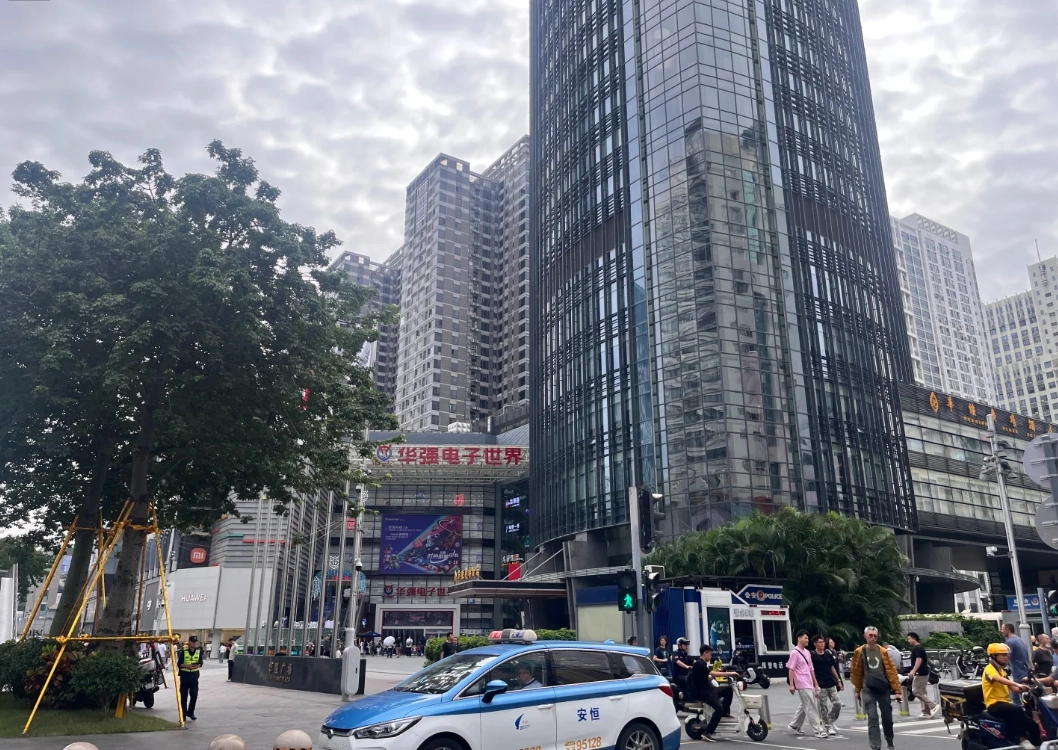
Shenzhen surprised me as a very modern and walkable city, and the free entry to several museums and the contemporary art scene were big wins. I did the Huaqiangbei electronics market in the morning—total sensory overload in the best way—then spent a relaxing afternoon at Lizhi Park watching locals do tai chi. The only reason I'm not giving a 5 is the tourist information infrastructure: there's not much English guidance in the metro, and it took me forever to find a proper municipal map. Still, a really enjoyable city break.
I wanted to love Shenzhen, and there were moments I did—especially walking along the Shenzhen Bay boardwalk at sunset. But honestly, moving around the city as a non-Mandarin speaker was a real struggle. Most metro signs are in Chinese only beyond the station names, and not many taxi drivers understood my map when I showed it on my phone. Also, July humidity nearly did me in. The OCT Loft area was cool and the food was tasty, but I left with a mixed feeling. It's a great city if you know someone local to guide you.
Shenzhen is a dream for digital nomads and anyone who loves clean, modern urban spaces. I spent a week here and never ran out of things to do: hiking near Wutong Mountain in the morning, then exploring the tech district by afternoon, and ending with amazing street food at Shuibei. I even found a quiet little coffee place in Nantou Old Town that roasts its own beans – total gem. The city is so green and orderly, a little too tidy for some people, but I found it refreshing. I’ll definitely be back for another long weekend.
Leave a Review