
How Many Days in Guangdong: Expert Itinerary for First-Timers
How many days in Guangdong do you really need? Discover the perfect itinerary for Guangzhou, Shenzhen, and beyond—plus insider tips to save time and money.
Read story



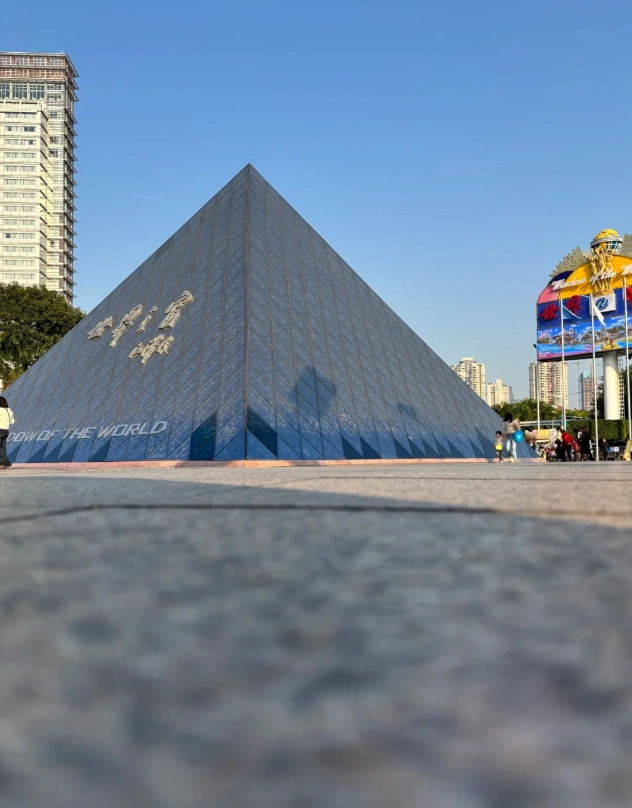

How many days in Guangdong do you really need? Discover the perfect itinerary for Guangzhou, Shenzhen, and beyond—plus insider tips to save time and money.
Read story
Planning a Shenzhen travel itinerary but overwhelmed by theme parks and shopping malls? Discover a balanced 3-day route that covers tech culture, historical gems, and coastal escapes — with practical tips on payments, navigation, and booking that most guides leave out.
Read story
Got the Guangdong 240-hour visa and only 10 days? This guide gives you a realistic Shenzhen itinerary, insider payment and navigation tips, and ways to dodge tourist traps.
Read story
Are you planning a spring trip to Shenzhen? From humid weather to closed attractions, here's how to navigate it all. Learn which parks are actually worth it, how to book tickets with your passport, and the best ways to get around without breaking a sweat. These insider tips will save you time and frustration.
Read story
Last updated: 2026-04
On-site notes & editorial review
Online booking may be required
Foreigners can use passports to buy tickets. Download WeChat/Alipay and link an international credit card for easy payments inside. Don't mi...

What is the best area to stay in Shenzhen for first-time visitors? This guide compares 5 top neighborhoods with hotel recommendations, transport tips, and insider advice to help you avoid rookie mistakes.

Overwhelmed by Shenzhen's size? This guide cuts through the noise. I'll show you exactly which district fits your travel style—whether you're here for tech, nightlife, or theme parks—with specific hotel picks, transit tips, and local insights you won't find elsewhere.
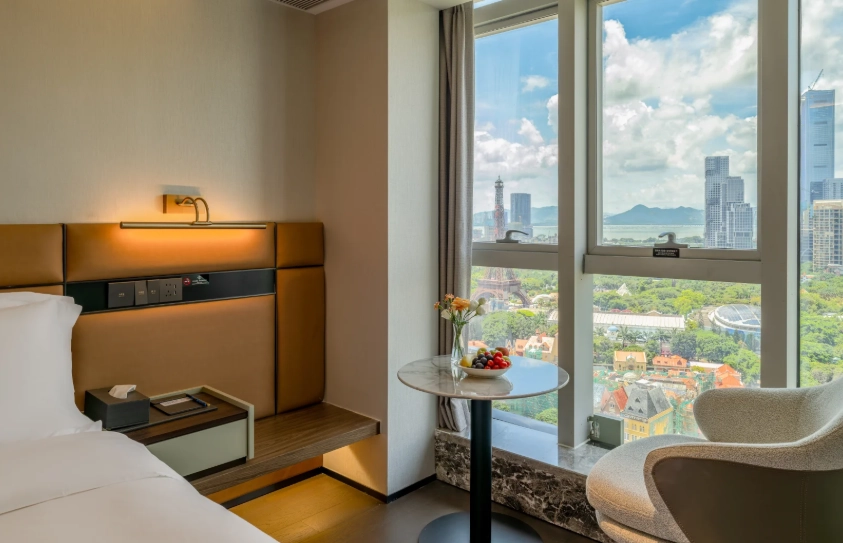
Planning your Shenzhen trip and wondering where to stay for easy access to the Window of the World theme park? This guide cuts through the noise with a local's perspective on the best neighborhoods, hotels for every budget, and pro tips for navigating the area. Find out how to balance convenience, cost, and comfort for your visit.
 Cultural heritage park
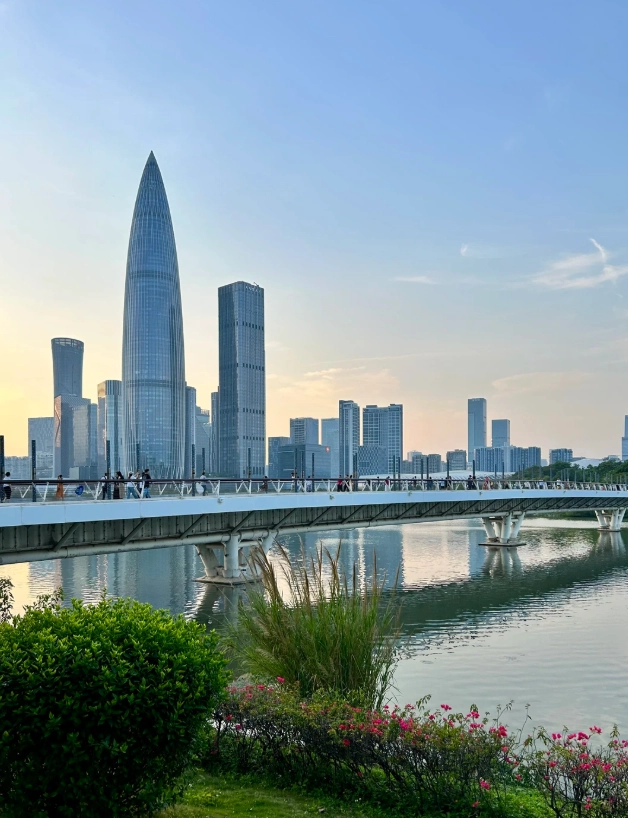 Coastal Urban Park
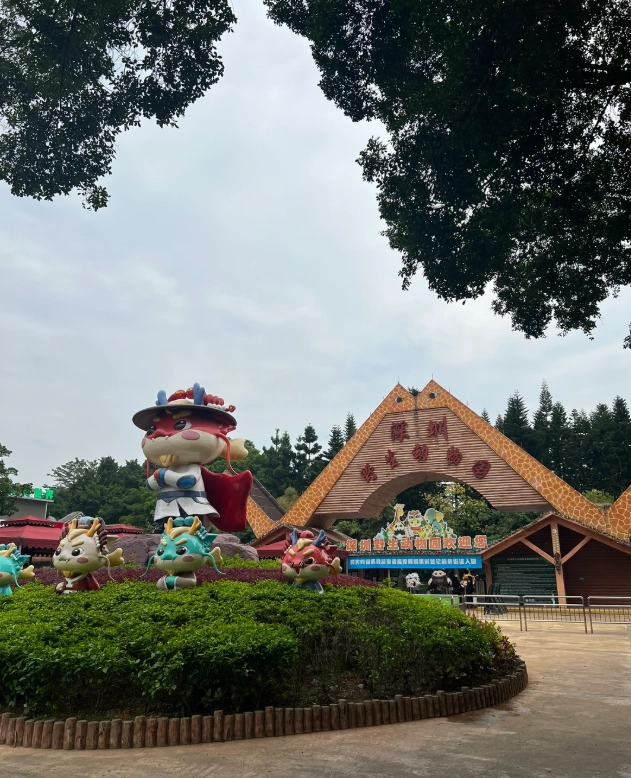 Wildlife & botanical park
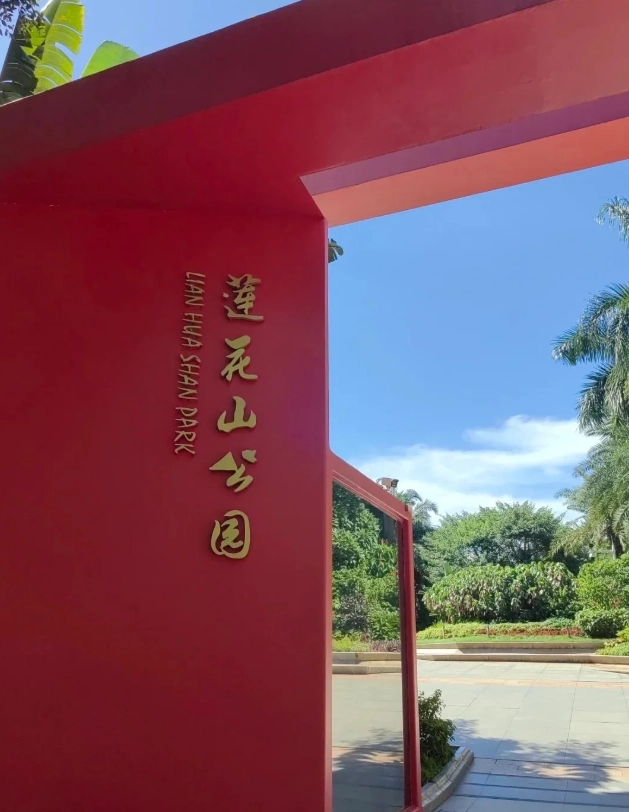 Urban Oasis & Landmark
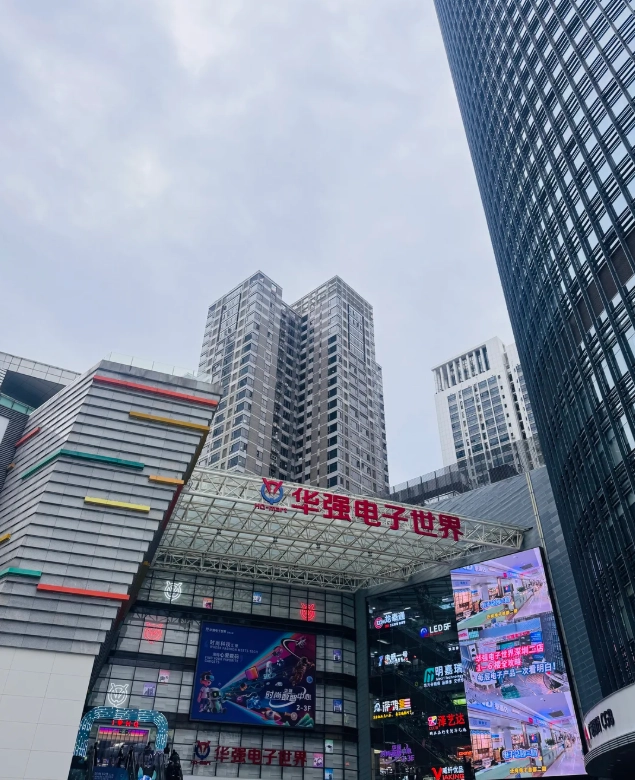 Tech hub & electronics market
 World's largest indoor ski resort
 Theme Park
 Cultural Landmark
Recent Reviews
Leave a Review