 Yan Zhou
What's Inside
I've lost count of how many times I've stood at the ticket gate of Yanguan Ancient Town, watching bewildered tourists scroll frantically through their phones. They booked the right train—but then got stuck. Why? Because getting to this historic tidal-bore viewing spot isn't as straightforward as plugging a name into Google Maps. Google Maps? It'll show you a bus route that takes three hours when a train does it in one. And the parking lot? A nightmare during the spring tide season.
Here's the thing—Yanguan is famous for its Qiantang River tidal bore, but the transport maze can swallow your entire morning if you're not prepared. I've been guiding groups here for years, and I've seen every mistake. Let me save you the headaches.
In this guide, I'll cover the fastest train options, the hidden bus stops, the parking secrets, and the walking paths that locals use. No fluff—just actionable steps to get you from Shanghai or Hangzhou to that riverside wall before the wave arrives.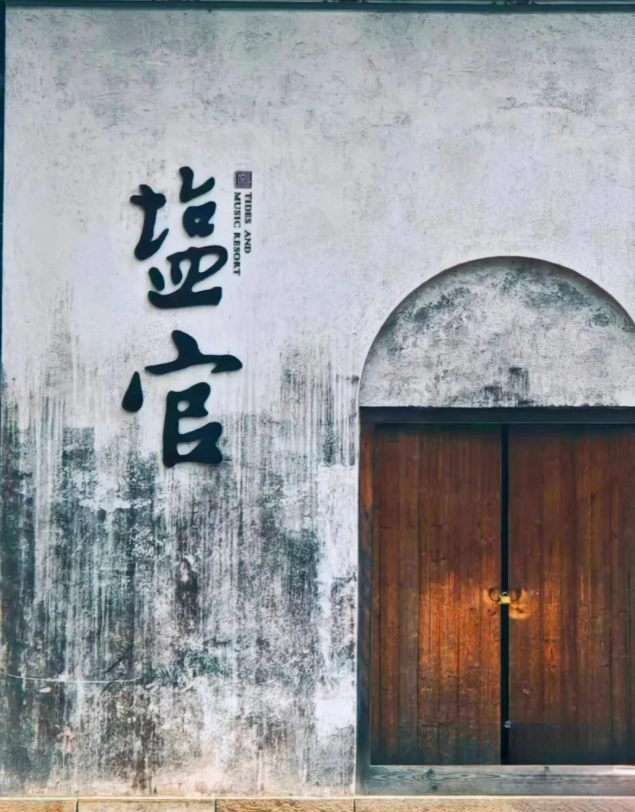
How to Get to Yanguan Ancient Town from Major Cities
Yanguan sits in Haining, about 130 km from Shanghai and 70 km from Hangzhou. The tidal bore schedule varies, but you'll almost always aim to arrive at least an hour before the predicted high tide (check the Haining tourism website for times—they update daily).
From Shanghai by High-Speed Train
The fastest route is the G-series train from Shanghai Hongqiao to Haining West Station. It runs every 20–30 minutes from 6:30 AM to 9:30 PM. The ride takes about 40 minutes and costs around ¥60–¥80 (about $9–$12). Once you exit Haining West, ignore the taxi tout line. Instead, walk straight to the bus terminal attached to the station—it's a 2-minute walk—and take Bus No. 108 or No. 332. These buses go directly to Yanguan Ancient Town (stop name: Yanguan). The bus ride takes about 50 minutes and costs ¥4. You can pay with your phone (Alipay or WeChat Pay) or cash (exact change only—the driver won't break bills).
Pro Tip: For the 108 bus, sit on the right side for a nice view of the canals. And if you're carrying big luggage, the bus can get crowded—consider taking a taxi for about ¥80–¥100. Show the driver this address: 海宁市盐官镇古城 (Haining City, Yanguan Town, Ancient City).
From Hangzhou by Bus or Train
From Hangzhou, you have two good options. Option A is the high-speed train from Hangzhou East to Haining West—just 20 minutes, ¥35–¥55. Then take the bus as above. Option B is a direct bus from Hangzhou Jiubao Passenger Transport Center to Haining. The bus takes about 1.5 hours and costs ¥40. It drops you at Haining Bus Station, then you switch to Bus No. 108 or No. 332 to Yanguan. Honestly, I prefer the train—it's more punctual and less affected by road traffic.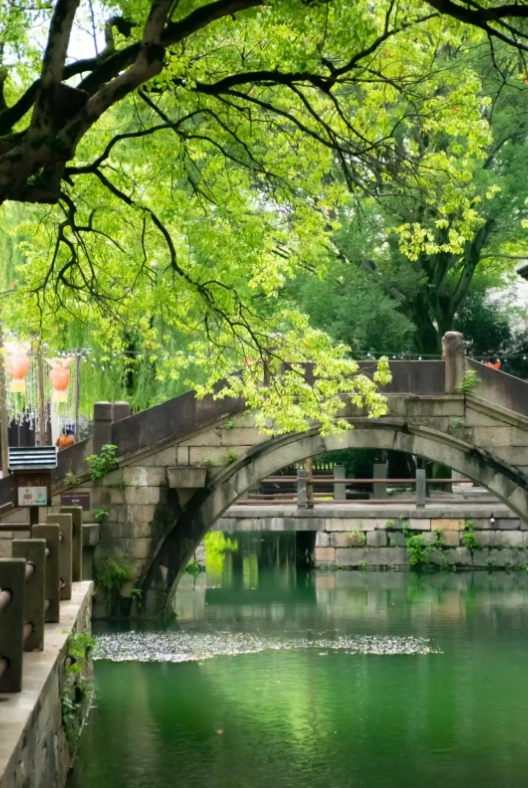
Driving Yourself: Parking and Navigation Tips
If you drive, be aware that the main parking lot (盐官古城停车场) fills up fast, especially during the tidal bore season and on weekends. The lot is at the south entrance of the ancient town, right off the main road. Parking costs ¥10 per hour, ¥30 flat for the day. There's a smaller lot near the north gate, but it's only for residents. Now, about navigation—Google Maps shows inaccurate locations for some of these gates. I recommend using Apple Maps (it works reasonably well) or the Chinese app Gaode (AMap). For Gaode, search for 盐官古城 (Yanguan Ancient Town) and it'll guide you to the main parking. One insider trick: if the main lot is full, drive another 500 meters west to a temporary lot marked with orange flags—it's free but unpaved.
Getting Around Yanguan Ancient Town: Inside the Old Town
The ancient town itself is a 1.5 km long strip along the river. It's mostly pedestrianized, but there are a few ways to get around.
Walking vs. Electric Cart
Walking is my top recommendation. The whole stretch from the South Gate (main entrance) to the tidal viewing platform takes about 25 minutes at a leisurely pace. You'll pass by old stone bridges, traditional houses, and snack stalls. But if you have mobility issues or are short on time, there are electric carts that run from the South Gate to the North Gate. They cost ¥10 per person, and they stop at several points. However, the carts queue can be long—during peak hours (10 AM–3 PM), you might wait 20 minutes. My advice: walk one way and cart back if tired.
Insider Advice: Most tourists start at the South Gate and walk north. Avoid the crowds by entering through the less-used West Gate (you'll need to show your ticket; it's the same ticket). The West Gate is near the old theater. The path is less crowded and you'll see the same attractions in reverse.
Best Time to Avoid the Crowds
The transport nightmare peaks during spring tide (around the 1st and 15th days of the lunar month). To dodge the masses, arrive before 9 AM or after 4 PM. The tidal bore typically happens around 11 AM–1 PM, so the hours right before that are insane. I always bring my groups at 8:30 AM—the streets are empty, the morning light is perfect for photos, and you can grab a seat at the river wall without elbowing for space. Afternoon arrivals? Expect queues for the shuttle buses and carts.
Insider Tips for a Smooth Visit
Payment and Booking
Everything here is cashless. Tickets to Yanguan Ancient Town (¥60 for adults, ¥30 for children/seniors) must be booked in advance. You can buy on Trip.com or Klook using your passport—much easier than the Chinese-only WeChat mini-program. At the entrance, scanning your phone's QR code works, but if your data is slow, save the screenshot. For food vendors and small shops, Alipay tied to an international card usually works. Cash is rarely accepted for purchases under ¥100. Bring a backup credit card—some larger restaurants near the main gate accept Visa, but don't count on it.
What to Bring and What to Skip
For transport, you'll need a VPN on your phone. Without it, you can't use Google, Instagram, or WhatsApp. Download a VPN before you arrive. Also, install Apple Translate or Baidu Translate—many signs are only in Chinese. And pack a portable battery—your phone will die from heavy navigation and translation use. What to skip? Heavy luggage. The ancient town streets are cobblestone, and dragging a suitcase is a nightmare. Leave bags at your hotel or use a luggage storage service near the South Gate (¥20 per bag).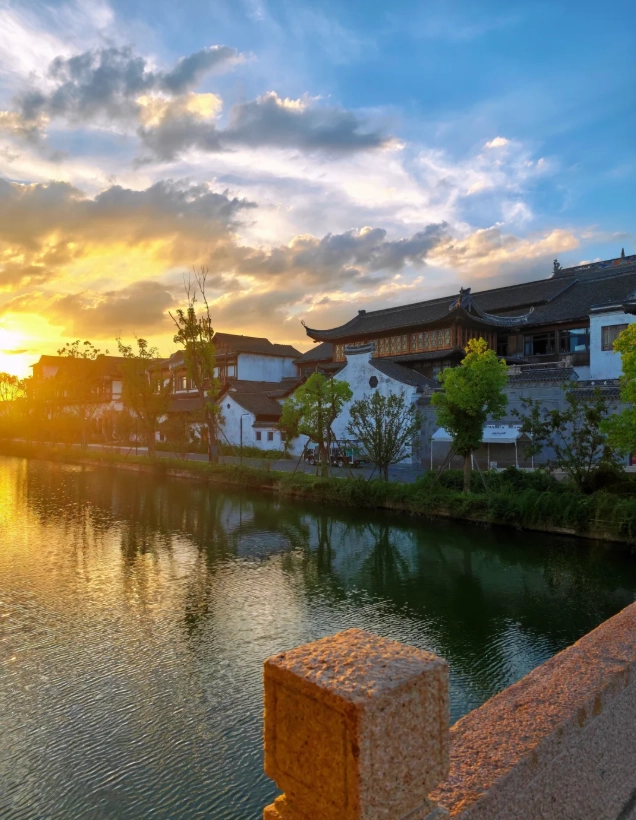
Common Questions about Yanguan Ancient Town Transport
This content has been fact-checked to ensure informational precision. Prices and schedules are subject to change—always verify with official sources before travel.

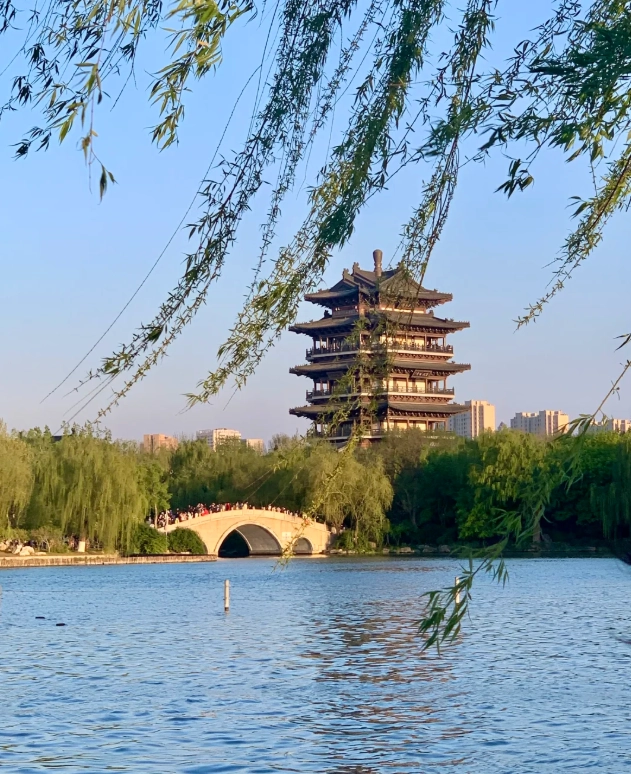






We visited with two kids (5 & 8) and these routes were a lifesaver. No pushing through crowds, and the kids loved spotting the little stone lions along the quiet path. One local grandpa even gave them handmade candies! The only downside? The route had some uneven stones, so watch your step. Still, an unforgettable experience.
This article is a goldmine for photographers! The local route took me past crumbling stone bridges and laundry-draped balconies – zero tourists in frame. I spent a whole afternoon just shooting the morning light on the old wells. Best part? No one jostling for the perfect shot. 10/10 would recommend.
Tried the so-called 'skip the crowds' route and honestly it was still pretty busy. Maybe because it was a holiday weekend? The path along the canal was scenic but narrow, and we got stuck behind a slow group. Not the peaceful escape I expected. Also, some locals gave us weird looks for using the back way. Meh.
Honestly, the local route saved us but also confused us a bit. The map in the article is okay, but we missed a turn and ended up in a dead-end lane. Once we figured it out, the scenery was nice – less crowded indeed. Just wish there were clearer signs. Still a good tip for the price (free!).
I followed the 'local routes' tip and it was a game-changer. Instead of the packed main entrance, we took a narrow alley behind the old teahouse that led straight to the quiet riverbank. No crowds, just the sound of water and distant temple bells. Absolutely worth it for anyone who hates tourist traps.
I'm usually skeptical of 'secret routes' blogs, but this one delivered. We took the cycle-path shortcut that runs parallel to the main road—it's narrow enough that tour buses can't fit, so it stays peaceful. The article mentioned a specific noodle shop at the end of the route, and we stopped there for lunch. Best wonton soup I've had in years. The only tiny downside is that the path gets a little muddy after rain, but that's part of the charm. Would absolutely use this again next time.
Used these local routes on a Saturday morning in October—peak season nightmare avoided entirely. The instructions were spot on, especially the tip about the hidden staircase next to the tea house. We didn't see another tourist for a solid 20 minutes, just a few locals hanging laundry. The price? Free. The payoff? Zero stress. If you're visiting Yanguan and want to feel like you've discovered a secret, this is the way to go. Five stars without hesitation.
This article is a gem for anyone who hates queuing. We followed the ‘farmers’ path’ described here—basically a dirt trail behind the canal—and arrived at the north entrance within 10 minutes while the main road was bumper-to-bumper with tour buses. The sense of smugness was real! Plus, the route passed by an old bridge with blooming wisteria; I got my favourite photo of the whole trip. Absolutely recommend printing the map or screenshotting it, because phone service gets patchy near the river.
Solid advice overall—the back-alley route took us straight to the quieter parts of the ancient town without the bottleneck at the main gate. My only gripe is that the directions assume you have a local SIM card with good data; my offline map struggled with the narrow lanes. Still, we saw the real local life: old men playing chess under a tree and a tiny family-run noodle shop we'd never have found otherwise. Worth doing if you prep your navigation beforehand.
I tried the local route suggested in this article to avoid the main tourist drag in Yanguan. While it did save us some time getting past the worst of the crowds, the path turned out to be poorly marked and we ended up walking an extra 20 minutes along a dusty roadside. The old town itself was lovely once we got there, but the detour felt a bit like a wild goose chase. Decent tip for those who don't mind a little adventure, but don't expect a seamless shortcut.
I followed the secret alleyway behind the old temple exactly as written – and wow, it led me straight to a quiet courtyard where a local calligrapher was practicing. No crowds, no vendors pushing souvenirs. The steps were a bit steep and uneven, so wear good shoes. But the authentic experience you get is unbeatable. I brought my parents along and they were thrilled we skipped the chaos. Already planning to use this guide again next year!
Honestly, I was a bit let down. The ‘local route’ described ended up being a dirt path that was muddy after a light rain, and the supposed shortcut through the bamboo grove was blocked by construction. I had to backtrack and ended up wasting an hour. Maybe I caught it on a bad day, but the guide didn’t mention any seasonal closures. The main town itself was charming, but the transport advice felt half‑baked.
As a solo traveler on a tight budget, this route was perfect. The guide suggested taking the local bus #K7 instead of the tourist shuttle, which cost me only 2 yuan. The bus dropped me at a quiet side gate, and I had the whole morning to wander the ancient alleyways without bumping into selfie sticks. Even found a hole‑in‑the‑wall noodle place where the owner chatted with me for half an hour. 5 stars for saving both money and sanity!
Loved how the guide pointed out the shortcut through the tea field behind the Ming‑Dynasty archway. My partner and I saved at least 40 minutes of shuffling in the main queue, and the sunset view over the river from that back lane was pure magic. Only minor thing: the map in the article could use a few more landmarks for first‑timers, but the written directions were spot on. Would recommend to anyone visiting during peak season.
This guide was a lifesaver! I was dreading the tourist crush at Yanguan Ancient Town, but following the local ferry route from the east entrance cut my wait time to zero. The old stone path along the canal was nearly empty, and I could actually hear the water lapping. Grabbed some stinky tofu from a tiny stall that wasn't even on the tourist map. Absolutely worth it if you want the real vibe without the elbows.