 Yan Zhou
Jump Straight to What You Need
My client quit halfway up Mount Tai. Not the altitude. Not the crowds. The stairs.
Fifteen hundred years of carved stone steps, each roughly six inches high — too short to stride properly, too tall to ignore. She cursed through the first twenty minutes, went quiet, then sat down on a step and stayed there.
I've watched that happen more than forty times. So when people ask me which Shandong must-visit places are actually worth the trip, my first question isn't about their itinerary. It's "how often do you take the stairs?"
Here's the problem. Most guides treat Shandong as a checklist. Mount Tai. Qufu. Qingdao. Tick, tick, tick. In reality it's four cities stitched together by high-speed rail, and the order matters enormously — get it wrong and you'll spend half a day on trains heading the wrong direction.
So let me save you the trouble. Mount Tai requires an advance reservation. Qufu rewards you for arriving at opening time. Qingdao needs at least two nights. And Jinan is not just a transfer station. If any of that contradicts your current plan, your plan is the thing that should change.
Here's the honest version.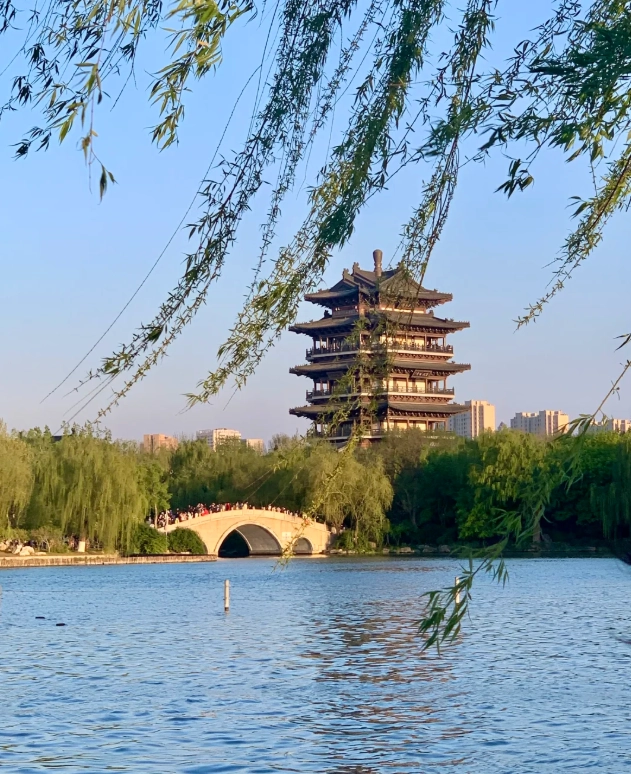
The Shandong Must-Visit Places I Actually Send People To
Shandong has a ridiculous number of top-rated scenic areas. You will not see them all, and you shouldn't try. These five repay the travel time — listed in the order I'd actually sequence them, not by fame.
1. Mount Tai — The Staircase That Breaks Strong People
Mount Tai is a UNESCO World Heritage Site, and it earned that status through stairs rather than scenery. That isn't disrespect — it's the truth. Visually it's not a dramatic mountain. No knife-edge granite peaks, no vertical stone pillars. What Tai Shan has is weight. Emperors from the Qin dynasty onward climbed here to perform the feng shan sacrifices, and the stones under your feet have been walked on for two thousand years.
Tickets run roughly 115 CNY for adults in peak season and about 100 CNY off-peak. Seniors over 60 and children get discounts, though the exact amount varies by ticket window, so bring your passport. The cable car from Zhongtianmen to Nantianmen costs around 100 CNY one way.
Getting there: from Tai'an High-Speed Railway Station, a taxi to the Red Gate trailhead, known locally as Hongmen, takes about 20 minutes. If you'd rather skip the lower climb, head to Tianwaicun instead — a shuttle bus there drops you at Zhongtianmen for roughly 30 CNY.
Reservations: yes, you need one. Book through Trip.com for an English interface and a passport field, or ask your hotel to handle it. Peak-season slots sell out days ahead.
Timing matters more than anything else here. Be at the Red Gate between 6:30 and 7:00 AM. From 10 AM to 2 PM the queue backs up from the ticket booths all the way to the parking lot, with zero shade. I've had clients stand in that line for ninety minutes without taking a single step uphill.
Insider advice: The restroom beside the Red Gate ticket office develops a queue that snakes outside by mid-morning. Use the facilities at your hotel or the railway station before you arrive. Sounds trivial until you're forty minutes into a stair climb.
From the Red Gate, most reasonably fit people reach Nantianmen in three to five hours. Coming down takes two to three. My standard advice: walk up to Zhongtianmen, take the cable car the rest of the way, then walk down. Your knees will thank you.
Tai Shan was among China's earliest entries on the UNESCO World Heritage listing, joining the same batch as the Great Wall and the Forbidden City. That listing is precisely why the crowds are what they are.
Accessibility: the cable car helps if you have mobility issues, but you still need to reach Zhongtianmen by shuttle bus or on foot. The summit plateau is mostly flat, though there's no way to avoid stairs entirely.
2. Qufu — The Temple, Mansion, and Cemetery of Confucius
The Three Confucian Sites — Temple, Mansion, and Cemetery — add up to one of the most underrated heritage experiences in China. This isn't the Forbidden City. The Temple of Confucius is a living ritual complex, and it's far larger than most visitors expect. Walk from the southern gate to the innermost halls and then continue on to the cemetery, and you've covered real distance.
The combined ticket runs about 140 CNY and covers all three. Buying separately costs more and gains you nothing. Discounts apply for seniors and children. Passport required for the real-name booking.
Getting there: Qufu East station sits on the Beijing–Shanghai high-speed line, so it's roughly two hours from Beijing and three from Shanghai. A taxi from Qufu East to the temple takes about 20 minutes and costs 20 to 25 CNY.
Book on Trip.com if you like, but they will still check your passport at the gate. Original document, not a photo. Don't ask how I know.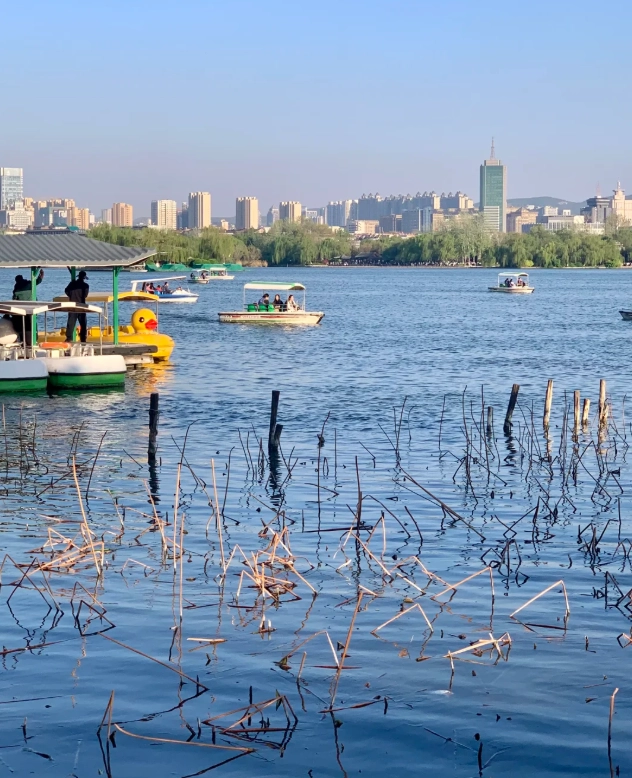
Arrive at opening, around 8 AM. Not just for the crowds — the cypress trees in the temple courtyard carry a completely different atmosphere before the tour groups show up. By 10 AM the loudspeakers start and the mood is gone.
The Cemetery of Confucius is huge and mostly woodland. Electric carts near the entrance run 20 to 30 CNY and drop you at the Confucius tomb and back. Take the cart unless you want to burn half a day walking.
3. Qingdao — Old Town, Beer, and a Street You Shouldn't Skip
Qingdao is the only place in China that combines German colonial architecture, a genuine coastline, and cheap fresh-brewed beer. Nowhere else really comes close.
The city splits into two halves: the old town in Shinan District along the water, and the newer commercial zones inland. Stay in the old town. Badaguan's villa-lined streets, St. Michael's Cathedral, the Zhanqiao Pier, and the hills that keep dropping sea views on you — that's the Qingdao worth flying for.
The Tsingtao Beer Museum at 56 Dengzhou Road occupies the original 1903 brewery site. Entry is around 60 CNY and includes samples of unfiltered and draft beer. I walk people through the whole exhibition, though honestly everyone slows down at the tasting room.
The metro is clean, cheap, and signed in English. Line 3 covers most of the old town. For the beer museum, just show the driver 登州路56号 — faster than explaining directions out loud.
Laoshan Mountain sits about an hour east of the center and deserves its own half-day. Different entrances carry different tickets, generally 70 to 100 CNY, plus shuttle or cable car costs on top.
Avoid Zhanqiao Pier between 3 and 5 PM. That's when the tour buses unload. Go at 7 AM and it's you, a few old men fishing, and the sea fog.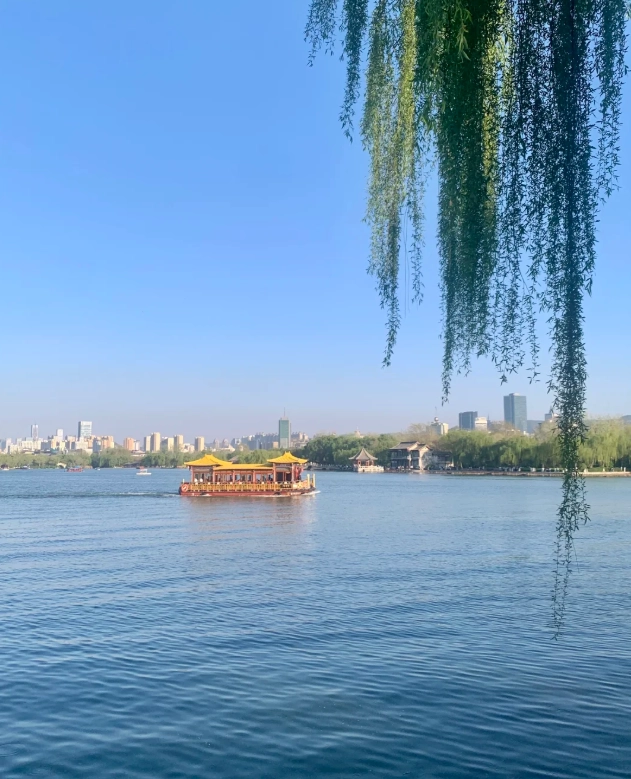
4. Jinan — The Spring City Most Travelers Skip
Jinan has over a hundred natural springs bubbling up through the middle of the city, and it's more striking than that sounds. Baotu Spring is the headline act — three vents pushing up through a stone pool, the water an almost unnatural blue. Tickets run about 40 CNY and gates open at 7 AM.
Daming Lake is a walk away and free. Furong Street sits between the two, a narrow snack alley worth a stroll, though don't expect great food. Go for the atmosphere and eat somewhere else.
Jinan is a rail hub. Jinan West and Jinan Station connect to most of the country, which makes it the natural first stop if you're flying in from Beijing.
5. Yantai and Penglai Pavilion — Only If You Have Spare Days
I'm putting this last on purpose, because with only five days it's a trap. Penglai Pavilion is genuinely lovely, the Eight Immortals legend originates here, and the view over the Bohai Strait is spectacular. But it sits north of Qingdao, and getting there and back eats a day and a half.
If you've got eight days or more, add it. Tickets are around 100 CNY, and it's about an hour by car from central Yantai.
How Do You Get Between These Shandong Must-Visit Places?
High-speed rail, and book it early. Shandong's network is one of the densest in China, and the hops between these cities are short.
| Route | High-Speed Train Time | Notes |
|---|---|---|
| Jinan to Tai'an | 20–25 min | Depart from Jinan West; arrives Tai'an |
| Tai'an to Qufu East | 25–35 min | Short hop; metered taxis waiting at Qufu East |
| Qufu East to Qingdao | 2 h 40 min – 3 h 10 min | Some services require a change at Jinan |
| Qingdao to Yantai | 1 h 30 min – 2 h | Add roughly 1 hour by car to reach Penglai |
| Jinan to Qingdao | 2 h – 2 h 40 min | Direct, no change needed |
Book with your passport. You can use the China Railway 12306 platform or Trip.com, and the latter is friendlier for most foreign travelers because the interface is in English and it accepts international cards. Paper tickets are largely obsolete now; you scan your passport at the gate.
Get to the station 40 minutes early. Shandong's high-speed stations are built like airports, and the walk from security to your platform is longer than you think. Jinan West and Qingdao North both catch people out.
Pro tip: Save the Chinese characters for every destination in a note on your phone. 泰山 for Mount Tai, 三孔 for the Three Confucian Sites, 登州路56号 for the beer museum. Showing a driver text beats pronunciation every single time.
A Realistic 7-Day Route Through the Shandong Must-Visit Places
This is tight but survivable. I've built in slack on purpose — itineraries packed hour by hour collapse by day two.
Day 1 — Jinan. Arrive, drop bags, Baotu Spring in the afternoon, Daming Lake at dusk. Eat near Furong Street, sleep early.
Day 2 — Jinan to Tai'an. Morning train around 7 AM. Taxi from Tai'an station to the Red Gate, about 20 minutes. Climb, or shuttle-and-cable-car it. Come down by cable car. Sleep in Tai'an, because your legs will not cooperate after dark.
Day 3 — Tai'an to Qufu. Thirty minutes by rail. Do the Three Confucian Sites early. The last useful trains from Qufu East toward Qingdao leave in the late afternoon, so either move on by then or stay the night.
Day 4 — Qingdao. Old town on foot. Zhanqiao at dawn, the cathedral, then the beer museum. Evening on Dengzhou Road.
Day 5 — Qingdao. Either Laoshan or a slow day around Badaguan and the waterfront. This is your buffer.
Day 6 — Qingdao to Yantai and Penglai. Only if you still have energy. Otherwise give the extra day to Qingdao.
Day 7 — Departure. Qingdao Jiaodong International Airport has direct flights to Seoul, Tokyo, Singapore, and most major hubs.
If it rains: Shandong Museum in Jinan is excellent and free. The beer museum is almost entirely indoors. Qufu has nowhere to hide — the Three Confucian Sites are outdoor. Bring an umbrella and push through.
Where Should You Eat and Sleep Along the Way?
One honest warning first: every restaurant below gets busy, and any wait time I quote is an estimate, not a promise.
Jinan: Start your morning with tianmo, a savory millet-thickened breakfast soup. The name literally translates as "sweet foam" and it is not sweet. Pair it with a youxuan, a spiral flaky scallion pastry. Both are cheap, both are everywhere, and both are what locals actually eat.
Qingdao is a seafood city. Dengzhou Road has dozens of restaurants of wildly varying quality. Pick the one with the most local diners inside. Order spicy clams, grilled squid, and a jug of draft beer. Budget 80 to 150 CNY per person. Small restaurants rarely take foreign credit cards, so carry cash as a backup.
Qufu serves Confucian banquet cuisine. It's formal, beautifully plated, and — my honest opinion — a little bland and overpriced. Expect 150 CNY and up per person. A noodle shop will feed you better for a fifth of that.
| City | Where to Stay | Price Range in CNY per Night | Best For |
|---|---|---|---|
| Jinan | Around Quancheng Square | 350–700 | First-night arrivals, walkable to the springs |
| Tai'an | Near Tai'an Railway Station | 250–500 | Early mountain starts, luggage storage |
| Qufu | Old town, near the Temple of Confucius | 300–600 | Walking to the Three Confucian Sites at opening |
| Qingdao | Shinan District, near Badaguan or Old Town | 450–900 | Sea views, walkable food streets |
| Yantai / Penglai | Penglai Pavilion scenic area | 300–650 | Sunrise over the Bohai Strait |
One thing booking sites won't tell you: reliable English-speaking front desks are concentrated in the international chains in Qingdao and Jinan. In Tai'an and Qufu, expect basic English at best. Have a translation app ready, or ask your hotel to write your request in Chinese before you arrive.
Also check whether your room type has elevator access. Some older Chinese hotels put you on the third floor of a walk-up, and that detail rarely makes it onto the listing.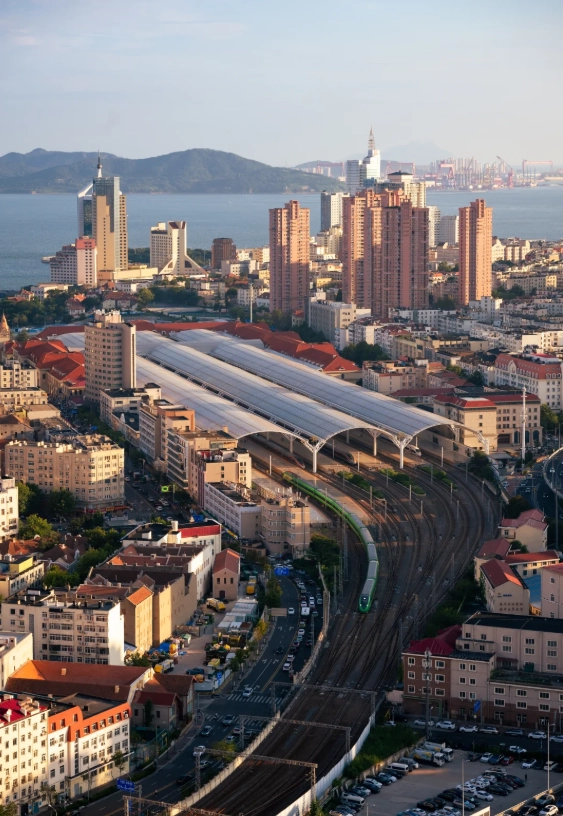
Booking, Payment, and Passport Traps
Start here: most attractions in China won't take your physical foreign credit card, and cash is rarely the smoothest option. What actually works is linking a Visa or Mastercard to Alipay or WeChat Pay. This now functions with most international cards and covers almost everything.
It isn't flawless. A few smaller vendors run QR codes that only accept domestic wallets. Keep a few hundred CNY in cash — it has rescued me more than once.
On reservations: Mount Tai, the Three Confucian Sites, and the Tsingtao Beer Museum all operate on advance-booking systems in peak season. The process is real-name, which means you enter your passport number and show the original document at entry.
Now the part nobody admits. Navigating the Chinese-language WeChat mini-program to book Mount Tai tickets is a headache even for me. Don't fight it. Use Trip.com — English interface, passport field — or hand your phone to your hotel receptionist and let them finish it in two minutes.
Visa and entry rules change. Check China's National Immigration Administration directly for current transit visa-free and entry policies rather than trusting a blog post that might be a year out of date.
Navigation: Google Maps does not work in mainland China. Stop trying. Apple Maps works and is in English. Amap has an English mode. Save the Chinese names of your destinations in your notes, because taxi drivers go by characters, not pinyin.
And install your VPN before you land. Once you're inside, downloading one requires reaching an app store that may not load. Same for translation apps — pull the offline language packs in advance, because Google Translate is inaccessible without a VPN.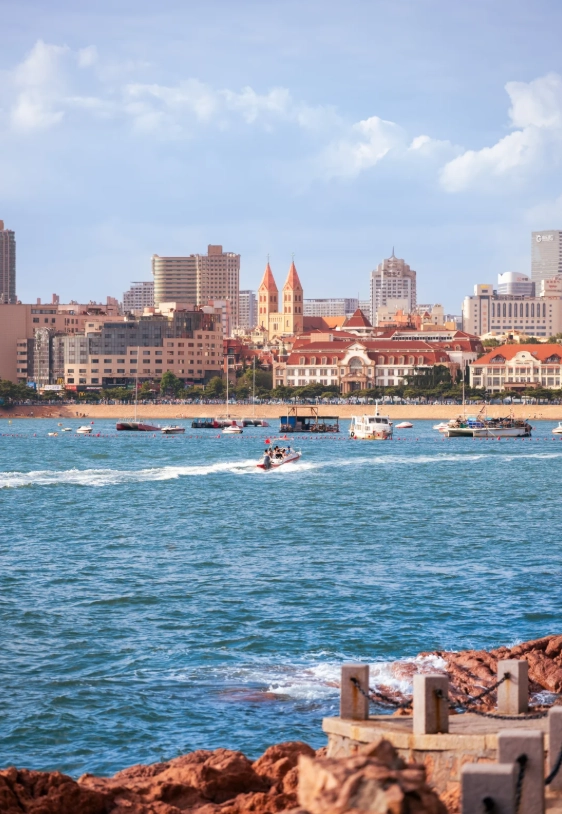
FAQ: Shandong Must-Visit Places
Can I visit Mount Tai and Qufu in the same day?
Technically yes, since the train from Tai'an to Qufu East takes 30 minutes. In practice you'll do both badly. Mount Tai eats five hours minimum once you count transfers. The Three Confucian Sites take three more. Add the gap between them, luggage handling, and a second hotel check-in. I tried it once. My client was wrecked by 7 PM and the rest of her trip suffered. Split them across two days.
Do I really need to book Shandong attractions in advance?
For Mount Tai on weekends and public holidays, yes. For the Three Confucian Sites in peak season, effectively yes. On a quiet off-season weekday you can usually walk up, but "usually" isn't a guarantee. It takes five minutes on your phone the night before. And Mount Tai genuinely does turn people away at the Red Gate when reservations are full — I've watched it happen.
Is Shandong safe for solo female travelers?
Violent crime is rare, and walking around Qingdao's old town after dark is fine. The realistic problems are different: pickpockets in crowded areas, touts on Dengzhou Road steering you toward a friend's seafood restaurant, and taxi meters that somehow never start. Standard precautions cover it. The bigger everyday risk is overpaying for a taxi, so stick to Didi or have your hotel call one for you.
What's the best time of year for the Shandong must-visit places?
Late September through mid-October is the sweet spot. Summer heat has broken, autumn colors haven't peaked, and the crowds have thinned. Avoid the first week of May and the first week of October — not because Shandong is unpleasant then, but because Mount Tai can take tens of thousands of visitors a day and the experience collapses. Winter works too, though Laoshan and Penglai get cold and windy, and the coastal half of your trip loses most of its appeal.
Can I pay with an international credit card at these attractions?
Don't count on it. Ticket windows generally take cash, WeChat Pay, or Alipay. International hotel chains will swipe a physical card; almost nobody else will. Link your Visa or Mastercard to Alipay or WeChat Pay before you enter Shandong, and carry a few hundred CNY as a fallback. That combination covers nearly everything you'll encounter.
Verified and fact-checked by the editorial team.






No comments yet.