
How Many Days to Spend in Zhejiang: 5, 7, or 10?
Planning a Zhejiang trip and unsure about the trip length? This guide breaks down 3, 5, 7, and 10-day itineraries with realistic travel times and must-know local tips from a personal guide.
Read storyA land of Jiangnan water towns, picturesque coastlines, and rich cultural heritage.
 UNESCO World Heritage Site
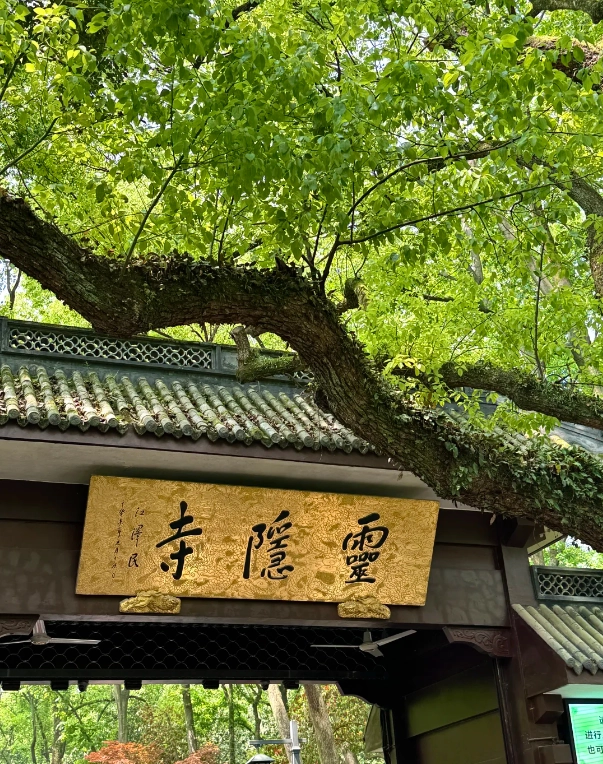 Historic Buddhist Temple
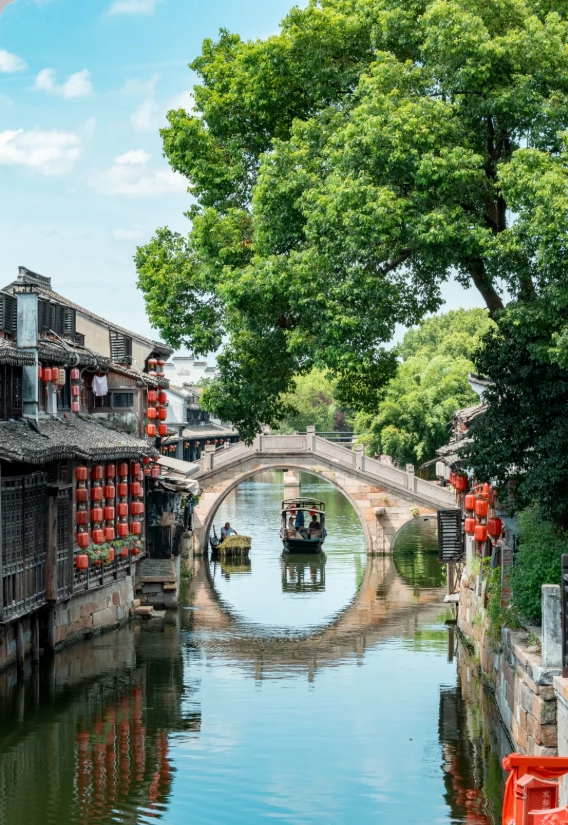 Premier Water Town
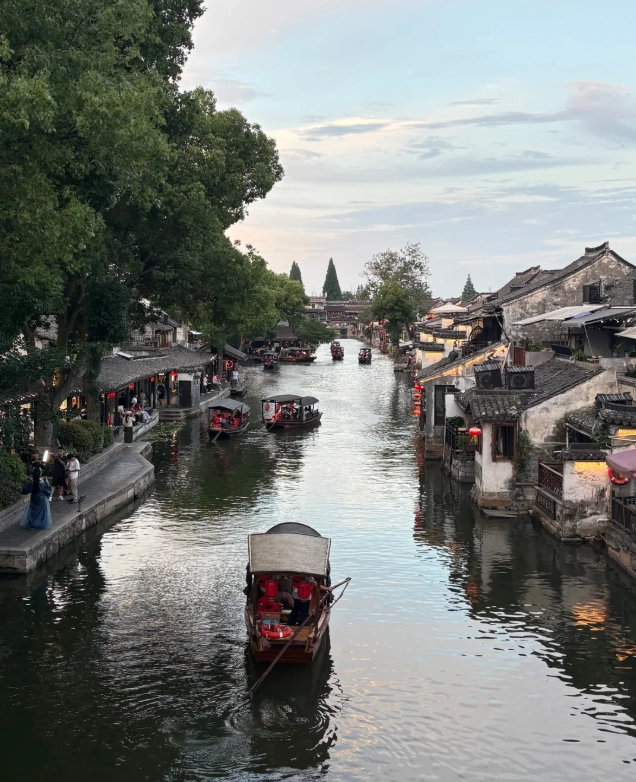 Living Ancient Town
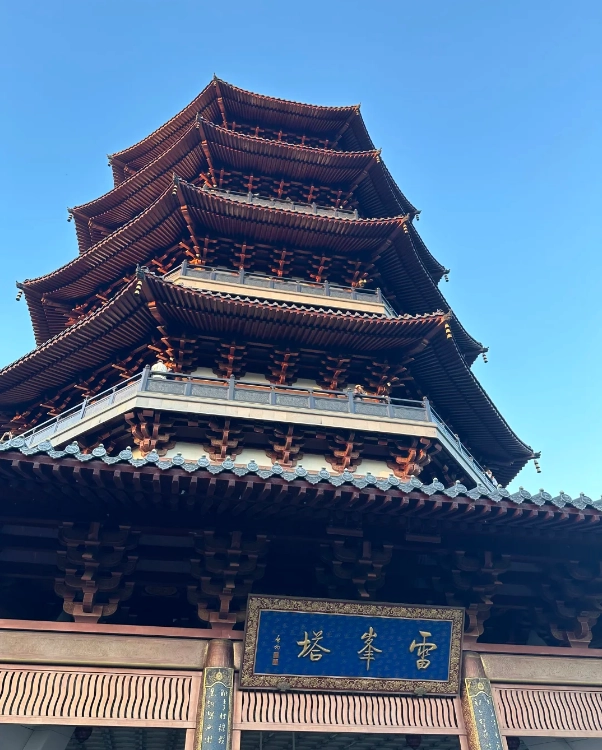 Iconic Landmark
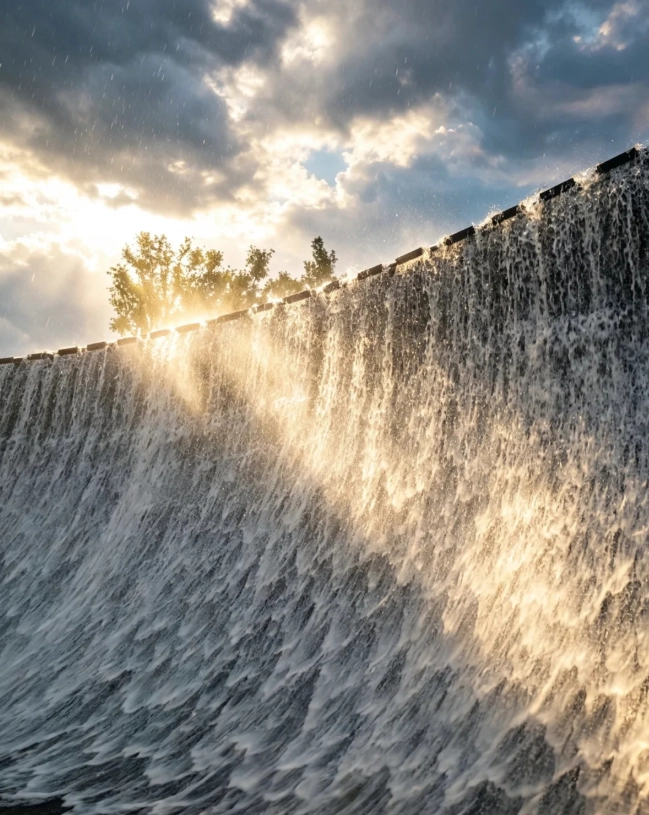 Tidal Bore Capital
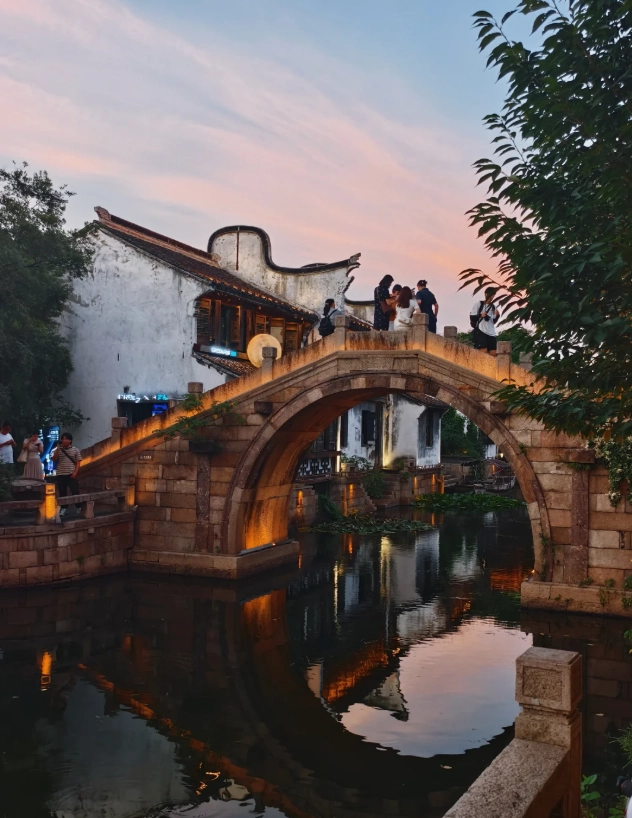 Authentic Food Street
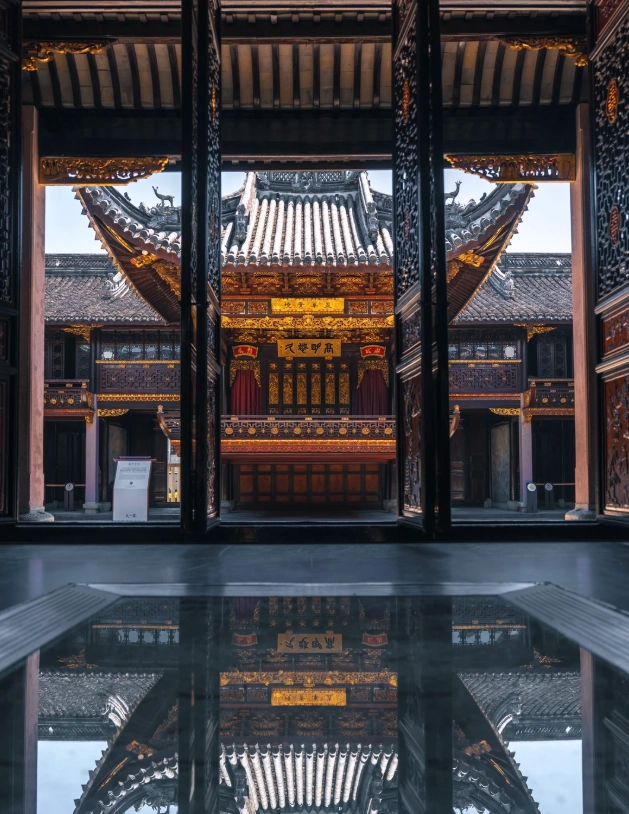 Oldest Private Library in Asia
Planning a Zhejiang trip and unsure about the trip length? This guide breaks down 3, 5, 7, and 10-day itineraries with realistic travel times and must-know local tips from a personal guide.
Read story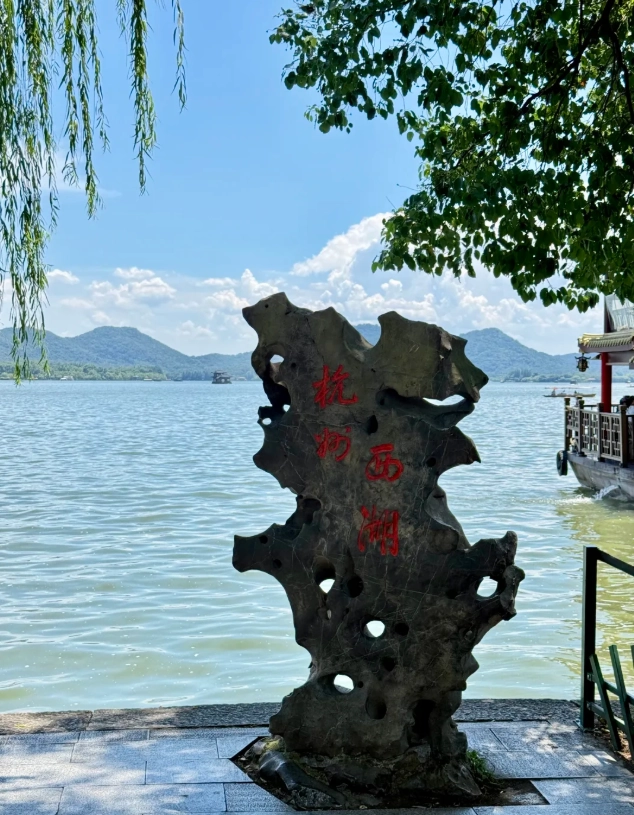
Is Zhejiang worth visiting? Yes — but only if you know where to go beyond West Lake's crowds. In this practical guide, discover hidden gems, transport secrets, and honest food picks from a Hangzhou-based guide.
Read story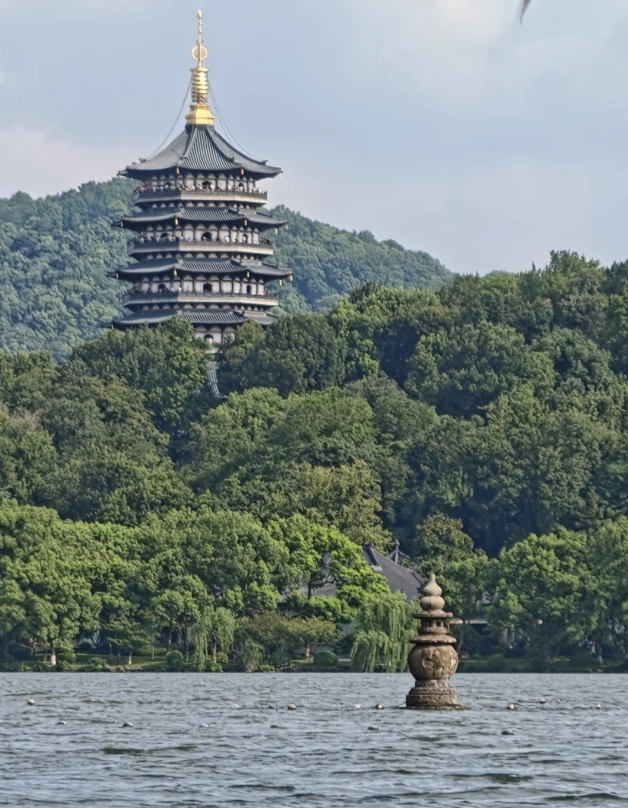
Are you looking for the best places to visit in Zhejiang but worried about overcrowded spots? This guide reveals free entry tricks, exact transport routes, and hidden alternatives like Nanxun and Longmen, so you can enjoy the province like a local. Includes a sample 3-day itinerary and booking advice for foreign tourists.
Read story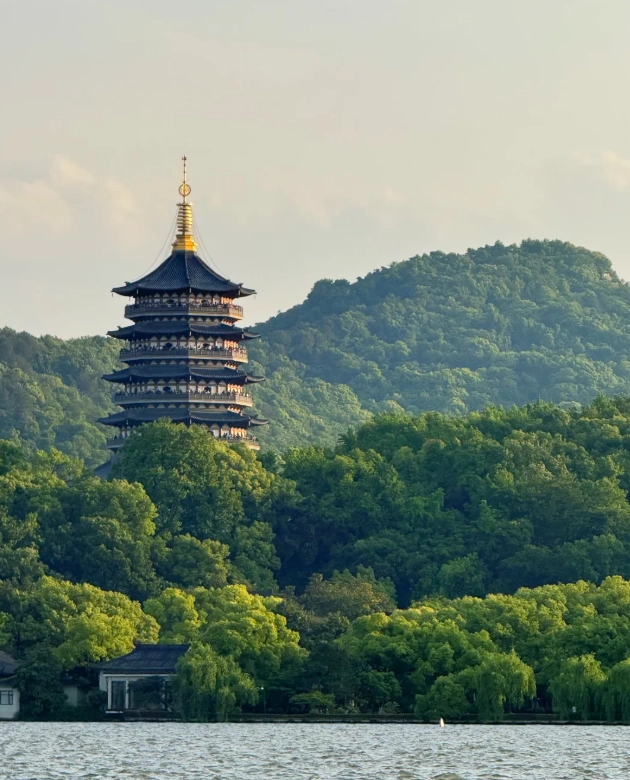
Planning a trip to Zhejiang? Discover the top things to do, from West Lake to Wuzhen, with insider tips on tickets, transport, and hidden gems—perfect for foreign travelers.
Read story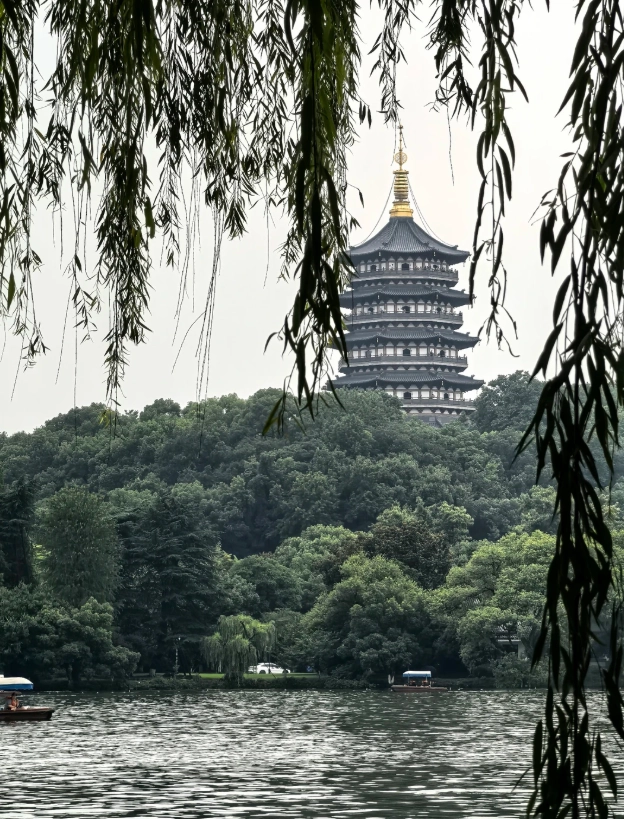
Looking for the real must-see in Zhejiang? Discover West Lake, Wuzhen, Qiandao Lake, and hidden gems with insider tips on tickets, transport, and timing. Avoid crowds, save money, and make the most of your time.
Read story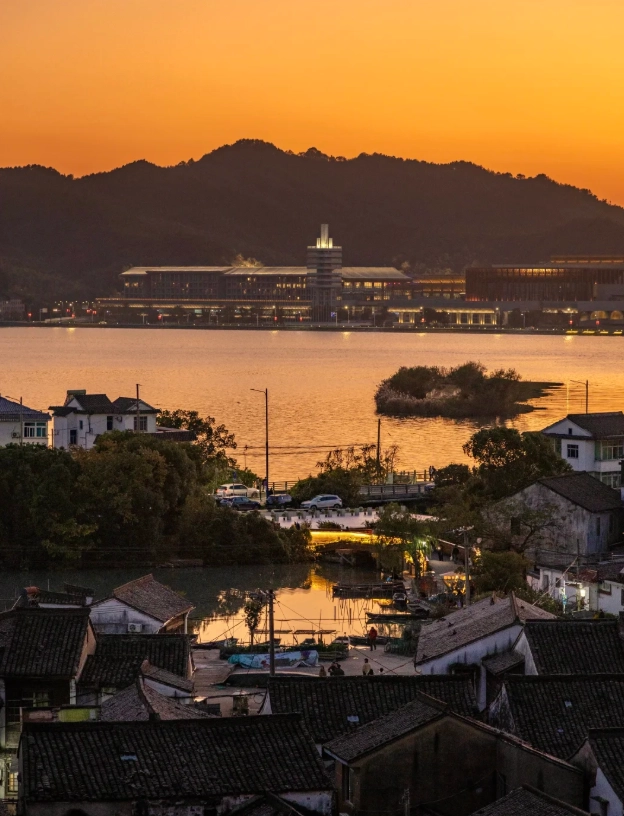
Wondering what the best places to visit in Ningbo are? This guide ranks the top 7 with crowd-free times, booking hacks, and payment tips, plus a 24-hour itinerary and insider advice on avoiding tourist traps.
Read story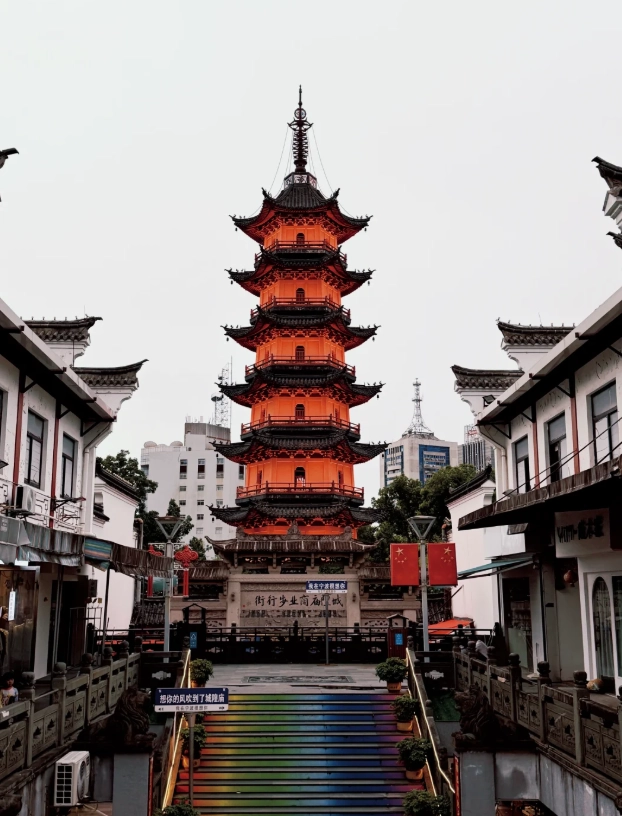
Looking for free things to do in Ningbo? Discover how to explore the city's top attractions without spending a yuan. From riverside strolls to ancient alleys, here are the best no-cost experiences plus practical travel tips.
Read story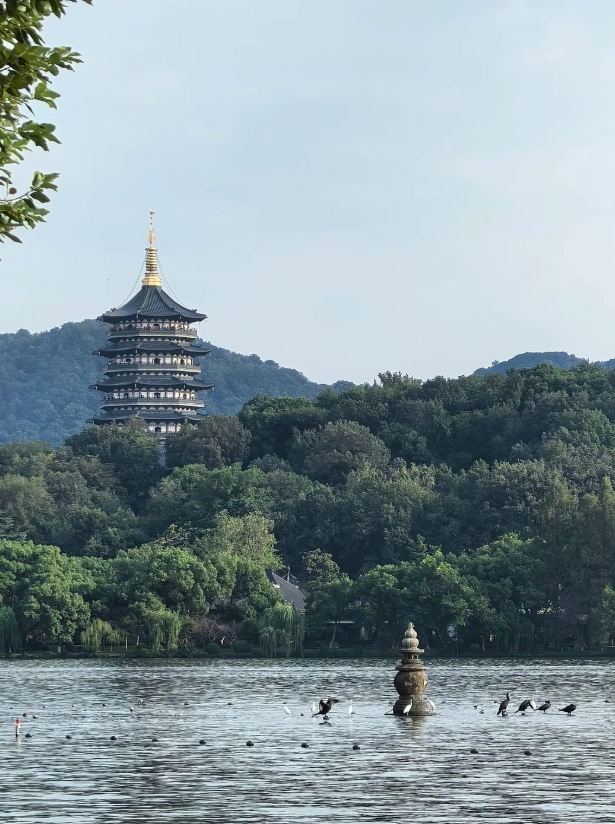
Is Hangzhou worth visiting despite the crowds? Find honest pros and cons, practical tips on transport, tickets, and hidden gems from a local guide. Plan your China trip with confidence and skip common tourist traps.
Read story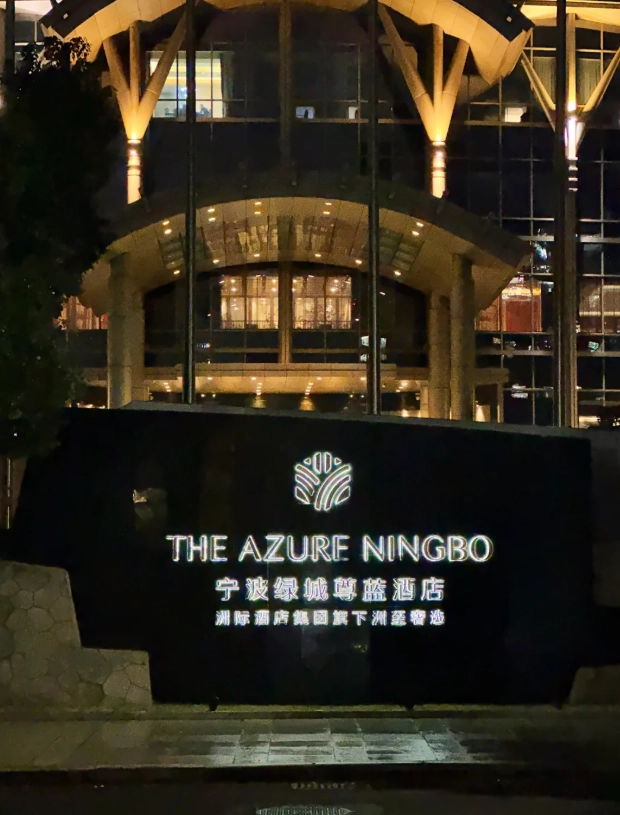
Are you looking for a Ningbo luxury hotel? I reveal the top 5 properties in this city, the exact booking and payment hacks that save you time, and the best neighborhoods to stay. Insider tips you won't get anywhere else.
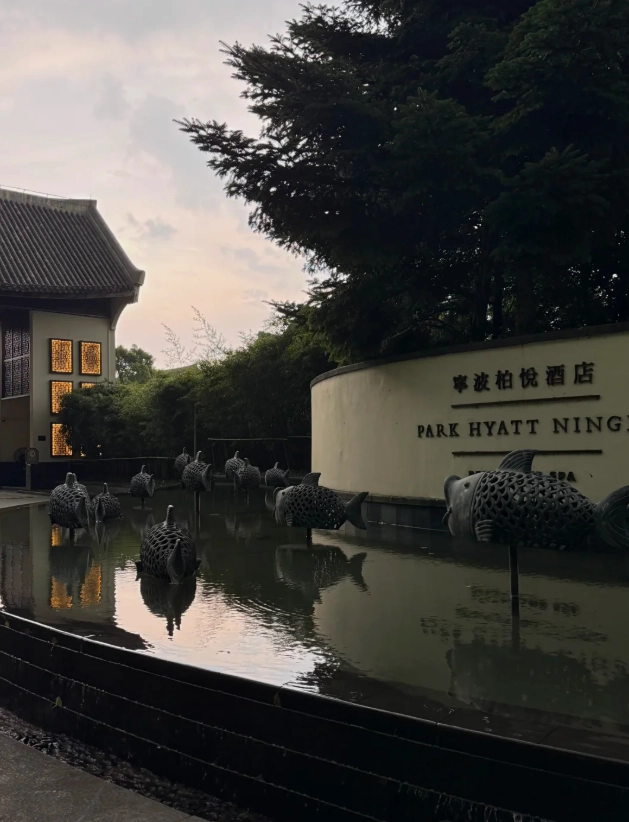
Wondering where to stay in Ningbo for first timers? Discover the best neighborhoods for your budget, plus insider tips on booking, transport, and avoiding rookie mistakes in this practical city guide.
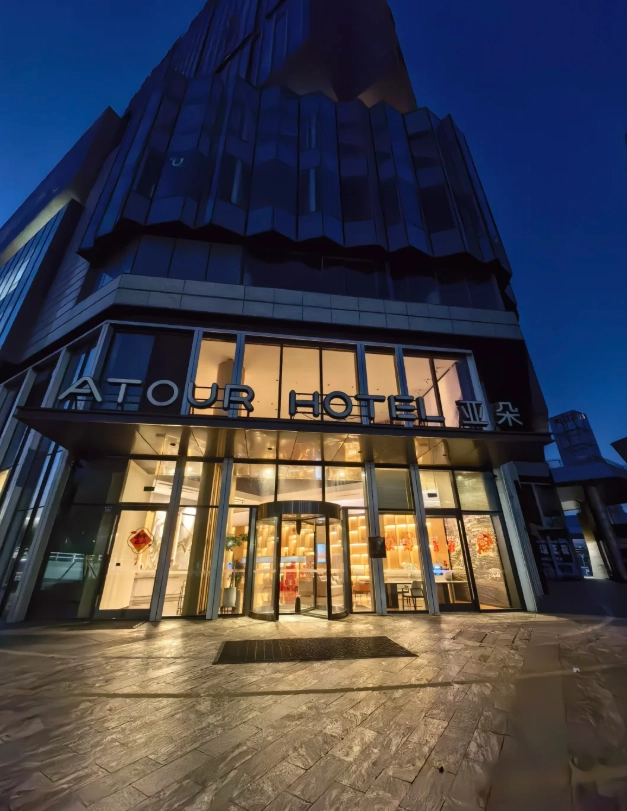
Where to stay near Ningbo Old Bund? Get my top 4 area picks with honest pros and cons, hotel tips, and insider advice on payments, transportation, and avoiding tourist traps — everything you need for a smooth stay in Ningbo.
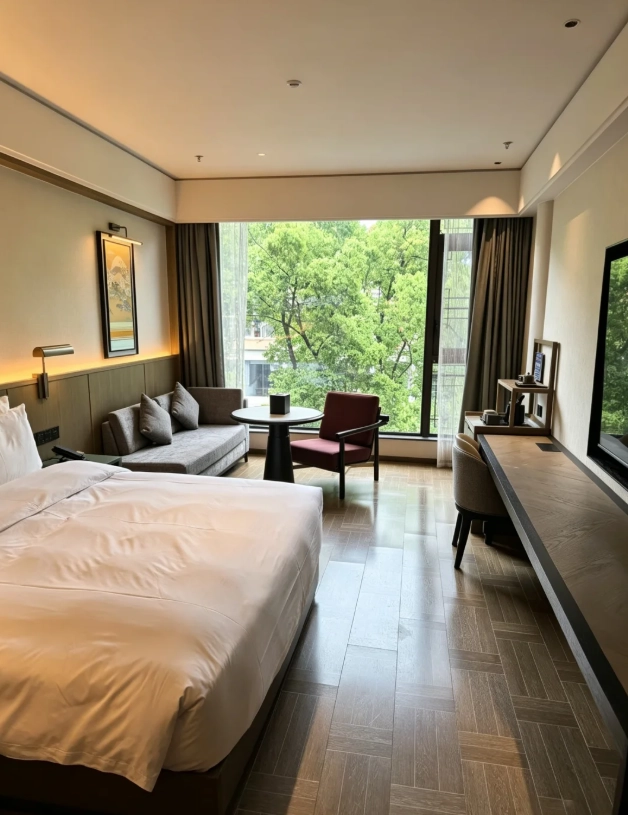
Looking for the best place to stay near Ningbo Museum? This guide reveals 5 walkable neighborhoods, real hotel prices, and insider tips to avoid tourist traps. Find your perfect base today!
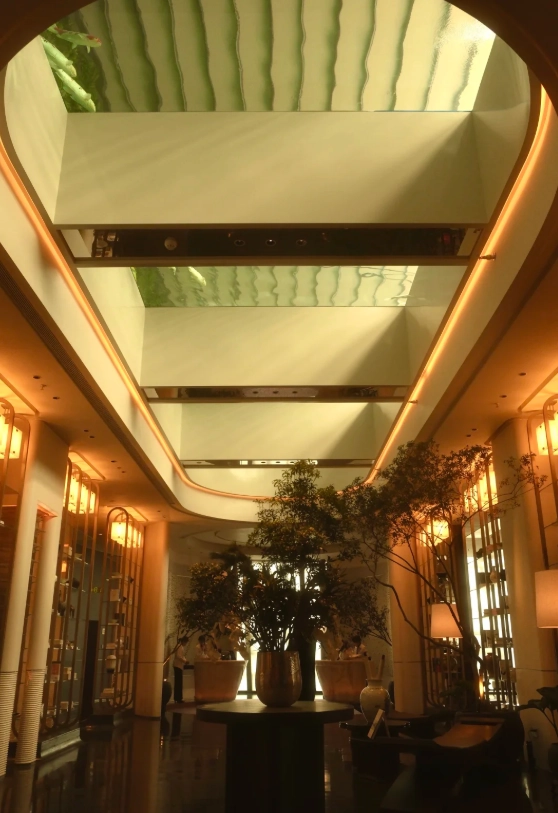
Looking for budget hostels in Ningbo that don't skimp on safety or location? I've tested dozens and narrowed down my top picks. Learn how to book easily with just your passport, pay without a local bank card, and steer clear of the common scams. Plus, get my insider tips on the best neighborhoods for budget sleepers.
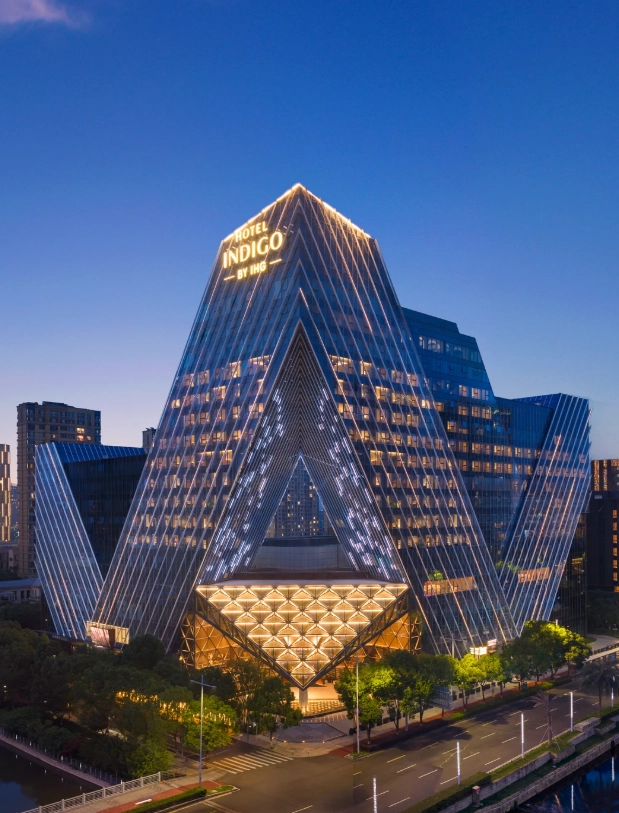
Are you looking for the best area to stay in Ningbo? From the historic Tianyi Square to the serene Dongqian Lake, I'll share my insider tips on neighborhoods, hotels, and booking hacks to help you avoid noise and payment trouble.
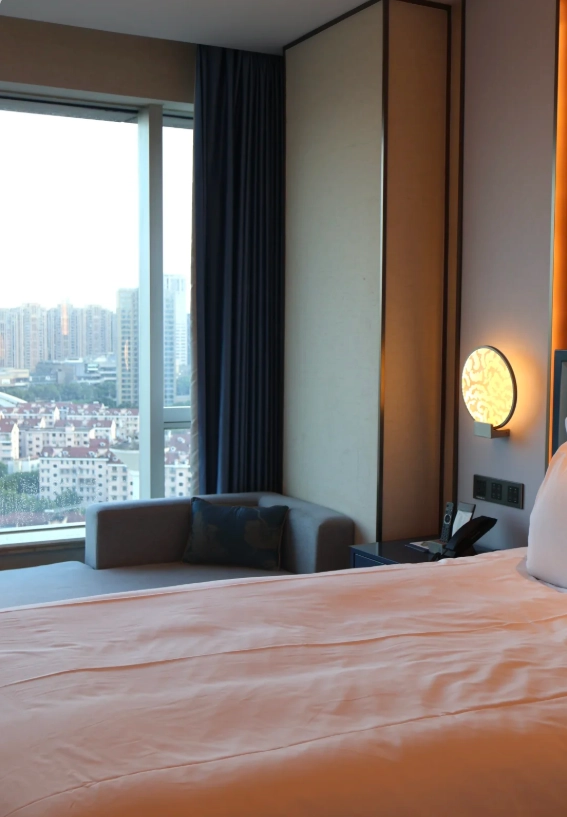
Looking for a place to stay near Tianyi Pavilion Museum? Discover the best neighborhoods, hotel picks for every budget, and insider tips for navigating payments and bookings in Ningbo.
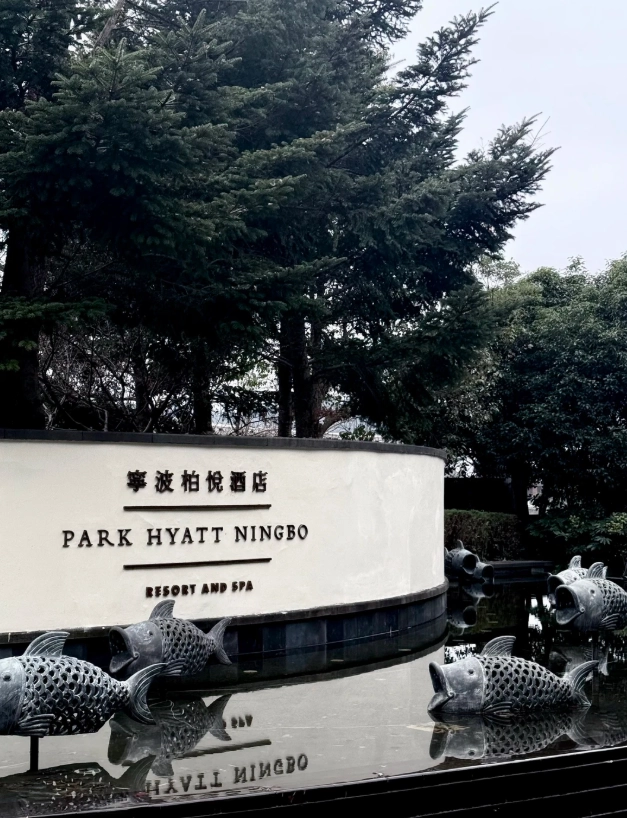
Looking for the best hotels in Ningbo? From river-view luxury stays to budget-friendly picks near the Old Bund, this local guide reveals the perfect areas to book, honest hotel reviews, and essential tips on booking, payments, and getting around — all tailored for foreign travelers.
Weather can change fast — pack a light layer and rain protection.
Holiday weeks sell out quickly; reserve trains/buses ahead of time.
Rural vendors may not take cards; mobile pay is common in cities.
Early mornings often have the best light and fewer crowds.
Agree on prices before tours and keep valuables secure in busy markets.
Recent Reviews
I came to Zhejiang for a weeklong retreat near Moganshan, and it completely reset my stress levels. The bamboo forests rustled in the wind like soft whispers, and the mornings were covered in mist that made every hike feel ethereal. My favorite moment was sitting by a stream with a cup of local green tea while rain pattered on the leaves overhead—no music, no phone, just nature. The homestay owner cooked fresh bamboo shoots and pickled vegetables that tasted like home. Absolutely perfect escape.
Zhejiang is a gem. I’m a history nut, so I focused on Shaoxing and Ningbo. The East Lake in Shaoxing is a hidden masterpiece—the sheer cliffs and narrow boat rides through the caves felt like another planet. The museum in Ningbo had a stunning collection of Yue celadon, and the guardian in my hotel gave me a hand-drawn map to a local noodle place that I still dream about. Everything felt authentic, affordable, and welcoming. I’d go back in a heartbeat.
Four days in Zhejiang and I’m genuinely impressed. The highlight was renting a bike along the Qiandao Lake loop—crystal-clear water, gentle hills, and almost no traffic on the quieter stretches. The hostel in Hangzhou had a rooftop view that made the whole trip worth it. Only reason it’s not a 5: the weather turned rainy for two days, which made the mountain trails slippery, and my booking agent mixed up the hotel dates once. Still, the food and scenery made up for it.
I really wanted to love Zhejiang, and parts of it were beautiful—the ancient water towns are postcard-perfect, no doubt. But I felt a bit rushed and overwhelmed by the crowds at the famous spots like West Lake and Lingyin Temple. The ticket prices felt steep for what you get, and the shared tour group kept stopping for photo ops that ate into actual sightseeing time. The countryside near Shaoxing was much more relaxing, but overall I expected a smoother experience for the cost and hype.
Zhejiang surprised me in the best way. I spent a week traveling from Hangzhou's West Lake to the rice terraces in Yunhe, and every stop felt like stepping into a traditional Chinese painting. The tea fields near Longjing Village were incredibly peaceful, and the smell of fresh jasmine in the evening breeze was unforgettable. The local buses were punctual, and people were genuinely helpful when I got lost near Wuzhen. I already miss the crispy stinky tofu from a tiny night market stall—so good I went back twice.
I visited Zhejiang for the first time in November, and wow — the autumn colors around West Lake were unreal. I got up before sunrise and walked the Su Causeway with almost nobody around. The light on the water and the distant hills were so peaceful that I sat on a bench for an hour and didn’t look at my phone once. Later in the week I took the ferry out to the islands near Ningbo and watched fishermen haul in their morning catch. Pure magic.
Leave a Review