 Jing Song
Minus twenty-two. That was the number on the taxi dashboard the morning I walked four Australians out of Shenyang Taoxian Airport in January. Their jackets were fine. Their shoes were not.
I have rebuilt more Liaoning itineraries because of weather than for any other reason — cancelled Benxi maple trips, moved Dalian beach days, swapped a mountain hike for a museum afternoon. Liaoning weather by month is never one single story. It is two: a maritime peninsula and an inland continental plain that behave like separate countries.
So here is the honest version most guides skip. September and the first half of October beat every other window in this province, and if you get exactly one week, take the last week of September. Winter is survivable, cheap and genuinely beautiful — but only if you understand how Chinese indoor heating works. March and April are the two months I quietly try to talk clients out of.
Jump straight to the month you are traveling.
Where Do You Want to Start?
What Is Liaoning Weather by Month Actually Like?
Liaoning has a humid continental monsoon climate, which in plain English means four real seasons, a short rainy summer, and a winter cold enough to freeze the Yalu River. The province stretches from roughly 38°N to 43°N — about the distance from Rome to Copenhagen — and the gap between its two halves matters more than any single temperature figure you will find online.
Two climate personalities share the same province. The Liaodong Peninsula — Dalian, Yingkou, Dandong, Huludao — gets the sea. Winters are milder, summers are cooler, and the wind never really stops. Inland, the Liaohe Plain — Shenyang, Anshan, Fushun, Panjin — gets the continent. Colder in January, hotter in July, drier in spring, and dustier.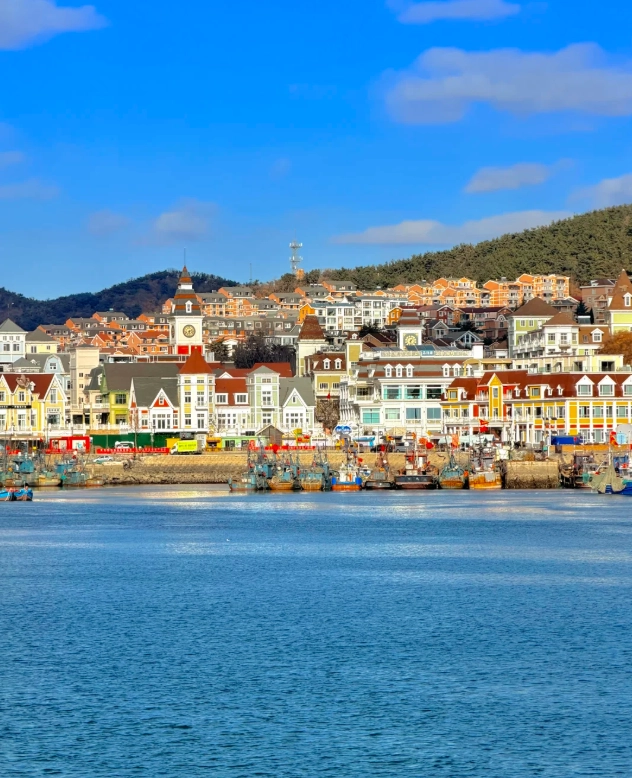
| City | January High / Low (°C) | July High / Low (°C) | What It Feels Like |
|---|---|---|---|
| Shenyang | -5 / -17 | 29 / 20 | Dry biting cold; sticky sweaty summer |
| Dalian | 0 / -6 | 27 / 21 | Damp wind chill; breezy foggy summer |
| Dandong | -3 / -12 | 28 / 21 | River valley; the wettest corner of the province |
| Anshan | -4 / -15 | 29 / 20 | Near-identical to Shenyang |
| Panjin | -4 / -14 | 28 / 21 | Flat marshland; wind cuts through everything |
Those are long-term monthly averages, and they are a starting point rather than a forecast. What they reveal is the twelve to fifteen degree gap that opens between coast and interior in the same week.
I have stood in Dalian in late January in a damp -2°C that felt colder than -15°C in Shenyang, because coastal humidity and wind attack you differently. This is the most common mistake I see: people check one city, pack one bag, then take a two-hour high-speed train into a completely different climate.
Pro Tip: If your Liaoning trip covers both Shenyang and Dalian in winter, pack for two winters. The Shenyang half needs a real down jacket and thermal base layers. The Dalian half needs that same jacket plus a windproof shell over the top, because the coastal road in January is a wind tunnel.
Liaoning Weather by Month: Winter in Shenyang and Dalian
December: Dry Cold, Empty Palaces, Cheaper Hotels
December is the most underrated month in Liaoning for anyone who hates crowds. Snow arrives, the air dries out, and tourist traffic collapses. I have walked through the courtyards of the Shenyang Imperial Palace in December with maybe a dozen other people in frame.
That palace — the Mukden Palace, listed by UNESCO World Heritage as part of the Imperial Palaces of the Ming and Qing Dynasties — is the heavyweight indoor-friendly stop of a Liaoning winter. Adult tickets run around 60 RMB, children under roughly 1.3 m and seniors with passport or ID are typically free, and you reserve through Trip.com or the official WeChat account rather than at the gate. Passport registration is mandatory. The nearest metro is Line 1 to Zhongjie Station, then a walk of about ten minutes west along Shenyang Road — you will spot the red walls before you spot the sign.
December temperatures in Shenyang sit near -3°C by day and -14°C at night early in the month, sliding toward -6°C and -18°C by New Year. Dalian hovers around 3°C and -3°C, but with the wind it rarely feels that mild.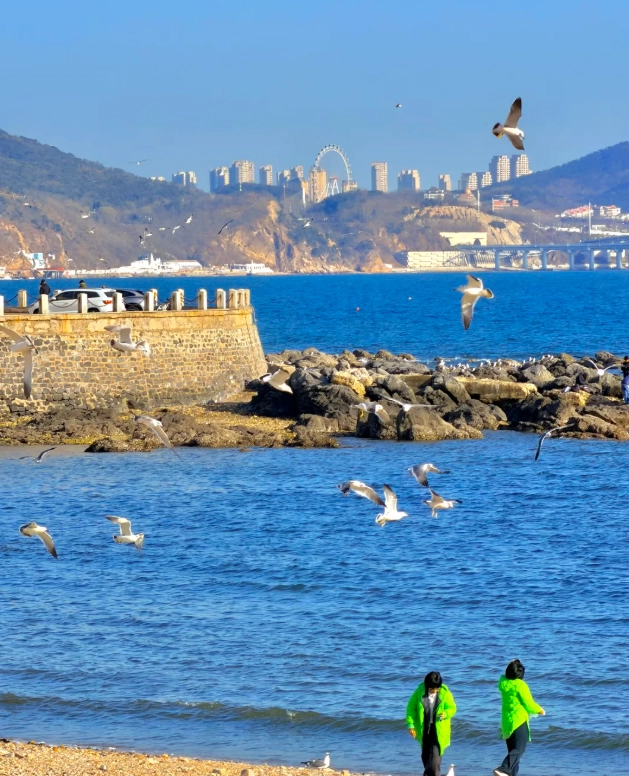
January and February: The Deep Freeze and the Heating Trick
January is the coldest month of the year across the whole province, and it is also when the indoor-outdoor temperature gap becomes a packing problem. District heating runs from November 1 to March 31 and it is aggressive. Hotel rooms sit at 22°C to 25°C. Museums, malls and restaurants are the same. You will be walking around indoors in a t-shirt while it is -18°C outside.
Which means the winning winter strategy is layers, not one giant coat. Thermal base layer, fleece or light down mid-layer, windproof shell on top. Gloves that let you use a phone screen. And heat packs — the shake-to-activate kind — cost 5 to 10 RMB at any convenience store and go inside your gloves.
Ice and snow festivals run in Shenyang from late December into February, usually anchored around Qipan Mountain on the eastern edge of the city, with ice sculpture parks and ski slopes. Smaller ski resorts operate in the surrounding hills too.
Insider Advice: Winter air quality is the thing nobody warns you about. Once the heating switches on, temperature inversions trap PM2.5 over Shenyang and the AQI can climb into the unhealthy range for days at a time. Check IQAir or AirVisual before you commit to a full outdoor day, and keep an N95 in your bag. Dalian is usually noticeably cleaner because the sea wind scrubs it out.
Spring Festival lands in late January or February depending on the lunar calendar, and it reshuffles everything for about a week. Trains sell out, some family restaurants close entirely, and every major attraction doubles its crowd. Book rail seats through China Railway 12306 or Trip.com the moment your dates are fixed. Foreign passports now register directly on 12306, though the Trip.com interface is easier if you want an English checkout.
Liaoning Weather by Month: Spring, Dust, and the Best Light of the Year
March: Slush, Salt, and Nothing Blooming
March is the ugliest month in Liaoning, and I say that with affection. Snow melts into grey slush, sidewalks crust over with road salt, the heating is still running but the sun feels weak, and nothing is green yet. Daytime temperatures hover between 3°C and 10°C.
Skip it if you have flexibility. If you do not, use it for indoor things: the Liaoning Provincial Museum in Shenyang, the Dalian Natural History Museum, and long unhurried meals.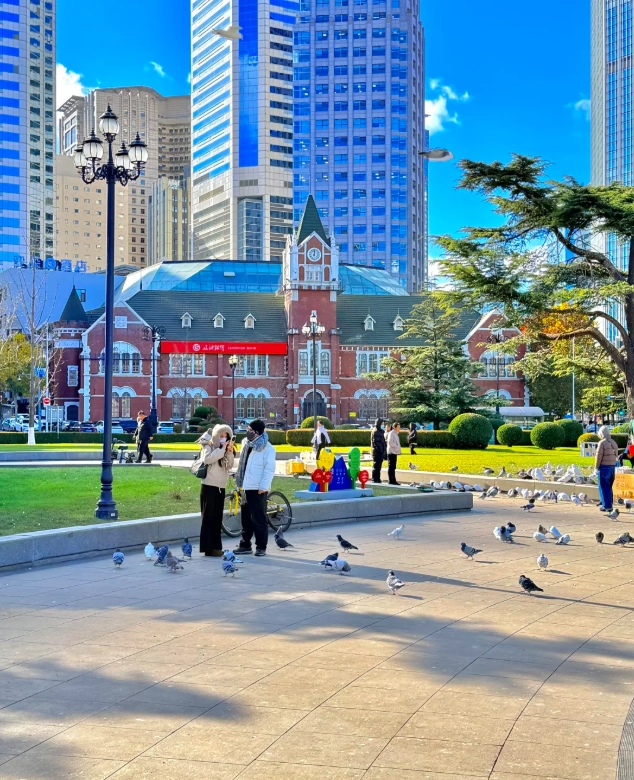
April: Wind, Dust, and the Sandstorm Nobody Mentions
April brings the strongest winds of the year, and on some days dust blown in from the Mongolian plateau turns the sky a flat yellow-grey. Foreign guidebooks almost never mention this. It happens a handful of days each spring, it is not dangerous, and it clears within a day or two — but if you have asthma or wear contact lenses, April is not your month.
What April does deliver is the first real warmth: 10°C to 18°C, plus cherry and lilac blossoms in Shenyang's Beiling Park and along the Hun River. Late April into early May is the sweet spot.
May: The Quiet Best Month of Spring
May is the month I recommend to anyone who wants comfortable weather without peak-season pricing. Days sit between 18°C and 25°C, the wind drops, the dust stops, and everything turns green. Dalian's coastal road is at its best — cool enough to walk, warm enough to sit outside with coffee.
Book hotels early anyway. The first five days of May are a national public holiday and domestic travel surges; Dalian prices can double for that week and trains from Beijing fill up a month ahead.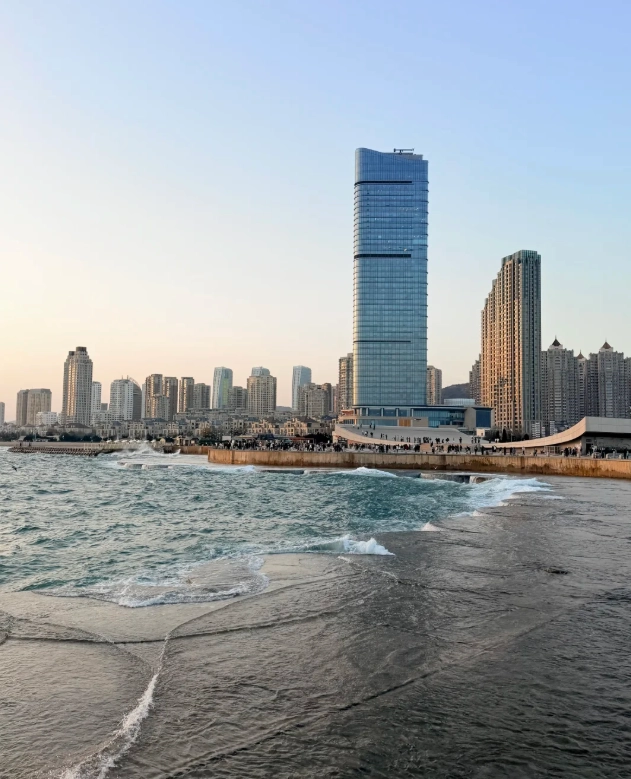
Liaoning Weather by Month: Summer Heat, Rain, and Coastal Fog
June: Warm, Clear, and Quietly the Best Beach Window
Everyone books Dalian for July and August. I book it for June. Air temperatures sit around 24°C to 28°C, the rainy season has not started in earnest, and the beaches at Jinshitan and Bangchui Island are half empty. The sea is still cold — think 17°C to 19°C — which is bracing rather than pleasant, but most visitors come for the seafood and the coastal walk anyway.
July and August: Hot, Humid, and Very Wet
July and August deliver the heat and roughly half the province's annual rainfall, usually as short violent afternoon downpours rather than all-day drizzle. Shenyang climbs to 29°C to 33°C with humidity that makes it feel worse. Mornings and evenings are for walking; midday belongs to museums and air conditioning.
Dalian is cooler but has its own problem: sea fog. In June and July a thick fog bank can roll over the coast and sit there for two or three days, flattening every view and occasionally delaying flights at Dalian Zhoushuizi Airport. It is genuinely beautiful from inside a seafood restaurant. It is disappointing from the top of a sightseeing tower.
The upside is Panjin's Red Beach, where the seepweed turns crimson from late August through early October, peaking in September. Go at low tide. The boardwalk sits over the marsh and the colour is far stronger when the mud is exposed.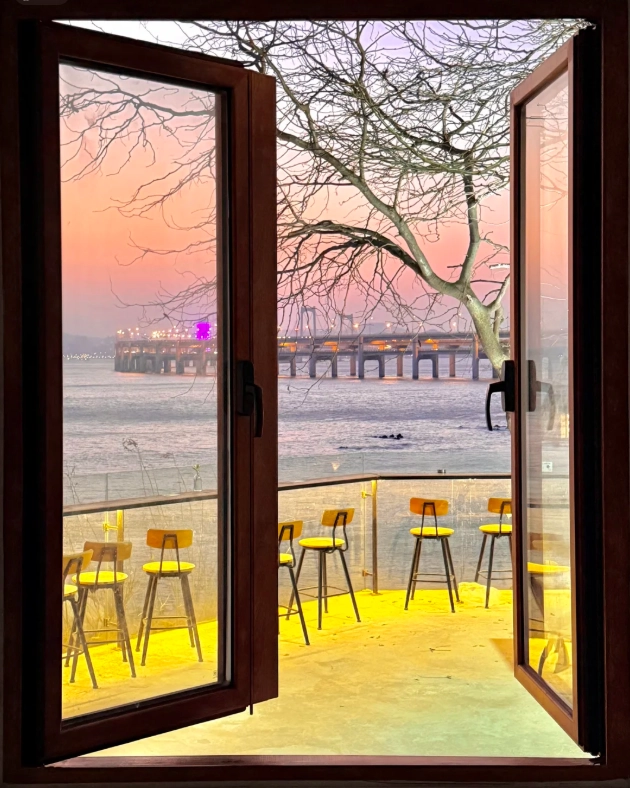
Pro Tip: August is also when the tail end of a typhoon occasionally reaches the Liaodong Peninsula. It is rare, and by the time it arrives it is usually just heavy rain and wind — but if you are planning a ferry crossing from Dalian to Yantai or a boat trip on the Yalu River in Dandong, build a spare day into your schedule.
Liaoning Weather by Month: Autumn, the Window You Should Book
September: The Single Best Month in Liaoning
If you take one thing from this whole article, take this: September is the best month to visit Liaoning, full stop. Daytime temperatures settle between 22°C and 27°C, humidity drops, the sky turns a hard clear blue, and the summer crowds have gone home. Rainfall is low and air quality is at its best of the year.
Dalian in September is the version of Dalian people fall in love with. The sea is warm enough to swim — around 22°C — the seafood is at its peak, and the coastal road fills with locals on bikes. Shenyang in September is comfortable enough to walk the full length of Zhongjie and the Imperial Palace without breaking a sweat.
October: Maple Season in Benxi and the Golden Window
Early to mid October is maple season, and the best place to see it is Benxi, about 70 km southeast of Shenyang. Guanmen Mountain is the famous one, and the shuttle bus queues prove it. I prefer the quieter valleys along the same road, where you get the same red-orange-yellow mix without waiting forty minutes for a bus.
Timing shifts by a week or two every year. Ask your hotel the day before you go — the front desk will know, because half of Shenyang asks them the same question. Bring a warm layer; mountain mornings run 8°C to 10°C even when Shenyang is at 20°C.
By late October temperatures fall to 10°C to 15°C, the leaves drop, and the heating season is about to start. That transition week is the last comfortable outdoor week of the year.
November: The Turn, and Why It Is Still Worth Considering
November in Liaoning is cold, grey and cheap, and that combination suits a certain kind of traveler perfectly. Temperatures slide from around 8°C at the start of the month to freezing by the end. Heating comes on. The first real snow usually falls in Shenyang in the second half of the month.
Hotel prices in Dalian drop hard. The trade-off is that coastal wind turns genuinely unpleasant and many seaside restaurants close for the season.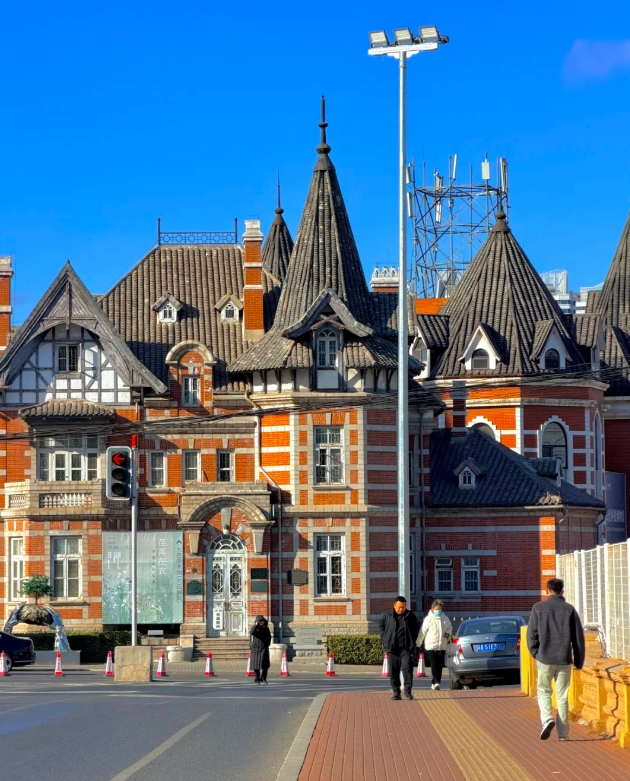
How Do You Check the Weather and Air Quality in Liaoning?
Google Weather and Google Maps are unreliable in mainland China, and this trips up more visitors than any other tech issue. Apple Weather works well and is in English. Apple Maps handles navigation. For a highly accurate alternative with English support, AMap Global is the best option.
For official data, the China Meteorological Administration publishes forecasts at weather.cma.cn — accurate, authoritative, and entirely in Chinese. Screenshot it if you need to show a taxi driver.
For air quality, IQAir and AirVisual give you a readable AQI in English, which matters most between November and March.
One more thing before you land: install a VPN in advance, not after arrival, and download Apple Translate or Baidu Translate with the offline Chinese pack. The National Immigration Administration publishes current visa-free transit rules and eligible ports — Shenyang and Dalian both appear on the transit list, but the policy changes, so verify it there before booking flights.
What Should You Pack for Liaoning by Month?
The rule in Liaoning is layers plus one serious outer shell. Here is the compressed version.
| Month | Typical Daytime Range | Layers | The Thing People Forget |
|---|---|---|---|
| January–February | -18°C to -3°C | Thermal base, fleece, down jacket, insulated boots | Heat packs and a scarf for your face |
| March | 3°C to 10°C | Base, fleece, waterproof shell | Waterproof shoes — the slush is relentless |
| April | 10°C to 18°C | Base, light jacket | Sunglasses and a mask for dust days |
| May | 18°C to 25°C | T-shirt, light cardigan | A second layer for cool evenings |
| June | 22°C to 28°C | T-shirt, light rain jacket | Swimwear for Dalian, the sea is cold |
| July–August | 27°C to 33°C | Breathable fabrics, umbrella | Quick-dry shoes for afternoon downpours |
| September | 22°C to 27°C | T-shirt, light jacket | Nothing — this month is easy |
| October | 8°C to 20°C | Base, mid-layer, jacket | Warm layer for mountain mornings |
| November | -2°C to 10°C | Base, fleece, windproof shell | Windproof gloves |
| December | -15°C to -2°C | Full winter kit | Lip balm — the dry air is brutal |
Two practical notes. Hotel laundry is not always fast in China, so bring enough thermal base layers for the number of days you are traveling. And if you are doing both Shenyang and Dalian in winter, add the windproof shell even if you think you will not need it.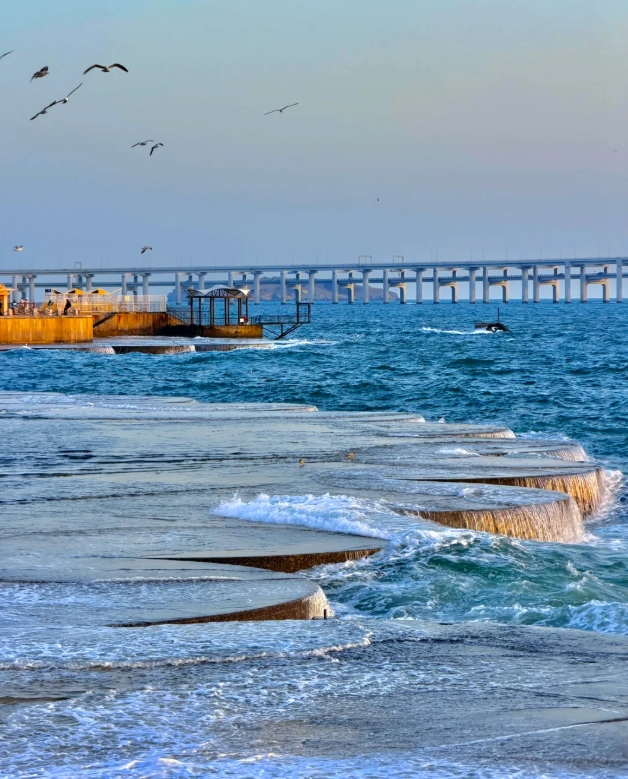
Liaoning Weather by Month: Questions I Get Every Trip
Is Liaoning too cold to visit in January?
The cold is real but manageable, and January is one of the quietest and cheapest months of the year. The trick is understanding that every indoor space you enter sits at 22°C or warmer, so you dress in layers you can strip off rather than one heavy coat. What genuinely limits January is daylight — sunset in Shenyang arrives before 5 pm, so plan outdoor sightseeing before 3 pm and save museums for the late afternoon.
Which month has the least rain in Shenyang and Dalian?
September and October, with January and February close behind — though winter precipitation falls as dry snow that brushes right off. July and August carry the bulk of annual rainfall in short intense bursts. If rain ruins your trip more than cold does, plan around September.
Do I need a VPN just to check the weather?
Not for Apple Weather, which works fine on the ground. You do need one for Google Weather, Google Maps and most Western travel sites. Install and test it before you fly — VPN provider websites are often unreachable once you are inside China, so downloading after arrival is the classic mistake.
What is the worst month to visit Liaoning?
March, without much competition. Snow has turned to grey slush, trees are bare, heating is still running, and the wind is cold. April is a close second because of the dust. Neither is dangerous — they are simply the months when Liaoning shows you its least photogenic face.
Can I pay by card at attractions and restaurants?
Assume you cannot. Alipay and WeChat Pay linked to an international card cover almost everything, including metro tickets and street food, and that is how locals pay. Cash is legally accepted, but small vendors may struggle to break a 100 RMB note. International credit cards work at larger hotels and some upscale restaurants, and almost nowhere else.
Verified and fact-checked by the editorial team. Temperature ranges quoted here are long-term monthly averages and shift from year to year — always confirm current conditions, ticket prices and opening hours through official channels before you travel.


No comments yet.