 Qiang Huang
The 60-Second Wardrobe Briefing
- Shandong's Climate in a Nutshell
- What to Wear in Shandong in Spring
- What to Wear in Shandong in Summer
- What to Wear in Shandong in Autumn
- What to Wear in Shandong in Winter
- The Shandong Packing List That Actually Works
- How Do You Dress for Specific Shandong Attractions?
- What Mistakes Do First-Time Visitors Make?
- Questions I Get Asked on Every Shandong Tour
Two hours on Mount Tai's summit will humble you. I once watched a grown man in flip-flops turn grey at the South Gate while his wife begged a stranger for a spare jacket.
Shandong's weather does not negotiate. One train ride takes you from humid coastal soup to dry inland wind, and your clothing has to survive both. So when travelers ask me what to wear in Shandong, I never hand them a generic list. A single packing strategy for Qingdao, Jinan, and Qufu is the fastest way to ruin your trip.
Here is the short version before we dig in. Treat Shandong as two climates, not one. The coast — Qingdao, Yantai, Weihai — runs humid, breezy, and mild. The interior — Jinan, Tai'an, Qufu — runs dry, extreme, and windy. Bring a compressible puffer, real walking shoes, and more layers than your instincts suggest. Everything else is detail.
Now let's break it down properly.
Shandong's Climate in a Nutshell
Shandong sits on a peninsula that juts into the Yellow Sea, and that geography splits the province in half. Coastal cities get a maritime buffer. Interior cities get a continental hammer. The gap between them is bigger than most visitors expect.
The Two-Zone Rule Nobody Tells You
If your itinerary includes both Qingdao and Jinan, you are effectively packing for two different countries. Qingdao rarely drops below freezing in winter or climbs above the low thirties in summer. Jinan regularly hits 35°C in July and can plunge well below zero in January. That is a 40-degree swing within a three-hour train ride.
Check the seasonal forecast on the National Meteorological Center before you leave, but do not trust it more than three days out. I have seen late-October days in Tai'an hit 24°C and then snow the following week.
What Tourists Get Wrong About Humidity
Coastal humidity is the silent clothing killer. Cotton t-shirts feel fine for about forty minutes in Qingdao in August, then they cling and stop drying. Bring at least two quick-dry or merino tops. They weigh nothing and they save entire afternoons.
What to Wear in Shandong in Spring
March through May is the windiest stretch of the year. Expect dust in Jinan, sea fog in Qingdao, and sharp temperature drops after sunset.
Layering Is Not Optional Here
Spring in Shandong means dressing for three seasons before lunch. A typical April day in Jinan starts around 8°C, peaks near 20°C by early afternoon, and drops back to 10°C by dinner. The only workable system is a light base layer, a mid-layer fleece or thin sweater, and a windproof shell you can stuff into a daypack.
Skip the heavy coat. Skip the sandals. Both are mistakes I see constantly in March.
Footwear for the Wet Spring Season
Qingdao gets its heaviest fog and drizzle in April and May. Leather sneakers will soak through on the coastal boardwalks. Bring shoes with a breathable but water-resistant upper, and pack a spare pair of socks in your bag. Wet feet on a six-hour walking day is the fastest way to end a trip early.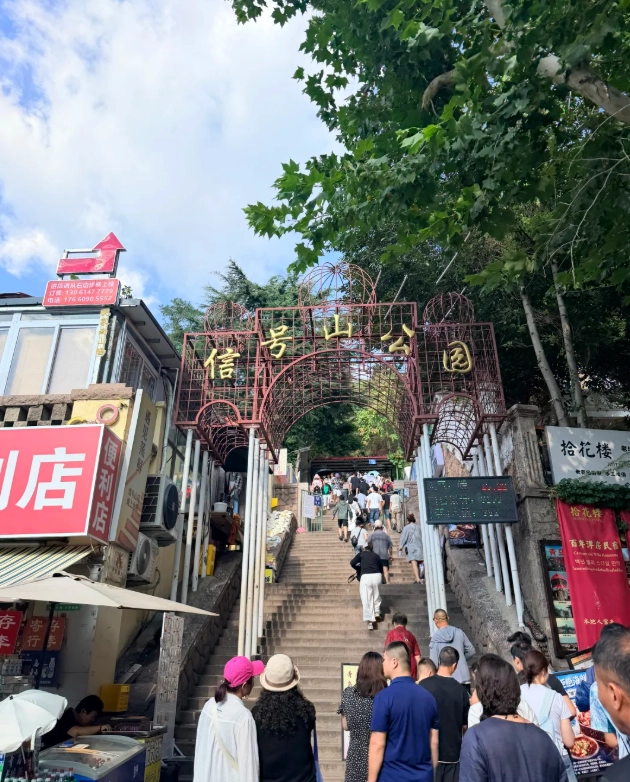
What to Wear in Shandong in Summer
June to August is hot, humid, and unforgiving. Coastal and inland summer require genuinely different wardrobes.
Beating Coastal Humidity in Qingdao
Linen and quick-dry synthetics beat cotton every time on the Qingdao waterfront. The sea breeze helps, but the humidity means sweat does not evaporate. Loose, light-colored, breathable clothing is your best friend. Avoid dark denim entirely — it becomes a heat trap by mid-morning.
Qingdao's beaches like Shilaoren and the No. 1 Bathing Beach are crowded on weekends. If you plan to swim, bring a proper swimsuit rather than relying on local shops. Sizes run small and quality varies wildly.
Sun Protection for the Inland Heat
Jinan in July is brutal. The city sits in a basin and traps heat. A wide-brimmed hat, UV-blocking sunglasses, and a lightweight long-sleeve shirt will do more for you than any sunscreen alone. Reapply sunscreen every two hours — the inland sun in Shandong is stronger than most European visitors expect.
What to Wear on Mount Tai in Summer
This is the single most common mistake I see. Travelers climb Mount Tai in shorts and a tank top, then freeze at the summit. The peak sits roughly 1,500 meters above sea level, and the temperature there can be 10 to 12 degrees cooler than Tai'an city below.
Pro Tip: Pack a light puffer or fleece in your daypack even in July. If you plan to catch the sunrise at the summit, you will also want a windproof shell and gloves. Rental coats are available near the top, but they are thin, shared, and rarely cleaned to a standard most foreigners are comfortable with.
What to Wear in Shandong in Autumn
September to November is the best window for visiting Shandong. Clear skies, low humidity, and comfortable temperatures across the whole province.
Why Autumn Is the Golden Window
Autumn gives you the widest comfortable temperature band of the year — roughly 12°C to 24°C across most of Shandong. This is the season where a simple combo of jeans, a t-shirt, and a light jacket covers you from breakfast to dinner without adjustment.
October in Qufu, home to the Temple and Cemetery of Confucius and the Kong Family Mansion, is especially pleasant. That site carries a UNESCO World Heritage listing, and the surrounding cypress groves stay cool well into the afternoon.
Evening Layers for Coastal Cities
Qingdao's sea breeze turns chilly after sunset from late September onward. A packable windbreaker is worth the space. I always tell my clients to keep one thin layer accessible in their day bag rather than buried in checked luggage.
What to Wear in Shandong in Winter
December through February is dry, windy, and much colder than the coastal latitude suggests.
Surviving the Inland Wind
Wind chill is the real enemy in Shandong's winter, not raw temperature. Jinan might read -5°C on the thermometer, but the wind coming off the plains makes it feel far worse. A proper windproof outer shell matters more than a thick but porous coat.
Thermal base layers, a fleece mid-layer, a down or synthetic puffer, plus a wind-blocking shell is the standard stack. Add gloves, a scarf, and a hat that covers your ears. Earmuffs alone will not cut it.
Qingdao Winter Is Milder but Damp
The coast rarely drops far below freezing, but the damp cold seeps in. Waterproof boots with a warm lining work better here than fashion sneakers. If you are visiting in January, expect most seaside restaurants to have heated indoor seating only.
The Shandong Packing List That Actually Works
Here is the core kit I recommend to every client, regardless of season. Adjust quantities based on trip length, but do not skip the categories.
- Base layers: Two or three quick-dry or merino tops. These handle sweat, humidity, and unexpected laundry delays.
- Mid-layer: One fleece or thin down jacket. This is the piece that saves you on Mount Tai and in coastal evenings.
- Outer shell: A packable windproof and water-resistant jacket. Spring and autumn wind in Shandong is relentless.
- Footwear: One pair of broken-in walking shoes and one pair of water-resistant boots or sturdy sneakers.
- Accessories: Sun hat, sunglasses, gloves, scarf, and a compact umbrella. Yes, all of them. Shandong weather shifts fast.
- Laundry kit: A small bottle of travel detergent. Hotel laundry services are expensive and often take a full day.
Season-by-Season Quick Reference
| Season | Typical Temperature Range | Essential Clothing | Watch Out For |
|---|---|---|---|
| Spring — March to May | 8°C to 20°C | Base layer, fleece, windproof shell | Strong wind, coastal fog, sudden drops after sunset |
| Summer — June to August | 24°C to 35°C | Linen or quick-dry tops, shorts, sun hat | High humidity on the coast, intense inland sun |
| Autumn — September to November | 12°C to 24°C | Jeans, t-shirt, light jacket | Chilly coastal evenings from late September |
| Winter — December to February | -6°C to 8°C | Thermal base, fleece, puffer, windproof shell | Inland wind chill, damp coastal cold |
How Do You Dress for Specific Shandong Attractions?
Different sites have different demands. Here is how I dress clients for the four most popular stops in the province.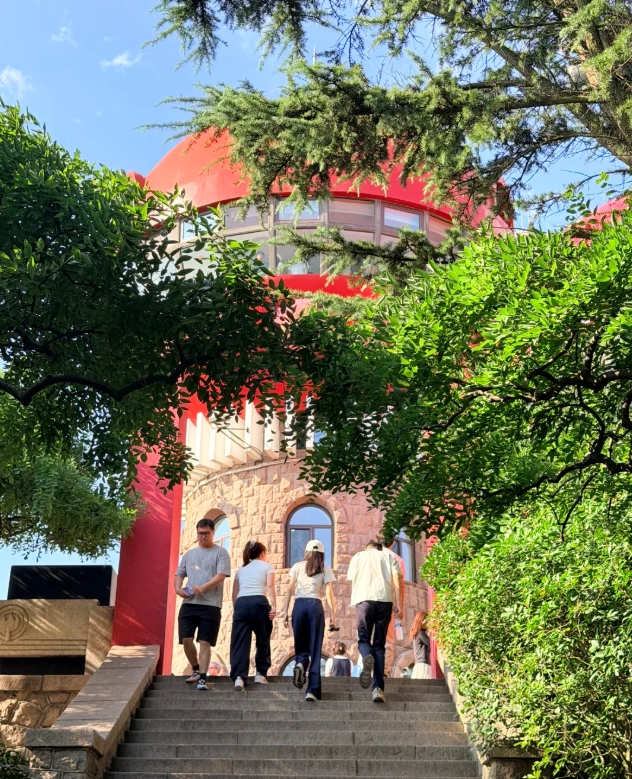
Mount Tai: The Summit Will Test You
The single most important item for Mount Tai is a warm, windproof layer, even in summer. The climb involves thousands of stone steps, so breathable clothing and sturdy shoes matter as much as warmth. Do not wear new shoes — the descent punishes blisters.
If you are taking the cable car from the Mid-Heaven Gate, you still need the warm layer for the final stretch to the summit. Sunrise viewing means arriving before dawn, when temperatures are at their lowest. Bring a headlamp or use your phone flashlight, and keep both hands free.
Qingdao Beaches and the Old Town
Shilaoren Beach and the No. 1 Bathing Beach are the two most popular swimming spots. Bring a swimsuit, a quick-dry towel, and sandals for the sand. For the Old Town and Badaguan area, comfortable walking shoes are essential — the streets are hilly and the architecture walks take two to three hours.
If you want to see the famous red-roofed German-era buildings without the crowds, go early morning. By 10 a.m. in summer, the tour buses arrive and the streets become shoulder-to-shoulder.
Confucius Temple in Qufu: Dress Respectfully
The Temple of Confucius is an active cultural and heritage site, and modest dress is appreciated. Cover your shoulders and knees, and avoid beachwear. Comfortable shoes are essential — the complex is vast and mostly outdoors.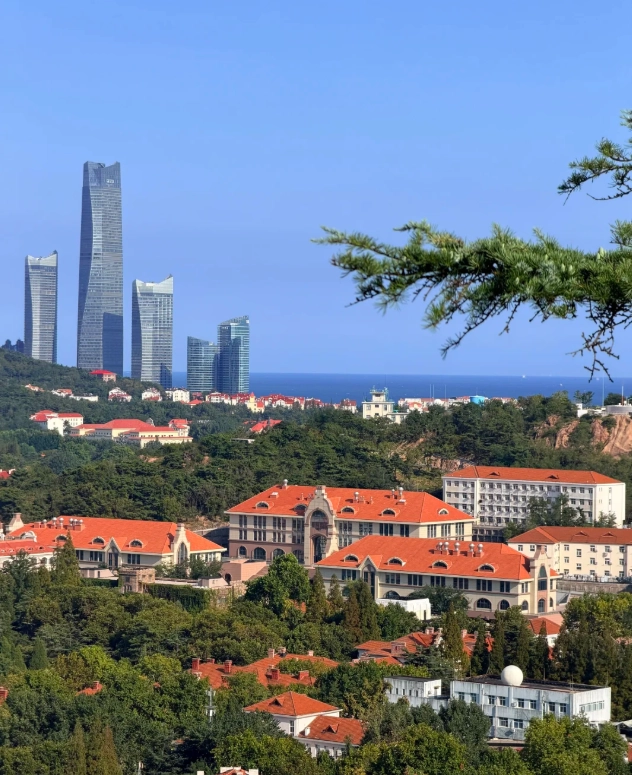
Jinan's Springs: Practical Comfort Wins
Baotu Spring and the surrounding parks involve long walks on stone paths that can be slippery after rain. Grippy soles and a light rain jacket are worth packing. Jinan's springs are best in autumn when water levels are high and the crowds thin out.
What Mistakes Do First-Time Visitors Make?
After years of guiding, these are the clothing errors I see over and over.
- Packing for one city and applying it to the whole province. Qingdao and Jinan demand different wardrobes. Plan for both if your itinerary covers both.
- Underestimating the summit temperature on Mount Tai. The difference between the base and the peak is dramatic. Always carry a warm layer.
- Wearing brand-new shoes. Shandong involves a lot of walking and stairs. Break in your footwear before you fly.
- Relying on cotton in summer. Cotton holds sweat and stops drying. Quick-dry fabrics will keep you far more comfortable.
- Forgetting a windproof layer. Wind, not cold, is what makes Shandong winters feel brutal.
- Bringing only formal footwear. You will walk more than you expect, and cobblestones plus dress shoes is a bad combination.
Insider Advice: Buy a cheap packable rain poncho once you arrive. They cost almost nothing at convenience stores and they handle sudden coastal showers better than an umbrella in the wind. Toss it when you leave.
Questions I Get Asked on Every Shandong Tour
Can I buy warm clothing in Shandong if I pack too light?
Absolutely, and it is often cheaper than you think. Jinan and Qingdao both have large shopping districts and chain stores like Uniqlo where you can pick up a decent fleece or puffer for reasonable prices. The catch is sizing — Chinese sizes run smaller than Western equivalents, so try before you buy. If you are heading straight to Mount Tai from the airport, buy your warm layer in Tai'an city before you start the climb.
What should I wear for a multi-city Shandong itinerary that includes both the coast and the interior?
Build around layers, not single garments. Start with two quick-dry base layers, add a fleece mid-layer, and finish with a windproof shell. This system adapts to Qingdao's humidity and Jinan's dry heat equally well. Pack one pair of walking shoes and one pair of water-resistant shoes. If you are traveling by high-speed rail, you can check schedules and book tickets through the official China Railway 12306 platform, which makes city-to-city transitions simple.
Do I need special clothing for temples or cultural sites in Shandong?
Modest dress is respectful and appreciated. Cover your shoulders and knees when visiting the Temple of Confucius in Qufu or any active religious site. You do not need to cover your head, and there is no strict dress code enforced at most sites. The bigger issue is comfort — these complexes involve hours of walking outdoors, often on uneven stone. Prioritize breathable fabrics and supportive shoes over formality.
How do I pay for clothing or supplies once I am in Shandong?
Set up Alipay or WeChat Pay linked to your international card before you arrive. Most shops, including small clothing stores, accept QR code payments. Cash is accepted but increasingly inconvenient, and physical international credit cards are often declined outside major hotels. If you need help with a payment app in a store, ask a staff member — they are usually happy to help and it takes thirty seconds.
Is there anything I should avoid wearing in Shandong?
Avoid anything that reads as beachwear when you are away from the coast. Swimwear and tank tops in inland cities like Jinan or Qufu will draw stares and can limit your access to temples. Also skip heavy dark denim in summer — it traps heat and humidity. Beyond that, Shandong is relaxed and practical. Nobody will judge your fashion choices, but they will notice if you look unprepared for the weather.
This content has been fact-checked to ensure informational precision. Temperature ranges, packing recommendations, and site-specific advice reflect general seasonal patterns across Shandong Province. Travelers should confirm current entry requirements through the National Immigration Administration and check local forecasts before departure.






No comments yet.