 Jing Song
What is inside this route plan
- What Is the Liaoning 240-Hour Visa-Free Transit?
- How to Claim Your 240 Hours at the Airport
- Shenyang: The First 48 Hours
- Dalian: Coastline, Seafood and Golden Light
- Beyond the Big Two: Dandong, Benxi, Panjin
- Money, Maps and Mini-Programs
- Where to Stay in Liaoning
- A 10-Day Route That Fits the 240-Hour Clock
- Questions I Get Asked on Every Trip
Ten days in China. No embassy appointment. No visa fee.
That is the Liaoning 240 hour visa in one sentence, and right now it is the most underused travel loophole in Northeast Asia.
I have walked clients through it at Shenyang Taoxian three times this year. The paperwork never trips them up. What trips them up is the onward ticket rule, which almost every blog post waves away in half a sentence and never explains.
So here is the ending first. Fly into Shenyang or Dalian, hold a confirmed ticket onward to a third country, keep your hotel address saved in Chinese characters, and you can legally roam the whole of Liaoning for 240 hours. No sticker, no interview, no fee. Get the third-country part wrong and you will be buying a walk-up fare at the airline desk at midnight with a queue behind you. That is the entire game.
Here is how to run it properly.
What Is the Liaoning 240-Hour Visa-Free Transit?
The 240-hour visa-free transit is a transit facility, not a tourist visa, and that distinction decides everything. China rolled it out in late 2024, extending the older 144-hour rule to ten full days and widening eligibility to 24 provincial-level regions, Liaoning included. The National Immigration Administration publishes the live port list and stay-area list, and I genuinely mean it when I say check that page before you pay for flights. The details get adjusted, and a two-minute read saves a five-figure mistake.
Who Qualifies, and Who Gets Turned Away at the Counter
Citizens of 54 countries can use it, and your passport matters far more than where you are flying from. The list covers the United States, Canada, the United Kingdom, most of the EU and Schengen area, Australia, New Zealand, Japan, South Korea, Singapore, Brazil and Mexico among others. Two conditions sink more trips than anything else. Your passport needs at least three months of remaining validity, and you must be travelling onward to a third country or region.
There is also a soft filter nobody advertises. Officers can refuse anyone with a prior overstay record in China, and they can refuse anyone whose story does not add up. Turn up with a one-way booking, no hotel, and no onward flight, and you will spend the next flight home explaining yourself to your seatmate.
The Third-Country Rule Nobody Explains Properly
Third country means a country that is neither China nor the place you departed from. New York to Shenyang to Seoul to New York works. New York to Shenyang to New York does not. This is the rule I see broken most often, because people book round trips out of pure habit and only discover the problem when the check-in agent frowns at the screen.
Pro Tip: The airline checks your onward booking at your departure airport, not Chinese immigration. If the agent cannot locate it in the system, hand over a printed confirmation. A screenshot on a phone that is about to lose signal is not a booking, and I have watched a family miss a flight over exactly that.
Which Liaoning Ports Accept the 240-Hour Entry
Shenyang Taoxian International Airport and Dalian Zhoushuizi International Airport are the two ports most transit travellers use. Dalian also handles sea arrivals on some routes, but for a first trip I would keep it to the airports where the process is well-worn. Confirm your specific port on the National Immigration Administration site rather than trusting a forum post from last season.
Here is the part that surprises people. Your port of entry sets your permitted stay area. If you clear immigration in Beijing and then take a domestic hop to Shenyang, Beijing is your entry port and the stay area attached to Beijing applies, not Liaoning. I have had to reroute a client over this. Build your route around the port, not around the cheapest flight.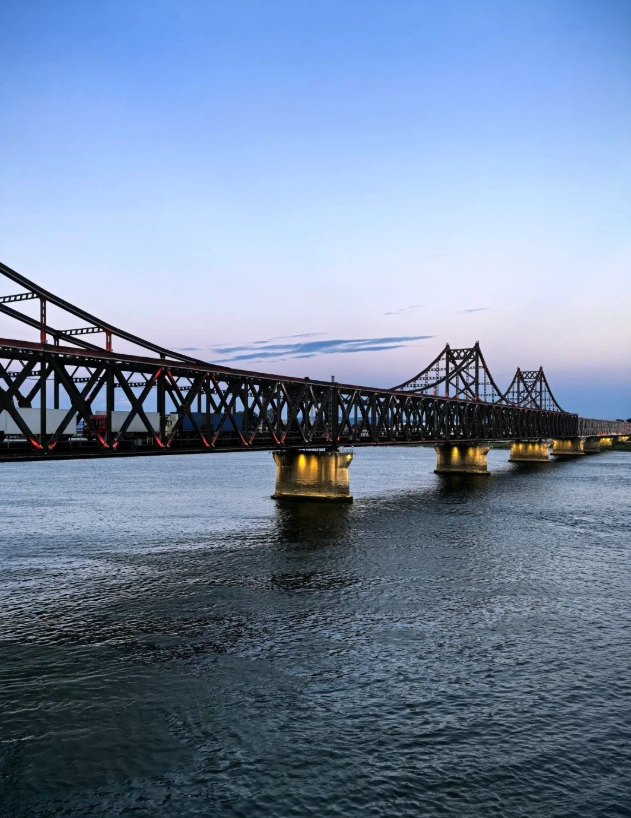
How to Claim Your 240 Hours at the Airport
Look for the counter marked 24/240-hour visa-free transit, which is normally separate from the regular foreigner lanes. At Shenyang Taoxian I have watched that desk shift between the two ends of the immigration hall depending on terminal works, so do not hunt for a sign. Ask the first uniformed officer you see and hold up your onward ticket. They will point you straight at it.
Have three things ready, on paper or offline on your phone:
- Your passport bio page and the arrival card you filled in on the plane
- A printed onward flight confirmation with the flight number and date clearly visible
- Your first hotel booking with the address written in Chinese characters
Expect four questions. Why you are here. How long you are staying. Where you are sleeping. What your onward flight number is. Answers that match your documents get you stamped through in roughly twenty minutes. Vague answers get you moved to a side room, and that room has no chairs and no coffee.
Hotel Registration and the 24-Hour Rule
Every foreigner in China must be registered with the local police within 24 hours of arrival. Hotels do this automatically. Private rentals frequently do not. If you book an apartment through a platform, your host is legally responsible for registering you, and a good number of hosts simply do not know that. Walk to the neighbourhood police station yourself with your passport and the host contract, and get it done. Fifteen minutes of your evening beats a fine and an awkward conversation later.
Even in a hotel, ask for the registration slip when you check in. It is a small piece of paper that has resolved a surprising number of arguments for me at airport counters.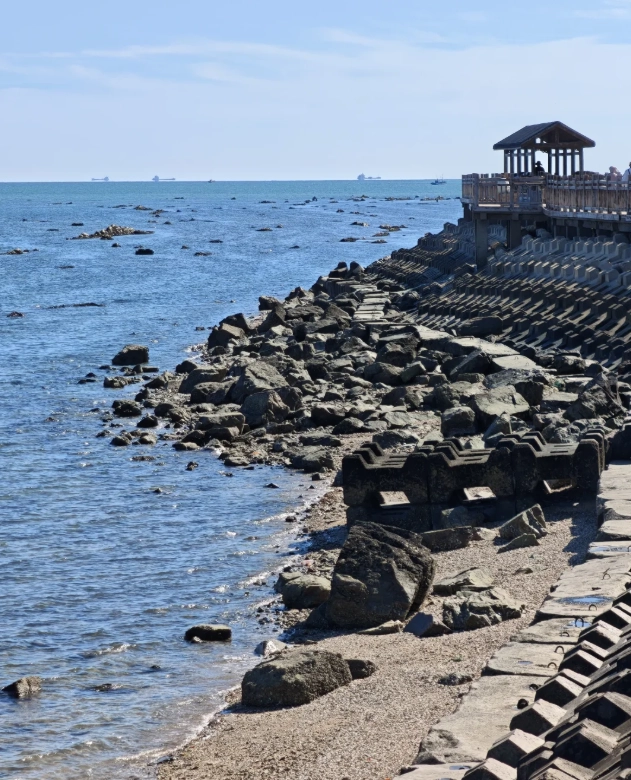
Shenyang: The First 48 Hours
Give Shenyang three nights. It is a heavy industrial city that quietly hides one of China's finest imperial palaces, and most transit travellers rush it in a single jet-lagged day.
Mukden Palace, and the Right Hour to Walk It
The Mukden Palace is the reason to come, and it carries a UNESCO World Heritage listing as part of the Imperial Palaces of the Ming and Qing dynasties. It is smaller than the Forbidden City in Beijing and, honestly, better to walk, because the Manchu architecture actually reads at this scale. Saddle-shaped roofs, coloured glazed tiles, and courtyards you can cross in twenty steps instead of two hundred.
Adult tickets sit in the 50 RMB range with student and senior discounts. Prices move, so confirm on the official WeChat account or Trip.com during the week you travel rather than trusting a number you read here.
Now the timing, and this is where I disagree with most guides. Get there for the 8:30 opening, or go after 15:00. Between 10:00 and 14:00 the courtyards fill with domestic tour groups and you will appear in the background of forty family albums before lunch. Morning light on the Dazheng Hall is the shot. Afternoon light there is flat and grey, and photographers who arrive at noon always leave disappointed.
Book ahead. The palace caps daily entries and requires passport details at booking. The WeChat mini-program is entirely in Chinese, and if that is a wall for you, Trip.com sells the same ticket in English for a small markup. Just pay it and move on with your day.
Marshal Zhang Mansion and the 9.18 Museum
Marshal Zhang Mansion sits a fifteen-minute walk from the palace and pairs with it perfectly. Same neighbourhood, same era, completely different story. A warlord residence with a Western villa bolted onto the side, and tickets in the same 50 RMB ballpark.
The 9.18 Historical Museum is free but requires a passport-based reservation, and it closes on Mondays. It is heavy material. I do not take clients there on day one, because jet lag turns a serious museum into an endurance test. Go on day three when you have actually slept.
Insider Advice: Most Shenyang museums close on Mondays. If your only full day in the city lands on a Monday, flip the plan and spend it on Zhongjie and Xita instead of standing outside a locked gate.
What to Eat in Shenyang
Shenyang food is northern Chinese, salty, vinegar-forward and built for cold weather. It is also absurdly cheap by coastal standards.
- Chicken rack, known locally as jijia, is the city obsession. Grilled, sweet-and-sour, or dusted with cumin, sold on almost every corner for roughly 15 to 30 RMB. Eat it with your hands and do not overthink it.
- Laobian Jiaozi on Zhongjie has been steaming dumplings for well over a century. Expect around 80 to 120 RMB per person, and a picture menu, so pointing works fine even with zero Chinese.
- Xita is the Korean quarter. Cold noodles, charcoal barbecue, and the best late-night soup in the city. Ten minutes by taxi from the palace, roughly 15 RMB on the meter.
- Barbecue skewers run 3 to 8 RMB each. You will know you have finished when the table is a small forest of empty sticks.
Payment is QR code almost everywhere. Alipay and WeChat Pay both accept international cards now, and I have personally watched a Visa-linked Alipay account clear a payment at a Shenyang street stall. Cash is legal tender and legally must be accepted, but a vendor holding a 100 RMB note at nine at night may genuinely not have change in the drawer.
Dalian: Coastline, Seafood and Golden Light
Dalian is the part of Liaoning that does not feel like Liaoning. A port city with Russian and Japanese architecture, clean sea air, and a coastline locals rank above most of southern China.
High-speed rail from Shenyang to Dalian takes about two hours. Book through 12306.cn or Trip.com, and remember your passport is your ticket, so you scan it at the gate like a boarding pass. Arrive 40 minutes early. Dalian North Station is enormous and the walk to the platform is longer than you think.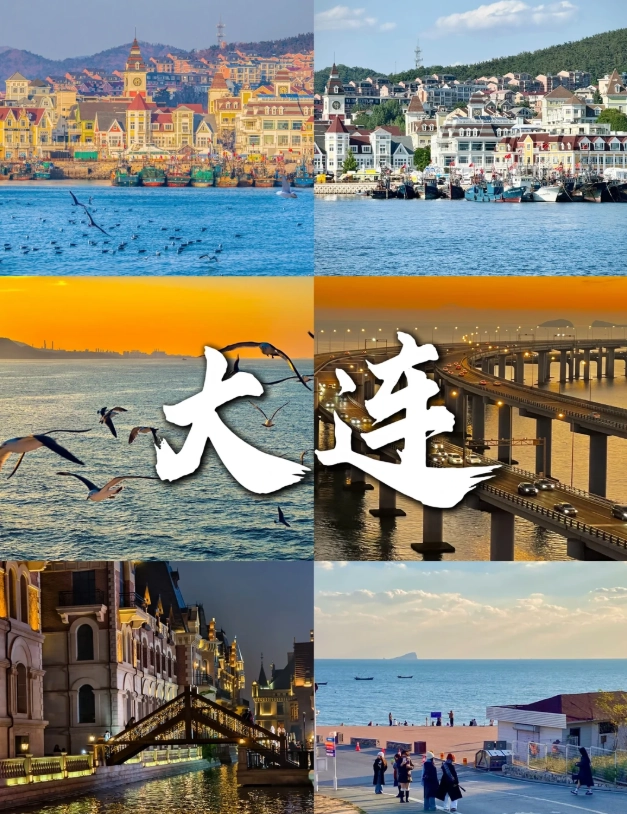
Binhai Road and Xinghai Square
The Binhai Road coastal route is the single best thing to do in Dalian, and the way most tourists do it is wrong. They board a tour bus that stops at six viewpoints in ninety minutes and photographs them through glass. Instead, hire a bike, or take a taxi and ask the driver to drop you near the Yanwoling section, then walk the wooden boardwalk east. The boardwalk is free, the cliffs fall straight into the Yellow Sea, and on a weekday morning you will pass more joggers than tourists.
Xinghai Square is worth an hour at dusk, not at noon. There is no ticket and no gate. The appeal is the light coming off the bay and the locals flying kites the size of cars. Noon there is a hot, flat, empty plaza and I have seen plenty of disappointed faces.
Bangchui Island and Jinshitan are each a half-day. Jinshitan has a geological park with sea-carved rock formations and an entrance fee that shifts with the season, so check at the gate. If you only have two days in Dalian, skip Jinshitan and walk the boardwalk twice. The second walk is better than the first.
Dalian Seafood Without Getting Ripped Off
Dalian seafood is genuinely excellent, and pricing is where visitors get burned. The rule is short. Order by weight, confirm the price per jin, which is 500 grams, out loud before the fish leaves your sight, and ask for the printed receipt. If a restaurant near Xinghai Square will not quote a per-jin price, stand up and leave. There are four more on the same street.
The better move, and the one I do myself, is buying at a wet market in the morning and carrying it to a small restaurant that cooks it for a per-dish fee. Sea urchin, steamed scallops with garlic and vermicelli, and a bowl of menzi, the chewy sweet potato starch snack fried with sesame paste that costs almost nothing and tastes like the city. Menzi stalls are everywhere at 10 to 20 RMB a portion. It is a love-it-or-hate-it texture and you should try it once.
Beyond the Big Two: Dandong, Benxi, Panjin
Dandong and the Yalu River
Dandong is the border town on the Yalu River, and the broken bridge is the photograph everyone comes for. High-speed rail from Shenyang takes under two hours, and from Dalian about two and a half. Second-class tickets are typically under 100 RMB.
The Yalu River Broken Bridge charges a modest entry fee, in the region of 30 RMB, and the walk out over the water gives you a clear line of sight to the far bank. River cruises leave from the promenade and cost more than the bridge. I think one cruise is worth it, mainly for the perspective you cannot get from land. Carry your passport. There are checks along the riverside.
Dandong works as a long day trip from Shenyang, or an overnight if you want the evening promenade, when the far bank goes dark and the contrast is at its starkest.
Benxi Water Cave and Panjin Red Beach
Benxi Water Cave is a boat ride through a flooded limestone cavern roughly an hour from Shenyang by rail. Combined tickets with the internal shuttle run well over 100 RMB, so budget for it. It is genuinely impressive, and it is cold inside even in July. Bring a layer and you will enjoy it twice as much as the people shivering in shorts.
Panjin Red Beach turns crimson in late September and October when the seepweed blooms. Outside that window it is a brown marsh and I would skip it without hesitation. In autumn it is one of the best natural sights in the province, and the shuttle bus from the gate is compulsory, so factor that into your timing.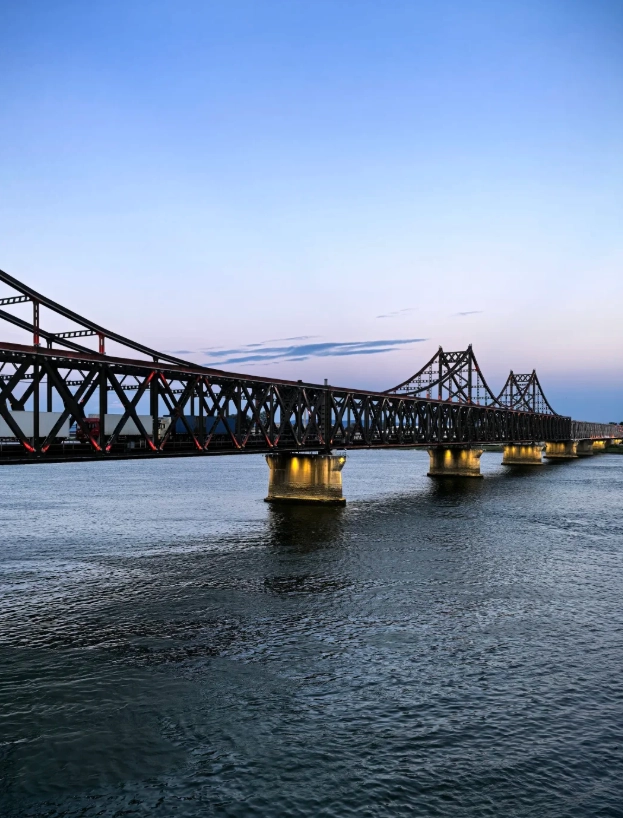
Money, Maps and Mini-Programs: What Actually Breaks
Paying for Things
Set up Alipay and WeChat Pay before you fly, link an international card, and test it with one small purchase at home. Both now support foreign cards and Alipay has a tourist interface in English. Small vendors, taxis and museum ticket counters frequently take QR only. Carry 200 to 300 RMB in cash as backup, not because cards are refused, but because change is.
Navigating Liaoning Without Google Maps
Google Maps is unreliable in mainland China. Use Apple Maps, which handles English addresses and public transit well, or Amap if you read some Chinese. Download the offline map of Liaoning before you land. For taxis, show the driver the Chinese address. Every hotel business card has it printed on the back, and that card is the most useful object in your pocket all week.
Booking Tickets and Surviving Mini-Programs
Almost every major attraction in China now requires a timed reservation with passport details, and the booking channels are Chinese-language mini-programs. This is the part of the trip that genuinely irritates me, and I say that as someone who does it weekly. The 9.18 Museum booking flow is a maze of Chinese dropdowns, and I have watched confident, well-travelled people give up and walk away from a free museum they wanted to see.
Two workarounds that always work. Book through Trip.com wherever an English listing exists, or hand your passport to your hotel front desk and ask them to reserve for you. Front desk staff do this for guests constantly and it takes them two minutes. Yes, navigating a pure-Chinese mini-program is a nightmare even for me. Asking for help is not cheating.
One more thing, and it matters more than any ticket. Install a VPN before you arrive, not after. Google, WhatsApp and Instagram do not work on local networks. An international roaming eSIM sidesteps the entire problem, because your traffic routes outside the firewall from the moment you land.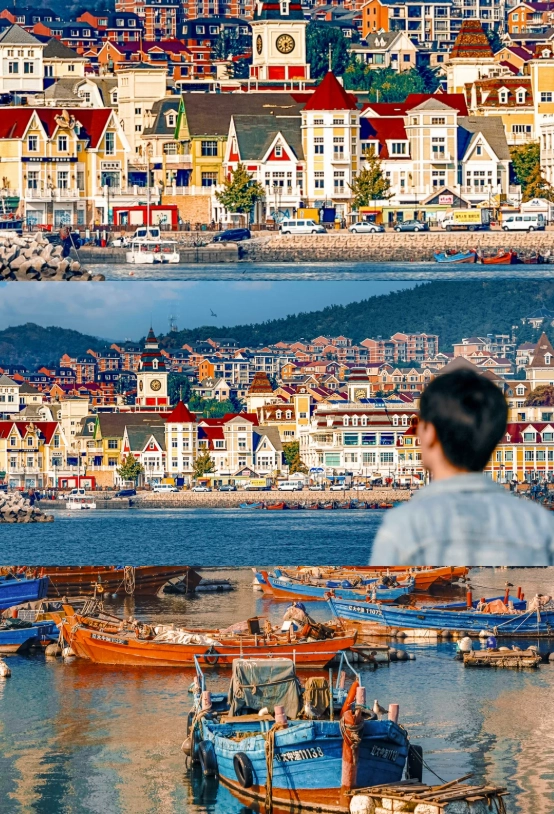
Where to Stay in Liaoning for a 10-Day Trip
Base yourself near the sights you came for, not near the airport. Taoxian is a long way from central Shenyang and the taxi at midnight costs more than the savings on the room.
| Hotel or Area | District | Typical Nightly Rate | Best For | Watch Out For |
|---|---|---|---|---|
| Shangri-La Shenyang | Qingnian Street, Heping District | 700 to 1,100 RMB | Couples, business travellers, quiet nights | Roughly 20 minutes by taxi to the palace |
| Hanting or Home Inn near Shenyang North Station | Shenhe District | 180 to 320 RMB | Solo travellers, early high-speed trains | Small rooms; request a high floor away from the road |
| Guesthouses near Zhongjie | Shenhe District | 150 to 300 RMB | First-timers who want to walk to dinner | Street noise runs late; confirm there is an elevator |
| The Castle Hotel Dalian | Near Xinghai Square, Shahekou District | 800 to 1,500 RMB | Couples, photographers, sea views | Pay for a sea-facing room or you are paying for the lobby |
| Mid-range chains around Zhongshan Square | Zhongshan District, Dalian | 300 to 600 RMB | History walks, easy metro and tram access | Older buildings with thinner walls between rooms |
| Riverside hotels in Dandong | Yalu River promenade | 250 to 500 RMB | One-night border trips | Ask specifically for a river-view room at booking |
Those rates are not fixed. Spring Festival and the first week of October roughly double everything in Shenyang and Dalian, and the good riverside rooms in Dandong vanish weeks ahead. Book those two windows early or travel around them.
One habit that pays off: confirm at check-in that the front desk can register foreign guests, and ask for the registration slip. Mid-range Chinese chains in Shenyang often have no English-speaking staff, so keep your translation app open. That is not a complaint about China, it is just how the mid-tier market works outside the big coastal hubs.
A 10-Day Liaoning Route That Fits the 240-Hour Clock
This route assumes you land at Shenyang Taoxian and fly out from the same airport, which keeps the transit story clean. Your 240 hours start when you clear immigration, so a late-evening arrival effectively gives you an extra day.
| Day | Base | Plan | Transit Between Stops |
|---|---|---|---|
| 1 | Shenyang | Clear the visa-free counter, check in, easy dinner on Zhongjie | Airport metro or taxi, 30 to 40 minutes |
| 2 | Shenyang | Mukden Palace at opening, Marshal Zhang Mansion after lunch | Walking, about 15 minutes between the two |
| 3 | Shenyang | 9.18 Museum in the morning, Korean dinner in Xita | Metro Line 2 plus a short taxi |
| 4 | Dalian | Morning high-speed rail, Zhongshan Square, Donggang waterfront at night | Rail, about 2 hours |
| 5 | Dalian | Binhai Road boardwalk, Xinghai Square at dusk | Taxi plus walking, most of the day |
| 6 | Dalian | Bangchui Island or Jinshitan, seafood dinner | Taxi, 30 to 50 minutes each way |
| 7 | Dandong | Rail to Dandong, Yalu River Broken Bridge, evening promenade | Rail, about 2.5 hours |
| 8 | Shenyang | Dandong morning, afternoon rail back to Shenyang | Rail, under 2 hours |
| 9 | Shenyang | Day trip to Benxi Water Cave, or Panjin in autumn | Rail, 1 to 1.5 hours each way |
| 10 | Departure | Fly out from Shenyang Taoxian | Arrive 3 hours before an international departure |
Two adjustments I make constantly. If you would rather slow down, cut Dandong and give Dalian a fourth night, because Dalian rewards laziness and Shenyang does not. If you are travelling with older family members, drop Benxi on day nine and use it as a rest day with a long lunch.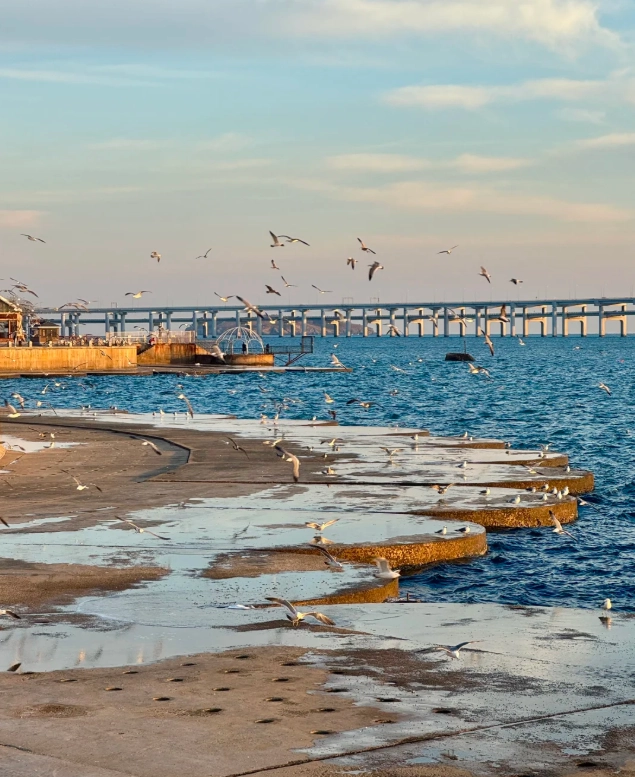
Rain plan: Liaoning summers bring sudden heavy downpours and winter brings brutal wind. In Shenyang, the Liaoning Provincial Museum is free, enormous, requires a passport reservation and closes on Mondays. In Dalian, rain is the cue for a wet market visit and a two-hour seafood lunch. Both beat standing under a pagoda eave waiting for the sky to clear.
Questions I Get Asked on Every Trip
My onward flight from Shenyang connects in Seoul before I fly home. Does that count as a third country?
It counts, and it is the cleanest version of this trip. Seoul is a third country relative to both China and your starting point, so the routing reads as genuine transit. What does not work is a return ticket that lands you back home directly from China. That is a round trip dressed up as transit, and the airline will flag it long before Chinese immigration ever sees your passport.
What happens if my onward flight is cancelled while I am already inside Liaoning?
Handle it the same day, not the day before departure. Rebook, keep the cancellation email and the new confirmation, and if nothing is available inside your 240 hours, go to the local Entry-Exit Administration Bureau of the Public Security Bureau with your documents before your permitted stay runs out. Overstaying is fined per day and the numbers climb fast. This is not a situation where you explain it at the airport and hope for sympathy. I check my clients onward bookings every single morning for exactly this reason.
Can I leave Liaoning and add Beijing or Shanghai on the same entry?
Possibly, but this is precisely the detail that shifts between policy updates, so do not build a route on a forum comment. Your permitted stay area is tied to your port of entry. Read the current list on the National Immigration Administration site, then choose the entry port that unlocks the region you actually want. Choosing the flight first and the port second is how people end up stranded at a domestic check-in desk.
Do I need to book every hotel night before I arrive?
No, but book the first night and be ready to name the second. Officers want to see that you have somewhere to sleep and a rough plan. I keep a one-page printout with hotel names, Chinese addresses and dates, and it settles the whole conversation in about ten seconds. That single sheet has saved me more time at immigration counters than any app.
Is Alipay reliable enough that I can skip carrying cash?
Mostly, and I still carry 300 RMB. The gaps show up in predictable places: a taxi at eleven at night, a tiny noodle shop where the owner is suspicious of foreign cards, and anywhere that simply has no signal. Alipay and WeChat Pay will cover ninety-five percent of your spending in Liaoning. The remaining five percent is where cash turns a frustrating evening into a normal one.
Can I take business meetings on a 240-hour transit entry?
Short meetings and site visits generally sit in a workable grey area, and paid employment absolutely does not. If your trip involves signing contracts or working on site for a Chinese company, apply for the proper visa and do not gamble on a transit entry. Be straightforward about your plans if an officer asks. Honest answers about a tourist trip with one meeting land far better than a rehearsed story.
Verified and fact-checked by the editorial team. This content has been fact-checked to ensure informational precision. Port lists, permitted stay areas and entry conditions are set by Chinese authorities and are revised periodically, so confirm the current rules with the National Immigration Administration and with your airline before booking.
No comments yet.