Hangzhou Travel FAQ
Are there any specific dress codes for visiting temples in Zhejiang?
No strict rules, but Putuoshan's monks and worshipers expect a certain modesty at the main temples. Keep knees and shoulders covered, and remove your hat when entering the temple halls. Comfortable shoes are a must because you'll be walking uneven pavements and steps. Many locals bring incense; you can buy it inside the temple for a few yuan — no need to buy from street sellers.
What should I do if I get caught at an ancient town without a pre-purchased ticket?
Don't panic — most ticket booths can still issue a paper entry, but you may face a wait. For Wuzhen, if tickets are sold out (unusual on weekdays), ask your accommodation to call the official office; they often allocate a small number of contingency tickets for overnight guests. As a last resort, change your plan for the day and head to Nanxun, which is less strict with entry.
Is Putuoshan worth the extra trip if I have only two days in Zhejiang?
Only if you're drawn to mountains and temples rather than beaches. Putuoshan has a raw, spiritual atmosphere that's unlike anywhere else, but the trip from Hangzhou takes about 3.5 hours each way (high-speed rail to Ningbo, then bus and ferry). If you have just two days, I'd rather you spend them in Wuzhen and Shaoxing — you'll get a more complete variety of what Zhejiang is. Save the island for a future visit.
Do I need to pre-book a high-speed train from Hangzhou to Shanghai, and how?
Yes, book at least a day in advance, especially for Friday and Sunday evening trains. The easiest route is to use the official China Railway platform 12306 or its English interface, or simply use Trip.com's train booking service which works with foreign passports. In Hangzhou, your ticket QR code will accept the passport at the automatic gate, but you may need to use the manual counter to get a paper ticket if the QR scan fails.
Can I use my foreign-issued credit card at public transport counters or attractions in Zhejiang?
Generally, no. Most metro stations, buses, and small ticketing counters accept only mobile payments (Alipay/WeChat Pay) or cash. I advise visitors to top up their Alipay wallet with a linked international credit card. For train tickets, you can pre-pay online with a foreign card at Trip.com, then just scan your passport at the station. Carry a small reserve of nearly 200 CNY cash for odd situations like street food or a broken card machine.
Should I get a VPN before arriving?
Yes — Google Maps, Instagram, and many Western sites are blocked. Set up a reliable VPN before you land, or you’ll be lost without access to your usual travel apps. For maps inside China, use Apple Maps or the AMap Global app, which works well in English.
What’s the best way to get around between cities?
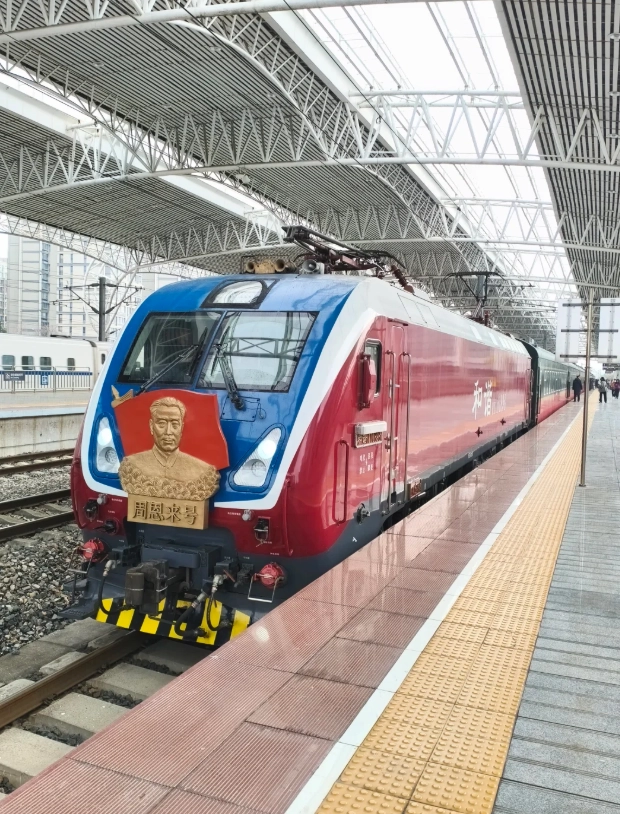
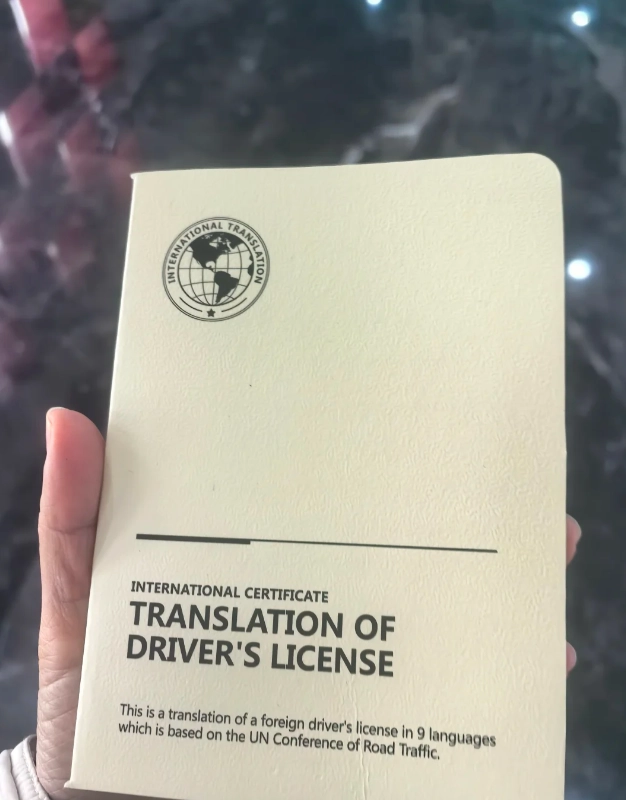
Trains are non-negotiable. They’re fast, cheap, and English-friendly at ticket counters if you show your passport. For day trips to water towns, high-speed rails connect to nearby stations, then a taxi or bus fills the gap. Avoid driving — parking is a nightmare, and renting a car in China requires an international permit that’s already tricky to use.
Can I use my Visa or Mastercard in Zhejiang?
International cards are accepted at large hotels, official booking platforms, and some upscale restaurants. For everything else, use Alipay linked to your international card, or carry ¥500-1000 in cash. WeChat Pay works similarly but often requires more setup.
Is Wuzhen too touristy to be worth it?
It’s touristy for a reason — the preservation is impeccable. To dodge the worst of it, stay inside the West Scenic area until 10 PM, and you’ll see the town without the day-trippers. WeChat payments work, but bring some cash for small stalls.
Do I need to book West Lake boat rides in advance?
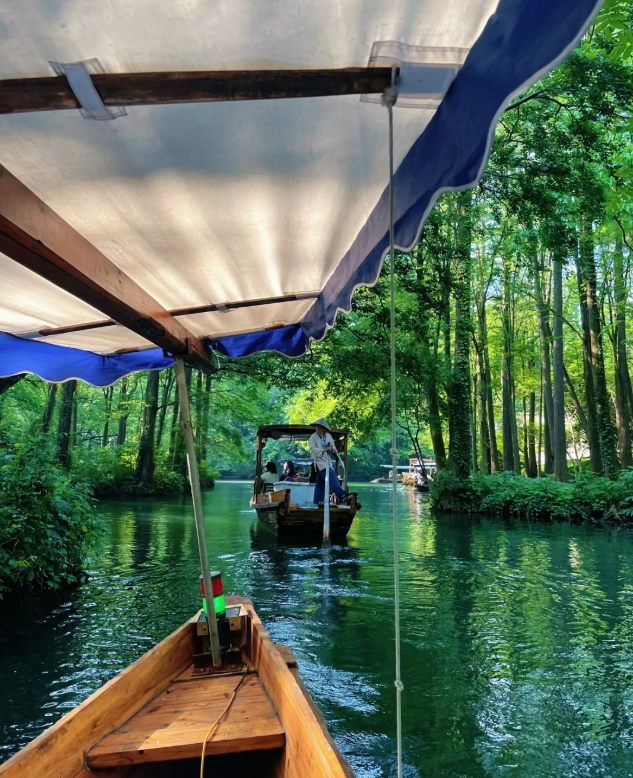
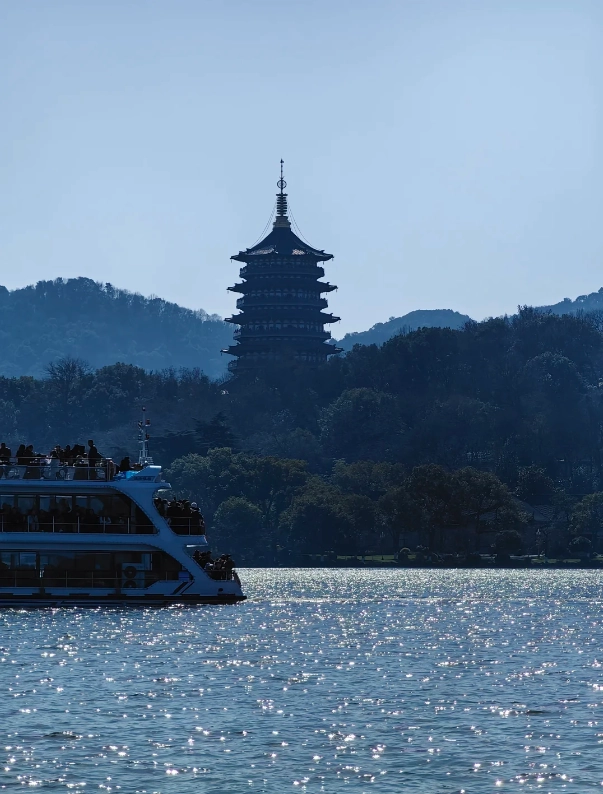
No, you can just show up at the dock and pay cash or via WeChat. But if you want the iconic covered boat, aim for the Su Causeway dock before 9 AM — after that, the queue gets long. All boats charge around ¥100-150 per hour, regardless of dock.


Recent Reviews
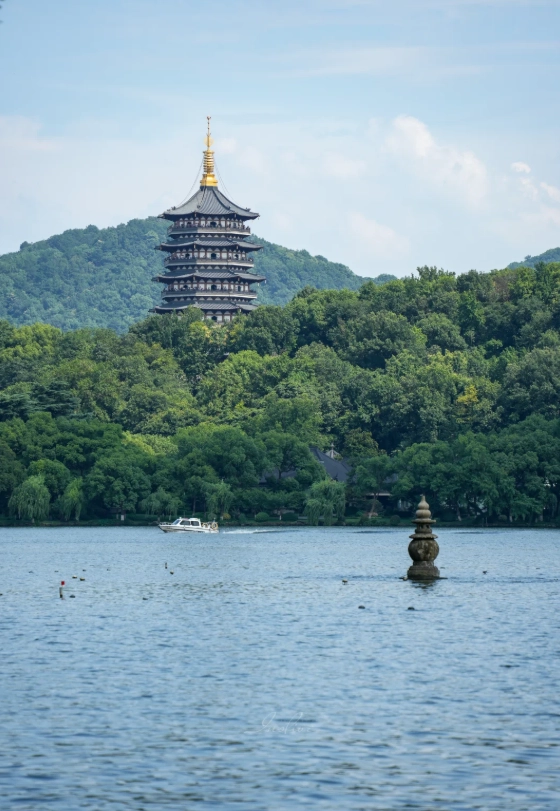
Hangzhou didn't fully live up to the hype for me. The West Lake is pretty but the constant crowds and selfie sticks made it hard to enjoy. The lake boats felt overpriced, and several restaurants near the scenic area were just average. The city itself is clean and modern enough, but I didn't feel the 'heavenly' vibe everyone talks about. Maybe I came at the wrong time.
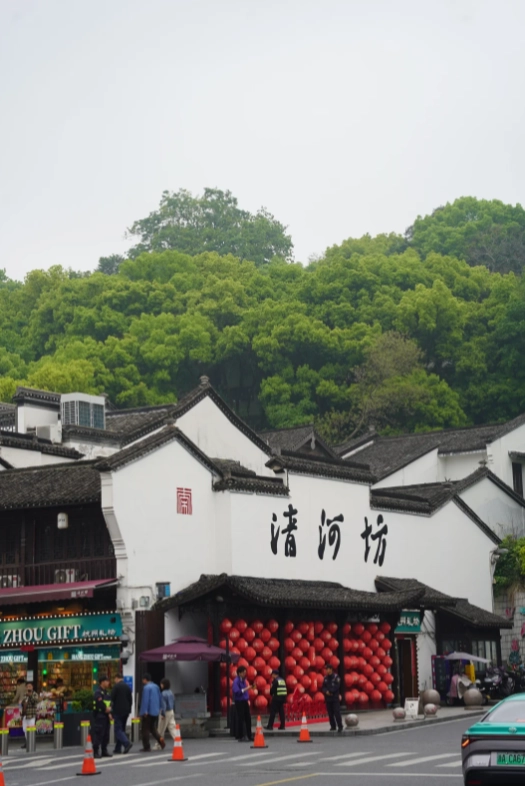
Hangzhou is lovely overall. West Lake is beautiful, though it can get extremely crowded on weekends — that took a little magic away. The metro is clean and easy, and the area around Qinghefang is nice for a stroll. I just wish there were more trash bins and fewer cigarette smoke spots in the old streets. Still, I'd happily come back.
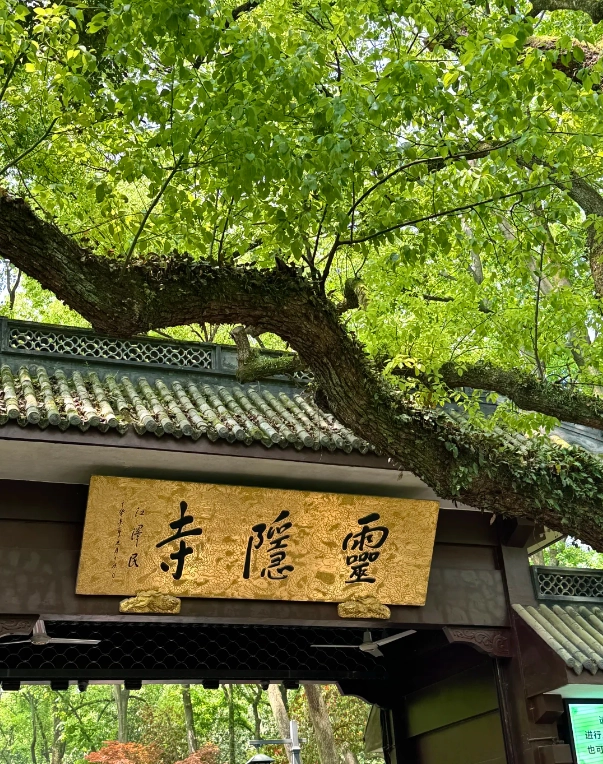
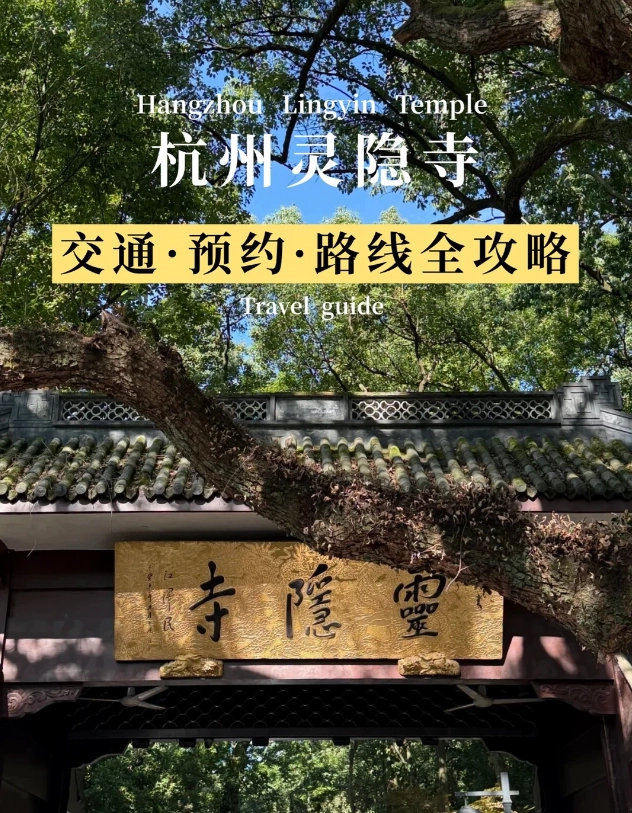
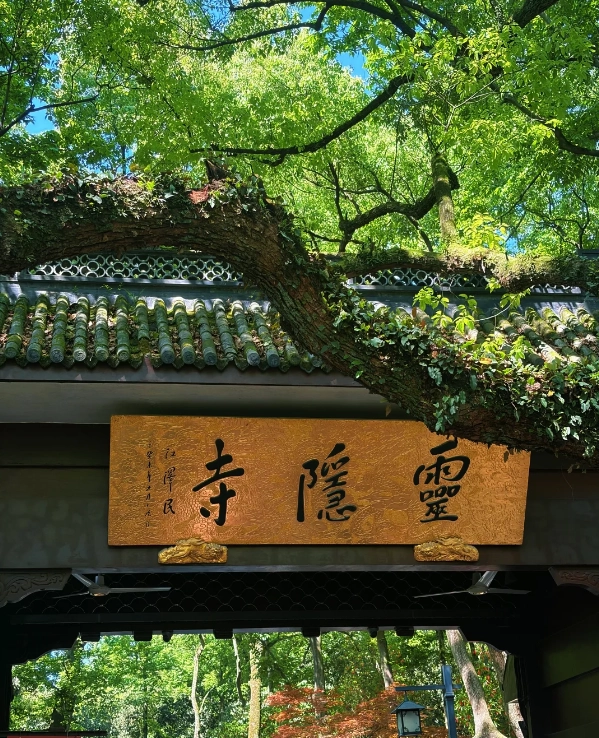
Honestly, Hangzhou blew me away. We stayed near the lake and walked every morning as the fog lifted. The combination of nature and city is rare. Loved the Lingyin temple area too, the bamboo forest was so serene. Everything felt easy and safe. I took about a thousand photos. If you get the chance, visit on a weekday to avoid crowds.
I've been to Hangzhou four times and it keeps getting better. The public bike system is fantastic for exploring, and even the modern areas are nicely planned. The food scene is underrated — try the local buns and beggar's chicken. Every time I leave, I feel like I've had a real reset. This is one of China's best cities, hands down.
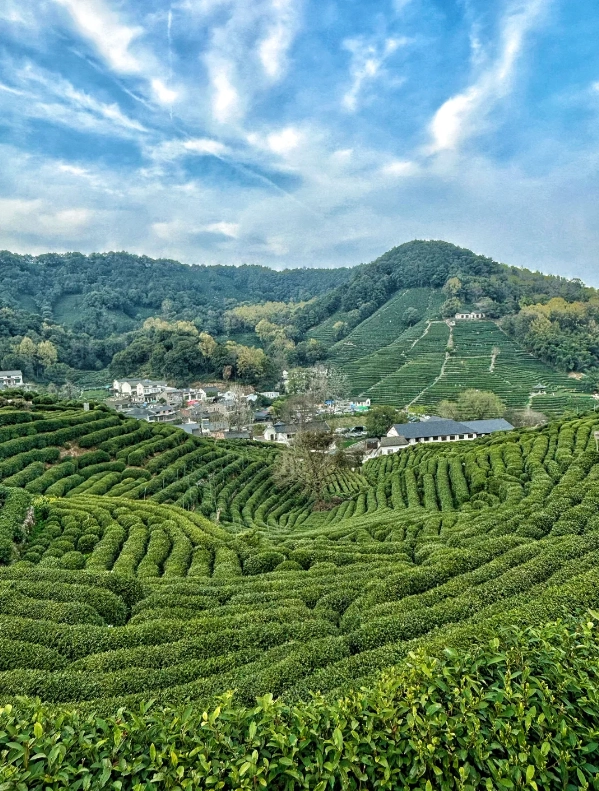
Hangzhou completely charmed me. Cycling around West Lake in early autumn, the air smelled of osmanthus, and the water reflected the misty hills. I loved wandering the old streets and tasting fresh longjing tea right from a tiny teahouse. The city feels so liveable and green. I already miss the morning tai chi by the lake. Definitely will return.
I expected Hangzhou to feel more laid-back, but it didn’t quite match the hype for me. Hefang Street was basically one big souvenir market with identical snack stalls and aggressive vendors. Even West Lake, while pretty, was hard to enjoy because of the swarm of selfie sticks and people pushing to take photos. Getting around in the city was another headache — taxis were hard to flag, and the traffic felt chaotic. The China National Tea Museum was actually great and free, and that part saved the trip. I’m glad I visited, but I wouldn’t rush back.
Leave a Review