 Yan Zhou
Quick Route Map — Tap What You Need
Two trains. One ferry. Fourteen days.
That is the honest math for circling the Bohai Sea properly — and most travelers quit halfway. They do Beijing, tack on Qingdao, fly home, and tell everyone they saw the north coast. They didn't. They skipped the ferry crossing, the wall that walks into the sea, and the bagged beer.
I have booked this Bohai Rim multi-city itinerary for clients who land in Beijing with a ten-day entry stamp and a spreadsheet of dreams. I have also watched two of them stand frozen at Beijing South railway station because the name on the passport didn't match the name on the booking. So let's fix that before anything else.
Here is the conclusion, up front. Run the loop counter-clockwise, take the Dalian–Yantai ferry instead of the long train around the bay, and lock in your Forbidden City slot the moment the booking window opens. Those three decisions save you roughly two days and one hotel night.
The full breakdown is below. Skip to whatever hurts.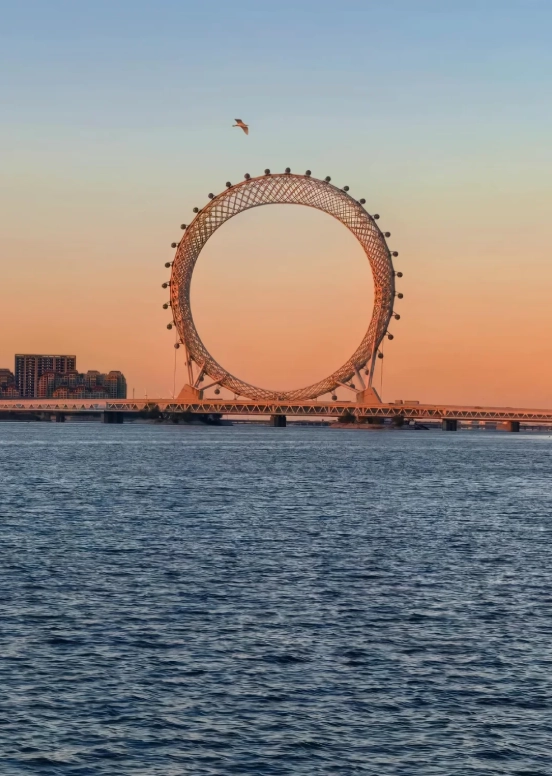
What Is the Bohai Rim Multi-City Itinerary — and Who Should Bother?
The Bohai Rim is the crescent of coastline wrapping the shallow sea between China's northeast and the Shandong Peninsula. In practical travel terms it means six cities that connect in a rough circle: Beijing, Tianjin, Qinhuangdao with its Beidaihe beach strip, Dalian, Yantai with Weihai, and Qingdao.
What makes the loop unusual is the geography. There is no bridge and no tunnel across the mouth of the bay, so the circle is broken by water. You either ride a train for the better part of a day around the top, or you sail straight across. That gap is exactly why this route rewards people who plan and punishes people who don't.
Who should do it? Anyone with ten days or more, a tolerance for two long travel legs, and a genuine interest in seeing how northern China actually lives rather than checking off monuments. Who shouldn't? If you want a relaxed, low-friction first trip, stay in Beijing and take day trips. This loop moves.
How to Book Bohai Rim Trains, Ferries and Attraction Tickets as a Foreigner
Train tickets: 12306 versus Trip.com
The official railway booking site, 12306.cn, now has a full English interface and accepts foreign passports — but its identity verification step still trips up a lot of visitors. If your passport number includes letters, double-check every character before submitting. If verification fails, you can still buy at the station counter with your passport in hand, usually at a dedicated window on the ground floor.
Trip.com charges a small service fee per ticket and is, in my experience, worth every yuan for the first leg of your trip. Once you have one successful booking under your belt, 12306 becomes painless.
Pro Tip: Your passport is your ticket. There is no paper ticket to print. You tap your passport at the gate, and the gate reads the chip — so keep the same passport you booked with in your pocket, not in your suitcase on the luggage rack. I have seen this go wrong at Qinhuangdao station and it is not a fun twenty minutes.
The Dalian–Yantai ferry, explained without drama
This is the leg nobody tells you about. Ferries cross the Bohai Strait between Dalian Port and Yantai Port in roughly six and a half to eight hours, depending on the vessel and the weather. There are usually day sailings leaving late morning and overnight sailings departing in the evening.
Cabins range from shared six-berth bunks up to two-berth rooms, and prices climb accordingly — think a couple hundred yuan for the cheap berths and several hundred for the private ones. Fares move with the season, so treat any number you read online as a starting point only.
Book at the passenger terminal counter with your passport, or ask your hotel front desk to book through the ferry company's WeChat mini-program. The mini-program is entirely in Chinese and honestly, wrestling with it is a nightmare even for me. Hand your phone to the receptionist and let them do it.
Attractions that will turn you away without a reservation
Several headline sites now require advance, passport-linked booking. The Forbidden City is the big one. Tickets are released on a rolling window several days ahead and vanish within minutes on peak dates. The official English booking channel and Trip.com both work for foreign passports.
Tiananmen Square requires its own separate reservation, even if you already hold a Forbidden City ticket. This catches people out constantly — they book the palace, walk to the square, and get stopped at the security cordon.
The 14-Day Bohai Rim Multi-City Itinerary, City by City
Days 1–3: Beijing — the gateway, done right
Land, drop your bags, and do not go to the Great Wall tomorrow. Jet lag plus a two-hour drive each way is how people ruin day two. Spend your first full day on flat ground in the city center.
For the Forbidden City, take the earliest slot you can get. Walk straight up the central axis to the Hall of Supreme Harmony before the tour groups bunch up around ten in the morning, then loop back through the side halls at your own pace. Exiting north into Jingshan Park gives you the classic roofline view for almost nothing.
Save the Great Wall for day three. Mutianyu is the sane choice — restored, less mobbed than Badaling, and it has a toboggan ride down that adults pretend not to enjoy. Entry, the internal shuttle, and the cable car are separate charges, and the toboggan closes in rain. Go on a weekday, arrive by half past eight, and you will have whole stretches of wall to yourself.
Getting around: the subway is fast and cheap, and Alipay's transport QR code works on Beijing's gates. Do not rely on Google Maps here — it is inaccurate on the ground and unreliable for transit. Apple Maps works reasonably well, and Amap's English mode is the local favorite.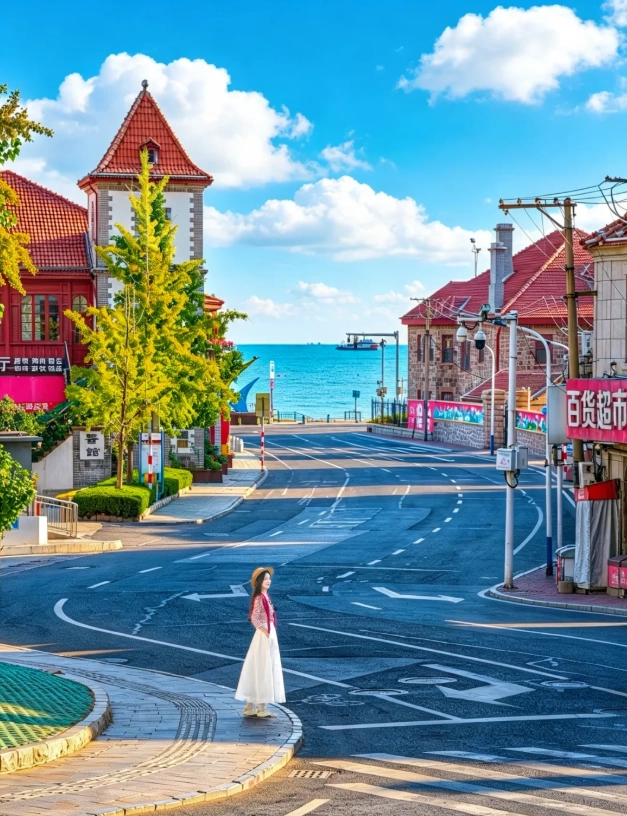
Days 4–5: Tianjin — thirty minutes away, a different century
The intercity train from Beijing South to Tianjin takes around half an hour, which makes Tianjin the easiest city swap in China. Book a morning departure and you will be eating lunch in a former concession district by noon.
Base yourself around the Five Great Avenues or near Jinwan Plaza. The old European concession architecture is the draw — quiet streets, plane trees, brick villas, and almost no foreign tourists. The Porcelain House is a genuinely strange little building, and the Tianjin Eye ferris wheel over the river is best saved for after dark when the queue thins out.
Breakfast is the real reason I bring people here. Find a street cart selling jianbing guozi and watch the technique. The authentic Tianjin version uses mung bean batter and contains nothing but the crepe, egg, sauce and a crisp fried cracker. If the vendor offers you lettuce and sausage, you are at a tourist stall — walk one block and try again.
Insider Advice: Skip the famous steamed bun house on the pedestrian street. It is expensive, the queue is long, and the buns are forgettable. I have taken clients there twice and regretted it twice. Spend the money on a proper seafood dinner instead.
Days 6–7: Qinhuangdao and Beidaihe — where the wall meets the sea
Shanhaiguan is the reason to come here, not the beach. This is the pass where the Great Wall runs down into the water at a spot called Old Dragon Head — you stand on the ramparts, the wall ends, and the Bohai Sea keeps going. It is a genuinely odd, memorable sight and far less crowded than the Beijing wall sections.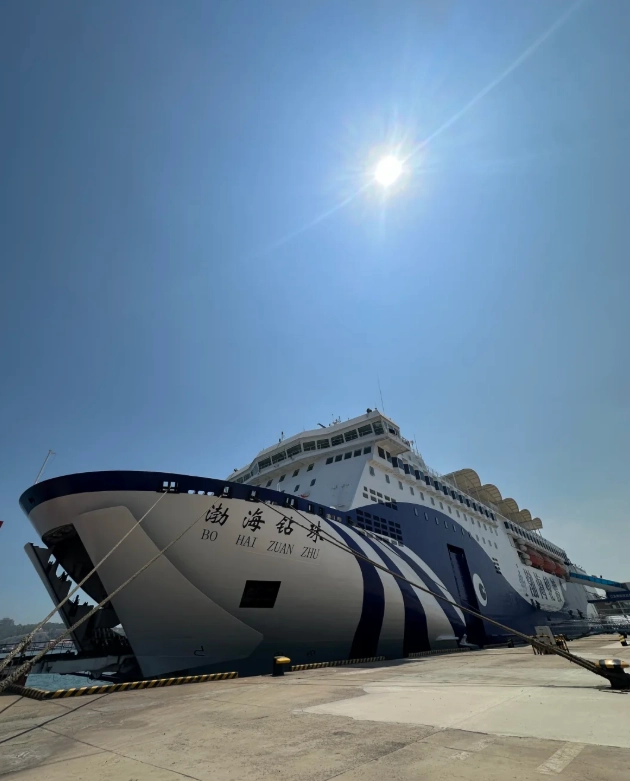
Buy your tickets on arrival with your passport, or through the scenic area's mini-program if someone at your hotel can help. Allow three to four hours for the pass and the wall-meets-sea section combined.
Beidaihe itself is a long, gentle beach strip that Chinese families have loved for a century. The best single thing you can do here is Pigeon Nest Park at sunrise — arrive forty minutes before the official sunrise time, pay the small entry fee, and claim a spot on the rocks. The light comes up over the water and the whole beach goes gold. It is worth the alarm.
Now the warning. July and August in Beidaihe are peak domestic holiday season. Hotel rates can double or triple, and the beach fills by nine in the morning. Book six weeks out, or come in June or September when the water is still swimmable and the prices are sane.
Days 8–10: Dalian — the most underrated city on this loop
Dalian feels like nowhere else in China — Russian, Japanese and Chinese layers stacked on a hilly peninsula, with a coastline that genuinely rivals anywhere in the country. The high-speed train from Qinhuangdao takes the better part of a day if you route through Shenyang, so treat this as a travel morning and arrive fresh for the afternoon.
The Binhai Road coastal walk is the highlight and it is free. I walk the section between Yanwoling and Beidaqiao, roughly three kilometers of cliff road, and I time it for late afternoon so the sun is behind me and the water turns silver. Bring water — there is very little on the path itself.
Ride the old tram line through the city center at least once. It costs almost nothing, you pay with Alipay, and the wooden interior is a nice counterpoint to all the glass towers.
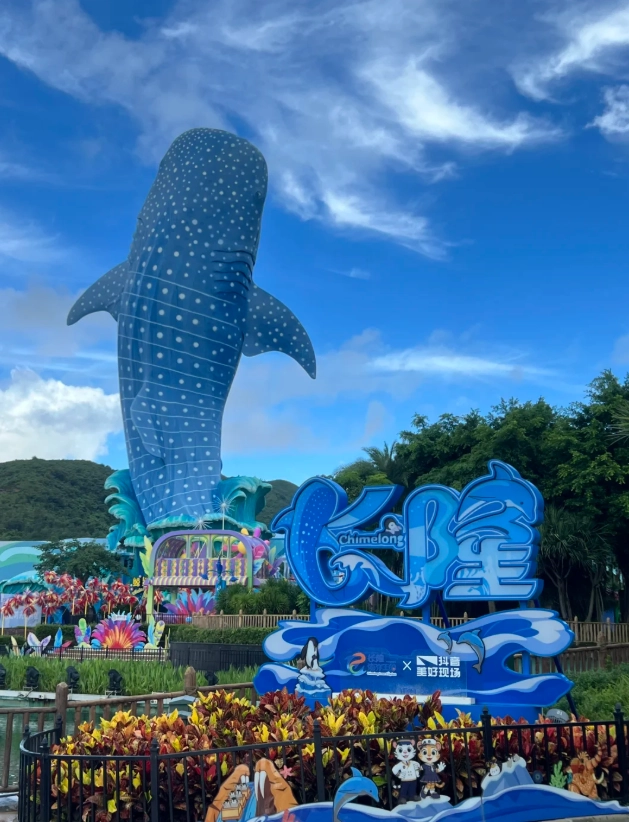
As for the big marine theme park — I'll be straight with you. It is expensive, the animal shows are dated, and there are better ways to spend a day and a few hundred yuan. Skip it unless you are traveling with small children who need a break from scenery.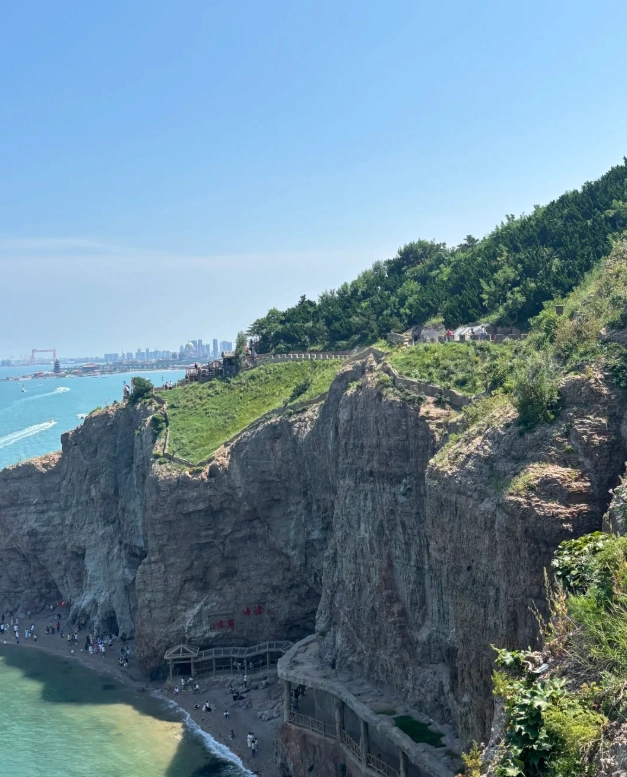
Days 11–12: Yantai and Weihai — the quiet peninsula
The ferry from Dalian lands you in Yantai, and from there the Shandong Peninsula opens up with almost no foreign tourists at all. Yantai Mountain has the old foreign consulate buildings and a lighthouse, with entry that is either free or nearly so depending on the section. Down the coast, the Changyu wine museum tells the story of China's oldest winery and finishes with a tasting.
If you have a spare half day, the Penglai Pavilion complex west of the city is the postcard sight — an old temple-and-fortress cluster on a headland, with a ticket in the hundred-yuan range. It is a ninety-minute drive or a comfortable bus ride from Yantai.
Weihai, thirty to forty minutes further east by train, is where you catch the boat to Liugong Island. The island holds the museum of the Beiyang Fleet, a naval story most Western visitors have never heard, and the ferry-plus-entry combination ticket is reasonable. Give it a full afternoon.
Days 13–14: Qingdao — beer, sea fog and a red-roofed old town
Qingdao is the payoff city, and the high-speed train down from Yantai gets you there in about two hours. Stay in Shinan District near the old town if you want atmosphere, or near May Fourth Square if you want sea views and modern hotels.
The old town walks well. St. Michael's Cathedral charges a small entry fee and is worth ten minutes; Zhanqiao Pier is free and takes twenty; Badaguan's villa lanes are free and take an unhurried afternoon. The Tsingtao Brewery Museum is a genuinely good museum, not just a marketing exercise, and your ticket includes small pours at the end.
Then there is the beer itself. Walk into any corner shop and ask for the fresh draft — it comes in a plastic bag, it costs a few yuan, and it is better than anything you will drink in a bar. Sit on the curb with it. That is the Qingdao experience, not the brewery gift shop.
One local quirk worth knowing: late June and July bring sea fog that can erase the view entirely for days. If the pier looks like a white wall in the morning, pivot to the brewery museum or the art museum and try again tomorrow.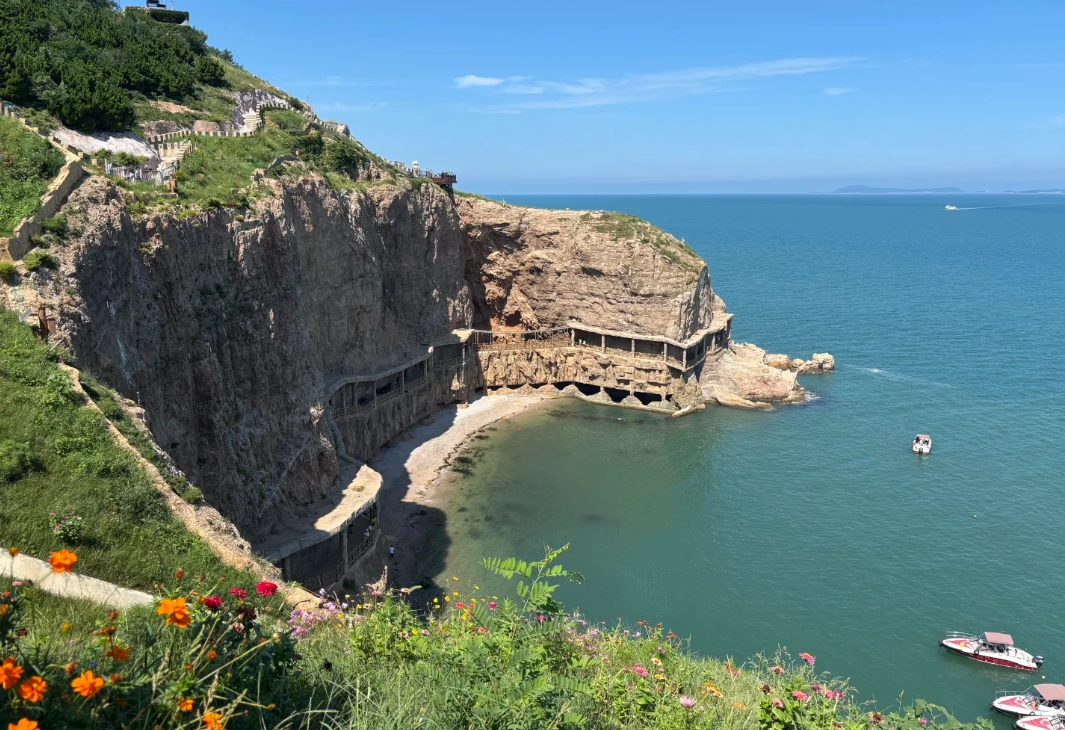
How to shrink this Bohai Rim multi-city itinerary to 7 days
Cut Qinhuangdao and Weihai, keep the ferry, and you have a tight but workable week. Two nights Beijing, one night Tianjin, two nights Dalian, one night Yantai, one night Qingdao — then a high-speed train back to Beijing in three to four hours. It is rushed and you will sleep on the train, but it works for people on a short entry stamp.
Train vs Ferry vs Flight on the Bohai Rim
This table covers the intercity legs only. Fares shift with season and demand, so confirm current pricing on 12306 before you commit.
| Route | Best Option | Typical Time | Approx. Cost | My Take |
|---|---|---|---|---|
| Beijing → Tianjin | Intercity C-train from Beijing South | 30–40 min | Around ¥55 second class | Avoid the 7–9 a.m. window, commuters fill it |
| Tianjin → Qinhuangdao | High-speed rail | 1h 40m–2h 30m | Roughly ¥120–170 | Morning departure gives you a full afternoon |
| Qinhuangdao → Dalian | High-speed rail via Shenyang | 4.5–6 hours | Roughly ¥250–330 | Long day. Eat before boarding, onboard food is thin |
| Dalian → Yantai | Bohai ferry | 6.5–8 hours | Berths from a couple hundred yuan upward | The scenic shortcut — take the overnight and save a hotel night |
| Yantai → Weihai | High-speed rail | 30–45 min | Roughly ¥25–40 | Cheap enough to do as a day trip from Yantai |
| Weihai/Yantai → Qingdao | High-speed rail | 1.5–2.5 hours | Roughly ¥90–150 | Book the window seat on the left for coastal views |
| Qingdao → Beijing | High-speed rail | 3–4.5 hours | Roughly ¥300–360 | Faster than flying once you count airport time |
Where to Sleep on the Bohai Rim — and the Foreigner Registration Trap
Here is the thing nobody warns you about. Some Chinese hotels, especially budget chains and small guesthouses, are not licensed to register foreign guests. You can book, arrive, and be politely turned away at the desk. It is a licensing issue, not personal.
Filter for properties that explicitly accept foreign guests when you book, and keep your registration slip — hotels must log your stay with the local police, and if you stay in a private apartment you are responsible for registering yourself at a police station within 24 hours.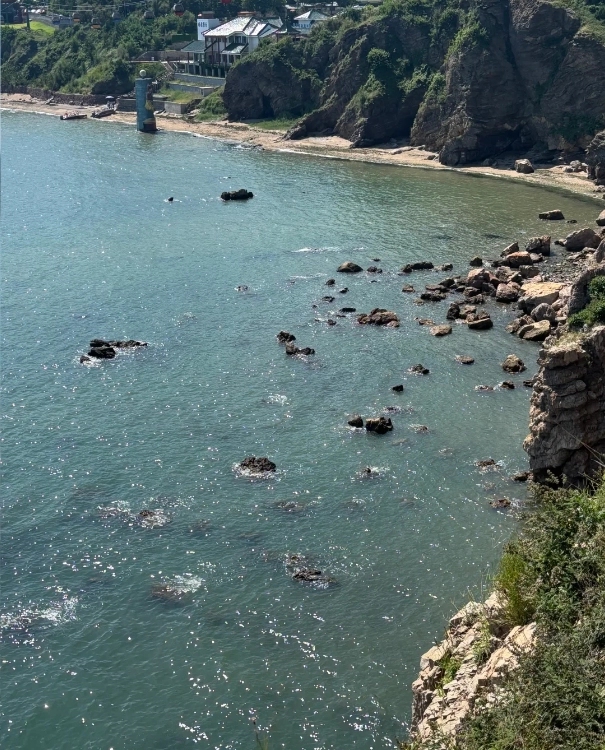
| City | Area I'd Book | Approx. Nightly Range | Best For |
|---|---|---|---|
| Beijing | Dongcheng, near a Line 5 or Line 6 station | ¥400–900 | First-timers who want walkable evenings |
| Tianjin | Heping District or beside Jinwan Plaza | ¥300–700 | Architecture lovers and short-stay travelers |
| Qinhuangdao / Beidaihe | Beidaihe seafront strip | ¥250–800, higher in July–August | Families and sunrise chasers |
| Dalian | Zhongshan Square or Donggang waterfront | ¥300–650 | Couples and coastal walkers |
| Yantai | Zhifu District near the coast | ¥250–500 | Budget-conscious travelers |
| Qingdao | Shinan District, old town side | ¥300–700 | Beer drinkers and old-town wanderers |
Three things I check before booking any of these: whether the front desk can handle basic English, whether there is an elevator because many older buildings do not have one, and whether the room faces a road. Northern Chinese cities are loud at night.
What to Eat in Each Bohai Rim City
Beijing means roast duck, and the famous houses are worth one splurge. Go early or take a number and wander the neighborhood for an hour — the wait at dinner service is real. A whole duck feeds two comfortably.
Tianjin means street breakfast. Jianbing guozi from a cart, eaten standing up, is the single best few yuan you will spend on this trip.
Qinhuangdao means seafood, simply steamed, sold by weight near the beach districts. Point at what you want, confirm the price per unit before they cook it, and you will be fine.
Dalian does grilled squid and sea urchin, plus a local fried starch dish that sounds odd and tastes great. The night markets around the central districts are the easiest entry point.
Yantai is famous for its apples and sea cucumber, and the coastal restaurants do excellent clams and flatfish.
Qingdao is mackerel dumplings and stir-fried clams, and both are cheap and superb. Eat them with the bagged draft beer.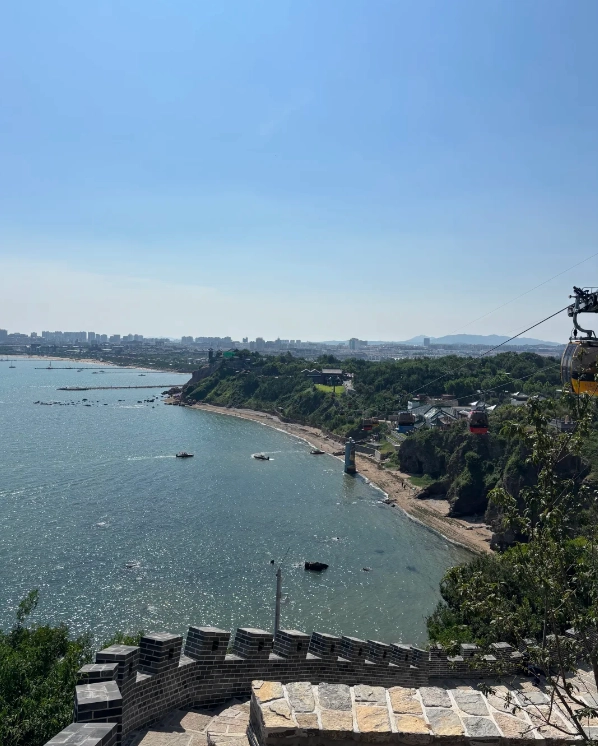
Pro Tip: Almost everywhere on this loop, the payment norm is Alipay or WeChat Pay linked to an international card. Many small restaurants will not take a physical foreign credit card, and some will not take cash because they have no change. Set up both apps before you fly, and keep a few hundred yuan in cash as backup.
What Does a Bohai Rim Multi-City Itinerary Cost?
These are working ranges for one person, excluding international flights and visa costs. They assume you are paying with an international card through Alipay or WeChat Pay, which adds no meaningful surcharge.
| Category | Budget | Mid-Range | Notes |
|---|---|---|---|
| Accommodation per night | ¥200–300 | ¥450–800 | Beidaihe and Qingdao spike in summer |
| Food per day | ¥80–120 | ¥180–300 | Street breakfast and night markets keep this low |
| Intercity transport, full loop | ¥900–1,200 | ¥1,500–2,000 | Ferry cabin class is the main variable |
| Attractions, whole trip | ¥500–700 | ¥900–1,300 | Cable cars and boat trips add up fast |
| Local transport per day | ¥30–50 | ¥80–150 | Metro and buses versus ride-hailing |
When Should You Start a Bohai Rim Multi-City Itinerary?
Late May through June, and September through October, are the two windows I recommend without hesitation. The sea is warm enough to swim, the crowds are manageable, and hotel prices sit in the middle band.
Avoid the first week of October entirely. That is the National Day holiday, and every beach on this route fills with domestic travelers. Prices jump, trains sell out, and the sunrise spot at Pigeon Nest turns into a scrum.
July and August are hot, humid, and busy. They are still doable if you book early and accept that Beidaihe and Qingdao will be packed.
Winter is a different trip. Dalian and Qingdao turn windy, grey and dramatic, hotel prices collapse, and you will have whole coastal roads to yourself. The catch is that the Dalian–Yantai ferry can be cancelled in high winds, and some attractions shorten their hours. Check sailing status the day before you plan to cross.
Questions I Get Every Single Trip
Do I need a separate visa for each city on the Bohai Rim loop?
No. This entire route sits inside mainland China, so one entry permission covers all six cities. What matters is the type of permission you hold. Travelers from eligible countries can enter under the 240-hour visa-free transit arrangement, which is valid at major ports including Beijing, Tianjin, Dalian and Qingdao. The rules on eligible nationalities and permitted travel areas change, so verify your specific passport against the National Immigration Administration guidance before booking anything. If you hold a standard tourist visa, the loop is straightforward.
Can I complete this Bohai Rim multi-city itinerary using only Alipay and no Chinese phone number?
Mostly, yes. Alipay linked to a foreign card covers trains, metro gates, ride-hailing, convenience stores and most restaurants. The friction points are attraction mini-programs, which often require a mainland phone number for verification. The workaround is simple and I use it constantly: book those through Trip.com or Klook instead, or hand your phone to your hotel receptionist and let them complete the booking on your behalf. Receptionists do this for foreigners every day and they are fast at it.
Is the Dalian to Yantai ferry reliable, or should I just take the train around the bay?
Take the ferry unless you have a strong reason not to. The train around the top of the bay costs you most of a day and shows you nothing. The ferry costs you a similar amount of time but delivers you rested, fed and on the other side of the water, and an overnight sailing saves a hotel night outright. The one genuine risk is weather. High winds cancel sailings, particularly in winter and early spring. Ask at the terminal or your hotel the day before, and if a cancellation looks likely, fall back to the rail route rather than waiting it out.
How do I handle language outside Beijing and Qingdao?
Expect English to thin out sharply in Qinhuangdao, Yantai and Weihai. Download offline translation packs before you leave, and — this is the part people skip — get your hotel to write its full address in Chinese characters on a card or in your phone notes. Showing a driver a Chinese address is the difference between a smooth ride and a twenty-minute charades game. Photograph the front desk's business card the moment you check in.
What happens if a hotel refuses me because I hold a foreign passport?
It happens, and it is almost always a licensing limitation rather than discrimination. Do not argue at the desk. Step into the lobby, contact your booking platform's customer service, and ask them to relocate you to a property that is registered to accept foreign guests. They will usually do this without charge. To avoid the situation entirely, filter for properties that explicitly state they accept international guests, and read recent reviews from foreign travelers rather than trusting the star rating.
Should I buy travel insurance for this route?
Buy it, and check two specific things before you do. First, whether ferry delays and cancellations are covered, because that is the most likely disruption on this loop. Second, whether the policy handles medical evacuation from smaller coastal cities. Yantai and Weihai are perfectly safe, but their English-speaking medical facilities are limited compared with Beijing or Qingdao, and a policy that only covers treatment in major hubs is not much use to you.
Verified and fact-checked by the editorial team. This content has been fact-checked to ensure informational precision.

No comments yet.