 Wei Zhang
Quick Guide to This Article
I’ve been leading tours in Shangri-La for over 8 years. And honestly? The first time I came here, I followed the generic “must-see” lists from Pinterest—and ended up exhausted, overpaying, and missing the magic. So let me save you the pain. Here are the Shangri-La must-visit places that actually deliver, plus the insider tricks that turn a good trip into an unforgettable one.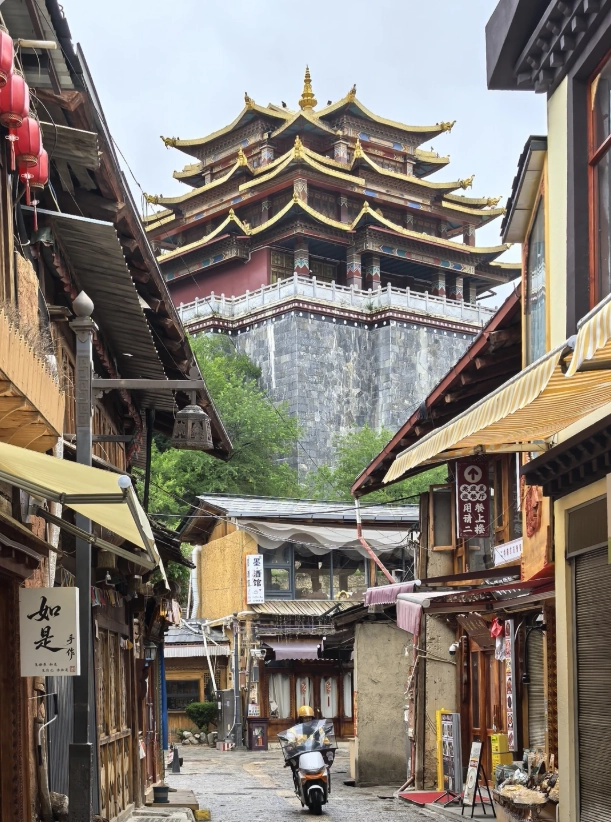
Why Most Itineraries Fail (And How to Fix It)
Most blog posts recommend cramming too many spots in one day, ignoring altitude sickness, and not accounting for the time it takes to actually get from A to B. Here is the catch—Shangri-La sits at 3,300 meters. Walking up a gentle slope here feels like running a marathon. I always tell my clients: plan only 2-3 highlights per day, and always have a backup indoor activity for rainy afternoons.
Also, carry cash—small shops and some taxi drivers won’t accept Alipay or credit cards. Always have ¥200 in small bills just in case.
Top 7 Must-Visit Places in Shangri-La
1. Dukezong Ancient Town (独克宗古城)
Why go: It’s the historic heart of Shangri-La, with cobblestone streets, Tibetan architecture, and the massive prayer wheel on the hill. Ticket: Free entry (the old town itself is open). The prayer wheel area is also free. How to get there: From the bus station, it’s a 10-minute taxi ride (¥15-20). If you’re staying in the town, most hotels are within walking distance. Best time: Early morning (before 8 AM) for photos without crowds, or at dusk when the lights come on. Watch out: The altitude makes climbing the 150 steps to the prayer wheel tough—take it slow, and drink water.
2. Songzanlin Monastery (Ganden Sumtseling Monastery)
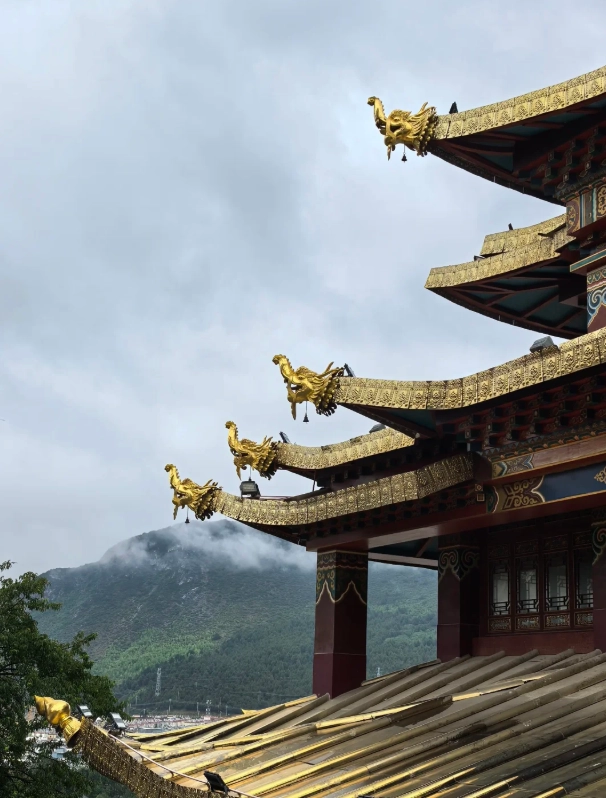
Why go: Often called the “Little Potala Palace,” this is the largest Tibetan Buddhist monastery in Yunnan. Ticket: ¥90 per adult (includes a guided tour in Chinese; English audio guides available). Need to pre-book? Yes, through WeChat mini-program “松赞林寺门票” or on Trip.com. Bring your passport for entry. Hours: 8:00-18:00 (last entry 17:00). How to get there: Take bus #3 from the old town (¥2, 20 mins) or taxi (¥20). Insider advice: The monastery is at 3,380m. I recommend visiting in the morning when the sun illuminates the golden roofs—makes for stunning photos. Avoid the midday crowds by arriving right at 8:30.
3. Pudacuo National Park (普达措国家公园)
Why go: Crystal-clear lakes, alpine meadows, and hiking trails. It’s the crown jewel of Shangri-La’s nature. Ticket: ¥138 (park fee) + ¥70 (shuttle bus inside). Pre-booking: Required. Book on WeChat or Trip.com. Open: 8:00-16:00 (closed in winter—check exact dates as it varies). Getting there: Take a direct bus from the old town (¥30, 40 mins). Taxi ¥80-100. Best route: Start with Shudu Lake (a 2km plank trail) then take the shuttle to Bita Lake (a 4km trail). I’ve done these trails dozens of times; my favorite is Bita Lake at 10 AM when the light hits the water. Note: No restaurants inside—bring snacks.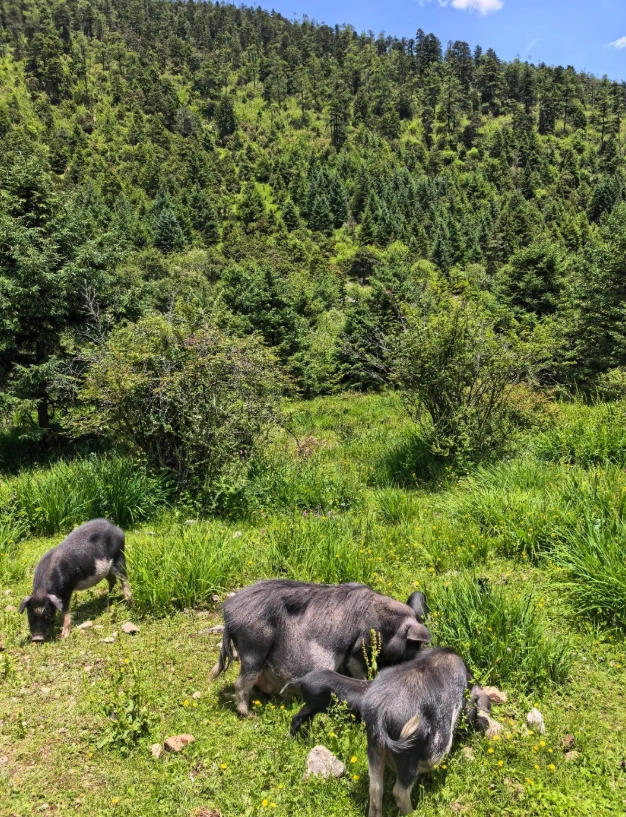
4. Napa Lake (纳帕海)
Why go: A seasonal lake that transforms into a wetland paradise. In summer (June-September), it’s a turquoise lake; in autumn, it’s a golden prairie. Ticket: Free if you just drive around; ¥60 if you enter the “Ecotourism Area”. How to get there: Cycle (rent a bike in the old town, ¥50/day) or take a taxi (¥30 from town) to the viewing platform. Best time: Sunset. The reflection of the mountains on the water is breathtaking. My advice: Don’t waste money on the “horse riding” packages—they are overpriced and short. Instead, just walk along the lakeside path.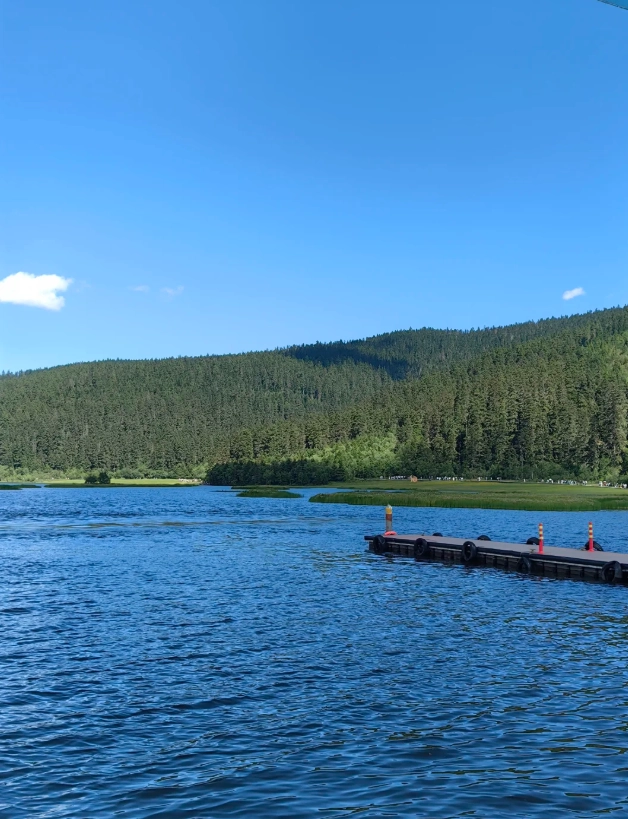
5. Tiger Leaping Gorge (虎跳峡)
Why go: One of the deepest gorges in the world, with epic hiking. Ticket: ¥65. How to get there: It’s about 1.5 hours from Shangri-La city. Take a bus from the Shangri-La bus station to Qiaotou (¥30, 1h), then transfer to a local minibus to the gorge (¥20). Or join a day tour from the old town (around ¥200). Hiking: The “Upper Gorge” walk is 2 hours and relatively easy. The “Middle Gorge” is more challenging (4 hours) and not for the faint-hearted. I usually recommend the Upper Gorge for first-timers—the views of the roaring Jinsha River are unforgettable. Pro tip: Wear sturdy shoes and bring a rain jacket. Even on sunny days, the valley can be windy and dusty.
6. Meili Snow Mountain (梅里雪山) – Distant View
Why go: The sacred Tibetan mountain, often called the “Kawagebo Peak.” Best viewing spot: Feilai Temple (飞来寺) observation deck, about 4 hours from Shangri-La city. Ticket: Free at Feilai Temple. Getting there: Take a bus from Shangri-La to Deqin (¥50, 3 hours), then a local taxi to Feilai Temple (¥10). Best time: October to November when the sky is clearest. The “golden light” sunrise is around 6:30 AM—set your alarm! I’ve seen it three times; it’s pure magic, but also extremely cold (below 0°C in winter). Dress in layers.
7. Shambhala Culture Village (Shangri-La Shambhala) – Avoid at All Costs
Yes, I said “avoid.” This is the one tourist trap I always tell my groups to skip. It’s a fake “Tibetan village” built for package tours, with inflated prices for “authentic” crafts (most are made in factories). The entrance fee is ¥50 and inside you’ll be pressured to buy tea and jewelry. I’ve seen too many tourists leave frustrated. Instead, visit the real Tibetan villages like Xiaozhongdian (small Zhongdian) or even just walk into the countryside around Napa Lake—that’s where the genuine hospitality lives.
Transport & Logistics: What Google Maps Won't Tell You
| Route | Best Transport | Time | Cost per Person (RMB) | Notes |
|---|---|---|---|---|
| Old Town to Songzanlin Monastery | Bus #3 | 20 min | ¥2 | Cash or Alipay |
| Old Town to Pudacuo | Direct bus | 40 min | ¥30 | Leaves from bus station; buy ticket 1 day ahead |
| Old Town to Tiger Leaping Gorge | Bus to Qiaotou + minibus | 2-2.5 h | ¥50 total | Minibuses are shared; wait time up to 20 min |
| Old Town to Deqin (for Meili Snow Mountain) | Long-distance bus | 3-4 h | ¥50-60 | Winding roads—avoid if you get carsick |
Important: Google Maps is often inaccurate. I recommend using Apple Maps (it surprisingly works well here) or AMap Global. For taxi rides, show the driver the Chinese address—I’ve compiled useful ones below:
- Dukezong Ancient Town: 独克宗古城
- Songzanlin Monastery: 松赞林寺
- Pudacuo National Park: 普达措国家公园
- Napa Lake: 纳帕海
- Feilai Temple (for Meili): 飞来寺
Payment & Tech Tips for Foreigners
Almost all tourist spots, restaurants, and hotels accept Alipay (add your international card before you go). WeChat Pay is also common but trickier to set up without a Chinese bank account. Cash is still king at small street stalls, bus rides (exact change needed), and some taxis. I always carry ¥300-500 in small bills.
VPN: You will need a reliable VPN before you come to access Instagram, Facebook, WhatsApp, and Google. Many free VPNs don’t work in China. I recommend Astrill or ExpressVPN—install them on your phone before departure.
Translation: Download the Baidu Translate app (works offline) or use Apple’s built-in translate. Most menus in tourist areas have pictures, but don’t expect English in local eateries.
Sample 3-Day Itinerary (With Backup Plans)
Here is a realistic 3-day plan that balances highlights with altitude acclimatization. I’ve adjusted this based on feedback from hundreds of travellers.
Day 1: Arrival & Old Town
Morning: Arrive in Shangri-La (fly into Diqing Airport). Take it very easy—rest at your hotel to adjust to the altitude. Lunch: Try the famous yogurt and yak meat hotpot at Ma Shi Ji Restaurant (独克宗古城, 2-min walk from Moon Square). Afternoon: Wander Dukezong Ancient Town. Climb to the Giant Prayer Wheel for sunset views. Plan B (if rainy): Visit the Shangri-La Tibetan Museum inside the old town (free, small but informative).
Day 2: Monastery & Lake
Morning: 8:30 AM – Songzanlin Monastery (2-3 hours). Lunch: Try vegetarian dumplings at the monastery’s cafeteria (¥15). Afternoon: 1 PM – Pudacuo National Park. Take the bus at 1:30 PM from the bus station to arrive by 2 PM (last entry 3:30!). Focus on Shudu Lake. Dinner: Back in town, try Jingdou Restaurant for Tibetan noodles. Plan B: If you’re too tired, skip the park and cycle around Napa Lake instead.
Day 3: Gorge Day
Full day: Tiger Leaping Gorge. Catch the 8 AM bus to Qiaotou from the Shangri-La bus station. Hike the Upper Gorge (2-3 hours). Return to Shangri-La by 6 PM. Plan B (bad weather): Visit a local Tibetan home experience (ask your hotel to arrange).
Insider Advice: Altitude sickness is real. If you feel headaches or nausea, don’t push through. The best cure is descending to a lower altitude (e.g., Lijiang at 2,400m). I always keep a supply of Diamox (acetazolamide) in my first aid kit—consult your doctor before coming.
Frequently Asked Questions
Verified and fact-checked by the editorial team. All information is accurate as of the latest update.







This is exactly the kind of guide I look for. I'm all about skipping the crowded spots and stretching my budget, and this article delivered. The hidden hot spring they mentioned was a magical end to a long hike — and it was completely free! Also loved the tip to rent a bike instead of hiring a car. Everything felt authentic and well-researched. Will use this for my next trip to the region for sure.
As someone who hates planning, this article made everything effortless. I loved the detailed descriptions of the less-crowded trails — the one leading to the old prayer flag forest felt like stepping into a painting. The price comparisons for local homestays were super accurate. My only tiny complaint is that the map links could be updated, but the info itself was all correct and really helped me avoid the tourist traps.
I appreciate what the article tried to do, but I found a couple of the 'secret spots' a bit underwhelming. The viewpoint near Napa Lake was already packed when I arrived (maybe because of the article itself?). Also, one restaurant they recommended was closed for renovation. Decent starting point but not as reliable as I hoped. Still got some value from the general money-saving tips though.
My partner and I followed the first three spots from this list and they were incredible — especially the little-known meditation cave near Pudacuo. The article's suggestions on skipping the overpriced cable car and walking instead saved us ¥200 each. The writing style feels like a chatty local friend giving you insider tips. Highly recommend if you want a peaceful, affordable trip without the tourist crowds.
I used this article as my Bible for a 5-day solo trip to Shangri-La and it honestly saved me a ton of cash. The tip about visiting Songzanlin Monastery in the late afternoon instead of morning was gold — I had the whole place almost to myself. The local food recommendations were spot on too. Only downside is that the directions for one of the hidden trails were a bit vague, but overall a solid read for budget-conscious travelers.