 Hua Sun
Where Do You Want to Jump In
- Why This Route Beats a Standard China Loop
- What Is the Best Time to Start?
- How Do You Book Trains and Attraction Tickets?
- Days 1-4: Beijing Without the Burnout
- Days 5-7: Shenyang and the Real Northeast
- Days 8-10: Dalian and the Coast Road
- Train vs Flight: The Honest Numbers
- Where to Sleep on This Route
- What to Eat Along the Way
- Questions I Get Asked Every Single Trip
Two suitcases, one passport, and a train ticket I booked ninety seconds earlier while standing in a moving Beijing subway car. That is how a Beijing and Liaoning tour usually begins for my groups — not with a polished spreadsheet, but with someone staring at a phone, wondering why Google Maps just told them to walk into a wall.
I have run this route with small groups across several seasons, and the pattern never changes. Travelers arrive over-planned on the Beijing leg and completely unprepared for Shenyang and Dalian. That gap is where the money and the days disappear.
A Beijing and Liaoning tour solved a problem my clients kept hitting: they wanted imperial China without the crowds, and they wanted a coastline at the end without flying south to a resort town full of package tourists. Liaoning delivers both. Two UNESCO-listed palace complexes, a working-class food culture that punches far above its price, and a seaside city that locals treat like a secret.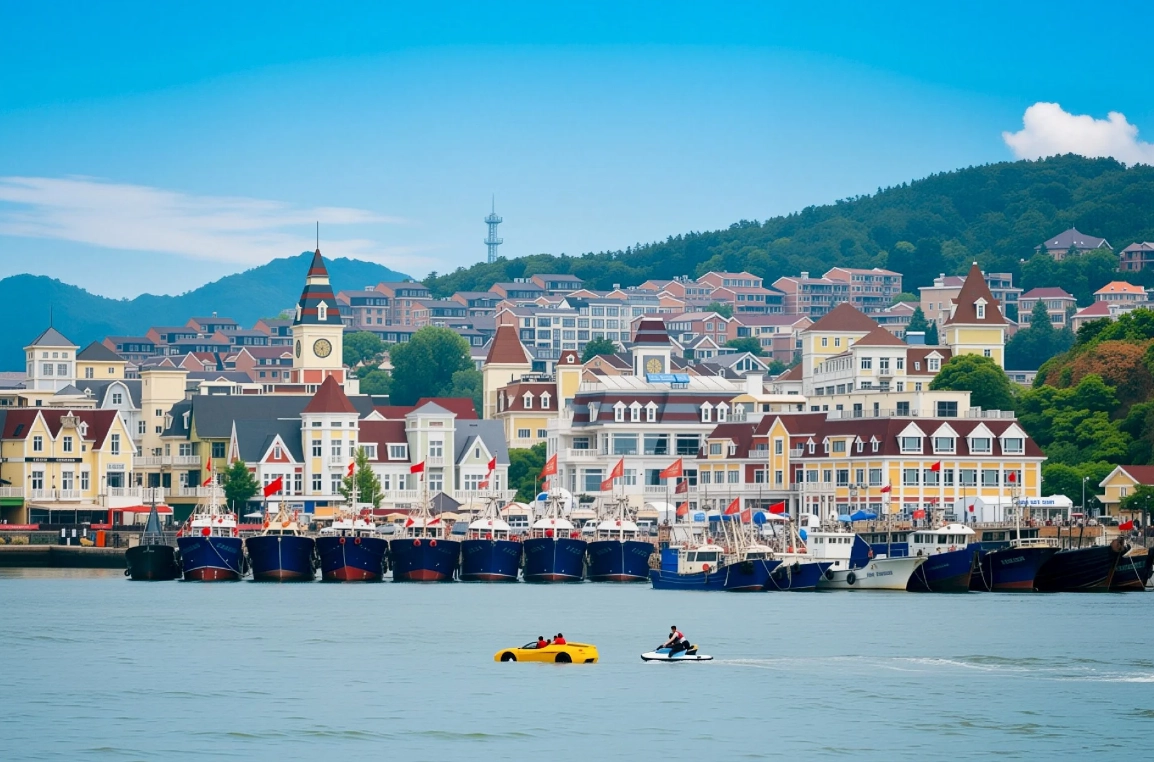
Here is the conclusion I hand out before anyone books a single ticket. Ride the high-speed rail, never fly between these three cities. Put Shenyang on a weekday. And save Dalian for last, because sea air is the only reliable cure for museum fatigue.
The rest of this page is the detail behind that. Pick your section and go.
Why This Route Beats a Standard China Loop
Most first-timers land in Beijing, tick off the Forbidden City, then swing south to Xi'an and Shanghai. Nothing wrong with it. You will also spend triple the money and share every photograph with four hundred other foreigners holding the same selfie stick.
Liaoning gives you the same imperial DNA at a fraction of the crowd. The Imperial Palaces of the Ming and Qing Dynasties in Beijing and Shenyang sit under one UNESCO World Heritage listing, which tells you something important — the Shenyang palace is not a reconstruction or a theme park. It was the secondary capital of the Qing before they took Beijing, and the building style is visibly Manchurian, not Han Chinese. You can read the listing yourself through the UNESCO World Heritage Centre.
Then there is the food. Dongbei cooking is sour, meaty, smoky, and almost impossible to find back home. Cold noodles in a vinegar broth. Skewers dusted with cumin. Dumplings the size of your thumb.
Here is the part nobody mentions. Shenyang in winter is not a bit cold. It is minus twenty, and the wind comes off the Mongolian plateau with nothing to stop it. I once watched a client from Melbourne tap out after forty minutes at the 9.18 Historical Museum because her phone had died and her eyelashes had frozen together. She laughed about it. She also slept through the entire next day and missed Mukden Palace. Season matters more than any other variable on this route.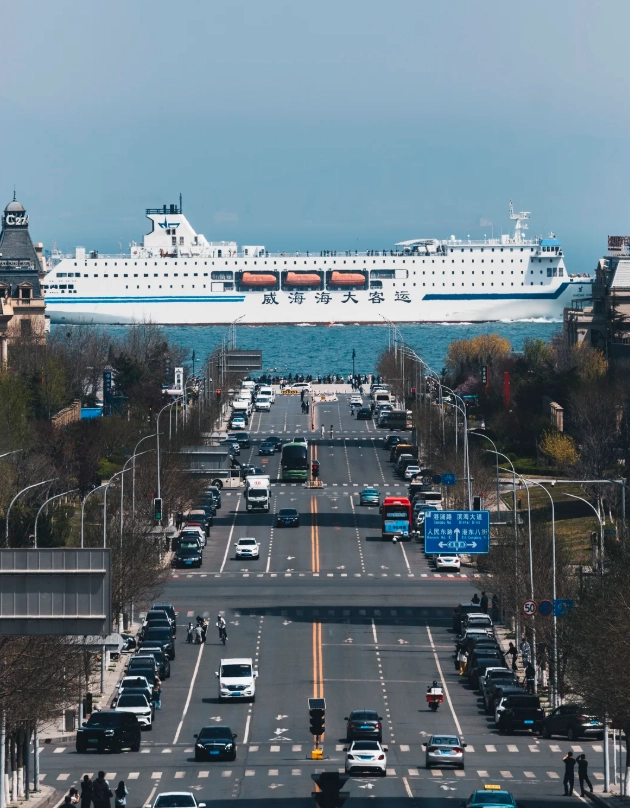
What Is the Best Time to Start a Beijing and Liaoning Tour?
The April Dust Window and the September Sweet Spot
Beijing's spring is a gamble and Liaoning's winter is a punishment, so the safe window runs from roughly September 10 to the third week of October.
April in Beijing means sand blowing in from the Gobi. I have had days where the sky turned the color of wet cardboard and the Great Wall vanished into haze by eleven in the morning. July and August bring humidity plus the entire domestic holiday population landing in Dalian at once. Winter is genuinely beautiful in Shenyang if you own proper down layers, but most visitors do not.
Now the detail that everyone skips. Yes, autumn is best. But the first week of October is the single worst travel week in the Chinese calendar, because hundreds of millions of people move at the same time and train seats vanish within seconds of release. Book the September 10 to September 28 window instead and you get identical weather with half the crowd and cheaper hotel rates.
Avoid Chinese New Year for the same reason, plus the fact that half the small restaurants you want to visit will be shuttered while the owners go home to their families.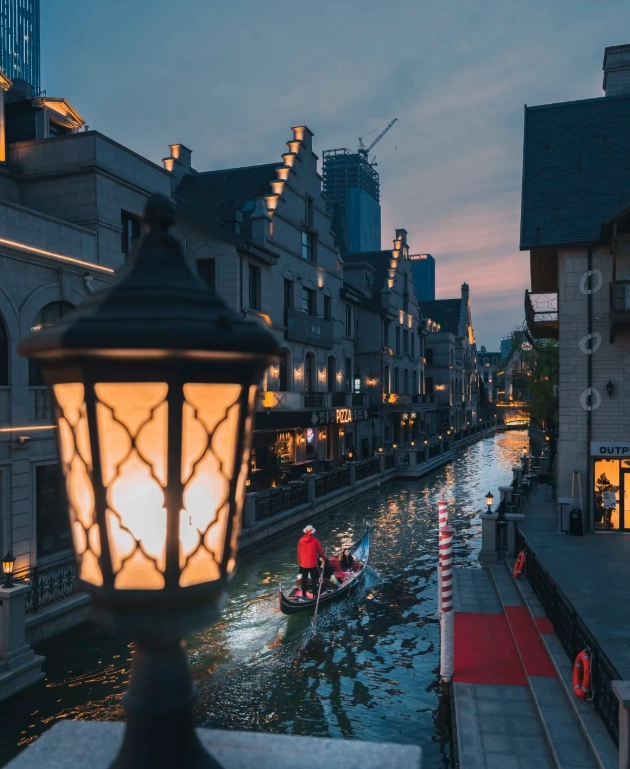
How Do You Book Trains and Attraction Tickets on a Beijing and Liaoning Tour?
12306 vs Trip.com — Which One Actually Works for Foreign Passports
Use the official China Railway site at www.12306.cn if you are comfortable with a slightly clunky English interface, or use Trip.com if you would rather pay a small service fee and never think about it again.
Both systems require real-name registration with your passport number, and the name must match your passport exactly — middle names included, no nicknames, no abbreviations. Get this wrong and you will be standing at the station gate watching your train leave while a staff member patiently explains that the machine cannot read your booking.
- 12306 releases seats roughly two weeks before departure and sells out fastest on Friday evenings and Sunday afternoons
- Trip.com pulls from the same inventory but lets you pay with an international Visa or Mastercard, which 12306 often rejects
- Second class on these routes is comfortable and rarely worth upgrading from; first class mainly buys you a wider seat
- Bring the physical passport to the station — there is no digital ticket that works without it, and you will use the manual staffed gate, not the automated scanners
Pro Tip: The WeChat mini-program booking flow for most Chinese attractions is entirely in Chinese and it defeats nearly every client I have. Yes, it is a nightmare even for me. Hand your phone and your passport to the hotel front desk and let them do it — they process these bookings twenty times a day and it takes them ninety seconds.
Attractions That Will Turn You Away Without a Reservation
The Forbidden City sells no same-day tickets at all, and Tian'anmen Square requires its own separate reservation — two different bookings, and travelers miss the second one constantly.
- Forbidden City — reserve about seven days ahead through the official channel or Trip.com; passport required at the gate; closed Mondays except public holidays
- Tian'anmen Square — free but reserved separately, also passport-linked, also closed to walk-ins on heavy days
- 9.18 Historical Museum in Shenyang — free entry, reservation required, closed Mondays
- Mukden Palace — walk-up entry works off-peak, but reserve in July, August, and the October holiday
- Mutianyu Great Wall — rarely sells out outside holiday weekends, so this one is safe to leave flexible
Before you build anything, check the National Immigration Administration at www.nia.gov.cn for the current visa-free and transit entry list. Policies shift, and a blog post from two seasons ago is not a reliable source for whether you need a visa at all.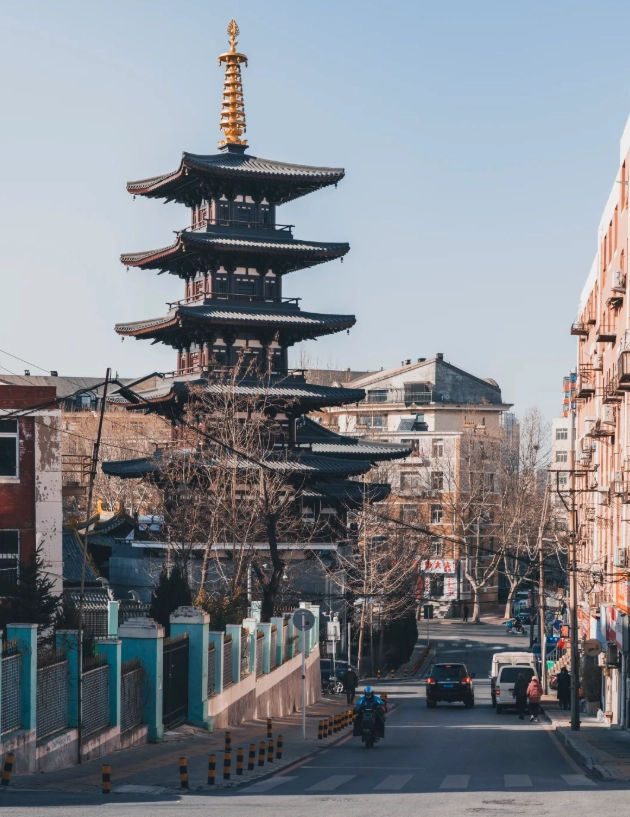
Days 1-4: Beijing Without the Burnout
Day one is arrival and nothing else. Drop bags, walk your neighborhood, eat something simple, sleep. Day two is the palace axis. Day three is the Great Wall. Day four is Temple of Heaven in the morning and the afternoon train north.
Forbidden City and Tiananmen — The Entrance You Want
Only one gate lets you in — the Meridian Gate on the south side — and the north gate is exit-only, so build your day south to north and do not plan to loop back.
Take Metro Line 1 to Tian'anmen East and follow the crowd. The security queue on the eastern approach is usually shorter in the early morning than the western one, which sounds trivial until you are standing in the sun at nine in the morning in September.
The opening rush at 8:30 is real, but here is the counterintuitive part. Most guides tell you to arrive at opening. I tell my groups to enter around 1:30 in the afternoon instead. The morning tour buses clear out after lunch, the light inside the courtyards turns gold around four, and you walk the same halls with a third of the people. The only cost is that you must move efficiently, because the palace stops admitting new visitors in the late afternoon.
Exit north and climb Jingshan Park for the classic rooftop panorama. Entry costs a couple of yuan, the climb takes fifteen minutes, and the light is best in the last hour before closing. Skip the tea houses on the way out — the ones with English menus near the exit charge four times what the same tea costs two streets away.
The Great Wall — Which Section on Which Day
Mutianyu for a first visit, Jinshanling if you want to walk a ridge with almost nobody on it, and Badaling only if you genuinely enjoy queuing on a mountain.
Mutianyu sits roughly ninety minutes by road from central Beijing. Entry runs in the region of CNY 40 to 45 for adults with discounts for children and seniors, and the cable car is a separate charge. The toboggan ride down is not a gimmick — it saves your knees and it is genuinely fun.
Go on a weekday. Arrive by 8:30. By eleven the cable car queue stretches past the ticket hall and the watchtowers fill up.
Insider Advice: Book a private driver for Mutianyu rather than a cheap group bus tour. Group tours bundle in a jade factory and a tea ceremony stop. I have timed it with a stopwatch — you lose two and a half hours of your day to sales pitches.
Hutong Evenings and Where to Actually Slow Down
Nanluoguxiang is a souvenir corridor with a hutong sign on it, not a hutong experience — walk fifteen minutes east to Wudaoying or north into the Shichahai back lanes instead.
Evenings in the real lanes are the best free entertainment in Beijing. Small bars, old men playing cards on folding tables, cats on rooftops. Order a beer, sit outside, and do nothing for an hour. Your legs will thank you, and you will need the rest before Shenyang.
Days 5-7: Shenyang and the Real Northeast
The train drops you at Shenyang North or Shenyang Station depending on the service. Both connect to the metro. Check into your hotel, drop the bags, and go eat.
Mukden Palace — Tickets, Timing, and the Crowd Pattern
Arrive at opening, around 8:30, or accept that every photo of the main hall will contain thirty strangers.
Take Metro Line 1 to Zhongjie station and walk five to ten minutes toward the palace. Adult tickets sit in the CNY 50 to 60 range with student, child, and senior discounts available against valid ID — check the official account for the current figure because it does change.
Here is a friction point worth knowing in advance. Some foreign travelers report that the Chinese-language mini-program rejects non-mainland ID numbers, so either book through Trip.com or buy at the staffed counter with your passport. The counter works. It just moves slowly when a tour group arrives at the same moment.
Give the palace two hours. The Dazheng Hall with its Manchurian roof style is the reason you came, and the courtyard behind it is where the light is best mid-morning.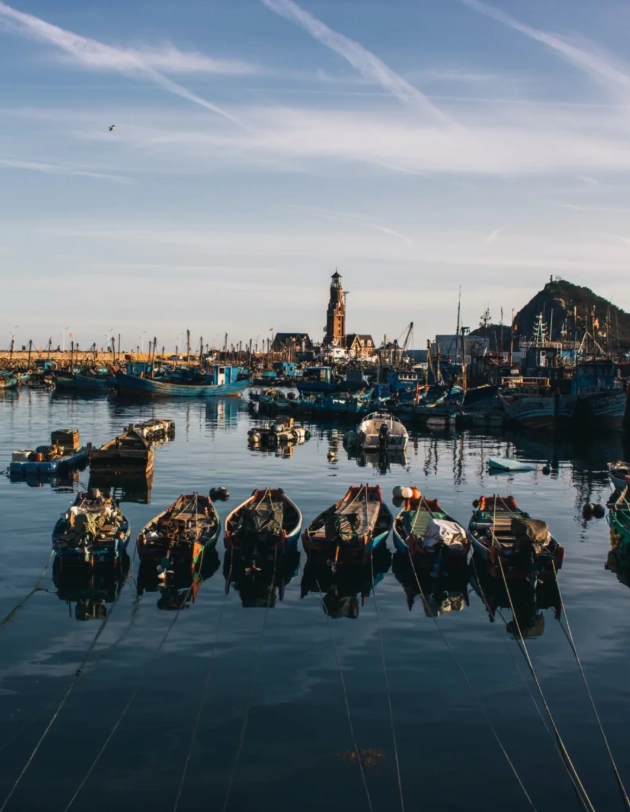
Zhang Family Mansion and the 9.18 Historical Museum
The 9.18 Historical Museum is free but requires a passport-linked reservation, and it will land harder emotionally than anything else on this route.
Closed Mondays. Give it two hours minimum. English signage is limited, but the exhibits are largely visual and the timeline is legible even without translation. I recommend going in the morning when you are fresh, not at the end of a long walking day.
The Zhang Family Mansion sits nearby and charges a modest entry fee. It is smaller and less crowded, and it gives you the human story behind the region's twentieth-century history that the larger museum handles at a national scale.
Zhongjie, Xita, and What to Eat in Shenyang
Shenyang's food is the reason I keep bringing groups north — it is cheap, it is heavy, and it tastes like nothing you have eaten at home.
Laobian Dumpling on Zhongjie is the famous name and worth one visit, though I find the smaller dumpling shops on the side streets better value. Xita is the Korean-Chinese quarter, and the barbecue there is outstanding. Order skewers by the handful, dip them in the dry spice mix, and drink cold local beer.
Payment note that matters. Almost everywhere on this route runs on Alipay or WeChat Pay linked to an international card. Cash is accepted in theory and tolerated in practice, and physical foreign credit cards are usually refused outside international hotels. Set up your payment apps before you fly, not after you land.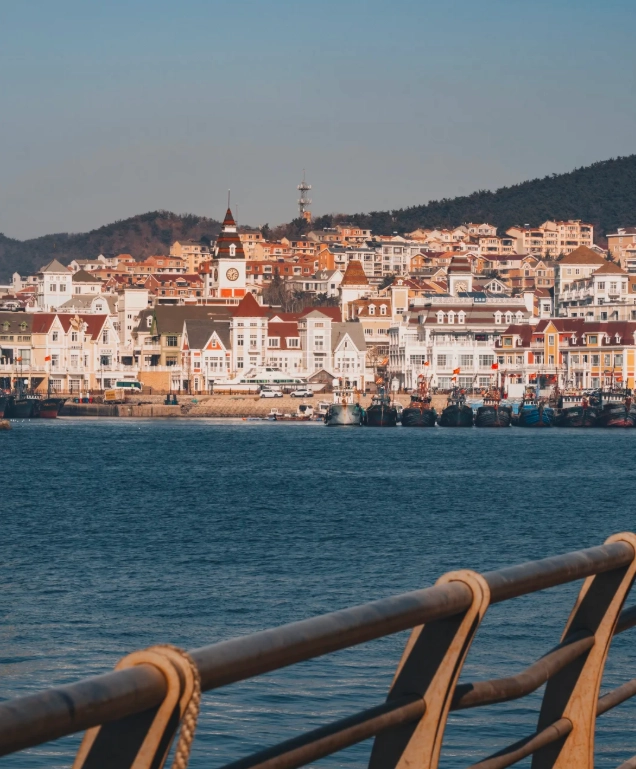
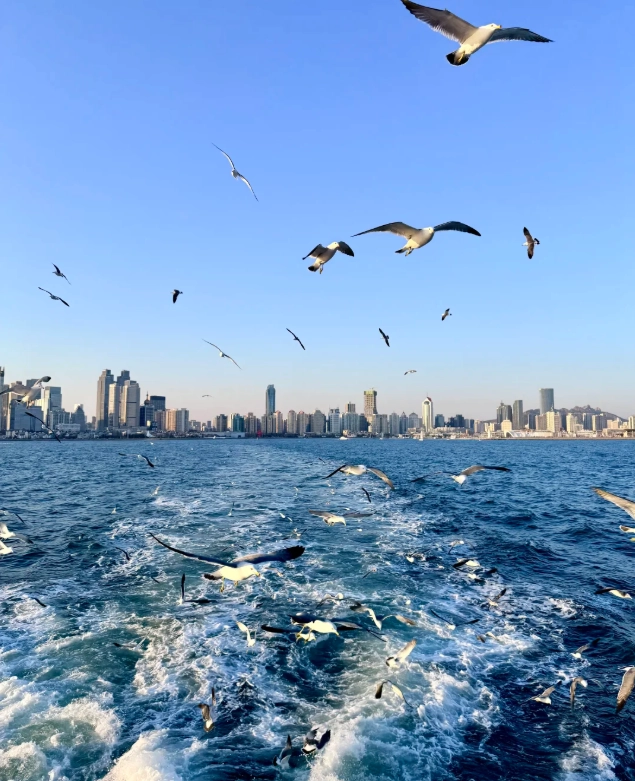
Days 8-10: Dalian and the Coast Road
Binhai Road — How to Walk It Without Regret
Binhai Road stretches roughly thirty kilometres along the coast, and trying to walk the whole thing in summer heat is the single most common mistake I see on this route.
Break it into pieces. Start at Xinghai Square in the early morning and walk the wooden boardwalk section east — flat, shaded in parts, and busy with locals doing tai chi. Then take a taxi to the next scenic stretch rather than pushing through the road sections where there is no pedestrian path and cars move fast.
Go early. By noon in July the boardwalk bakes and there is no shade for long stretches. Sea mist often burns off by ten, so the sharpest photographs happen in the first two hours of daylight.
Dalian's Seafood and the Russian Street Trap
Eat seafood near Heishijiao market where locals actually buy it, not on Russian Street where the same plate costs triple.
Russian Street has been rebuilt so many times it now feels like a stage set with a gift shop attached. Twenty minutes, one photograph, move on. Put that time into Zhongshan Square instead, where the old bank buildings form a genuine architectural ring, or into a long seafood dinner with grilled squid, sea urchin, and garlic steamed scallops.
One honest complaint. Dalian's public beaches get genuinely packed in August, and the sand near the main swimming areas is not the cleanest on the coast. If you want quiet water, head further out rather than expecting the central beaches to be postcard-empty.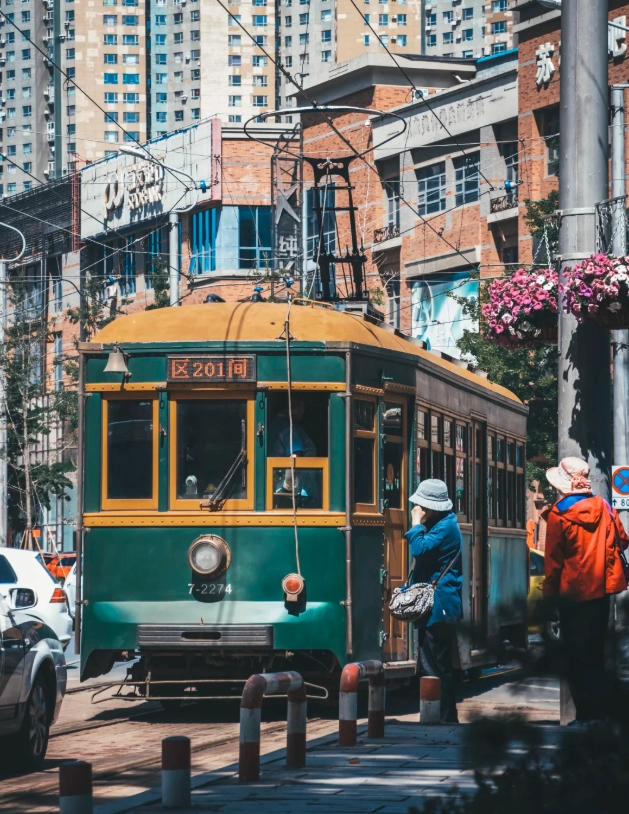
Train vs Flight: The Honest Numbers
| Route | Best Option | Approx. Journey Time | Approx. Cost | My Take |
|---|---|---|---|---|
| Beijing to Shenyang | High-speed rail | 2h 30m to 3h | CNY 300-400 second class | City centre to city centre, no contest |
| Beijing to Shenyang | Flight | 4h door to door | CNY 500-900 | Airport transfers eat the savings |
| Shenyang to Dalian | High-speed rail | About 2h | CNY 120-180 second class | Book this one first, it sells out fastest |
| Beijing to Dalian | High-speed rail | 4h to 4h 30m | CNY 350-450 second class | Fine if you skip Shenyang, but do not |
| Shenyang to Dalian | Flight | N/A | N/A | Skip it, the train is faster door to door |
Prices move with demand and season, so treat these as planning ranges rather than fixed figures. Confirm current fares on www.12306.cn before you commit to a budget.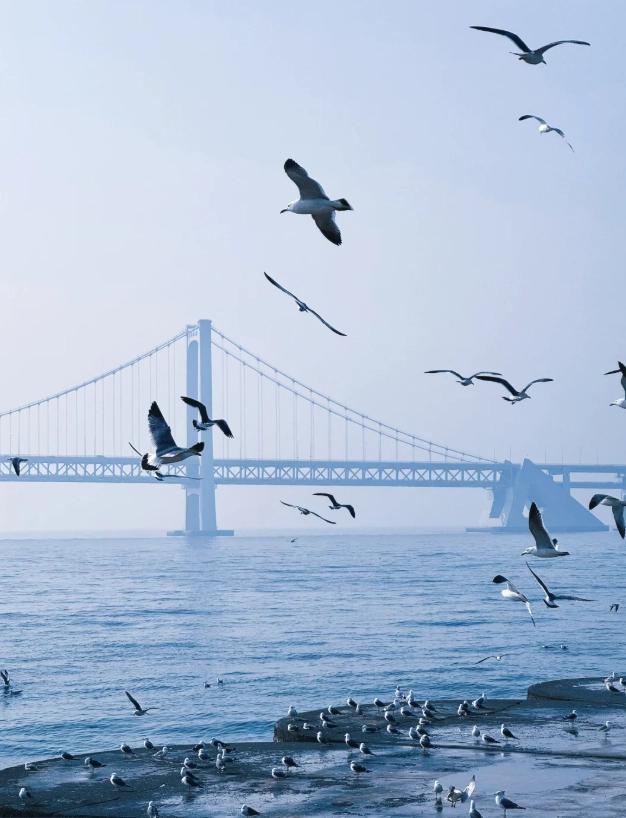
Where to Sleep on This Route
| Area | City | Best For | Price Band Per Night | Walk to Metro |
|---|---|---|---|---|
| Dongsi | Beijing | First-timers, palace access | CNY 450-900 | 5-8 minutes to Line 5 |
| Sanlitun | Beijing | Nightlife, late arrivals, food | CNY 600-1200 | 8-12 minutes to Line 10 |
| Taiyuan Street | Shenyang | Budget, train station access | CNY 250-550 | 3-6 minutes to Line 1 |
| Zhongjie | Shenyang | Palace on foot, shopping | CNY 300-650 | 2-5 minutes to Line 1 |
| Xinghai Square | Dalian | Families, sea views | CNY 400-900 | 5-10 minutes to Line 1 |
| Zhongshan Square | Dalian | Architecture, older-city feel | CNY 350-750 | 3-8 minutes to Line 2 |
Two things I check before booking any hotel on this route. Does the front desk handle bookings for guests, because that saves you an hour of mini-program pain. And is there a lift, because older Shenyang and Dalian buildings sometimes have five floors and no elevator.
Sanlitun is where I put clients who land late and want dinner at midnight. Dongsi is where I put clients who want to walk to the palace at sunrise. Those are different travelers.
What to Eat Along the Way
| Dish | Where to Try It | Flavor Profile | Approx. Cost |
|---|---|---|---|
| Peking duck | Siji Minfu, Dengshikou, Beijing | Crisp skin, rich, faintly sweet | CNY 150-250 per person |
| Zhajiangmian | Any Dongcheng noodle shop | Salty fermented soybean, chewy noodles | CNY 15-30 |
| Laobian dumplings | Zhongjie, Shenyang | Juicy pork, mild, thin skin | CNY 40-80 |
| Shenyang barbecue skewers | Xita district, Shenyang | Smoky, cumin, chili heat | CNY 50-100 |
| Grilled seafood | Heishijiao market area, Dalian | Briny, garlic, butter | CNY 80-200 |
My standing order in Shenyang is a plate of cold noodles, ten lamb skewers, and a bottle of local beer. It costs less than a coffee in Beijing and it is the meal I look forward to most on the whole route.
Vegetarians can eat well here, but you will need a translation app and patience. Dongbei kitchens put pork fat in almost everything by default. Say no meat clearly and repeat it — the phrase in Chinese is worth saving on your phone before you sit down.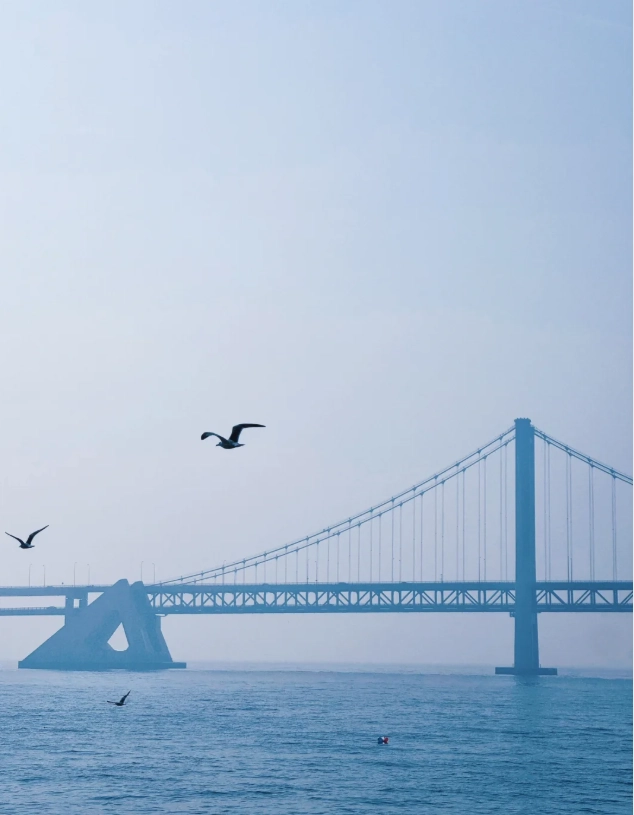
Questions I Get Asked Every Single Trip
Do I need a visa for a Beijing and Liaoning tour, or can I enter visa-free?
It depends entirely on your passport and the current policy cycle, which has changed repeatedly. Check the National Immigration Administration directly rather than relying on a forum post. The practical tip: even under visa-free entry you still need a return ticket and an accommodation address, and border staff do ask. Have both printed or saved offline, not buried in an email inbox that needs a VPN to load.
Can I pay for everything with Alipay on this route?
Mostly, yes, if you link an international card before you arrive. The gaps are small restaurants in Shenyang, some market stalls in Dalian, and a few ticket counters that only take Chinese payment apps. Carry a few hundred yuan in cash as backup. Physical foreign credit cards are accepted at international hotels and almost nowhere else, so do not plan around them.
Is Shenyang safe for a solo female traveler at night?
Street safety is genuinely not the issue here — violent crime against tourists is rare and the city is lively late. The real friction is practical: fewer English speakers than Beijing, taxi drivers who will not understand your destination, and streets that empty quickly after ten in the winter. Have your hotel address written in Chinese characters and use a ride-hailing app rather than flagging cars after dark.
What happens if Shenyang to Dalian trains are sold out on my travel date?
This is why I tell people to book that leg first, before the Beijing trains. If it does sell out, check departures from Shenyang North rather than Shenyang Station, since different services leave from different terminals. Failing that, the coach takes longer but runs more frequently, and a domestic flight exists but adds airport time that usually cancels out the gain.
I only have five days instead of ten. What should I cut?
Cut Beijing to three days and Shenyang to two, then drop Dalian entirely. Do not try to squeeze all three cities into five days — you will spend most of it in transit and remember none of it. If the coast is the priority, flip it: two days in Beijing, one in Shenyang, and give the rest to Dalian. Just know that flying into Dalian from Beijing is the only leg where a flight genuinely saves you time.
Verified and fact-checked by the editorial team to ensure informational precision. Ticket prices, train schedules, and entry policies on this route change frequently, so confirm current details through official channels before you travel.
No comments yet.