 Gang Zheng
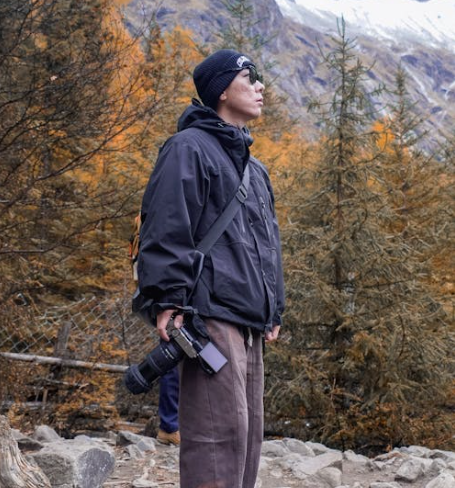
Minus 27 Celsius. My phone died before the shutter clicked. That is a Jilin winter morning — brutal, gorgeous, and completely misunderstood by every tidy "three days in Northeast China" itinerary floating around the internet.
I have run groups through this province in January and in July, and the mistakes repeat themselves in the exact same order. People land in Changchun, assume they will swing by Changbai Mountain the next morning, then discover the mountain is a two-night commitment, that the ticket is not sold at the gate, and that Google Maps has been quietly lying to them since they cleared immigration.
So here is the honest version of how to travel to Jilin: fly into Changchun Longjia, ride the high-speed rail onward, and treat the province as three separate trips stitched together — Changchun for history, Jilin City for rime ice, Yanji and Erdaobaihe for mountains and food. Buy the Changbai Mountain ticket at least three days ahead on Trip.com rather than at the gate. And if rime ice is the whole point of your trip, you need a clear, windless, deeply frozen morning — not simply "winter."
Here is the playbook I hand to my own clients.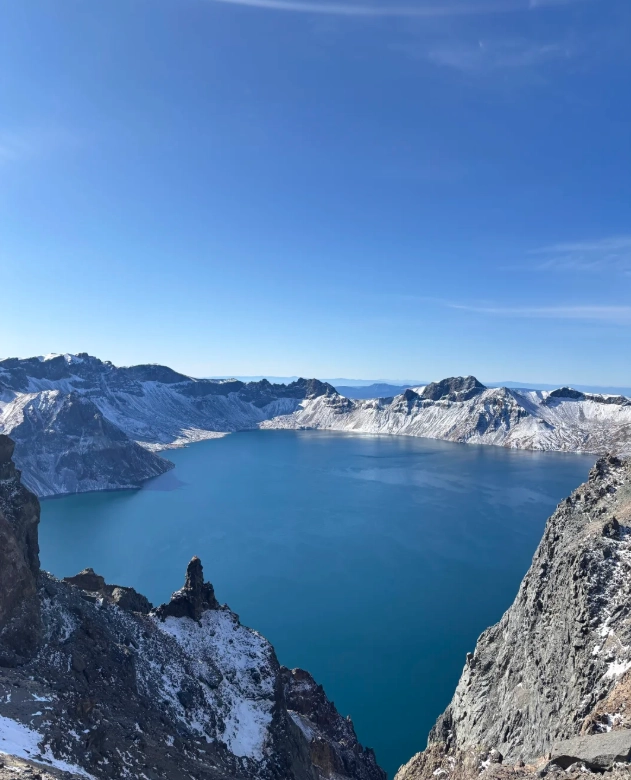
What's Inside This Jilin Playbook
- What Is the Best Time to Travel to Jilin?
- How to Get to Jilin: Flights, Rail, and the 12306 Trap
- Changbai Mountain: Which Slope, and How to Book It
- Jilin City Rime Ice: The 90-Minute Window
- Yanji: Korean-Chinese Food and the Border
- 24 Hours in Changchun: An Hour-by-Hour Plan
- Where to Stay in Jilin Province
- What to Eat in Jilin, and How to Pay
- Payment, VPN, and Navigation Basics
- Jilin Travel FAQ
What Is the Best Time to Travel to Jilin?
Winter grabs all the attention, and it deserves most of it. From late November into February, the Songhua River around Jilin City throws off rime ice — frost flowers that coat every willow along the bank. Three conditions have to line up on the same night: temperatures below roughly minus 20, no wind at all, and river water that has not frozen solid.
Now here is where I part ways with most guides online. Everyone pushes July for Changbai Mountain. Statistically that is a coin flip, because summer is also the rainiest stretch of the year and the crater lake spends most of it sitting inside a cloud. I have had far better luck in September and early October — thinner crowds, sharper skies, and a west slope covered in gold birch. If seeing the lake clearly is your priority, aim for autumn.
Spring is the season I quietly tell people to skip. March and April bring wind, dust, and a landscape of gray slush. Summer in Changchun itself is genuinely pleasant, sitting between 22 and 28 Celsius, a real escape from the humidity down south — but it is also thunderstorm season up on the mountain.
One warning that matters more than any packing list: avoid the first week of October and the Lunar New Year travel rush. Hotel prices in Erdaobaihe can double overnight, and the shuttle queues at the north gate turn into a two-hour shuffle in the cold.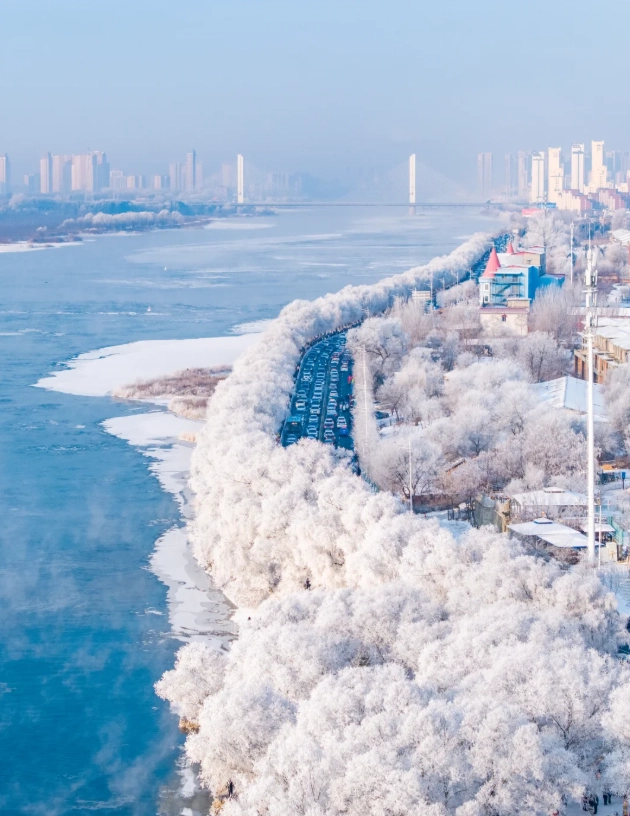
Pro Tip: The Changbai Mountain scenic area runs live cameras at the rim. Before you commit to the jeep ride, check the lake visibility board at the visitor center. Staff update it hourly, and in my experience they will tell you honestly when the lake is socked in.
How to Get to Jilin: Flights, High-Speed Rail, and the 12306 Trap
Jilin Province has no mega-hub airport. Nearly everyone arrives through Changchun Longjia International Airport, code CGQ, roughly 30 kilometers northeast of the city center, and then continues by rail.
Flying Into Changchun Longjia International Airport
The airport shuttle bus is the cheapest reliable way into town, and it keeps running until the last arrival of the day.
Buses leave from just outside the arrivals hall and drop at Changchun Railway Station and People's Square. Expect 45 to 60 minutes depending on traffic and a fare in the low 20s RMB. Pay with Alipay or WeChat Pay, or hand over cash — the driver will not take a foreign credit card.
DiDi is simpler if you are hauling luggage. A ride to People's Square runs 40 to 50 minutes and roughly 100 to 140 RMB. Order it through the DiDi mini-program inside Alipay; the English interface is workable and it removes the language barrier completely.
Insider Advice: Do not accept a ride from anyone who approaches you inside the terminal. I once watched a traveler pay 600 RMB for a trip that costs 120. Walk outside, open Alipay, and order the car yourself.
Booking High-Speed Rail With a Passport
China's rail network is the single best thing about traveling here, and Jilin is well connected — but the booking step trips up almost every foreign visitor.
The official channel is China Railway 12306. You register with your passport number, and the app has a basic English mode. Tickets typically open for sale about two weeks before departure, and seats on the Changchun to Yanji and Changchun to Changbaishan routes do sell out around public holidays.
If the 12306 registration page fights you, which it sometimes does with non-Chinese phone numbers, book through Trip.com instead. You pay a small service fee, and you collect the ticket by scanning your passport at the station gate — no paper ticket needed.
At the station itself, budget extra time. Security lines move fast, but you must pass through with your passport and get your face matched at the gate. Arrive 40 minutes early the first time.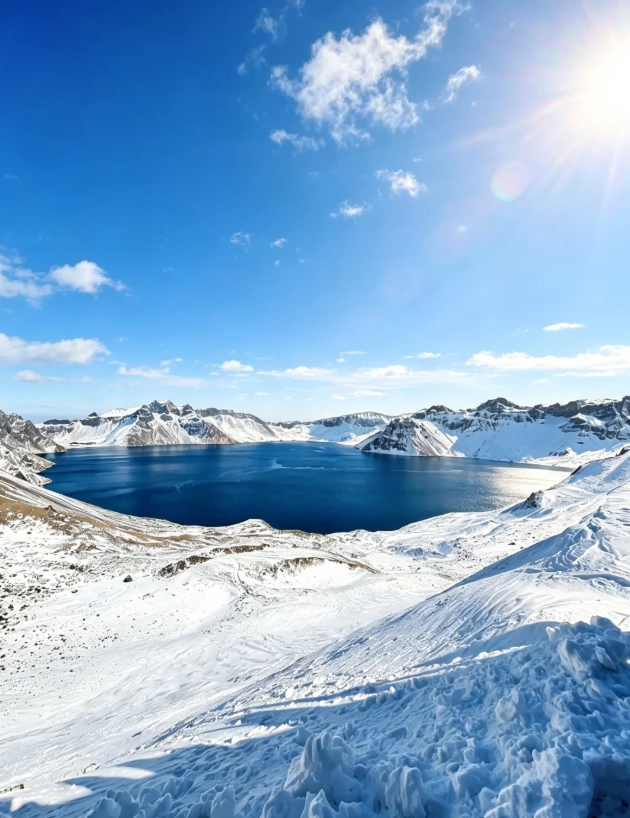
Getting Around Jilin Without a Rental Car
You do not need to drive here, and I would actively discourage it in winter unless you have real ice-driving experience.
Intercity high-speed rail covers the long hops, and DiDi covers everything local for a few dollars. Between Erdaobaihe and the Changbai Mountain north gate, most hotels run shuttle services, or you can take a local taxi for a fixed price. Confirm the number before you get in.
| Route | Best Option | Time | Approx. Cost | Notes |
|---|---|---|---|---|
| CGQ Airport to Changchun center | Airport shuttle bus | 45–60 min | 20–25 RMB | Drops at Railway Station and People's Square |
| CGQ Airport to Changchun center | DiDi or metered taxi | 40–50 min | 100–140 RMB | Insist on the meter |
| Changchun to Jilin City | High-speed rail | 40–50 min | 30–50 RMB | Departures run all day |
| Changchun to Yanji | High-speed rail | About 2.5 hours | About 150 RMB | Second class seating |
| Changchun to Changbaishan Station | High-speed rail | 3.5–4 hours | About 200 RMB | Serves Erdaobaihe and the north slope |
| Jilin City to Wusong Island | DiDi or taxi | 50–70 min | 100–150 RMB | Agree on a round trip |
Changbai Mountain: Which Slope, and How to Book It
Changbai Mountain is not one entrance. It is three separate approaches spread across a huge area, and choosing the wrong one for your trip is the most expensive mistake I see.
North Slope vs West Slope vs South Slope
For a first visit, the north slope wins — more hotels, more food, and the shortest route to the crater rim.
The north slope is based in Erdaobaihe. You ride an eco-bus into the scenic area, then transfer to a small off-road jeep that climbs the final switchbacks to the rim. It is the most developed option and the only one with reasonably reliable English signage.
The west slope, based in Songjianghe, is quieter and better in autumn. The catch is the final stretch: 1,444 steps up, at altitude, with wind. I have watched fit twenty-somethings stop three times on the way.
The south slope sits inside Changbai Korean Autonomous County and closes more often than the other two. Only consider it if you are already in the far southeast of the province.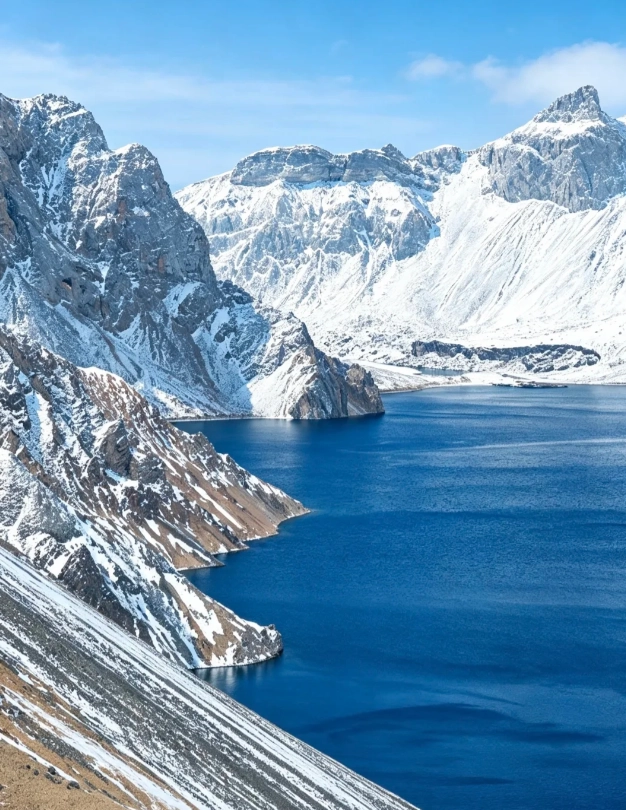
| Slope | Base Town | Access to the Crater Lake | Best For | Watch Out For |
|---|---|---|---|---|
| North | Erdaobaihe | Eco-bus plus off-road jeep | First-timers, families, winter trips | Busiest gate, longest shuttle queues |
| West | Songjianghe | Eco-bus plus 1,444 steps | Autumn colors, fewer crowds | Steep walk at altitude |
| South | Changbai County | Eco-bus plus jeep | Travelers already in the southeast | Frequent seasonal closures |
How to Book Changbai Mountain Tickets as a Foreigner
Tickets are real-name, passport-linked, and sold by daily time slot. You cannot simply show up and walk in.
The official booking channel is a WeChat mini-program, and yes, navigating it in pure Chinese is a nightmare even for me. Ask your hotel receptionist to do it, or book through Trip.com or Klook, which handle the passport entry for you.
Budget separately for the entry ticket, the eco-bus, and the jeep to the rim — three separate charges that together land in the low hundreds of RMB per person. Prices shift by season, so confirm the current total before you pay, and never hand cash to anyone outside the gate claiming to sell fast-track entry.
Bring your physical passport. A photo on your phone will not scan at the turnstile.
Jilin City Rime Ice: The 90-Minute Window That Matters
Rime ice is not a decoration that hangs around all day. It forms overnight and burns off fast. Your window is roughly 6:30 to 9:30 in the morning, and by eleven the willows look like ordinary trees again.
The famous spot is Wusong Island, about an hour north of Jilin City in Wula Street Town. It is genuinely beautiful, and it is also where every tour bus goes. The bridge onto the island backs up badly — walk the last stretch instead of sitting in the car with the heater running.
Here is my contrarian suggestion. The riverside promenade in Jilin City itself, along Songjiang Road, produces rime on the same mornings and costs nothing at all. It is less dramatic than the island's willows, but you can be standing there at 6:40 with a thermos while the buses are still loading their passengers.
Pro Tip: A rime morning is the coldest thing you will experience in China. Two pairs of socks, a hat that covers your ears, and gloves you can actually operate a phone with. Buy chemical hand warmers at any convenience store the night before — they cost a few RMB and they will save the whole morning.
Yanji: Korean-Chinese Food, Bilingual Signs, and the Border
Yanji is the capital of the Yanbian Korean Autonomous Prefecture, and it feels nothing like the rest of the province. Street signs are in Chinese and Korean. Cold noodle shops open at ten in the morning. Nobody rushes you out of a restaurant.
The food alone justifies the two-and-a-half-hour train ride from Changchun. Yanji cold noodles, lamb skewers grilled at the table, soy-marinated crab, and makgeolli rice wine served in a bowl. Go to the Yanji Water Market in the morning — it is a wet market upstairs and a breakfast hall downstairs, and it is where I send every client on their first day in town.
For border scenery, Tumen and Hunchun sit on the Tumen River with North Korea on the far bank. Cross-border day trips have not been running, so do not build an itinerary around one. Ask a local agency when you arrive, and treat any promise of a border crossing as unconfirmed until you see it in writing.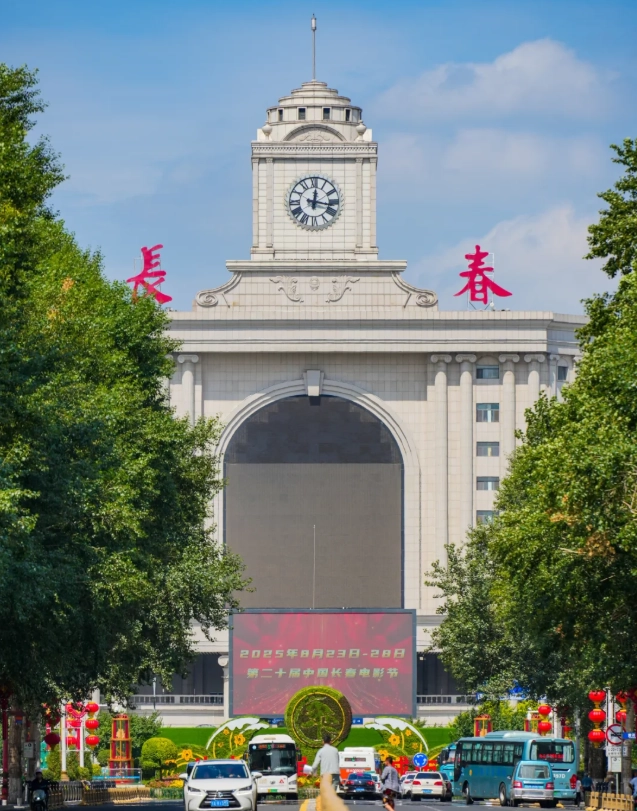
24 Hours in Changchun: A Realistic Hour-by-Hour Plan
Say you land at noon and fly out the following evening. This is exactly how I would spend it.
- 13:30 — Drop your bags, then head straight to the Puppet Emperor's Palace, the former residence of Puyi. It closes on Mondays. Entry sits around 70 RMB for adults with discounts for students and seniors, and booking ahead through Trip.com lets you skip the counter queue. Take a DiDi; the nearest metro stop still leaves you with a 15-minute walk.
- 16:00 — Walk the palace grounds slowly. Last entry is usually an hour before closing, so do not roll up at 16:50 expecting to get in.
- 18:00 — Dinner on Guilin Road, the snack street near Northeast Normal University. Order guo bao rou, the sweet-and-sour pork Changchun claims as its own, plus a plate of grilled skewers. Expect 60 to 100 RMB per person.
- 20:30 — Jingyuetan is shut by now, so use the evening for the Changchun Film Studio Museum or a slow walk around People's Square.
- 08:00 next morning — Jingyuetan National Forest Park. Entry is modest, the loop is enormous, and bike rental is the only sane way to cover it. Metro Line 3 heads out that direction, but check the stop name in AMap first, since the signage is Chinese-only.
If it rains, swap Jingyuetan for the Jilin Provincial Museum, which is free, closed on Mondays, and requires a passport scan at the door.
If you have a spare day and an appetite for deep history, the Koguryo tombs and capital-city ruins at Ji'an carry a UNESCO World Heritage listing and receive almost no foreign visitors. It is a five-hour trip from Changchun, so treat it as a real commitment rather than a detour.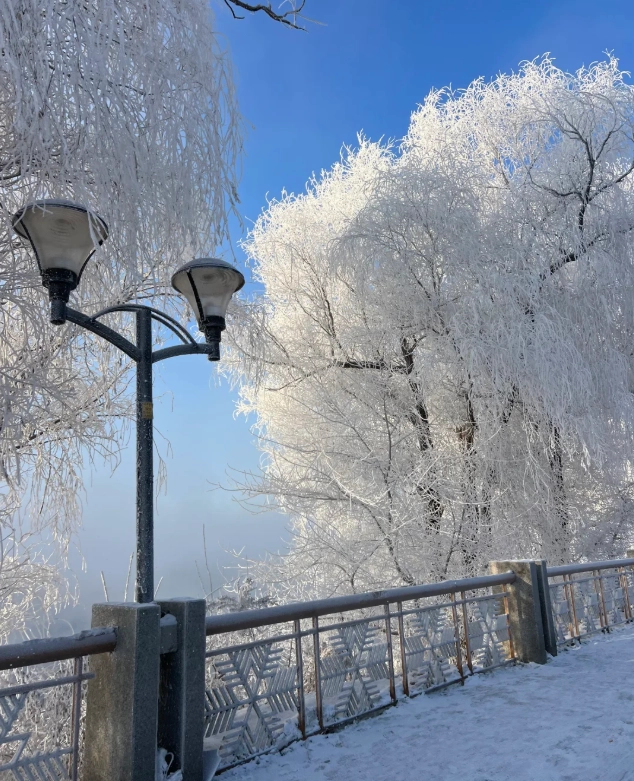
Where to Stay in Jilin Province
Rates swing hard with the season. Winter in Erdaobaihe and the Lunar New Year period are the two moments when you absolutely must book weeks ahead.
| Area | Type | Price Band Per Night | Best For | Notes |
|---|---|---|---|---|
| Changchun, People's Square area | International 4–5 star | 600–1,100 RMB | Couples, business travelers | Walk to metro, English-speaking front desk |
| Changchun Railway Station area | Budget chain hotels | 200–350 RMB | Early trains, solo travelers | Noisy, but 5 minutes from the platforms |
| Jilin City, Songhua waterfront | Mid-range | 300–600 RMB | Rime ice mornings | Ask for a river-facing room |
| Erdaobaihe, north slope base | Hot spring resorts | 400–900 RMB peak | Families, ski trips | Book early for peak winter |
| Yanji, city center | Mid-range and boutique | 300–600 RMB | Food-focused trips | Walking distance to the water market |
A practical note on budget chains. Home Inn and Jinjiang Inn are everywhere, they are clean, and the front desks rarely speak English — but every one of them will happily call a taxi or write an address out in Chinese for you. That single service is worth more than a fancy lobby.
If you are booking a guesthouse, ask before you reserve whether they offer luggage storage. Many do, and it lets you leave bags behind while you ride out to the mountain for the day.
What to Eat in Jilin, and How to Pay
Jilin cooking is Dongbei cooking: big portions, a sour-sweet balance, and a serious amount of cabbage. Three things I insist clients try.
- Guo bao rou — pork slices in a glossy sweet-and-sour sauce. Order it in Changchun, not down south; the local version is lighter and crispier.
- Yanji cold noodles — buckwheat noodles in an icy beef broth, served with a slice of pear. Ask for the vinegar on the side.
- Charcoal lamb skewers — sold by the dozen, seasoned with cumin and chili. In Yanji they arrive at your table raw and you grill them yourself.
Payment is the part that trips people up. Alipay and WeChat Pay linked to an international card work almost everywhere, including street stalls. Physical credit cards work at international hotels and basically nowhere else. Carry a few hundred RMB in cash for the rare stall that has not set up a QR code.
English menus are uncommon outside Yanji's tourist restaurants. Point at what the next table ordered, or use the camera mode in a translation app. It works better than you expect.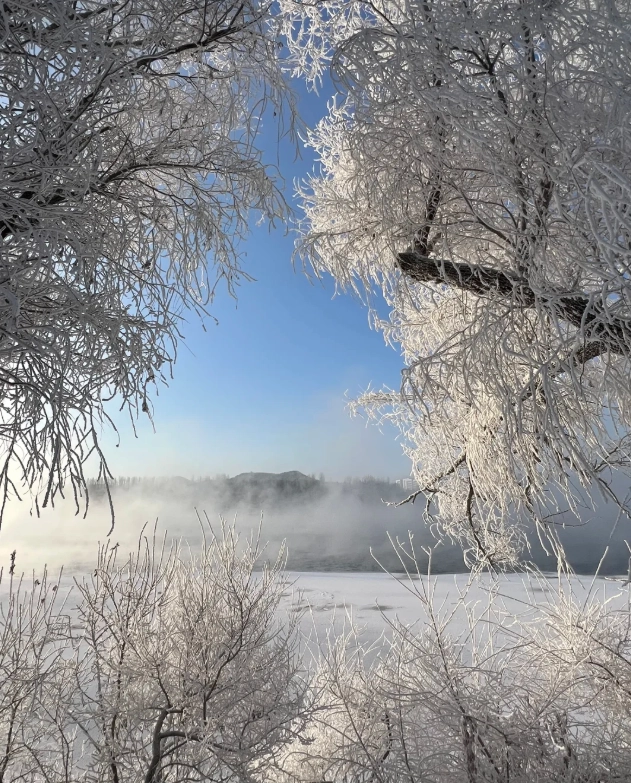
Payment, VPN, and Navigation: The Boring Stuff That Ruins Trips
Set up three things before you fly.
- A VPN. Google, Instagram, WhatsApp and most Western news sites are blocked on Chinese networks. Install and test it before departure, because you cannot download it once you are inside.
- Alipay or WeChat Pay, with your card already linked and verified. Do this at home — verification sometimes needs a code sent to your home number.
- An offline translation pack. Baidu Translate and Apple Translate both work without a connection once downloaded.
Navigation deserves its own warning. Google Maps is inaccurate in China and will occasionally place you on the wrong side of a river. Use AMap, the international version of Gaodi, which has an English mode and correct transit data. Apple Maps is a decent fallback.
Keep every address saved in Chinese characters. Showing a driver a screen in English gets you a shrug; showing Chinese characters gets you to your hotel.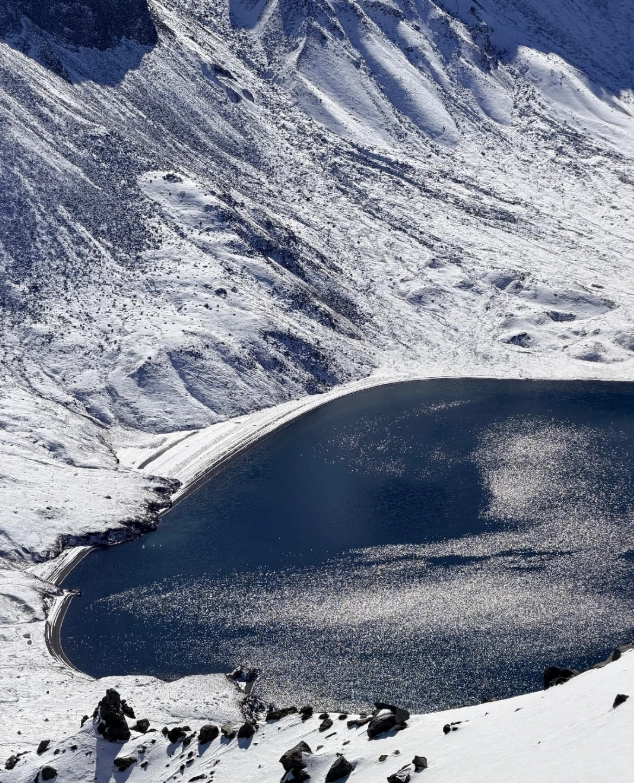
| App | What It Does | Foreigner-Friendly |
|---|---|---|
| Alipay | Payments, DiDi mini-program, translation | Yes, English interface |
| Payments, attraction mini-programs | Partly, booking pages are Chinese | |
| AMap | Navigation and transit | Yes, has an English mode |
| Trip.com | Trains, attraction tickets, hotels | Yes |
| Baidu Translate | Offline and camera translation | Yes |
Jilin Travel FAQ
Is Changbai Mountain worth the trip if the crater lake is hidden by cloud?
Usually yes, but adjust your expectations before you go. The lake is visible perhaps one day in three, and nobody can guarantee it. What makes the trip worthwhile is everything surrounding it — the volcanic landscape, the hot springs near the north slope base, the birch forest. If the lake is your only reason for going, build in a second morning as a backup and check the visibility board before you buy the jeep ticket.
Do I need a visa to travel to Jilin?
It depends on your passport and your route. Many European and Asian passport holders currently enter China visa-free for short stays, and the 240-hour visa-free transit policy covers several major entry points if you are continuing to a third country. Rules change often, so verify your own case against the National Immigration Administration before booking flights. Not every entry point qualifies for transit status, so do not assume a Changchun arrival automatically works.
How cold does it actually get, and what should I pack?
Erdaobaihe in January regularly sits between minus 20 and minus 30, and wind on the crater rim makes it feel worse. A down jacket rated for deep winter, thermal base layers, insulated boots with room for thick socks, and a hat that covers your ears. The mistake I see most often is boots that fit too tight — circulation matters more than extra insulation.
Can I cross into North Korea from Yanji or Tumen?
Cross-border day trips have not been operating, and I would not plan a trip around one. The border towns themselves are still worth a visit for the river views and the strange, quiet atmosphere. Ask a local agency when you arrive, and treat anything you read online as out of date until someone confirms it in person.
Is Jilin safe for solo travelers, including women traveling alone?
Violent crime against tourists is rare, and I have never had a client report feeling unsafe walking at night in Changchun or Yanji. The real risks are practical ones: unlicensed drivers at the airport, icy sidewalks that send people to hospital, and altitude combined with cold on the mountain. Keep your phone charged, keep a power bank warm in an inside pocket, and skip the drivers who approach you rather than the ones you order.
This content has been fact-checked to ensure informational precision.


No comments yet.