 Jing Song
The Playbook — Jump Straight In
- What Is the Jilin 240 Hour Visa-Free Transit Policy?
- Where the Jilin 240 Hour Visa Lets You Travel
- How to Clear the 240-Hour Counter at Changchun Airport
- A Realistic 10-Day Jilin Itinerary for 240 Hours
- Money, Apps and Getting Around
- Where to Stay in Jilin Province
- What to Eat in Jilin Province
- Jilin 240 Hour Visa FAQ
A Korean family nearly missed their flight home last winter — over one line on a form.
They had the transit stamp. They had three hotel bookings. What they did not have was an onward ticket to a third country. Theirs flew back to Seoul, the exact city they arrived from. The officer at the counter was polite about it. He was also immovable.
The Jilin 240 hour visa is the most useful piece of paperwork in Northeast China right now, and it is the one travelers misread most often. Here is the whole thing in one breath: eligible passport holders get ten days inside Jilin Province without visiting a consulate, the clock does not start until midnight after you land, and you can fly home from a completely different airport than the one you flew into.
Almost nobody uses that extra evening. You should. Below is the route I hand to clients, and the traps I have watched people walk into.
What Is the Jilin 240 Hour Visa-Free Transit Policy?
It is not a visa — it is a transit exemption, and that distinction decides whether you get in. China replaced its 144-hour transit window with a 240-hour one, and the mechanics barely changed. There is no application, no fee and no consulate appointment. You present yourself at a designated port with three things, and an officer decides on the spot.
- A passport from an eligible country with enough validity left to cover your stay. Confirm the current country list on the National Immigration Administration site before you book a single flight.
- A confirmed onward ticket to a third country or region, departing within 240 hours of arrival.
- Arrival at a designated port — in Jilin's case, Changchun or Yanji.
No airline check-in agent will ask about this, by the way. The first person who cares is the immigration officer, and by then your bags are already on the carousel.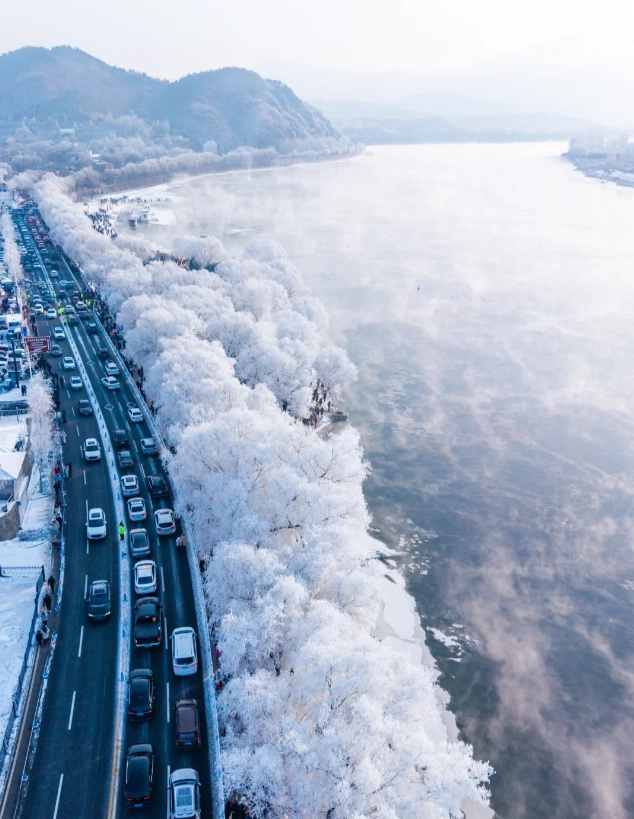
Who Qualifies for the Jilin 240 Hour Visa
The eligible list runs to roughly 54 passports and it is narrower than China's unilateral visa-free scheme, which trips up a lot of Europeans. If you hold a passport from most of Europe, Australia, New Zealand, Japan, South Korea or Brazil, check the unilateral 30-day visa-free arrangement first — it has no onward-ticket requirement and no province restriction at all.
The transit window is the one that carries real weight for US and Canadian passport holders, and for anyone whose nationality sits on the transit list but not the unilateral one.
One more thing worth checking before you fly: airlines sometimes misread the rule at the check-in desk in your home country. I tell clients to save a screenshot of the National Immigration Administration transit page on their phone. It has ended a dozen arguments at a dozen counters.
Which Jilin Ports Accept the 240-Hour Transit
Two airports in Jilin Province are set up for the 240-hour window: Changchun Longjia International Airport and Yanji Chaoyangchuan International Airport. Longjia handles most long-haul connections through Beijing, Shanghai and Seoul. Yanji is smaller, sits close to the North Korean border, and is surprisingly well connected to Seoul and Busan.
Here is the part that catches people. Your permitted area is tied to the province you entered through. Land at Harbin Taiping and you are inside Heilongjiang's zone — legally you cannot ride the train down to Changchun. I have had to explain that to a very unhappy couple in Harbin who had already paid for a Changbaishan tour in full.
Ask the officer to confirm your permitted area before you walk away from the counter. It takes ten seconds and saves an entire trip.
The Third-Country Rule That Trips People Up
Your onward ticket cannot go back to the country you came from. Seoul to Changchun to Seoul is a rejection. Seoul to Changchun to Tokyo is fine. So is Seoul to Changchun to Hong Kong, because Hong Kong counts as a separate region for immigration purposes.
Travelers try to game this with a cheap throwaway segment to a third country that they never intend to fly. Do not. Airlines share booking data and officers have seen the trick a thousand times. Buy a real onward leg — it is usually cheaper than the visa you would otherwise need.
Where the Jilin 240 Hour Visa Lets You Travel
Jilin Province is your box, and it is bigger than most people expect — roughly the size of England. Changchun, Jilin City, Yanji, Dunhua, Hunchun, Tumen and the whole Changbaishan resort belt sit inside it.
- Changchun — the provincial capital. Soviet-era boulevards, the FAW car plants that built modern China, and an imperial palace that will genuinely unsettle you.
- Jilin City — rime ice on the Songhua River, plus Beidahu, the ski hill that hosted the Asian Winter Games.
- Yanji — Korean-Chinese food culture that beats Seoul on value by a mile.
- Changbaishan — the crater lake at 2,189 metres, and the reason most people come to Jilin at all.
What you cannot do is pop over to Harbin for the Ice Festival. That is Heilongjiang, a different permitted area. Save it for a separate trip or fly into Harbin and stay put there instead of splitting yourself across two provinces.
One rule people forget: if you are not sleeping in a hotel, you must register your address at the local police station within 24 hours of arriving. Hotels do this for you automatically. A friend's apartment does not.
How to Clear the 240-Hour Counter at Changchun Airport
Longjia Airport sits about 30 kilometres northeast of central Changchun, and the transit desk is a separate counter from the regular foreigner lanes. Follow the signs reading "24/240-Hour Visa-Free Transit." They are small, and easy to walk straight past when you have been on a plane for eleven hours.
Documents the Officer Will Ask For
Have your onward ticket open on your phone before you reach the desk, not after. Airport Wi-Fi in China usually wants an SMS verification code, and foreign numbers frequently never receive it. I once watched a grown man spend twenty minutes trying to log into his own email at that counter while a queue built up behind him.
- Passport, plus the arrival card you fill in on the plane.
- Onward booking confirmation — a screenshot works, a printed copy is faster.
- The name and address of your first hotel, written in Chinese characters. A Trip.com booking screenshot is perfect for this.
- The 240-hour transit form, handed out at the counter itself.
Then you get stamped, and the clock starts at 00:00 the following day. Land at 9pm on a Monday and your 240 hours do not begin until midnight — you effectively get ten full days plus a free evening. That is why I deliberately book clients onto late arrivals.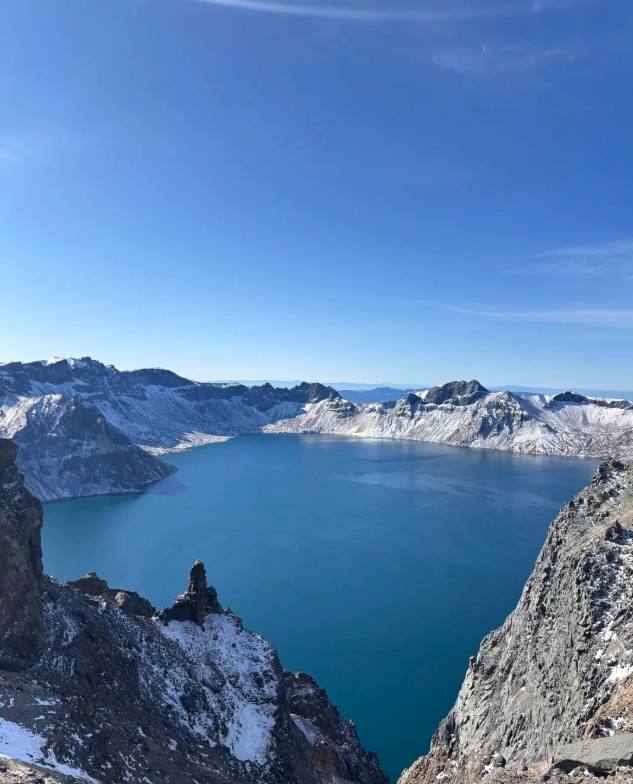
Insider Advice: Skip the taxi rank on your first arrival and take the airport's own railway station on the Changchun–Jilin intercity line. Trains run into Changchun Station in about 15 minutes for around 10 RMB. If the timetable does not suit you, DiDi costs roughly 100–130 RMB and takes 40 minutes in normal traffic. Between 5pm and 6:30pm, add twenty minutes to that.
What to Do If Your Onward Flight Is on a Budget Carrier
Low-cost carriers in Asia often email confirmations in Chinese only, with the destination written in characters. The officer needs to see a flight number, a date and a destination country. If your confirmation is a wall of characters, open the airline's English site, screenshot the itinerary page and save it offline.
Two separate tickets — one airline into Changchun, a different airline out — are completely fine. Immigration does not care how you bought it. They care that a real aircraft is leaving China with you on it.
A Realistic 10-Day Jilin Itinerary for 240 Hours
Ten days sounds generous until you look at the distances — the trains are fast, but the last legs are not. This is the route I hand to clients, plus the version for people who only have one day to spare.
Days 1–3 — Changchun Without the Tourist Tax
Give Changchun two nights, not one, because the palace deserves a slow morning and the city has almost no foreign tourists to slow you down.
The Museum of the Imperial Palace of Manchukuo — most people still call it the Puppet Emperor's Palace — sits on Guangfu North Road in Kuancheng District, a short DiDi ride north of Changchun Railway Station, about 12–15 RMB. Adult tickets run in the region of 70 RMB, with student rates and free entry for very young children and seniors carrying ID. Hours shorten sharply in winter, so check the official WeChat account the week you go, and book through it or through Trip.com on weekends and public holidays. Your passport is required for the booking.
Pro Tip: Go in the morning. The main courtyards face east and the light is flat and harsh by early afternoon. Also, be ready for it — this was the seat of the Japanese puppet state of Manchukuo, and the exhibition captions do not soften anything. Budget two hours, not forty minutes. I have had clients walk out in silence.
Jingyuetan National Forest Park, southeast of the city, is enormous — you want the bike rental, not your legs. Changchun Film Studio at 1111 Hongqi Street is worth a couple of hours if you care about how Chinese cinema started. Nanhu Park is free and good at dusk.
For food, walk Guilin Road near Northeast Normal University after 6pm. And order guo bao rou at least once — sweet, vinegary, shatteringly crisp pork that Northeast China does better than anywhere else.
Days 4–6 — Jilin City, Rime Ice and Beidahu
The rime ice is real, it is spectacular, and it only shows up on the right kind of morning. The Songhua River stays liquid through winter because the Fengman hydropower station releases warm water upstream. Cold air over warm water makes fog, and the fog freezes onto every branch along the bank. It is one of the genuinely strange natural sights in China.
High-speed trains run from Changchun to Jilin City in about 40 minutes. Book through 12306 or Trip.com — passport required either way.
- Season runs roughly late December to mid-February.
- The window is 6:30am to 9:30am. By ten the sun has burned it off. This is the one sight in China where I will happily drag people out of bed at 5:30.
- Wusong Island in Wula Street Town, Longtan District, is about 40 kilometres out and roughly an hour by car. Expect an entry fee in peak rime season.
- The riverside promenade in the city itself is free, and on a good morning the rime there is nearly as thick. If you have one morning and no car, stay local.
Pro Tip: Wind kills rime. A still, humid, cold morning after a clear night is the jackpot, and Jilin City publishes a daily rime forecast that locals take very seriously. Check it the night before and be flexible — I have moved entire itineraries by 24 hours over that forecast, and it has never once been the wrong call.
For skiing, Beidahu is about ninety minutes by road from Jilin City and hosted the Asian Winter Games. Rentals, lifts and lessons can be booked through Trip.com or the resort's own account. Vanke Songhua Lake Resort is the closer, slightly softer alternative if you are travelling with beginners.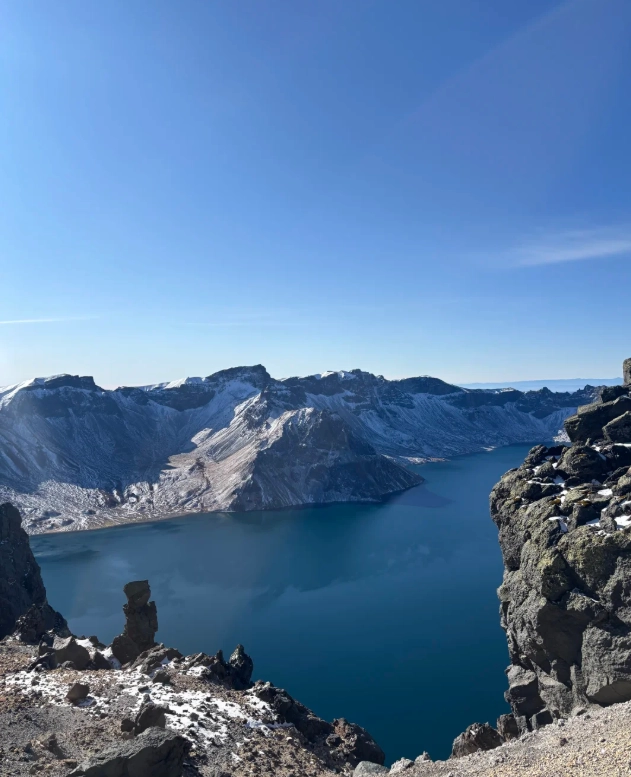
Days 7–10 — Yanji and Changbaishan
Yanji is the best food city in Northeast China and almost no Western travellers know it exists. It is the capital of the Yanbian Korean Autonomous Prefecture, street signs are bilingual, the coffee culture is absurdly good, and dinner costs a third of what it would in Seoul.
High-speed rail from Changchun to Yanji West takes about two and a half hours. From there, the North Slope gateway town of Erdaobaihe is roughly three hours by road. Rail options on this stretch have changed recently, so check 12306 the week you travel rather than trusting an old blog post — including mine.
In Yanji, the Water Market opens around 5am and is largely packed up by nine. Go at 6:30. Get the blood sausage, the rice cakes and a bowl of hot soup. Then find the building opposite Yanji University covered in Korean signage — it is best at blue hour, roughly twenty minutes after sunset, and it is packed with locals doing exactly the same thing.
For Changbaishan itself, book ahead through the official WeChat mini program or Trip.com. Daily visitor caps apply and peak season sells out days in advance. Expect roughly 105 RMB for entrance, 85 RMB for the eco-bus and around 80 RMB for the four-wheel-drive up to the crater rim on the North Slope — around 270 RMB all in. Confirm current pricing at the gate.
The slopes differ more than people realise. North is the most developed and the only one with the 4WD to the rim. West makes you climb a staircase well over a thousand steps to the top, but you get far fewer elbows in your photos. South is seasonal and often shut in winter.
Insider Advice: The lake closes constantly — high wind, snow, fog, and nobody tells you until you are standing at the ticket window. Check the live status on the official account before you pay for the 4WD. I have watched people spend the full 80 RMB and see nothing but white. Go early. The first window between 8am and 9am is statistically the clearest of the day.
If You Only Have 24 Hours in Changchun
You can cover the essentials in one day if you accept that you will not see Jingyuetan. Here is the compressed version.
- 07:30 — Dongbei breakfast near your hotel. Soy milk, fried dough sticks, steamed buns. Around 15 RMB.
- 08:30 — Puppet Emperor's Palace. DiDi from People's Square takes about 20 minutes and costs 20–25 RMB. Two hours inside.
- 11:30 — Lunch on the way back toward the centre. Guo bao rou, obviously.
- 13:00 — DiDi to Changchun Film Studio, 1111 Hongqi Street. About 25 minutes. Two hours.
- 15:30 — Cultural Square or Nanhu Park for a slow walk. Both free.
- 18:00 — Dinner, then Guilin Road food street from 20:00.
Rain or a minus-20 wind chill changes everything. Your Plan B is the Film Studio Museum plus the enormous underground shopping network around Changchun Railway Station — it is warm, it is dry and it is genuinely useful when the weather turns.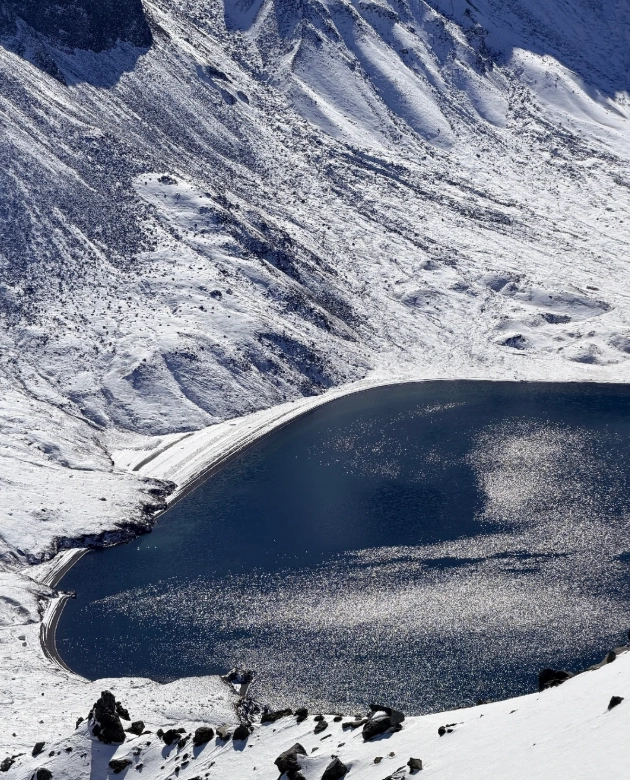
Money, Apps and Getting Around
Set up Alipay and WeChat Pay before you fly, not after you land. Both now accept international Visa and Mastercard, and both verify your identity with a passport photo. Small transactions are usually fee-free; larger ones carry a percentage fee the app shows you before you confirm. Physical credit cards are accepted at big hotels and almost nowhere else.
- Carry 200–300 RMB in cash as a backup. It is legal tender, but small shops may not have change for a 100.
- Google Maps is close to useless inside China. Apple Maps works well and labels in English. AMap, the local standard, is the most accurate for bus routes.
- DiDi is the ride-hailing app. The English version works, and there is a mini program inside Alipay. Have your destination's Chinese name ready on screen.
- Install a VPN before you arrive. You cannot download one from inside the country.
- Translation: Apple Translate, Baidu Translate, or Pleco if you are serious about characters.

| Route | Best Option | Time | Approx. Cost |
|---|---|---|---|
| Longjia Airport to Changchun centre | Airport rail link | 15 min | 10 RMB |
| Longjia Airport to Changchun centre | DiDi or taxi | 40–60 min | 100–130 RMB |
| Changchun to Jilin City | High-speed rail | 40 min | 30–50 RMB |
| Changchun to Yanji West | High-speed rail | 2.5 hrs | 150–200 RMB |
| Yanji to Erdaobaihe | Private car or bus | 3 hrs | 200–400 RMB |
| Jilin City to Beidahu | Chartered car | 1.5 hrs | 200–300 RMB |
Insider Advice: Every ticket in Jilin Province — Changbaishan, Beidahu, the palace — runs through a WeChat mini program in pure Chinese. Yes, it is a nightmare, even for me, and I have been doing this for years. The workaround is embarrassingly simple: ask your hotel front desk to book it on their phone and hand them cash. Every hotel I use does it without blinking. Do not lose an afternoon fighting an interface you cannot read.
Where to Stay in Jilin Province
Book through Trip.com or Agoda — both are foreigner-friendly, both take international cards, and both handle the passport registration that immigration wants to see.
| Hotel or Area | Approx. Nightly Rate | Best For | English Front Desk |
|---|---|---|---|
| Shangri-La Changchun, Xi'an Da Road | 700–1,100 RMB | First-night comfort, families, business | Yes |
| Atour or JI Hotel, Hongqi Street area, Changchun | 300–450 RMB | Solo travellers and couples | Limited |
| Riverside hotels, Chuanying District, Jilin City | 250–500 RMB | Rime ice mornings, ski day trips | Limited |
| Erdaobaihe town guesthouses, Antu County | 200–600 RMB | Changbaishan North Slope access | Limited |
| Park Hyatt Changbaishan / Holiday Inn Resort Changbaishan | 1,200–2,500 RMB in ski season | Skiers who want everything on one campus | Yes |
Two things I always warn clients about. First, older Northeast hotels often have smoking floors and thin walls — ask for a non-smoking room explicitly, in writing, through the booking app. Second, the Changbaishan resort zone runs shuttles to the slopes, but the North and West gates are a long way apart. Confirm which gate your hotel actually serves before you pay, because "Changbaishan resort" on a booking page tells you almost nothing.
Every hotel worth staying in will hold your luggage after checkout. That matters when your onward flight leaves at 11pm and you have a whole day to kill.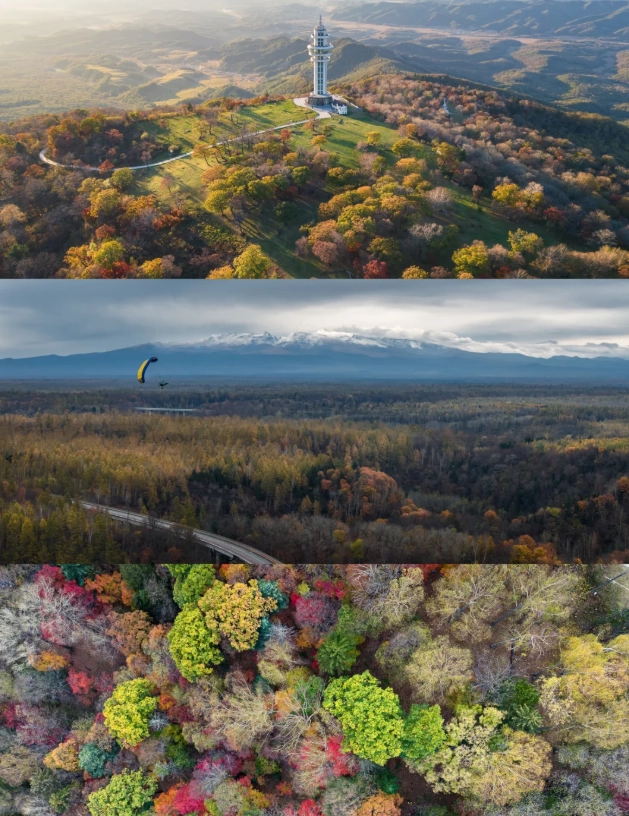
What to Eat in Jilin Province
Northeast Chinese food is heavy, sour, pork-driven and deeply satisfying — and Jilin does it with less oil than the Liaoning version.
Guo bao rou is the signature: battered pork in a glossy sweet-sour sauce, sharpened with vinegar. Jilin style leans sweeter than what you get in Shenyang. Order it everywhere, at least once.
In Changchun, Chunfa He on Dajing Road in Nanguan District is an old state-run restaurant that still makes xue yi dou sha — whipped egg white wrapped around red bean paste, a dessert almost nobody bothers with anymore. Expect 60–100 RMB per person. Mobile payment only, no international cards. Guilin Road handles street food at 10–40 RMB a bite. Laochangchun spring pancakes is a reliable chain, 50–80 RMB per person, with picture menus in most branches.
In Yanji, eat at the Water Market early, then Korean barbecue anywhere along the university strip — 80–150 RMB per person with drinks. Cold noodles run 20–35 RMB a bowl and are worth a second bowl.
Vegetarians, brace yourself. Northeast cooking leans hard on lard and pork stock. The phrase to learn is 我吃素, roughly "wor chir soo," and you will still need to negotiate. Yanji is easier — Korean restaurants do tofu stews, vegetable pancakes and enough banchan to build a full meal. Halal travellers should look for the green signage of Hui Muslim restaurants on the older commercial streets.
Jilin 240 Hour Visa FAQ
My onward flight goes back to the country I flew in from. Can I still use the 240-hour transit?
No, and this is the single most common rejection at the counter. The rule requires a third country or region. Seoul to Changchun to Seoul fails. Seoul to Changchun to Hong Kong passes, because Hong Kong counts separately for immigration purposes. If your trip is a straightforward round trip, you need a regular visa or one of China's unilateral visa-free arrangements instead.
Can I take the train to Harbin during my Jilin 240 hour visa window?
Not legally. Your permitted area is tied to the province you entered through, so a Changchun arrival confines you to Jilin Province, and Harbin is in Heilongjiang. People do it anyway and get flagged on exit — it surfaces the moment your passport is scanned at the airport. Pick one province and go deep rather than skimming across two.
What actually happens if I overstay the 240 hours by a few hours?
Under China's Exit and Entry Administration Law, overstaying carries a fine of roughly 500 RMB per day, capped at 10,000 RMB, and in serious cases detention and a re-entry ban. A delayed flight is not an excuse immigration accepts. If weather is threatening your departure, walk into the local Exit-Entry Administration office before your window closes and ask for guidance — turning up voluntarily is treated very differently from being caught at the gate.
Do I need a VPN to book Changbaishan tickets?
You need a VPN for Google, Gmail, Instagram and most Western booking sites. Install it before you fly, because the download itself is blocked once you are inside China. For the tickets, Trip.com works without a VPN and accepts international cards, which is exactly why I route nearly every client through it instead of the Chinese mini program.
Is 240 hours really enough for Changchun, Jilin City, Yanji and Changbaishan?
Comfortably, if you do not waste the first day. Ten days gives you two nights in Changchun, two in Jilin City, three in Yanji and three at Changbaishan, with half a day of slack for weather. What it does not survive is bolting on Harbin or Dalian. Travellers who try to squeeze in a second province usually spend their final day on a train watching Jilin slide past the window.
Verified and fact-checked by the editorial team. Immigration rules, ticket prices and transport schedules in China change without much warning — confirm your eligibility on the National Immigration Administration site and re-check opening hours on official WeChat accounts before you travel.



No comments yet.