 Hua Sun
The driver pulled over and pointed at a puddle. “That's North Korea.”
I have had that exact moment on the Yalu River more times than I can count — and not one client had read about it anywhere in English. Most northeast China itineraries skip Liaoning completely. Their loss.
Here is the real problem with chasing down Liaoning's hidden gems. The places are not the obstacle. The booking system is. Benxi Water Cave, Hushan Great Wall, Panjin's crimson flats — these are world-class sites wrapped in Chinese-only ticketing, thin public transport, and zero English signage at the gate. That gap is solvable in about ten minutes of preparation.
If you remember one thing, remember this: base yourself in Shenyang, ride the high-speed rail, and book every cave, wall and scenic area on Trip.com the night before with your passport number ready.
Now — the seven spots I actually put people on a train for.
Jump Straight to What You Need
- Why Liaoning's Hidden Gems Stay Hidden
- How to Book Liaoning's Hidden Gems With a Foreign Passport
- The 7 Liaoning Hidden Gems Worth Your Time
- What Is the Best Season for Liaoning's Hidden Gems?
- A 5-Day Liaoning Hidden Gems Route That Doesn't Exhaust You
- What to Eat Near Liaoning's Hidden Gems
- Where Should You Stay for Liaoning's Hidden Gems?
- Liaoning Hidden Gems FAQ
Why Liaoning's Hidden Gems Stay Hidden
Liaoning holds more imperial architecture than most countries hold cathedrals, and it receives a rounding error of the foreign visitors. Shenyang's Mukden Palace is inscribed on the UNESCO World Heritage list as part of the Imperial Palaces of the Ming and Qing dynasties, a listing documented in detail by the UNESCO World Heritage Centre. Ten minutes inside its gates and you will wonder why Beijing's version gets a two-hour queue.
The province runs from the Bohai Sea coast up to the Korean border. Inside that strip you get water-filled karst caves, granite peaks with temples bolted to them, a complete Ming walled town, salt flats that turn crimson, and a river where you can see another country with your naked eye. None of it needs a permit. None of it is risky.
So why is it empty? Three reasons, and only one of them is your fault.
- Almost all English-language content about Liaoning is about Dalian's beaches, which is the least interesting thing here.
- The province markets itself to domestic travellers, so signage, tickets and menus assume you read Chinese.
- “Hidden gem” in China usually means a place Chinese tourists already know and foreigners do not.
That last point matters. You will not be alone at Qianshan on a Sunday. You will, however, very likely be the only foreigner.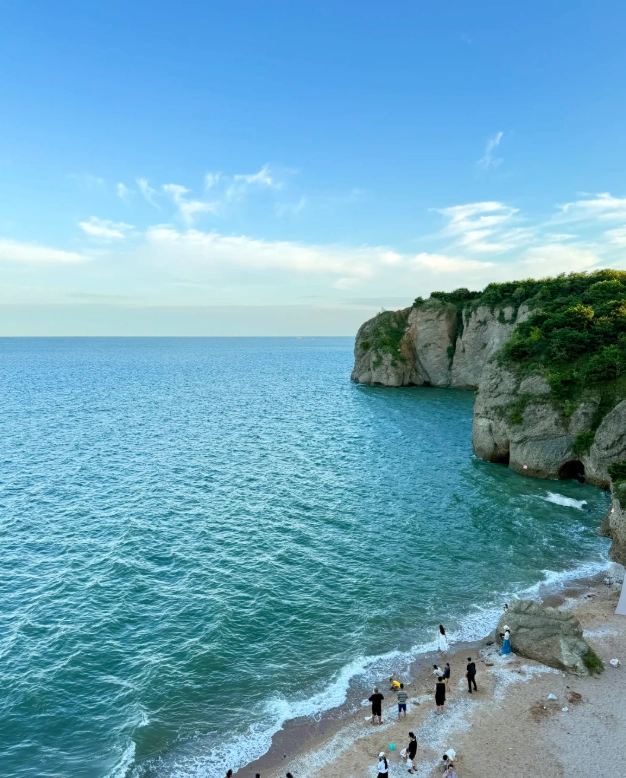
How to Book Liaoning's Hidden Gems With a Foreign Passport
Tickets, apps and the WeChat mini-program problem
Every scenic area in Liaoning now runs on real-name ticketing, which means your passport number is part of getting through the gate. Buy on Trip.com or Klook where the English checkout works, then screenshot the QR code. Signal inside caves and at mountain gates is unreliable, and a screenshot works offline.
Yes, the WeChat mini-program route is a nightmare even for me. Chinese-only pages, a demand for a mainland phone number, and a payment screen that sometimes just spins. Don't fight it. Write the site name on a piece of paper, hand your phone to the hotel front desk, and let them book it. This is completely normal and they do it for guests every day.
Insider Advice: Bring the physical passport for every single person in your group. Not a photo, not a photocopy. I watched a family get turned away at Benxi because the passports were sitting in the hotel safe. Some sites check at the gate, some at the ticket machine, a few check at both.
If you are entering on China's visa-free transit rather than a full visa, confirm your entry and exit airports qualify before you book flights. Shenyang and Dalian airports have been included in the scheme, but the country list and the port list change, so verify on the National Immigration Administration site first.
Trains, taxis and getting to the gate
Liaoning's high-speed rail is brilliant between cities and close to useless inside them. Every leg you plan should end with a taxi or Didi ride of twenty to sixty minutes, and you need to budget for it rather than hope for it.
Book rail on the official China Railway 12306 site or through Trip.com. Both accept foreign passports. Second class is fine — the longest leg in this article is under three hours. Turn up thirty minutes early at Shenyang North or Dalian North, because those stations are the size of airports and the security queue is real.
For the last mile, Didi runs inside Alipay with an English interface, which is the easiest path if you have already linked an international card. Otherwise, show the driver the destination in Chinese characters. That is why I tell clients to screenshot the Chinese name of every stop before leaving the hotel in the morning.
On navigation: Google Maps is unreliable in mainland China, so treat it as decorative. Apple Maps handles English users well, and AMap has a usable English mode. Neither is perfect. Install your VPN before you fly, because the app stores inside the mainland do not carry them, and download the offline Chinese pack in your translation app — that five-minute download is the single highest-value prep you will do.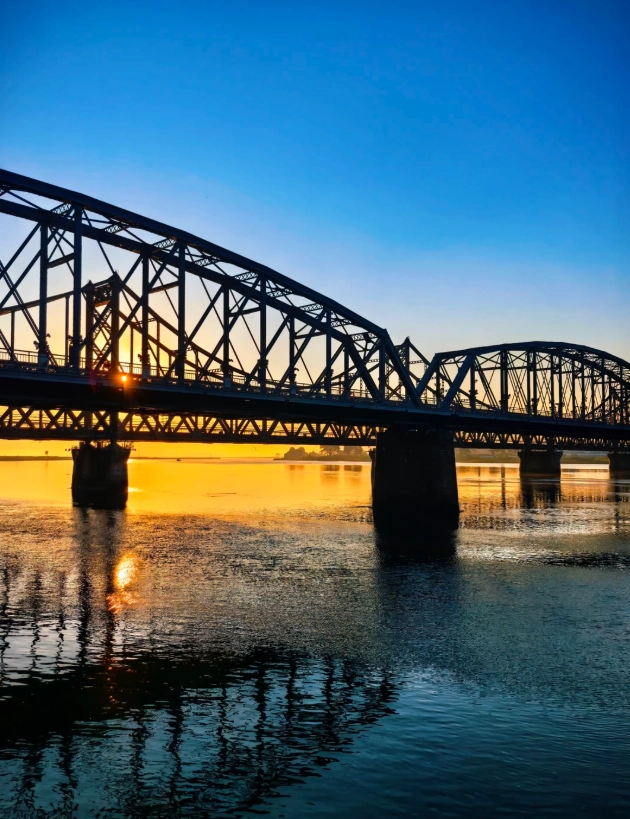
The 7 Liaoning Hidden Gems Worth Your Time
I have ordered these by how easily they fold into a Shenyang or Dalian base, not by how impressive they are. Every ticket price below is a range rather than a quote, because peak-season pricing in Liaoning moves with the holiday calendar.
| Hidden Gem | Nearest Base | Best Season | Time Needed | Approx. Ticket |
|---|---|---|---|---|
| Benxi Water Cave | Benxi, 30 min from Shenyang | Year-round | 2.5 to 3 hours | CNY 120 to 160 combo |
| Hushan Great Wall | Dandong, 20 km northeast | April to October | 1.5 to 2 hours | CNY 60 to 80 |
| Xingcheng Ancient City | Huludao, high-speed rail stop | April to October | Half a day | CNY 50 to 80 wall walk |
| Panjin Red Beach | Panjin, 40 km from the city | Autumn only | 2 to 3 hours | CNY 100 to 140 with shuttle |
| Qianshan | Anshan, 30 min by rail | May to October | 5 to 6 hours | CNY 80 entry, cable extra |
| Bingyu Valley | Zhuanghe, near Dalian | June to September | 3 to 4 hours | CNY 100 to 150 with boat |
| Hetuala City | Xinbin, drive only | May to October | 2 hours plus travel | CNY 60 to 80 |
Re-check every figure before you travel. Combo tickets change what is included, holiday pricing differs from weekday pricing, and a few sites suspend online sales during peak weeks. Confirm the day before on Trip.com or the site's official account — I re-verify mine before every departure.
1. Benxi Water Cave: The Boat Ride Under a Mountain
Benxi Water Cave is a water-filled karst cave you cross by boat, and the air inside sits around 12°C no matter what the day is doing outside. It is one of Asia's longest navigable underground rivers, and the combo ticket covers the dry cave, the boat ride and a small geological museum.
From Shenyang, the high-speed train to Benxi takes roughly half an hour, then it is a forty-minute Didi to the cave gate. The boat ride itself runs about twenty minutes.
The queue for the boats builds from around 10:30 and peaks in the early afternoon. Be on one of the first boats after opening. Bring a hooded jacket — water drips from the ceiling constantly and the chill works into your shoulders fast. Flash photography is pointless down there; the light is what it is, so put the phone away.
One honest warning: the exit route involves a long flight of wet stairs with no lift. If someone in your group has knee trouble, they should wait at the exit and skip the final section.
2. Hushan Great Wall: The Eastern End of the Ming Wall
Hushan is where the Ming Great Wall meets the Yalu River, and from the top watchtower you look straight across at North Korea. It is about twenty kilometres northeast of Dandong city, and the climb is steep, reconstructed and unforgiving.
Come before 9:30. By ten, the domestic tour buses arrive and the narrow upper steps become a single-file shuffle that kills the whole experience. Wear shoes with actual tread. I have watched people in slip-on sandals turn back halfway, and they were right to.
Pro Tip: Do not point a long lens at the far bank's guard posts or anyone in uniform. Border patrol is visible and will ask you to delete photos. Shoot wide, shoot the landscape, and you will have zero trouble.
Getting back is the part nobody plans for. There is no easy taxi rank at the gate, so either agree a pickup time with your Didi driver or ask your hotel to arrange a return car before you leave.
3. Xingcheng Ancient City: A Ming Town People Still Live In
Xingcheng is a complete Ming-dynasty walled town roughly ninety minutes from Shenyang by high-speed rail, and locals still live inside the walls. The ramparts stand around eight to nine metres high with a walkway wide enough to stroll, and a drum tower sits at the crossing in the middle.
Entering the town is free. The wall walk costs roughly CNY 50 to 80. Trains stop at Xingcheng West on the high-speed line, and schedules are on the 12306 site.
Skip the north-south main street. It is a souvenir corridor and you have seen it before. Walk two blocks east instead and you land in an ordinary working town — bicycle repair shops, a wet market, old men playing cards on stools. That is the actual reason to come here. For photographs, the west wall in late afternoon is the one, and the light on grey brick is worth waiting for.
Sleeping inside the walls sounds romantic. The plumbing in some courtyard guesthouses is not. Look at recent photos of the bathroom specifically, not the courtyard.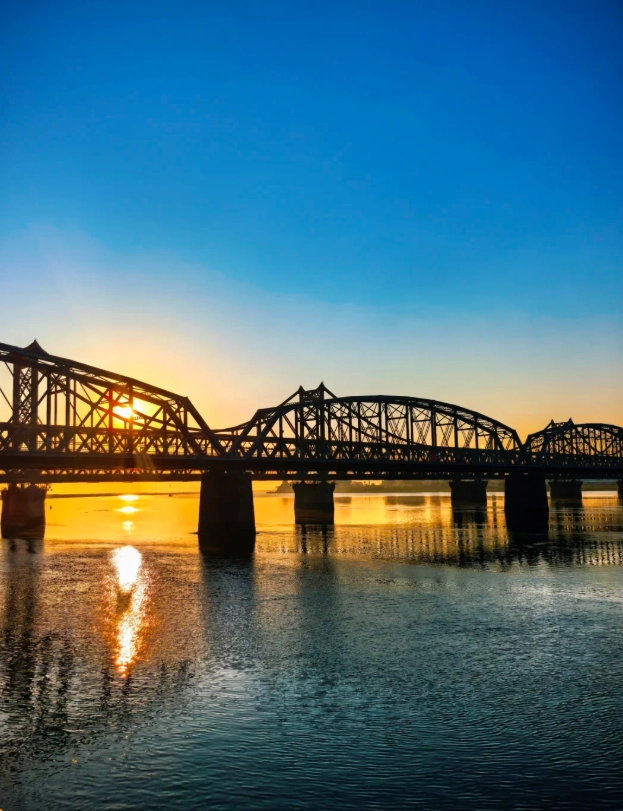
4. Panjin Red Beach: Timing Beats Everything
Panjin's red beach is not sand. It is seepweed, a salt-tolerant plant that turns crimson for a few weeks each autumn, and in summer you will find a green marsh instead. The main viewing area is the Red Beach Scenic Corridor near Zhaoquanhe, about forty kilometres from Panjin city.
Tickets including the internal shuttle bus run roughly CNY 100 to 140 in season. The boardwalk is over a kilometre long with zero shade.
Two things ruin this trip for people. The first is arriving late — by mid-morning the boardwalk is a slow single-file queue and the return shuttle is worse. The second is water level. The red reads best when there is water sitting in the channels between the flats; at dead low tide you get a lot of dull brown. Sunrise is the move. Go early, then reward yourself with Panjin river crab, which is a local obsession for good reason.
5. Qianshan: Anshan's Granite Maze
Qianshan is a national-level scenic area of granite peaks with Taoist and Buddhist temples wedged into the rock, roughly thirty minutes from Shenyang by high-speed rail. Entry runs around CNY 80 in peak season, with the cable car and internal shuttle costing extra. A full loop on foot takes five to six hours and involves a great many stairs.
The stone steps have been polished smooth by generations of feet, and they get genuinely slick in light rain. This is not the day for smooth-soled sneakers. Weekends in autumn are a crush; a weekday morning changes the entire feel of the place.
These are working religious sites. Do not walk into a hall mid-prayer with a camera raised. If you are already in Anshan, the Jade Buddha Garden is an easy extra hour and rarely busy.
6. Bingyu Valley: Limestone Water Near Dalian
Bingyu Valley pairs limestone cliffs with clear river water, and the standard route is a boat upstream followed by a walk back through the gorge. Entry plus boat runs roughly CNY 100 to 150, and you should plan three to four hours.
Reach it via high-speed rail to Zhuanghe North, then forty to fifty minutes by car. By road from Dalian it is about two and a half hours.
Here is the part I wish more people believed me about: this is a domestic holiday favourite, and a summer weekend is honestly unpleasant. Queues for the boats, queues for the shuttle, nowhere quiet to sit. Go midweek and get on the first boat. Water levels drop late in the season, which shortens the boat route, so ask at the gate before buying if the boat is the reason you came.
Overnight farmhouse guesthouses are cheap and the home cooking is excellent. Bring your own towel and lower your expectations for the bathroom.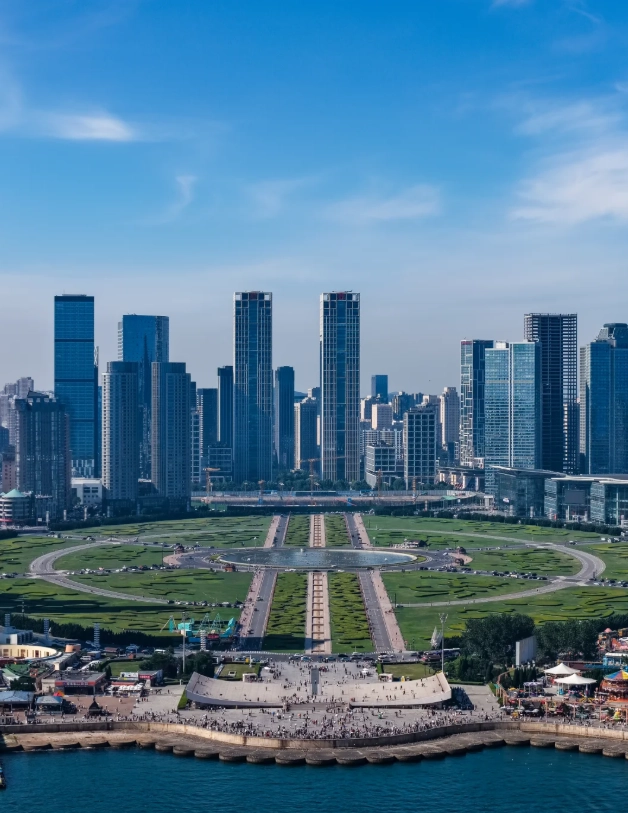
7. Hetuala City: Where the Qing Dynasty Started
Hetuala is the hill fort where Nurhaci based himself before the Qing moved on Beijing, and getting there is genuinely half the trip. No train goes anywhere near it. It is roughly two and a half to three hours by car from Shenyang, or about ninety minutes from Fushun. Hire a driver for the day through your hotel.
Most of what you walk through is reconstruction. If you came for original stone, redirect your time to Yongling in the same county — the tomb's carvings are four centuries old, it forms part of the UNESCO-listed Imperial Tombs of the Ming and Qing dynasties, and you will likely have the site almost to yourself.
Pair it with a Manchu banquet lunch in Xinbin. Expect zero English anywhere on this route, so bring a driver who can order for you.
What Is the Best Season for Liaoning's Hidden Gems?
Autumn wins, and it is not close. The red flats turn, the maples around Benxi and Qianshan go orange, the heat breaks, and the light turns clean. The catch is the National Day holiday week, when every domestic tourist in the northeast has the identical idea. Book trains and hotels two to three weeks out if you are travelling then.
Early summer is the runner-up. The cave is a relief in the heat, the coast is pleasant, and crowds are thinner than you would expect outside weekends.
Deep winter suits a specific kind of traveller. Shenyang drops well below freezing and the wind off the plain is brutal. In exchange you get ice festivals, the hot springs at Xingcheng and Tanggangzi, and Qianshan essentially to yourself. Bring real boots, not fashion boots.
Spring is the one I would skip. Dust, wind, and brown hillsides until late in the season.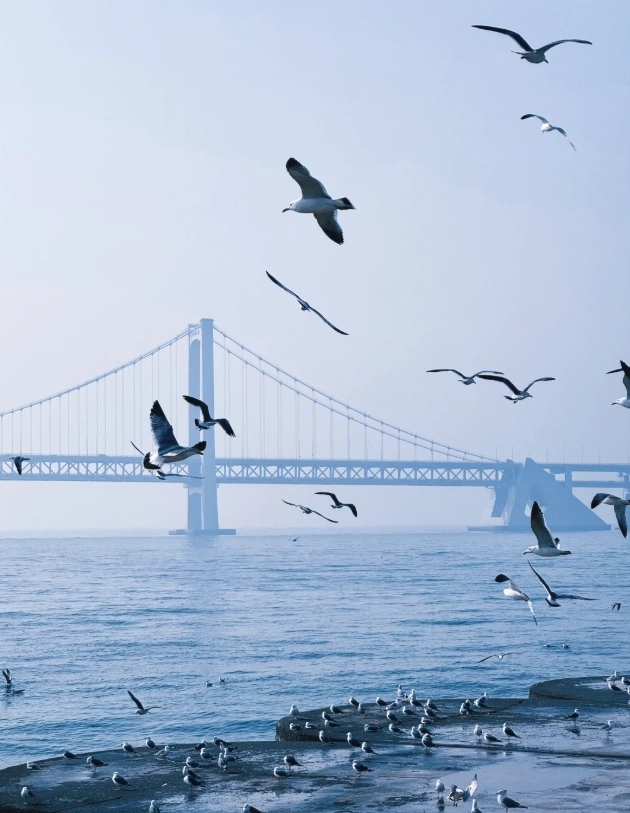
A 5-Day Liaoning Hidden Gems Route That Doesn't Exhaust You
Day by day, with real transfer times
- Day 1, Shenyang. Mukden Palace and the surrounding imperial quarter in the morning, Beiling Park in the afternoon. Both are UNESCO-listed and both are quiet compared to Beijing. Sleep in Heping District near Shenyang North station so tomorrow's train is a five-minute walk.
- Day 2, Benxi then Dandong. Shenyang to Benxi by high-speed rail, about thirty minutes. Didi to the cave, forty minutes. First boat, then back to Benxi and onward to Dandong by rail, roughly fifty minutes. Sleep near the Yalu River promenade.
- Day 3, Dandong. Hushan Great Wall early, back into town by lunch, then the Yalu River Broken Bridge and the riverfront in the afternoon. The Korean War museum is free but closes one day a week and requires passport registration, so check locally rather than trusting a blog.
- Day 4, Dalian. Dandong to Dalian by high-speed rail, about one and a half to two hours. Afternoon on the Binhai Road coastal walk — the stretch near Bangchui Island is the one worth the taxi fare.
- Day 5, Zhuanghe. Dalian North to Zhuanghe North, about forty minutes, then a forty to fifty minute drive to Bingyu Valley. Either stay overnight in a farmhouse or push back to Dalian for the evening.
If you have nine days instead of five, add Anshan for Qianshan, Panjin for the red flats, and Xingcheng for the walled town, then slot Hetuala and Yongling in on the way back through Shenyang. That is the version I would book for a returning visitor.
If you are moving slowly or travelling with kids, cut Bingyu Valley. In a five-day window it is the longest transfer for the shortest payoff, and I would rather you spent that afternoon on the Dalian coast.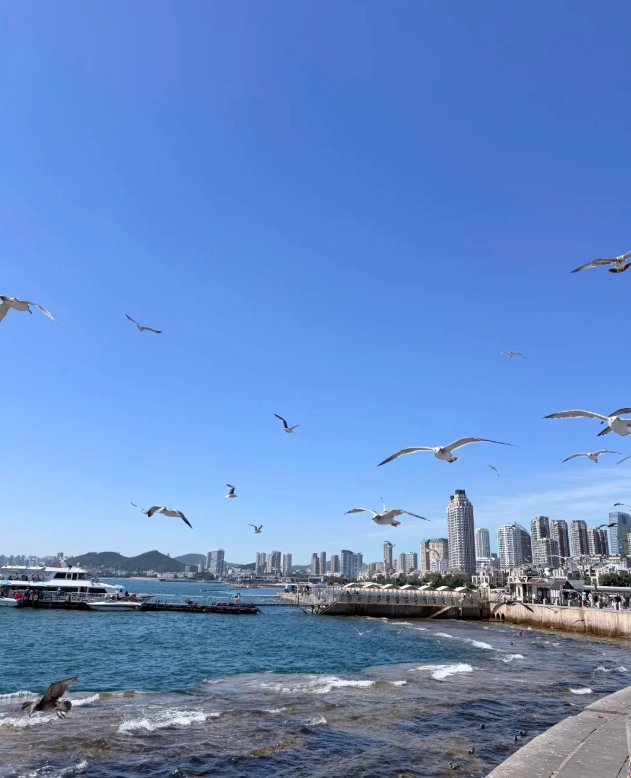
Rainy day Plan B
Liaoning weather does not politely schedule itself around your itinerary. When a day collapses, switch to these.
- Shenyang: Liaoning Provincial Museum, free, closed Mondays, passport required. The calligraphy and Liao-dynasty galleries are the reason to go.
- Dandong: the Korean War museum, then the covered market near the station for snacks.
- Dalian: the Natural History Museum and the old colonial-era buildings around Zhongshan Square.
- Anywhere: caves and hot springs. Benxi Water Cave is the best rainy-day attraction in the province, which is another reason to book it early in the trip rather than late.
What to Eat Near Liaoning's Hidden Gems
Liaoning cooking is sour, heavy and generous, and it tastes nothing like the Cantonese food most visitors assume is “Chinese food”. These are the dishes I steer clients toward, region by region.
- Dandong: cold buckwheat noodles and yellow clams from the Yalu estuary, the local specialty. Andong Old Street is a rebuilt theme street — fine for a snack and a photo, skip the souvenir shops.
- Shenyang: Xita, the Korean neighbourhood, for table-grilled barbecue. The city's old dumpling houses are the standard introduction.
- Panjin: river crab in autumn, usually steamed and eaten with vinegar and ginger. Ask the price per jin before ordering. This is the one place where I have seen visitors handed a genuinely surprising bill.
- Benxi: lamb soup, served in big bowls with a stack of flatbread. Locals eat it for breakfast, and it is the perfect thing after a cold cave.
- Zhuanghe and Dalian: seafood sold by weight and cooked simply. Point at the tank, confirm the price per jin, then let them cook it.
Payment reality check: international cards work at big hotels and almost nowhere else. Alipay or WeChat Pay linked to a foreign card covers about 95% of what you will do, and cash still works — it is just slow, because staff have to go find change. English menus exist in Dalian and Shenyang hotels. Everywhere else, expect photo menus and your translation app.
Where Should You Stay for Liaoning's Hidden Gems?
Pick two bases — Shenyang plus either Dandong or Dalian — and day-trip outward from them. Changing hotels every night is the fastest way to ruin this trip.
One thing that catches foreigners off guard: not every Chinese hotel is licensed to accept foreign guests. International brands and licensed domestic hotels are fine; small budget chains sometimes are not. Filter for it when you book, or ask the hotel in writing before you pay.
| Base | Area | Best For | Approx. Nightly | Check Before Booking |
|---|---|---|---|---|
| Shenyang | Heping District, near Shenyang North station | First-timers, rail connections | CNY 400 to 900 | Foreign-guest licence, walk to the metro |
| Shenyang | Taiyuan Street and Qingnian Street | Budget travellers, food access | CNY 200 to 400 | Soundproofing, street noise is real |
| Dandong | Yalu River promenade | River views, border sights | CNY 300 to 700 | Whether the room truly faces the river |
| Dalian | Zhongshan Square and Russian Street | Couples, walkable evenings | CNY 400 to 900 | Age of the building, charm versus thin walls |
| Zhuanghe | Farmhouse guesthouses near Bingyu Valley | Nature focus, tight budget | CNY 150 to 350 | Private bathroom, towel provided |
| Xinbin | County-town hotels near Hetuala | Qing history route | CNY 150 to 300 | Foreign-guest licence, English at the desk |
These ranges swing hard during the National Day holiday week and around Lunar New Year. Outside peak periods you can often book the night before and pay less than the rack rate.
Liaoning Hidden Gems FAQ
How many days do you actually need for Liaoning's hidden gems?
Five days is the floor, and that assumes you fly into Shenyang and out of Dalian. Three-day itineraries look tidy on paper and then fall apart, because the transfers alone eat half a day each. With only three days, pick one base and accept that you are seeing one corner of the province rather than the province.
Can I visit the North Korea border at Dandong, and can I cross it?
The border area is safe and heavily monitored, and at Hushan you can stand metres from the water. Crossing into North Korea is a separate matter entirely — day trips from Dandong have been suspended and restarted more than once, so ignore any blog post that promises it and ask a licensed travel agency in Dandong in person. If a look across the river satisfies you, the Broken Bridge and a river cruise deliver that with no paperwork at all. Never photograph soldiers or military installations on the far bank.
Do I need to book Benxi Water Cave in advance?
In peak season and on any Chinese public holiday, yes. Walk-up tickets exist, but the daily cap fills and the boat dock queue is what you are really trying to beat. Book the day before on Trip.com, carry the physical passport for every person in your group, and aim for one of the first boats after opening. On an off-season weekday you can usually just show up.
Will my international credit card work at these sites?
Rarely at the gate. Ticket counters across Liaoning are built around QR payments and a foreign Visa tap usually fails. Alipay or WeChat Pay linked to your home card handles almost everything, including small street vendors. Carry a few hundred yuan in cash as a backstop — it is accepted everywhere by law, but expect staff to spend a minute hunting for change.
What is the biggest mistake first-timers make with Liaoning's hidden gems?
Treating them like Beijing attractions. There is no ticket booth with an English sign, no audio guide, no queue system you will recognise, and often nobody on site who speaks English. The fix is unglamorous: screenshot every Chinese place name, download the offline translation pack, book tickets the night before, and leave thirty minutes of cushion on every transfer. Do that and Liaoning becomes one of the easiest provinces in China to travel independently.
This content has been fact-checked to ensure informational precision. Ticket prices, opening days and booking rules for Liaoning's scenic areas shift with the season and with local policy, so confirm current details through official channels before you travel.

No comments yet.