 Yan Zhou
Three hours and forty minutes. That is the whole distance between Shanghai's glass towers and a Confucian temple older than most European cathedrals.
I once watched a man miss his train at Shanghai Hongqiao because he queued at the ticket office instead of walking through the gate with the passport he was already holding. Forty minutes of his life, gone. He paid full price for a replacement.
Nobody warns you about that part.
I have built this Shanghai to Shandong itinerary for families dragging jet-lagged kids, solo backpackers on a rail pass, and one 71-year-old who wanted to stand in Qufu before his knees retired. What follows is the version that survives contact with reality — a sold-out cable car, a typhoon that shut the Qingdao coast for a day, and a guest who lost two hours to a dead Google Maps pin.
So here is the conclusion first, because you do not need suspense. Go in April–May or September–October. Treat Golden Week as a natural disaster and route around it. Book trains the second tickets open. And give Mount Tai an overnight instead of a heroic day trip. Everything below is just logistics.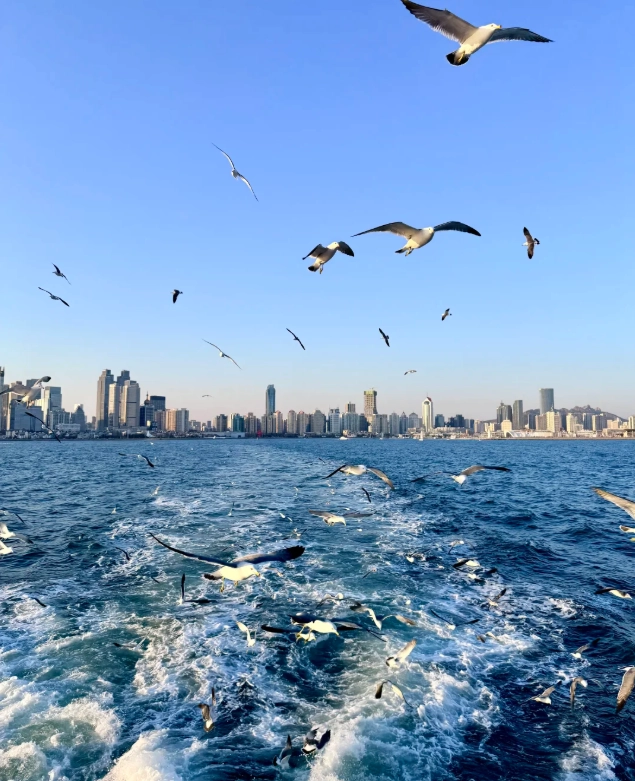
The Route, Skimmed — Tap to Jump
- The 7-Day Route at a Glance
- Why High-Speed Rail Beats Flying on This Corridor
- How Do You Book Shandong Train Tickets as a Foreigner?
- The Itinerary, Day by Day
- Mount Tai: Costs, Timing, and the Cable Car Trap
- Where to Sleep in Each City
- What to Eat Along the Way
- Payments, Maps, and the Apps You Need
- Questions I Get Asked Every Single Trip
The 7-Day Route at a Glance
Shandong sits northeast of Shanghai on the Beijing–Shanghai high-speed corridor. The trick is to move in one direction and never backtrack. Qufu first, then north to Tai'an, then Jinan, then east to the coast. Fares shift with train type and demand, so treat the numbers below as a planning estimate and confirm on the day.
| Leg | Train | Journey Time | 2nd-Class Fare (approx.) | Why Stop Here |
|---|---|---|---|---|
| Shanghai Hongqiao → Qufu East | G-series | 3h 20m – 4h | ¥400 – ¥470 | Confucius sites, gentle landing |
| Qufu East → Tai'an | G-series | 20 – 30 min | ¥30 – ¥45 | Mount Tai trailhead |
| Tai'an → Jinan | G-series | 20 – 25 min | ¥25 – ¥40 | Springs and the best breakfasts |
| Jinan → Zibo | G-series | 40 – 50 min | ¥40 – ¥60 | Barbecue pilgrimage |
| Zibo → Qingdao | G-series | 1h 40m – 2h 20m | ¥120 – ¥160 | Coast, beer, colonial old town |
| Qingdao → Shanghai Hongqiao | G-series | 4h 30m – 6h | ¥500 – ¥600 | Direct, no airport transfer |
You can also fly Qingdao back to Shanghai in roughly an hour and a half. I rarely recommend it, and the next section explains why.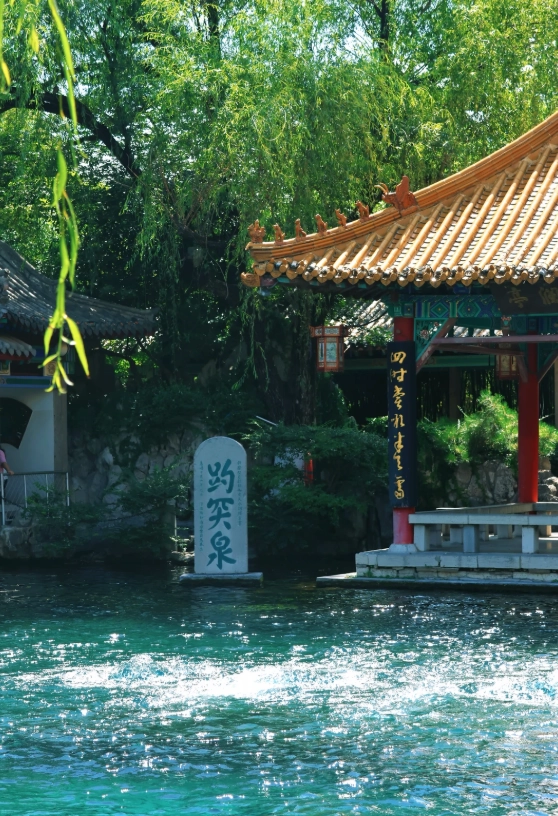
Why High-Speed Rail Beats Flying on This Corridor
On distances between 300 and 900 kilometres, Chinese high-speed rail beats flying once you count the airport transfers nobody mentions in the booking app.
Qingdao's airport sits far outside the city. Getting from the old town to the terminal eats close to an hour before you even reach security. Shanghai Hongqiao, by contrast, is a single building shared with Metro Lines 2, 10 and 17 — you step off a subway train, walk ten minutes, and you are in the departure hall.
Then there is luggage. Chinese HSR stations let you board with whatever you can carry. No weighing, no fluid rules, no argument about a hiking pole. For a route that involves a mountain and a coastline, that matters more than the thirty minutes you save in the air.
One thing to check before you leave your hotel: the Chinese characters on your ticket. Shanghai has several stations and they are not close to each other. 上海虹桥 is a completely different building from 上海站, and mixing them up costs you an hour across the city in traffic.
Pro Tip: Arrive 40 minutes before departure, not two hours. Hongqiao's high-speed hall is genuinely efficient — but the security queue bunches up hard between 7:00 and 8:30 a.m. If your train leaves in that window, add twenty extra minutes and skip the upstairs food court. It is overpriced and slow.
How Do You Book Shandong Train Tickets as a Foreigner?
12306 vs. Trip.com: Which One Actually Works
China Railway's own platform at 12306.cn is the cheapest and the most painful; Trip.com is the easiest and costs a small booking fee.
12306 now has an English interface and accepts passport registration. The catch is payment. The system leans on Alipay, WeChat Pay, or UnionPay, and international Visa or Mastercard transactions fail often enough that I stopped promising it will work. When it does work, you save the service fee and you get first crack at seats.
Trip.com and Klook let you pay with a foreign card in a clean English flow. You pay a markup. For most travelers on a seven-day trip, that markup is worth every yuan, because it removes an entire category of stress from your first morning in China.
Tickets typically open for sale about 15 days before departure, and popular weekend seats on the Shanghai–Jinan and Jinan–Qingdao legs vanish quickly. Set a reminder. Do not assume you can buy at the station on the day.
Passport Gates and the Fifteen-Minute Rule
At major stations — Shanghai Hongqiao, Jinan West, Qingdao North, Tai'an — you can usually swipe your passport at the automated gate and walk straight through.
Usually. Not always. If the gate flashes red, do not stand there swiping harder. Step to the staffed window immediately beside the gate and show your passport and booking. Staff handle it in seconds.
My rule for clients: be physically inside the departure hall fifteen minutes before your train leaves. Gates close around five minutes prior, and Chinese trains depart on the second. There is no casual stroll to the platform.
Insider Advice: Book with the exact passport you will carry. If you renewed your passport after booking, or booked under a different document, the gate will reject you and you will need a manual override at the counter. I have watched this ruin a morning more than once.
The Itinerary, Day by Day
Day 1 — Shanghai to Qufu: Confucius Without the Crowd
Take a morning departure from Hongqiao and you are in Qufu East before lunch, with the whole afternoon for the three Confucian sites.
Qufu East station sits outside town, roughly twenty to twenty-five minutes by taxi from the historic core. Expect something in the ¥40–50 range. Show the driver 孔庙 in characters — almost nobody at the rank speaks English.
The Temple of Confucius, the Kong Family Mansion next door, and the Cemetery of Confucius form one UNESCO World Heritage listing, which you can read about through the UNESCO World Heritage Centre. There is a combined ticket covering all three; pricing has hovered in the low hundreds of yuan and does change, so check at the gate rather than trusting an old blog post.
The cemetery is the odd one out — it is a short taxi hop or a twenty-minute walk from the temple, and most tour groups skip it entirely. Go. It is a forest of ancient stone steles with almost no one in it, and the light through the cypress trees late in the afternoon is the best photography of your day.
For dinner, look for smoked tofu and the local style of jianbing. The Shandong version is chewier and saltier than the Shanghai street version. Fair warning: it is an acquired texture.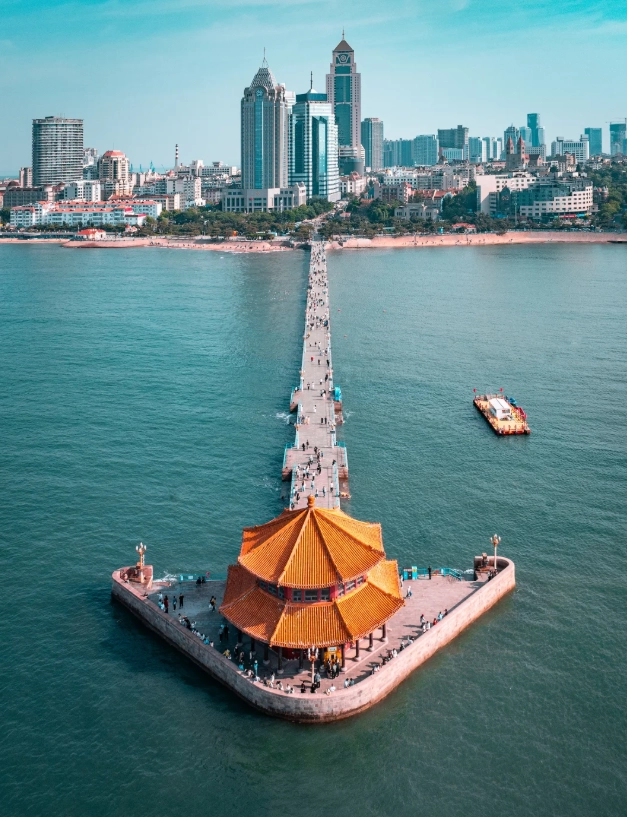
Day 2 — Mount Tai: Climb, or Ride Up
Tai'an is twenty minutes from Qufu by rail, and Mount Tai can be attacked two ways — on your legs or on a bus plus cable car.
The full detail, including costs and the sunrise argument, is in its own section below. For planning purposes: get to Tai'an in the morning, be on the mountain by early afternoon, and sleep either on the summit or back in Tai'an town.
Day 3 — Sunrise, Then Jinan
Catch the sunrise if you slept up top, descend by mid-morning, and take the twenty-minute train to Jinan in the afternoon.
Jinan is where Shandong slows down. The spring core around Baotu Spring and Daming Lake is a compact, flat, walkable pocket — and Jinan's metro is genuinely not useful here. It exists mainly to reach the railway stations. Use DiDi or your own feet inside the centre.
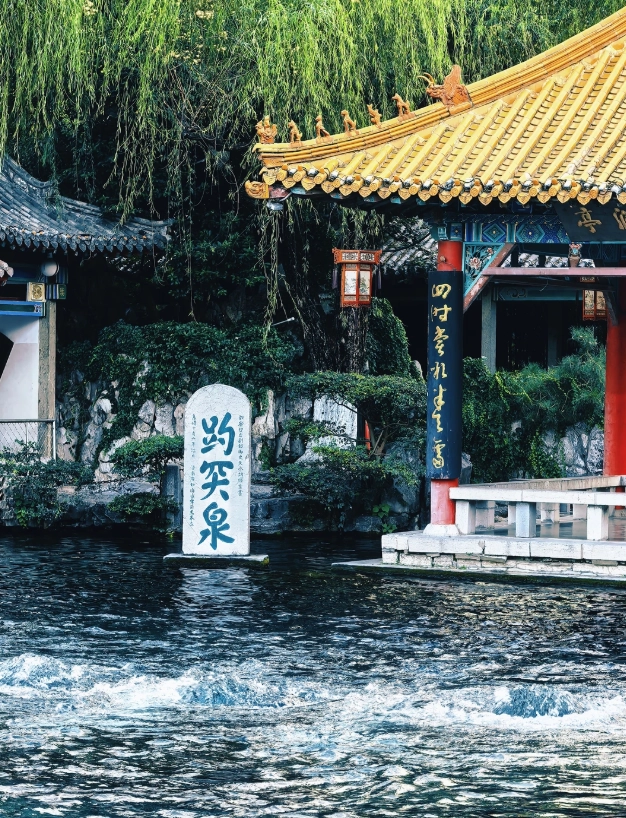
Baotu Spring charges a modest entrance fee, usually in the ¥40 range. Daming Lake is free to walk around and worth two hours at dusk. Kuanhouli, the restored lane beside Baotu Spring, is where I send people for dinner — it is touristy but pleasant, and the food quality is a step above Furong Street, which I would honestly skip unless you enjoy eating standing up in a crush of people.
Day 4 — The Zibo Barbecue Detour
Zibo is not a sightseeing city. It is a barbecue city, and that is the entire reason to stop.
Forty to fifty minutes from Jinan by rail. Order the way locals do: a stack of small pancakes, a handful of scallions, a dish of sweet bean sauce, and whatever skewers look good coming off the grill at your table. You cook the last part yourself. Budget roughly ¥60–80 per person with drinks.
Two stations serve the city — Zibo and Zibo North — and high-speed trains use both. Check the characters on your ticket before you call a car.
If you have a few hours to burn before your onward train, Zhoucun Ancient Commercial Street is a restored Qing-era trading lane with a small entrance fee. It is pleasant, not essential.
Then take an evening train east to Qingdao, arriving late. Hotels there handle late check-in without drama, but message yours in advance anyway.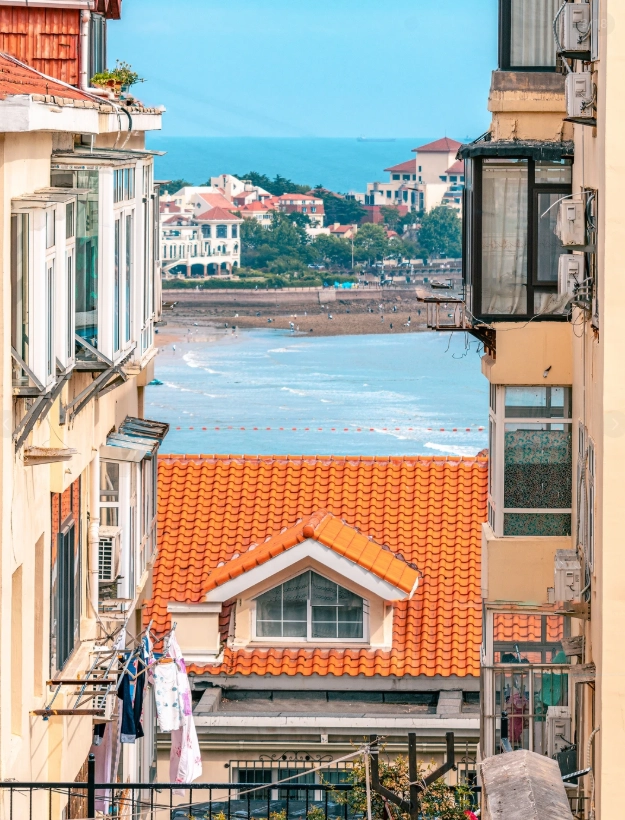
Day 5 — Qingdao Old Town and the Beer Museum
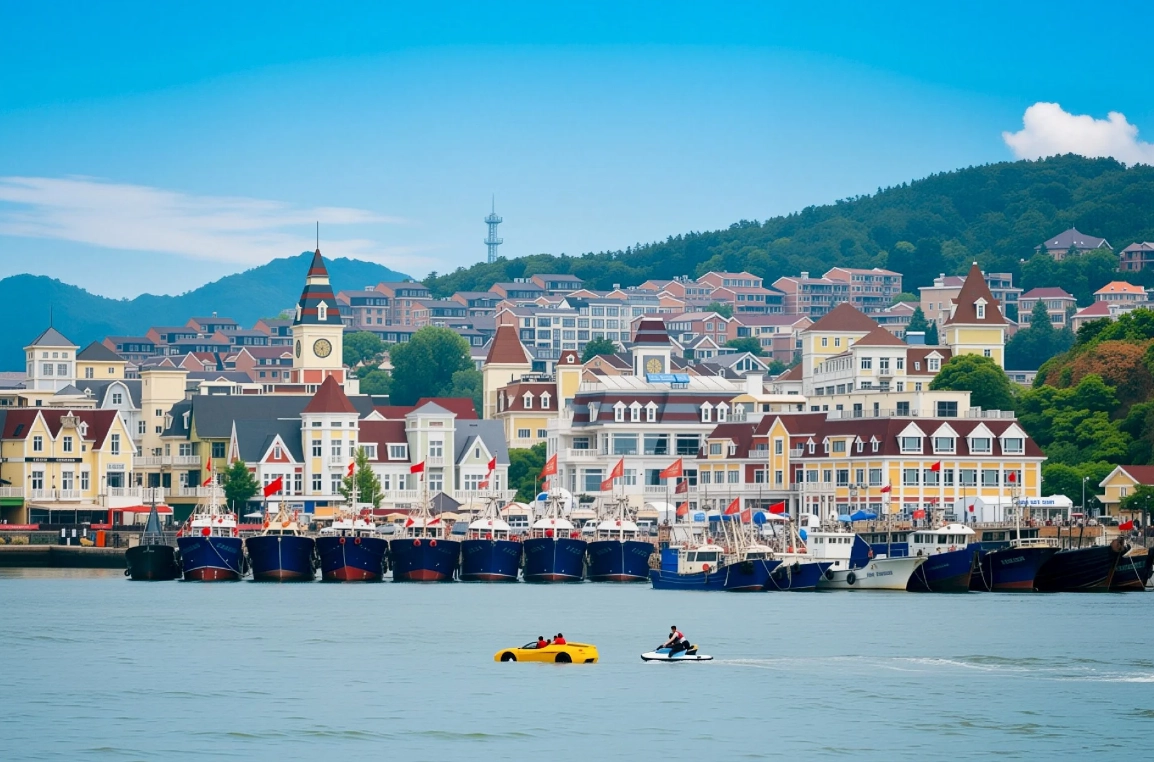
Qingdao Station drops you a ten-minute walk from Zhanqiao Pier — which is exactly why you should book a train arriving there rather than at Qingdao North.
Zhanqiao Pier is free and by 10 a.m. it is a wall of selfie sticks. Go at 7 a.m. The light is better and you can actually see the sea. St. Michael's Cathedral, a few minutes inland, charges a small entrance fee and is worth fifteen minutes.
The Tsingtao Brewery Museum on Dengzhou Road is the anchor of the day. The ticket includes tasting pours, and the original brewhouse building dates to the German colonial era. Buy the unfiltered draft — the cloudy one, 原浆 — at the bar inside. Later in the trip you can buy the same thing in a plastic bag from a corner shop, which is the most Qingdao thing you will do all week.
Pro Tip: The restaurants on Dengzhou Road Beer Street will wave laminated menus at you from the doorway. Prices there run well above what the food is worth. Walk two blocks inland and eat where the menu is only in Chinese. Point at what the next table has.
Day 6 — Badaguan, the Coast, or Laoshan
Pick one, not three. Qingdao's coast rewards slow walking, and the Badaguan district in morning light is the single best thing in the city.
Badaguan is free — a grid of quiet streets lined with villas built in wildly different European styles, each named after a plant. There are no gates and no tickets. Walk it between 8 and 10 a.m. before the tour buses arrive.
May Fourth Square is free and best at sunset, mostly for the red sculpture and the sea breeze. Laoshan, the mountain-meets-ocean park to the east, needs most of a day and charges an entrance fee plus a mandatory shuttle. If your flight or train leaves the next morning, skip Laoshan. It is not a two-hour stop.
Quieter alternative for this day: a high-speed run north to Yantai or Weihai, both under two hours, both far less crowded, both with better seafood and worse nightlife.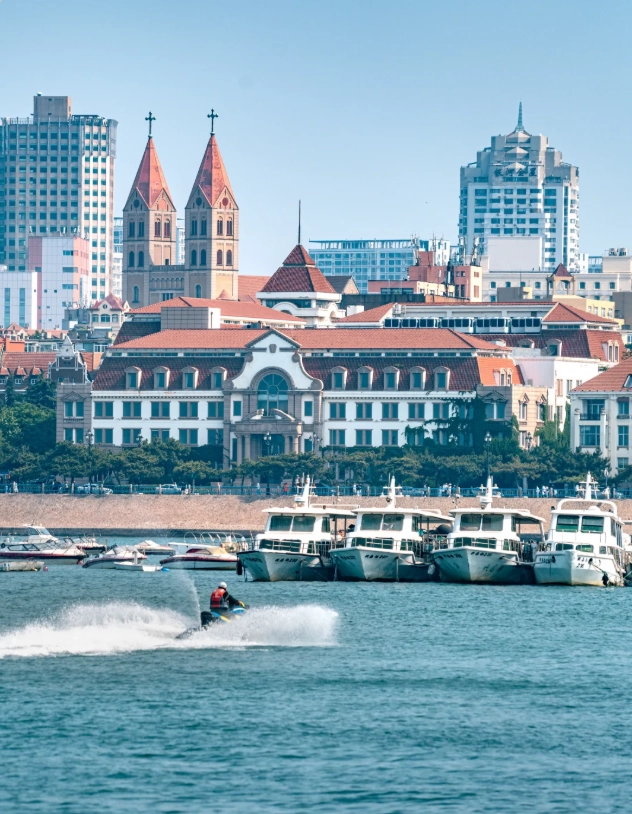
Day 7 — Back to Shanghai
Direct high-speed trains run from Qingdao back to Shanghai Hongqiao in roughly four and a half to six hours, depending on the service.
If you fly instead, remember that Qingdao's airport is a long ride from the old town. Metro Line 8 connects it, but allow a full hour door to gate. I have seen people budget thirty minutes for this and miss an international connection.
Mount Tai: Costs, Timing, and the Cable Car Trap
Mount Tai is not a scenic stroll. It is 6,666 stone steps to the summit, and the descent hurts more than the climb.
Two routes matter. The Red Gate route starts in Tai'an town and goes up entirely on foot — four to six hours for an averagely fit person, longer if you stop constantly, which you will. The Tianwaicun route takes a shuttle bus to the Midway Gate, then a cable car to the South Heaven Gate, leaving only about twenty to thirty minutes of steps to the actual summit.
| Item | Approx. Cost | Notes |
|---|---|---|
| Mountain entrance ticket | ¥100 – ¥115 | Higher in peak season, lower in deep winter |
| Cable car, one way | Around ¥100 | Shuts down in high wind — have a Plan B |
| Shuttle bus to Midway Gate | ¥30 – ¥40 | From the Tianwaicun entrance |
| Summit dorm bed | ¥150 – ¥400 | Shared bathrooms, thin walls, book ahead |
| Military coat rental | A few dozen yuan | Deposit required, genuinely necessary |
| Taxi, Tai'an station to Red Gate | ¥25 – ¥35 | Roughly 20–25 minutes |
Now the part that will annoy people who love the classic sunrise photo. The summit at dawn in summer is shoulder to shoulder. You will stand on a stone platform with someone's phone held above your head, and the temperature up there runs six to ten degrees colder than the town below. I still take clients up for it, but I tell them the truth first.
My honest preference is a weekday sunrise in shoulder season, or skipping sunrise entirely and doing the mountain in the afternoon. The views are the same. The crowd is a third of the size. You get back to Jinan for dinner.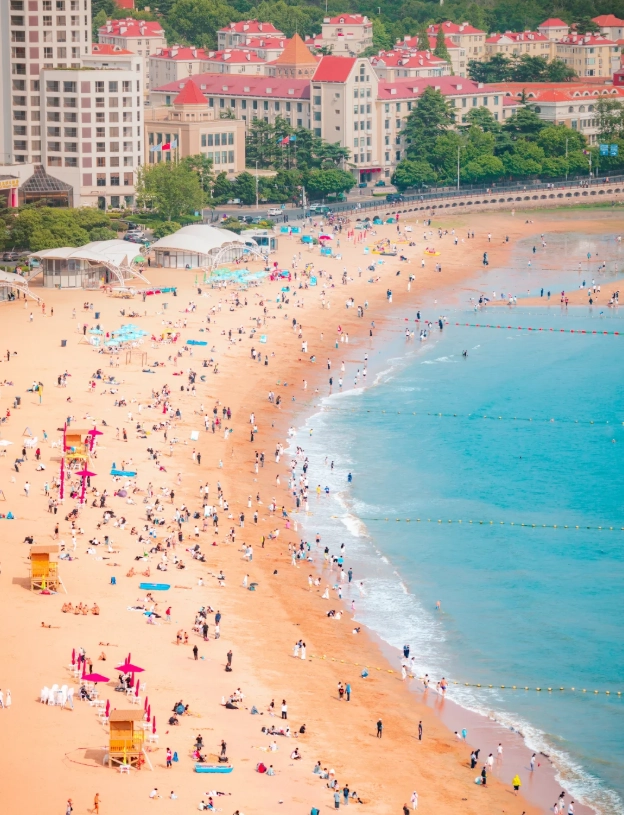
Insider Advice: The Eighteen Bends — the steep final staircase — is where people get hurt, and it is almost always on the way down when tired legs stop lifting properly. Poles help. So does starting the descent before you are exhausted. The toilet block near the summit cable car station queues badly at sunrise; use the one at the Midway Gate instead.
If you have knee problems, the bus-and-cable-car route is genuinely viable — but be aware you still face stairs at the top, and the cable car closes in strong wind with no alternative except walking.
Where to Sleep in Each City
Book by area, not by brand. In Shandong, location beats star rating almost every time.
| City / Area | Price Band Per Night | Best For | Watch Out For |
|---|---|---|---|
| Qufu, old town near the temple | ¥200 – ¥400 | History focus, early starts | Limited English at reception |
| Tai'an, near the rail station or Red Gate | ¥150 – ¥350 | Sunrise climbers | Basic rooms, thin mattresses |
| Jinan, Kuanhouli or Quancheng Road | ¥300 – ¥600 | Food and springs on foot | Weekend noise from street level |
| Zibo, near the rail station | ¥180 – ¥350 | One-night barbecue stop | Few international-standard rooms |
| Qingdao, old town near Zhanqiao | ¥350 – ¥700 low season, ¥800 – ¥1,500 summer | Atmosphere, walkability | Summer price spikes, older buildings |
| Qingdao, May Fourth Square area | ¥500 – ¥1,000 | Business comfort, metro access | Less character, more traffic |
One thing that catches foreign travelers constantly: some smaller Chinese hotels are not licensed to register foreign guests. Your booking will confirm, and then reception will apologise and send you elsewhere. Filter for properties that explicitly accept foreign passports, and if you are unsure, message the hotel in advance and ask directly.
Qingdao in high summer is the single most expensive stop on this route. Book six to eight weeks out, and be aware that the city's beer festival period pushes rates through the roof. International-brand hotels take foreign credit cards. Guesthouses almost never do.
What to Eat Along the Way
Shandong cooking is salty, pork-heavy, and seafood-forward. If you are vegetarian or keep halal, plan ahead rather than improvising.
- Jinan breakfast — 甜沫, a peppery millet porridge, with 油旋, a spiral scallion pastry. Cheap, filling, and about ¥15–25 for both.
- Jinan braised pork belly — 把子肉, served over rice. Around ¥15–20. This is the dish I order on every single trip.
- Nine-turn intestine — 九转大肠. Sweet, sour, rich. Order it only if you genuinely like offal.
- Qufu smoked tofu — firm, deeply savoury, sold from small shops near the temple.
- Zibo barbecue — skewers, small pancakes, scallions, sweet bean sauce. Roughly ¥60–80 per person.
- Qingdao mackerel dumplings — 鲅鱼水饺. Mild, springy, nothing like a fishy dumpling. Roughly ¥30–50 a plate.
- Qingdao spicy clams — 辣炒蛤蜊, eaten with unfiltered draft beer. This is the whole point of the city.
For halal food, Jinan and Qingdao both have established Muslim communities and清真 restaurants are easy to find in the older districts. For vegetarian travelers, asking for 素 is not enough — say clearly that you want no meat and no meat broth, and expect to repeat yourself. Shandong kitchens put pork stock in things you would not expect.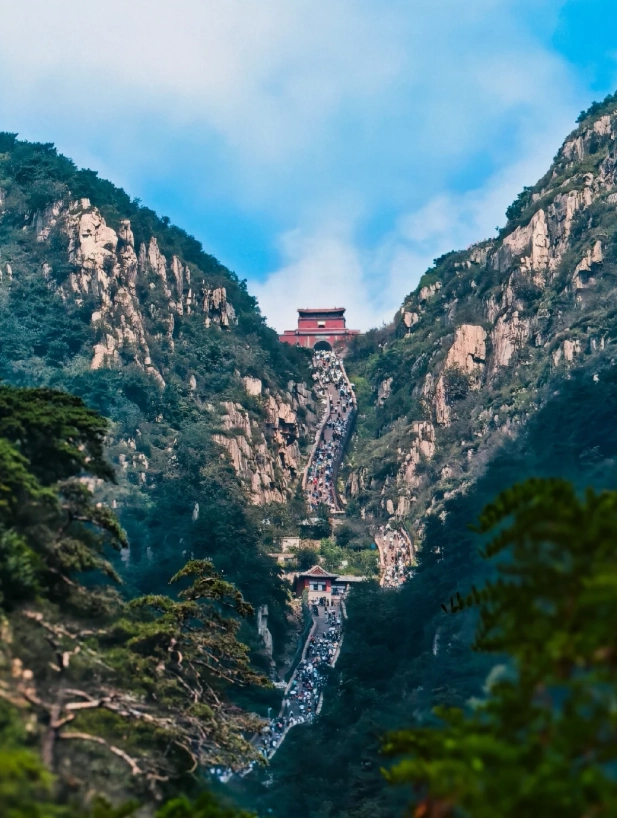
Payments, Maps, and the Apps You Need
Set up Alipay or WeChat Pay with your international card before you leave Shanghai, because this is the single decision that determines how smooth the rest of the trip goes.
- Payment — Alipay and WeChat Pay both link to foreign cards and work almost everywhere, including mountain-top kiosks. Cash is legally required to be accepted but small vendors often have no change. Carry ¥100–200 as backup.
- Credit cards — accepted at international hotels, large malls, and some chain restaurants. Not at street stalls, not at noodle shops, not at the barbecue place in Zibo.
- Maps — Google Maps is unreliable inside mainland China and its walking directions will strand you. Use Apple Maps, or Amap with its English mode. Download offline maps before you leave.
- VPN — install and test it before you fly. Once you are inside, the download links are blocked.
- Translation — Apple Translate or Baidu Translate. Save your hotel's Chinese name and address as a screenshot so you can show it to a driver without signal.
- Rides — DiDi runs inside Alipay as a mini-program with an English interface. It is far easier than explaining an address to a taxi driver.
Pro Tip: Yes, navigating the Chinese-language booking mini-programs for Mount Tai and some Qufu sites is a genuine headache, even for me. The workaround is embarrassingly simple — hand your phone to your hotel receptionist and ask them to do it. They can complete a passport-registered reservation in ninety seconds. I have never once had a front desk refuse.
On entry rules, the landscape changes often. The National Immigration Administration publishes the current visa-free transit eligibility and the list of approved ports at nia.gov.cn, and it is worth checking before you book anything non-refundable.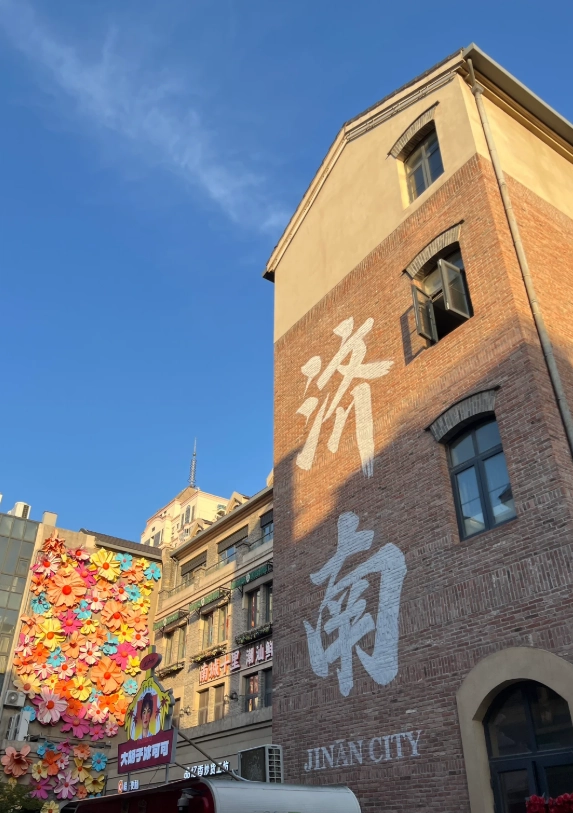
Questions I Get Asked Every Single Trip
Can I cover Shandong as a day trip from Shanghai?
Physically yes, practically no. Qufu alone is three and a half hours each way, which leaves you four hours on the ground minus transfers. You would spend the day in a train seat and remember nothing. Three days is the realistic minimum, and this seven-day route is what I actually hand to clients who want to see the province rather than tick a box.
Do I need a visa, and does Shandong have special entry rules?
It depends entirely on your nationality and whether you qualify under the transit visa-free schemes, which have expanded significantly and cover a number of Chinese ports. The rules and the eligible entry points change, so verify against the National Immigration Administration before booking flights. What I tell clients is simpler: if you are relying on transit visa-free entry, your onward ticket must be to a third country, not back to where you came from.
Is Mount Tai manageable for someone with bad knees or a heart condition?
The bus-and-cable-car combination removes the worst of it, but it does not remove everything — you still face twenty to thirty minutes of uneven stone steps at the top, and the cable car stops running in high wind with no alternative but walking. If stairs are a real problem, do the summit area only and accept that you will not stand on the very highest stone. Better that than a rescue on the Eighteen Bends.
Will my foreign credit card work in Shandong?
At international hotels and large malls, yes. Everywhere else, no. Street food, small restaurants, taxis, temple ticket windows and mountain kiosks are QR-code only in practice. Link a card to Alipay or WeChat Pay on your first day in Shanghai and treat cash as an emergency backup rather than a plan.
What is the biggest mistake people make on this route?
Two of them, and they are related. First, doing Qingdao in peak summer without booking accommodation weeks ahead and paying triple for a mediocre room. Second, trying to climb Mount Tai as a day trip from Jinan. It is technically possible, it is miserable, and you will spend the descent worrying about your train instead of looking at anything. Sleep in Tai'an or on the summit, then move on rested.
Verified and fact-checked by the editorial team. Train fares, entrance fees, booking windows and visa-free entry rules in China change frequently — confirm current details through the official channels linked above before you commit to a fixed plan.
No comments yet.