 Fang Wang
Staring at a menu full of characters you don't recognize. Pointing at something that looks like vegetables, only to find pork bits swimming in the sauce. I've been there—more times than I'd like to admit.
China is a paradise for plant-based eaters, but only if you know the shortcuts. The good news: I've spent years navigating this exact challenge, and the payoff is huge. You just need to avoid the five most common mistakes that leave travelers hungry and frustrated.
Here's the deal: you don't need to speak Mandarin to eat like a vegetarian king. You need a few key phrases, a handful of go-to dishes, and a mental map of where to look. In this guide, I'll walk you through the exact steps I give my vegetarian clients, from ordering street food to finding Buddhist canteens that will blow your mind.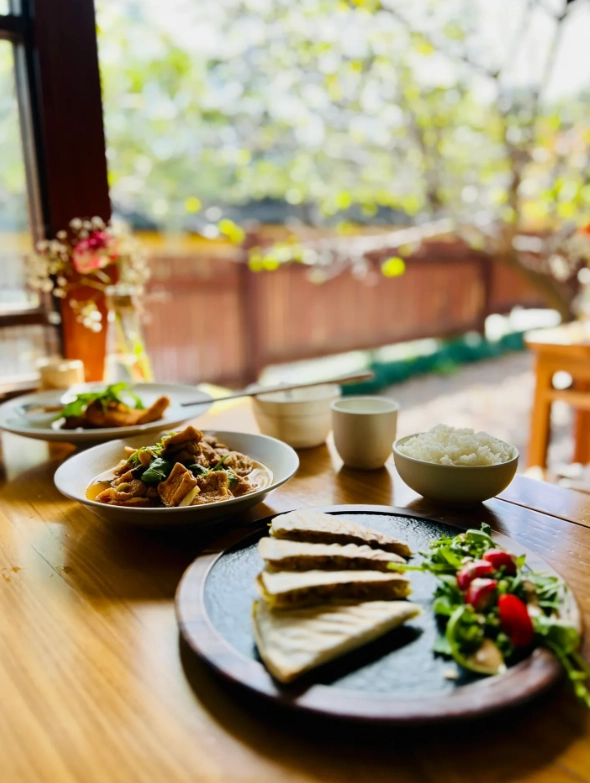
How's the Vegetarian Scene in China?
It's better than most people think, but it's not always obvious. Chinese cuisine has a deep tradition of vegetarian cooking—Buddhist temples have been perfecting plant-based meals for centuries. That means you're never far from a proper meat-free feast.
The catch? Most restaurants don't label dishes as "vegetarian" the way you might expect. Instead, you'll see dishes like "fish-fragrant eggplant" (which contains no fish) or "dry-fried green beans" that are naturally vegan. The key is knowing what to look for and how to ask.
How Do I Order Vegetarian Food Without Speaking Chinese?
This is where most travelers slip up. They point at random greens and hope for the best. Instead, use these simple phrases—just show them on your phone:
- 我吃素 (wǒ chī sù) – "I eat vegetarian."
- 不要肉 (bù yào ròu) – "No meat."
- 不要放肉汤 (bù yào fàng ròu tāng) – "No meat broth." This one is crucial for soups and hot pots.
- 有素的吗? (yǒu sù de ma?) – "Do you have vegetarian options?"
I always tell my clients to screenshot these phrases in Chinese characters. Even better, pre-write them on a note on your phone. That way, you're not fumbling with translation apps while the server waits.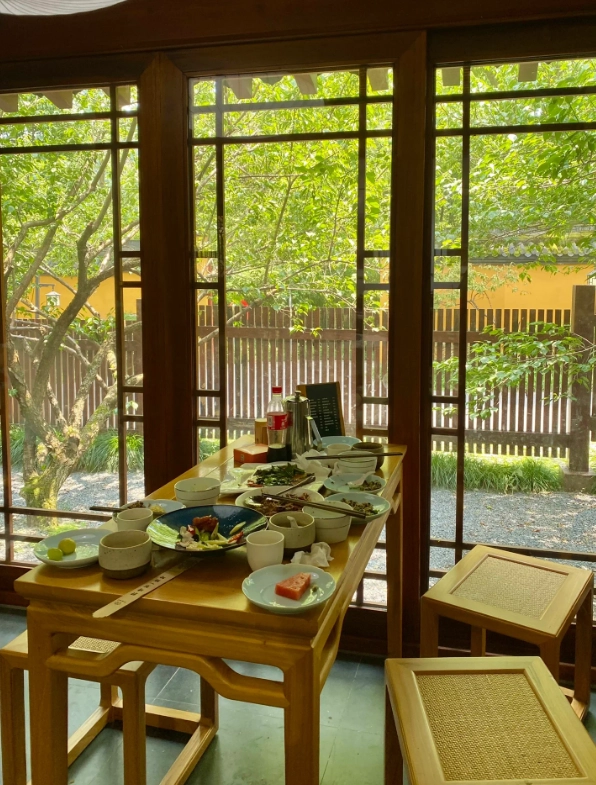
Where Can I Find Reliable Vegetarian Restaurants?
You've got three solid options. First, Buddhist temples—they often run canteens that are 100% vegetarian, and the food is delicious. Second, dedicated vegetarian restaurants in big cities. Third, international chains or hotels, which are safer but less adventurous.
Buddhist Temple Canteens
These are my favorite hidden gems. Places like Lingyin Temple in Hangzhou or Jade Buddha Temple in Shanghai serve incredible vegetarian meals at very low prices. Expect to pay around 20–40 RMB per dish. The atmosphere is peaceful, and you'll eat alongside locals—no tourist markup.
Just note: these canteens often close early, around 2 PM. Bring cash or use Alipay/WeChat Pay. No English menus, but the staff are used to pointing tourists. The address for Lingyin Temple is 法喜寺 (Fǎxǐ Sì) area—your taxi driver will know it.
Dedicated Vegetarian Restaurants
In cities like Shanghai and Beijing, you'll find modern vegetarian restaurants with English menus. Prices range from 60 to 150 RMB per person. A reliable choice is Gong De Lin in Shanghai (address: 445 Nanjing West Road). It's been around for decades, but it can feel a bit dated—don't expect trendy vibes. The mock meat dishes are impressive, though.
For something more contemporary, search on Dianping (the Chinese Yelp) using the keyword "素食" (sùshí). You'll find spots like WUJIE in Beijing, which offers a quiet garden setting and a tasting menu for around 200 RMB. Reservations are recommended.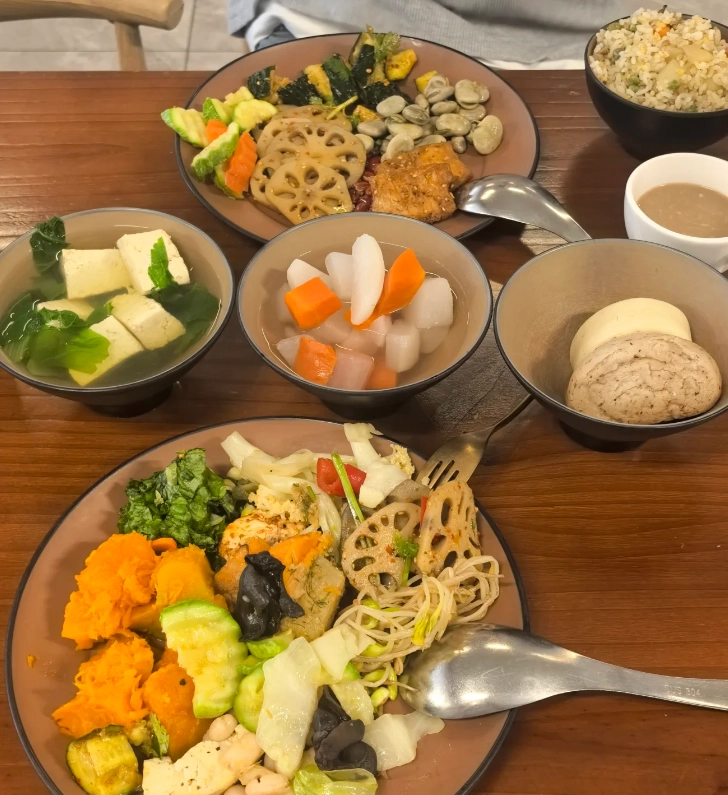
What Should I Avoid? The Hidden Meat Traps
Chinese food is full of sneaky non-vegetarian ingredients. Here's what to watch out for:
- Broth: Many vegetable soups are made with chicken or pork stock. Always ask for "no meat broth" (不要肉汤).
- Stir-fries: Some dishes are cooked with lard or oyster sauce. Request "no oyster sauce" (不要蚝油).
- Hot pot: Even vegetable hot pot often uses meat-based broth. Look for "清汤" (qīng tāng – clear broth) or "菌汤" (jūn tāng – mushroom broth).
- Street food: Items like "vegetable buns" may contain meat fat. Ask for "素包子" (sù bāozi) and confirm there's no meat.
One more thing: "vegetarian" in China often includes eggs and dairy, so if you're vegan, specify "纯素" (chún sù – pure vegetarian/vegan). I learned this the hard way when a "vegetable" dish arrived topped with a fried egg.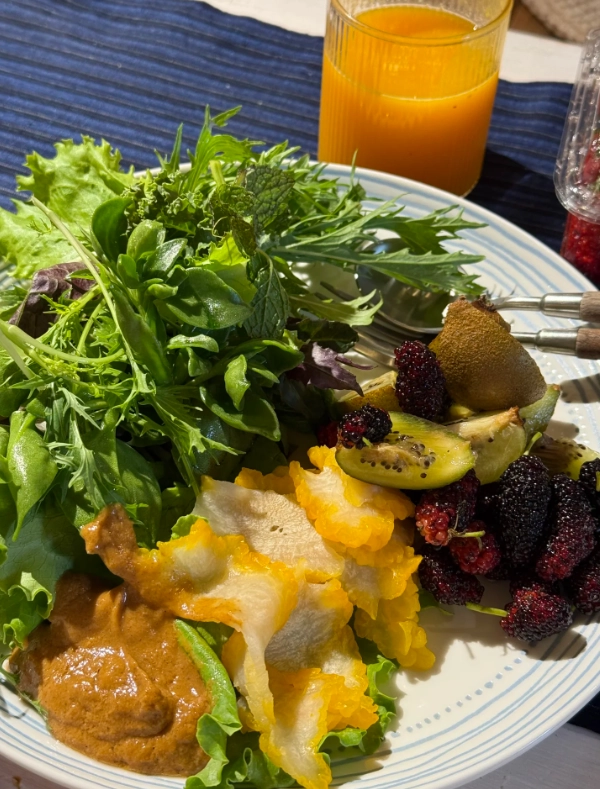
FAQ: Real Traveler Questions, Answered
How do I find vegetarian food near major tourist attractions?
Most attractions have nearby Buddhist temples or small vegetarian eateries. For example, near the Forbidden City in Beijing, you can walk 15 minutes to Vegetarian Lily (address: 68 Donghuamen Street), a cozy spot with a picture menu. It's open from 11 AM to 9 PM, and mains cost around 50 RMB.
Is it safe to eat street food as a vegetarian?
Yes, but stick to freshly cooked items like grilled corn, roasted sweet potatoes, or Jianbing (savory crepe) without the sausage. Avoid pre-made cold dishes—they may have meat contamination.
Can I use my international credit card at vegetarian restaurants?
Only at high-end or hotel restaurants. Most local places only accept Alipay, WeChat Pay, or cash. Set up Alipay with your foreign card before you arrive—it's a lifesaver.
What if I have a soy allergy?
Tricky, since tofu is a staple. Carry a card saying "我对大豆过敏" (wǒ duì dàdòu guòmǐn – I'm allergic to soy) and always double-check. Stick to simple vegetable stir-fries.
Navigating vegetarian food in China is totally doable with a bit of prep. Embrace the adventure, and don't be afraid to ask—locals are usually happy to help. For more on navigating China's food scene, check out the Condé Nast Traveler guides.
Verified and fact-checked by the editorial team.





No comments yet.