 Bo Wu
Your Quick Bite Map
I still remember the first time I handed a slice of Pingyao beef to a client from Texas. He chewed, paused, and said, “This tastes like history.” Corny? Maybe. But he wasn’t wrong. That flavor—slow-braised, salty-savory, falling apart at the touch—is the heart of this ancient city. And here’s the thing: most visitors walk right past it, distracted by the glossy shops lining Ming-Qing Street.
I’ve been guiding food tours in Pingyao for over eight years. I’ve seen travelers get ripped off on “authentic” beef that was nothing more than mass-produced jerky. I’ve also seen them fall in love with a 5-yuan bowl of noodles from a back-alley stall. This guide is the shortcut I give my own clients: what to eat, where to find it, and how to order without accidentally paying tourist prices.
The single most important thing to know? The best beef and snacks aren’t on the main drag. They’re in the side lanes and courtyards, often cooked by families who’ve been at it for generations. But you need to know which ones. Let’s dig in—starting with the beef itself.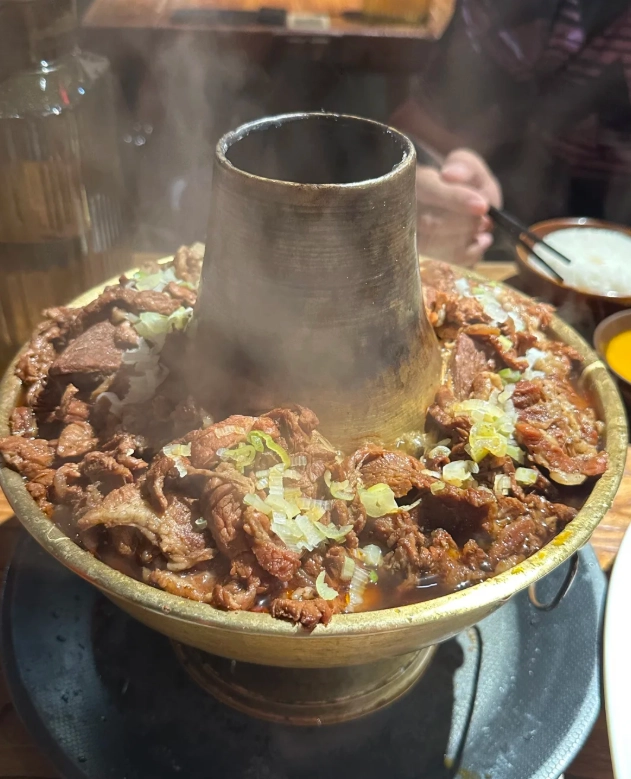
What Makes Pingyao Beef Special?
Pingyao beef is not just any braised beef—it’s a Slow Food Presidium product, cured and simmered with a spice mix that’s been guarded for centuries. The meat comes from local yellow cattle, known for their lean, flavorful muscle. It’s rubbed with salt and spices, then braised for hours until it turns tender but still holds its shape. You’ll see it sold in vacuum-packed bricks or sliced fresh at delis.
Here’s what the guidebooks don’t tell you: the flavor varies wildly from shop to shop. Some add too much MSG; others rely on old gimmicks like “aged for 3 years.” My rule of thumb is simple: if the beef looks dry on the edges and tears like string, skip it. Good Pingyao beef should glisten slightly and have a deep amber hue, not a fake rosy red.
I always send my clients to Yonglonghao, a family-run outfit tucked away on Xida Street. It’s not a restaurant—just a small counter with a few stools. But their beef is braised in small batches, and the owner, Mr. Li, will slice it paper-thin for you. A 250g pack costs around 45 yuan. They don’t speak English, but pointing and smiling works fine. Address: 88 Xida Street, Pingyao Ancient City. Hours: 9am to 8pm daily.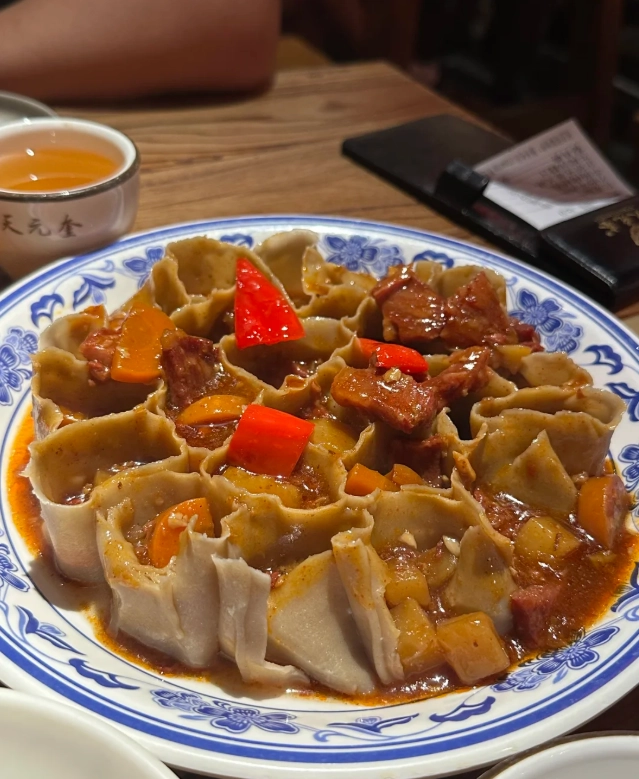
Pro Tip: Avoid the vacuum-packed beef sold near the main ticket office. It’s often made in factories outside Pingyao. Instead, go to a local deli and ask for xian niu rou (fresh beef). They’ll slice it for you on the spot.
Top 3 Snacks to Try (and Where)
Pingyao’s snack scene is a treasure hunt. You’ll find everything from fried dough to sour noodle soups. But these three are non-negotiable, and I’ve tested them at dozens of stalls over the years.
1. Pingyao Wantuo (碗托)
This is a buckwheat jelly cut into strips and served cold with vinegar, garlic, and chili oil—slippery, tangy, and utterly refreshing. It costs 5–8 yuan per bowl. My go-to stall is Wang’s Wantuo, right off South Street in the corner of a courtyard. The owner grinds her own buckwheat. Address: 12 Nanyuan Alley, Pingyao Ancient City. Hours: 10am to 7pm. No English menu—just say “wantuo” and hold up five fingers for the price.
2. Youmian Kaolaolao (莜面栲栳栳)
These are oat noodles rolled into little honeycomb tubes and steamed, then dipped in a spicy tomato sauce. The texture is chewy, nutty, and totally addictive. I always take clients to Old Pingyao Noodle House near the City God Temple. It’s a sit-down spot with picture menus, and the owner speaks a little English. Address: 6 Chenghuangmiao Street. Hours: 11am–9pm. Average spend: 30 yuan per person. They accept Alipay and WeChat Pay, but cash is fine too.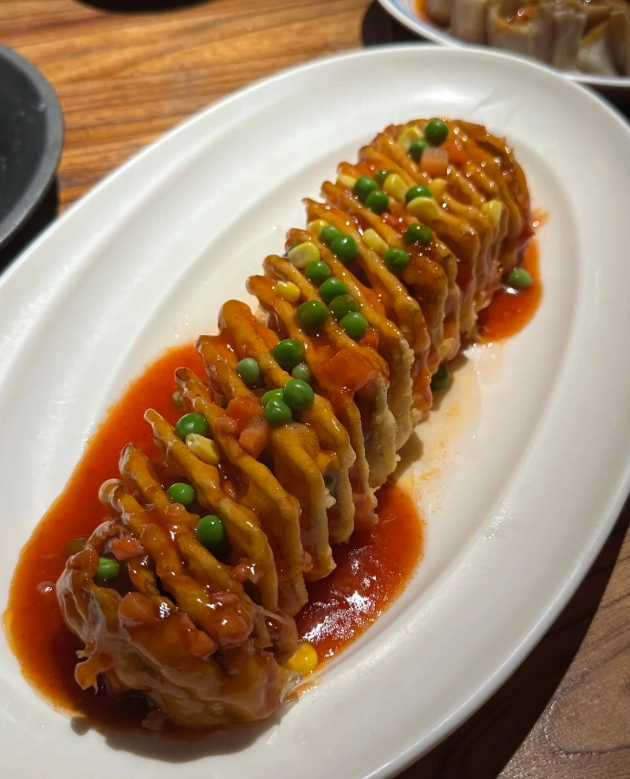
3. Fried Cake (You Gao)
You’ll see these golden puffs everywhere, but the best ones are made fresh at breakfast stalls. They’re slightly sweet, crispy outside, and fluffy inside. The one at the corner of Shalou Alley and West Street is legendary among locals. It’s 2 yuan a piece. The stall opens at 6:30am and sells out by 9. Get there early—I’m serious.
How to Navigate Pingyao's Food Scene
Now let’s talk logistics. Most foreign travelers get stuck on three things: payment, ordering, and avoiding tourist traps.
Payment: Almost every stall and small restaurant operates on WeChat Pay or Alipay. International credit cards? Almost never accepted. I always tell my clients to set up Alipay with their foreign card before arriving—it works like a charm. If you’re stuck, most places will take cash, but expect some eye-rolling.
Ordering: English menus are rare outside the main tourist drag. Use Apple Translate or Baidu Translate to scan the menu. Or just point at what someone else is eating—that’s how I found my favorite noodle shop.
Avoiding traps: The restaurants right on Ming-Qing Street charge three times the price for half the flavor. Walk five minutes into any side alley and you’ll find the real stuff. Also, if a place has a “tourist menu” with pictures of foreigners smiling, run.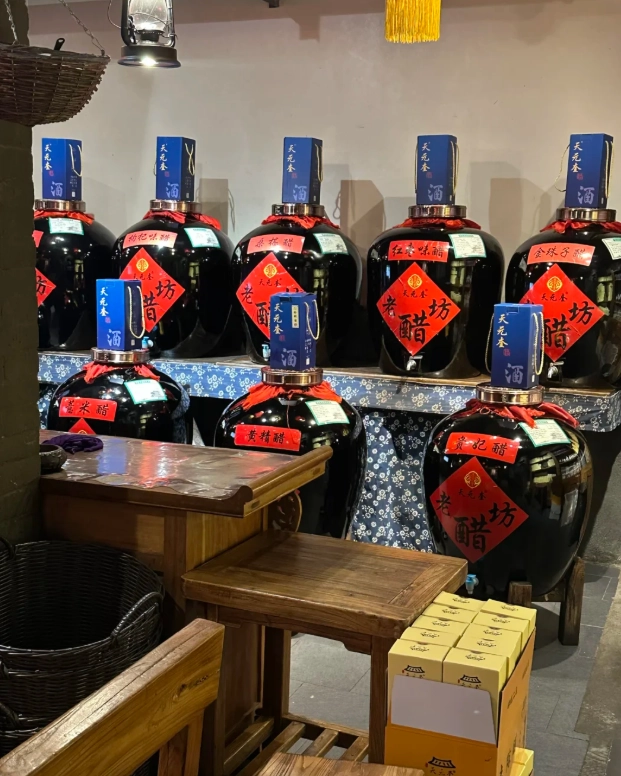
Insider Advice: Google Maps is useless here. Download AMap (高德地图) or just follow the numbered street signs. Locals use AMap’s Global version, which has English labels.
A 24-Hour Tasting Itinerary
Assume you have one day. Here’s how I’d squeeze the best beef and snacks without feeling like a stuffed duck.
| Time | What to Eat | Where | Cost (approx) |
|---|---|---|---|
| 7:00am | Fried cake + soy milk | Corner stall at Shalou Alley | 5 yuan |
| 10:30am | Wantuo | Wang’s Wantuo (Nanyuan Alley) | 8 yuan |
| 1:00pm | Pingyao beef slices + kaolaolao | Old Pingyao Noodle House | 40 yuan |
| 4:00pm | Beef jerky snack pack | Yonglonghao (Xida Street) | 45 yuan |
| 7:30pm | Noodle soup with local greens | Any family stall in back alleys | 15 yuan |
Notice I left out lunch on the main street. That’s intentional. After your beef tasting, walk to the City Wall and let it settle. If it rains, duck into the Pingyao Museum (free entry with your ancient city ticket) and wait it out. The snack stalls stay open.
Local Wisdom: What Every Traveler Asks
Verified and fact-checked by the editorial team to ensure informational precision.
No comments yet.