 Ming Yang
My Quick Navigation Guide
“It’s spicy, it’s numbing, and you’ll probably cry a little.” That’s what I tell every guest before their first Chengdu food tour. But here’s the thing—most tourists waste hours chasing overpriced hotpot chains and miss the real gems. I’ve been guiding food tours here for years, and I’ve seen the same mistakes repeat: people stuck with a dead credit card, wandering through Jinli’s tourist traps, and ordering “mild” when they meant “edible.”
This Chengdu food tour guide is designed to fix all that. Whether you’re a first-timer or a spice veteran, I’ll show you how to eat well, pay smart, and avoid the classic blunders—no Chinese required.
What Is a Chengdu Food Tour, Really?
It’s not a walking buffet—it’s a crash course in Sichuan’s food culture. A good Chengdu food tour combines street snacks, a sit-down hotpot or mapo tofu meal, and visits to local markets. But the best tours aren’t just about eating; they’re about understanding why food matters here. For example, did you know that chili peppers only arrived in Sichuan in the late Ming dynasty? Before that, locals used huajiao (Sichuan peppercorn) for that signature numbing tingle.
I always tell my clients: skip the hotel restaurant and head straight to a neighborhood wet market like Yulin Market (address: 12 Yulin West Road, Wuhou District). It’s free to enter, opens 6 AM–8 PM, and you’ll see grandmothers buying fresh doubanjiang and vendors selling tianshui mian (sweet water noodles). Go before 9 AM to catch the liveliest scenes—and bring small cash (10–20 RMB) for snacks because some stalls don’t accept digital payments.
Top 5 Street Food You Must Try in Chengdu
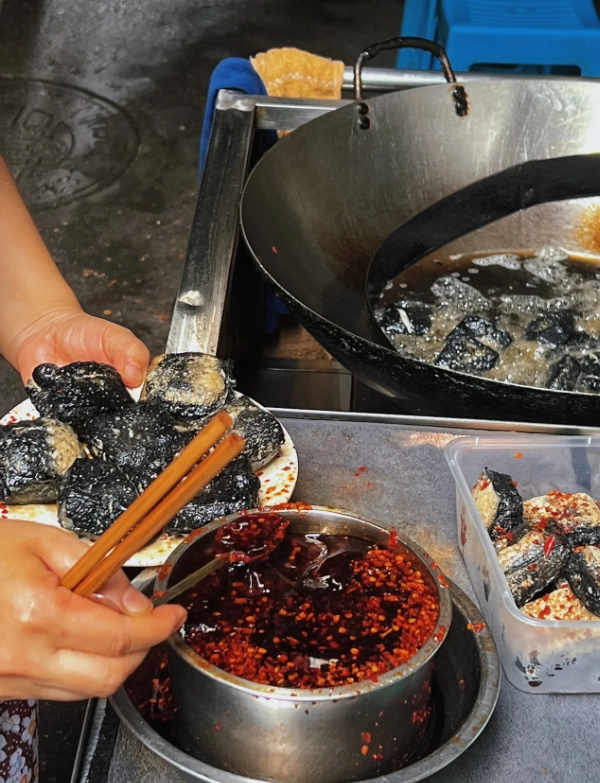
These are the five street foods I personally seek out every week—and where to find them without a tourist markup. I’ve ranked them by boldness of flavor and ease for foreigners.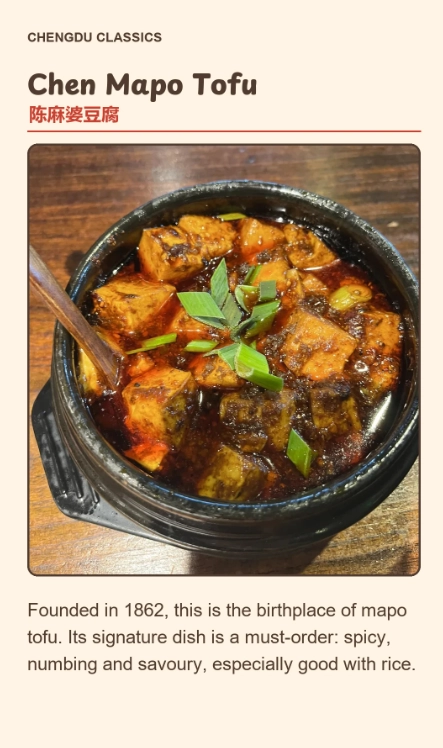
| Dish | Description & Taste | Where to Try (Address) | Price (RMB) | Insider Tip |
|---|---|---|---|---|
| 1. Dan Dan Noodles | Springy noodles with minced pork, chili oil, and Sichuan peppercorn—nutty and numbing. | Zhang Laoer Dan Dan Noodles, 12 Dongchenggen Street | 12–18 | Go at 10:30 AM to avoid the lunch queue. No English menu; just point at the photo on the wall. |
| 2. Long Chao Shou (Wontons) | Pork wontons in a sweet-savory chili broth, silky and slightly numbing. | Long Chao Shou, 38 Chunxi Road (near Chunxi Road metro exit A) | 15–25 | They have an English menu with pictures—ask for “mild” if you’re sensitive. Seating is cramped; takeaway is faster. |
| 3. Kao Leng Chuan (Cold Skewers) | Chilled skewers of vegetables and meat served with a spicy, garlicky sauce. | Uncle Ma’s Cold Skewers, 5 Xizhu Lane, near Kuanzhai Alley | 1–3 per skewer | Wash your hands before eating—you’ll be dipping into shared sauce. They only accept WeChat Pay or cash. |
| 4. Shao Kao (BBQ Skewers) | Grilled meat and veggies dusted with cumin and chili—smoky and addictive. | Any stall on Yulin West Road after 6 PM | 2–5 per skewer | Look for the stall with the longest line of locals—that’s the good one. Avoid the ones with English signs; they’re overpriced. |
| 5. Tian Shui Mian (Sweet Water Noodles) | Cold noodles with a sweet, garlicky, and vinegary sauce—refreshing on hot days. | Grandma’s Sweet Water Noodles, 8 Kuixinglou Street | 8–12 | Perfect for a summer afternoon. Ask for “less sugar” if you prefer savory over sweet. |
One more thing: many of these stalls don’t have English signage. I always tell my clients to pull up a photo on their phone and show the vendor—works every time. And bring tissues; napkins are rare.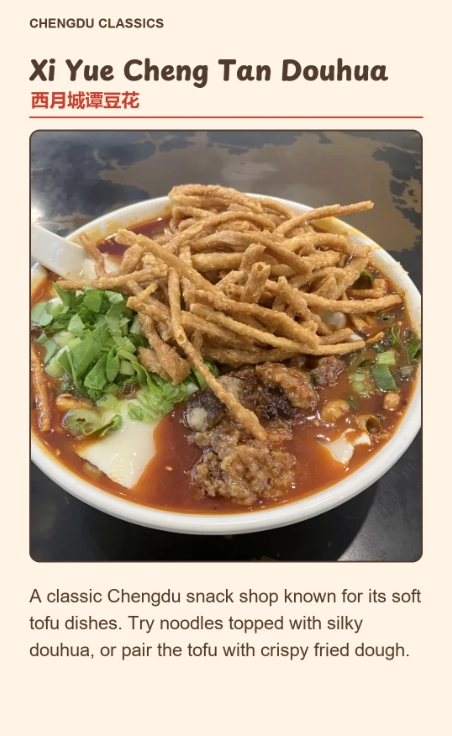
How to Order Hotpot in Chengdu Without Burning Your Tongue
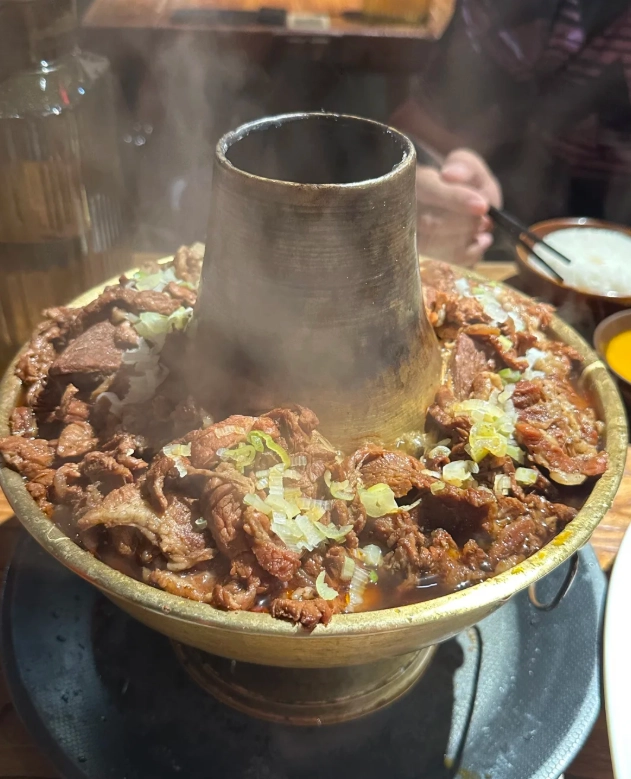
Hotpot is a social ritual, but ordering it can feel like a test of courage. Here’s the deal: most hotpot restaurants offer a split pot (yuanyang guo) with a mild broth on one side. But “mild” in Chengdu still packs a punch. I’ve seen people tear up after one bite. So order the mild broth and ask for a side of sesame oil mixed with garlic—it coats your tongue and reduces the burn.
My go-to spot is Shu Jiu Xiang Hotpot (address: 11 Yulin East Road, Wuhou District; open 11 AM–2 AM). It’s not fancy, but it’s where locals go. Average spend is 80–120 RMB per person. They have an English menu, but the staff’s English is limited—point and smile. The queue at 7 PM often stretches outside; arrive by 5:30 PM or after 9 PM to skip it.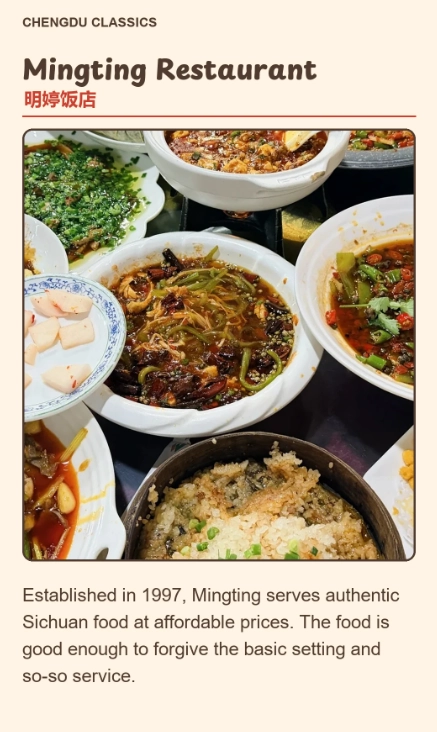
Pro Tip: Never dip your food directly from the spicy pot into your mouth—it’s hotter than you think. Let it cool on your plate for 10 seconds. And don’t drink the broth; it’s for cooking only.
Best Food Streets and Markets for a Chengdu Food Tour
Not all food streets are created equal—some are tourist traps, others are local goldmines. Here’s my take on the three main areas.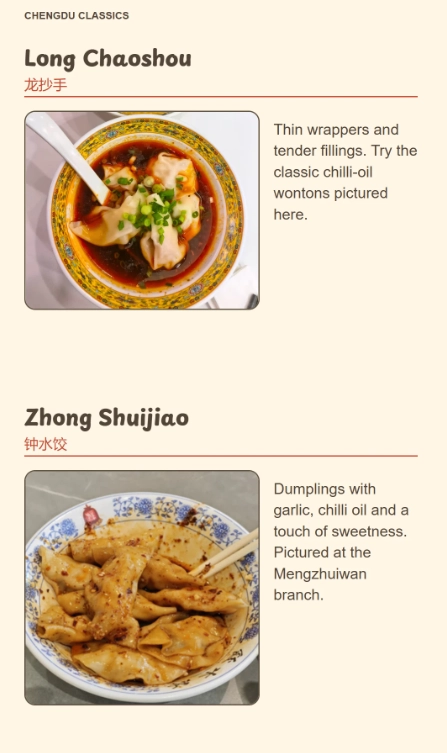
Jinli Ancient Street: Skip the Food, Enjoy the Scenery
I’ll be blunt: Jinli’s food is overpriced and mediocre. A single skewer costs 15 RMB, and the taste is nothing special. But the atmosphere is lovely for photos. If you go, buy a cup of tea and walk around; eat elsewhere.
Kuanzhai Alley: Good for Sit-Down Meals
This restored alley has some decent restaurants, but the street snacks are average. I recommend Yu’s Family Kitchen (address: 43 Kuanzhai Alley) for mapo tofu—it’s 48 RMB and they have an English menu. Opening hours: 11 AM–9 PM. The courtyard seating is charming, but service can be slow at peak times.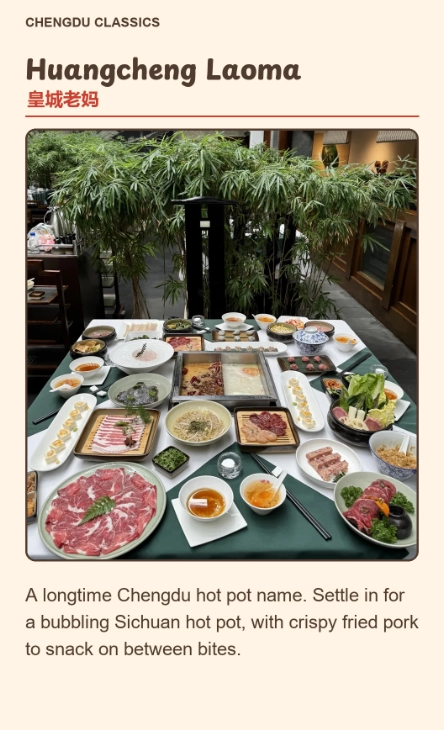
Yulin Neighborhood: Where the Locals Eat
Yulin is my favorite area for a self-guided Chengdu food tour. It’s not a tourist spot; it’s a residential neighborhood packed with small eateries. Start at Yulin Market (12 Yulin West Road) for fresh fruit and snacks, then walk along Yulin West Road—there are dozens of barbecue stalls and noodle shops. The best time is 6–9 PM when the night market kicks in. Bring cash for the smaller stalls; some only accept WeChat Pay from Chinese bank accounts, which foreigners can’t use easily.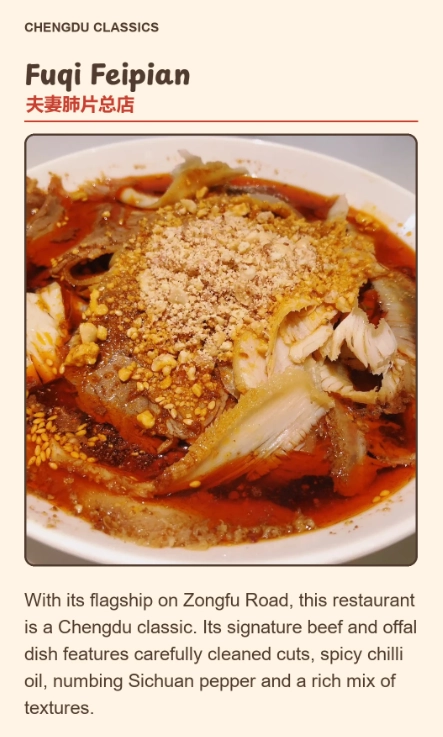
Paying for Food in Chengdu: Alipay, WeChat, and Cash
Cash is not king anymore—but it’s still your backup. Most restaurants accept Alipay and WeChat Pay, but foreign cards often fail. I’ve seen tourists stuck at checkout because their card didn’t work. So link a card to Alipay before you arrive; it usually works. Also carry 100–200 RMB in small bills for street vendors who don’t have QR codes or whose QR codes only work with Chinese bank accounts.
Here’s a quick comparison:
- Alipay: Best for foreigners; supports international cards (Visa, Mastercard).
- WeChat Pay: Can be tricky to set up with foreign cards; sometimes works, sometimes doesn’t.
- Cash: Accepted at most sit-down restaurants and larger stalls, but small vendors may refuse.
I always tell my clients to screenshot their Alipay QR code for quick scanning—some vendors don’t have a scanner, only a QR code to scan.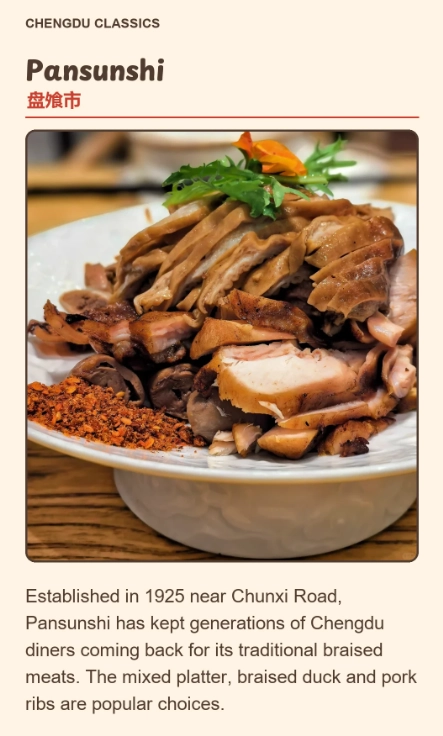
FAQ: Chengdu Food Tour Guide
Verified and fact-checked by the editorial team. This content has been fact-checked to ensure informational precision.



No comments yet.