 Bo Wu
Quick Jump: What’s Inside
“They weighed my backpack at Beijing West.” That’s the first thing a nervous traveler told me last week—and it’s mostly false.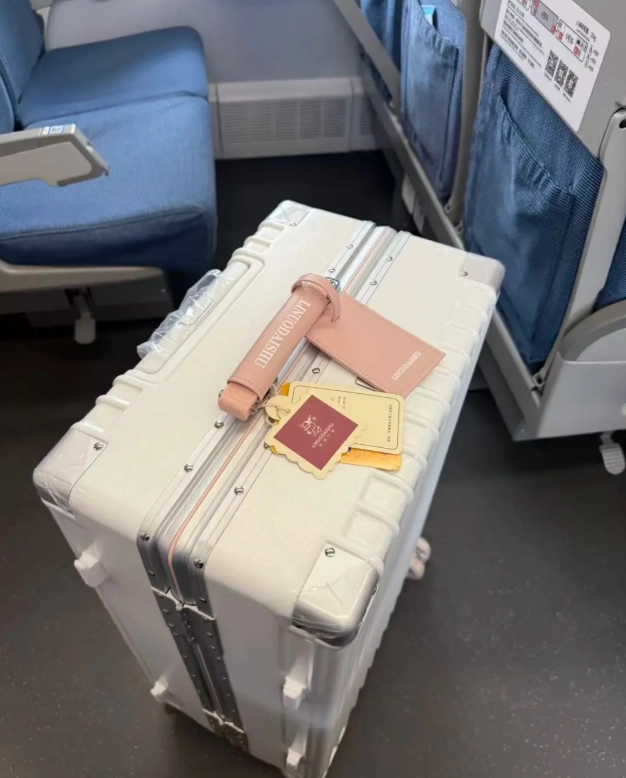
Here’s what actually happens: I’ve boarded dozens of Chinese trains with a 65L duffel that technically broke the rules. No one blinked. But I’ve also seen a tourist argue with staff over an oversized bike box—and lose. The gap between paper rules and real enforcement is where your trip gets easy or stressful.
Let me clear the fog. China Railway’s official luggage weight limit for adults is 20 kg (44 lbs) for regular trains and 20 kg for high-speed trains. Children get 10 kg. That’s the number printed on posters. Does anyone weigh your bag? Rarely—unless your bag looks like a couch. The real enforcement comes from size and common sense, not a scale.
Stop guessing. Let me give you the definitive rule, the hidden size trap, and how to glide past the ticket gate without a fine. Use the links above to jump to the exact section you need.
What Are the Actual China Railway Luggage Weight Limits?
Here’s the official breakdown, pulled straight from China Railway’s published policy at 12306.cn:
- Adult passenger: 20 kg (44 lbs) on all train types.
- Child passenger: 10 kg (22 lbs).
- Diplomatic staff: 35 kg (77 lbs)—but most readers won’t qualify.
I’ve never seen a handheld scale at the security gate. Not once. The weight rule exists mainly to stop porters and commercial haulers from filling the luggage racks. For a tourist with a rolling suitcase under 28 inches, you’re fine. The moment you tip into “I’m moving to China” territory—two huge suitcases plus a guitar—that’s when a conductor might step in.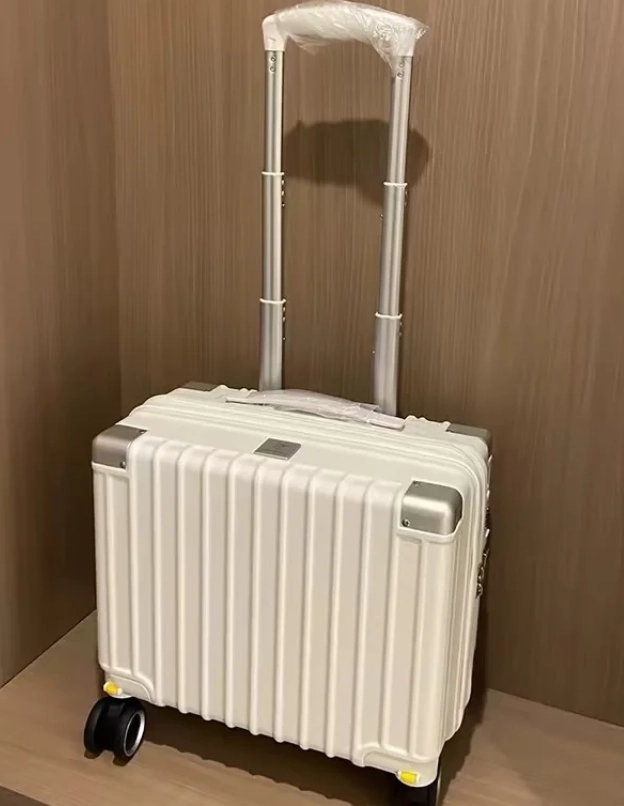
Pro Tip: The weight limit is rarely enforced on a solo traveler with one bag. But if you’re traveling in a group and each person has a massive suitcase plus a bulky item, staff at the security check may question you. In my experience, the security scanner in Beijing South is stricter about bag count than weight.
What Are the Size Restrictions That Will Actually Get You Stopped?
This is where most tourists mess up. The weight is soft; the size is hard.
China Railway’s written rule: the sum of length, width, and height must not exceed 160 cm (63 inches) for regular trains, and 130 cm (51 inches) for high-speed trains. That 130 cm limit is the killer. My 28-inch hard suitcase measures about 152 cm total. Technically, it’s over the high-speed limit. Has it ever been taped? No—because staff focus on shape, not tape measures.
What does get stopped:
- Bicycles (unless folded and bagged—still risky).
- Large hiking backpacks that stand taller than the seat back.
- Any item that blocks the aisle for more than a few seconds.
If your bag is soft, backpack-style, and fits in the overhead rack above your seat, you’re invisible. If it’s a rigid box that requires two people to lift, expect a conversation. And no, there’s no luggage car on high-speed trains—you keep everything with you.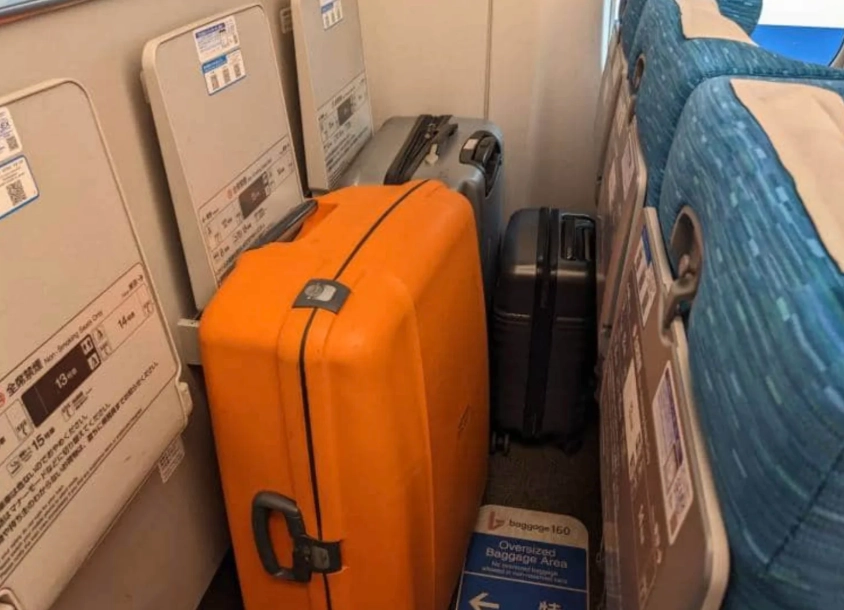
High-Speed Train vs. Sleeper Train: Are the Rules Different?
In practice, high-speed trains are stricter about size, not weight. The overhead racks are shallow. A 28-inch suitcase will not fit in the overhead bin on a second-class carriage. Your options: the luggage rack at the end of the car (first-come, first-served) or the space between seat rows if you’re lucky. Sleeper trains—the old green ones—have a large luggage area near the door and under the lower bunk. I’ve put a 70L backpack under a hard sleeper bunk without a problem.
Quick Comparison: Luggage Space by Train Type
| Train Type | Weight Limit (Adult) | Size Limit (L+W+H) | Real-World Storage |
|---|---|---|---|
| High-Speed (G/D/C) | 20 kg | 130 cm | Overhead rack (small bags), end-of-car rack (big bags), under seat (backpacks) |
| Regular/Slow (K/T/Z) | 20 kg | 160 cm | Overhead rack, under bunk (sleeper), luggage area near door |
| Sleeper (Soft/Hard) | 20 kg | 160 cm | Under lower bunk, luggage rack near attendant’s booth |
Don’t bother carrying a tape measure. Use this rule of thumb: if your bag fits in the aisle without you turning sideways, it passes.
How Can You Avoid Fines and Delays at the Train Gate?
Here’s the catch—most “fines” are actually fees for checking oversized items into the cargo car. China Railway doesn’t have a simple “excess baggage fee” like airlines. If your item is truly problematic (a surfboard, a massive box), staff may force you to ship it separately via China Railway Express. That’s a hassle, not a fine. I’ve seen it happen to a traveler with a disassembled e-bike in a box. He missed his train.
So what do you do?
- Pack a soft bag or backpack instead of a hard-shell suitcase. Soft bags squeeze into odd spaces.
- Use the luggage rack near the train door the moment you board—don’t walk to your seat first. High-speed trains fill up fast.
- If you’re carrying something weird, like ski boots or a cello, arrive 40 minutes early and talk to the staff at the “service desk” near security. They’ll tell you if it can board.
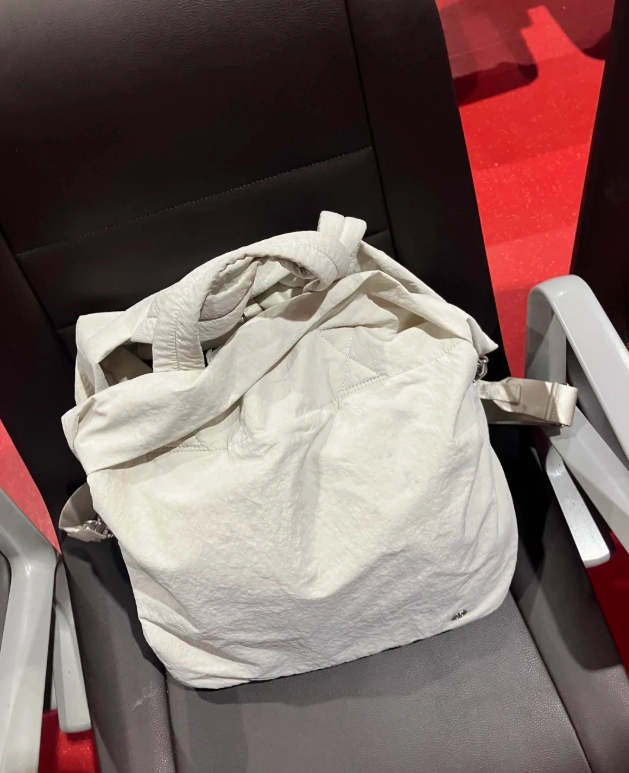
Insider Advice: I always tell my clients to avoid the overhead bin on high-speed trains entirely. The rack is narrow, and lifting a 15kg bag above your head while other passengers push past is a recipe for a strained shoulder. Use the end-of-car rack and keep your valuables in a small daypack at your seat. Also, note that Google Maps won’t help you navigate station luggage rules—use Apple Maps or ask station staff. The official English site for ticket and luggage policies is 12306.cn; cross-check any blog advice there.
FAQ: Luggage on China Trains
Verified and fact-checked by the editorial team. This content has been fact-checked to ensure informational precision.






No comments yet.