 Lei Li
The Quick Power-Up Plan
Three prongs, two prongs, sideways? — I watched a traveler try to jam a UK plug into a Chinese outlet until the prongs bent. Don't be that person.
Most first-timers obsess over the plug shape and ignore the real killer: voltage. A plug adapter for China travel only changes the metal pins — it does nothing to the 220V coursing through the wires. Plug a 110V-only hair dryer into a Chinese socket without a voltage converter and you'll get a sad puff of smoke.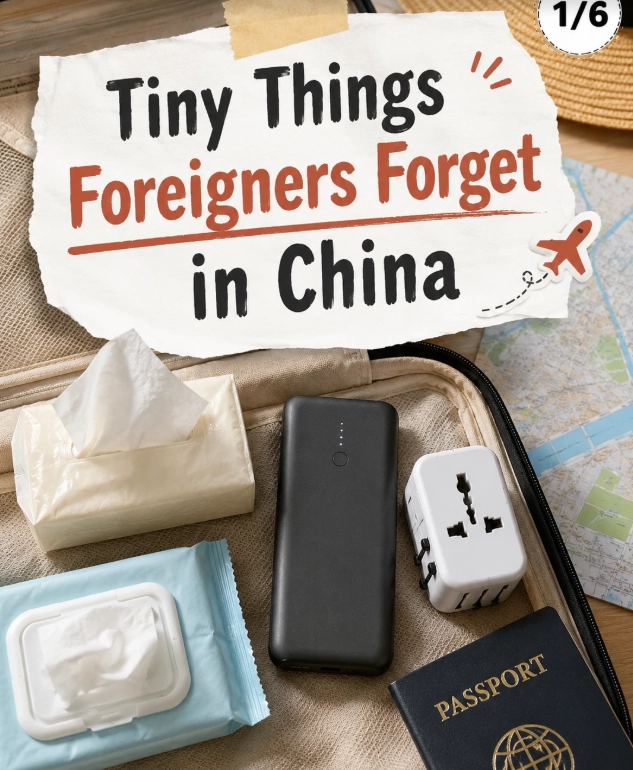
The bottom line: China runs on 220V at 50Hz, and your plug adapter for China travel should be a simple Type A/C combo or a universal adapter. But before you buy, check every charger you plan to bring. Most laptops, phones, and camera batteries happily accept 100–240V. So the fix is cheap, small, and drama-free. Here's the full plan — no fluff, just what I tell my clients before every trip.
What plug adapter for China travel do you actually need?
China uses Type A and Type C sockets, usually combined in one plate — Type A has two flat parallel pins, Type C has two round pins. That means a standard US two-prong plug slides right in. Three-prong US plugs with a round ground pin won't fit Type A or C. UK Type G and Australian Type I plugs need an adapter.
Here's the catch most guides skip: China's “universal” sockets often have loose internal contacts after years of use. In older budget hotels, a heavy adapter can sag. I carry a tiny roll of electrical tape — a two-second wrap around a loose adapter saves you from a night with a dead phone.
Pro Tip: Buy a Type A/C universal adapter with a built-in surge protector, not the flimsy $2 ones from airport kiosks. The cheap ones arc and smell like burning plastic.
Also, note that Hong Kong uses Type G (UK style), and Macau uses Type D/G. If your itinerary crosses those borders, a true universal adapter for China travel covers all bases.
Why voltage matters more than pins
The single biggest mistake foreigners make is assuming a plug adapter for China travel makes their device safe — it doesn't. China's grid supplies 220V. Items like phone chargers and laptop bricks almost always say “Input: 100-240V, 50/60Hz” on the label. Those are fine.
But what about your travel hair dryer, electric toothbrush charger, or curling iron? Many US-market hair tools are 120V only. Plug one in and you'll hear a pop. Either leave it home or bring a proper voltage converter rated for the wattage. A plug adapter for China travel alone won't step down the voltage.
I always tell my clients: pack a dual-voltage travel hair dryer instead of a converter. It's cheaper and lighter than a heavy transformer.
One more subtle trap — high-end hotel bathrooms sometimes have a “shaver only” socket that limits current. Laptops won't charge there.
How to choose an adapter for your specific devices
Count your devices before buying any plug adapter for China travel. A single universal adapter with two USB ports plus one AC outlet usually covers a phone, a tablet, and a laptop. Families with multiple phones should bring a small power strip with a 1.5-meter cord — the cord lets you reach the outlet behind the hotel desk.
Now, the counterfeit issue. No, that $3 charger from a street stall isn't a bargain — it's a fire risk. Buy from a reputable electronics store or Amazon before you fly. And here's a hidden gem for light packers: many Chinese hotels now offer USB charging ports built into the bedside lamp, but those tend to be slow-charging. Keep your fast charger handy.
If you forget everything, don't panic. Any convenience store in a Chinese city sells basic Type A to Type C adapters for around ¥20–30. The quality is hit-or-miss, but it'll get you through the night.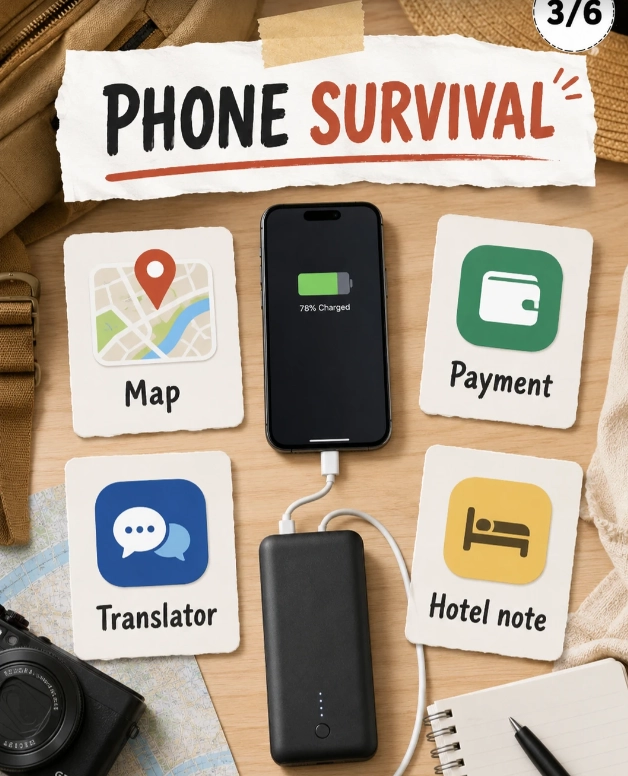
Hotel power tips and the power-strip trick
Walls in Chinese hotel rooms often hide outlets behind the bed or under the desk — bring a small flashlight or use your phone light. Three-prong outlets are rarer than two-prong, so a plug adapter for China travel that converts your grounded plug to a two-prong ungrounded connection is a lifesaver. Just accept the lack of ground; those devices don't rely on it.
I once stayed in a charming courtyard hotel in a historic district where the only outlet was a single Type A socket near the kettle. My power strip saved the day. Now I never travel without one.
For the tech-savvy, a USB-C PD adapter with Chinese plug pins is the most compact solution. It charges a laptop and phone from one socket. I use a 65W model — it's smaller than a deck of cards.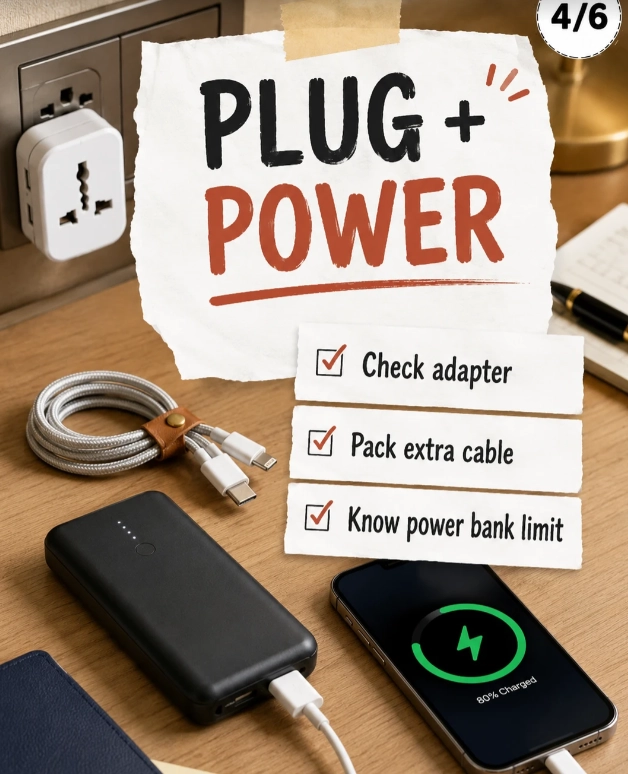
FAQ: Real questions from the road
One last thing about your plug adapter for China travel
Buy it before you board. Airport shops charge three times the normal price. And if you land in Beijing at midnight with a dead phone, your first hour in China becomes a scavenger hunt. Pack the adapter in your carry-on, not checked luggage — batteries and adapters are safer with you anyway.
Got a weird plug? Ask your hotel front desk. Some will lend you an adapter for a small deposit. I've borrowed everything from iPhone cables to socket converters from friendly receptionists in Xi'an and Chengdu. It never hurts to ask.
Verified and fact-checked by the editorial team.







No comments yet.