 Chen Liu
What’s inside my route notebook
Mist. Sharp peaks. A busload of tourists blocking your tripod. I’ve stared at that exact scene more times than I care to admit—and it’s why I never send photographers straight to the famous lookout.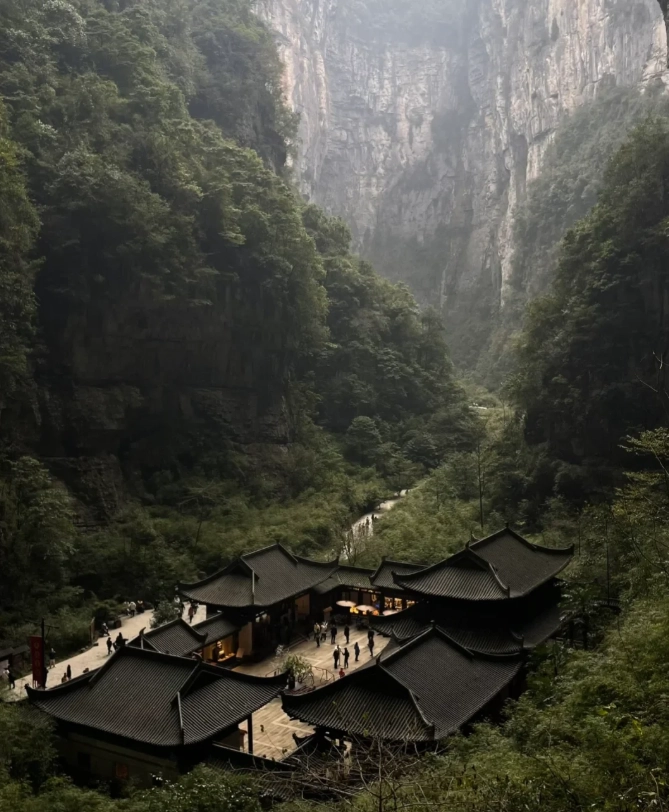
If you booked a southern China karst photography tour route based on the usual blog maps, you’ll likely spend half your day stuck at the same overcrowded platforms. The fix is simple but rarely mentioned: flip the route. Start at the secondary village, not the main viewpoint. I navigated these karst lanes with a 6 kg camera bag last spring—here is the exact order, timing, and booking path that keeps you ahead of the crowd.
The ultimate conclusion up front: shoot the iconic karst bends between 6:00 and 8:30 AM, use Xingping as your first base, and pre-book entry with your passport via Trip.com or the official WeChat mini-program. That single shift changes everything.
Let’s open the route notebook.
Why Route Order Matters More Than Your Lens
Most photographers arrive in Guilin, sleep late, and head to Xianggong Hill at 9 AM. That’s already too late. The karst valley fog burns off fast, and the light turns flat and harsh by mid-morning. I’ve watched tripods get knocked over in the chaos at the top platform—not the peaceful landscape shoot people imagine.
Here’s the non-consensus advice: treat Xingping as your photography base, not Guilin city. Guilin is a transport hub, but the best karst frames sit 40–60 minutes south. Staying in Xingping lets you walk to the river bend before sunrise.
- Best season for fog and reflections: late March to early May, then October. Summer brings heavy haze and sudden downpours.
- Gear reality check: a polarizer helps cut glare on the Li River, but skip ultra-wide lenses—karst peaks compress better at 35–70mm.
- Passport rule: every scenic area ticket requires passport registration. Carry the physical passport, not a photo copy.
Pro Tip: Google Maps is unreliable for the small karst lanes. Use Apple Maps or AMap Global in English, and show your driver the Chinese address written on your hotel booking.
Guilin Base: Arrival, Gear Prep, and the First Golden Hour
Land at Guilin Liangjiang International Airport and take the airport shuttle to Guilin Railway Station—about 45–60 minutes depending on traffic—then transfer by high-speed train to Yangshuo Station. From Yangshuo Station, a taxi to Xingping takes roughly 25–35 minutes and should cost in the 60–90 CNY range; use the official taxi queue, not the drivers calling “hello, photo tour” inside the terminal.
I always tell my clients to skip the first evening shoot. Instead, use that time to buy a local SIM or eSIM, test your VPN, and download offline maps. You will also want Alipay or WeChat Pay linked to your international card before you leave the airport. Cash works at small guesthouses, but ticket offices and cafes mostly expect mobile payment.
If you have only one evening, walk the Guilin city lakes around 5:30 PM for a warm-up. The Two Rivers and Four Lakes area is free, flat, and safe, with plenty of benches to clean your sensor.
Xingping Photography Route: The 6 AM Window
Be at the Xingping river bend by 6:10 AM; the first light hits the karst peaks around 6:25–6:40 AM and lasts maybe 30 minutes. I use a headlamp and walk from the old town guesthouses—about 12–15 minutes on paved lanes, then a short dirt path. There is no official gate fee for the river bend, but a small 20–30 CNY “maintenance fee” is sometimes collected by locals near the bamboo raft dock. Keep small notes ready.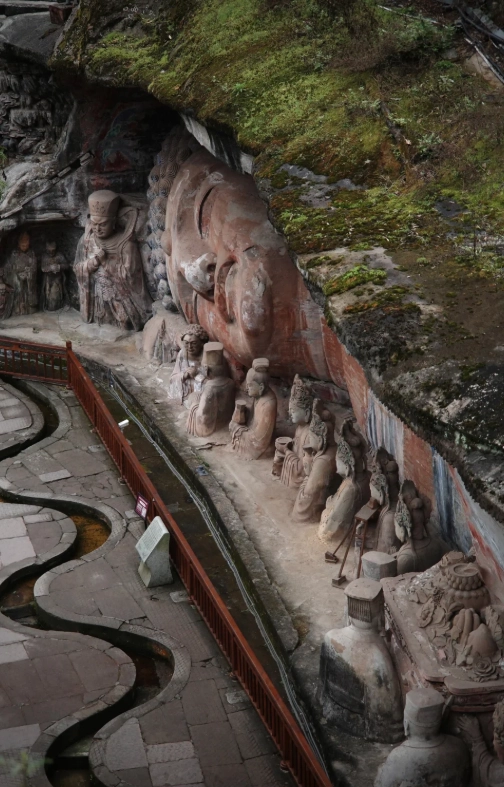
The famous 20-yuan banknote viewpoint sits a few minutes away. Signs are in Chinese, so look for the paved steps behind the small souvenir stalls. By 8:30 AM, tour groups from Yangshuo start flooding in. I’ve seen a line of 30 people waiting for one narrow platform—no thanks.
For the higher angle, hike Xianggong Hill. Entry is typically 60 CNY, and it’s about a 20–30 minute climb. Go the afternoon before just to scout the stairs, then return before sunrise. The top gets windy and crowded; a lightweight tripod with a hook for your bag is safer than a large studio tripod.
What to do when it rains
Rain is not a dealbreaker—actually, wet limestone peaks photograph beautifully if you protect your gear. Pack a rain cover and a microfiber cloth. If the storm is heavy, duck into a local noodle shop near Xingping Old Town for 30–45 minutes. Ask for “beer fish” only if you like bones; I usually order the tomato egg noodles because they’re fast and mild.
Insider Advice: The public toilet near the Xingping ticket office often has a long line—use the guesthouse bathroom before you leave, or carry tissue and hand sanitizer.
Yangshuo Secondary Route: Rice Fields and River Bends
For a second photography route, cycle or hire a driver to the Yulong River area between 4:30 and 6:30 PM, when the light turns golden and the day-trippers head back. The Yulong River is narrower and more intimate than the Li River, with stone bridges and rice paddies that frame karst towers beautifully.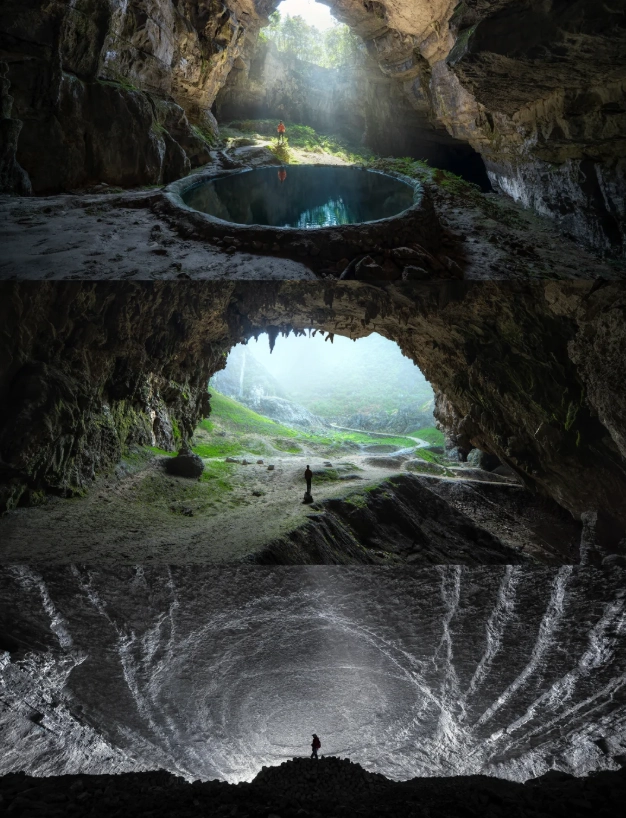
Rent a bike in Yangshuo town for about 30–50 CNY per day, but check the brakes. The lanes are shared with scooters, and I’ve had clients wobble into a ditch because they grabbed a rusty rental without testing it. A private driver for half a day runs roughly 200–300 CNY and is worth it if you carry heavy gear.
Skip the crowded Moon Hill main platform if you want clean frames. Instead, ask your driver to stop near the small bridge at Jiuxian Village. There’s a shaded bend where locals wash vegetables, and the reflections are spectacular after rain. I usually spend 40 minutes there and come away with three or four portfolio shots.
If you have time for a longer photography tour route in southern China karst, add a day trip to the Longji Rice Terraces. The terraces are not karst, but the layered fields against misty mountains are a worthy companion landscape. Tickets are usually around 80 CNY, and the last shuttle up the mountain leaves in the late afternoon—confirm the exact time at the ticket office when you arrive.
Transport and Timing Cheat Sheet
Below is the comparison I wish every photographer had before booking. These are typical ranges, not exact schedules—always confirm with your guesthouse or the official ticketing channel.
| Route Leg | Best Time | Transport | Est. Cost | Key Note |
|---|---|---|---|---|
| Guilin Airport to Guilin Railway Station | Morning arrival | Airport shuttle | 20–30 CNY | Buy ticket at counter |
| Guilin to Yangshuo Station | Before 4 PM | High-speed train | 30–50 CNY | Book via 12306 or Trip.com |
| Yangshuo Station to Xingping | Anytime | Official taxi | 60–90 CNY | Use taxi queue only |
| Xingping river bend to Xianggong Hill | Sunrise | Walk + hike | 60 CNY entry | Headlamp required |
| Yangshuo to Yulong River | 4:30–6:30 PM | Bike or private car | 30–300 CNY | Test bike brakes |
The table covers the boring numbers. What it doesn’t show: the ticket office at Xianggong Hill can be slow when a tour group arrives, so buy your ticket the day before if possible. Also, the high-speed train station in Yangshuo is about 40 minutes from Xingping, so don’t book a train that leaves less than two hours after your planned hike.
For official train schedules and booking, use China Railway 12306. For UNESCO context on the South China Karst, see the UNESCO World Heritage listing. And for current visa and entry policies, always check the National Immigration Administration before you fly.
Karst Photography Questions I Hear Every Week
How do I book karst scenic area tickets as a foreign photographer without a Chinese ID?
Passport registration is the standard, but many WeChat mini-programs only accept Chinese ID numbers. The workaround I use with clients is Trip.com or Klook for the main scenic areas, then show your passport at the gate. For smaller spots, ask your guesthouse to book with your passport details—this is normal and usually quick. Keep a screenshot of the booking confirmation.
Can I pay for taxis and tickets with an international credit card in the karst region?
Rarely. Mobile payment through Alipay or WeChat Pay linked to an international card is the most reliable. Some hotels accept foreign cards, but local ticket offices and noodle shops usually do not. Carry 200–300 CNY in cash as a backup—especially for small maintenance fees and rural taxi drivers.
What is the biggest mistake photographers make on a southern China karst route?
Starting from Guilin city and trying to shoot the iconic bends in the middle of the day. The light is flat, the platforms are packed, and you waste two hours in transit. Base yourself in Xingping, shoot early, and use the afternoon for scouting and backup locations.
Is it safe to hike Xianggong Hill alone before sunrise?
The path is generally safe and well-trodden, but it is unlit. Use a headlamp, tell your guesthouse your plan, and avoid hiking during heavy rain—the stone steps get slick. I’ve done it solo many times without issue, but I always carry a basic first-aid kit and keep my phone charged.
How many days should I give to a karst photography tour route?
Two full shooting days is the minimum for Xingping and the Yulong River. Three days lets you add a rainy-day backup and scout Xianggong Hill properly. If you only have 24 hours, skip Guilin city entirely: train to Yangshuo, taxi to Xingping, shoot the river bend at sunrise, then the Yulong River at dusk.
Verified and fact-checked by the editorial team. Prices, schedules, and entry policies can change; confirm with official ticketing channels or your guesthouse before departure.

No comments yet.