 Jian Zhao
My Quick Map to This Guide
I just got off the phone with a guest who tried to book a Silk Road adventure tour China on his own. He was stuck—literally—at the Dunhuang train station, holding a printed itinerary that fell apart because he didn’t have the right permit. That’s the moment I realized: most advice online misses the brutal, logistical reality of this trip. Forget the romantic camel photos for a second. You need a plan that survives real-world hiccups.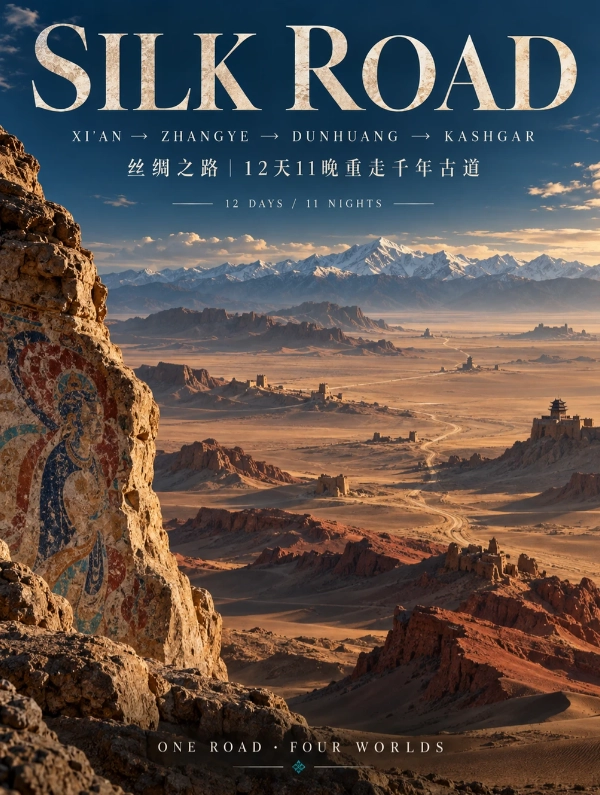
Here’s your first reality check: you cannot just show up and wing it. The Silk Road adventure tour China is a patchwork of high-security zones, limited-ticket sites, and digital booking systems that will break your brain if you try to navigate them alone. This guide is my field manual, built from a decade of leading groups through Gansu and Xinjiang. I’ll give you the exact booking channels, the hour-by-hour timing that works, and the mistakes I see travelers make every single season.
If you have just 60 seconds, here’s the core takeaway: for a first-time Silk Road trip that actually works, focus on Gansu province—fly into Lanzhou, train to Zhangye, then Dunhuang—and book your Mogao Caves tickets the second they release. That’s the bottleneck that ruins trips. The rest flows from there.
Why Most Silk Road Itineraries Are Wrong
I see the same mistake in nearly every itinerary that lands in my inbox. People try to “do” the entire Silk Road in ten days, from Xi’an all the way to Kashgar. That’s a recipe for a vacation that feels like a forced march. You’ll spend half your trip on trains, and the sites that deserve your attention—like the UNESCO-listed Mogao Caves—get a rushed two-hour slot.
Here’s the non-consensus take: the sweet spot for a first Silk Road adventure tour in China is seven days in Gansu province only. Why? Gansu delivers the iconic landscapes (Zhangye Danxia, the Hexi Corridor) and the cultural heavyweights (Mogao Caves, Jiayuguan Pass) without the brutal travel distances of Xinjiang. Xinjiang is spectacular, but save it for a second trip when you have two weeks and can handle the extra permits.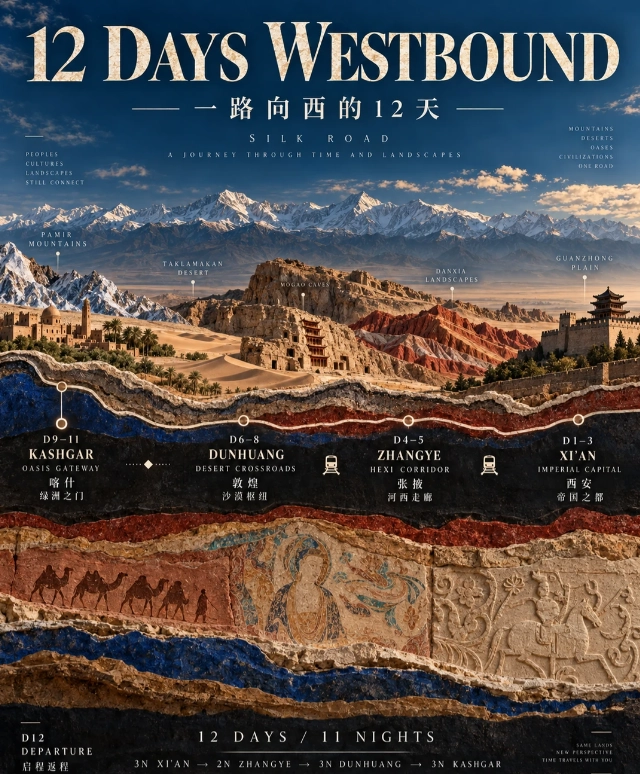
Pro Tip: I always tell my clients to start in Lanzhou, not Xi’an. Flying into Lanzhou is cheaper, and the high-speed train to Zhangye takes just 3.5 hours. Starting in Xi’an adds a day of travel and a train ride that’s over six hours.
The Only 3 Places That Matter for a First-Timer
You can’t see everything. These three stops give you the full Silk Road experience without the burnout.
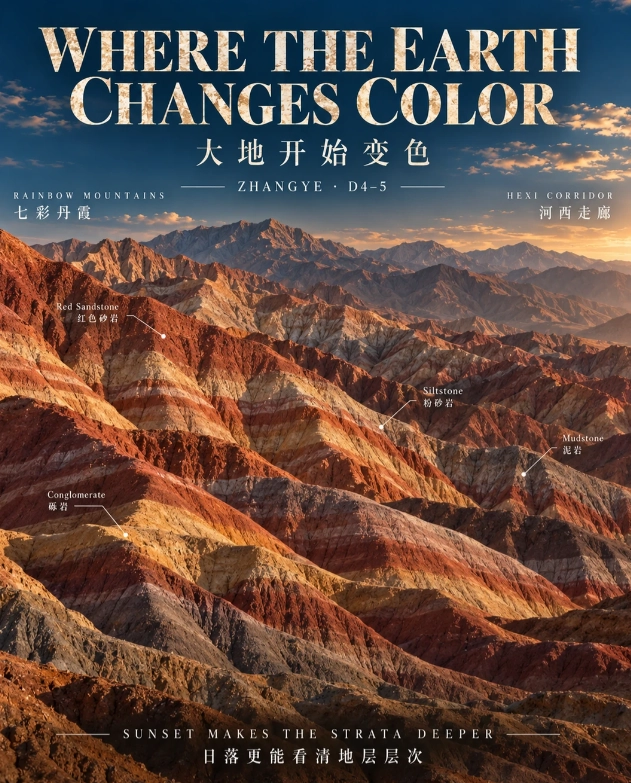
1. Zhangye Danxia National Geopark — Go at 5 PM, Not Noon
The biggest mistake I see is arriving at Danxia at midday. The landscape flattens under harsh light, and the UV will destroy you. The park is open from 6:00 AM to 7:30 PM in summer, with last entry at 7:00 PM. Adult tickets cost around 75 CNY, with discounts for students and free entry for children under 1.2 meters. You don’t need to book far ahead—just use Trip.com or the official WeChat mini-program the day before. But here’s the catch: the ticket includes a shuttle bus between viewpoints, and the line for the bus at the main entrance can be 30 minutes long between 10 AM and 2 PM.
My secret: enter from the West Gate around 4:30 PM. The tour groups are leaving, and the light on the rock formations turns them into layered ribbons of red and orange. The last shuttle back is at 7:00 PM, so you have two solid hours. Getting there: take bus line 4 from Zhangye West Station, which drops you a 10-minute walk from the West Gate. The bus runs every 20 minutes and costs 2 CNY—bring exact change or use your Alipay transport QR code.
2. Mogao Caves, Dunhuang — The Booking Game-Changer
If you only book one thing in advance, make it this. The Mogao Caves release tickets exactly 30 days ahead on their official English booking site and on Trip.com. In peak season (May–October), the morning slots sell out within 10 minutes. I’m not exaggerating—I’ve watched it happen. An adult ticket costs 238 CNY. You must bring your passport, as it’s checked against the ticket name. The standard tour lasts about two hours: a 20-minute film, a shuttle bus to the caves, and a guided walk through 8 caves. The English-speaking guides are excellent, but they rotate groups quickly.
Here is the insider advice: book the 8:30 AM slot. The first groups get the caves before they heat up like ovens. The site is 25 kilometers southeast of Dunhuang city. A taxi from the city center costs about 30 CNY and takes 20 minutes—ask your hotel to write “Mogao Caves” in Chinese for the driver. Do not rely on Google Maps; it will route you to the wrong entrance. Use Apple Maps or ask your hotel to put the Chinese name in your Didi app.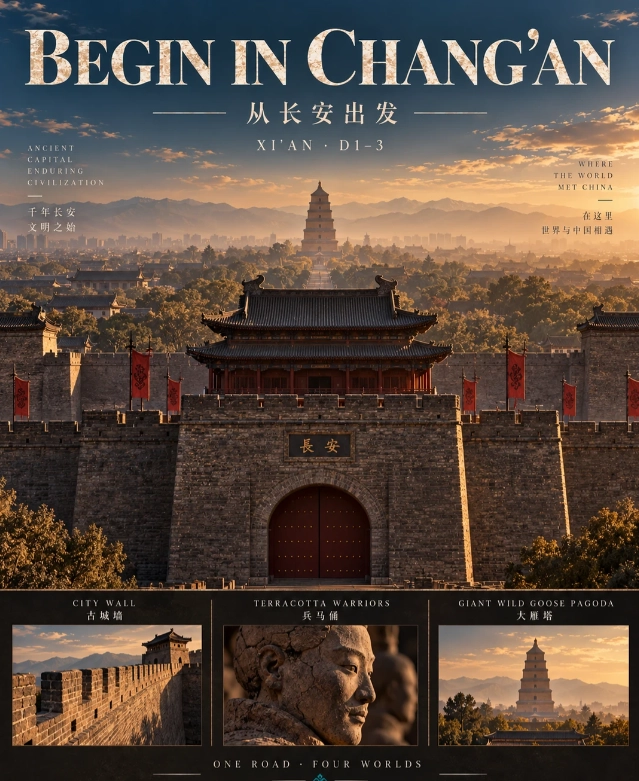
Insider Advice: The security queue at the main gate can be brutal. Skip the line by heading straight to the group entrance on the far right—it’s for pre-booked ticket holders, and the staff there are less overwhelmed.
3. Jiayuguan Pass — The Overlooked Fortress
This is the spot most tours rush through, and it’s a shame. It’s the western end of the Ming Great Wall, and the desert wind at the top of the pass is something you’ll remember. Tickets are 110 CNY, open 8:30 AM to 6:00 PM. It’s rarely sold out, and you can buy tickets at the gate with cash or Alipay. The pass is 6 kilometers from Jiayuguan city—take bus line 4 for 1 CNY, which drops you at the visitor center. I recommend two hours here. The highlight is walking out onto the rammed-earth wall section, which is original and feels like stepping into a history book.
One personal tip: there’s a small museum near the exit that almost no one visits. It has artifacts from the ancient Silk Road trade, and it’s air-conditioned. On a hot day, it’s the best place to cool down before your next stop.
Step-by-Step: How to Book a Silk Road Adventure Tour in China
Here is the exact sequence I use, which saves my clients hours of frustration.
- Step 1: Get your visa first. Apply for a standard tourist visa at your nearest Chinese embassy. The process takes about a week. Check the National Immigration Administration site for the latest policy updates on visa-free transit.
- Step 2: Book train tickets on 12306.cn. The official China Railway app supports English and accepts international credit cards. Download it before you leave home. I always tell people to book the Lanzhou–Zhangye and Zhangye–Dunhuang legs as soon as tickets release 30 days out—these trains fill up fast in summer.
- Step 3: Reserve Mogao Caves tickets. Use the official English booking site or Trip.com. If those are sold out, try the “emergency” ticket line at the site itself—it opens at 8 AM, and they release about 200 tickets per day, but you must be in line by 7:30 AM.
- Step 4: Download a VPN and a translation app. I recommend Apple Translate for its offline mode. You’ll need it to ask for directions and read menus. For maps, Gaode Maps (AMap) has an English version that works better than Google Maps in China.
- Step 5: Set up Alipay with your international card. This is the single most useful thing you can do. Almost every vendor takes Alipay, from the train station to the street food stalls. Cash is still accepted at larger shops, but for the smaller spots, Alipay is king.
What Does a Silk Road Tour Actually Cost?
I get this question on every trip. Here’s a realistic breakdown for a seven-day Gansu itinerary, excluding international flights.
| Expense | Budget | Mid-Range | Comfort |
|---|---|---|---|
| Accommodation per night | 150–250 CNY | 350–500 CNY | 600–900 CNY |
| Train travel (Lanzhou-Zhangye-Dunhuang) | ~250 CNY | ~250 CNY | ~400 CNY (first class) |
| Attraction tickets | ~400 CNY | ~400 CNY | ~450 CNY |
| Food per day | 60–100 CNY | 100–150 CNY | 150–250 CNY |
The mid-range budget of about 4500–6000 CNY for the week is what most of my guests spend. You can save by staying in local guesthouses in Dunhuang, which often have family rooms for 300 CNY and free luggage storage—a big plus if you’re taking a late train.
Silk Road Travel Tips for Foreigners
Let’s talk about the stuff that actually trips people up: the digital wall. Google Maps is useless here. I rely on Apple Maps for walking directions and Gaode for driving. But the translation issue is real—almost no one speaks English outside the hotel front desks.
Here’s a move I teach my clients: screenshot the Chinese name and address of your hotel in a photo. When you get in a taxi, just show the driver the photo. It saves you from the “lost tourist” charade. Also, carry small bills of 10 CNY and 20 CNY for bus fares and street snacks, though most vendors prefer Alipay.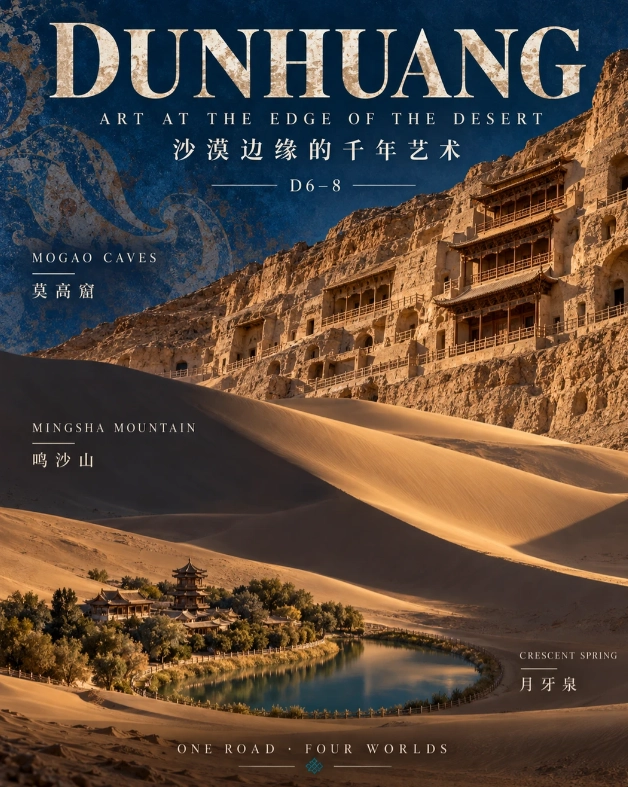
Pro Tip: Some ATM machines at the train stations display an English button, but many don’t. If you need cash, go into the station and look for the Bank of China ATM—they always have an English option. And remember, you can’t pay for train tickets with cash at the counter anymore; it’s app-only or credit card.
No comments yet.