Yumen Pass Overview
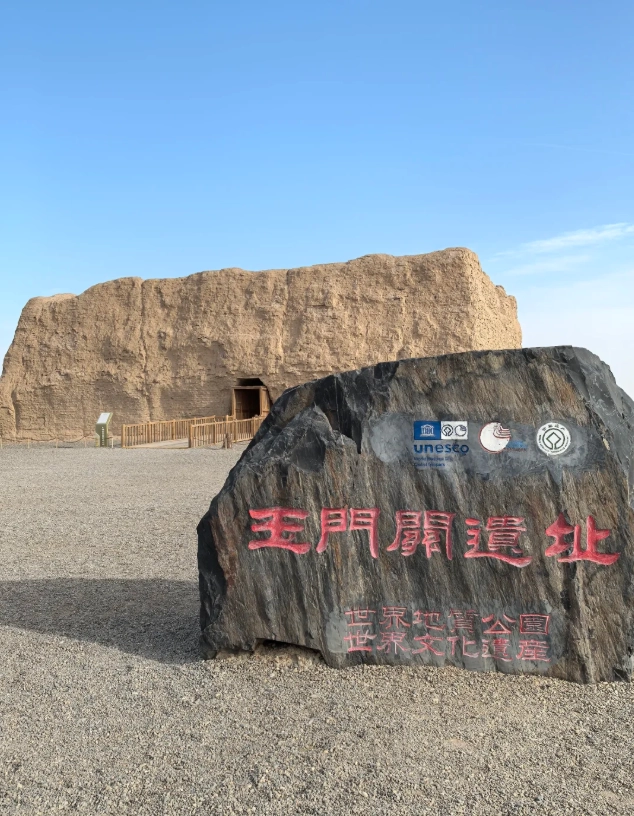
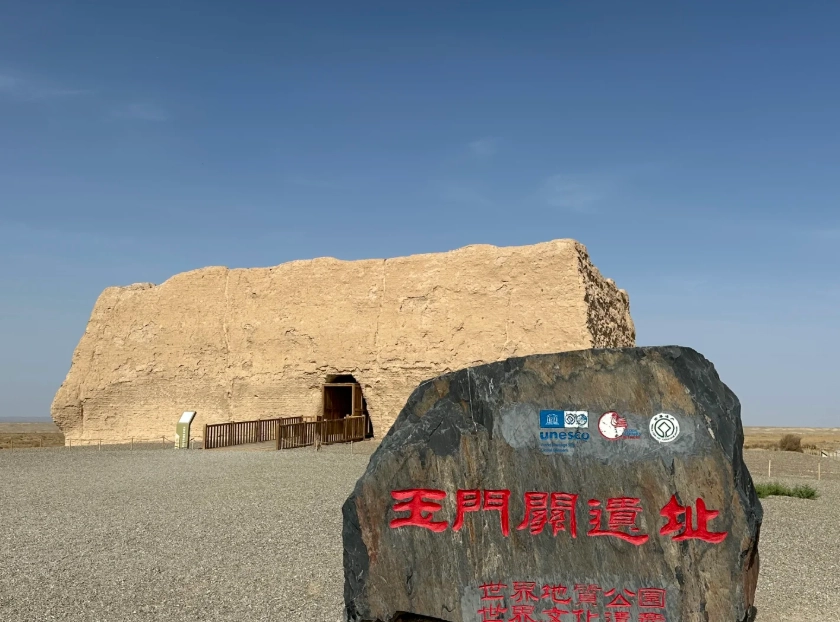
Once the most crucial western military and customs checkpoint of the Han Dynasty along the Silk Road. It is deeply ingrained in Chinese culture and poetry as the lonely edge of civilization before entering the dangerous 'Western Regions'.
Yumen Pass Opening Hours & Tickets
- 07:30–18:30 (Summer); 08:00–17:30 (Winter)
- Best season: September to October. Often visited as a midday stop while en route to the Yardang Geopark.
- Ticket note:
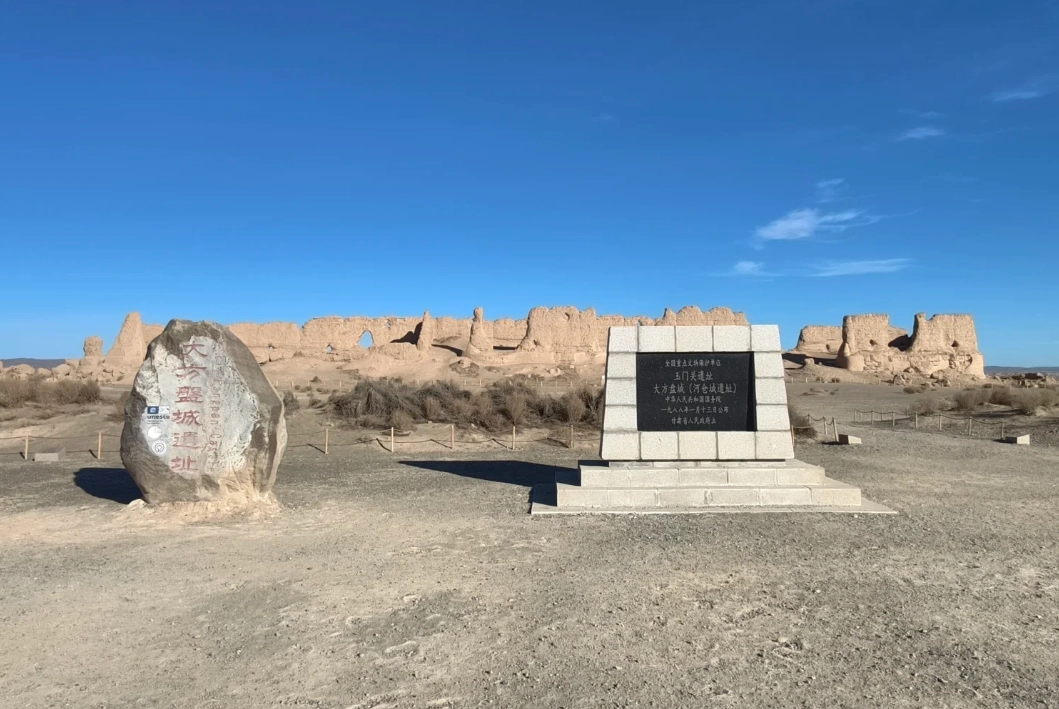
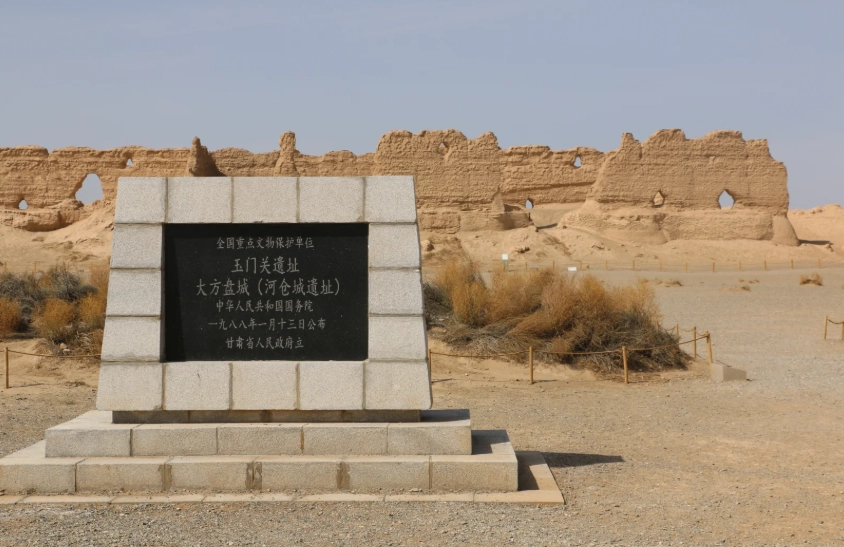
The entrance ticket is a bundle that covers Yumenguan (Small Square City), the R...
Essential Yumen Pass Visitor Information
- Enquiries: +86 937 8835061
- Visitor Center with historical exhibits
- Internal shuttle buses between ruins
- Restrooms
- VR historical experience
How to Get to Yumen Pass
Accessible only by chartered car, taxi, or local tourist bus as part of the Dunhuang 'Western Route' tour.
Yumen Pass Travel Safety & Advice
Dial 120. Medical assistance is available at the main visitor center.
Yumen Pass Travel FAQ
Do I need to book Mogao Caves tickets before I arrive?
Yes, absolutely. During peak season slots run out days ahead. Book via Trip.com or have your hotel call a travel agent. Don't rely on buying at the entrance — it's rarely possible.
Can I use my Visa card to pay for attractions?
Direct credit card payments are almost nonexistent. You'll need Alipay or WeChat Pay linked to your international card. Many tour booths are run by third parties that only accept these digital payments. If you haven't set them up yet, do it before arriving.
Is Dunhuang worth a trip in winter?
If you can handle cold down to -15°C, yes. You'll get the dunes almost to yourself and cheaper hotel rates. But few caves are open due to conservation and the Yadan tours may be canceled. Consider just sticking to the city and museum.
How do I get from Dunhuang Airport to the city center?
There's no metro. Take a taxi for about 50 CNY (30 minutes). Arrange pickup with your hotel if you're arriving late — taxis thin out after 9 PM.
Is Yumen Pass the same as the Great Wall of China?
Not exactly. Yumen Pass was a fortified pass on the Silk Road, not a continuous wall section like Mutianyu. But it is connected to the Han Dynasty Great Wall system, and you'll see remnants of the rammed earth wall nearby. It's a different kind of Great Wall experience — more historical, less touristy.
Can I visit Yumen Pass on my own without a guide?
Technically yes, but I don't recommend it. Without a guide, you miss the stories, the hidden details, and the logistics (getting there without a car is tough). A guided tour is only marginally more expensive than a taxi, and you get so much more.
How long should I spend at Yumen Pass?
1.5 to 2 hours on site is plenty. The site is compact. But allow 4-5 hours total from Dunhuang including travel. If you're on a guided tour, the time is managed for you.
What should I pack for a Yumen Pass guided tour?
Sunscreen, sunglasses, a hat, comfortable walking shoes, a light jacket (it gets windy), and at least 1 liter of water. The desert wind can kick up sand — a scarf or buff helps. Also bring your passport for the ticket check.
Is there any food at Yumen Pass?
A small kiosk near the parking lot sells bottled water, instant noodles, and watermelon in season. But it's basic and expensive. Eat a proper lunch before you go, or bring snacks. I always pack some dried apricots and nuts for my groups.
Can I buy Yumen Pass tickets on the same day at the gate?
Technically yes, but only a few paper tickets are reserved for walk-ins. During peak season (May-Oct), they are gone by 10 AM. Pre-book online or through your hotel to avoid wasting a 3-hour drive round trip.

Recent Reviews
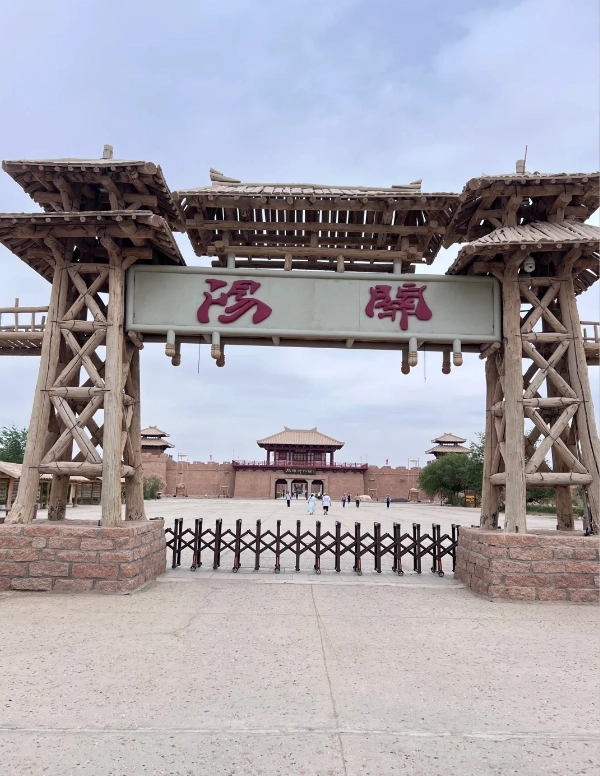
I'm still thinking about Yumen Pass days later. It's not a polished attraction — no gift shops or flashy centres, just an ancient military post and the raw Gobi around it. Standing on that dusty ground, with the wind biting your face, you can't help but imagine the soldiers and merchants who passed through over 2,000 years ago. The entrance fee felt reasonable for the historical weight, and the drive in was part of the adventure. If you're into offbeat stops with soul, don't miss it. Easily a 5/5.
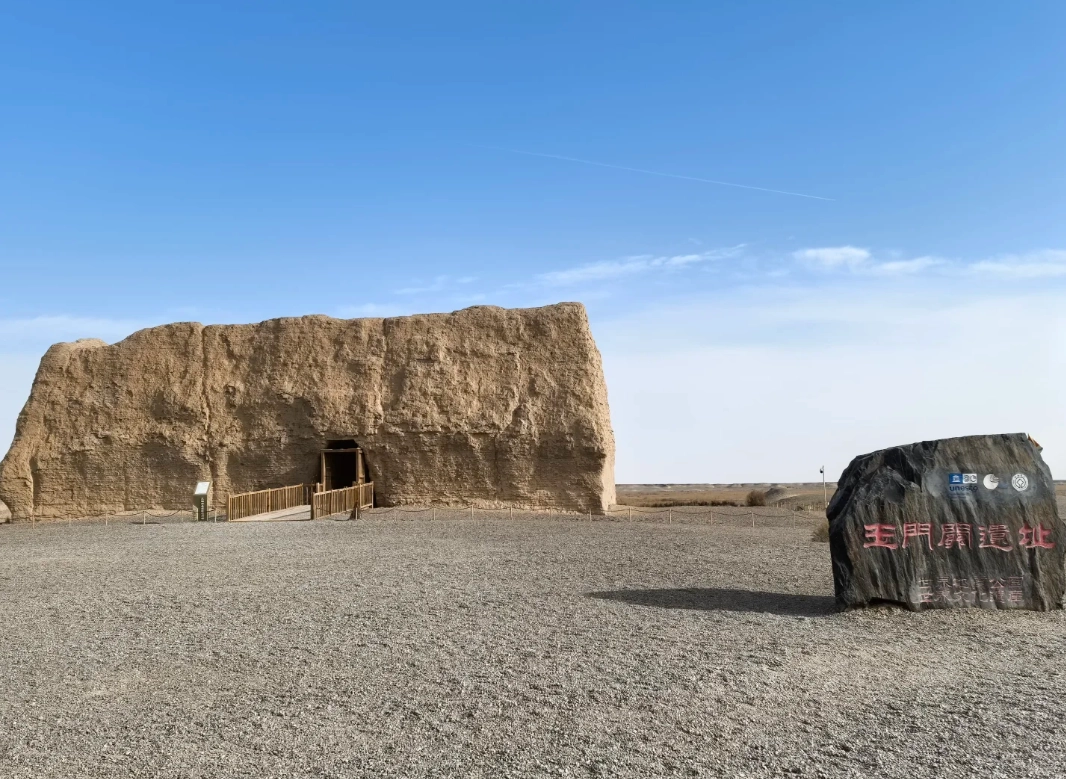
This is one of those places where you can actually feel the history under your feet. The remnants of the old beacon tower and the yellowish rammed-earth fort don't look like much on arrival, but put it in context — this was the gate to western China, to the Silk Road, to it all. I stayed longer than I expected, just staring at the haze on the horizon. It’s desolate, honest and unforgettable. Tip: bring a scarf or buff for the wind and go at sunset. Absolutely loved it.
We arrived late afternoon and had the place almost to ourselves. There’s something absolutely haunting about this lonely fort rising out of the grey-gold desert. The wind howled, the dry air smelled of dust and centuries, and I stood by the remaining wall just staring out at the emptiness where the Silk Road once ran. Our guide told us about the passports and ceremony before entering the Western Regions, and it gave me goosebumps. Worth the long bumpy road from Dunhuang. A five-star moment if you love history and vast, lonely landscapes.
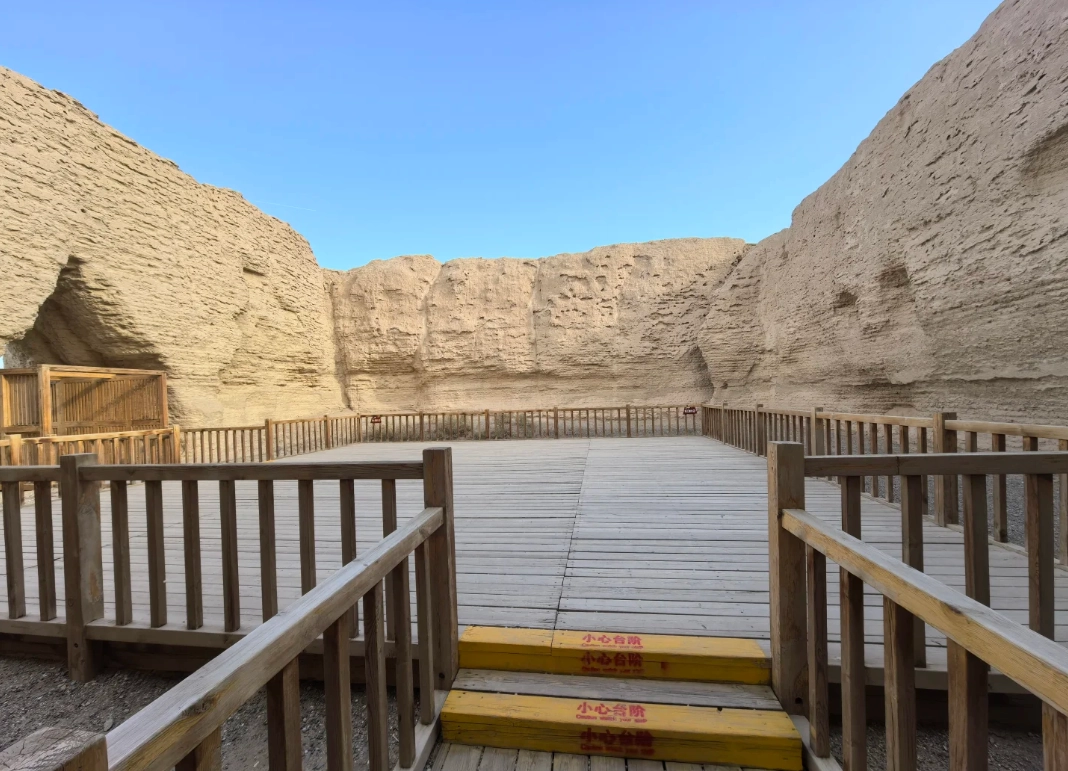
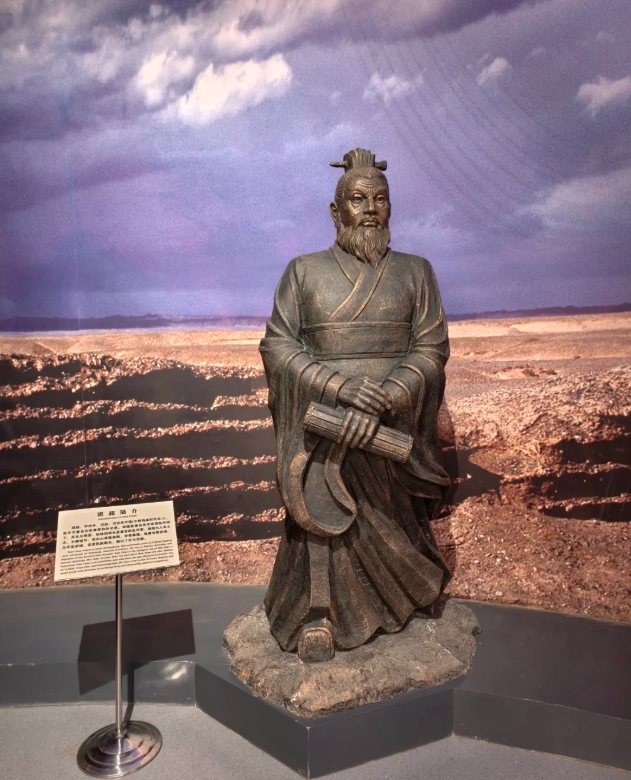
Yumen Pass isn't about grand ruins; it's about standing somewhere that was once the gateway to the Silk Road. The site itself is small and exposed, and the wind is relentless, but the solitude is powerful. I liked the little inside displays and the view of the Gobi stretching out forever. It could use better signage and shade, but walking along the old rammed-earth wall made me feel connected to the traders who passed here. Not for everyone, but a cool stop if you're in the Dunhuang area.
Honestly, I was expecting more than a crumbling earth fort in the middle of nowhere. The drive from Dunhuang is long and the entrance feels steep for what's inside. There's a small museum and you can climb the ramparts, but the wind whips through you and there’s barely any shade. I get the historical significance, but after 30 minutes I was ready to head back. If you're not a hardcore history buff, this is a stop you can probably skip.
Hmm, this one was a bit of a mixed experience. The location is extremely remote—about 90 minutes from Dunhuang over a bumpy road, and once you get there you basically see a few ruined walls in the desert. The ticket price felt high for what is physically there. Maybe I was expecting more interpretation? The signposts are minimal and there isn't much to do. I get the historical importance, but I wish I'd spent the extra time at the Mogao Caves instead. The wind and dust didn't help either.
Good stop if you're doing the western corridor tour. Yumen Pass is more about what it represents than the actual ruins, which are just a large mound of stamped earth. We had a knowledgeable local driver who made the history come alive. The wind was brutal though, and there isn't any visitor centre with decent explanations, so I enjoyed it for about 45 minutes then was ready to leave. Worth seeing, but don't expect a full-day destination.
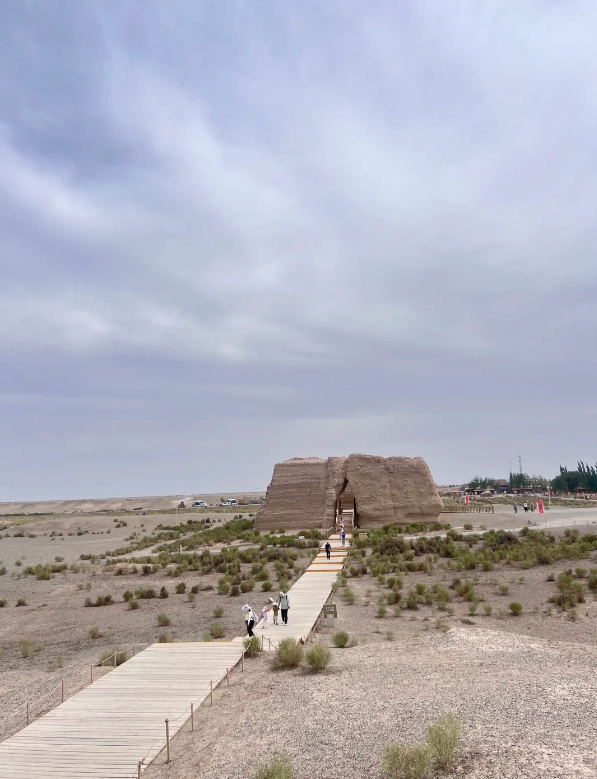
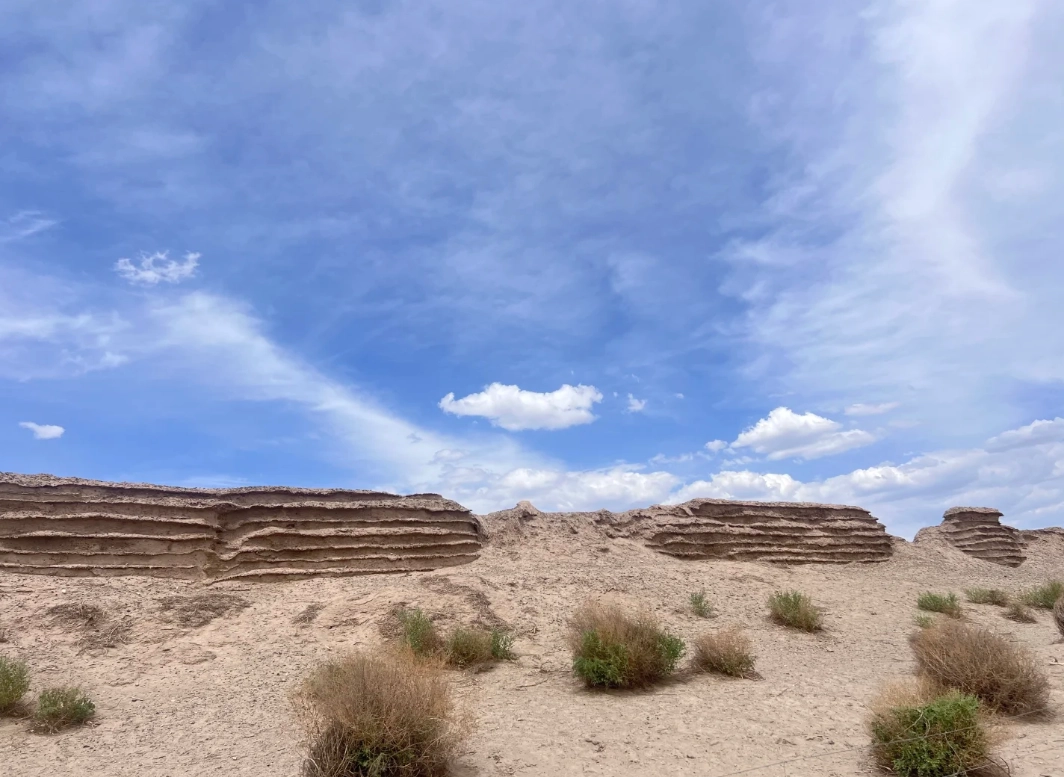
I came expecting a quick photo stop, but ended up staying over an hour. The contrast between the harsh gobi and the old ruined ramparts is stunning. No shade, so go prepared. I got some beautiful shots of the wavy sand lines and the pass with the mountains behind. Love that they just let the ruin sit there, no fake reconstruction—it feels authentic. Definitely one of the highlights of my Gansu trip.
Maybe I got lucky with the weather, but the drive out from Dunhuang was already gorgeous—endless desert, then this lonely garrison appeared out of flatness. Our guide told us about Xuanzang and the Silk Road, and suddenly the crumbling walls felt like a story you can almost touch. It's not a Disney-style attraction; it asks you to imagine. For me, that absolutely worked. Recommended for history buffs rather than people who want exhibits.
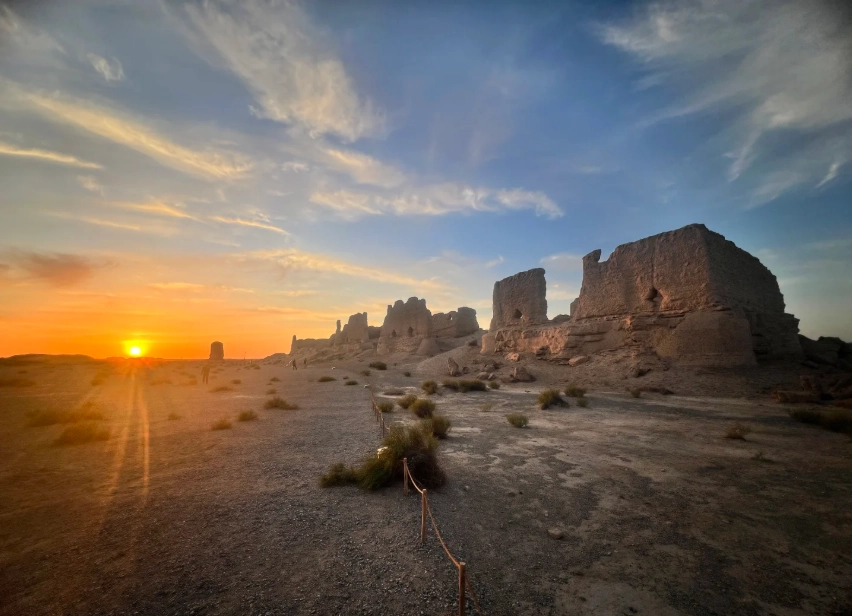
Standing at Yumen Pass actually gave me chills. The site itself is unassuming—just a rammed-earth fort stuck in the middle of the Gobi—but knowing this was the gateway between Central Asia and ancient China made it feel huge. We arrived near sunset. Wind was fierce, sand stung a bit, but the sky turned apricot and the silence was total. If you can get past the 'there's not much here' feeling, it's one of the most atmospheric places I've ever visited. Bring water and sunglasses.
Stopping here was a dream come true. I’ve read about the Jade Gate since I was a kid, and finally seeing it in person gave me goosebumps. It’s not much to look at size-wise, but the location is everything—endless desert stretching in every direction. We arrived early and had the place almost to ourselves. The ticket includes a shuttle from the parking lot. If you’re on the Silk Road, don’t skip this. Five stars, easy.
Wow. Just wow. You can feel the weight of history at Yumen Pass. Our guide told us stories about the couriers and traders who risked everything to cross this barren land. The silence is deafening, broken only by the wind. We saw a desert fox dart between the walls! Bring water and a hat—it was 42°C when we were there. But absolutely unforgettable. One of the highlights of our Gansu trip. A must-see.
Fascinating historical site! Yumen Pass is incredibly remote, which adds to the atmosphere. The ruins are small but significant—imagine ancient merchants passing through here centuries ago. There’s a small museum with artifacts and explanations in English and Chinese. We went at sunset and the colors were unreal. Only downside: the facilities are basic (just a pit toilet), so plan ahead. Well worth a visit if you’re into history or photography.
Honestly, I was a bit underwhelmed. Yumen Pass is just a crumbling square of adobe in the middle of nowhere. The wind was so strong I could barely stand, and there’s almost no shade. You need a car to get here, and the entrance fee felt steep for what you actually see. The history is cool, but if you’re not a hardcore Silk Road nerd, you might feel like it’s a long drive for a pile of mud. We spent maybe 15 minutes there.
I’ve always wanted to see this legendary pass, and it did not disappoint. The wind howling through the old ruins gave me chills—literally. Standing there with nothing but sand and sky made me feel so small. The empty fortress is hauntingly beautiful. Definitely hire a guide if you can; our driver pointed out camel tracks that were hundreds of years old. A perfect day trip from Dunhuang. Rating: 5/5, no question.
Pulled up to Yumen Pass after a bumpy gravel road – totally worth it! This place gives you the real desert frontier vibe. The square fortress is small but iconic. What got me was the silence. Dead silent except for the wind. You can almost hear the echoes of camels and traders from two millennia ago. No souvenir shops, no flashy attractions – just raw history. I'm giving it a 5 because it's exactly what I hoped for: authentic, remote, and deeply moving. Would recommend combining it with the Great Wall at Jiayuguan for a full day trip.
Yumen Pass is often overlooked by tourists who only go to Mogao Caves, but it's absolutely worth the hour-long drive. I'm a huge fan of the Silk Road and this spot did not disappoint. The ruins are well-preserved considering their age, and you can see the old beacon tower nearby. I loved how quiet it was – just the wind whistling through the cracks. One tip: go early in the morning to beat the heat and the tour groups. I spent a good hour just walking around and taking photos. Truly a bucket-list place.
Absolutely magical! I visited Yumen Pass at sunset and it was one of the most surreal moments of my life. The golden light hitting the weathered earth walls, the vast emptiness stretching in every direction – I felt like I had stepped into a history book. No crowds, no noise, just pure timelessness. The staff were friendly and the entrance fee was reasonable. If you're in Dunhuang, don't skip this. It's remote, yes, but that's exactly why it's so powerful. Five stars without hesitation.
Quite an experience driving out here from Dunhuang. The landscape changes dramatically – from green oasis to nothing but golden sand and jagged rocks. Arriving at Yumen Pass, you can almost imagine ancient caravans passing through. The small museum on site does a decent job explaining the history, though the displays are a bit dusty. I gave it 4 stars because the wind was brutal and there weren't enough informational signs in English. Still, if you love the Silk Road history, it's a must-see. Bring water and a hat!
Yumen Pass is one of those places where you really feel the weight of history. Standing there in the middle of an endless desert, with nothing but wind and silence, it's almost eerie. The ruins themselves are minimal – just a square walled compound – but the atmosphere is unmatched. However, I was a bit disappointed by how rushed the visit felt. Our guide gave us barely 20 minutes before calling us back to the bus. For such a significant site, I wish we could have lingered longer. Also there's almost no shade and the ticket price feels a bit steep for what you actually see.
Yumen Pass exceeded all my expectations. I'd read mixed reviews but the stark beauty of this place is unforgettable. Our guide told us stories about the caravans and soldiers that passed through, and I could almost hear the camel bells in the wind. The preservation is minimal, which I appreciate—it feels raw and real. Highly recommend combining it with the nearby Great Wall ruins for a full day trip.
If you're into off-the-beaten-path history, Yumen Pass delivers big time. The sense of isolation and timelessness is incredible—I just sat there for an hour staring at the horizon. No crowds, no souvenir shops, just pure desert and history. The road getting there is rough but that adds to the adventure. Five stars for authenticity and atmosphere.
Standing at Yumen Pass gave me chills—in a good way. This is the real deal: a 2,000-year-old gateway to the Silk Road. I came at sunset and the golden light on the rammed earth was magical. The small exhibition has some fascinating artifacts and a good overview of the history. Absolutely worth the drive from Dunhuang. A must-see for anyone interested in ancient trade routes!
I enjoyed the raw, desolate atmosphere of Yumen Pass—it really makes you imagine what it was like for ancient travelers. The site itself is small and there's not a ton of interpretation, but the surrounding Gobi landscape is striking. I gave it 4 stars because the staff could have been more helpful about the walking route, and there's zero shade, so bring lots of water.
Honestly, Yumen Pass was a bit underwhelming. The historical significance is huge, but there's really not much to see—just a crumbling old gate in the middle of nowhere. The wind was relentless and kicked up so much dust I could barely keep my eyes open. The entrance fee felt steep for what you get, and the tiny museum was closed when I visited. If you're not a hardcore history buff, you might want to skip it.
Hands down one of the best photography spots in all of China! The golden hour light hitting the weathered walls and the vast, empty landscape is pure magic. I captured incredible silhouettes and long shadows. The contrast between the blue sky and the warm earth tones is dreamy. Only downside: a sudden dust storm almost ruined my gear, so bring a protective filter. But the raw, wild beauty is totally worth it. Five stars for the visuals alone!
Honestly, a bit let down. After two hours of driving through flat desert, you arrive at what is essentially a big pile of dirt with a ticket booth. The wind is relentless, sand gets everywhere, and there's almost no shade. The 'pass' itself is just a low, eroded wall. The museum is tiny and poorly maintained. For the price, you'd expect at least a decent walking path or some informational panels. Unless you're a hardcore archaeology nerd, I'd skip it.
As someone who dreams of the Silk Road, this was a pilgrimage. The Yumen Pass is a symbol of China's ancient frontier — the isolation, the harsh climate, the stories of adventure and conflict. The Great Wall remnants nearby are a bonus. I spent an hour just sitting on the rammed earth, imagining the past. Very well preserved considering the elements. If you love history, this is worth every mile of the bumpy road. 5/5 without a doubt!
A solid 4 stars — it's a must-see for history buffs, but be prepared for a long drive from Dunhuang. The site itself is smaller than I imagined, and the lack of detailed English signage made it a bit hard to fully appreciate. That said, standing on the same ground where traders and soldiers once passed felt surreal. The wind howling through the ruins adds to the atmosphere. Just wish the ticket price included a better audio guide.
Absolutely breathtaking! Standing at the Yumen Pass, you can almost hear the echoes of ancient caravans. The stark, endless Gobi stretching to the horizon and the crumbling walls against a fiery sunset gave me chills. It's remote, dusty, and windswept — exactly what makes it so authentic. Bring tons of water and sunscreen, and hire a guide to really understand its history. One of the most unforgettable places I've ever visited.
Leave a Review