Mogao Caves Overview
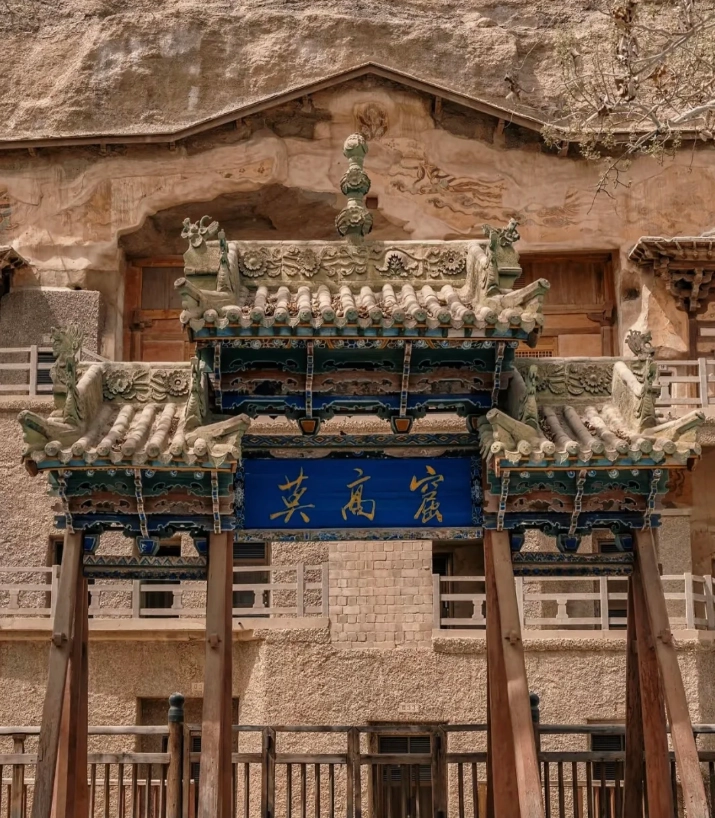
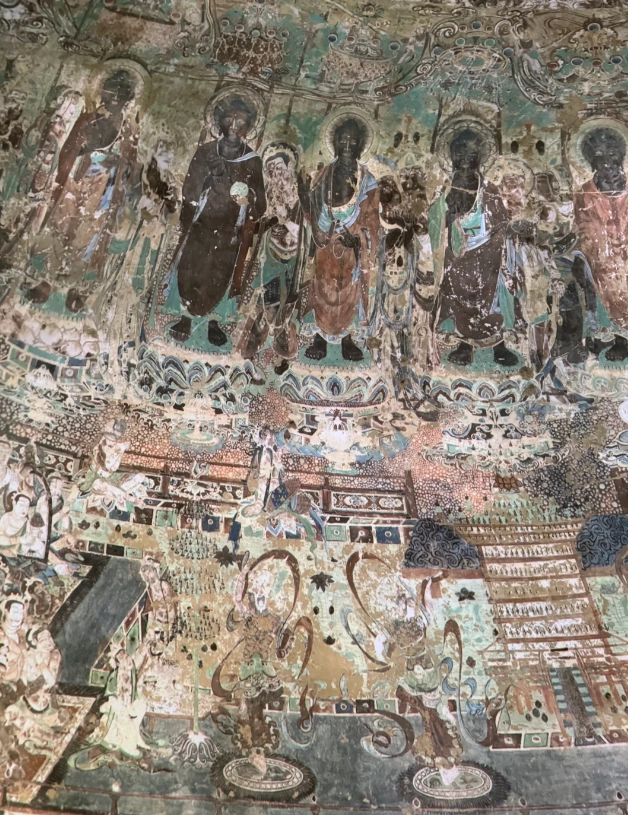
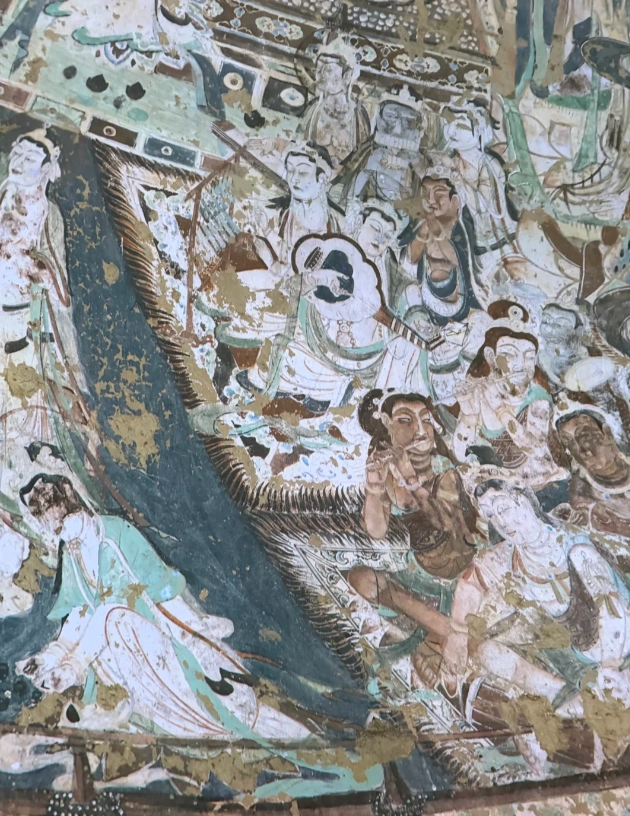
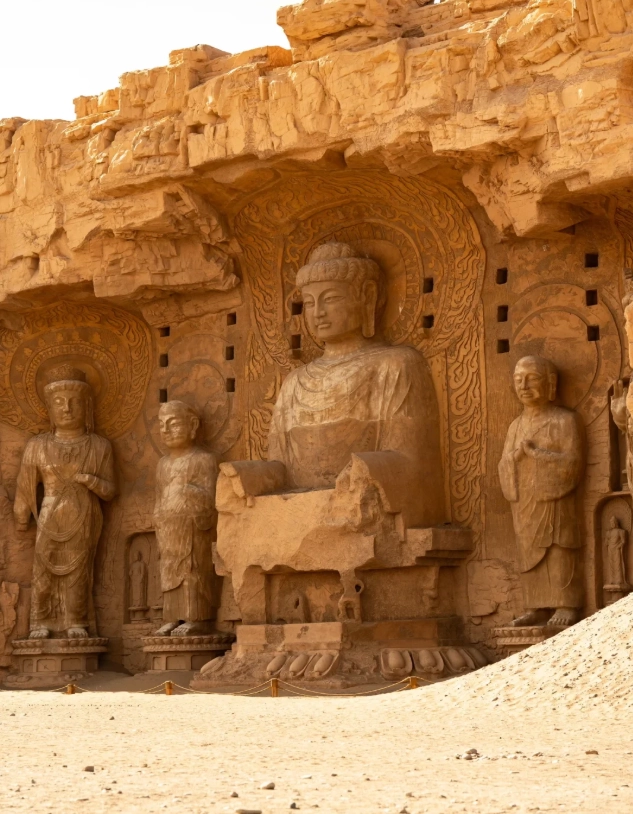
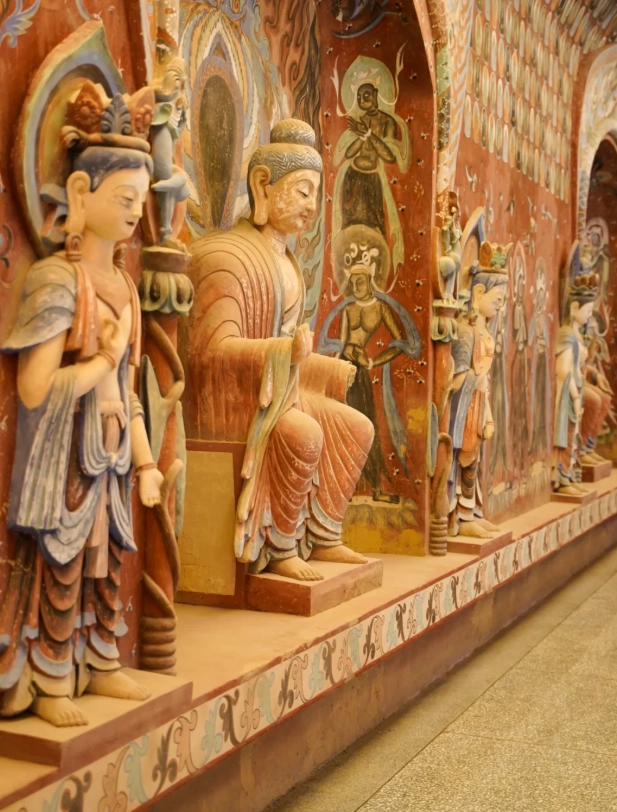
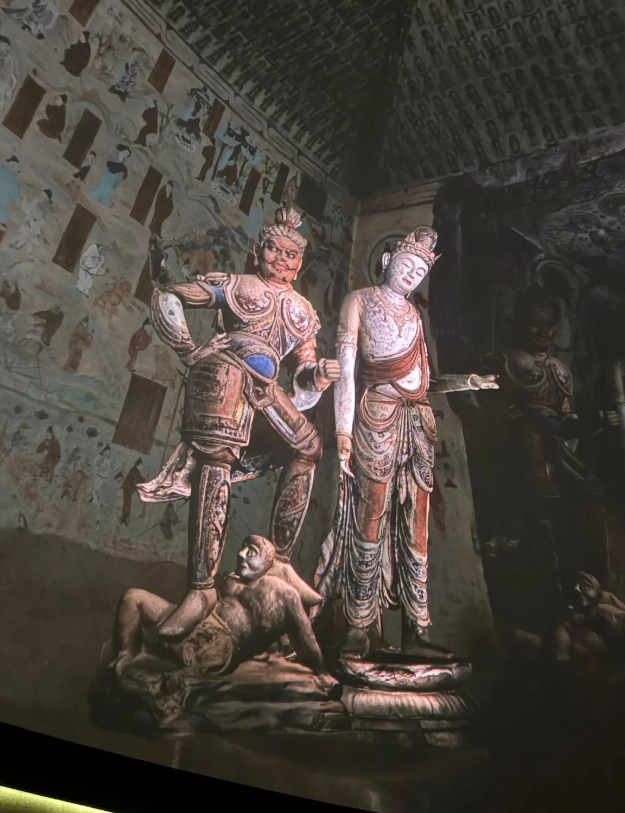
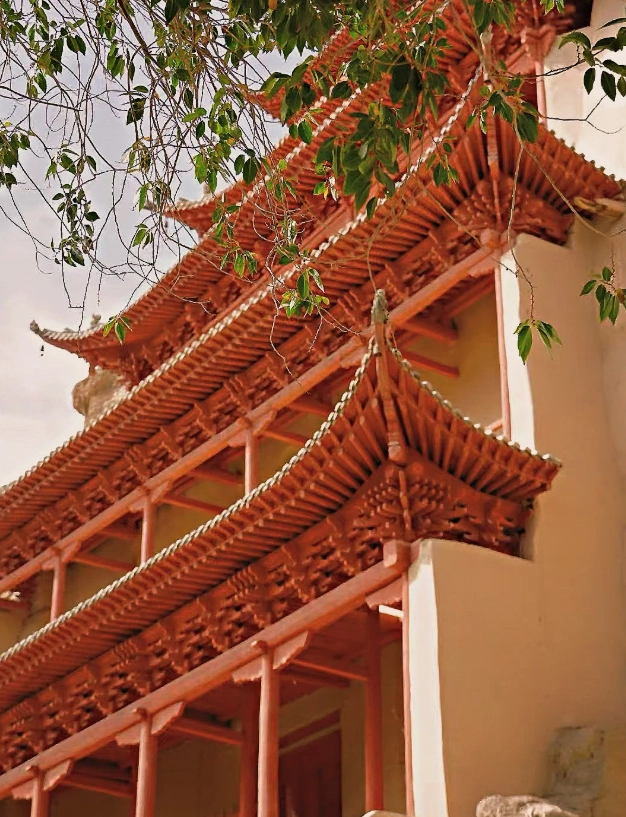
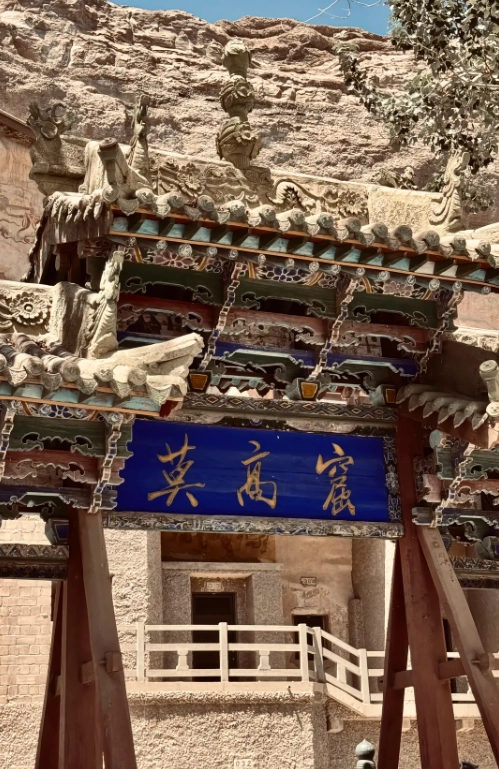
A UNESCO World Heritage site and the absolute pinnacle of Buddhist art. Spanning a millennium of continuous creation along the ancient Silk Road, this massive complex of cliffside grottoes houses some of the world's finest Buddhist murals and stucco sculptures.
Mogao Caves Opening Hours & Tickets
- 08:00–18:00 (Peak season); 09:00–17:30 (Off-peak season)
- Best season: May or September to October. Avoid the extreme heat of July and August, as well as the massive crowds during Chinese national holidays.
- Ticket note:
Foreign visitors must book tickets utilizing their passport information on the o...
Essential Mogao Caves Visitor Information
- Enquiries: +86 937 8869060
- Digital Exhibition Center (dome theater)
- Free shuttle buses from the exhibition center to the caves
- English-speaking official guides
- Baggage storage
- Museum and gift shop
How to Get to Mogao Caves
Take a taxi or the green local minibus directly to the Mogao Caves Digital Exhibition Center near the railway station. From there, the mandatory official shuttle bus takes you to the actual grottoes.
Mogao Caves Travel Safety & Advice
Dial 120. Medical staff are stationed near the main entrance of the cave complex.
Mogao Caves Travel FAQ
Can I buy Mogao Caves tickets on arrival?
Almost always no. The daily cap is 6,000, and in summer they sell out 2-3 days in advance. Your best bet is to book via Trip.com or the official WeChat mini-program as soon as your travel dates are fixed.
What's the best season to visit Gansu without crowds?
May, June, and September are sweet spots. July and August are peak season — prices skyrocket and attractions are packed. I've seen traffic jams in Dunhuang that would rival Beijing. Go in early October if you want autumn colors, but bring warm layers.
Is it easy to pay with cash in Gansu?
Cash is legal but extremely inconvenient. Many small vendors won't give change for large notes, and some hatches simply point to their QR code. Set up Alipay with your international card — it's the only way to move smoothly.
How long does it take to travel between Lanzhou and Dunhuang?
The high-speed train now takes about 8-9 hours, which sounds long but it's comfortable. A faster option is the overnight sleeper train (about 12 hours) where you can sleep and save a hotel night. Flights take 1.5 hours but can be expensive.
Do I need a VPN to access Google in Gansu?
Yes, the Great Firewall blocks Google, Facebook, Instagram, and many others. Install a reliable VPN on all your devices before landing in China. Without it, you'll feel like you've time-traveled to the mid-2000s.
Are the attractions in Gansu accessible with a stroller?
Most major sights, like Jiayuguan Fortress and Zhangye Danxia, have flat boardwalks and are stroller-friendly. However, for Mogao Caves, the shuttle buses require folded strollers, but you'll need to climb stairs in each cave. For Bingling Temple, the many steps make a carrier essential. In general, bring a lightweight stroller that folds easily, and expect to be on your feet a lot.
Is it safe to let my kids drink the local water?
Tap water in Gansu isn't drinkable for anyone. Always use bottled water for drinking and brushing teeth (buy it in bulk from local supermarkets). For food, only eat at establishments that look busy and freshly serve everything. If you have toddlers, consider a portable water purifier.
Do I need to book everything in advance for a Gansu family trip?
Yes, but only the big-ticket items. Mogao Caves require a reservation at least 2-3 days ahead; Yadan Geopark can be booked the day before. For popular hotels in Dunhuang and Zhangye, book at least a week ahead during school holidays. For everything else, you can buy tickets on the spot, but you'll save time by pre-booking through Trip.com or your hotel.
Are there any child-friendly hotels with pools in Gansu?
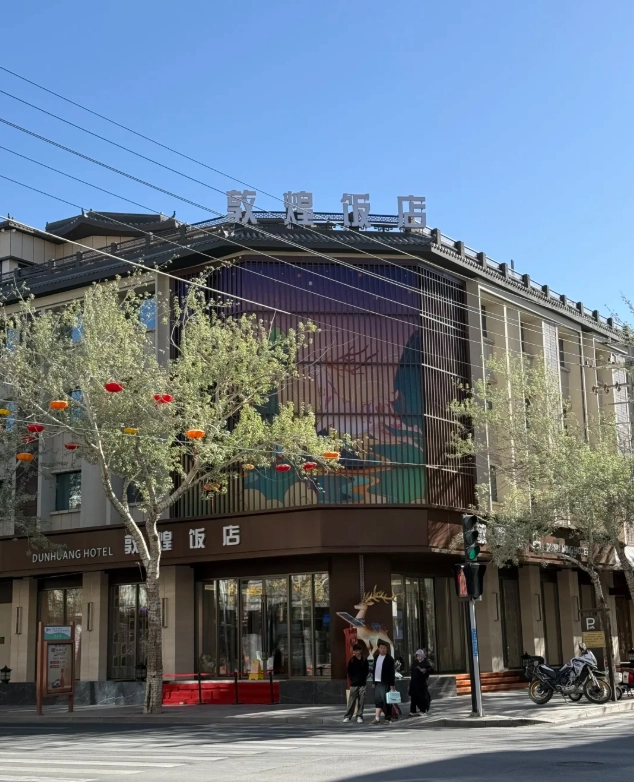
Lanzhou has several international hotels with pools, like the Crowne Plaza and the Four Points. Zhangye and Dunhuang have limited options; the hotels there don't have pools but often have lovely courtyards or roof decks. My top pick for Dunhuang is the Dunhuang Silk Road Dunhuang Hotel, which has a nice pool and a kids' entertainment room.
Is Gansu safe for solo travelers, especially at night?
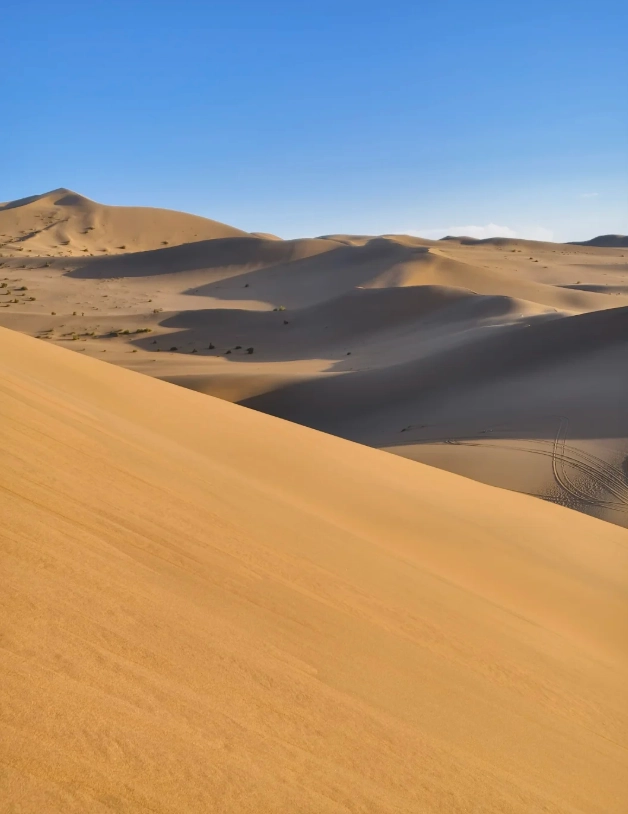
Yes, Gansu is very safe. Compared to Western countries, violent crime is rare. Petty theft can happen in crowded markets, so keep your phone in your front pocket. Solo female travelers are common, and locals are often friendly—but always exercise standard caution. If you're hiking the dunes, don't go alone; stick to established paths.
Recent Reviews
Really enjoyed the visit! The site is well-organized with English audio guides that explain the history and iconography clearly. I was amazed by the Library Cave story — how thousands of ancient manuscripts were hidden for centuries. The surrounding desert landscape adds to the mystique. The only downside was the long queue under the scorching sun; they could add more shade. Overall, a fascinating and worthwhile experience.
Cool place with amazing history, but I left a bit underwhelmed. The caves we saw were beautiful, but the experience felt very controlled and short. You're herded through about 8 caves in under an hour, and the best caves are always locked unless you pay extra for a special ticket. Also, the lighting inside makes it hard to see details. For the hefty entrance fee, I expected a bit more access or at least better signage. Good, but not mind-blowing.
The Mogao Caves are an artistic treasure that no photo can truly capture. We had a very informative guide who explained the Silk Road context and the mix of cultures in the artwork. The conservation efforts are impressive — they even use special lighting to avoid damaging the pigments. My only wish is that we had more time in the caves; 8 caves in one hour felt rushed. Still, an unforgettable cultural deep dive.
A truly humbling experience. Standing inside those ancient caves, staring at the intricate Buddhist sculptures and faded paintings, you can feel the weight of centuries. I loved that they limit the number of visitors to protect the site — it made the tour feel intimate. Only minor complaint: the ticketing process was a bit chaotic, but the silent awe inside the caves more than made up for it.
Absolutely breathtaking! The sheer scale of the art and history here is mind-blowing. Our guide, Ms. Li, was incredibly knowledgeable and passionate, bringing each cave to life with vivid stories. The colors on the murals are still so vibrant after a thousand years. A must-see for anyone visiting China — worth every penny and every step in the desert heat.
My third time visiting, and it still gives me chills. The way the sunlight hits the cave entrances, the smell of ancient dust, and the quiet reverence inside—it’s a spiritual experience. The digital exhibition center before the actual caves is a great introduction. I brought my kids (12 and 14) and even they were fascinated. Cannot recommend enough.
Wow, just wow. The detail in the Cave 323’s murals is insane—colors still vibrant after a thousand years. The staff were knowledgeable and passionate. I especially loved the story about the Library Cave and the Dunhuang manuscripts. If you’re into art, religion, or history, this place will blow your mind. Pro tip: book the first morning slot to avoid crowds.
I had high expectations, but honestly, I left a little disappointed. The ticketing process was chaotic (long queue even with online booking), and the assigned guide spoke in a monotone that made the history feel dry. Also, the caves open to the public are a small fraction of the total, and some were closed for restoration. If you’ve seen one or two, they start to feel repetitive. Not bad, but not as magical as I’d hoped.
Very impressive site overall, but I felt the tour was a bit rushed. We only saw about 8 caves in 90 minutes, and I would have loved more time to soak in the details. The lighting is dim inside (which I understand for preservation), but it made some paintings hard to see. Still, the scale and history are amazing—four stars from me.
Absolutely breathtaking! The murals and statues inside the caves are incredibly preserved, and the guided tour gave so much context about the Silk Road history. I was moved by the ancient artistry. Definitely a once-in-a-lifetime experience. Bring water and wear comfortable shoes—it’s a lot of walking but totally worth it.
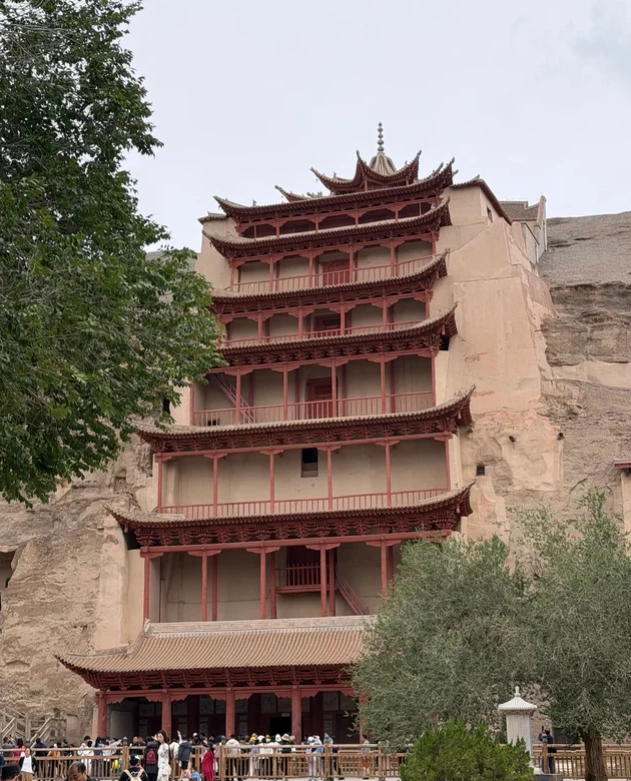
If you're a culture lover, put Mogao Caves at the top of your bucket list. I was blown away by the intricate ceiling patterns and the giant Buddha statues. The tour felt well-paced, and our guide even shared anecdotes about the early explorers and the local legends. Everything from the shuttle bus to the museum was seamless. One of the most profound travel experiences I've ever had – absolutely magical.
Walking into these caves is like stepping back 1,500 years. The blend of Indian, Persian, and Chinese influences in the art is mind-blowing. The staff did a great job managing the flow of visitors, and the audio guide was clear and informative. I particularly loved the Library Cave replica – it gave me chills thinking about the manuscripts discovered there. An unforgettable experience that left me in awe of human creativity.
Honestly, I was a bit disappointed given the hype and the steep ticket price. We were rushed through the caves in a large group, barely had time to absorb the details. Only about 8 caves were open, and the lighting was so dim you could hardly see the murals. Plus, no photos allowed – which I understand for preservation, but it made the experience feel very transactional. For the cost, I expected better organization and more access.
The Mogao Caves are unmissable if you're in Dunhuang. I'm a huge fan of Buddhist art and the paintings here are some of the finest I've ever seen. The colors are still vivid after centuries. The only small downside was the strict group time limit – I wish we could have lingered a bit longer in cave 16. Still, the conservation work is incredible and the whole experience felt deeply spiritual. Highly recommended.
Absolutely breathtaking. The sheer scale and preservation of the murals left me speechless. Our guide was incredibly knowledgeable, explaining the history behind each cave and the nuances of the silk road trade. The digital exhibition center before the caves also helped set the context. Worth every penny, and I’d go back in a heartbeat. A must-see for anyone interested in art or history.
Hands down one of the most important cultural sites I've ever visited. The preservation efforts here are phenomenal. I loved that we got to see a mix of caves from different dynasties. Pro tip: bring a small flashlight—the guides allow it, and you'll catch details others miss. Unforgettable!
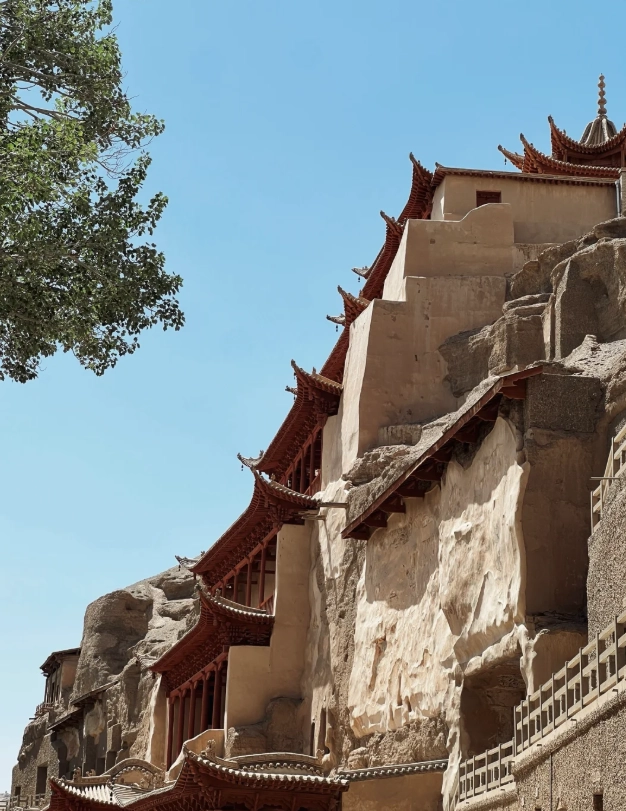
Magical is the only word. The way the morning sun hits the cliffside, the silent awe in the groups... every cave tells a story. The digital exhibition center beforehand was a brilliant addition—it really prepped us for what we were about to see. Would go again in a heartbeat!
Honestly, it was a bit underwhelming for the price. The cave we saw was beautiful, but the experience felt very controlled—no photos allowed, constant 'move along' from staff. Also, the lighting is dim so you can't see the finer details. For the hype, I expected more.
Most caves are incredible, but I felt the 40-people-per-group limit made it rushed. You get maybe 10 minutes per cave, and I wish I could have lingered to study the details. Still, the artistic value is unmatched. Worth visiting, but manage expectations on time.
Absolutely breathtaking! The murals and sculptures inside the caves are incredibly well-preserved. Our guide was knowledgeable and brought the history to life. Just remember to book tickets way in advance—it's that popular! A once-in-a-lifetime experience.
Leave a Review