 Chen Liu
I've lost count of how many travelers have messaged me in a panic about the Shenzhen 240-hour visa-free transit. They arrive at Bao'an Airport, realize they forgot to print their onward ticket, or they can't figure out why Alipay isn't working. But honestly, the process is simpler than you think — once you know the exact steps. I've guided at least a dozen groups through this exact policy, and here's the thing: you don't need a travel agency or a complicated visa. With 240 hours (10 full days) on your side, you can explore Shenzhen's skyscrapers, beaches, and food streets without ever stepping into a visa office. Ready? Let me walk you through it.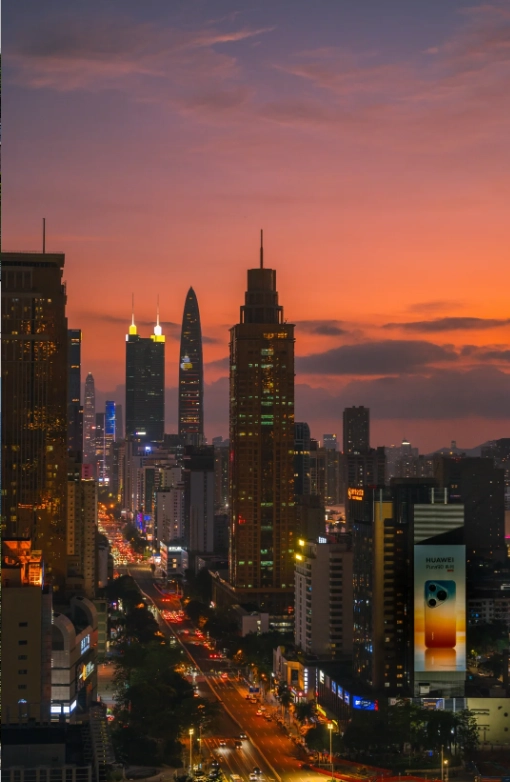
What Is the Shenzhen 240-Hour Visa-Free Policy?
The policy allows citizens from eligible countries to transit through Shenzhen without a visa for up to 240 hours, provided they have an onward international ticket. It's not a tourist visa — it's a transit exemption, but it gives you more time than the usual 72 or 144-hour rules. Here's how it works.
Eligibility and Transit Requirements
You must hold a passport from one of the 54 countries on the eligible list, and your entry has to be part of a transit. In practice, this means you fly into Shenzhen from Country A, then continue to Country B after your stopover. You'll need to show a confirmed onward ticket (printed or digital) for a flight leaving within 240 hours. Also, make sure your passport has at least 6 months validity – I've seen travelers turned away for less.
Which Ports of Entry in Shenzhen Accept This Visa-Free Transit?
The main entry hubs are Shenzhen Bao'an International Airport and some designated sea and rail ports, like Shekou Cruise Homeport. Most international visitors fly into Bao'an, and that's where I always meet my clients. The immigration desks there are well-marked for visa-free transit, but if you're arriving by ferry or rail, check the immigration officer at your arrival point for eligibility.
How Long Can You Stay and Where Can You Go?
You get 240 hours — that's 10 full days — and you can move freely within the Guangdong province (but confirm the exact boundaries with the officer). This means you could hop over to Guangzhou or Zhuhai if you want a change of scenery. However, the exit must be from a designated international port within the same area. Always ask for the official map or brochure at the immigration desk, so you don't accidentally wander into a restricted zone.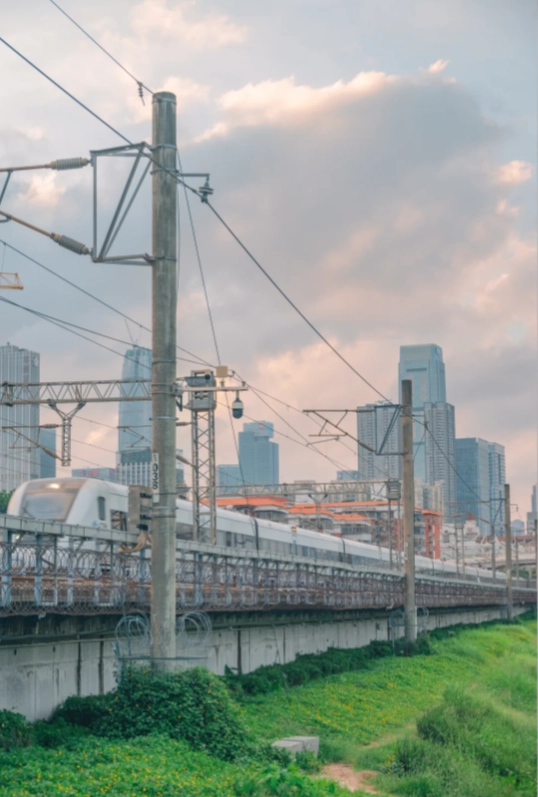
How to Apply for the Shenzhen 240-Hour Visa-Free on Arrival?
Applying at the airport is smooth if you follow the signs. I've done this with dozens of travelers, and the average processing time is about 10 minutes. Here's what to do.
Step-by-Step Process at the Airport
- After deplaning, follow the 'Foreigners' and 'Transit without Visa' signage. Don't join the regular visa queue.
- Fill out the arrival card – you'll usually receive one on the plane or can grab it at the counter.
- Present your passport, your next flight's itinerary, and the hotel confirmation for your first night.
- No visa fee is charged – it's completely free.
- The immigration officer will stamp a '240h Transit' entry sticker on your passport.
Pro tip: Keep your onward ticket document handy, either printed or downloaded, because the officer will ask for it. I've watched people frantically search for an elusive email attachment – don't be that person.
Documents You Must Prepare
- Passport with at least 6 months validity and two blank pages
- Confirmed onward ticket to a third country
- Proof of accommodation for your first night in Shenzhen (hotel booking confirmation works)
- Any required visas for your next destination (the officer may check)
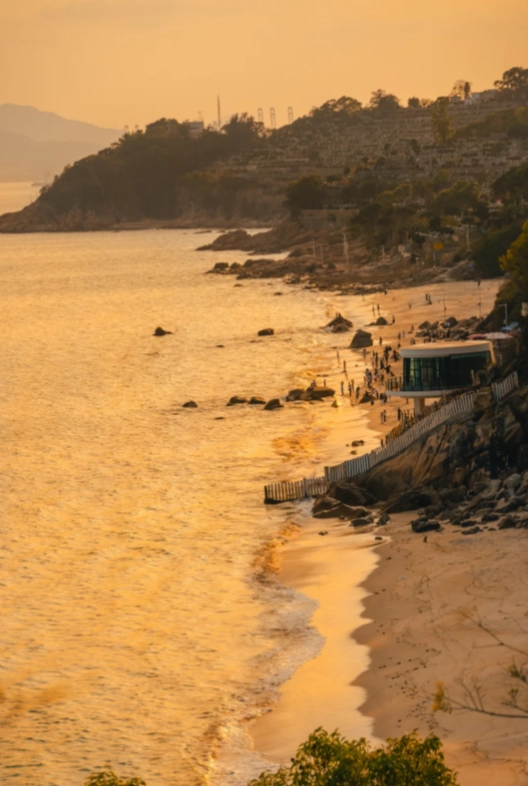
The exact document list can vary slightly based on nationality, so always check the official guidelines from the Chinese National Immigration Administration before you fly.
Common Pitfalls and How to Avoid Them
- Forgetting that the 240 hours start ticking from the moment of entry. If you land at 3 PM, you must leave by 3 PM on day 10.
- Not having a clear onward flight – you'll be denied entry.
- Overstaying – set a reminder, because the fine is steep.
- Confusing the transit policy with a tourist visa – you can't work or study under this policy.
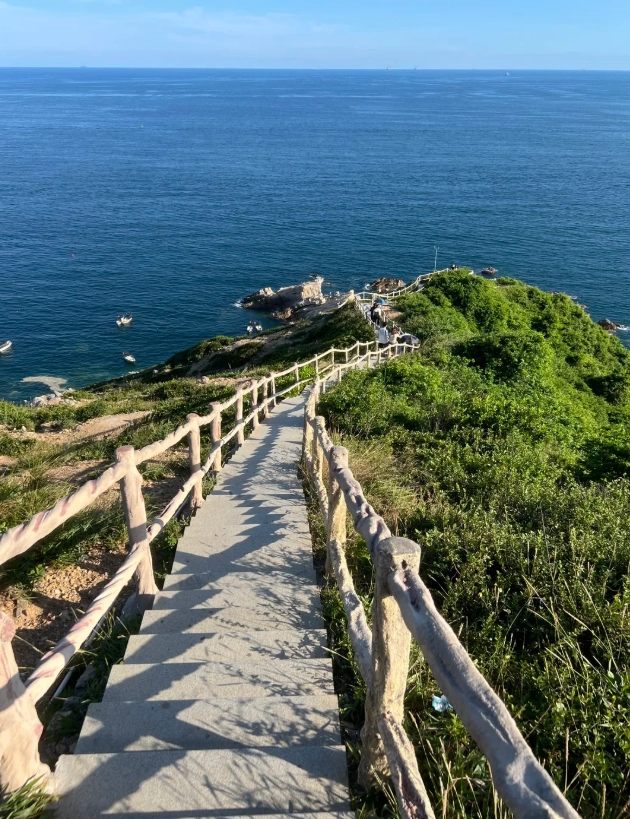
One mistake I often see is travelers assuming they can exit through any airport in China. Not true – with the 240-hour transit, you must exit through the same region you entered. So if you land in Shenzhen, plan your final departure from Shenzhen or another Guangdong port.
How to Plan Your 240-Hour Shenzhen Itinerary: My Personal Recommendations
With 10 days, you have time to see Shenzhen from every angle. This itinerary mixes the modern, the cultural, and the chill – exactly how I'd guide a friend around.
Day 1–2: Coastal Shenzhen and Modern Landmarks
Start your trip in Futian, the city's financial and tech heart. On day 1, take a stroll from Lianhua Hill Park up to the Ping An Finance Center observatory (the view is worth the ticket price). Before sunset, walk along the Shenzhen Bay Coastal Trail – I always tell groups to go at 4 PM to catch the cooling sea breeze and the glittering skyline.
Day 2 is for Window of the World, the famous theme park with miniature landmarks. To avoid crowds, go early in the morning, right at opening time. The park is huge – plan for at least 4 hours. Alternatively, if you're not into theme parks, head to OCT Bay, a modern waterfront district with great architecture and café culture.
Day 3–4: Culture and Local Life
On day 3, dive into Dafen Village, the 'Oil Painting Village,' where you can watch artists work and even commission a custom painting. It's a quirky, very 'Shenzhen' experience. In the afternoon, ride to Dapeng Fortress, a Ming-dynasty seaside stronghold. The old stone alleys and cannons overlooking the sea are a beautiful contrast to the glass towers.
Day 4 is for arts and food. Visit OCT Loft, a creative park with galleries and independent coffee shops, then hit the Dongmen Pedestrian Street in Luohu for street food. My group favorite is the pot-wrapped pork (咕噜肉) and the fried milk (炸牛奶) – trust me, they're addictive.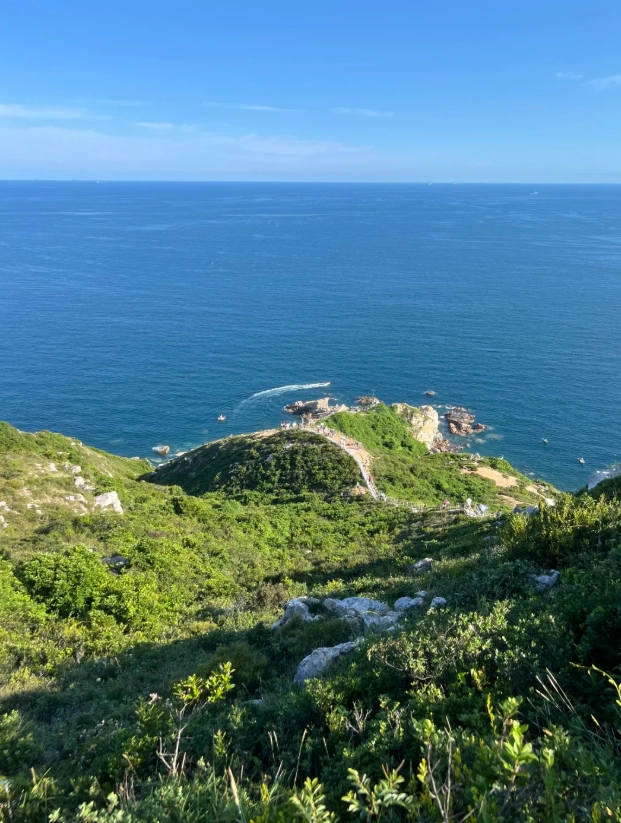
Day 5–6: Nature Escapes and Day Trips
On day 5, escape the city heat at Wutong Mountain – the trailhead is a 20-minute drive from downtown. The hike to the summit takes about 2 hours, and the view over the bay and Hong Kong is epic. If you prefer beach time, head to Dameisha Beach instead – it's closer and has a lively boardwalk.
Day 6, take a short ferry ride to the Outer Lingding Island (外伶仃岛) for crystal-clear water and a break from the crowds. Boats leave from Shekou, and the trip is about 70 minutes. Book your return ticket in advance – they fill up fast.
Day 7–10: Expanding Beyond Shenzhen? Let's Talk
You still have 4 days, so use them to explore Guangdong's highlights. Take a high-speed train to Guangzhou (35 minutes from Futian Station) to see the Canton Tower and taste authentic Cantonese dim sum. Or visit Zhuhai, a relaxing seaside city, and take the ferry to Macau? Careful – Macau and Hong Kong are separate SARs with different immigration rules, so plan accordingly. For a wild card, head to Kaiping for its famous diaolou (fortified towers) – a UNESCO World Heritage site.
Remember, your 240-hour visa-free transit is for mainland China, so re-entry into Hong Kong or Macau requires their own entry rules. Always verify your boundaries before you travel.
Insider Tips for a Smooth Visa-Free Trip to Shenzhen
These are the practical headaches I see every week, and how to fix them.
Payment and Currency: Why You Need Alipay or WeChat Pay
Cash is nearly extinct in Shenzhen – even the tiniest noodle shop expects payment via scanned QR code. So before you fly, download Alipay and link your international credit card (Visa or Mastercard). The setup is simple: open the app, tap Register, and follow the guide – it's available in English. Once linked, you can pay in shops, restaurants, and even on public transport. WeChat Pay works too, but Alipay tends to be more English-user-friendly. Always carry a few hundred yuan in cash as a backup – some street stalls are still cash-only.
Navigating Without Google Maps: My Preferred Tools
Google Maps is largely non-functional in China, which throws many tourists off. I use Apple Maps on iPhone – it works with local map data. For Android users, download AMap (Gaode) or Baidu Maps; both have an English mode, though it's a bit clunky. To avoid getting lost in a sea of Chinese characters, save a screenshot of your destination in Chinese (ask your hotel lobby to write it for you). This makes communicating with taxi drivers a breeze.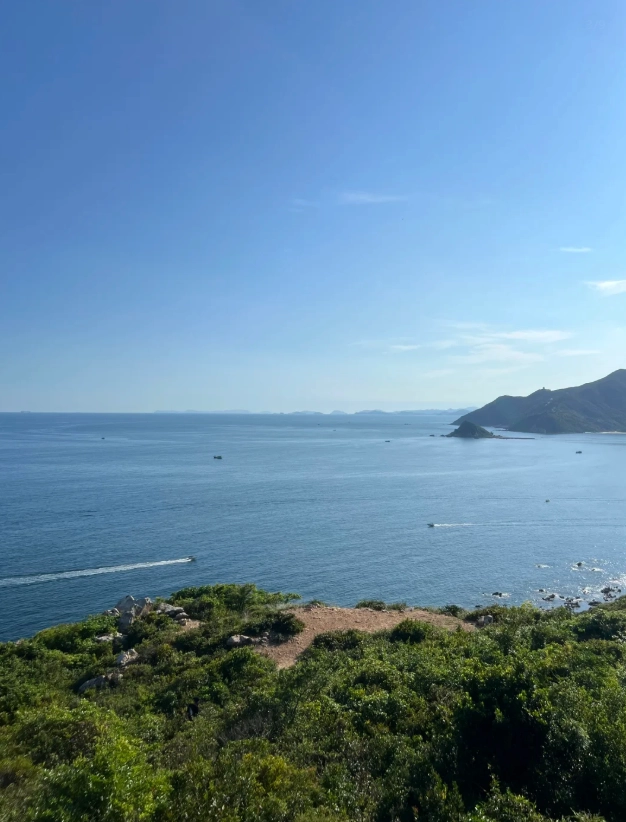
Language Help: Apps and Backup Plans
The biggest barrier is language, but translation apps solve 90% of it. I recommend Baidu Translate – it handles Chinese text and voice better than Google when offline. Apple Translate is also surprisingly good for Chinese, and it works offline. For a foolproof backup, download the CTrip (Trip.com) app – its Chinese version has a built-in chat with customer service that can help with bookings and directions.
Where to Stay and What to Eat: A Local's Shortlist
Where you stay can make or break your trip. Here are my go-to neighborhoods.
Best Neighborhoods for Tourists
| Neighborhood | Price Range | Best For | Transport |
|---|---|---|---|
| Futian | ¥500-1000 | First-timers, business | Metro Line 1, 2 |
| Nanshan | ¥400-800 | Trendy travelers, artists | Metro Line 1, 9 |
| Luohu | ¥300-600 | Budget travelers | Metro Line 1 |
Pro tip: Look for hotels near a metro station line 1 or line 2. The Shenzhen metro is efficient, but you'll want to avoid dragging luggage long distances.
Must-Try Dishes and Hidden Food Spots
Shenzhen is a melting pot of Cantonese and Hakka cuisine, so you're in for a treat. Here's my checklist:
- Dim sum – head to any bustling 'Yamcha' (饮茶) restaurant in Luohu or Nanshan, and don't miss the shrimp dumplings and barbecued pork buns.
- Roast goose – a Cantonese specialty; try it with plum sauce.
- Seafood – at Dameisha Beach, pick a restaurant where locals are eating, not the ones with posters in English.
- Hakka cuisine – the stuffed tofu (酿豆腐) and braised pork with preserved vegetables are comforting staples.
My absolute favorite place to bring guests is the Dongmen 'snack street' – it's chaotic, smoky, and utterly delicious. Go hungry, and try the fried oyster omelets, the coconut coconut ice cream, and the skewers from any cart that has a long line. A safe rule: if it's sizzling and locals are queuing for it, you've found gold.
FAQ: Common Questions About the Shenzhen 240-Hour Visa-Free
Yes, as long as both Shenzhen and Guangzhou are within the permitted area for the 240-hour transit. The policy typically allows movement within Guangdong Province, but you must confirm the exact zone with the immigration officer upon entry. You can exit from any designated international port within that zone, so exiting from Guangzhou Baiyun Airport is allowed. Always carry your passport with the transit stamp whenever you're in another city.
Overstaying is a serious offense and can result in fines and even detention. If you realize you'll overstay, go to the nearest Exit-Entry Administration Bureau before your time runs out and ask for an urgent visa extension. You'll need to explain the flight delay and provide proof. In extreme weather cases, the authorities are usually understanding, but don't rely on that. Set a calendar reminder for day 9 as a final warning.
Extensions are not normally granted for transit visa-free arrangements. The policy is strict, and in almost all cases, you must leave exactly when the stamped time expires. If circumstances change (like a medical emergency), contact the local immigration office immediately. Realistically, plan your itinerary to build in a one-day buffer by having an exit flight that leaves at least one day early.
Technically, you can cross into Hong Kong if you have the necessary Hong Kong visa or visa-free entry. But doing so cancels your mainland transit visa-free status, because you're leaving China's mainland. If you re-enter Shenzhen, you'd need a fresh visa. So, if Hong Kong is on your list, do it as a separate day trip before starting your 240-hour transit, or after you exit China. For Macau, the same logic applies.
No, the Shenzhen transit visa-free is for mainland China only. Hong Kong and Macau have their own immigration policies. Many nationalities can enter Hong Kong visa-free for up to 90 days, but you need to meet separate requirements. Always check the Hong Kong Immigration Department's website before crossing.
This content has been fact-checked to ensure informational precision. Policy details, port lists, and regional boundaries may change – always verify the latest rules with the Chinese National Immigration Administration or your nearest Chinese embassy before traveling.






No comments yet.