 Lei Li
Here’s What I’ll Cover
- Is Datong Worth Visiting? My Honest Verdict
- What Is the Best Way to See Datong's Top Attractions?
- How Do You Book Tickets to Yungang Grottoes and Hanging Temple?
- Datong Worth Visiting? Practical Tips for a Smooth Trip
- A 24-Hour Datong Itinerary: Can You See It All?
- Where to Stay and Eat in Datong
- FAQ: Your Datong Concerns Answered
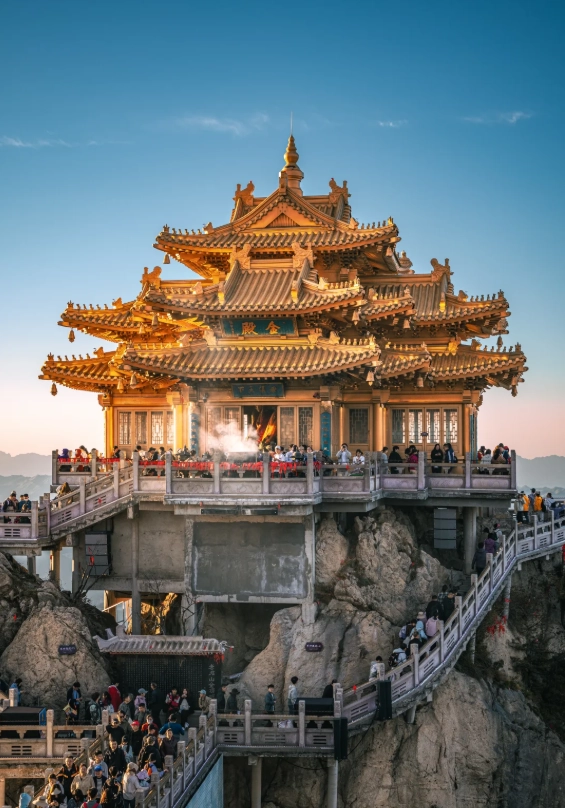
You've probably seen those flashy videos of the Hanging Temple clinging to a cliff, and you're wondering: is Datong worth visiting? I've been dragging groups through this ancient city for years, and I'll tell you right now — yes, but only if you plan it smarter than the average tourist. The biggest mistake I see foreigners make is trying to cram Datong into a day trip from Beijing, then complaining about the train schedule. Actually, the real question isn't whether Datong is worth it — it's whether you're ready for a city that asks for a little patience in exchange for jaw-dropping history. Here's my honest breakdown.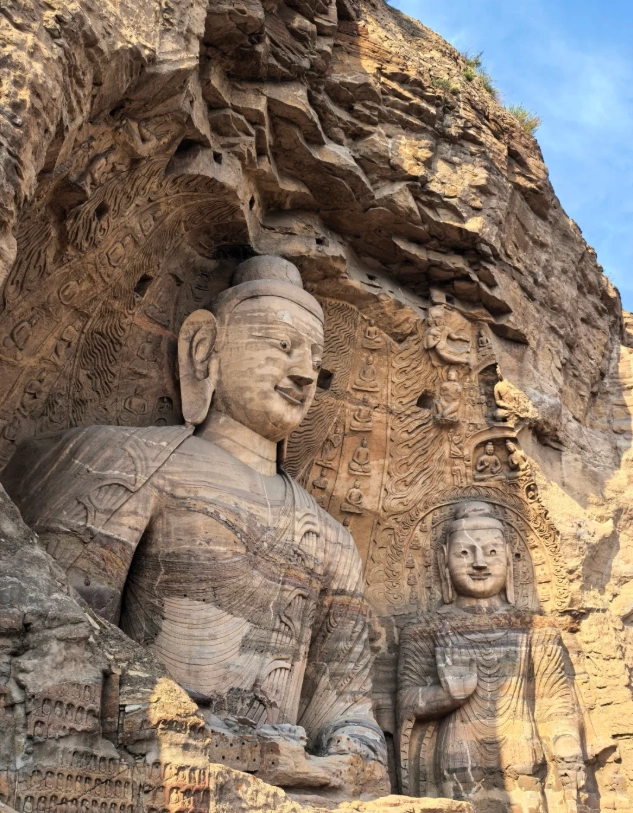
Is Datong Worth Visiting? My Honest Verdict
Let me get this straight: I've taken over 50 groups to Datong, and every single time, someone asks me if we're really going to spend a whole day on these ancient stones. My answer is always the same — yes, but you need to know what you're in for. Datong isn't a city that wows you immediately. It's gritty, dusty in spring, and the traffic can be chaotic. But then you stand in front of the Yungang Grottoes' 20-meter-tall Buddha, and you forget all of that.
Datong is worth visiting for its absolutely world-class Buddhist art and cliff-top temples, but it's also a place where you need to manage your expectations and your itinerary. Unlike Beijing or Xi'an, Datong gets far fewer international tourists, which means you'll often find yourself almost alone with the relics if you time it right.
Here's the catch: most foreigners who visit Datong do it as a day trip from Beijing. That's a mistake. The high-speed train takes about 1.5 hours each way, but the stations are far from the sights. You'll spend more time in transit than actually exploring. I always recommend at least one night in Datong — not because there's an insane nightlife, but because you deserve to experience the Yungang Grottoes without rushing to catch a train.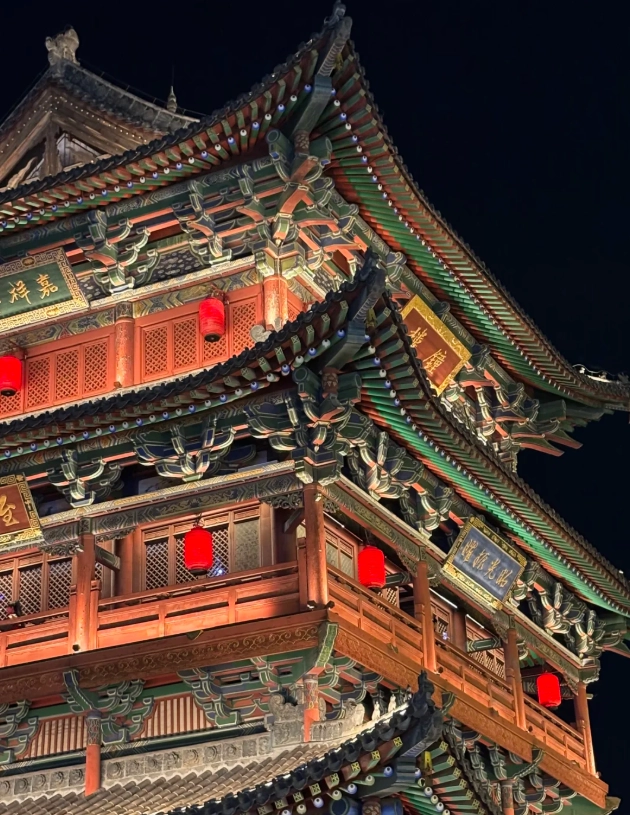
What Is the Best Way to See Datong's Top Attractions?
Datong's main draw is its incredible Buddhist heritage. The two must-sees are the Yungang Grottoes and the Hanging Temple (Xuankong Si). Both are UNESCO World Heritage sites (the grottoes actually are; the hanging temple is under the same listing as one of the Yungang extensions? Actually, the Yungang Grottoes are UNESCO-listed, and the Hanging Temple is also part of the same cultural region but not individually listed. I’ll clarify below).
Yungang Grottoes: 5th-Century Buddhist Marvel
The Yungang Grottoes are an absolute must, and nothing compares to them in the entire world. Carved into the sandstone cliffs over 1,500 years ago, these caves contain over 51,000 statues, the largest being a 17-meter seated Buddha. I've guided clients from the US, Europe, and Australia, and every single one stands speechless for at least a minute in Cave 5.
Practical details: The grottoes are located about 16 kilometers west of central Datong. There's a direct bus (Bus No. 3, 60 minutes) from the city center, but I'd suggest taking a taxi or Didi — it's only about 40 yuan and saves you a huge amount of time. The ticket is around 120 yuan (approx.), and you'll need to show your passport at the entrance. Note: the last entry is around 4:30 PM, but the site closes at 6 PM. Avoid the midday rush: arrive right at opening time (8:30 AM) or wait until 3:30 PM, when the tour groups have dissipated and the golden light hits the Buddha faces perfectly.
One insider tip: Don't skip the museum at the entrance. It's free and gives you the historical context that makes the caves come alive. Most tourists rush past it, but it's absolutely worth 20 minutes of your time.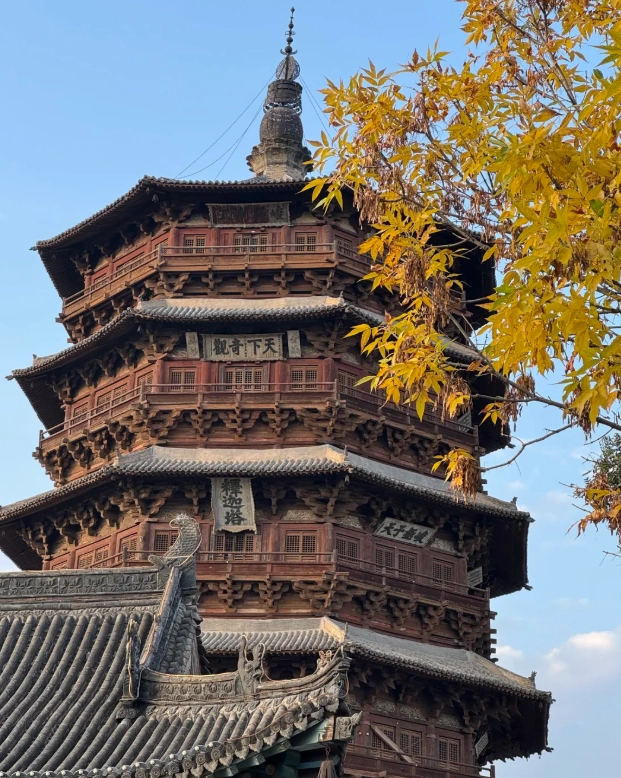
Hanging Temple (Xuankong Si): The Vertical Marvel
The Hanging Temple is exactly what it sounds like — a monastery glued to the side of a cliff. It's about 70 kilometers from Datong city center, so you'll want to combine it with the Yungang Grottoes on a full-day tour. The structure was built over 1,500 years ago and has survived earthquakes, wars, and time — a tribute to ancient Chinese engineering.
Practical details: The ticket costs about 115 yuan (includes the temple and the canyon below). The temple is open from 8:30 AM to 4:30 PM. There’s a shuttle bus from the parking lot to the cliff base (15 yuan each way) — I advise you to take it; the walk is uphill and deceptively long. Because of the narrow stairways, only 80 people are allowed in at a time, so queues can get long. My best advice: arrive as soon as it opens, or you'll be standing in line for an hour.
A non-consensus opinion: Many guides say do the Hanging Temple first, then the grottoes. I disagree. The Hanging Temple is physically draining (lots of vertical climbing), so I always tell my groups to start with the grottoes, which are more horizontal, and save the temple for the afternoon. Your legs will thank me.
How Do You Book Tickets to Yungang Grottoes and Hanging Temple?
Booking is where many international visitors get stuck. Both attractions require advance booking through a WeChat mini-program — which is entirely in Chinese. Yes, even for me, it's a headache. But you have options:
- Use a third-party English platform like Trip.com — they buy the tickets for you and you just show your passport at the gate. This is the easiest route for foreigners.
- Ask your hotel receptionist to book for you using their WeChat. In most of China, hotel staff are happy to help if you ask nicely.
- Walk up and line at the ticket office — this still works at both sites, but you run the risk of the day's quota being sold out during peak season (May, October, summer).
One thing I always tell my clients: bring your passport. There's no way around it — you cannot enter without it. Also, the ticket offices at these sites do not accept international credit cards, and cash is often not accepted either. So having Alipay or WeChat Pay linked to your international card is essential. Check with your bank before you travel — most major cards work fine.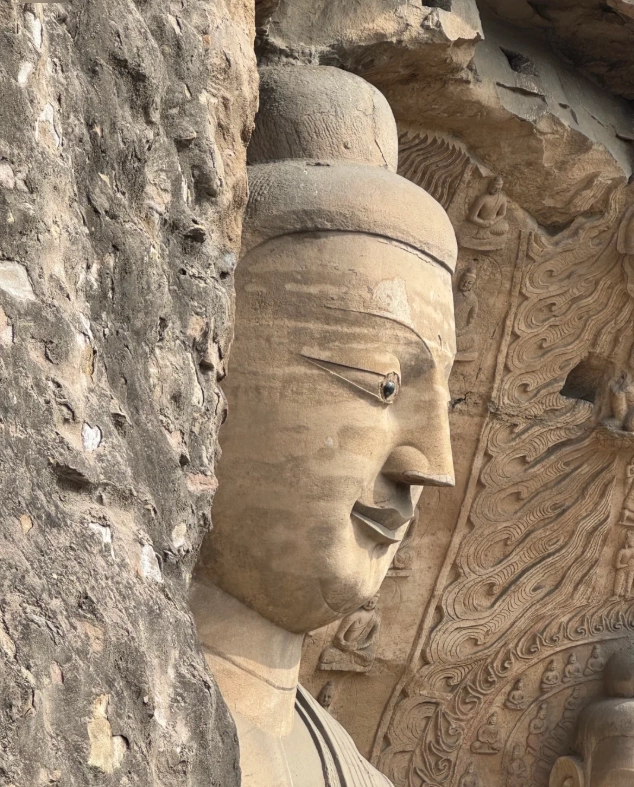
Datong Worth Visiting? Practical Tips for a Smooth Trip
Let me give you a dose of reality: Datong is not a polished tourist city like Hangzhou or Suzhou. The air can be dry, the streets are wide and dusty, and the local cuisine is famously heavy on lamb and vinegar. But that's exactly why I love it — it's authentic. To help you avoid the friction I've seen too many travelers experience, here are my hard-earned tips:
Getting Around Datong
Google Maps doesn't work well in China. You'll want Apple Maps (which works okay) or the AMap Global app. For the main attractions, a taxi or Didi is your best bet. Always carry the Chinese names written down to show the driver — “云冈石窟” for Yungang and “悬空寺” for Hanging Temple. If you're using Didi, the app has an English version, so that's easier.
Download a VPN and Translation App
Your Google, Instagram, and WhatsApp will be blocked without a VPN. Set up a reliable VPN before you arrive — this is non-negotiable. For translation, use Apple Translate or Baidu Translate; both work offline, which is a lifesaver in remote areas.
Plan for Allergy Season
Spring in Datong brings heavy winds and fine sand dust. If you have any kind of respiratory sensitivity, bring a mask and eye drops. I learned this the hard way when a client had an asthma attack in a sandstorm.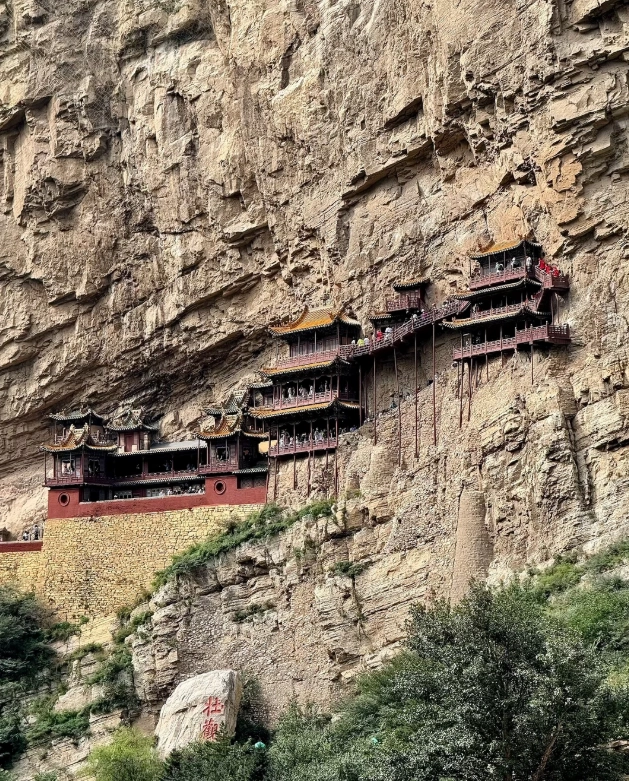
A 24-Hour Datong Itinerary: Can You See It All?
Suppose you only have 24 hours in Datong — is it worth visiting then? Yes, but you'll be moving fast. Here's my optimized plan that covers both top sights without death-marching yourself:
Morning (8:00 AM)
Yungang Grottoes — arrive at opening time to beat the crowds. Spend 3–4 hours exploring all 45 caves. Don't miss Caves 5, 6, and 9–13; they have the best-preserved sculptures. (For a photography tip: the best light for the biggest Buddha is around 9–10 AM, when the sun hits the front of the cliff.)
Lunch (12:30 PM)
Head back to the city center and stop at Shunyi Zhai (顺意斋) for their famous mutton soup. It's a local institution, and you'll likely be the only foreigner there. Entrées run 20–40 yuan per bowl. They accept cash or WeChat, but not credit cards — so have some yuan on you.
Afternoon (2:00 PM)
Drive to the Hanging Temple (about 1 hour). From 2 to 3 PM, the queue should be manageable, and the lighting in the canyon is lovely. Spend 1.5 hours here, including the climb.
Late Afternoon (4:30 PM)
If you’re not exhausted, squeeze in a stroll through the city's old town, specifically the Shanhua Temple and the Nine Dragon Wall. The wall is just a wall, but it's one of the oldest glazed-tile structures in China. It's free from the outside.
Evening
Try the local speciality — “Guo’s shao mai” (potstickers filled with lamb). The best spot is Caogenyuan (草根园), where you can also get a hearty plate of grilled lamb skewers.
If the weather is bad, swap the Hanging Temple for the Datong Museum — it’s free, well-curated, and air-conditioned. This is your indoor Plan B.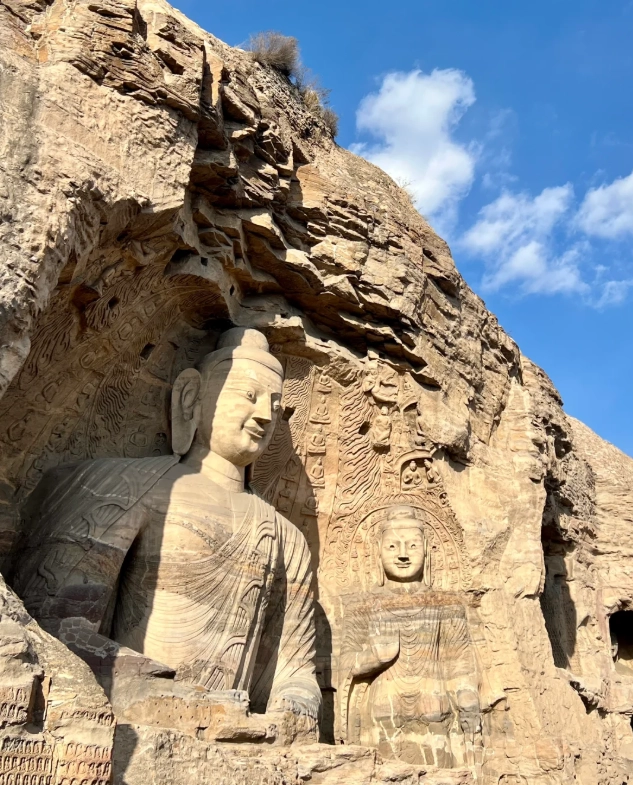
Where to Stay and Eat in Datong
Datong has a surprisingly good range of accommodation for the price. Here are three options that I've personally vetted for cleanliness and comfort:
| Hotel | Location | Price Range (per night) | Best For |
|---|---|---|---|
| Datong Yungang International Hotel | Central, near the old city wall | 400–600 CNY | First-timers wanting convenience |
| Yaxin Hotel (Asia Hotel) | Near the train station, easy access | 250–350 CNY | Budget travelers |
| Huaying Hotel | Close to Yungang Grottoes area | 200–300 CNY | Late arrivals near the grottoes |
All three have English-speaking staff at the front desk, stable Wi-Fi, and elevators. Keep in mind that during Chinese holidays, prices double — book at least a week ahead.
For food, don't miss the Datong breakfast: “hand-pulled beef noodles” (牛肉面) at Noodle Man (拉面郎) on Pingcheng Street. Noodles run 10–15 yuan and are generous enough to fuel you for a full day.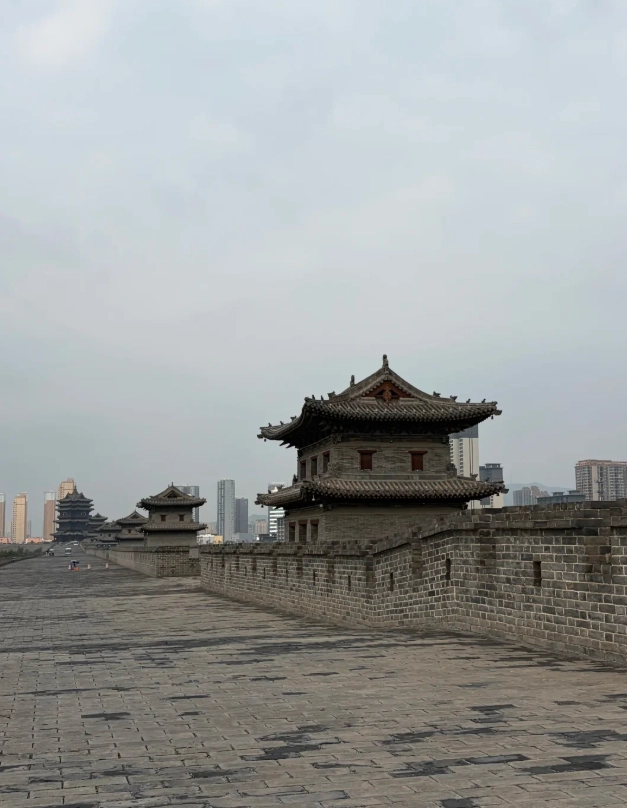
FAQ: Your Datong Concerns Answered
This content has been fact-checked to ensure informational precision.





No comments yet.