 Peng Gao
What's Inside This Guide
Dust in my teeth. That's my first memory of Turpan. And then — this green vine-lined courtyard in the middle of a baking desert. A local guide pointed at a narrow shaft in the ground and said, "That's how we survive." I climbed down. Twenty meters below the surface, cool air hit my face. Running water. In the desert. That's the karez system for you.
I've brought dozens of foreign travelers to the Turpan Oasis ancient karez irrigation system, and every single time, someone says the same thing: "Wait, this is UNESCO-worthy and I barely heard about it?" The truth is, most people book a day trip to the Flaming Mountains and skip this entirely. Their loss. This underground water network is the reason Turpan even exists — and understanding it changes how you see the entire region.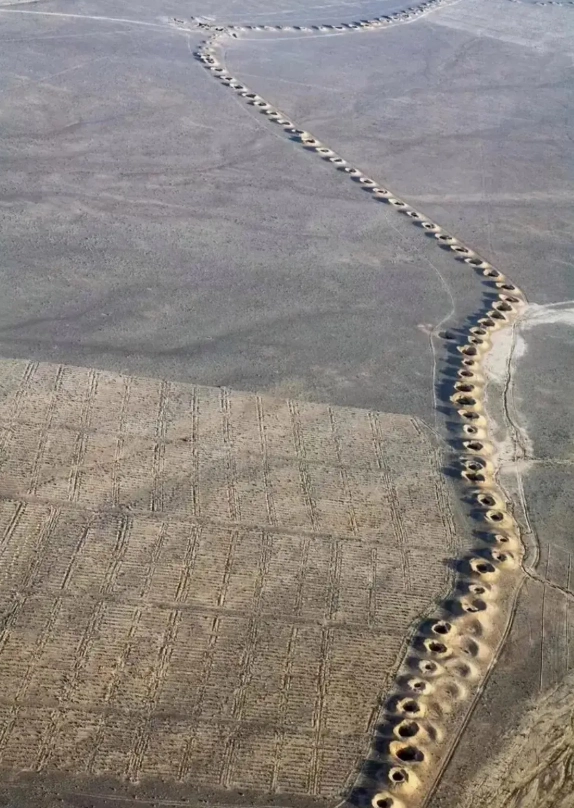
Here's the bottom line: go after 4pm, bring cash for the ticket window, and plan for about 90 minutes on site. The museum section is skippable if you're short on time — head straight for the actual underground canal. Now let me walk you through everything I wish someone had told me before my first visit.
What Is the Karez System and Why Does It Matter?
The karez (sometimes spelled kariz) is an ancient underground irrigation network that channels snowmelt from the Tianshan Mountains to the Turpan Basin without losing a drop to evaporation.
Think about that for a second. Turpan gets less than 20mm of rain a year. It's one of the driest places on Earth. Yet it's a lush oasis growing grapes, melons, and cotton. All because of these hand-dug tunnels — some over 5,000 kilometers total across the region — built over 2,000 years ago.
The system works like this: wells are dug at intervals from the mountains to the oasis. Underground channels connect them, sloping gently downward. Water flows by gravity alone. No pumps. No electricity. Just physics and centuries of engineering knowledge that got passed down through families.
You'll find a dedicated visitor site in Turpan city that showcases a preserved section of the karez. It's called the Turpan Karez Paradise, though locals just say "Karez Park." The address: Ya'erbaxiang Road, Gaochang District, Turpan. Your Didi driver will know it — just show them 吐鲁番坎儿井乐园 on your phone.
The UNESCO recognition of the Silk Road corridors puts Turpan firmly on the cultural map, but the karez itself sits somewhat outside the main heritage spotlight. That's actually good news for you — fewer crowds than the big-name Silk Road sites.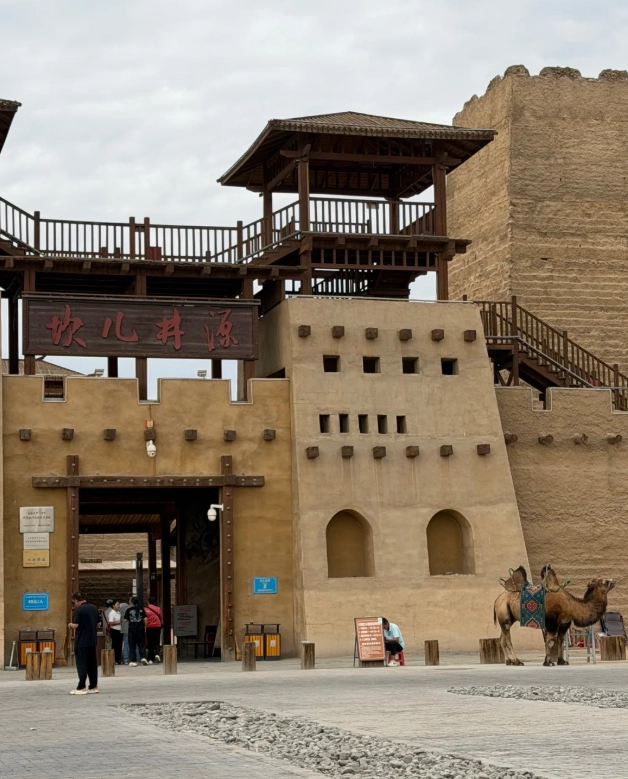
How to Get to the Karez Site Without Losing Your Mind
Turpan has no metro and very limited public transport geared toward tourists. Unless you're on an organized tour bus, your realistic options are a taxi or a ride-hailing app.
- From Turpan North Railway Station: about 25 minutes by car, roughly 40-50 RMB. This is where the high-speed trains from Urumqi arrive. Ignore the drivers shouting at the exit — they'll charge double. Walk to the official taxi rank instead.
- From Turpan city center (near the bazaar): 15 minutes, around 20-25 RMB. I usually tell people to grab a Didi from their hotel lobby rather than flag down a street taxi, because the app gives you a fixed price and you avoid the haggling routine.
- Public bus: technically possible but not practical for foreign visitors. Routes change without notice, signage is Chinese-only, and you'll likely need to transfer. Skip it.
If you're staying overnight, ask your hotel to write the Karez Park name in Chinese characters on a piece of paper. Show it to any driver and you're set. The local Uyghur taxi drivers are friendly and most know the site well.
What You'll Actually See Underground
The underground section is the real highlight, and most visitors rush through it in five minutes without understanding what they're looking at. Slow down. Look up at the ceiling. Those are original hand-carved beams. Look at the walls — some sections still have the original earth composition from centuries ago.
The site layout is roughly linear. You enter through a courtyard area with grape vines overhead — nice shade but packed during tour group hours. Walk through a small exhibit hall with diagrams and old farming tools. Honestly, the exhibits are tired and poorly labeled in English. I usually tell my groups to breeze through this in 10 minutes and spend the bulk of their time underground.
Then you descend. The stairs are steep and slightly uneven. Wear shoes with grip. Not sandals. I learned that the hard way after watching a woman in flip-flops slide down the last three steps.
The main underground corridor stretches about 100 meters. It's cool down there — maybe 15 degrees cooler than the surface. You can see the channel design, the ventilation shafts, and the small pools where water collects before flowing onward. There are English info boards, but they're brief. If you want the deeper story, read up beforehand or hire a local guide. My favorite detail: individual families were responsible for maintaining their section of the tunnel. If your family's section dried up, you were shamed publicly. Talk about accountability.
Above ground, there's a smaller replica section that gives you a sense of how the wells were dug. It's worth a quick look if you have the time, but the real thing underground is what you came for.
The Best Time to Visit (Hint: Not Noon)
Most travel guides tell you to arrive early morning. I disagree. The site opens at 9am, and by 9:30 during summer, tour buses from Urumqi start rolling in. The underground section becomes a bottleneck of selfie sticks and echoing Chinese voices.
Here's my actual advice: come after 4pm. The tour groups are gone. The light on the above-ground courtyard turns golden. The underground passage is nearly empty — you can hear water dripping. I've taken people at 5pm on a June afternoon and had the entire tunnel to ourselves.
If you absolutely must do a morning visit, arrive at opening time. The first 30 minutes are calm. Just don't be late — by 10am it's a different experience entirely.
As for the season: April through October is when the site is fully accessible and pleasant. July and August are brutally hot above ground — the underground section stays comfortable, but the walk from the parking lot to the entrance will melt you. November through March is cold but manageable, and you'll likely be the only foreigner there. Some food stalls outside close in winter, so bring water and snacks.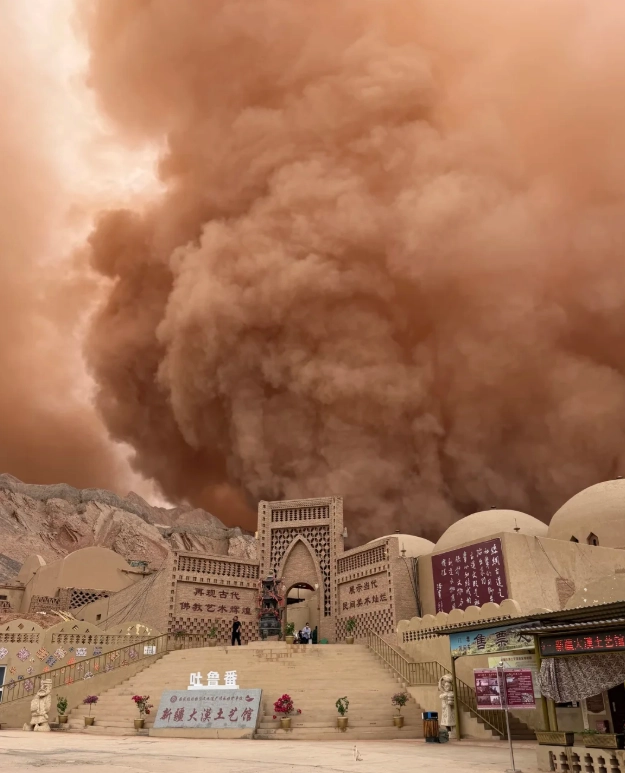
Tickets, Hours, and the Passport Rule Nobody Tells You
| Item | Details |
|---|---|
| Entrance Fee | Around 40 RMB for adults. Children under 1.2m free. Seniors over 65 with ID get a discount — bring your passport. |
| Opening Hours | 9:00am to 8:00pm during peak season (April-October). 10:00am to 6:30pm off-season. Last entry 30 minutes before close. |
| Passport Required | Yes. All foreign visitors must show their passport at the ticket window. No passport, no entry. This is non-negotiable. |
| Payment | The ticket office accepts cash (RMB) and WeChat Pay/Alipay. International credit cards are not accepted. Bring cash as backup. |
| Reservation | Not required for individual visitors. Large groups may need to call ahead. If you want zero hassle, book through Trip.com — English interface, e-ticket, and they handle the passport registration for you. |
The digital booking thing can be a headache. Yes, navigating the WeChat mini-program in pure Chinese to reserve anything in China is a nightmare even for me. But Karez Park doesn't require online pre-booking for independent travelers — you just show up and buy a ticket. That's a rare luxury in modern China travel. Don't overthink it.
Insider Advice: The bathroom situation at the site is not great. There's a single block of toilets near the entrance, and they get rough by mid-day. Use the restroom at your hotel before you leave. If you're coming from Urumqi on a day trip, use the facilities at the train station.
Accessibility is limited. The underground section involves steep stairs with no elevator or ramp. Wheelchair users and anyone with mobility issues will struggle with the core experience. The above-ground courtyard is flat and accessible, but honestly, the underground part is why you're here. Plan accordingly.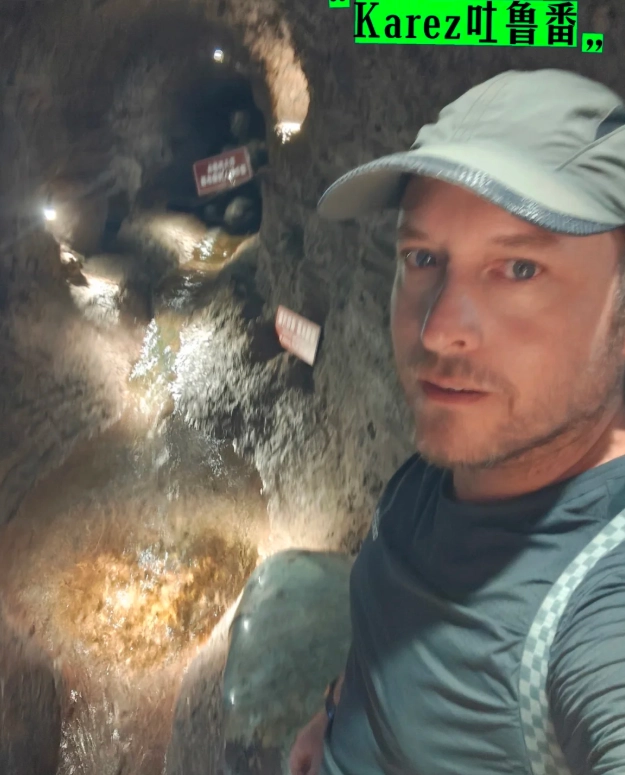

No comments yet.