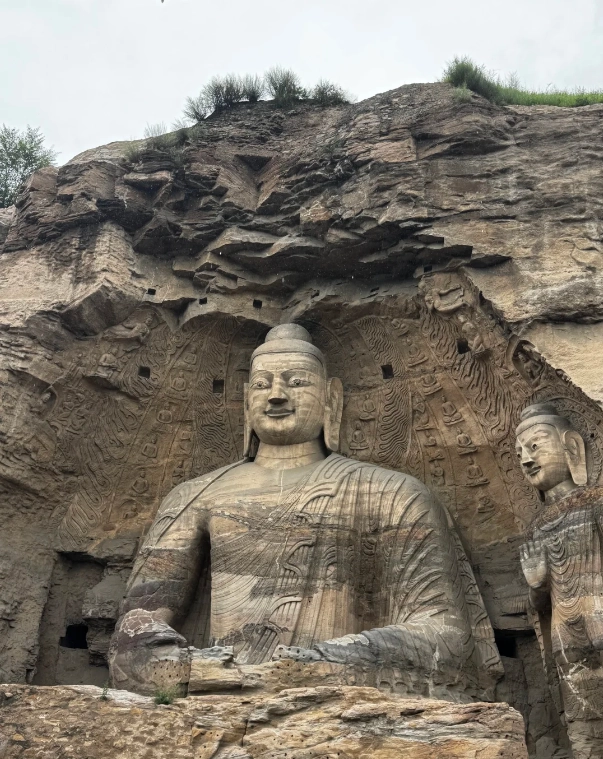
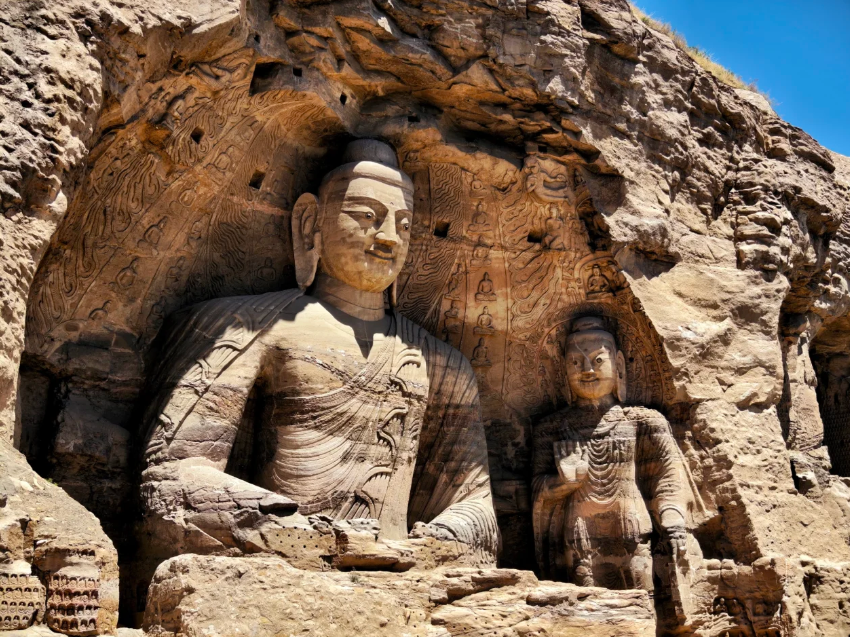
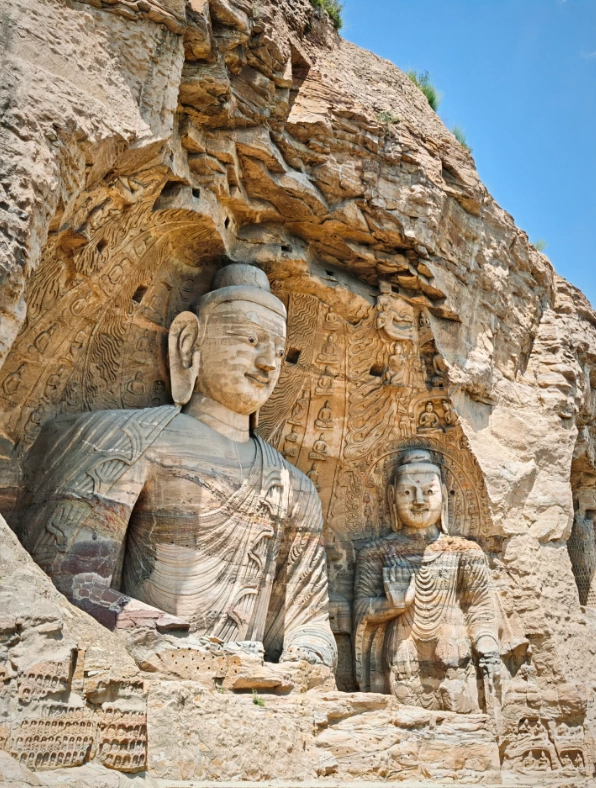
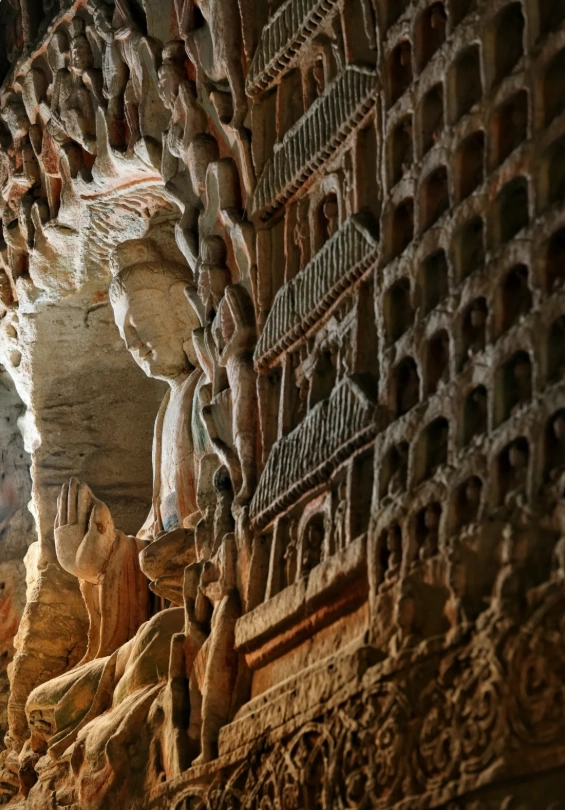
Known as the 'Museum of Ancient Chinese Architecture,' Shanxi offers thousands of years of history, from the Yungang Grottoes to the ancient city of Pingyao. It is a land of rolling loess hills, the majestic Yellow River, and sacred Buddhist mountains.
Shanxi Travel FAQ
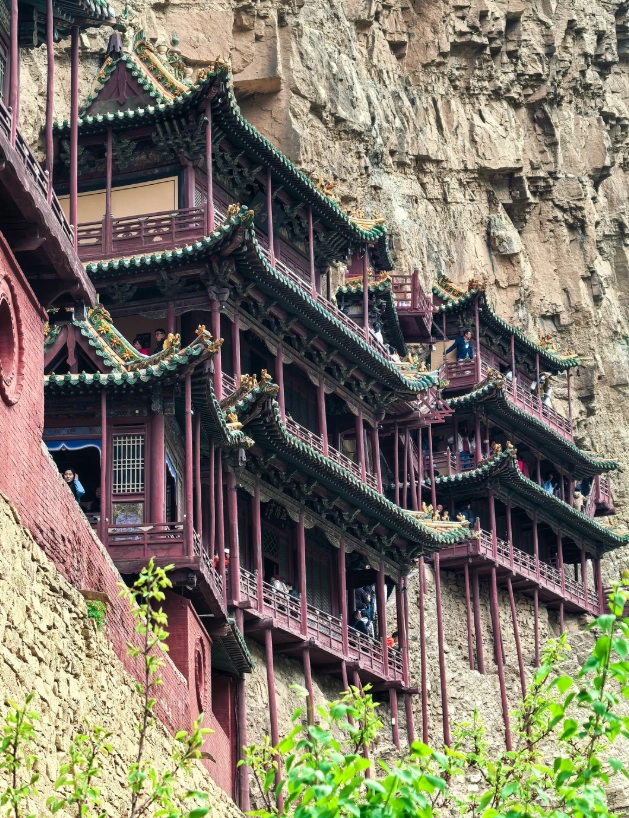
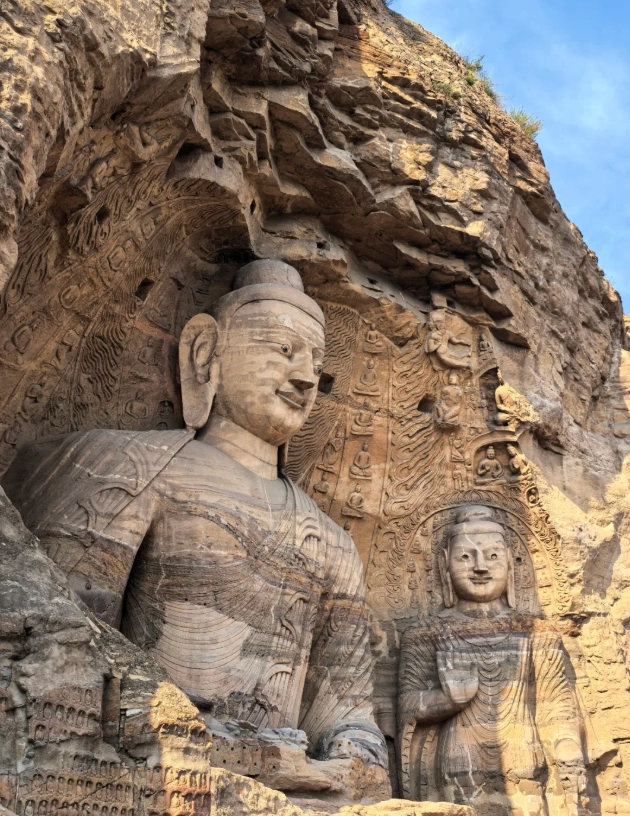
Can I visit Yungang Grottoes and Hanging Temple without a private car?
Technically yes, but you'll spend about 4 hours in transit. I've done it once with a client who refused private transport, and we barely made it. The bus from Hunyuan back to Datong stops running at 17:30. If you miss it, you're stuck. Pay for a driver—it's worth the ¥400.
Is it better to book tickets online in advance?
Absolutely. Both sites have daily capacity limits, especially during Chinese holidays. Yungang often sells out by 10 AM. Use the official WeChat mini-programs (search "云冈石窟" and "悬空寺") or ask your hotel to book for you. You can also buy through Trip.com, but they add a markup.
How much time should I allocate for each site?
For Yungang, 2.5 hours is enough if you focus on the main caves. For Hanging Temple, 1 hour inside plus 30 minutes for photos. Add 2 hours total for driving (from Datong to Yungang: 0.5h; Yungang to Hanging: 1.5h; back to Datong: 1h). So you need about 7-8 hours total. Start at 8 AM, finish by 5 PM.
Can I use international credit cards at the ticket offices?
Not reliably. Most on-site terminals only accept Chinese bank cards or mobile payments (WeChat Pay, Alipay). Always bring enough cash (¥500-600) for tickets and meals. International credit cards work at higher-end hotels and some restaurants in Datong, but not at these tourist sites.
What if it rains on my day?
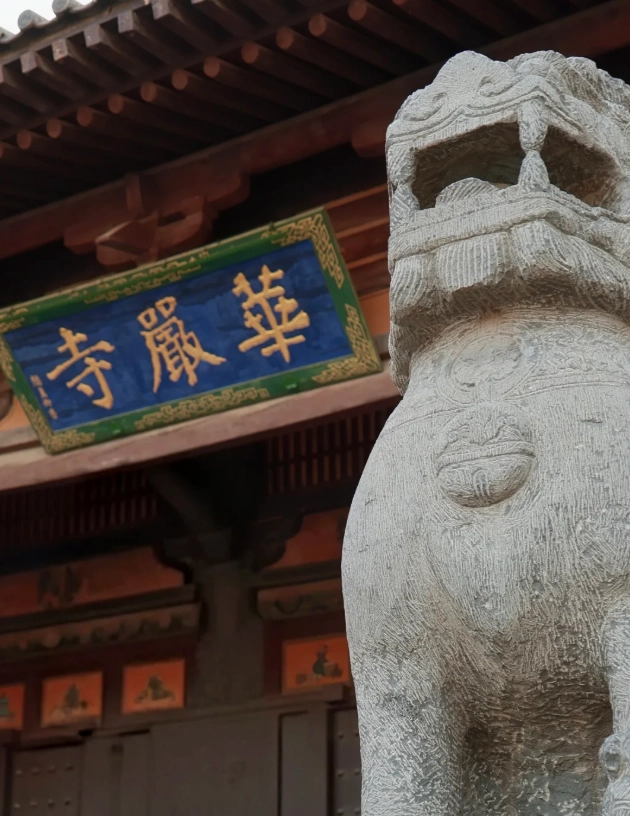
Both sites are partially outdoor. Yungang has covered corridors for most caves, but rain can make the stone paths slippery. Hanging Temple's wooden walkways are closed during heavy thunderstorms for safety. Have a backup plan: visit the Datong Museum (free, excellent) or the Huayan Temple in the city. Check weather the night before and adjust.
Can I visit Yungang Grottoes and Hanging Temple without a private car?
Technically yes, but you'll spend about 4 hours in transit. I've done it once with a client who refused private transport, and we barely made it. The bus from Hunyuan back to Datong stops running at 17:30. If you miss it, you're stuck. Pay for a driver—it's worth the ¥400.
Is it better to book tickets online in advance?
Absolutely. Both sites have daily capacity limits, especially during Chinese holidays. Yungang often sells out by 10 AM. Use the official WeChat mini-programs (search "云冈石窟" and "悬空寺") or ask your hotel to book for you. You can also buy through Trip.com, but they add a markup.
How much time should I allocate for each site?
For Yungang, 2.5 hours is enough if you focus on the main caves. For Hanging Temple, 1 hour inside plus 30 minutes for photos. Add 2 hours total for driving (from Datong to Yungang: 0.5h; Yungang to Hanging: 1.5h; back to Datong: 1h). So you need about 7-8 hours total. Start at 8 AM, finish by 5 PM.
Can I use international credit cards at the ticket offices?
Not reliably. Most on-site terminals only accept Chinese bank cards or mobile payments (WeChat Pay, Alipay). Always bring enough cash (¥500-600) for tickets and meals. International credit cards work at higher-end hotels and some restaurants in Datong, but not at these tourist sites.
What if it rains on my day?
Both sites are partially outdoor. Yungang has covered corridors for most caves, but rain can make the stone paths slippery. Hanging Temple's wooden walkways are closed during heavy thunderstorms for safety. Have a backup plan: visit the Datong Museum (free, excellent) or the Huayan Temple in the city. Check weather the night before and adjust.

Recent Reviews
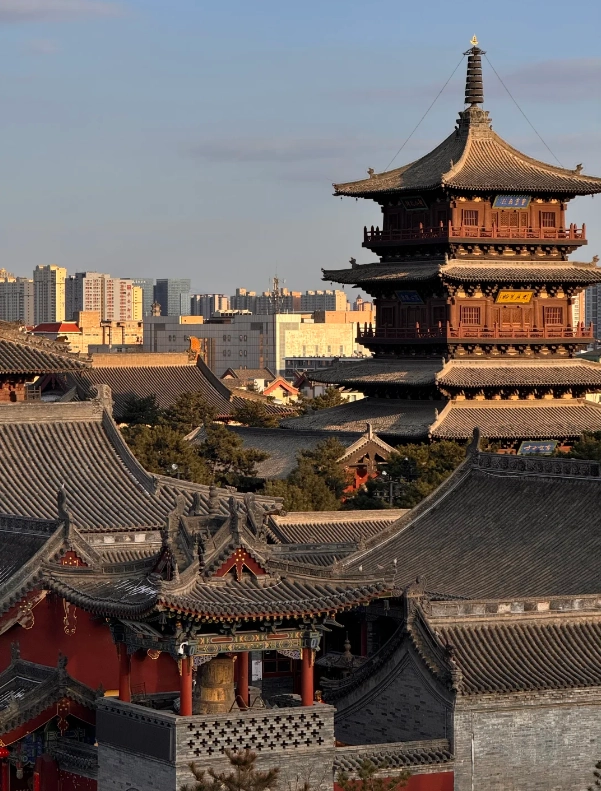
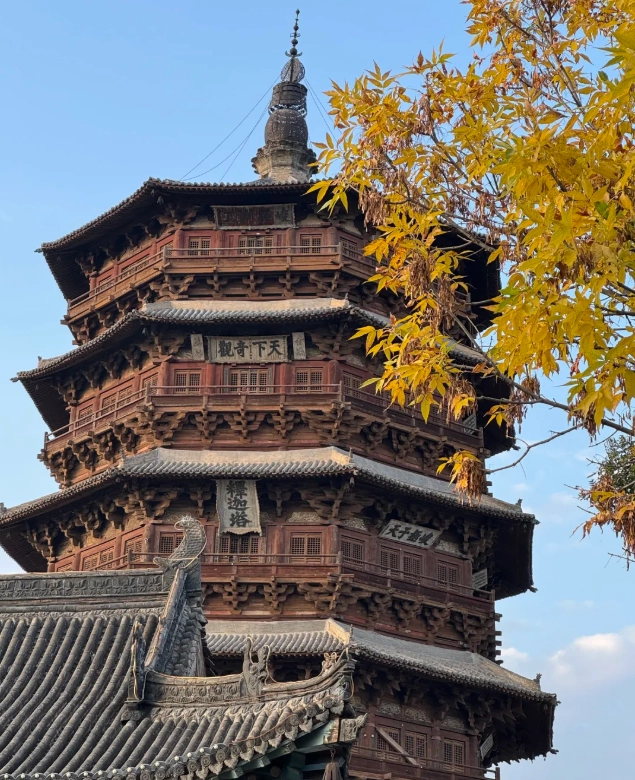
Shanxi is underrated. We drove from Datong to Taiyuan and stopped at Yingxian Wooden Pagoda, which is breathtaking in its engineering. Mount Wutai at sunrise with monasteries half-hidden in fog was a spiritual place. Everywhere, people were welcoming even when we struggled with translation. This province deserves way more attention.
Honest review: Shanxi has real cultural treasures, but my experience was mixed. The coal dust made the air heavy in Linfen, and some heritage sites were under renovation—or so the signs said—with scaffolding blocking the best views. The museum in Taiyuan was excellent, but the city itself lacks charm. Manage expectations.
As a foodie, Shanxi was paradise. Every meal came with black vinegar and hand-pulled noodles done in front of you. The night market in Pingyao had these amazing sautéed everything with vinegar; I still dream about the noodles. The ancient streets are atmospheric after sunset. Rate 10/10.
I visited Shanxi as part of a China trip. The historical highlights are amazing—Pingyao's walls and the Rishengchang bank museum are must-sees. Only reason not 5: getting between towns took longer than expected and some taxi quotes were inflated. Still, great value and very few international crowds.
Shanxi blew me away. I came for the hiking around Hunyuan and stayed for the mix of cliff temples and wild ravines. The Hanging Temple was as surreal as the photos, but seeing it in person with the mist rolling through the valley was unforgettable. Locals at the small guesthouse even showed me how to make dao xiao mian. Absolutely recommended.
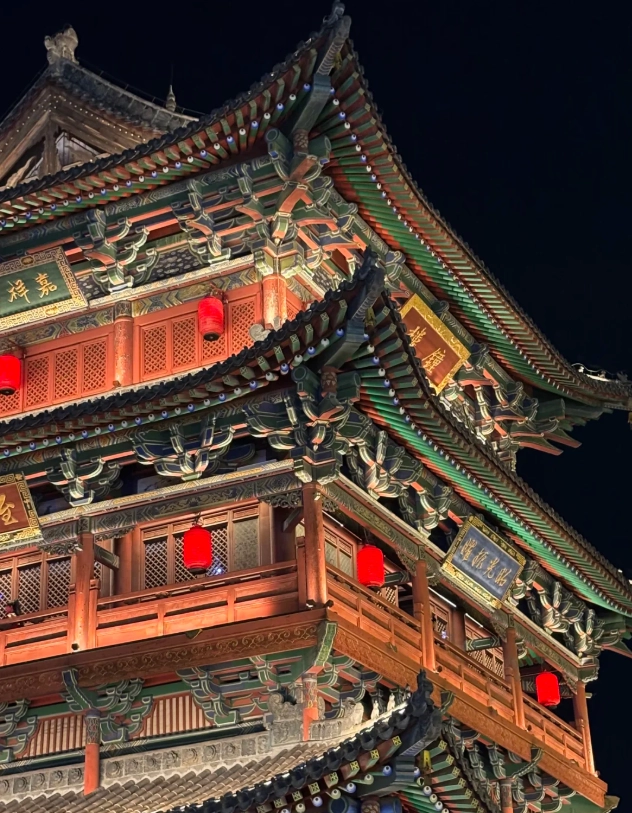
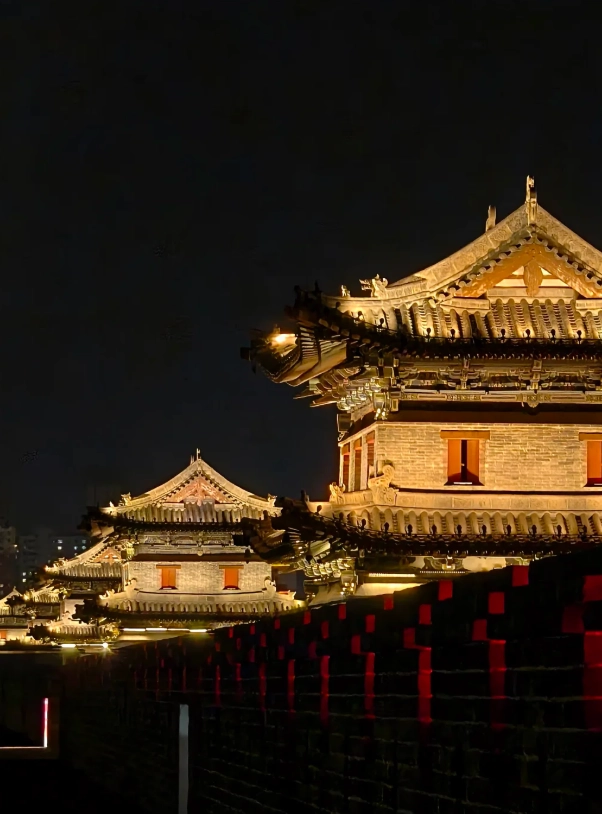
Pingyao at dusk made me feel like I had stepped into an old Chinese painting. Lantern light spilled onto the brick streets, and the old courtyards smelled of sandalwood and sun-warmed dust. I spent an entire day just wandering the alleys and chatting with shopkeepers. The view from the city wall at sunset is absolutely worth the entrance fee alone. Shanxi has so much character—I loved every minute.
Leave a Review