Yungang Grottoes Overview
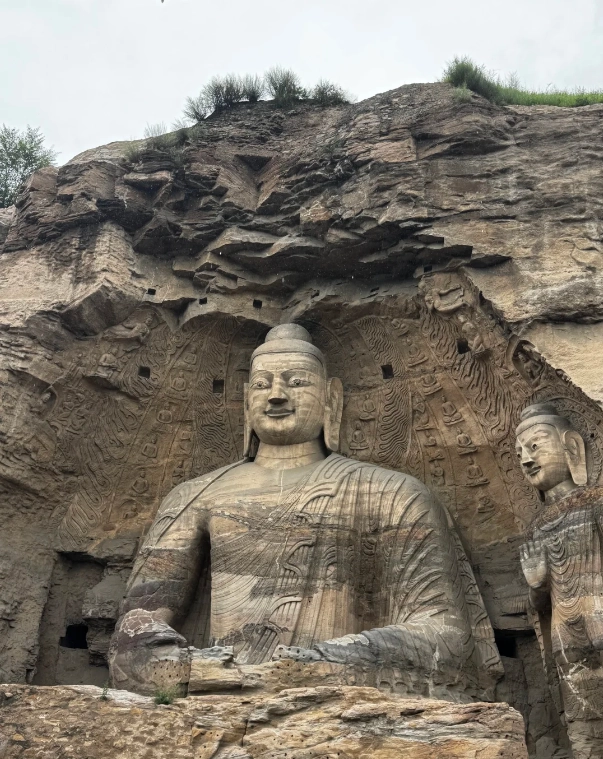
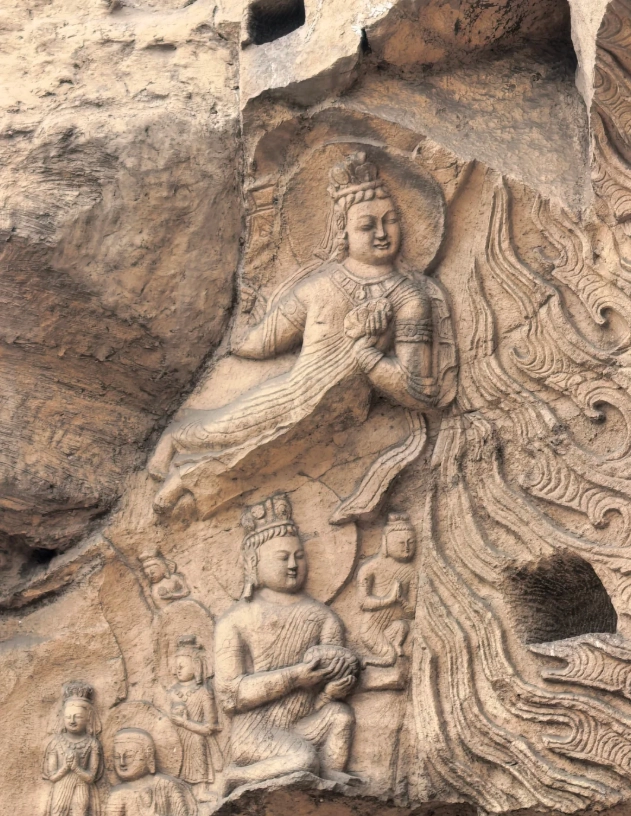
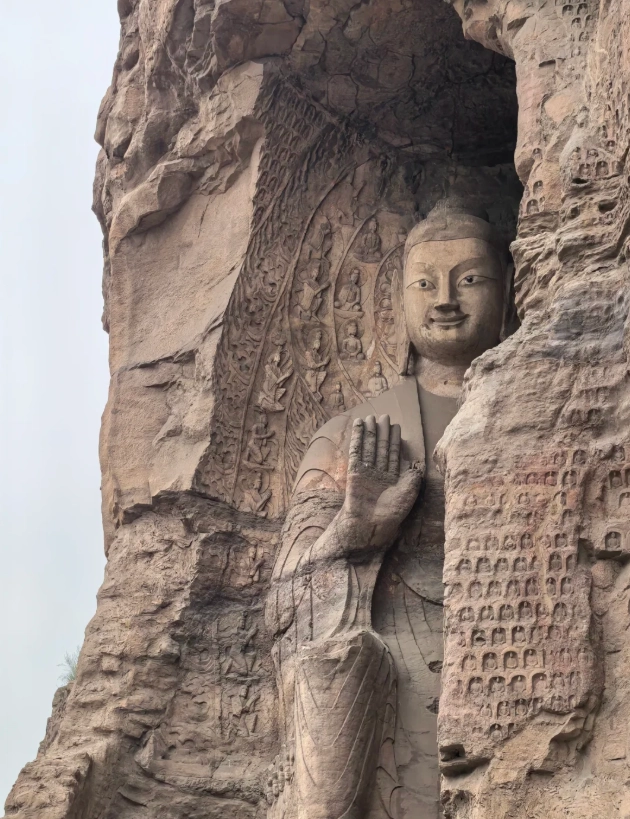
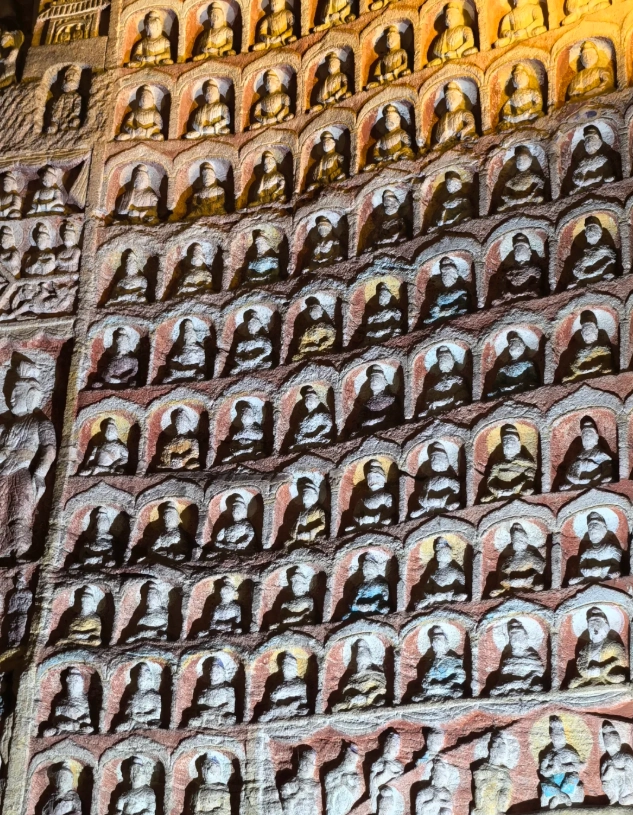
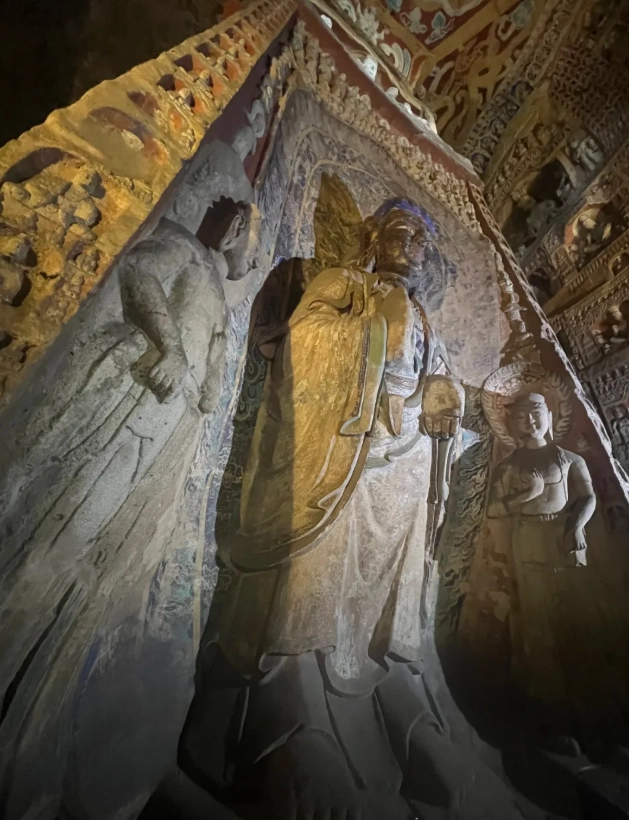
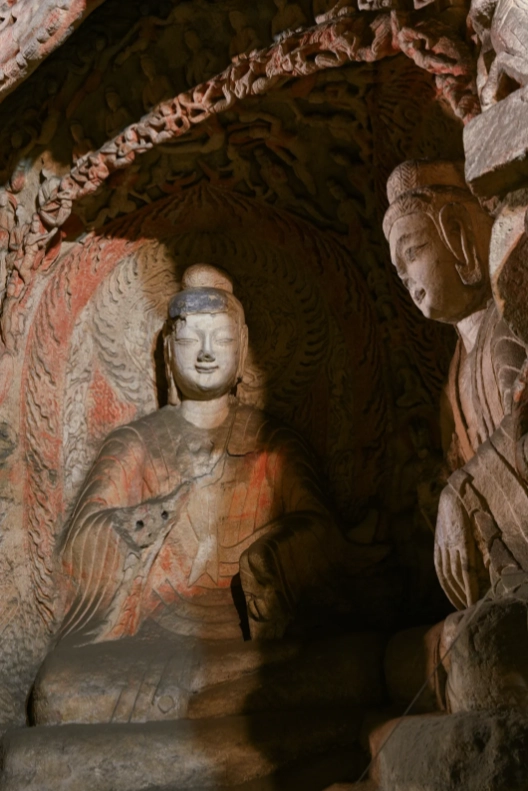
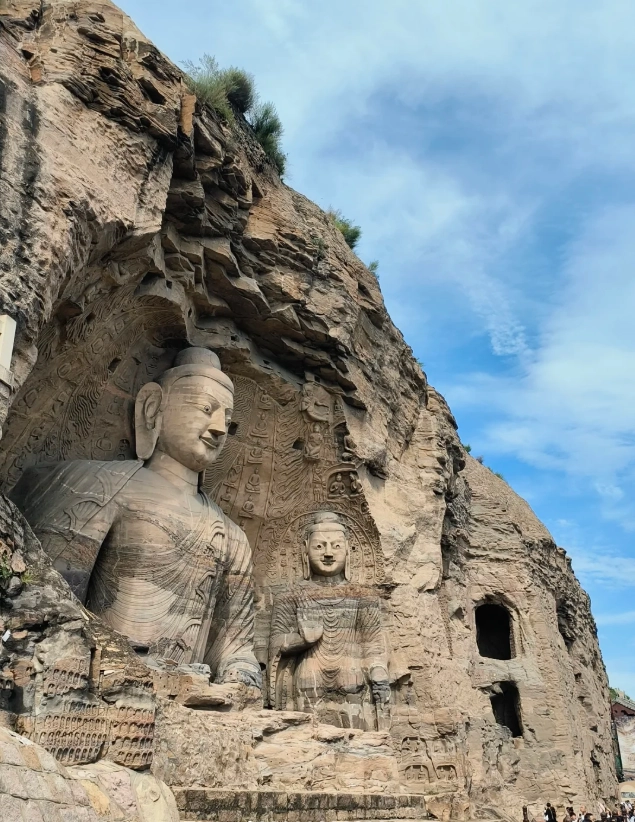
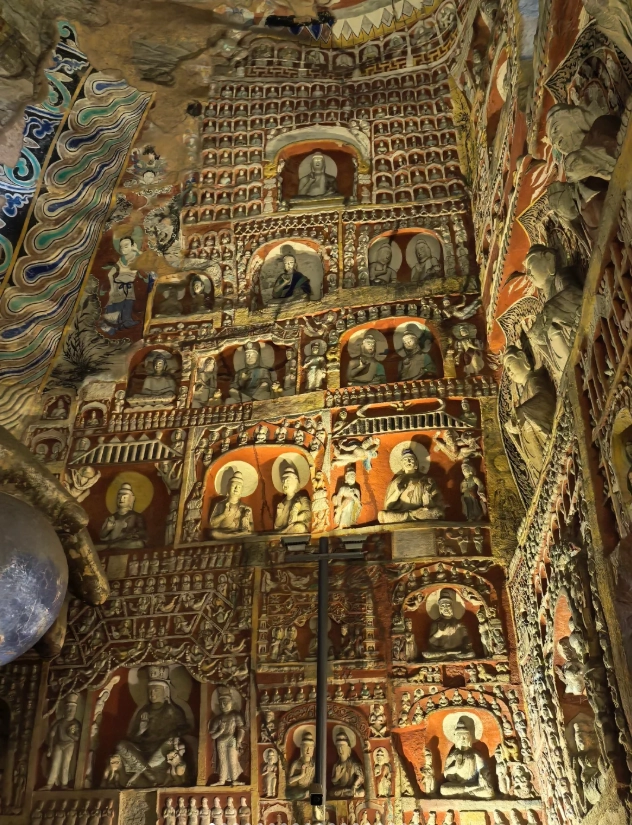
A spectacular UNESCO World Heritage site showcasing over 51,000 ancient Buddhist statues carved directly into sandstone cliffs across 53 major caves, representing the pinnacle of 5th-century Northern Wei dynasty stone art.
Yungang Grottoes Opening Hours & Tickets
- Peak season: 08:30–17:30; Off-peak season: 09:00–17:00 (last entry 30 minutes before closing)
- Best season: May to October for pleasant outdoor temperatures
- Ticket note:
Standard adult ticket is 120 CNY (Peak: April 1 to October 31) and 80 CNY (Off-p...
Essential Yungang Grottoes Visitor Information
- Enquiries: +86 352 7992655
- Visitor Center
- English Audio Guide Rentals
- Electric Shuttle Cars (Extra Fee)
- Restrooms
- Gift Shops and Cafes
- Luggage Storage
How to Get to Yungang Grottoes
Take Tourist Bus Line 603 or Bus 3-1 direct from Datong Railway Station, or hail a Didi/taxi which takes approximately 30–40 minutes from the city center.
Yungang Grottoes Travel Safety & Advice
Dial 120 for medical emergencies in China. A first-aid station is located inside the main Visitor Center near the entrance.
Yungang Grottoes Travel FAQ
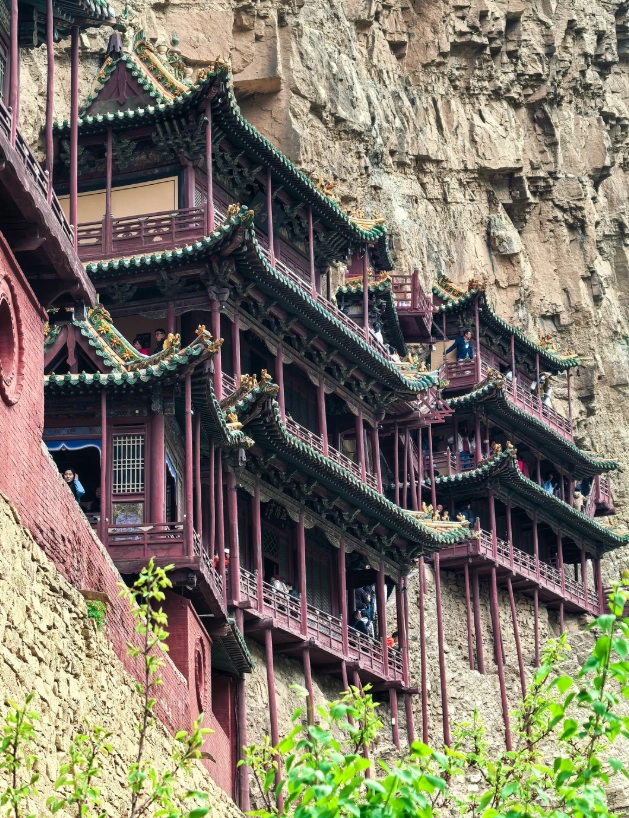
Can I visit Yungang Grottoes and Hanging Temple without a private car?
Technically yes, but you'll spend about 4 hours in transit. I've done it once with a client who refused private transport, and we barely made it. The bus from Hunyuan back to Datong stops running at 17:30. If you miss it, you're stuck. Pay for a driver—it's worth the ¥400.
Is it better to book tickets online in advance?
Absolutely. Both sites have daily capacity limits, especially during Chinese holidays. Yungang often sells out by 10 AM. Use the official WeChat mini-programs (search "云冈石窟" and "悬空寺") or ask your hotel to book for you. You can also buy through Trip.com, but they add a markup.
How much time should I allocate for each site?
For Yungang, 2.5 hours is enough if you focus on the main caves. For Hanging Temple, 1 hour inside plus 30 minutes for photos. Add 2 hours total for driving (from Datong to Yungang: 0.5h; Yungang to Hanging: 1.5h; back to Datong: 1h). So you need about 7-8 hours total. Start at 8 AM, finish by 5 PM.
Can I use international credit cards at the ticket offices?
Not reliably. Most on-site terminals only accept Chinese bank cards or mobile payments (WeChat Pay, Alipay). Always bring enough cash (¥500-600) for tickets and meals. International credit cards work at higher-end hotels and some restaurants in Datong, but not at these tourist sites.
What if it rains on my day?
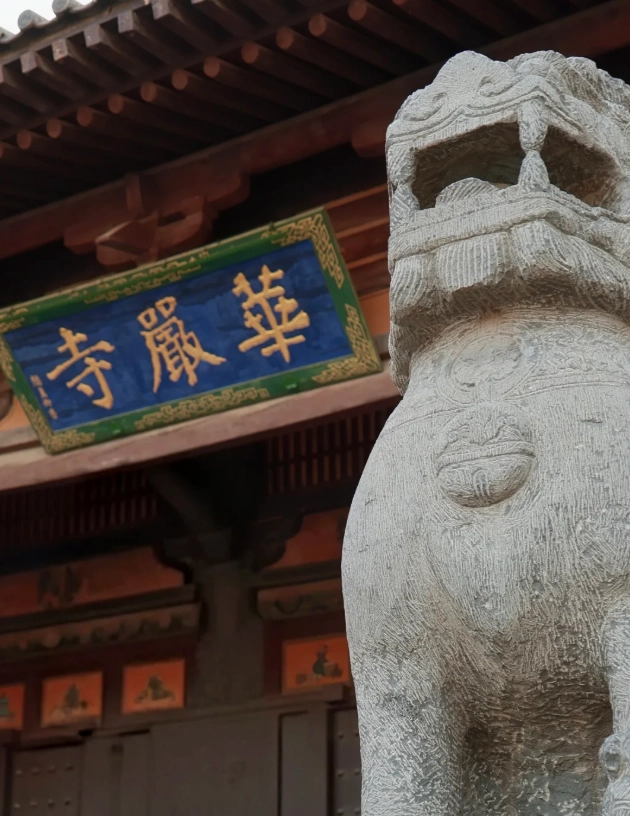
Both sites are partially outdoor. Yungang has covered corridors for most caves, but rain can make the stone paths slippery. Hanging Temple's wooden walkways are closed during heavy thunderstorms for safety. Have a backup plan: visit the Datong Museum (free, excellent) or the Huayan Temple in the city. Check weather the night before and adjust.
Can I use international credit cards to buy tickets for must-see sights in Shanxi?
Not reliably. Many ticket windows and online platforms only accept Alipay or WeChat Pay, which you can link to your international Visa/Mastercard. Carry some cash as a backup — small vendors may not accept cards at all.
Is it safe to take a Didi from Pingyao to the Qiao Family Compound at night?
Yes, but it’s smart to share your trip details with your hotel. Didi is registered and monitored, but shorter rural routes sometimes have no cars after 8 PM. Book through the app and check the driver’s rating; I’ve never had a problem, but I always suggest a hotel-arranged driver for nighttime trips.
What if I don't have a VPN? Can I still access booking sites?
Trip.com and Klook are accessible from China without a VPN, so you can book those from home before you arrive. But you'll definitely need a VPN for Google Maps, Instagram, and many other Western sites — download one before your trip.
How much time should I spend at Yungang Grottoes if I only have a half day?
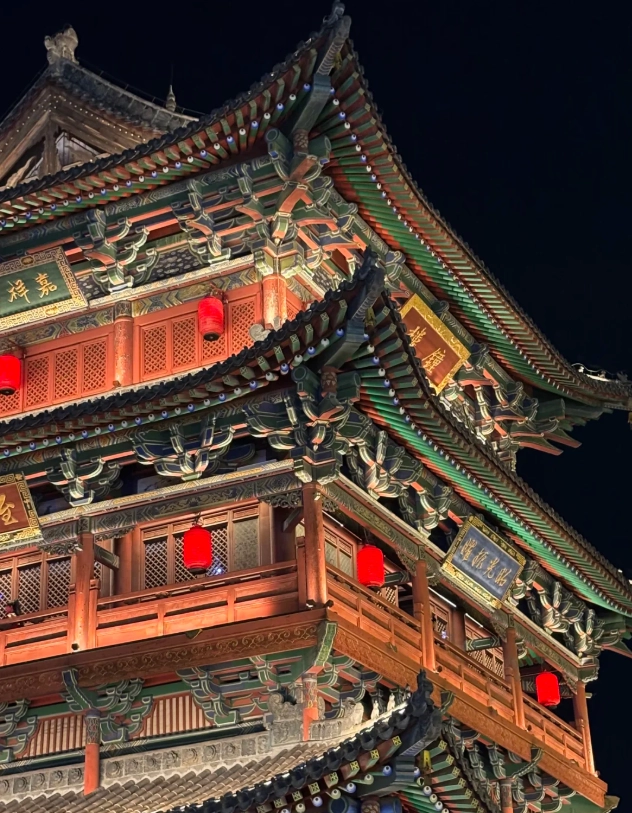
Stick to the main route: caves 5, 6, 9, 10, and the Daxiong Hall. That’s a solid 2 hours. If you’re hardcore, add the gate tower and the museum at the exit — give it 3.5 hours max. Aim to arrive by 3 PM and you’ll dodge the tour groups entirely.
How do I get from Datong Station to Yungang Grottoes without being ripped off?
If you arrive at Datong South (high-speed) or Datong Station, avoid the taxi drivers who swarm you with flat rates. Open DiDi and search for "云冈石窟" — it will show a fare around CNY 60-80. Alternatively, hop on bus #3 from the city center for just CNY 2. The bus stops right at the grottoes entrance.
Recent Reviews
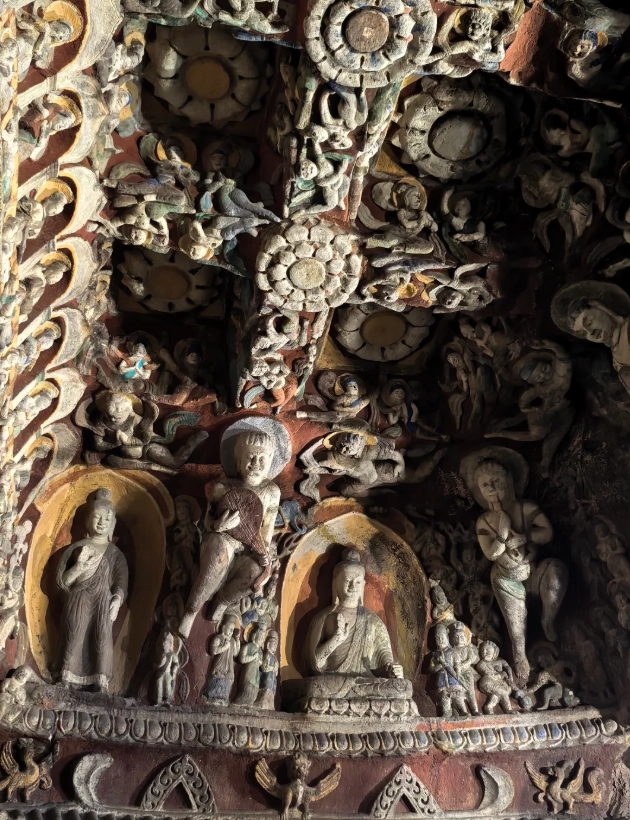
Bucket-list stuff. The craftsmanship is so precise that even the smallest bodhisattva carvings have individual expressions. I loved how each cave has a different theme—some are massive single Buddhas, others are covered in thousands of tiny figures. The museum at the entrance is underrated; it explains the Silk Road cultural exchange beautifully. Easy to reach from Datong by bus. One of the most impressive UNESCO sites I’ve ever seen. Highly, highly recommend.
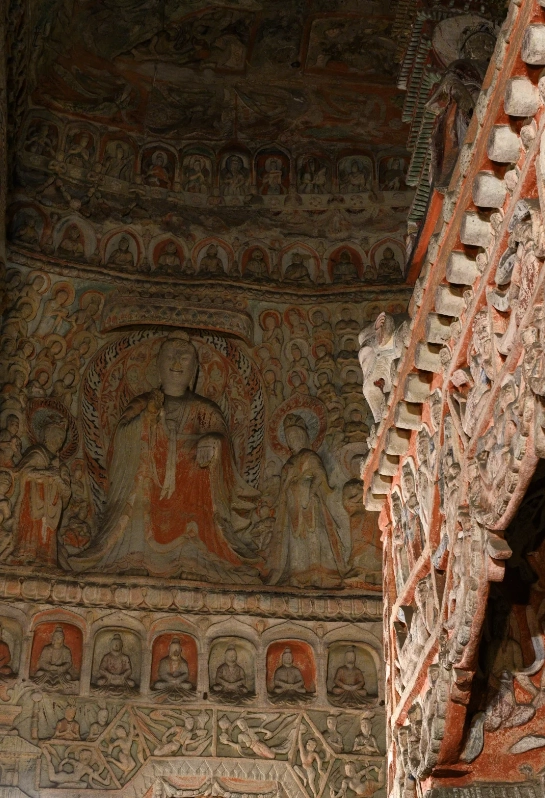
Absolutely blown away. I’ve been to Angkor and Petra, and Yungang holds its own. The preservation work is evident—some caves have restored color that gives you a peek into what it looked like 1,500 years ago. The sheer number of Buddha figures (over 50,000!) is staggering. I spent nearly four hours and still felt I rushed. The morning light hitting the statues is magical. Go early, bring a hat, and prepare to have your mind melted. 5/5 without a doubt.
I was prepared for a tourist trap, but Yungang surprised me. The caves are spread out nicely, and the guided audio tour was clear and helpful. Cave 6 with the pagoda pillar is a masterpiece—so much storytelling carved into stone. The highlight for me was walking up the steps to Cave 15 for a view of the whole valley. It felt peaceful despite the crowds. Only small complaint: the souvenir shops are a bit pushy right at the exit. But overall, a solid 4-star experience that I’d recommend to anyone visiting Datong.
Honestly, I was a bit let down. Maybe my expectations were too high after seeing Longmen Grottoes? The carvings are amazing, no doubt, but the whole area felt overcrowded (even on a weekday) and the signage was confusing. A few of the Buddha statues have been badly weathered—which is natural, I guess—but the glass barriers in Cave 5 make it hard to get a good photo without reflection. Entrance fee is steep for what you get, and the shuttle bus inside is extra. Worth a visit once, but not 'life-changing' like some say.
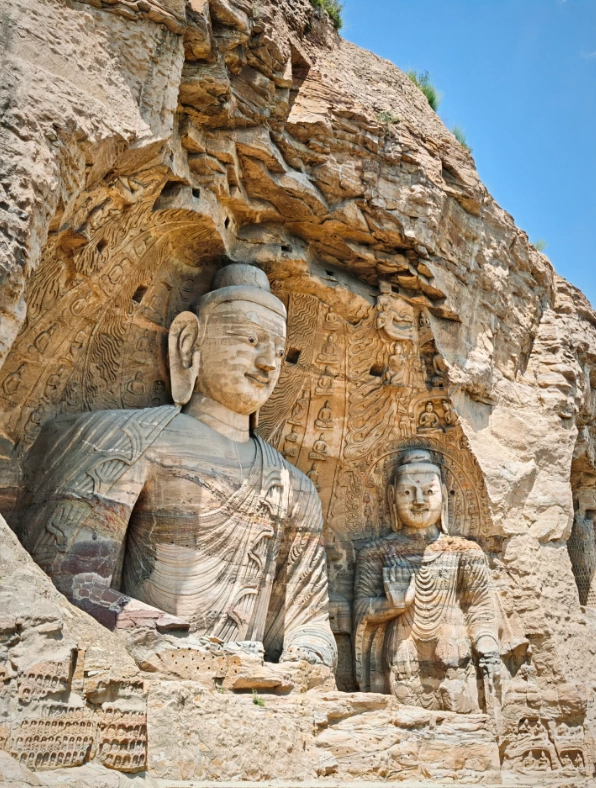
The sheer scale of the carvings is mind-blowing. I’d seen documentaries, but standing in front of Cave 20’s giant Buddha is a totally different experience. The detail in the sandstone—drapery folds, serene expressions—is incredible after 1500 years. A few of the smaller caves were closed for restoration, which was a bummer, but the main ones are breathtaking. If you’re into history or just want to feel tiny beside ancient art, this is an absolute must-see. Bring good walking shoes and a water bottle—it’s a big site.
A dream for any photographer – the textures and symmetry of the carvings are incredible. However, be warned: flash photography is strictly forbidden inside the covered caves, and even tripods are not allowed without a permit. I managed to get some decent shots with a fast lens and high ISO. Cave 6 with its double-decker pagoda design was my favorite. The light changes fast in the afternoon, so plan your time. A solid 4 stars – wish the on-site cafe had better coffee though.
Look, the grottoes themselves are undeniably impressive, but the overall experience felt overrated and overpriced. 120 RMB for a ticket – and then another 15 for a shuttle bus that only saves a five-minute walk? The souvenir shops and food stalls along the walkway are tacky and expensive. Plus, there were too many selfie sticks and loud tour groups. For the hype, I expected a more serene, well-managed site. Okay for a one-time visit, but I wouldn't come back.
I came here alone and it was one of the most peaceful afternoons I've had in China. The autumn light hitting the cliff face made the carvings glow. I sat on a bench near cave 20 for a good twenty minutes just taking it all in – no rush, no agenda. The maintenance is excellent, paths are clean, and the staff are polite. If you're a solo traveler, bring a sketchbook or just your thoughts. Five stars for the soul.
Really impressive site overall – the giant seated Buddha is a sight you won't forget. But I have to deduct a star because it was way too crowded when I visited (midday on a Saturday). Also, some of the smaller caves are locked or under renovation, which was a bit frustrating. The audio guide is helpful but the narration can be dry. Still, definitely worth the trip from Datong; just go early in the morning to beat the bus tours.
Absolutely mind-blowing! The sheer scale and craftsmanship of these ancient cave carvings left me speechless. I spent nearly three hours wandering through caves 5, 6, and 12, and every single statue tells a story. The colors on the Buddha figures from the Tang dynasty restorations are still so vivid. If you're into Chinese history or Buddhist art, this is a must-see. Bring good walking shoes and plenty of water – you'll need them!
This was the highlight of our Shanxi trip! The sheer number of statues (over 50,000!) is staggering. I loved how each cave has its own personality—some are serene, others almost chaotic with carvings everywhere. The staff were friendly and the pathways are well-maintained. If you love history or art, don’t miss it.
Good but not great for the price. Entrance fee is steep, and there’s minimal shade—bring water and a hat. The carvings are impressive, but some caves are poorly lit, making it hard to see the details. I’d recommend going with a guide; otherwise, it’s just a lot of rocks. A solid 3/5 experience.
Honestly, this place exceeded every expectation I had. Walking through those caves felt like stepping into another world. The craftsmanship is unbelievable—how did they do this 1,500 years ago? I spent almost 4 hours here and could have stayed longer. The souvenir shop is overpriced, but who cares when the art is free to photograph?
Impressive site, but the experience was a bit crowded even on a weekday. Some of the smaller caves were roped off, which was disappointing. The main grottoes are stunning, but I wish they’d do more to preserve the fading colors. Still worth the trip from Datong, just manage your expectations.
Absolutely mind-blowing! The sheer scale and detail of the carvings left me speechless. We went early in the morning to avoid crowds, and the sunlight hitting the largest Buddha was pure magic. The audio guide is worth every penny—it really brings the history to life. Definitely a bucket-list destination.
Leave a Review